
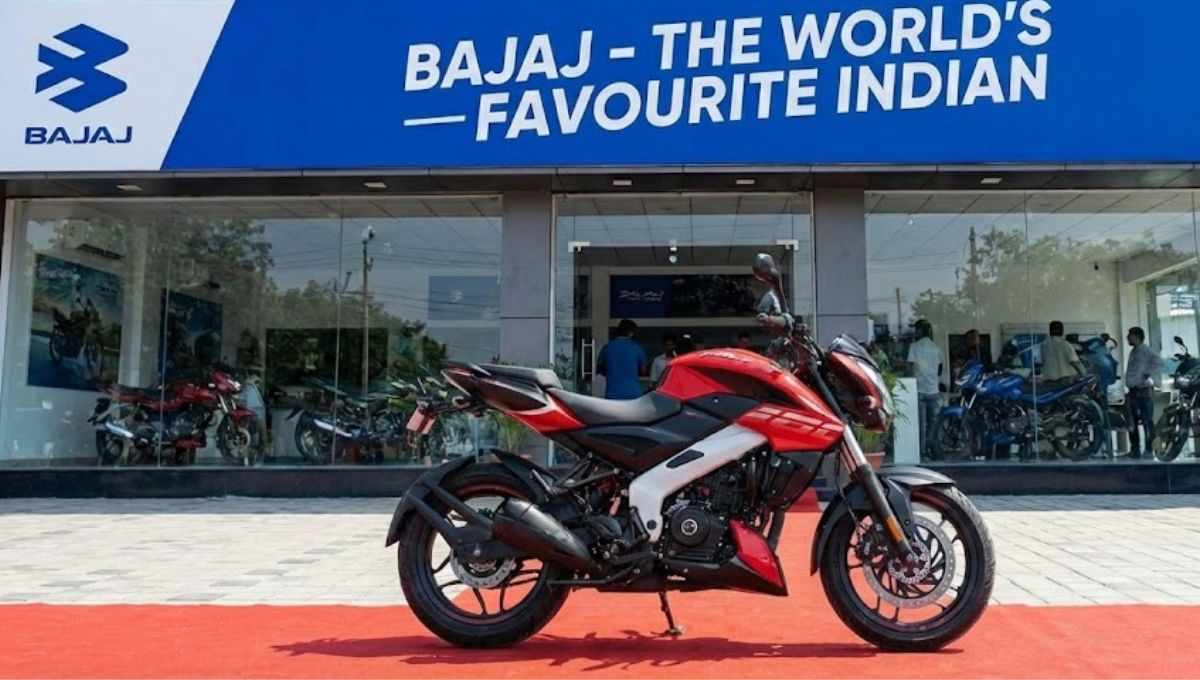
The Bajaj Pulsar N160 has been one of India’s most loved 160cc motorcycles, known for its muscular styling, strong mid-range punch, and premium riding feel. For 2025, Bajaj Auto is preparing an updated Pulsar N160 2025, bringing more refinement, improved features, updated colour schemes, and stronger road presence. The 2025 edition aims to take the Pulsar legacy further by blending sharp streetfighter aesthetics with practical everyday performance.
Whether you’re a commuter, college rider, or someone looking for a fun street bike, the Pulsar N160 2025 promises a better value package than ever.
Bajaj Pulsar N160 2025 Key Highlights (2025 Model)
- Updated body graphics and refreshed colour palette
- Improved riding ergonomics
- More refined engine tuning
- Enhanced LED lighting setup
- Dual-channel ABS (higher variants)
- Better vibration control
- Wider rear tyre option
- Expected smartphone connectivity (select variants)
Design & Styling – Sharper, Muscular, Modern
The Pulsar N160 2025 gets a stronger visual presence while retaining its aggressive streetfighter DNA. The signature wolf-eye LED DRLs return with a sharper glow pattern, making the bike instantly recognisable.
Key exterior updates:
- Revised headlamp cluster with deeper illumination
- Sportier tank extensions with premium decals
- Improved fit & finish around body panels
- New dual-tone paint options
- Sleek, segment-style tail section
- Stylish blacked-out exhaust
- Wider and stronger grab rails
The bike maintains the muscular Pulsar identity but adopts a more mature, premium vibe for 2025.
Expected 2025 feature updates:
- Fully digital console with improved brightness
- Smartphone connectivity (turn-by-turn navigation + alerts)
- USB Type-C charging port
- Better cushioned seat foam
- More refined switchgear with backlight
- Expanded toolkit storage under seat
The seating posture remains slightly sporty yet very comfortable for city rides and long commutes.
Read More:- Norton V4RR Review: A Mind-Blowing V4 Monster Reborn
Engine, Performance & Power Figures
The Bajaj Pulsar N160 2025 continues using the reliable 164.82cc single-cylinder BS6 engine but with enhanced refinement.
Expected 2025 power output:
- Power: 15.7 PS @ 8750 rpm
- Torque: 14.7 Nm @ 6500 rpm
- Engine Type: 4-stroke, SOHC, air + oil cooled
- Gearbox: 5-speed
Bajaj is likely to retune the ECU for:
- Smoother throttle response
- Reduced vibrations
- More usable mid-range
This makes it suitable for traffic, highway cruising, and spirited weekend riding.
Mileage / Fuel Efficiency
The upcoming 2025 tuning focuses on maximising real-world fuel efficiency.
Expected mileage:
- City: 45–50 kmpl
- Highway: 50–55 kmpl
- Overall: ~50 kmpl
Perfect for daily riders looking for a balance of performance and economy.
Ride Quality, Handling & Suspension
The ride quality on the Pulsar N160 2025 is expected to improve thanks to:
- lighter steering setup
- better suspension damping
- improved chassis rigidity
Suspension:
- Front: 37mm telescopic forks
- Rear: Nitrox monoshock
Whether navigating potholes or leaning through corners, the N160 remains stable and confidence-inspiring.
Braking Setup & Tyres
The Pulsar N160 2025 will be offered in dual braking options.
Brakes:
- Front: 300mm disc
- Rear: 230mm disc
- ABS: Single-channel ABS (base), Dual-channel ABS (top model)
Tyres:
- Front: 100/80-17
- Rear: 130/70-17 (wider tyre in 2025 variant)
- Tyre Type: Tubeless
Braking performance improves significantly with the dual-channel ABS variant.
Safety Features & Technology
The 2025 Pulsar N160 is expected to include:
- Dual-channel ABS
- LED headlamp + DRLs
- Engine cut-off with the side stand
- Rev limiter for safety
- Better heat management
- Traction-enhancing wider rear tyre
- Smart connectivity alerts (SMS/Call)
Variants, Trims & Colour Options (2025)
Expected variants:
- Single Disc, Single-Channel ABS
- Dual Disc, Dual-Channel ABS
- Connected Variant (Top Model)
Expected Colour options:
- Brooklyn Black
- Racing Red
- Caribbean Blue
- Pearl White
- Stealth Grey (New)
- Neon Edition (Expected Special Edition)
Price (Ex-Showroom + On-Road)
Expected 2025 pricing:
| City | Ex-Showroom | On-Road Price |
| Delhi | ₹1.32 lakh | ₹1.55 lakh |
| Mumbai | ₹1.33 lakh | ₹1.60 lakh |
| Bangalore | ₹1.34 lakh | ₹1.65 lakh |
| Kolkata | ₹1.31 lakh | ₹1.53 lakh |
| Chennai | ₹1.33 lakh | ₹1.58 lakh |
Prices are expected; official pricing may vary.
Expected Launch Date / Booking / Availability
The Bajaj Pulsar N160 2025 is expected to launch in mid-2025, with pre-bookings beginning soon after reveal.
Availability:
- All major Bajaj dealerships
- Online booking expected
- Deliveries likely within 2–4 weeks after launch
Full Specification Table – Bajaj Pulsar N160 2025
| Category | Specifications |
| Engine | 164.82cc, single-cylinder, air + oil cooled |
| Power | 15.7 PS @ 8750 rpm |
| Torque | 14.7 Nm @ 6500 rpm |
| Gearbox | 5-speed |
| Mileage | 50 kmpl (expected) |
| Top Speed | ~120 kmph |
| Fuel Tank | 14 litres |
| Front Suspension | Telescopic 37mm |
| Rear Suspension | Nitrox monoshock |
| Front Brake | 300mm disc |
| Rear Brake | 230mm disc |
| ABS | Single / Dual Channel |
| Tyres | 100/80-17 (F), 130/70-17 (R) |
| Dimensions | 2017 mm length, 804 mm width |
| Seat Height | 795 mm |
| Kerb Weight | 152–154 kg |
| Warranty | 3 years standard (expected) |
Real-World User Expectations (Based on Market Trends)
Riders expect the 2025 N160 to deliver:
- Better refinement
- Modern tech features
- Sportier graphics
- More comfortable riding posture
- Improved LED brightness
- Better resale value
If Bajaj delivers these updates, the N160 will remain a top contender in the 160cc segment.
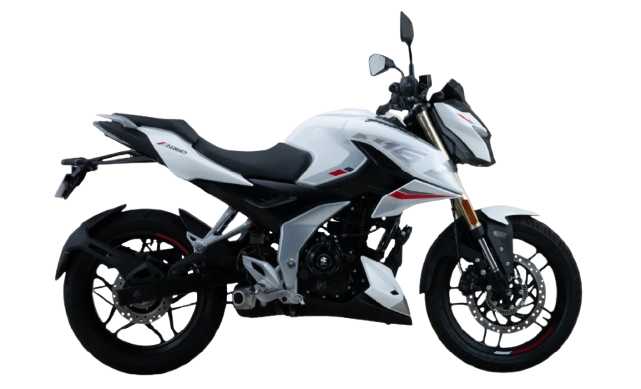
Competitor Comparison Table
| Feature | Pulsar N160 2025 | TVS Apache RTR 160 4V | Hero Xtreme 160R 4V |
| Engine | 164.82cc | 159.7cc | 163.2cc |
| Power | 15.7 PS | 17.4 PS | 16.9 PS |
| Mileage | ~50 kmpl | ~45 kmpl | ~50 kmpl |
| ABS | Dual-channel | Single-channel | Single-channel |
| Features | LED, Connectivity | Ride Modes, LED | LED, Lightweight |
| Price | ₹1.32 lakh | ₹1.34 lakh | ₹1.28 lakh |
Pros & Cons
Pros:
- Strong mid-range torque
- Excellent mileage for the segment
- Aggressive styling
- Dual-channel ABS option
- Comfortable for long rides
- Premium build quality
Cons:
- No sixth gear
- Limited top speed vs some rivals
- No ride modes (expected but not confirmed)
Who Should Buy This Bike? (Buyer Guide)
Buy the Pulsar N160 2025 if you want:
- A sporty yet practical commuter
- Excellent fuel economy
- Aggressive streetfighter looks
- Reliable daily performance
- Low maintenance cost
- Modern tech at a good price
Avoid it if you want:
- Very high top speed
- Features like riding modes or slipper clutch
The Bajaj Pulsar N160 2025 is shaping up to be one of the most exciting upgrades in the 160cc segment. With improved refinement, updated styling, better comfort, modern features, and excellent fuel efficiency, it is an ideal choice for riders who want a reliable, stylish, and powerful commuter motorcycle.
It blends everyday practicality with Pulsar’s aggressive performance DNA — making it a perfect all-rounder for Indian roads.
FAQs
What is the expected price of the Bajaj Pulsar N160 2025?
Expected ex-showroom price ranges from ₹1.32–₹1.34 lakh, depending on the variant.
What mileage can the Pulsar N160 2025 deliver?
Around 45–55 kmpl, depending on riding style and city/highway conditions.
What is the top speed of the 2025 Pulsar N160?
Expected top speed is 118–120 kmph.
What engine does the Pulsar N160 2025 use?
A refined 164.82cc air + oil-cooled single-cylinder engine.
Does the Pulsar N160 2025 get Bluetooth or mobile connectivity?
Top variant is expected to offer Bluetooth + turn-by-turn navigation.
What are the maintenance costs like?
Pulsar bikes generally have low maintenance costs, around ₹700–₹1200 per service.
Is the Pulsar N160 2025 reliable for long-term use?
Yes. Bajaj engines are proven to be durable, fuel-efficient, and city-friendly.
What safety features does the bike offer?
Dual-channel ABS, LED setup, engine cut-off, and wider tyres for improved grip.
What warranty does Bajaj offer?
Expected standard warranty: 3 years / 40,000 km.
BRABUS x DAB Motors Electric Motorcycle: A Bold Fusion of Performance, Art, and Electric Innovation
The 5 Powerful Hero Karizma XMR Alternatives That Might Be Better for Entry-Level Sports Bike Buyers
After Two Tough Years, Shimano Reports Growth in Bike Component Sales for First Time: Is the Cycling...