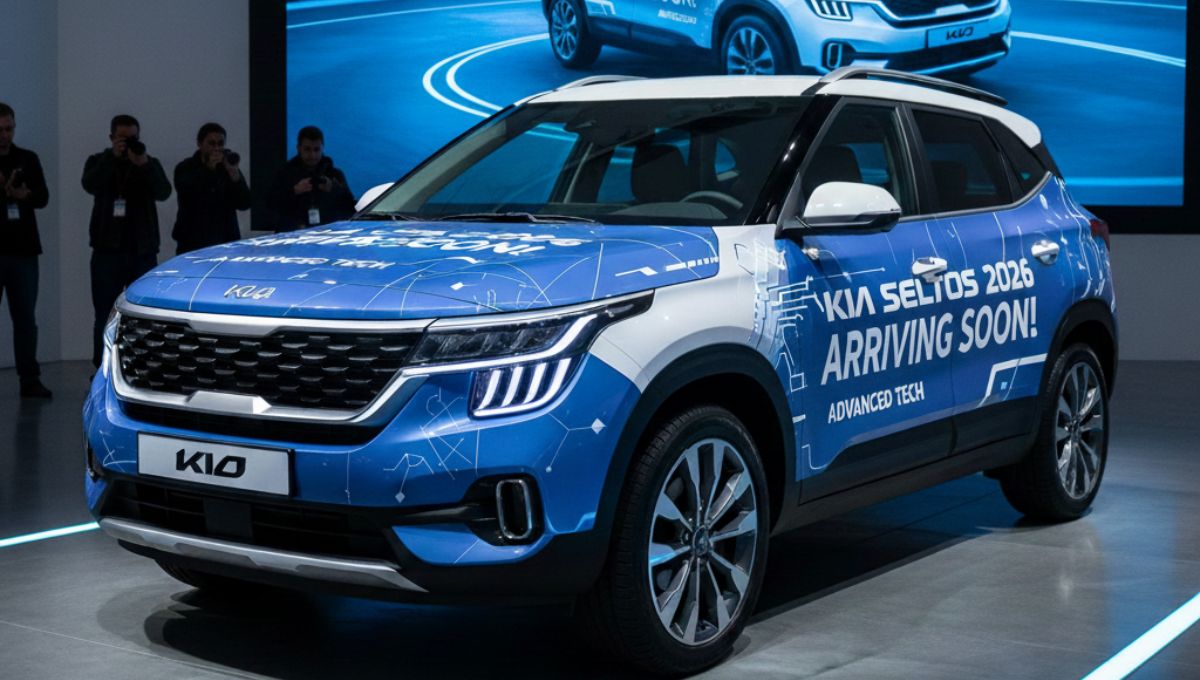
Imagine cruising city streets with hands-off highway driving, or powering up ghat roads with a punchy new turbo engine—all in a stylish SUV that turns heads without emptying your wallet. The 2026 Kia Seltos facelift just made its global debut, packing next-level tech and performance that could redefine compact SUVs in India. Building on its bestseller status (over 2 lakh units sold), this update brings Level 2 ADAS, a fresh turbo-petrol heart, and bolder looks. If you’re eyeing a family hauler with adventure spirit, here’s why the new Seltos demands your attention.
Compact SUVs: Where 2026 Seltos Dominates
Compact SUVs blend city agility with weekend getaway prowess—think Hyundai Creta rivals but with premium flair. The Seltos fits the “crossover” sweet spot: 4.3m long, monocoque chassis for nimble handling, higher ride height for bad roads. Unlike rugged ladder-frame SUVs, it’s built for 80% tarmac, 20% trails—perfect for Indian families hitting Lonavala or Ooty.
Key Specifications Overview
Expected specs blend global reveals with India tweaks:
| Specification | Details |
| Engines | 1.5L NA Petrol (115PS), 1.5L Turbo Petrol (160PS), 1.5L Diesel (115PS) |
| Transmission | 6MT/iMT, 7DCT, 6AT |
| Dimensions | 4365 x 1790 x 1645mm (LWH), 2780mm WB |
| Ground Clearance | 190mm (loaded) |
| Boot Space | 433L (expandable to 1200L) |
| Fuel Tank | 50L |
| Tyres | 215/60 R16 (base), 215/55 R17 (top) |
| Safety | 6 airbags std, Level 2 ADAS (top trims) |
Turbo-petrol pairs with 7DCT for quickest shifts.
Engine Performance: Turbo Takes Centre Stage
The star is the new 1.5L turbo-petrol—160PS/253Nm obliterates the old 1.4L, hitting 0-100km/h in ~9 seconds. Smooth low-end grunt overtakes trucks effortlessly, while diesel’s 115PS/250Nm suits torque-hungry highways. Petrol NA remains frugal for city sips. All engines get ISG mild-hybrid tech for 10% better response. Real thrill? DCT’s paddle shifts make it drive like a hot hatch.
Read More:- 2026 Ford Puma: A Fresh Look at the Compact Crossover
Mileage Figures: Efficient Yet Punchy
ARAI claims: Turbo-petrol 18-20kmpl, diesel 20-22kmpl, NA petrol 17-19kmpl. Real-world? Turbo nets 15-17 city/highway mixed, diesel shines at 19kmpl loaded. Mild-hybrid cuts idle stops, stretching tanks to 900km. No plug-in here—pure efficiency for India’s fuel prices.
Loaded Features: Tech That Wow
- ADAS Level 2: Highway Assist (hands-free), adaptive cruise, lane keep, auto emergency braking.
- Panoramic Sunroof: Dual-pane, voice-controlled.
- 10.25-inch Dual Screens: Navigation, wireless Android Auto/Apple CarPlay.
- Bose 8-Speaker Audio: Cabin-shaking bass.
- Ventilated Seats: Front + rear in top trims.
- 360 Camera + Blind Spot View: Park like a pro.
New connected car tech tracks service, geo-fencing for teens
Comfort, Handling & Ride Quality
Slide into quilted leatherette seats—space for 6ft adults rearward, flat floor for three-abreast. Ride smooths potholes via frequency-dependent dampers; handling sharpened with stiffer chassis. Electric power steering feels precise, body roll tamed in corners. AC chills fast, whisper-quiet at 120km/h. Long hauls? Fatigue-free with adjustable thigh support.
Build Quality: Korean Solid Meets Indian Tough
Kia’s high-strength steel (63% HSS) passes global crash tests; India-spec adds underbody shield. Rust-proofing lasts monsoons, plastics feel premium sans rattles. Boot swallows weekend luggage, frunk for cables. 3-star ASEAN NCAP base, 5-star hoped with ADAS.
India Pricing Breakdown
Expected ex-showroom (Jan 2026 launch):
- HTE (base): Rs 11-12 lakh
- HTX: Rs 13-14 lakh
- GTX+: Rs 17-18 lakh
- X-Line Top: Rs 19-20 lakh
On-road Delhi: +10-12% (Rs 12-22 lakh). Waiting period 2-4 months. EMI from Rs 22k/month.
Pros and Cons
Pros:
- Cutting-edge Level 2 ADAS at accessible price.
- Turbo-petrol transforms driving fun.
- Spacious, feature-loaded cabin.
- Strong service network (700+ touchpoints).
Cons:
- Base variants feature-light.
- Diesel auto only in top trims.
- Third-row absent (7-seater unlikely).
- Rivals match on paper now.
Competitor Comparison
| SUV Model | Price Range (Rs lakh) | Engine Power | Mileage (kmpl) | ADAS Level | Boot (L) |
| 2026 Kia Seltos | 11-20 | 160PS turbo | 18-22 | Level 2 | 433 |
| Hyundai Creta | 11-20 | 160PS turbo | 18-21 | Level 2 | 433 |
| VW Taigun | 11-19 | 150PS turbo | 19-20 | Level 2 | 385 |
| Maruti Grand Vitara | 10-19 | 150PS hybrid | 20-27 | No | 373 |
| Tata Curvv | 10-18 | 150PS turbo | 18-20 | Level 2 | 500 |
Seltos edges styling/tech balance.
Read More : 2026 Launch of the Honda CR-V: What’s New and Why It Matters
Who Should Buy the 2026 Kia Seltos?
Tech-savvy families needing highway safety, young buyers craving turbo fun, or upgraders from Venue/Sonets. Ideal for 60% city/40% highway use. Skip if pure mileage (hybrids better) or budget under 12 lakh.
The 2026 Kia Seltos facelift isn’t evolutionary—it’s revolutionary for compact SUVs, marrying bold design, turbo punch, and life-saving ADAS without premium pricing. India launch will spark a segment war, but Kia loyalists win first. Book early; this one’s set to fly off lots.
FAQs
When does the 2026 Kia Seltos launch in India?
Global debut done; India Q1 2026 (Jan-Feb). Bookings open post-Auto Expo.
What’s new in the 2026 Seltos engines?
1.5L turbo-petrol (160PS/253Nm) replaces 1.4L; mild-hybrid across board.
Does it have Level 2 ADAS?
Yes—highway hands-free, lane change assist, auto braking in GTX+ trims.
Real-world mileage of the turbo Seltos?
15-17kmpl mixed; diesel hits 19kmpl loaded highways.
Top features in the base Seltos?
6 airbags, 8-inch screen, rear AC vents, ESP—loaded starter.
Seltos vs Creta—which is better?
Seltos bolder styling/ADAS; Creta similar tech, family choice tie.
Boot space and family fit?
433L swallows 4 suitcases; 1850mm rear legroom fits 6ft adults
Warranty and service costs?
3 years/1 lakh km std; Rs 8-10k/year maintenance. 700+ Kia centres.
Ground clearance for bad roads?
190mm loaded—clears speed breakers, light waterlogging.
Expected waiting period?
2-4 months post-launch; turbo/ADAS variants longer.
Diesel availability?
Yes, 1.5L CRDi with 6AT; best for 1000km+ tours.
X-Line vs GTX+ difference?
X-Line rugged looks/all-terrain; GTX+ tech-heavy (ADAS, Bose