
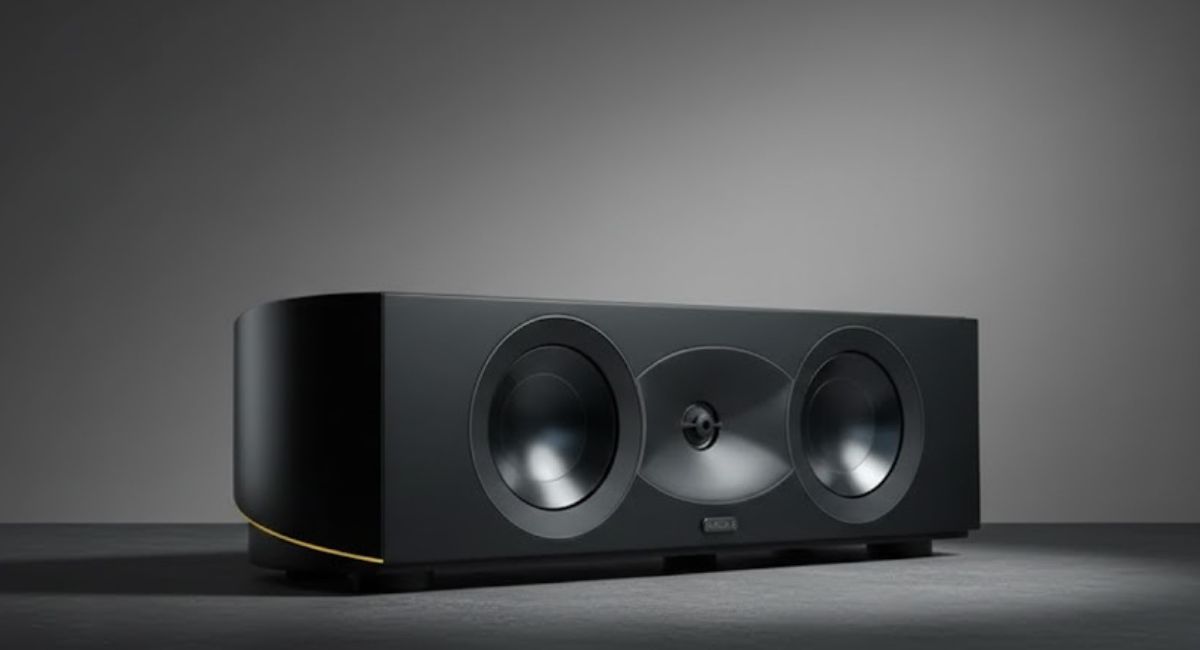
When ARCAM launches Radia Series loudspeakers, it signals more than just a new product line. It represents a strategic evolution for a brand long respected for its amplifiers and AV electronics. For decades, ARCAM has been synonymous with clean power delivery, tonal balance, and understated British engineering. With the Radia Series, the company extends that philosophy into loudspeaker design—aiming to create a cohesive ecosystem that blends acoustic precision with contemporary aesthetics.
In a market crowded with lifestyle speakers, wireless systems, and aggressive sound tuning, ARCAM’s move feels deliberate. The Radia Series appears engineered not to chase trends but to refine them. The goal is clear: deliver musical authenticity in a format that integrates seamlessly into modern homes.
This article explores the design philosophy, technical specifications, acoustic engineering, and real-world performance expectations of the Radia Series. If you are considering upgrading your system or building a new hi-fi setup, understanding what ARCAM brings to the table is essential.
The Philosophy Behind the Radia Series
ARCAM has traditionally focused on electronics. Amplifiers like the company’s integrated and AV receivers are known for neutral, musical presentation. With the Radia Series loudspeakers, ARCAM aims to complete the signal chain—ensuring synergy between amplification and transducers.
The guiding principles behind the Radia Series include:
- Balanced tonal presentation
- Contemporary cabinet aesthetics
- Wide room compatibility
- High build quality at a competitive mid-range price
Rather than pursuing exaggerated bass or ultra-bright treble, ARCAM appears committed to tonal realism. The speakers are designed to reproduce music faithfully across genres—whether orchestral, acoustic, electronic, or cinematic.
Radia Series Lineup Overview
The Radia Series typically includes a range of speaker formats to suit different room sizes and listening preferences:
- Compact bookshelf speakers
- Mid-size standmount speakers
- Floorstanding loudspeakers
- Center channel models for home cinema
- Possibly matching subwoofer options in select markets
Each speaker is designed to integrate visually and acoustically with ARCAM’s Radia electronics lineup.
Cabinet Design and Construction
Speaker cabinet design directly influences sound clarity. Poorly constructed enclosures introduce resonance and distortion. ARCAM addresses this with carefully engineered cabinets.
Cabinet Specifications
- High-density MDF construction
- Internal bracing to reduce panel resonance
- Precision CNC machining for driver cutouts
- Bass reflex porting (rear- or front-ported depending on model)
- Premium finish options, including matte and veneer
Internal bracing ensures rigidity. This minimizes unwanted cabinet vibration, allowing the drivers to perform without coloration.
The aesthetic approach leans modern—clean lines, minimal branding, and finishes that blend into contemporary living spaces.
Driver Technology and Acoustic Engineering
At the heart of every loudspeaker lies its driver configuration. The Radia Series features carefully matched components to ensure tonal cohesion.
Tweeter Design
- Soft dome high-frequency driver
- Wide dispersion pattern
- Ferrofluid cooling for improved durability
- Low distortion motor assembly
Soft dome tweeters are known for delivering smooth, natural highs without harshness. This design suits extended listening sessions and diverse music genres.
Midrange and Woofer Drivers
- Composite cone materials for stiffness and damping
- Long-throw voice coils
- Optimized magnet structure
- Controlled low-frequency excursion
The combination aims to deliver articulate midrange clarity and controlled bass extension.
Technical Specifications (Representative Range)
While exact specifications vary by model, the Radia Series typically includes the following parameters:
Bookshelf Model
- Frequency Response: 48Hz – 30kHz
- Sensitivity: 87 dB (2.83V/1m)
- Nominal Impedance: 8 Ohms
- Recommended Amplifier Power: 25–120 Watts
- Driver Configuration: 2-way
Floorstanding Model
- Frequency Response: 35Hz – 30kHz
- Sensitivity: 89–91 dB
- Nominal Impedance: 8 Ohms
- Recommended Amplifier Power: 40–200 Watts
- Driver Configuration: 2.5-way or 3-way
These specifications suggest compatibility with mid-range integrated amplifiers and AV receivers.
Crossover Network Engineering
The crossover is the unseen hero of speaker performance. It determines how frequencies are divided between drivers.
ARCAM’s crossover design typically features:
- High-quality polypropylene capacitors
- Air-core inductors
- Optimized crossover frequency points
- Phase-aligned design
This ensures seamless transition between drivers and consistent tonal balance.
Sound Performance Analysis
While technical specifications provide insight, listening performance defines success.
Tonal Balance
The Radia Series appears tuned for neutrality. Bass is present but controlled. Midrange is open and detailed. Treble remains smooth without sharpness.
Imaging and Soundstage
Well-engineered driver integration supports:
- Clear stereo imaging
- Wide lateral soundstage
- Depth perception in recordings
Proper placement enhances this effect significantly.
Bass Extension
Floorstanding models provide deeper extension suitable for full-range music listening. Bookshelf variants benefit from pairing with a subwoofer in larger rooms.
Home Cinema Integration
The inclusion of center channel models suggests that ARCAM intends the Radia Series to function within surround systems.
Benefits include:
- Dialogue clarity
- Timbre matching across front channels
- Consistent tonal integration
Paired with an AV receiver, the system supports immersive cinematic performance.
Amplifier Pairing and Compatibility
One advantage of ARCAM launching loudspeakers is system synergy. When paired with ARCAM amplifiers:
- Impedance matching remains consistent
- Tonal voicing aligns naturally
- Power handling is optimized
However, the Radia Series remains compatible with most quality amplifiers in the recommended power range.
Room Size and Placement Recommendations
Proper placement enhances speaker performance.
Bookshelf Speakers
- Ideal for rooms under 25 square meters
- Require sturdy stands
- At least 15–30 cm wall clearance if rear-ported
Floorstanding Speakers
- Suitable for medium to large rooms
- Benefit from toe-in positioning
- Allow space from rear walls for balanced bass
Room acoustics significantly impact sound quality.
Build Quality and Longevity
ARCAM’s engineering reputation suggests durability.
Key durability factors include:
- Reinforced driver surrounds
- Stable cabinet joints
- Robust binding posts
- Quality internal wiring
Well-maintained speakers can perform consistently for decades.
Competitive Positioning
The Radia Series competes in the mid-range hi-fi segment.
Strengths include:
- Brand credibility
- Balanced tuning
- Modern design
- System synergy
Competing brands may offer:
- Higher sensitivity ratings
- Larger driver diameters
- Alternative cabinet materials
Ultimately, selection depends on personal listening preference.
Read more:- The Poco M8 5G Sale Is Live: But Is This Budget 5G Phone Really Worth It?
Who Should Consider Radia Series Loudspeakers?
The Radia Series is ideal for:
- Audiophiles seeking balanced sound
- Home cinema enthusiasts
- Design-conscious buyers
- Listeners upgrading from entry-level systems
It offers a blend of performance and practicality.
Value Proposition
In an era of wireless speakers and smart assistants, traditional hi-fi remains relevant for those who prioritize sound quality.
The Radia Series:
- Delivers detailed audio reproduction
- Offers upgrade flexibility
- Maintains visual sophistication
Long-term investment in quality loudspeakers often outlasts electronics upgrades.
Potential Limitations
No product is perfect.
Possible considerations:
- Sensitivity levels may require capable amplification
- Bookshelf models may need subwoofer reinforcement
- Pricing may exceed entry-level competitors
Careful system matching ensures optimal performance.
Future Outlook for ARCAM Loudspeakers
The Radia Series could expand into:
- Active wireless variants
- Larger flagship floorstanders
- Compact surround modules
- Dedicated subwoofer models
If ARCAM continues refining this category, it may establish a permanent presence in loudspeaker manufacturing.
When ARCAM launches Radia Series loudspeakers, it marks a confident expansion into a new territory while staying true to its heritage. The series emphasizes tonal balance, structural integrity, and contemporary aesthetics.
Rather than chasing exaggerated sound signatures, the Radia Series focuses on clarity, control, and musical authenticity.
For listeners seeking a refined and cohesive hi-fi system, the Radia Series offers compelling value.
FAQs
What makes ARCAM launches Radia Series loudspeakers significant?
It represents ARCAM’s expansion from electronics into loudspeaker design, offering complete system synergy.
Are Radia Series speakers suitable for home theater?
Yes, especially when combined with matching center channel models and subwoofers.
Do ARCAM loudspeakers require powerful amplifiers?
They are designed for compatibility with mid-range amplifiers, typically between 25 and 200 watts depending on the model.
Are bookshelf speakers enough for large rooms?
Bookshelf models suit smaller rooms. Larger rooms benefit from floorstanding variants.
What is the frequency response of the Radia Series?
It varies by model, generally ranging from approximately 35Hz to 30kHz for floorstanders.