
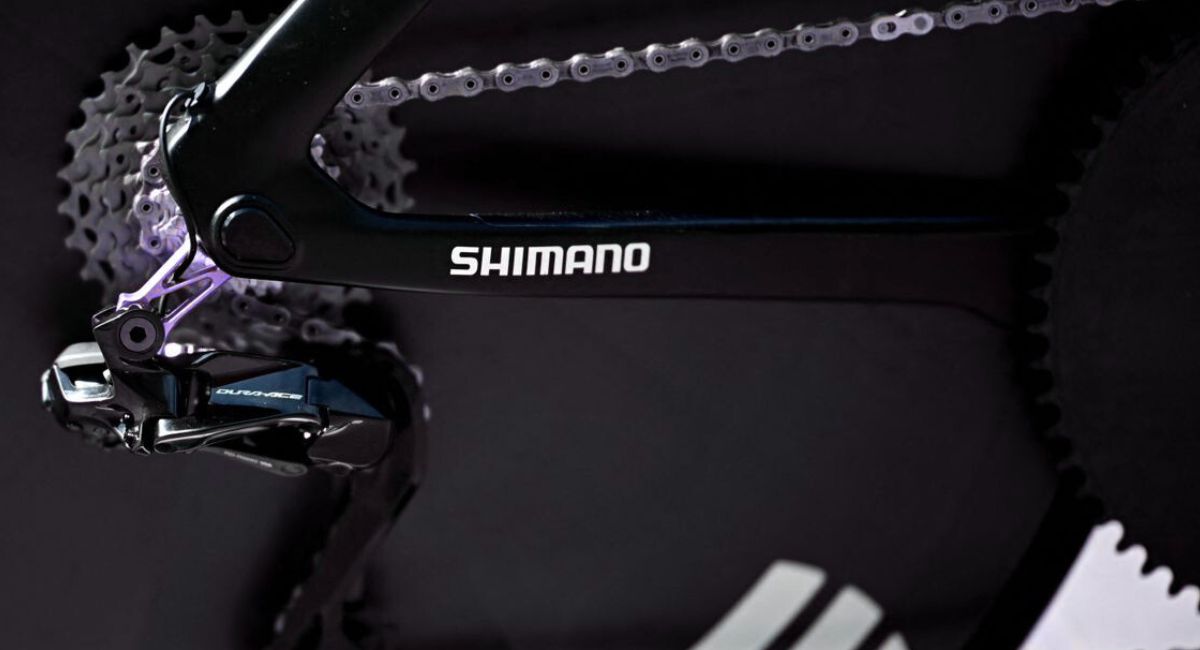
For the first time since 2022, Shimano reports growth in bike component sales for first time, marking a significant milestone in the post-pandemic cycling market. After a period defined by supply chain disruptions, inventory gluts, and declining consumer demand, this growth signals something more than improved quarterly numbers—it suggests a possible stabilization of the global bicycle industry.
As one of the world’s most influential cycling component manufacturers, Shimano plays a central role in shaping the health of the entire market. When Shimano grows, it often reflects broader recovery across bike manufacturers, retailers, and cycling enthusiasts worldwide.
This article takes a deep dive into:
- What this sales growth really means
- Why the slowdown happened after 2022
- Which component categories are driving recovery
- Detailed specifications of Shimano’s key product lines
- What riders and bike brands can expect next
The Post-2022 Slowdown: What Went Wrong?
To understand why Shimano’s latest growth is noteworthy, we need to revisit the past few years.
The Pandemic Boom
During 2020–2021, cycling saw unprecedented demand:
- Lockdowns drove outdoor recreation
- Public transport avoidance increased bike purchases
- Governments promoted cycling infrastructure
Manufacturers struggled to meet demand. Orders surged across entry-level, mid-range, and high-end segments.
The Correction Phase
By 2022, the situation reversed:
- Excess inventory flooded warehouses
- Consumer demand cooled
- Inflation impacted discretionary spending
- Retailers began discounting heavily
Component orders slowed dramatically. Even a giant like Shimano felt the impact.
That is why the headline “Shimano reports growth in bike component sales for first time” carries weight—it signals that the correction cycle may be stabilizing.
Why Shimano’s Performance Matters Globally?
Shimano is not just another supplier. It dominates key segments of the bicycle component market, particularly in:
- Drivetrains
- Derailleurs
- Cranksets
- Braking systems
- Wheel hubs
- Pedals
From entry-level city bikes to professional road racing machines, Shimano components are everywhere.
A rebound in its sales suggests:
- Manufacturers are placing new orders.
- Inventory levels are normalizing.
- Consumer purchasing confidence may be improving.
Key Product Lines Driving Sales Recovery
Let’s examine the component categories likely contributing to this growth.
Road Bike Groupsets
Shimano’s road offerings span multiple performance tiers:
Shimano Claris (R2000 Series)
- 8-speed drivetrain
- Dual-pivot rim brakes
- Entry-level performance
- Ideal for beginners
Shimano Sora (R3000 Series)
- 9-speed system
- Improved ergonomics
- Mid-range entry road bikes
Shimano 105 (R7100 Di2 & Mechanical)
- 12-speed drivetrain
- Electronic Di2 shifting (in higher variants)
- Hydraulic disc brakes
- Widely considered the performance sweet spot
Shimano Ultegra (R8100 Di2)
- 12-speed
- Fully electronic Di2
- Hollowtech II crankset
- Lightweight construction
Shimano Dura-Ace (R9200 Di2)
- 12-speed
- Professional-level performance
- Carbon composite components
- Used in elite racing
The 12-speed expansion into mid-tier groupsets like 105 has been particularly influential. It brings premium performance to more accessible price points.
Mountain Bike Components
Mountain biking remains resilient globally, and Shimano’s MTB lineup is diverse.
Shimano Deore (M6100 Series)
- 12-speed drivetrain
- Hyperglide+ technology
- Wide-range cassette (10-51T)
Shimano SLX (M7100 Series)
- 12-speed
- Improved durability
- Alloy crank arms
Shimano XT (M8100 Series)
- High-performance trail and enduro
- Rapid engagement hubs
- Adjustable brake levers
Shimano XTR (M9100 Series)
- Elite-level race groupset
- Lightweight carbon components
- 12-speed performance
The mountain segment often recovers faster than road due to its strong enthusiast base. Sales growth here may be contributing to Shimano’s improved figures.
Gravel and Adventure Components
Gravel cycling continues to gain momentum worldwide.
Shimano GRX (RX400, RX600, RX810, RX820)
- 10-speed and 11-speed options
- 1x and 2x drivetrains
- Clutch rear derailleurs
- Hydraulic disc brakes
GRX has become a benchmark for gravel performance. Its versatility makes it attractive for bike brands targeting adventure riders.
E-Bike Systems
Electric bicycles represent one of the fastest-growing segments globally.
Shimano STEPS Systems:
- Mid-drive motors
- Integrated battery units
- Digital displays
- Automatic shifting (Di2 compatible)
E-bike component demand has remained relatively strong, even during broader market slowdowns. This segment likely plays a significant role in the recovery.
Inventory Stabilization: A Crucial Factor
One major reason for the slowdown after 2022 was inventory imbalance.
Retailers were left with:
- Overstocked warehouses
- Unsold premium bikes
- Discounted clearance stock
Manufacturers reduced component orders as they worked through surplus inventory.
Now, as those stock levels normalize, new production cycles are beginning. This translates into renewed component orders for suppliers like Shimano.
The Broader Economic Context
Sales growth doesn’t happen in isolation. Several macroeconomic factors are influencing recovery:
- Stabilizing inflation in key markets
- Improved consumer confidence
- Renewed interest in outdoor recreation
- Government investments in cycling infrastructure
These factors collectively contribute to renewed industry momentum.
What This Means for Cyclists?
For everyday riders, Shimano’s recovery can translate into tangible benefits.
Improved Product Availability
During the pandemic, wait times for components stretched into months. A stabilized supply chain means:
- Faster delivery
- Better stock levels
- More consistent pricing
Potential Innovation Acceleration
Revenue growth supports research and development. Shimano is known for incremental yet impactful innovations, such as:
- Hyperglide+ shifting
- Di2 wireless connectivity
- Ice-Tech braking systems
Renewed financial health may accelerate future upgrades.
Shimano’s Technology Edge
Shimano’s competitive strength lies in precision engineering.
Hyperglide+
- Enables smooth shifting under load
- Designed for 12-speed MTB systems
Di2 Electronic Shifting
- Wireless cockpit integration
- Precise gear changes
- Reduced cable maintenance
Hollowtech II Cranksets
- Hollow-forged aluminum
- Improved stiffness-to-weight ratio
These technologies reinforce Shimano’s dominance in mid-to-high-end markets.
Competition and Market Dynamics
While Shimano remains a market leader, competitors such as SRAM and Campagnolo continue innovating aggressively.
However, Shimano’s strengths include:
- Extensive OEM partnerships
- Global distribution network
- Broad pricing spectrum
- Reliability reputation
The fact that Shimano reports growth in bike component sales for first time since 2022 suggests it is maintaining leadership despite competition.
Retailer Perspective: A Sign of Relief
Bike retailers have endured a challenging period marked by:
- Heavy discounting
- Narrow profit margins
- Overstock storage costs
Growth at the component level suggests improved wholesale confidence. Retailers may finally see healthier restocking cycles.
Long-Term Outlook: Is This Sustainable?
The key question is whether this growth is a short-term rebound or the beginning of a sustained upward trend.
Factors supporting long-term stability:
- Expanding urban cycling infrastructure
- Continued e-bike adoption
- Growing gravel segment
- Environmental awareness
Risks remain, including global economic volatility and fluctuating consumer spending.
However, early growth signals are encouraging.
A Personal Industry Perspective
From years of observing cycling product cycles, one consistent pattern stands out: the industry moves in waves.
After rapid expansion, correction phases are inevitable. What matters is structural demand. Cycling remains:
- Affordable transportation
- Sustainable commuting
- A global sport
- A lifestyle activity
The fact that Shimano reports growth in bike component sales for first time after a downturn suggests the structural foundation of cycling remains intact.
The return to growth for Shimano is more than a financial statistic. It represents a broader stabilization within the cycling ecosystem.
For manufacturers, it signals confidence.
For retailers, it suggests relief.
For cyclists, it promises availability and innovation.
While challenges remain, this milestone may mark the beginning of a healthier, more balanced cycling industry.
FAQs
Why did Shimano sales decline after 2022?
Sales declined due to post-pandemic inventory surplus, reduced consumer demand, and global economic uncertainty.
What does Shimano’s growth mean for cyclists?
It likely means better product availability, stabilized pricing, and continued innovation in drivetrains and braking systems.
Are bike prices expected to increase again?
Prices may stabilize rather than rise sharply, as inventory levels normalize and demand improves gradually.
Which Shimano groupset is best for beginners?
Shimano Claris and Sora are excellent entry-level options for new road cyclists.
The 5 Powerful Hero Karizma XMR Alternatives That Might Be Better for Entry-Level Sports Bike Buyers
CFMoto Brings Moto2 Looks to Its Small XO Papio Racer: The Pocket Rocket That Thinks It’s a Grand Pr...
BSB: Peter Hickman Takes Control of the British Mini Bike Championship — A Bold Move That Could Resh...