All posts by Piyali

Hi readers. I’m Piyali , a passionate blogger who loves to share her thoughts, ideas, and experiences across a variety of topics—from lifestyle and beauty to personal growth and creativity. With a curious mind and a love for words.

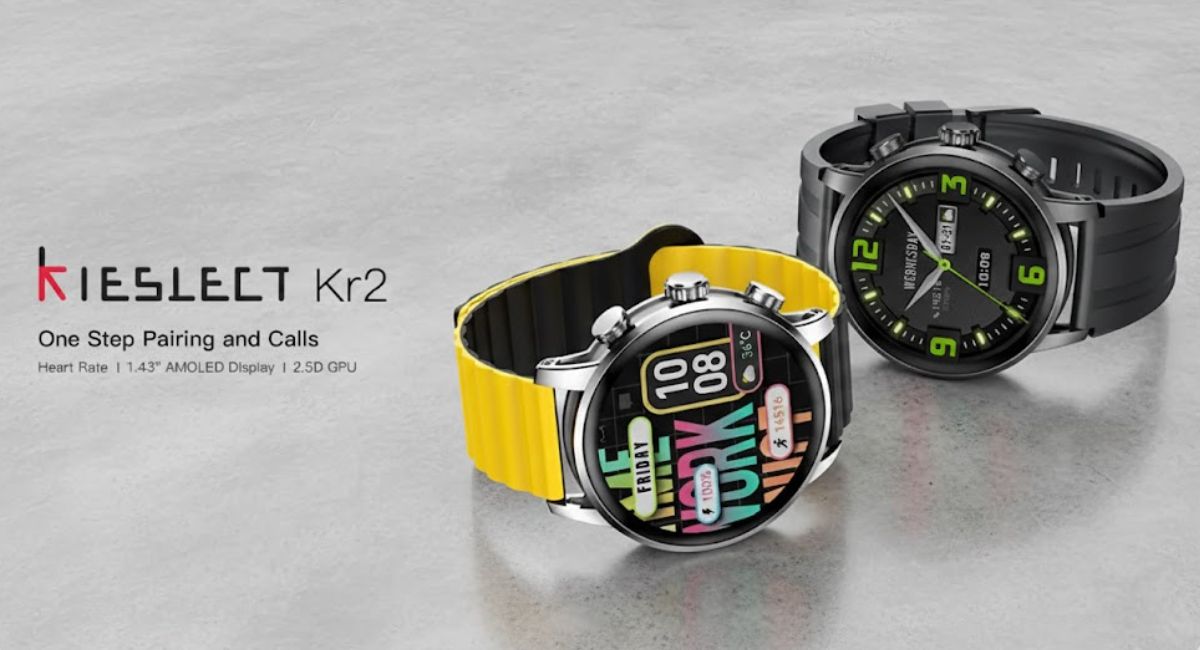
Kieslect KR2 Review: Why This Budget Smartwatch Feels More Premium Than Its Price Suggests?

Affordable smartwatches often force buyers into compromise. You either accept a dull display, weak performance, or unreliable fitness tracking — all in the name of price. But occasionally, a device appears that disrupts expectations.

The Kieslect KR2 is one such watch.

Positioned as a budget-friendly wearable, the KR2 promises a high-quality AMOLED display, Bluetooth calling with a built-in speaker, robust health tracking, and modern styling — without crossing into premium pricing territory.

The real question is simple: Does it deliver?

After extensive evaluation of its design, hardware specifications, performance, battery endurance, and daily usability, here’s a comprehensive expert review of the Kieslect KR2.

Kieslect KR2: Quick Specifications Overview

Before diving deep, here are the core specifications that define the Kieslect KR2:

  • Display: 1.43-inch AMOLED
  • Resolution: 466 × 466 pixels
  • Brightness: High brightness suitable for outdoor visibility
  • Build: Metal frame with curved glass
  • Bluetooth Calling: Yes (built-in microphone and speaker)
  • Battery Capacity: Around 360 mAh
  • Battery Life: Up to 7 days typical use
  • Water Resistance: IP68
  • Health Tracking: Heart rate, SpO2, sleep monitoring
  • Sports Modes: 100+ modes
  • Compatibility: Android and iOS
  • App Support: Companion mobile app for tracking and customization

On paper, these specifications already position the Kieslect KR2 above many entry-level smartwatches in its segment.

But numbers alone don’t define experience. Let’s explore how it performs in practice.

Design and Build Quality: Budget Without Looking Cheap

The first impression matters, especially in wearables.

The Kieslect KR2 features a round dial with a clean, contemporary aesthetic. The metal frame adds structural rigidity and a premium visual appeal, while the curved glass gives the display a smooth, edge-to-edge appearance.

It doesn’t scream “budget.”

Instead, it blends comfortably into casual, business, and fitness settings.

Comfort and Wearability

  • Lightweight enough for all-day use
  • Comfortable silicone strap
  • Balanced case thickness
  • Suitable for medium to larger wrists

During extended wear — including sleep tracking — the watch remains unobtrusive. This is crucial for a device meant to monitor health metrics continuously.

Read more:- Why Claims That Safety Cameras Will Do More Harm Than Good Miss the Bigger Picture?

Display Quality: A True Highlight

If there’s one standout feature of the Kieslect KR2, it’s the display.

The 1.43-inch AMOLED panel with 466 × 466 resolution delivers crisp text, vibrant colors, and deep blacks. In fact, pixel density rivals some significantly more expensive smartwatches.

Outdoor Visibility

Thanks to strong brightness levels, the screen remains legible in direct sunlight — something many budget wearables struggle with.

Always-On Display

The KR2 supports Always-On functionality, which adds a more premium feel. The implementation is well-optimized and doesn’t excessively drain the battery when configured thoughtfully.

In this price category, such display quality is not common. This is where the Kieslect KR2 makes a compelling first argument.

Performance and User Interface

Budget devices sometimes suffer from sluggish UI animations or delayed touch response.

The Kieslect KR2 performs smoothly in day-to-day use:

  • Swipes feel responsive
  • App transitions are fluid
  • Menu navigation is intuitive
  • No noticeable lag in core functions

The interface design is clean, icon-based, and beginner-friendly. Even first-time smartwatch users will find navigation straightforward.

Bluetooth Calling and Speaker Quality

Another feature that elevates the Kieslect KR2 is Bluetooth calling.

With a built-in microphone and speaker, the watch allows:

  • Answering incoming calls
  • Rejecting calls
  • Dialing from synced contacts
  • Clear two-way voice communication

Speaker Performance

The speaker is surprisingly loud for a watch of this size. Call clarity is suitable for indoor environments and moderately noisy surroundings.

While it won’t replace your smartphone for long conversations, it serves perfectly for quick calls, especially during workouts or when your phone isn’t easily accessible.

For a budget smartwatch, this is a major value addition.

Health Tracking and Sensors

Health monitoring is central to modern wearables. The Kieslect KR2 includes:

  • Continuous heart rate monitoring
  • Blood oxygen (SpO2) tracking
  • Sleep analysis
  • Step counting
  • Stress tracking

Accuracy Observations

Heart rate tracking appears reasonably consistent during moderate activity. Like most non-medical wearables, it should not be considered diagnostic equipment, but for lifestyle tracking, it performs reliably.

Sleep tracking provides:

  • Total sleep duration
  • Light and deep sleep breakdown
  • Sleep quality score

For fitness enthusiasts and everyday users, these features meet expectations in this price segment.

Sports and Fitness Modes

The Kieslect KR2 supports over 100 sports modes.

These include:

  • Walking
  • Running
  • Cycling
  • Strength training
  • Yoga
  • Hiking
  • Indoor and outdoor activities

The wide range allows most users to track workouts without limitations.

However, advanced athletes may notice the absence of built-in GPS. The watch relies on connected GPS via smartphone for route tracking.

For casual and intermediate users, this is rarely a deal-breaker.

Battery Life: Practical Endurance

Battery performance is another strong area.

With its approximately 360 mAh battery, the Kieslect KR2 delivers:

  • Up to 7 days with typical use
  • Around 3–4 days with heavy Bluetooth calling and Always-On Display enabled
  • Shorter endurance if brightness and notifications are maximized

Charging is relatively quick, usually taking under two hours for a full cycle.

Compared to many AMOLED-equipped smartwatches in this price range, battery life is competitive.

Software Experience and Companion App

The smartwatch pairs with a dedicated mobile application compatible with Android and iOS.

The app allows:

  • Health data review
  • Watch face customization
  • Notification management
  • Firmware updates
  • Call synchronization

The layout is user-friendly and organizes health metrics clearly.

Data syncing is stable, and connectivity remains consistent throughout daily usage.

Water Resistance and Durability

The IP68 rating means the Kieslect KR2 is resistant to:

  • Dust
  • Sweat
  • Light splashes
  • Rain exposure

While not intended for deep diving, it handles everyday water exposure without issues.

Durability feels reassuring thanks to the metal frame and sturdy construction.

Smart Features and Notifications

The Kieslect KR2 supports:

  • Call alerts
  • Message notifications
  • App notifications
  • Alarm
  • Timer
  • Music control
  • Weather updates

Notifications appear clearly on the AMOLED display, though reply functionality is limited depending on platform compatibility.

Where the Kieslect KR2 Excels?

  1. Excellent AMOLED display quality
  2. Bluetooth calling with good speaker clarity
  3. Attractive metal design
  4. Strong battery performance
  5. Wide sports mode support
  6. Competitive pricing

Where It Could Improve?

  1. No built-in GPS
  2. Limited advanced fitness analytics
  3. App ecosystem is functional but not as extensive as premium brands

These are expected trade-offs in this segment.

Who Should Buy the Kieslect KR2?

The Kieslect KR2 is ideal for:

  • First-time smartwatch buyers
  • Budget-conscious users
  • Students and professionals
  • Fitness beginners
  • Users wanting Bluetooth calling without premium pricing

It may not satisfy advanced athletes or users seeking high-end smartwatch ecosystems, but that’s not its target audience.

Long-Term Usability and Value

After weeks of daily usage, the Kieslect KR2 demonstrates consistency.

It doesn’t try to compete directly with flagship watches. Instead, it focuses on delivering high-impact features — display, calling, and battery — at an accessible price.

And it succeeds.

In terms of value-for-money ratio, it stands out in the crowded budget smartwatch market.

Is the Kieslect KR2 Worth Buying?

The Kieslect KR2 strikes a thoughtful balance between affordability and functionality.

Its standout AMOLED display and surprisingly capable speaker create a premium impression rarely seen at this price point.

While it lacks built-in GPS and ultra-advanced fitness analytics, it compensates with:

  • Reliable health tracking
  • Practical smart features
  • Solid battery life
  • Attractive build quality

For everyday users looking for a dependable smartwatch without overspending, the Kieslect KR2 is a smart purchase.

FAQs

Is the Kieslect KR2 compatible with iPhone?

Yes, the Kieslect KR2 supports both Android and iOS devices through its companion app.

Does the Kieslect KR2 have built-in GPS?

No, it does not include standalone GPS. It uses connected GPS via your smartphone.

Can I make calls directly from the Kieslect KR2?

Yes, the watch supports Bluetooth calling with a built-in speaker and microphone.

How long does the Kieslect KR2 battery last?

Battery life can reach up to 7 days under normal usage. Heavy use of calling and Always-On Display reduces endurance.

Why Claims That Safety Cameras Will Do More Harm Than Good Miss the Bigger Picture?

Public safety technology is often controversial. In Seattle, few topics have sparked as much debate as the city’s safety camera systems — including red-light cameras, school zone speed cameras, and automated enforcement tools.

Critics argue that surveillance erodes privacy, disproportionately affects certain communities, and serves as a revenue tool rather than a safety measure. Proponents counter that removing them would increase traffic violations, reduce accountability, and weaken safety protections.

Some voices claim safety cameras will do more harm than good. But when you evaluate how these systems actually function — and what happens when cities turn them off — the conclusion becomes far less straightforward.

This article explores the real-world impact of Seattle’s safety cameras, examining technical specifications, enforcement effectiveness, privacy safeguards, financial implications, and broader community safety outcomes.

What Are Seattle’s Safety Cameras?

Seattle’s safety camera infrastructure primarily includes:

1. Red-Light Cameras

Installed at high-risk intersections, these systems detect vehicles that enter intersections after the light turns red.

2. School Zone Speed Cameras

Activated during school hours, these systems monitor vehicle speeds to protect children and pedestrians.

3. Automated Speed Enforcement Systems

Strategically placed in corridors with a history of severe collisions.

Safety Camera Specifications and How They Work?

Modern safety camera systems are more advanced than many realize. They typically include:

  • High-resolution digital imaging sensors
  • Radar or inductive loop speed detection technology
  • Automated license plate recognition (ALPR) functionality
  • Timestamp and GPS metadata recording
  • Secure cloud-based evidence storage
  • Human review verification before citation issuance

In Seattle’s implementation:

  • Citations are reviewed by trained personnel before being issued.
  • The registered owner receives a notice by mail.
  • Violations are treated as civil infractions (similar to parking tickets), not criminal offenses.
  • Revenue is often allocated toward traffic safety improvements and school programs.

These systems are engineered to reduce human bias, standardize enforcement, and increase objectivity.

Read more:- Amthal Launches AirShield Alarm for Residential Security: But Is Your Home Really Safer?

The Core Argument: Do Safety Cameras Really Improve Safety?

The central claim behind the movement to disable them is that safety cameras will do more harm than good. But what does the data suggest?

Collision Reduction

Research across multiple U.S. cities consistently shows:

  • Red-light cameras reduce T-bone crashes.
  • Speed cameras lower average driving speeds in monitored zones.
  • School zone cameras significantly reduce repeat speeding violations.

Even critics rarely dispute that cameras change driver behavior. The question is whether that behavioral shift justifies their presence.

What Happens When Cities Turn Cameras Off?

When municipalities discontinue automated enforcement programs, common outcomes include:

  • Increased red-light violations within months
  • Gradual return of speeding behavior
  • Higher enforcement burden on police departments
  • Fewer documented violations, but not necessarily fewer violations overall

Police departments already face staffing shortages and prioritization challenges. Manual traffic enforcement requires officers to be physically present, which reduces time available for emergency response, violent crime investigations, and community engagement.

Turning off cameras doesn’t eliminate violations — it often just reduces documentation and deterrence.

Public Safety vs. Privacy: A Legitimate Concern

Opponents raise valid concerns about surveillance creep. Questions include:

  • How long is data stored?
  • Who can access footage?
  • Can footage be used beyond traffic enforcement?
  • Are certain neighborhoods disproportionately monitored?

Seattle’s program addresses several of these concerns:

  • Footage is retained only for enforcement purposes.
  • Non-violation images are automatically purged.
  • The system is focused on traffic enforcement, not facial recognition tracking.
  • Citations are civil, not criminal.

No public safety system should operate without transparency. But oversight and reform are different from total shutdown.

Equity and Disproportionate Impact

One of the most serious criticisms is that automated enforcement disproportionately impacts lower-income communities.

This concern deserves serious examination. However:

  • Speed-related crashes disproportionately affect pedestrians in dense urban corridors.
  • School zones exist in neighborhoods across income levels.
  • Automated systems remove discretionary officer decision-making, reducing potential racial profiling.

If inequities exist, solutions may include:

  • Income-based fine adjustments
  • Expanded payment plans
  • Clear signage before enforcement zones
  • Data transparency dashboards

Shutting down safety cameras entirely may remove protections for vulnerable pedestrians without solving underlying economic disparities.

Financial Implications: Revenue vs. Reinforcement

A frequent claim is that cameras function as “cash machines.” But evaluating costs reveals complexity.

Operational Costs Include:

  • Hardware procurement
  • Installation infrastructure
  • Data management systems
  • Maintenance and calibration
  • Staff review processes
  • Administrative processing

In many cities, revenue offsets operational costs and funds safety improvements such as:

  • Crosswalk enhancements
  • Signal timing adjustments
  • School pedestrian infrastructure
  • Traffic calming measures

If safety cameras are removed, funding for these programs must come from other municipal sources — potentially reducing resources for safety upgrades.

The Deterrence Factor

Safety cameras work primarily through deterrence. Once drivers know enforcement exists, behavior changes even when cameras are not actively monitoring every movement.

Visible enforcement signage alone reduces speeds.

The real question becomes: If safety cameras will do more harm than good, what replaces their deterrent effect?

Increased officer patrols?
More physical infrastructure changes?
Expanded public education campaigns?

All of these require significant budget allocation.

Impact on Emergency Services

Speed-related crashes often result in severe injuries requiring emergency response.

Reducing even a small percentage of high-speed collisions:

  • Frees up ambulance resources
  • Reduces hospital trauma burden
  • Lowers insurance costs
  • Decreases traffic congestion from crash scenes

Safety cameras indirectly support broader public health systems.

Behavioral Science: Why Automated Enforcement Works?

Human drivers respond to predictable consequences. Automated enforcement removes variability.

Key psychological drivers include:

  • Perceived certainty of detection
  • Consistency in consequences
  • Reduced chance of negotiation or warning

Traditional enforcement depends on officer availability and discretionary stops. Cameras create consistent enforcement zones that reshape driving habits long term.

Transparency and Oversight Are Essential

For public trust to remain intact, safety camera programs must include:

  • Annual public reporting
  • Demographic impact assessments
  • Independent audits
  • Clear signage and public notice
  • Defined data retention policies
  • Open city council review processes

The debate should focus on strengthening safeguards, not eliminating proven tools.

The Bigger Picture: Urban Growth and Traffic Safety

Seattle continues to grow. Increased density brings:

  • More pedestrians
  • More cyclists
  • More school crossings
  • More ride-share traffic
  • More delivery vehicles

As urban mobility grows more complex, automated safety tools become increasingly relevant.

Cities aiming to reduce traffic fatalities must rely on multi-layered strategies. Removing one layer without a comprehensive replacement strategy risks reversing safety gains.

Could There Be Improvements? Absolutely.

No public policy tool is perfect. Seattle could consider:

  • Tiered fines based on income
  • Expanded warning periods before citation issuance
  • Community advisory boards
  • Geographically balanced deployment
  • Enhanced privacy transparency dashboards

Reform and accountability are constructive approaches.

Complete removal may not be.

The Real Risk of Turning Them Off

If safety cameras will do more harm than good, evidence would show increased fairness, improved safety, and reduced unintended consequences after removal.

However, the more likely outcomes include:

  • Higher average speeds
  • More red-light violations
  • Increased severe-angle crashes
  • Greater enforcement strain on police
  • Reduced funding for safety infrastructure

Short-term political wins could create long-term safety losses.

Reform Over Removal

Seattle’s safety cameras are not flawless. No enforcement system is.

But disabling them outright could undermine years of traffic safety progress.

The smarter path forward may be:

  • Greater transparency
  • Improved equity policies
  • Community engagement
  • Data-driven evaluation

Public safety tools should evolve, not disappear.

The debate is not about whether oversight matters — it absolutely does.

The question is whether eliminating automated enforcement protects the public more effectively than refining it.

Evidence suggests it does not.

FAQs

Do safety cameras actually reduce accidents?

Yes. Studies consistently show reductions in red-light violations and speed-related crashes in areas with active automated enforcement.

Are safety cameras just revenue generators?

While citations generate revenue, operational costs are significant. In many cases, funds are reinvested into traffic safety programs and infrastructure.

Do safety cameras invade privacy?

Modern systems are typically limited to traffic enforcement. Images are captured only when violations occur, and data retention policies restrict long-term storage.

Why not rely solely on police officers instead?

Manual enforcement requires substantial staffing resources. Automated systems allow officers to focus on higher-priority public safety concerns.

Do safety cameras disproportionately affect low-income drivers?

Concerns exist, but solutions such as income-adjusted fines and payment plans can address equity issues without eliminating enforcement.

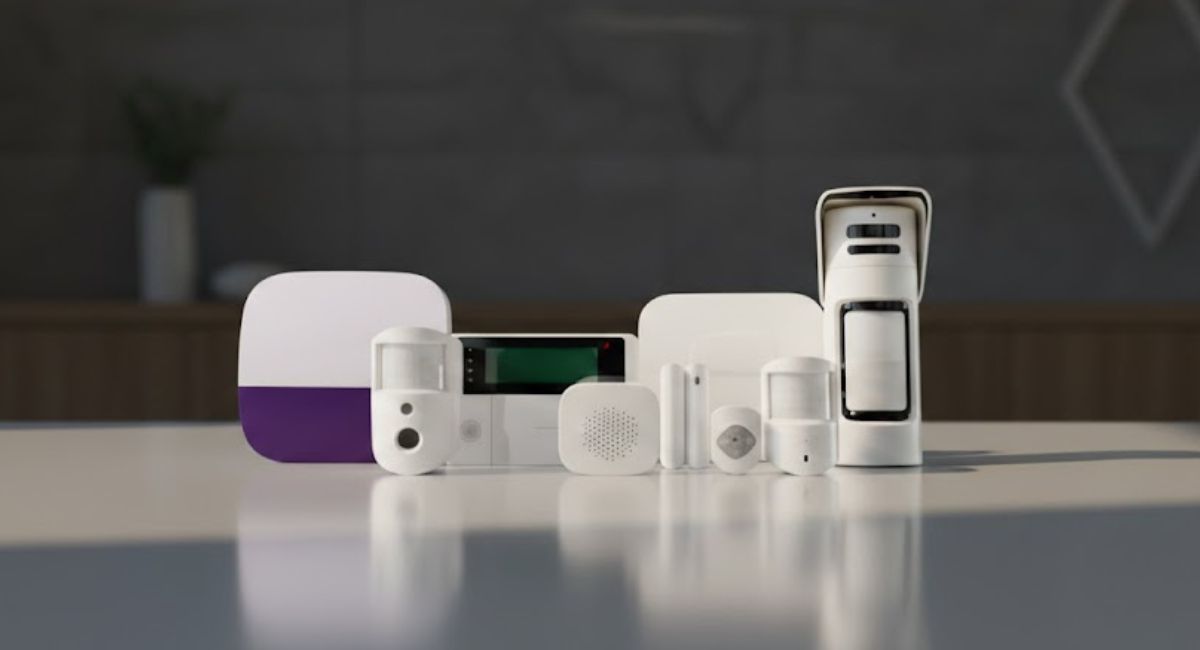
Amthal Launches AirShield Alarm for Residential Security: But Is Your Home Really Safer?

Residential security has evolved dramatically over the past decade. Traditional wired alarm systems are no longer enough to protect modern homes that rely on smart devices, cloud connectivity, and remote access. As homeowners demand smarter, more responsive systems, the industry has shifted toward integrated, intelligent solutions.

Now, Amthal launches AirShield alarm for residential security — positioning it as a next-generation home protection platform designed to combine intrusion detection, smart connectivity, and professional monitoring capabilities.

But beyond marketing claims, what does AirShield actually offer? How does it differ from conventional alarm systems? And does it genuinely improve residential security standards?

This comprehensive review-style article explores the AirShield alarm system in detail, including technical specifications, design, connectivity features, monitoring options, and long-term value for homeowners.

Why Modern Homes Need Smarter Alarm Systems?

Home security threats are no longer limited to forced entry. Today’s risks include:

  • Opportunistic burglary
  • Door and window tampering
  • Smart device hacking
  • Network-based intrusion
  • False alarms triggered by poor sensor calibration

Modern residential alarm systems must address both physical and digital vulnerabilities.

AirShield appears engineered with this broader security perspective in mind.

What Is the AirShield Alarm System?

The AirShield system is a comprehensive residential alarm solution designed to provide:

  • Intrusion detection
  • Remote monitoring
  • Real-time alerts
  • Smart home integration
  • Professional installation support

Unlike standalone sirens or basic motion detectors, AirShield functions as a fully integrated ecosystem.

Core Components of the AirShield System

While configurations may vary depending on home size and requirements, the AirShield package typically includes:

1. Central Control Panel

The central hub of the system.

Specifications may include:

  • Touchscreen interface
  • Wireless communication capability
  • Backup battery support
  • Encrypted communication protocols
  • Cloud connectivity

The control panel manages sensor inputs, user access permissions, and monitoring communication.

2. Motion Sensors

Designed to detect unauthorized movement within protected zones.

Technical Features:

  • Passive infrared (PIR) detection
  • Pet-friendly calibration
  • Adjustable sensitivity settings
  • Wide detection angles
  • Low false-alarm rate design

Proper placement enhances detection accuracy.

Read more:- Nissan Gravite And Tata Punch.EV Facelift Launch: Smart Upgrade or Just Marketing?

3. Door and Window Contact Sensors

Essential for perimeter protection.

Specifications:

  • Magnetic contact technology
  • Tamper-resistant housing
  • Wireless connectivity
  • Long battery life

These sensors trigger alerts when entry points are opened without authorization.

4. External Siren Unit

Acts as a deterrent during intrusion events.

Features may include:

  • High-decibel alarm output
  • Weather-resistant housing
  • Flashing LED indicator
  • Tamper detection

Audible deterrence remains one of the most effective burglary prevention measures.

5. Mobile App Integration

AirShield integrates with smartphone applications for remote control.

App features may include:

  • Arm/disarm functionality
  • Real-time alert notifications
  • Event history logs
  • User management controls
  • Remote diagnostics

Mobile integration enhances homeowner awareness.

Communication and Connectivity

Connectivity is critical for modern alarm systems.

AirShield likely supports:

  • Wi-Fi communication
  • Cellular backup connection
  • Encrypted data transmission
  • Cloud-based monitoring integration

Dual-path communication ensures alerts reach monitoring centers even during internet outages.

Monitoring Options

AirShield may support:

  • Self-monitoring via app notifications
  • Professional monitoring through accredited security providers
  • 24/7 emergency response integration

Professional monitoring offers faster response during break-ins or emergencies.

Installation and Scalability

One of the strengths of modern alarm systems lies in scalability.

AirShield is designed to:

  • Expand with additional sensors
  • Integrate CCTV systems
  • Add smoke or carbon monoxide detectors
  • Incorporate smart locks

This modular design supports long-term adaptability.

Professional installation ensures correct sensor placement and system calibration.

Security Protocols and Encryption

Cybersecurity is increasingly important in alarm systems.

AirShield likely incorporates:

  • AES-level encryption
  • Secure cloud authentication
  • Firmware update capabilities
  • Role-based access control

Strong encryption prevents unauthorized remote access.

Battery Backup and Power Resilience

Power failure is a common vulnerability in older alarm systems.

AirShield addresses this through:

  • Built-in rechargeable battery backup
  • Several hours of continued operation during outages
  • Automatic low-battery alerts

Maintaining functionality during power disruption is essential for residential reliability.

Design and Aesthetic Integration

Modern homeowners prioritize subtle design.

AirShield components are typically:

  • Compact
  • Minimalist in appearance
  • Neutral color options
  • Low-profile wall mounting

This ensures security without compromising interior design.

Smart Home Compatibility

Integration with smart ecosystems enhances functionality.

Possible compatibility features:

  • Voice assistant integration
  • Smart lighting activation during alarm
  • Automated lock engagement
  • CCTV camera triggers

Such features transform the system from reactive to proactive.

Comparison with Traditional Alarm Systems

FeatureTraditional AlarmAirShield System
Wired SetupYesPrimarily wireless
App ControlLimitedFull mobile control
Cloud MonitoringRareStandard integration
CybersecurityBasicEncrypted protocols
Smart IntegrationMinimalSmart home compatible

AirShield reflects the transition toward connected security ecosystems.

Long-Term Reliability and Maintenance

Key maintenance aspects include:

  • Periodic sensor battery replacement
  • Firmware updates
  • Annual system testing
  • Professional inspection options

Low maintenance requirements improve user experience.

Who Should Consider AirShield?

The system is ideal for:

  • Homeowners upgrading legacy alarms
  • Smart home adopters
  • Families seeking professional monitoring
  • Property investors
  • High-value property owners

It suits both standalone homes and multi-level residences.

Potential Limitations

No system is perfect.

Considerations may include:

  • Subscription costs for monitoring
  • Internet dependency for smart features
  • Initial installation expense

Buyers should assess long-term service agreements.

Industry Trends Driving Adoption

The residential security market is influenced by:

  • Rising property crime concerns
  • Growth of connected homes
  • Insurance incentives for monitored systems
  • Remote work lifestyle shifts

AirShield aligns with these trends.

Amthal launches AirShield alarm for residential security at a time when homeowners demand smarter, more connected protection solutions.

The system appears to combine traditional intrusion detection with modern cloud-based monitoring and smart integration.

Its strengths lie in:

  • Encrypted communication
  • Scalable design
  • Mobile control
  • Professional monitoring compatibility

For homeowners seeking long-term reliability and digital integration, AirShield offers a forward-looking approach to residential protection.

The launch of AirShield marks a significant step in the evolution of residential alarm systems.

As security threats become more sophisticated, systems must blend physical intrusion detection with digital resilience.

AirShield appears designed for that balance — offering traditional reliability enhanced by modern intelligence.

For homeowners evaluating their next security upgrade, this system presents a compelling, future-ready option.

FAQs

What is the AirShield alarm system?

AirShield is a residential security alarm platform offering intrusion detection, remote monitoring, and smart integration features.

Does AirShield require professional installation?

Professional installation is recommended to ensure correct sensor placement and optimal system performance.

 Can AirShield work during power outages?

Yes, it includes battery backup to maintain functionality during temporary outages.

Does the system support mobile control?

Yes, homeowners can arm, disarm, and monitor alerts through a smartphone app.

2026 Maruti Brezza Facelift Spied with 6-Speed Manual: A Smart Upgrade or a Late Response?

The compact SUV segment in India is one of the most competitive spaces in the automotive industry. Every manufacturer is constantly refining its offerings to stay relevant. Now, fresh spy shots suggest that the Maruti Brezza facelift spied in testing is bringing a significant mechanical update: a new 6-speed manual gearbox.

While facelifts typically focus on cosmetic enhancements, a transmission upgrade signals something deeper. It indicates a performance recalibration, fuel efficiency optimization, and potentially a broader strategy shift.

The Brezza has long been one of Maruti Suzuki’s best-selling SUVs. But in a segment that now includes strong competitors with turbocharged engines, dual-clutch gearboxes, and premium interiors, staying static is not an option.

Let’s break down what the 2026 Maruti Brezza facelift might offer, from powertrain revisions and exterior tweaks to cabin upgrades and safety improvements.

Why the Brezza Facelift Matters in 2026?

The compact SUV segment currently includes multiple high-performing rivals offering:

  • Turbo petrol engines
  • Advanced driver assistance features
  • 6-speed and 7-speed transmissions
  • Premium cabin materials
  • Connected car tech

While the Brezza has maintained consistent sales, it has relied heavily on brand trust and fuel efficiency.

A facelift, especially one featuring a 6-speed manual gearbox, suggests Maruti intends to refresh not just appearance but also driving dynamics.

Maruti Brezza Facelift Spied: What the Test Mules Reveal?

Spy images indicate that Maruti is testing updated prototypes with minor camouflage.

Observed Exterior Updates

  • Slightly redesigned front grille
  • Revised bumper design
  • Tweaked LED headlamp signature
  • Updated alloy wheel pattern
  • Possibly refreshed tail-lamp graphics

While overall proportions remain unchanged, subtle refinements aim to modernize the SUV’s appearance.

The design evolution appears conservative rather than dramatic, maintaining Brezza’s identity.

Read more:- Infostealer Steals OpenClaw AI Agent Configuration Files and Gateway Tokens Stolen: A Wake-Up Call for AI Infrastructure Security

6-Speed Manual Gearbox: The Key Mechanical Upgrade

Perhaps the most important update is the introduction of a 6-speed manual transmission.

Why Move from 5-Speed to 6-Speed?

The current Brezza manual variant uses a 5-speed gearbox. Adding a sixth gear offers multiple benefits:

  • Improved highway cruising efficiency
  • Lower engine RPM at higher speeds
  • Better fuel economy
  • Enhanced acceleration spread
  • Smoother gear ratios

The sixth gear likely acts as an overdrive gear, reducing engine stress during long-distance driving.

Expected Engine Specifications

The facelift is expected to retain the existing naturally aspirated petrol engine.

Likely Engine Specs

  • 1.5L K-series petrol engine
  • Power Output: Around 103 PS
  • Torque: Approximately 137 Nm
  • Mild-hybrid assistance (in select variants)
  • Front-wheel drive layout

The addition of a 6-speed manual could slightly improve acceleration figures and overall drivability.

Fuel Efficiency Expectations

Fuel efficiency remains a top priority for Indian buyers.

Current Brezza mileage figures range around:

  • 17–20 km/l (manual variants)

With the 6-speed gearbox, highway mileage may improve marginally due to lower RPM cruising.

Urban efficiency will likely remain similar.

Transmission Lineup: What to Expect?

The updated lineup may include:

  • 6-speed manual (new)
  • 6-speed automatic torque converter
  • Possibly AMT removal in higher trims

Maruti has increasingly favored torque converter automatics over older AMT systems for smoother performance.

Interior Updates and Cabin Enhancements

While major structural changes are unlikely, subtle improvements are expected.

Possible Cabin Updates

  • Larger infotainment display
  • Updated UI software
  • Wireless Apple CarPlay and Android Auto
  • Improved seat upholstery
  • Revised dashboard trims
  • Enhanced digital instrument cluster

Cabin refinement is critical, as competitors now offer premium-like interiors even in mid trims.

Safety Improvements in the Facelift

Safety regulations and buyer awareness are evolving.

The facelift may introduce:

  • 6 airbags (standard or extended across variants)
  • Electronic Stability Program (ESP)
  • Hill hold assist
  • ABS with EBD
  • Rear parking camera
  • ISOFIX child seat anchors

Safety ratings play a growing role in purchase decisions.

Exterior Dimensions and Platform

The facelift is expected to retain the same platform and dimensions.

Approximate Dimensions

  • Length: Around 4 meters
  • Wheelbase: 2,500 mm+
  • Ground Clearance: Approx. 200 mm
  • Boot Space: Around 328 liters

The compact proportions help maintain urban maneuverability

Ride and Handling Expectations

With the new 6-speed manual, driving dynamics may improve.

Expected changes include:

  • Better gear spacing
  • Reduced engine strain
  • Improved highway comfort
  • Stable high-speed cruising

Suspension setup is likely to remain tuned for comfort rather than aggressive cornering.

Market Positioning

The Maruti Brezza facelift spied comes at a time when competition includes:

  • Hyundai Venue
  • Kia Sonet
  • Tata Nexon
  • Mahindra XUV 3XO

Each competitor offers turbocharged engines and multi-gear transmissions.

Maruti’s strategy appears focused on:

  • Reliability
  • Fuel efficiency
  • Lower maintenance cost
  • Brand trust

The 6-speed manual could narrow the performance perception gap.

Pricing Expectations

A facelift with mechanical updates may slightly increase pricing.

Estimated price range:

  • Starting around ₹8.5–9 lakh (ex-showroom)
  • Top variants potentially ₹13 lakh+

Value positioning will remain crucial.

Who Should Consider the 2026 Brezza Facelift?

Ideal buyers include:

  • Urban families
  • Highway commuters
  • Buyers prioritizing resale value
  • Those seeking reliable, low-maintenance SUVs

Performance enthusiasts may still prefer turbocharged rivals.

Long-Term Ownership Perspective

Maruti’s strengths include:

  • Extensive service network
  • Affordable spare parts
  • High resale value
  • Proven engine reliability

Adding a 6-speed manual may enhance longevity by reducing engine strain during cruising.

Strengths and Potential Limitations

Strengths

  • Reliable engine platform
  • Improved gearbox
  • Practical cabin space
  • Good ground clearance
  • Strong after-sales support

Potential Limitations

  • No turbo engine option
  • Conservative design updates
  • Competition offering more advanced features

The facelift appears evolutionary rather than revolutionary.

What This Update Signals?

The Maruti Brezza facelift spied with a 6-speed manual indicates that Maruti is responding to consumer expectations for better highway efficiency and smoother driving dynamics.

Rather than chasing radical redesigns, the company is refining core strengths.

In India’s value-sensitive market, incremental improvements often outperform dramatic reinventions.

The 2026 Brezza facelift does not attempt to reinvent the SUV. Instead, it enhances drivability and efficiency with the introduction of a 6-speed manual gearbox.

For buyers seeking a practical, reliable compact SUV with improved highway manners, this update may be meaningful.

However, in a segment where competitors are aggressively innovating, Maruti must balance refinement with feature competitiveness.

The upcoming launch will determine whether this calculated evolution keeps the Brezza at the top of the sales charts.

The Maruti Brezza facelift spied with a 6-speed manual represents a strategic refinement rather than a bold transformation.

It aims to improve efficiency, comfort, and driving dynamics without disrupting the formula that has made the Brezza popular.

In a competitive SUV market, sometimes smart upgrades matter more than dramatic overhauls.

FAQs

 What is new in the Maruti Brezza facelift spied version?

The most notable update is the introduction of a 6-speed manual gearbox, along with minor cosmetic tweaks.

Will the Brezza get a turbo engine?

Currently, it is expected to continue with the 1.5L naturally aspirated petrol engine.

What is the expected mileage of the new Brezza?

Mileage may remain around 17–20 km/l, with potential improvement in highway efficiency.

When will the 2026 Brezza facelift launch?

An official launch date has not been confirmed, but it is expected within the 2026 model year.

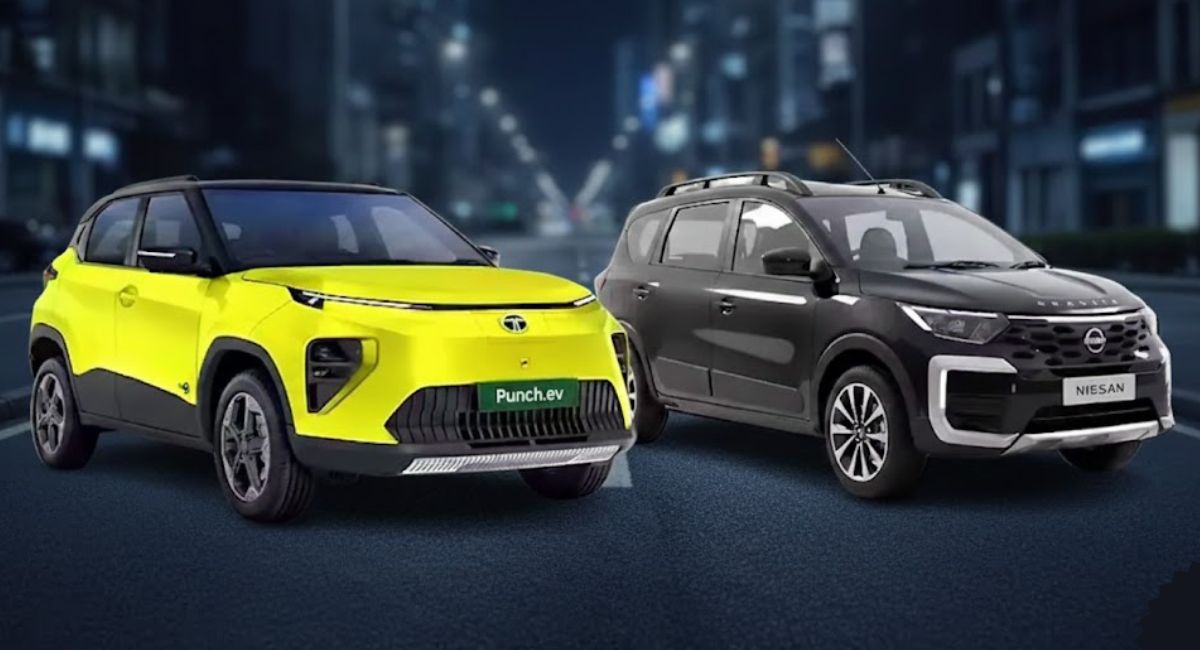
Nissan Gravite And Tata Punch.EV Facelift Launch: Smart Upgrade or Just Marketing?

This week has delivered something rare in the Indian automotive space: two completely different vehicles targeting two distinct buyer segments, yet both equally significant. The Nissan Gravite And Tata Punch.EV Facelift represent contrasting strategies — one focused on affordable multi-purpose family mobility, the other on urban electric innovation.

While Nissan steps into the value-focused MPV/SUV-inspired space with the Gravite, Tata sharpens its already successful micro-SUV electric offering with a refreshed Punch.EV. Together, they reflect two trends shaping India’s auto future: accessible practicality and rapid electrification.

Let’s break down everything you need to know about these two launches — from design and technical specifications to powertrain options, safety, and market positioning.

The Bigger Picture: Why These Launches Matter?

The Indian automotive market is currently experiencing:

  • Rising demand for compact SUVs
  • Rapid EV adoption in urban centers
  • Budget-conscious buying behavior
  • Increased focus on safety and technology

The Nissan Gravite And Tata Punch.EV Facelift directly respond to these shifts.

Nissan aims to re-establish relevance in India’s competitive volume segment, while Tata strengthens its leadership in affordable electric mobility.

Nissan Gravite: Affordable Family Mobility Reimagined

Design and Exterior Overview

The Nissan Gravite adopts a modern yet practical design language. It carries SUV-inspired styling cues while maintaining MPV-like proportions.

Exterior Highlights

  • Bold front grille with chrome accents
  • LED DRLs and halogen/LED headlamps (variant dependent)
  • Sculpted bumper design
  • Roof rails for added practicality
  • 15- or 16-inch alloy wheels
  • Rear LED tail-lamp signature

The Gravite appears positioned as a compact family mover with SUV styling influence.

Dimensions and Practicality

While official dimensions vary by variant, typical specifications may include:

  • Length: Approx. 4 meters
  • Wheelbase: Around 2,600 mm
  • Ground Clearance: 190–200 mm
  • Seating: 5- or possible 7-seater configuration

Interior space prioritizes:

  • Flexible seating layouts
  • Ample boot capacity
  • Foldable rear seats

For families seeking versatility, this configuration matters more than outright power.

Engine and Powertrain Specifications

The Gravite is expected to focus on fuel efficiency and affordability.

Likely Engine Specifications

  • 1.0L or 1.2L petrol engine
  • Naturally aspirated or mild turbo variant
  • Power Output: Approx. 72–100 PS
  • Torque: Around 96–160 Nm
  • Transmission Options: 5-speed manual / AMT or CVT

Fuel economy will likely be a key selling point.

The engine is tuned for daily commuting rather than aggressive performance.

Interior Features and Technology

Nissan aims to modernize the cabin without inflating costs.

Interior Features May Include

  • 8-inch touchscreen infotainment system
  • Apple CarPlay and Android Auto
  • Digital instrument cluster (select variants)
  • Automatic climate control
  • Steering-mounted controls
  • Rear AC vents

Material quality appears practical and durable.

Safety Specifications

Safety is becoming increasingly important for Indian buyers.

Expected Safety Features

  • Dual front airbags (standard)
  • ABS with EBD
  • Electronic Stability Control (top variants)
  • Rear parking sensors
  • Reverse camera
  • ISOFIX child seat mounts

Crash-test ratings will significantly influence buyer confidence.

Tata Punch.EV Facelift: Refining an Urban Electric Bestseller

The Tata Punch.EV has already established itself as a popular entry-level electric SUV. The facelift version enhances styling, range, and feature offerings.

Exterior Design Updates

The facelift introduces sharper, more contemporary design elements.

Key Visual Changes

  • Redesigned front fascia
  • Closed EV-specific grille
  • LED headlamps and DRLs
  • Revised alloy wheel design
  • Updated rear bumper styling

The EV retains its rugged micro-SUV stance while adopting Tata’s latest design language.

Battery and Powertrain Specifications

The most crucial update lies beneath the surface.

Battery Options

  • Standard Range: Approx. 25–30 kWh battery
  • Long Range: Approx. 35–40 kWh battery

Motor Output

  • Power: Around 60–90 kW
  • Torque: Approximately 110–200 Nm

Driving Range

  • Standard Range: 250–300 km (claimed)
  • Long Range: 350–400 km (claimed)

Actual real-world range may vary based on driving conditions.

Charging Capabilities

Charging flexibility determines EV practicality.

Charging Specs

  • AC Home Charger: 3.3 kW / 7.2 kW
  • DC Fast Charging: 50 kW support (variant dependent)
  • 10–80% fast charging time: Approx. 50–60 minutes

Urban buyers benefit from overnight home charging convenience.

Interior Enhancements

The facelift updates the cabin significantly.

Interior Features

  • Larger touchscreen infotainment system
  • Fully digital instrument cluster
  • Wireless Android Auto and Apple CarPlay
  • Connected car technology
  • Push-button start
  • Wireless charging pad

Tata continues to focus on tech-forward appeal.

Safety and Structural Strength

Tata has built a strong reputation for safety.

Safety Features May Include

  • Dual airbags
  • ABS with EBD
  • ESC
  • Hill hold control
  • 360-degree camera (higher variants)
  • Advanced traction control

The Punch platform is known for robust build quality.

Gravite vs Punch.EV: A Strategic Contrast

The Nissan Gravite And Tata Punch.EV Facelift represent two different mobility philosophies.

CategoryNissan GraviteTata Punch.EV Facelift
Fuel TypePetrolElectric
Target BuyerBudget familyUrban EV adopter
Range18–20 km/l (est.)250–400 km
Seating5/7 seats5 seats
ChargingNAFast charging supported
Ownership CostModerateLower running cost

Both vehicles serve distinct buyer needs.

Read more:- After Two Tough Years, Shimano Reports Growth in Bike Component Sales for First Time: Is the Cycling Industry Finally Turning the Corner?

Market Positioning

Nissan Gravite

Targets:

  • Budget-conscious families
  • Tier-2 and Tier-3 city buyers
  • First-time SUV/MPV buyers

Focus:

  • Affordability
  • Practicality
  • Fuel efficiency

Tata Punch.EV Facelift

Targets:

  • Urban commuters
  • Eco-conscious buyers
  • Second-car households

Focus:

  • EV adoption
  • Technology
  • Low running cost

Long-Term Ownership Perspective

Gravite Ownership Considerations

  • Lower upfront cost
  • Widespread fuel availability
  • Lower purchase complexity
  • Higher fuel expense over time

Punch.EV Ownership Considerations

  • Higher upfront cost
  • Lower per-km running cost
  • Home charging requirement
  • Battery warranty benefits

Choice depends on usage pattern and infrastructure access.

What These Launches Mean for the Market?

The Nissan Gravite And Tata Punch.EV Facelift highlight India’s automotive transition.

Key trends include:

  • Continued demand for affordable vehicles
  • Growing acceptance of EVs
  • Feature-rich entry segments
  • Strong emphasis on safety

Automakers are responding with sharper differentiation strategies.

This week’s dual launches showcase two paths forward.

The Nissan Gravite offers traditional practicality at a competitive price point, targeting mass-market buyers.

The Tata Punch.EV Facelift strengthens India’s affordable EV portfolio, combining improved range with upgraded features.

Both vehicles reflect evolving consumer priorities — one grounded in value and flexibility, the other in innovation and sustainability.

For buyers, the decision comes down to lifestyle and driving needs.

The Nissan Gravite And Tata Punch.EV Facelift represent two distinct but equally important chapters in India’s auto story.

One reinforces accessible family mobility. The other accelerates electrification in the compact segment.

For Indian car buyers, this week’s launches are not just about new models — they are about new choices.

FAQs

What is the expected price of the Nissan Gravite?

The Gravite is expected to be positioned in the affordable segment, likely competing with compact MPVs and entry SUVs.

 What is the driving range of the Tata Punch.EV Facelift?

The facelift model offers a claimed range between approximately 250 km and 400 km depending on battery variant.

Is the Nissan Gravite a 7-seater?

Some variants may offer flexible seating configurations, potentially including a 7-seat option.

Does Tata Punch.EV support fast charging?

Yes, it supports DC fast charging for quicker battery replenishment.

Why 3,100 Weekly Cyber-Attacks Signal a Major Security Shift in India?

Cyber-Attacks Signal a Major Security Shift: India’s digital transformation story has been remarkable. From rapid fintech adoption and e-governance expansion to widespread smartphone penetration and cloud migration, the country has embraced a connected economy at unprecedented scale. But alongside this progress comes a growing risk.

Recent security analyses suggest that India is now facing more than 3,100 cyber incidents every week. These aren’t limited to isolated phishing attempts. They include ransomware campaigns, cloud misconfigurations, AI-powered social engineering, data breaches, credential theft, and advanced persistent threats.

The headline statistic alone is alarming. But what makes the situation even more complex is the role of artificial intelligence. As cyber-attacks as AI drives new security shift across industries, both attackers and defenders are leveraging machine learning and automation in increasingly sophisticated ways.

This article explores the evolving cyber threat landscape in India, the technical mechanics behind AI-driven attacks, the defensive technologies being deployed, and what organizations must do to adapt.

Understanding the Scale: What 3,100 Weekly Cyber-Attacks Really Means?

A figure like 3,100 weekly incidents may sound abstract. In practical terms, it reflects:

  • Automated vulnerability scanning
  • Credential stuffing attacks
  • Ransomware attempts
  • API exploitation
  • Cloud configuration probing
  • Distributed denial-of-service (DDoS) activity

Large enterprises often face thousands of malicious probes daily. The weekly figure likely aggregates confirmed attack attempts targeting multiple sectors, including:

  • Banking and financial services
  • Healthcare
  • Government infrastructure
  • E-commerce platforms
  • Telecommunications
  • Manufacturing

The sheer volume signals a systematic targeting pattern rather than random incidents.

Why India Is a Prime Target?

India’s expanding digital footprint makes it attractive to threat actors.

Key factors include:

  • Massive online user base
  • Rapid digitization of government services
  • Cloud-first enterprise strategies
  • Growing fintech ecosystem
  • Startup-driven innovation

Rapid digital growth can sometimes outpace security readiness.

Additionally, the globalized nature of India’s IT and outsourcing industries makes supply chain attacks more impactful.

Read more:- Infostealer Steals OpenClaw AI Agent Configuration Files and Gateway Tokens Stolen: A Wake-Up Call for AI Infrastructure Security

The Role of AI in Modern Cyber-Attacks

Artificial intelligence is reshaping the threat landscape.

How Attackers Use AI?

  1. Automated Phishing Campaigns
    AI can generate context-aware emails that mimic real communication patterns.
  2. Deepfake Voice and Video Attacks
    Executives can be impersonated in real time to authorize fraudulent transactions.
  3. Adaptive Malware
    AI-powered malware can alter behavior to avoid detection.
  4. Credential Prediction Models
    Machine learning models analyze leaked password databases to improve attack success rates.
  5. Botnet Optimization
    AI coordinates distributed systems for more efficient DDoS attacks.

The sophistication of these techniques marks a significant shift from traditional manual hacking methods.

AI-Driven Defense: The Counterbalance

While attackers use AI, defenders are deploying it as well.

Defensive AI Technologies

  • Behavioral anomaly detection
  • Real-time threat intelligence analysis
  • Endpoint detection and response (EDR) systems
  • Automated incident response workflows
  • Network traffic pattern recognition
  • Predictive vulnerability assessment

Security operations centers (SOCs) increasingly rely on AI to reduce response time.

Technical Specifications of Modern Security Systems

Advanced cybersecurity platforms now integrate:

  • Machine learning classification engines
  • Natural language processing for phishing detection
  • Real-time log aggregation
  • Cloud-native security monitoring
  • Zero-trust network architecture

Key Infrastructure Components

  • Security Information and Event Management (SIEM)
  • Extended Detection and Response (XDR)
  • Identity and Access Management (IAM)
  • Multi-Factor Authentication (MFA)
  • API security gateways

Organizations adopting these tools are better positioned to counter AI-enhanced threats.

Sector-Specific Impact

Banking and Financial Services

Financial institutions remain prime ransomware targets due to:

  • High-value transactions
  • Sensitive data storage
  • Digital payment platforms

AI-powered fraud detection is now essential.

Healthcare

Hospitals and healthcare providers manage critical systems vulnerable to ransomware.

AI-based monitoring can detect unauthorized access attempts quickly.

Government and Public Services

With digital citizen services expanding, securing databases and portals becomes critical.

Government systems increasingly integrate AI monitoring tools.

Cloud Migration and Its Risks

India’s cloud adoption has accelerated dramatically.

Cloud environments introduce new vulnerabilities:

  • Misconfigured storage buckets
  • Unsecured APIs
  • Exposed identity credentials
  • Inadequate token rotation

AI-powered scanning tools help detect configuration errors proactively.

The Rise of Ransomware-as-a-Service

Cybercriminals now operate subscription-based attack models.

Ransomware-as-a-Service (RaaS) platforms provide:

  • Pre-built malware kits
  • Automated encryption routines
  • Payment portal systems
  • Technical support for attackers

AI enhances these services by improving targeting precision.

Workforce Challenges in Cybersecurity

Despite rising threats, India faces a shortage of cybersecurity professionals.

Challenges include:

  • Skill gaps in AI security
  • Limited advanced threat hunting expertise
  • High burnout rates in SOC teams

Automation helps fill gaps but cannot replace human oversight entirely.

The Shift Toward Zero-Trust Architecture

Traditional perimeter-based security models are insufficient.

Zero-trust principles include:

  • Continuous authentication
  • Micro-segmentation
  • Device health verification
  • Role-based access control

This model reduces lateral movement opportunities for attackers.

Regulatory and Compliance Implications

As cyber-attacks as AI drives new security shift, regulatory frameworks evolve.

Organizations must comply with:

  • Data protection laws
  • Industry-specific cybersecurity standards
  • Incident disclosure requirements
  • Digital payment regulations

Non-compliance risks financial penalties and reputational damage.

AI Ethics and Security Governance

AI security introduces governance challenges:

  • Algorithmic bias
  • Data privacy
  • Transparency in decision-making
  • Responsible AI deployment

Balancing automation with accountability remains critical.

What Organizations Must Do Now?

To address the growing threat landscape, enterprises should:

  1. Conduct comprehensive risk assessments
  2. Implement AI-powered threat detection
  3. Enforce multi-factor authentication
  4. Rotate credentials regularly
  5. Encrypt sensitive data at rest and in transit
  6. Monitor API endpoints continuously
  7. Train employees on phishing awareness

Proactive security reduces reactive damage control.

Long-Term Outlook

The convergence of AI and cybersecurity will intensify.

Future developments may include:

  • Autonomous defensive systems
  • Real-time AI-driven policy enforcement
  • Cross-border threat intelligence sharing
  • Quantum-resistant encryption research

Cybersecurity will become more predictive rather than reactive.

The statistic of over 3,100 weekly cyber incidents highlights a stark reality: India’s digital progress brings parallel security challenges.

As cyber-attacks as AI drives new security shift across industries, organizations must evolve from traditional defense mechanisms to intelligent, adaptive security ecosystems.

Artificial intelligence is both the weapon and the shield in modern cybersecurity.

Those who embrace advanced defensive technologies while maintaining human oversight will remain resilient. Those who delay may find themselves overwhelmed by increasingly automated threats.

India’s digital future depends not only on innovation but also on security maturity.

India stands at the forefront of digital innovation. But innovation without security resilience invites risk.

As cyber-attacks as AI drives new security shift, the country’s enterprises and institutions must invest in intelligent defense strategies that evolve as quickly as the threats they face.

In the digital age, cybersecurity is not an optional upgrade—it is foundational infrastructure.

FAQs

Why is India facing so many cyber-attacks?

Rapid digital transformation, cloud adoption, and a large online user base make India an attractive target for cybercriminals.

How does AI contribute to cyber-attacks?

AI enables attackers to automate phishing, improve malware evasion, generate deepfakes, and optimize attack strategies.

Can AI also improve cybersecurity?

Yes. AI-powered security systems detect anomalies, analyze large datasets, and respond to threats faster than manual processes.

What industries are most affected by cyber threats in India?

Banking, healthcare, government services, telecom, and e-commerce sectors are among the most targeted.

Infostealer Steals OpenClaw AI Agent Configuration Files and Gateway Tokens Stolen: A Wake-Up Call for AI Infrastructure Security

Artificial intelligence agents are rapidly becoming embedded in enterprise environments. From workflow automation and data processing to API orchestration and cloud operations, AI agents now operate as autonomous extensions of digital infrastructure. But as AI systems grow more capable, they also become more attractive targets.

Recent reports indicate that an infostealer campaign has successfully extracted OpenClaw AI Agent Configuration Files and Gateway Tokens, exposing sensitive infrastructure data and authentication credentials. While the technical details vary across environments, the implications are significant.

The theft of configuration files and gateway tokens does not merely represent stolen data—it can potentially grant unauthorized access to AI workflows, backend services, and API integrations.

In this comprehensive analysis, we will examine what these configuration files contain, how gateway tokens function, why they are valuable to attackers, and what organizations must do to protect AI systems moving forward.

Understanding OpenClaw AI Agent Architecture

Before evaluating the breach, it is essential to understand the architecture of AI agent deployments.

AI agents typically consist of:

  • Core runtime engine
  • Configuration files
  • API gateway credentials
  • Cloud integration tokens
  • Logging and telemetry modules
  • Workflow automation scripts

OpenClaw AI agents are designed to interface with external APIs, data systems, and service gateways. Configuration files define how these agents behave, which services they access, and how authentication occurs.

What Are OpenClaw AI Agent Configuration Files?

Configuration files act as the operational blueprint of an AI agent.

Typical Configuration File Specifications

  • API endpoints
  • Authentication tokens
  • Encryption keys
  • Model selection parameters
  • Workflow automation rules
  • Environment variables
  • Service routing details

These files are often stored in local directories or cloud storage paths accessible to the AI agent’s runtime environment.

If compromised, attackers gain insight into system architecture and operational dependencies.

What Are Gateway Tokens?

Gateway tokens serve as authentication credentials.

Gateway Token Functions

  • Authorize API access
  • Enable secure communication between services
  • Validate session requests
  • Authenticate cloud services
  • Permit data exchange

Gateway tokens may be:

  • OAuth tokens
  • JWT tokens
  • API keys
  • Cloud IAM credentials

If stolen, these tokens can allow attackers to impersonate legitimate AI agents.

How Infostealer Malware Operates

Infostealer malware is designed to extract sensitive data from infected systems.

Common targets include:

  • Browser-stored passwords
  • Cloud credentials
  • Cryptocurrency wallets
  • SSH keys
  • API tokens
  • Configuration files

The malware often exfiltrates data to remote command-and-control servers.

In this case, the focus shifted to OpenClaw AI Agent Configuration Files and Gateway Tokens, reflecting a growing interest in AI infrastructure exploitation.

Why AI Agent Files Are High-Value Targets?

AI systems often operate with elevated privileges.

Key reasons attackers target AI agents include:

  • Access to backend databases
  • Automated data extraction capabilities
  • Cloud environment permissions
  • Enterprise API integrations
  • Workflow automation privileges

Compromised AI agents can become attack multipliers.

Potential Impact of Stolen Configuration Files

The theft of configuration files can expose:

  • Internal service architecture
  • Hidden API endpoints
  • Hard-coded credentials
  • Debugging environments
  • Backup service paths

Attackers may use this intelligence to escalate access or pivot across systems.

Risk of Gateway Token Exploitation

If gateway tokens remain valid, attackers may:

  • Issue API calls as the AI agent
  • Extract proprietary data
  • Modify automation workflows
  • Deploy malicious prompts
  • Interfere with service routing

Token-based authentication systems rely on secrecy and expiration discipline.

Technical Vulnerabilities Behind the Incident

While each breach scenario differs, common vulnerabilities include:

  • Local credential storage without encryption
  • Lack of token rotation policies
  • Insufficient endpoint monitoring
  • Inadequate file access controls
  • Absence of runtime environment isolation

AI systems often inherit security weaknesses from traditional DevOps practices.

Cloud Environment Exposure

Many AI agents operate in cloud environments.

If configuration files include:

  • AWS access keys
  • Azure tokens
  • Google Cloud credentials

attackers may access broader infrastructure.

Cloud misconfigurations remain one of the largest cybersecurity risks.

AI Agent Security Specifications

Secure AI deployment requires layered defense.

Recommended Technical Safeguards

  • Environment variable encryption
  • Secrets management tools
  • Short-lived token issuance
  • Multi-factor authentication
  • Endpoint detection systems
  • Continuous credential rotation

Zero-trust architecture is particularly effective.

The Growing Threat to AI Infrastructure

As AI adoption expands, threat actors are adapting.

Emerging attack patterns include:

  • Prompt injection
  • Model poisoning
  • Credential harvesting
  • Token replay attacks
  • AI workflow hijacking

Security must evolve alongside capability.

Read more:- A Strategic Tech Shift: KFin Technologies Appoints Nazish Hussain Mir as Chief Technology Officer

Incident Response Considerations

If OpenClaw AI Agent Configuration Files and Gateway Tokens are compromised, immediate steps should include:

  1. Token revocation
  2. Credential rotation
  3. Access log analysis
  4. Endpoint isolation
  5. Cloud IAM review
  6. Deployment audit

Delays increase damage potential.

Long-Term Security Strategy for AI Agents

Organizations deploying AI agents must treat them as privileged services.

Best practices include:

  • Isolating runtime environments
  • Monitoring outbound traffic
  • Encrypting configuration files at rest
  • Using hardware-backed security modules
  • Implementing strict IAM policies

AI security cannot remain reactive.

Compliance and Regulatory Considerations

If AI systems process personal or financial data, breaches may trigger regulatory obligations.

Potential implications include:

  • Data protection reporting requirements
  • Compliance audits
  • Financial penalties
  • Contractual liability

Strong governance frameworks mitigate exposure.

Lessons for Developers and Enterprises

This incident highlights critical lessons:

  • Do not hard-code credentials
  • Avoid long-lived tokens
  • Encrypt configuration storage
  • Use managed secret services
  • Monitor for abnormal API calls

AI agents must follow the same security standards as traditional production systems.

Broader Industry Implications

The targeting of AI agent configuration files signals a shift in cybercriminal focus.

Future attack vectors may include:

  • Autonomous agent exploitation
  • API automation abuse
  • AI orchestration sabotage
  • Cross-platform token harvesting

Organizations integrating AI must prioritize security architecture from day one.

The theft of OpenClaw AI Agent Configuration Files and Gateway Tokens underscores a critical reality: AI agents are not immune to traditional cybersecurity threats. In fact, their automation capabilities may amplify risk if compromised.

Security must evolve alongside innovation. As AI agents become integral to enterprise infrastructure, protecting configuration files and gateway tokens becomes as essential as protecting core databases.

This incident serves as a wake-up call for organizations deploying AI technologies without hardened security frameworks.

Proactive defense, strict credential management, and continuous monitoring are no longer optional—they are mandatory.

The rapid integration of AI agents into enterprise systems has introduced new operational efficiencies—but also new security challenges. The compromise of OpenClaw AI Agent Configuration Files and Gateway Tokens illustrates how attackers adapt quickly to emerging technologies.

As AI becomes foundational to digital ecosystems, securing it must become foundational as well.

FAQs

What are OpenClaw AI Agent Configuration Files?

They are files that define how the AI agent operates, including API endpoints, authentication tokens, and workflow settings.

Why are gateway tokens sensitive?

Gateway tokens allow authenticated communication between services. If stolen, attackers may impersonate the AI agent.

How does infostealer malware extract data?

Infostealer malware scans infected systems for stored credentials, configuration files, and tokens, then exfiltrates them to remote servers.

Can stolen tokens be reused?

Yes, unless revoked or expired, attackers can use valid tokens to access systems.

A Strategic Tech Shift: KFin Technologies Appoints Nazish Hussain Mir as Chief Technology Officer

In a significant leadership development within India’s financial technology landscape, KFin Technologies has appointed Nazish Hussain Mir as Chief Technology Officer. The appointment of Nazish Hussain Mir as Chief Technology Officer represents more than a routine executive transition—it signals an intensified focus on innovation, digital infrastructure, cybersecurity, and scalable fintech architecture.

As financial services increasingly rely on secure, data-driven platforms, technology leadership becomes a defining factor in operational resilience and competitive differentiation. For a company deeply embedded in capital markets, mutual fund servicing, investor solutions, and issuer services, the role of CTO carries substantial strategic weight.

This article explores what the appointment of Nazish Hussain Mir as Chief Technology Officer means for KFin Technologies, its clients, investors, and the broader fintech ecosystem.

Understanding KFin Technologies: A Digital Backbone for Financial Markets

Before assessing the leadership change, it is important to understand the company’s role in the market.

KFin Technologies operates as a leading financial services platform offering:

  • Registrar and transfer agent (RTA) services
  • Mutual fund servicing
  • Corporate registry services
  • Alternative investment fund administration
  • Data analytics and compliance solutions

The company serves asset managers, corporates, and millions of investors. Its technology systems handle large transaction volumes, investor records, and regulatory data flows.

This makes technological stability, scalability, and security absolutely mission-critical.

Why the CTO Role Is Crucial in Financial Services?

In fintech-driven organizations, the Chief Technology Officer is not merely a systems administrator. The role involves:

  • Designing cloud infrastructure
  • Leading cybersecurity frameworks
  • Managing data governance
  • Driving automation and AI integration
  • Ensuring regulatory compliance technology

For a company like KFin Technologies, whose platforms manage investor portfolios and financial records, technological precision is essential.

The appointment of Nazish Hussain Mir as Chief Technology Officer suggests a renewed focus on these strategic priorities.

Read more:- BSB: Peter Hickman Takes Control of the British Mini Bike Championship — A Bold Move That Could Reshape UK Grassroots Racing

Leadership Background: What Nazish Hussain Mir Brings to the Role?

Although executive profiles evolve over time, CTO appointments in fintech companies typically require:

  • Deep expertise in cloud computing
  • Experience in digital transformation initiatives
  • Proven track record in cybersecurity
  • Understanding of regulatory technology (RegTech)
  • Strong stakeholder engagement skills

Nazish Hussain Mir’s appointment signals confidence in his ability to align technology architecture with business growth objectives.

The CTO must bridge operational engineering with long-term innovation strategy—a balance that defines successful fintech leadership.

The Technology Stack: Core Platform Specifications

KFin Technologies operates large-scale financial service platforms. While internal architectures are proprietary, typical fintech infrastructure of this scale includes:

Core Infrastructure Specifications

  • Cloud-native deployment (AWS, Azure, or hybrid models)
  • Microservices-based architecture
  • API-driven integration frameworks
  • Real-time transaction processing engines
  • Encrypted database storage
  • Disaster recovery systems with multi-region redundancy

Security Framework

  • End-to-end encryption
  • Multi-factor authentication
  • Zero-trust access models
  • Role-based data access control
  • Continuous vulnerability monitoring

Data & Analytics Capabilities

  • Big data processing engines
  • AI-driven fraud detection
  • Investor behavior analytics
  • Predictive compliance reporting

As Chief Technology Officer, Mir will likely oversee the evolution and scaling of these capabilities.

Digital Transformation: The Road Ahead

The appointment of Nazish Hussain Mir as Chief Technology Officer comes at a time when financial service platforms are undergoing rapid modernization.

Cloud Migration and Scalability

Scalable infrastructure ensures that transaction surges during IPOs or market volatility are handled seamlessly.

Cloud-native systems enable:

  • Elastic computing
  • Reduced downtime
  • Faster feature deployment

Artificial Intelligence Integration

AI is increasingly used in:

  • Fraud detection
  • Customer support chatbots
  • Automated KYC verification
  • Risk analytics

A forward-looking CTO would focus on embedding AI responsibly and securely.

Cybersecurity: A Top Priority

Financial platforms are prime targets for cyber threats. Modern CTO responsibilities include:

  • Real-time threat detection systems
  • Regular penetration testing
  • Secure DevOps (DevSecOps) integration
  • Regulatory cybersecurity compliance

Investors and institutional clients expect robust safeguards. Leadership in this area strengthens trust.

Regulatory Compliance Technology

India’s financial markets operate under strict oversight from regulatory bodies. Technology systems must comply with:

  • Data localization policies
  • Investor data protection mandates
  • Audit trail maintenance requirements

Advanced compliance automation tools reduce operational risk and human error.

Mir’s role will likely involve strengthening regulatory reporting automation and compliance analytics frameworks.

Enhancing Investor Experience Through Technology

Technology leadership isn’t just about backend stability—it directly impacts end users.

Key investor-facing improvements may include:

  • Faster transaction processing
  • Improved mobile interfaces
  • Real-time portfolio dashboards
  • Seamless digital onboarding

User experience is increasingly a differentiator in fintech.

The Competitive Landscape

India’s fintech sector is highly competitive. Players offering registrar and financial services must innovate constantly.

Technology strategy under a capable CTO can provide advantages in:

  • Cost optimization
  • Faster client onboarding
  • Enhanced analytics capabilities
  • Cross-platform integrations

The appointment of Nazish Hussain Mir as Chief Technology Officer positions KFin Technologies to remain competitive in a rapidly digitizing financial ecosystem.

Strategic Implications for Investors

Leadership appointments can influence investor perception.

Markets often interpret such moves as:

  • Commitment to modernization
  • Focus on operational efficiency
  • Long-term growth strategy

For institutional investors evaluating fintech firms, executive technical leadership plays a crucial role in governance assessment.

Building a Culture of Innovation

A strong CTO shapes internal culture.

This may include:

  • Encouraging agile development cycles
  • Investing in developer training
  • Promoting innovation labs
  • Collaborating with fintech startups

Cultural alignment with digital transformation can accelerate product launches and enhance operational resilience.

Operational Efficiency and Cost Management

Technology upgrades can reduce:

  • Manual processing errors
  • Paper-based workflows
  • Redundant infrastructure costs

Automation and cloud adoption often translate into improved margins over time.

Enterprise-Level Specifications Overview

Below is a generalized representation of enterprise fintech system capabilities under CTO leadership:

Transaction Capacity:

  • Millions of transactions per day

Uptime Target:

  • 99.9% or higher availability

Data Storage:

  • Petabyte-scale encrypted storage

Processing Latency:

  • Sub-second transaction validation

Compliance Reporting:

  • Automated real-time regulatory dashboards

These specifications reflect the operational scale typically managed by a financial services technology provider.

Industry Outlook: Why This Appointment Matters Now?

India’s capital markets are expanding rapidly, with increasing retail participation and digital investment platforms.

This growth demands:

  • Strong infrastructure
  • Secure systems
  • Continuous innovation

The appointment of Nazish Hussain Mir as Chief Technology Officer aligns with the broader industry trajectory toward digital-first financial ecosystems.

A Technology-Led Future

Executive appointments in fintech are strategic milestones. The decision to bring Nazish Hussain Mir as Chief Technology Officer reflects KFin Technologies’ recognition that technology leadership is central to growth, security, and market positioning.

While immediate impacts may not be visible to end users, long-term benefits could include:

  • Enhanced scalability
  • Improved cybersecurity
  • Better investor experiences
  • Stronger compliance systems

In an era where trust in digital financial systems is paramount, capable technology leadership is not optional—it is foundational.

FAQs

Who is Nazish Hussain Mir?

Nazish Hussain Mir is a technology executive appointed as Chief Technology Officer at KFin Technologies.

What does a Chief Technology Officer do in a fintech company?

A CTO oversees digital infrastructure, cybersecurity, product engineering, cloud systems, and innovation strategy.

Why is this appointment significant?

It signals a focus on digital transformation, system modernization, and long-term technological growth.

How does technology impact financial services companies?

Technology ensures secure transactions, regulatory compliance, operational efficiency, and enhanced customer experience.

Face the Future: Meta’s Smart Glasses May Soon Recognize Who You’re Looking At?

Wearable technology has steadily moved from novelty to necessity. From fitness trackers to wireless earbuds, devices that blend seamlessly into daily life are becoming central to how we communicate and consume information. Now, a new development is pushing the boundaries even further: the integration of facial recognition technology into Smart Glasses.

Meta’s reported plans to incorporate advanced facial recognition capabilities into its wearable eyewear signal a significant turning point. While Smart Glasses have already enabled features such as hands-free photography, voice assistance, and real-time AI interaction, adding biometric identification introduces a new level of contextual awareness—and a new layer of controversy.

This article takes a comprehensive look at what this move means, how the technology works, the potential specifications, privacy implications, real-world applications, and whether consumers are ready for such a leap.

The Current State of Smart Glasses Technology

Before diving into facial recognition, it’s important to understand where Smart Glasses stand today.

In recent years, Meta Platforms has collaborated with Ray-Ban to launch stylish AI-powered eyewear. These devices combine traditional sunglasses aesthetics with embedded cameras, speakers, microphones, and voice assistant functionality.

Typical features of current-generation Smart Glasses include:

  • Dual 12MP ultra-wide cameras
  • Open-ear directional speakers
  • Beamforming microphones
  • Touch-sensitive frame controls
  • Bluetooth and Wi-Fi connectivity
  • Live streaming capabilities
  • AI voice assistant integration

These devices are powered by custom chipsets optimized for wearable efficiency and connected to companion smartphone apps for expanded functionality.

What Facial Recognition Means in Smart Glasses?

Facial recognition technology allows a device to identify or verify a person by analyzing unique facial features captured via a camera. When integrated into Smart Glasses, this capability transforms the device from a passive recording tool into an active recognition system.

Potential capabilities could include:

  • Identifying known contacts in real time
  • Displaying contextual information about recognized individuals
  • Assisting users with memory recall
  • Enhancing accessibility for users with cognitive challenges

Technically, this requires:

  1. High-resolution front-facing cameras
  2. On-device AI processing
  3. Secure biometric data storage
  4. Cloud-based model training infrastructure

The addition of facial recognition significantly elevates the role of Smart Glasses from accessory to augmented cognitive assistant.

Read more:- German Court Bans Acer and Asus PC Sales: What Nokia’s Patent Victory Means for the Global PC Industry?

How the Technology Could Work?

Facial recognition in Smart Glasses would likely operate through a multi-layered system:

1. Image Capture

Cameras embedded in the frame continuously capture visual input within the user’s field of view.

2. Facial Mapping

AI algorithms detect facial landmarks—distance between eyes, jawline shape, cheekbone structure.

3. Biometric Encoding

The facial data is converted into encrypted mathematical representations.

4. Matching

The system compares captured data against a secure database of stored facial profiles.

5. Contextual Display

Upon recognition, the system could deliver discreet audio or visual feedback.

To maintain responsiveness, much of this processing would need to occur locally on the device using edge AI rather than relying entirely on cloud servers.

Expected Hardware Specifications

Although official specifications may evolve, a next-generation Smart Glasses model with facial recognition could include:

Processor:

  • Custom wearable AI chipset
  • Neural processing unit (NPU) for real-time image analysis

Cameras:

  • Dual 12MP or higher resolution sensors
  • Improved low-light performance
  • Wide dynamic range

Connectivity:

  • Bluetooth 5.3
  • Wi-Fi 6 or higher
  • Optional 5G tethering via smartphone

Storage:

  • 32GB–64GB internal storage
  • Encrypted biometric data partitions

Battery:

  • Approx. 6–8 hours of active use
  • USB-C fast charging
  • Charging case support

Audio:

  • Open-ear speakers
  • Noise-canceling microphone array

Security Features:

  • Encrypted facial database
  • User-controlled data permissions
  • Biometric authentication to access stored profiles

These specifications would position Smart Glasses as powerful wearable AI platforms rather than simple camera accessories.

Real-World Applications of Facial Recognition in Smart Glasses

The integration of facial recognition opens doors to diverse applications.

Professional Networking

Imagine attending a business conference and discreetly receiving reminders about a person’s name, company, and last interaction. For professionals, this could enhance productivity and social confidence.

Accessibility Support

For individuals with memory impairments or cognitive challenges, facial recognition could help identify caregivers, family members, or acquaintances.

Security and Authentication

Smart Glasses could verify identities in controlled environments, potentially serving as wearable authentication devices in enterprise settings.

Personalized Social Interaction

Recognizing friends in crowded environments could enable contextual AI prompts, such as recalling shared experiences or mutual interests.

Privacy Concerns and Ethical Considerations

The introduction of facial recognition into Smart Glasses inevitably raises significant privacy questions.

Consent and Awareness

Unlike smartphones, Smart Glasses are less conspicuous. People in public spaces may not be aware they are being scanned or recorded.

Data Storage Risks

Biometric data is highly sensitive. Any breach involving facial recognition databases could have serious consequences.

Regulatory Landscape

Governments worldwide are tightening regulations around biometric surveillance. Regions such as the European Union enforce strict data protection laws, and compliance will be critical.

Social Acceptance

Public reaction will play a major role. Early wearable cameras faced backlash due to perceived invasiveness. Facial recognition amplifies those concerns.

Meta will likely need to implement:

  • Clear visual recording indicators
  • User consent mechanisms
  • Strict data encryption standards
  • Transparent privacy policies

Comparing Smart Glasses to Smartphones

Smartphones already support facial recognition for unlocking devices. However, integrating it into Smart Glasses changes the context.

Smartphones:

  • User-initiated recognition
  • Limited to device owner

Smart Glasses:

  • Continuous environmental scanning
  • Potential third-party identification

This shift transforms facial recognition from a personal security feature into a broader social technology.

The Competitive Landscape

Meta is not alone in the wearable AR space. Companies like Apple Inc. and Google are investing heavily in augmented reality and AI.

While Apple’s Vision Pro targets high-end mixed reality, lightweight Smart Glasses aim for everyday wearability. The addition of facial recognition could give Meta a differentiation edge—but it also increases regulatory scrutiny.

Consumer Readiness: Are We Prepared?

Consumer adoption will depend on:

  • Trust in data handling
  • Perceived utility
  • Design aesthetics
  • Clear opt-in frameworks

Early adopters may embrace the innovation, but mainstream acceptance requires reassurance.

Market Impact and Future Outlook

If implemented responsibly, Smart Glasses with facial recognition could redefine wearable computing. They may:

  • Enhance augmented reality experiences
  • Bridge digital and physical identities
  • Accelerate AI integration into daily life

However, success depends not only on technical execution but on ethical responsibility.

Innovation at a Crossroads

The integration of facial recognition into Smart Glasses represents a bold step forward in wearable AI. On one hand, it offers remarkable potential for contextual awareness and convenience. On the other, it raises legitimate concerns about privacy and surveillance.

Technology evolves quickly, but public trust evolves slowly. For Smart Glasses to reach widespread acceptance, transparency, user control, and regulatory compliance will be just as important as processing power and camera resolution.

The future of wearable AI may quite literally be right before our eyes.

FAQs

What are Smart Glasses?

Smart Glasses are wearable devices that resemble traditional eyewear but include integrated technology such as cameras, speakers, microphones, and AI assistants.

How does facial recognition work in Smart Glasses?

Facial recognition uses camera input and AI algorithms to identify individuals by analyzing unique facial features and comparing them to stored biometric data.

Are Smart Glasses with facial recognition legal?

Legality depends on regional regulations. Many countries have strict laws governing biometric data collection and usage.

Can Smart Glasses store facial data locally?

Advanced models are expected to use encrypted on-device storage combined with secure cloud processing for enhanced performance and privacy.

After Two Tough Years, Shimano Reports Growth in Bike Component Sales for First Time: Is the Cycling Industry Finally Turning the Corner?

For the first time since 2022, Shimano reports growth in bike component sales for first time, marking a significant milestone in the post-pandemic cycling market. After a period defined by supply chain disruptions, inventory gluts, and declining consumer demand, this growth signals something more than improved quarterly numbers—it suggests a possible stabilization of the global bicycle industry.

As one of the world’s most influential cycling component manufacturers, Shimano plays a central role in shaping the health of the entire market. When Shimano grows, it often reflects broader recovery across bike manufacturers, retailers, and cycling enthusiasts worldwide.

This article takes a deep dive into:

  • What this sales growth really means
  • Why the slowdown happened after 2022
  • Which component categories are driving recovery
  • Detailed specifications of Shimano’s key product lines
  • What riders and bike brands can expect next

The Post-2022 Slowdown: What Went Wrong?

To understand why Shimano’s latest growth is noteworthy, we need to revisit the past few years.

The Pandemic Boom

During 2020–2021, cycling saw unprecedented demand:

  • Lockdowns drove outdoor recreation
  • Public transport avoidance increased bike purchases
  • Governments promoted cycling infrastructure

Manufacturers struggled to meet demand. Orders surged across entry-level, mid-range, and high-end segments.

The Correction Phase

By 2022, the situation reversed:

  • Excess inventory flooded warehouses
  • Consumer demand cooled
  • Inflation impacted discretionary spending
  • Retailers began discounting heavily

Component orders slowed dramatically. Even a giant like Shimano felt the impact.

That is why the headline “Shimano reports growth in bike component sales for first time” carries weight—it signals that the correction cycle may be stabilizing.

Why Shimano’s Performance Matters Globally?

Shimano is not just another supplier. It dominates key segments of the bicycle component market, particularly in:

  • Drivetrains
  • Derailleurs
  • Cranksets
  • Braking systems
  • Wheel hubs
  • Pedals

From entry-level city bikes to professional road racing machines, Shimano components are everywhere.

A rebound in its sales suggests:

  1. Manufacturers are placing new orders.
  2. Inventory levels are normalizing.
  3. Consumer purchasing confidence may be improving.

Key Product Lines Driving Sales Recovery

Let’s examine the component categories likely contributing to this growth.

Road Bike Groupsets

Shimano’s road offerings span multiple performance tiers:

Shimano Claris (R2000 Series)

  • 8-speed drivetrain
  • Dual-pivot rim brakes
  • Entry-level performance
  • Ideal for beginners

Shimano Sora (R3000 Series)

  • 9-speed system
  • Improved ergonomics
  • Mid-range entry road bikes

Shimano 105 (R7100 Di2 & Mechanical)

  • 12-speed drivetrain
  • Electronic Di2 shifting (in higher variants)
  • Hydraulic disc brakes
  • Widely considered the performance sweet spot

Shimano Ultegra (R8100 Di2)

  • 12-speed
  • Fully electronic Di2
  • Hollowtech II crankset
  • Lightweight construction

Shimano Dura-Ace (R9200 Di2)

  • 12-speed
  • Professional-level performance
  • Carbon composite components
  • Used in elite racing

The 12-speed expansion into mid-tier groupsets like 105 has been particularly influential. It brings premium performance to more accessible price points.

Read more:- BSB: Peter Hickman Takes Control of the British Mini Bike Championship — A Bold Move That Could Reshape UK Grassroots Racing

Mountain Bike Components

Mountain biking remains resilient globally, and Shimano’s MTB lineup is diverse.

Shimano Deore (M6100 Series)

  • 12-speed drivetrain
  • Hyperglide+ technology
  • Wide-range cassette (10-51T)

Shimano SLX (M7100 Series)

  • 12-speed
  • Improved durability
  • Alloy crank arms

Shimano XT (M8100 Series)

  • High-performance trail and enduro
  • Rapid engagement hubs
  • Adjustable brake levers

Shimano XTR (M9100 Series)

  • Elite-level race groupset
  • Lightweight carbon components
  • 12-speed performance

The mountain segment often recovers faster than road due to its strong enthusiast base. Sales growth here may be contributing to Shimano’s improved figures.

Gravel and Adventure Components

Gravel cycling continues to gain momentum worldwide.

Shimano GRX (RX400, RX600, RX810, RX820)

  • 10-speed and 11-speed options
  • 1x and 2x drivetrains
  • Clutch rear derailleurs
  • Hydraulic disc brakes

GRX has become a benchmark for gravel performance. Its versatility makes it attractive for bike brands targeting adventure riders.

E-Bike Systems

Electric bicycles represent one of the fastest-growing segments globally.

Shimano STEPS Systems:

  • Mid-drive motors
  • Integrated battery units
  • Digital displays
  • Automatic shifting (Di2 compatible)

E-bike component demand has remained relatively strong, even during broader market slowdowns. This segment likely plays a significant role in the recovery.

Inventory Stabilization: A Crucial Factor

One major reason for the slowdown after 2022 was inventory imbalance.

Retailers were left with:

  • Overstocked warehouses
  • Unsold premium bikes
  • Discounted clearance stock

Manufacturers reduced component orders as they worked through surplus inventory.

Now, as those stock levels normalize, new production cycles are beginning. This translates into renewed component orders for suppliers like Shimano.

The Broader Economic Context

Sales growth doesn’t happen in isolation. Several macroeconomic factors are influencing recovery:

  • Stabilizing inflation in key markets
  • Improved consumer confidence
  • Renewed interest in outdoor recreation
  • Government investments in cycling infrastructure

These factors collectively contribute to renewed industry momentum.

What This Means for Cyclists?

For everyday riders, Shimano’s recovery can translate into tangible benefits.

Improved Product Availability

During the pandemic, wait times for components stretched into months. A stabilized supply chain means:

  • Faster delivery
  • Better stock levels
  • More consistent pricing

Potential Innovation Acceleration

Revenue growth supports research and development. Shimano is known for incremental yet impactful innovations, such as:

  • Hyperglide+ shifting
  • Di2 wireless connectivity
  • Ice-Tech braking systems

Renewed financial health may accelerate future upgrades.

Shimano’s Technology Edge

Shimano’s competitive strength lies in precision engineering.

Hyperglide+

  • Enables smooth shifting under load
  • Designed for 12-speed MTB systems

Di2 Electronic Shifting

  • Wireless cockpit integration
  • Precise gear changes
  • Reduced cable maintenance

Hollowtech II Cranksets

  • Hollow-forged aluminum
  • Improved stiffness-to-weight ratio

These technologies reinforce Shimano’s dominance in mid-to-high-end markets.

Competition and Market Dynamics

While Shimano remains a market leader, competitors such as SRAM and Campagnolo continue innovating aggressively.

However, Shimano’s strengths include:

  • Extensive OEM partnerships
  • Global distribution network
  • Broad pricing spectrum
  • Reliability reputation

The fact that Shimano reports growth in bike component sales for first time since 2022 suggests it is maintaining leadership despite competition.

Retailer Perspective: A Sign of Relief

Bike retailers have endured a challenging period marked by:

  • Heavy discounting
  • Narrow profit margins
  • Overstock storage costs

Growth at the component level suggests improved wholesale confidence. Retailers may finally see healthier restocking cycles.

Long-Term Outlook: Is This Sustainable?

The key question is whether this growth is a short-term rebound or the beginning of a sustained upward trend.

Factors supporting long-term stability:

  • Expanding urban cycling infrastructure
  • Continued e-bike adoption
  • Growing gravel segment
  • Environmental awareness

Risks remain, including global economic volatility and fluctuating consumer spending.

However, early growth signals are encouraging.

A Personal Industry Perspective

From years of observing cycling product cycles, one consistent pattern stands out: the industry moves in waves.

After rapid expansion, correction phases are inevitable. What matters is structural demand. Cycling remains:

  • Affordable transportation
  • Sustainable commuting
  • A global sport
  • A lifestyle activity

The fact that Shimano reports growth in bike component sales for first time after a downturn suggests the structural foundation of cycling remains intact.

The return to growth for Shimano is more than a financial statistic. It represents a broader stabilization within the cycling ecosystem.

For manufacturers, it signals confidence.
For retailers, it suggests relief.
For cyclists, it promises availability and innovation.

While challenges remain, this milestone may mark the beginning of a healthier, more balanced cycling industry.

FAQs

Why did Shimano sales decline after 2022?

Sales declined due to post-pandemic inventory surplus, reduced consumer demand, and global economic uncertainty.

What does Shimano’s growth mean for cyclists?

It likely means better product availability, stabilized pricing, and continued innovation in drivetrains and braking systems.

Are bike prices expected to increase again?

Prices may stabilize rather than rise sharply, as inventory levels normalize and demand improves gradually.

Which Shimano groupset is best for beginners?

Shimano Claris and Sora are excellent entry-level options for new road cyclists.