All posts by Piyali

Hi readers. I’m Piyali , a passionate blogger who loves to share her thoughts, ideas, and experiences across a variety of topics—from lifestyle and beauty to personal growth and creativity. With a curious mind and a love for words.

CFMoto Brings Moto2 Looks to Its Small XO Papio Racer: The Pocket Rocket That Thinks It’s a Grand Prix Machine

The headline says it all: CFMoto brings Moto2 looks to its small XO Papio Racer, and the result is one of the most visually striking mini motorcycles in recent years. While the bike remains compact and beginner-friendly, its race-inspired livery and styling cues channel the spirit of professional Moto2 competition.

In a market increasingly dominated by large-displacement adventure bikes and high-powered superbikes, the XO Papio Racer stands out for a different reason. It proves that motorcycling fun doesn’t have to come in 1000cc packages. Instead, it delivers racing aesthetics, lightweight agility, and urban practicality in a playful, accessible format.

Manufactured by CFMoto, the XO Papio Racer builds on the brand’s growing global reputation for value-driven, stylish machines. But with this special race-inspired edition, the company takes a creative leap—injecting genuine Moto2 visual DNA into a small-capacity street bike.

Let’s take a closer look at what makes this motorcycle so intriguing.

The Inspiration: Moto2 Influence in a Compact Form

For context, Moto2 is the intermediate class of Grand Prix motorcycle racing, sitting between Moto3 and MotoGP. It is known for close racing, uniform engines, and bold race liveries. CFMoto has been active in international racing circles and has leveraged that connection for design inspiration.

The XO Papio Racer doesn’t mechanically replicate a Moto2 machine, but visually, the cues are unmistakable:

  • Race-style graphics
  • Number board-style panels
  • Aggressive fairing treatment
  • Bold color contrast reminiscent of track machines

The goal isn’t to fool anyone into thinking this is a professional race bike. Instead, it offers everyday riders a taste of Grand Prix styling in a format that is easy to ride, affordable, and approachable.

First Impressions: A Mini Bike with Maximum Personality

The moment you see the XO Papio Racer, it’s clear this isn’t just another entry-level commuter. Its proportions are compact, but the styling is sharp.

The bike retains the distinctive Papio silhouette but elevates it with:

  • Clip-on style handlebars
  • Sporty front cowl
  • Retro-modern round LED headlamp
  • Compact tail section

Unlike full-size supersport machines that can feel intimidating, the Papio Racer looks playful yet purposeful. It appeals to:

  • Urban riders
  • New motorcyclists
  • Collectors of unique machines
  • Experienced riders seeking a fun secondary bike

Detailed Specifications of the XO Papio Racer

While styling is a major talking point, specifications matter. Below are the key technical details that define the bike.

Engine & Performance

  • Engine Type: Single-cylinder, 4-stroke, air-cooled
  • Displacement: 124cc
  • Bore x Stroke: Approx. 57mm x 49.4mm
  • Maximum Power: Around 9–10 hp
  • Maximum Torque: Approximately 9 Nm
  • Fuel System: Electronic Fuel Injection (EFI)
  • Transmission: 6-speed manual
  • Final Drive: Chain

This is not a high-horsepower machine, but that’s part of its charm. The modest output ensures manageable power delivery, making it suitable for beginners while still offering enough engagement for city riding.

Chassis & Suspension

  • Frame: Steel backbone frame
  • Front Suspension: USD (Upside Down) forks
  • Rear Suspension: Single rear mono-shock
  • Front Brake: Single disc with ABS
  • Rear Brake: Single disc
  • ABS: Dual-channel (depending on market)

The inclusion of USD forks at this price point is notable. It enhances front-end stability and adds to the bike’s premium feel.

Dimensions & Ergonomics

  • Seat Height: Approximately 760 mm
  • Wheelbase: Around 1214 mm
  • Ground Clearance: About 145 mm
  • Fuel Tank Capacity: Roughly 7 liters
  • Kerb Weight: Approximately 114 kg

The low seat height and lightweight construction make it extremely accessible. Riders of various heights will find it unintimidating and easy to maneuver.

Wheels & Tires

  • Front Wheel: 12-inch alloy
  • Rear Wheel: 12-inch alloy
  • Front Tire: 120-section
  • Rear Tire: 130-section

The 12-inch wheels contribute to the bike’s playful handling characteristics. While not ideal for highway touring, they excel in tight city environments.

Design Deep Dive: Where Racing Meets Retro

The phrase “CFMoto brings Moto2 looks to its small XO Papio Racer” isn’t marketing exaggeration. The design team clearly focused on creating visual drama.

Racing Livery

The graphics borrow heavily from track aesthetics:

  • Bold sponsor-style branding
  • Contrasting panels
  • Large race-number-style graphics
  • High-impact color schemes

These elements transform the bike from a casual commuter into something that feels track-ready—even if it’s primarily built for city streets.

Retro Round Headlamp

Interestingly, CFMoto retained the Papio’s round LED headlamp. This gives the bike a neo-retro twist, blending:

  • Modern racing inspiration
  • Classic motorcycle styling

The result is distinctive. It avoids becoming a miniature supersport clone and instead establishes its own personality.

Riding Experience: Small Displacement, Big Smiles

As someone who has spent time on small-displacement motorcycles, I can confidently say that bikes like this often deliver more fun per horsepower than larger machines.

City Riding

In urban environments, the XO Papio Racer shines:

  • Light clutch action
  • Easy throttle control
  • Quick directional changes
  • Effortless parking

Its compact size allows riders to navigate traffic with ease.

Read more:- Electric But Not Oil-Free: Why Tesla’s EVs Need Oil Filters After All?

Acceleration & Top Speed

With around 9–10 horsepower, acceleration is modest but lively at lower speeds. Expect:

  • Comfortable cruising at 60–80 km/h
  • Top speed around 90–100 km/h (depending on conditions)

This makes it suitable for city use and short suburban rides, but not for sustained highway travel.

Who Is the XO Papio Racer For?

The appeal of this motorcycle goes beyond beginner riders.

Ideal Buyers

  1. New Riders – Low seat height and forgiving power delivery make it an excellent starter bike.
  2. Urban Commuters – Fuel-efficient and easy to maneuver.
  3. Collectors – Unique styling sets it apart from standard mini bikes.
  4. Experienced Riders – A fun, lightweight secondary machine for short rides.

Build Quality and Brand Confidence

Over the last decade, CFMoto has significantly improved its reputation. The company has expanded globally and strengthened its engineering capabilities.

Fit and finish on recent models show:

  • Improved paint quality
  • Solid welds
  • Reliable EFI tuning
  • Enhanced braking systems

The XO Papio Racer benefits from this upward trajectory.

Safety Features

Although compact, the bike includes important safety components:

  • Dual disc brakes
  • ABS (market dependent)
  • Bright LED lighting
  • Stable chassis geometry

For a small 125cc motorcycle, that’s a respectable safety package.

Fuel Efficiency

Small single-cylinder engines are typically fuel-efficient. Riders can expect:

  • Approx. 40–50 km per liter (depending on riding style)

With a 7-liter tank, the bike offers practical range for daily commuting.

Market Position: Where Does It Stand?

The mini-bike segment includes models like:

  • Honda Monkey
  • Kawasaki Z125
  • Benelli TNT 135

The XO Papio Racer competes by offering:

  • More aggressive racing aesthetics
  • USD forks
  • Distinct Moto2-inspired livery

It stands out visually in a crowded category.

Ownership Considerations

Before purchasing, potential buyers should consider:

  • Limited highway capability
  • Small fuel tank
  • Compact riding posture

However, for urban use and short rides, these are minor compromises.

The Emotional Factor: Why Styling Matters?

Motorcycles are rarely purely rational purchases. Emotion plays a significant role.

By bringing Moto2 looks to its small XO Papio Racer, CFMoto taps into:

  • Racing nostalgia
  • Grand Prix dreams
  • Youthful excitement

Even if you’re not chasing lap times, the styling makes every ride feel special.

Long-Term Value

Small-displacement motorcycles often retain value well due to:

  • Low running costs
  • Broad appeal
  • Ease of maintenance

If maintained properly, the XO Papio Racer could remain desirable in the used market.

CFMoto brings Moto2 looks to its small XO Papio Racer in a way that feels authentic rather than forced. The bike doesn’t pretend to be a superbike. Instead, it embraces its identity as a compact, stylish, and approachable machine.

For riders who value character over raw power, this mini sportbike delivers personality in abundance.

It proves an important truth: fun isn’t measured in cubic centimeters.

FAQs

Is the CFMoto XO Papio Racer good for beginners?

Yes. Its 124cc engine, low seat height, and manageable weight make it suitable for new riders.

What is the top speed of the XO Papio Racer?

The top speed is typically around 90–100 km/h, depending on rider weight and road conditions.

Does the XO Papio Racer have ABS?

Many versions include ABS, but availability can vary by market.

Is it suitable for highway riding?

It can handle short highway stretches, but it is primarily designed for city and urban use.

German Court Bans Acer and Asus PC Sales: What Nokia’s Patent Victory Means for the Global PC Industry?

The headline “German Court Bans Acer and Asus PC Sales” has sent shockwaves through the global technology industry. In a landmark ruling, a German court sided with Nokia in a patent infringement dispute, leading to a temporary ban on the sale of certain Acer and Asus PCs in Germany.

While at first glance this may seem like a routine patent conflict, the implications are far broader. Germany is one of Europe’s largest technology markets, and Acer and Asus are two of the most recognized PC brands globally. The ruling raises critical questions about patent licensing, standard-essential technologies, supply chains, and the future of innovation in connected devices.

In this detailed analysis, we will break down:

  • Why the German court banned Acer and Asus PC sales
  • What Nokia’s patent covers
  • Which devices and specifications are affected
  • The legal and commercial consequences
  • What this means for consumers and businesses

Understanding the Core Issue: Nokia’s Patent Claim

At the heart of the controversy is a patent owned by Nokia, a company best known historically for mobile phones but now primarily focused on telecommunications infrastructure and intellectual property licensing.

Nokia alleged that certain Acer and Asus PCs used its patented wireless communication technologies without proper licensing. These technologies are considered essential for modern connectivity, particularly in devices equipped with cellular modules.

What Type of Patent Is Involved?

The dispute revolves around a standard-essential patent (SEP). These patents cover technologies that are fundamental to industry standards such as:

  • 4G LTE connectivity
  • 5G cellular communication
  • Wireless broadband modules

When a device includes built-in cellular connectivity, it may rely on patented technology that requires licensing from the patent holder.

Nokia claimed that Acer and Asus were using such technology in their connected laptops without agreeing to appropriate licensing terms.

The Court’s Ruling in Germany

Germany is known for its strong patent enforcement system. Courts in cities like Mannheim and Munich are often chosen as battlegrounds for international intellectual property disputes because injunctions can be granted relatively quickly.

In this case, the German court determined that certain Acer and Asus PCs infringed Nokia’s patent rights. As a result:

  • Sales of affected models were banned in Germany.
  • Distribution channels were impacted.
  • Retailers faced uncertainty about inventory.

This type of ruling is known as an injunction, which prevents companies from selling products that infringe on valid patents.

Why Germany Is a Key Battlefield for Patent Disputes?

Germany plays a central role in Europe’s technology market. A ban there has both legal and symbolic significance.

Key Reasons:

  1. Large Consumer Base: Germany is one of Europe’s biggest PC markets.
  2. Efficient Patent Courts: Injunctions can be issued relatively quickly.
  3. Strategic Pressure: A ruling in Germany can influence negotiations globally.

For multinational companies like Acer and Asus, losing access to the German market is not a minor inconvenience—it’s a serious commercial risk.

Which PC Models Could Be Affected?

Although not all Acer and Asus PCs are impacted, the ruling primarily affects models with integrated cellular connectivity.

Typical Specifications of Affected Models

Many modern business and premium laptops now include:

  • 4G LTE or 5G modem modules
  • eSIM support
  • Nano-SIM slots
  • Qualcomm Snapdragon X-series modems
  • Intel integrated cellular solutions

Example Device Specifications

Here are representative specifications of affected premium business laptops:

Display:
14-inch or 15.6-inch Full HD (1920×1080) or 2.8K OLED

Processor Options:

  • Intel Core i5 / i7 (13th or 14th Gen)
  • AMD Ryzen 5 / Ryzen 7
  • Snapdragon X Elite (in ARM-based models)

Connectivity:

  • Wi-Fi 6E
  • Bluetooth 5.3
  • Optional 4G LTE / 5G WWAN

Memory & Storage:

  • 16GB / 32GB LPDDR5 RAM
  • 512GB / 1TB NVMe SSD

Battery:

  • 60Wh–75Wh lithium-polymer

It’s specifically the inclusion of cellular modules that triggered the patent conflict—not basic Wi-Fi-only models.

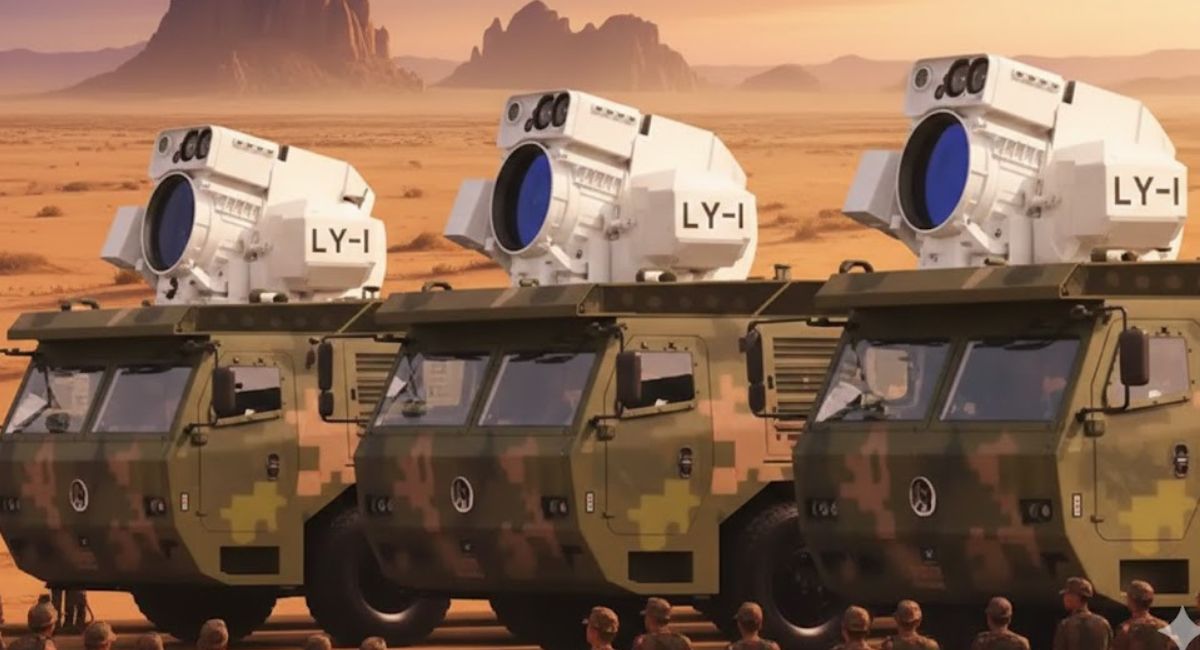
Read more:- Why Military Hardware and Software Technology Is Now China’s Strongest Strategic Weapon?

How Patent Licensing Works in the Tech Industry?

To understand the ruling, it’s important to grasp how licensing works.

Companies that develop fundamental communication technologies often license them under FRAND terms—Fair, Reasonable, and Non-Discriminatory.

Nokia’s position is that it offered such licensing terms, but the PC manufacturers did not agree to them.

From the manufacturers’ perspective, disputes often arise over:

  • Royalty rates
  • Licensing structures
  • Whether the patent truly qualifies as standard-essential

These disagreements frequently lead to court battles.

The Strategic Shift: PCs Are Becoming Mobile Devices

Historically, patent disputes over cellular connectivity were mostly limited to smartphones. However, modern laptops increasingly blur the line between PCs and mobile devices.

Business users now demand:

  • Always-on internet access
  • Seamless remote work connectivity
  • Built-in 5G for travel

This transformation has pulled PC makers into the same licensing environment long faced by smartphone companies.

Impact on Consumers in Germany

For consumers in Germany, the immediate consequences may include:

  • Limited availability of specific Acer and Asus models
  • Delays in new product launches
  • Possible price fluctuations

Retailers may continue selling existing inventory unless explicitly prohibited, but uncertainty can disrupt supply chains.

Consumers looking for laptops with integrated 5G may face fewer choices in the short term.

Broader Industry Implications

The phrase “German Court Bans Acer and Asus PC Sales” may sound localized, but the implications are global.

Increased Licensing Costs

If Acer and Asus ultimately agree to licensing terms, costs may be passed on to consumers.

Heightened Legal Risk

Other manufacturers using similar technologies may face scrutiny.

Precedent for Future Cases

This ruling could encourage more patent holders to pursue litigation against PC makers.

Competitive Landscape: Who Benefits?

When two major brands face restrictions, competitors often benefit.

Companies like:

  • Dell Technologies
  • HP Inc.
  • Lenovo

could see increased demand if supply disruptions persist.

However, if those companies also rely on similar licensing arrangements, they may be watching the situation carefully.

Financial Implications for Acer and Asus

Both Acer and Asus have strong positions in:

  • Gaming laptops
  • Business ultrabooks
  • Consumer notebooks
  • Chromebooks

Germany represents a valuable market in Europe. A prolonged sales ban could impact:

  • Quarterly revenue
  • Brand perception
  • Distribution partnerships

That said, companies often appeal such rulings or reach settlements relatively quickly.

Could the Ban Be Temporary?

Yes. In many patent disputes:

  • Companies negotiate licensing agreements post-ruling
  • Appeals are filed
  • Settlements are reached

If Acer and Asus secure proper licensing agreements with Nokia, sales could resume.

The Bigger Picture: Innovation vs. Intellectual Property

This case highlights an ongoing tension in the technology industry:

  • Patent holders seek fair compensation for innovation
  • Manufacturers aim to keep costs competitive

Strong patent enforcement encourages R&D investment. However, excessive litigation can slow product availability and increase consumer costs.

Balancing these interests is one of the defining challenges of modern tech markets.

What Should Businesses Do Now?

Corporate IT buyers in Germany should:

  1. Verify product availability with suppliers
  2. Consider alternative models if necessary
  3. Monitor updates from manufacturers

Enterprises relying on cellular-connected laptops for mobile workforces should pay close attention.

The development that a German court bans Acer and Asus PC sales over a Nokia patent is more than just a legal headline. It reflects a shifting technology landscape where laptops increasingly resemble mobile devices—and are subject to the same patent frameworks.

For consumers, the short-term effects may be limited. For the industry, however, the case signals a new era of scrutiny around cellular connectivity in PCs.

As negotiations unfold, one thing is certain: intellectual property remains one of the most powerful forces shaping the global technology market.

FAQs

Why did the German court ban Acer and Asus PC sales?

The ban was issued after a court determined that certain Acer and Asus PCs infringed on a Nokia patent related to wireless communication technology.

Are all Acer and Asus laptops banned in Germany?

No. The ruling primarily affects models that include built-in cellular connectivity such as 4G LTE or 5G modules.

What is a standard-essential patent?

A standard-essential patent covers technology that is necessary to comply with industry standards like 4G or 5G communication protocols.

Will prices of Acer and Asus laptops increase?

If licensing fees are added to product costs, there could be price adjustments. However, this depends on settlement terms.

ARCAM Launches Radia Series Loudspeakers: But Are They Really Different?

When ARCAM launches Radia Series loudspeakers, it signals more than just a new product line. It represents a strategic evolution for a brand long respected for its amplifiers and AV electronics. For decades, ARCAM has been synonymous with clean power delivery, tonal balance, and understated British engineering. With the Radia Series, the company extends that philosophy into loudspeaker design—aiming to create a cohesive ecosystem that blends acoustic precision with contemporary aesthetics.

In a market crowded with lifestyle speakers, wireless systems, and aggressive sound tuning, ARCAM’s move feels deliberate. The Radia Series appears engineered not to chase trends but to refine them. The goal is clear: deliver musical authenticity in a format that integrates seamlessly into modern homes.

This article explores the design philosophy, technical specifications, acoustic engineering, and real-world performance expectations of the Radia Series. If you are considering upgrading your system or building a new hi-fi setup, understanding what ARCAM brings to the table is essential.

The Philosophy Behind the Radia Series

ARCAM has traditionally focused on electronics. Amplifiers like the company’s integrated and AV receivers are known for neutral, musical presentation. With the Radia Series loudspeakers, ARCAM aims to complete the signal chain—ensuring synergy between amplification and transducers.

The guiding principles behind the Radia Series include:

  • Balanced tonal presentation
  • Contemporary cabinet aesthetics
  • Wide room compatibility
  • High build quality at a competitive mid-range price

Rather than pursuing exaggerated bass or ultra-bright treble, ARCAM appears committed to tonal realism. The speakers are designed to reproduce music faithfully across genres—whether orchestral, acoustic, electronic, or cinematic.

Radia Series Lineup Overview

The Radia Series typically includes a range of speaker formats to suit different room sizes and listening preferences:

  • Compact bookshelf speakers
  • Mid-size standmount speakers
  • Floorstanding loudspeakers
  • Center channel models for home cinema
  • Possibly matching subwoofer options in select markets

Each speaker is designed to integrate visually and acoustically with ARCAM’s Radia electronics lineup.

Cabinet Design and Construction

Speaker cabinet design directly influences sound clarity. Poorly constructed enclosures introduce resonance and distortion. ARCAM addresses this with carefully engineered cabinets.

Cabinet Specifications

  • High-density MDF construction
  • Internal bracing to reduce panel resonance
  • Precision CNC machining for driver cutouts
  • Bass reflex porting (rear- or front-ported depending on model)
  • Premium finish options, including matte and veneer

Internal bracing ensures rigidity. This minimizes unwanted cabinet vibration, allowing the drivers to perform without coloration.

The aesthetic approach leans modern—clean lines, minimal branding, and finishes that blend into contemporary living spaces.

Driver Technology and Acoustic Engineering

At the heart of every loudspeaker lies its driver configuration. The Radia Series features carefully matched components to ensure tonal cohesion.

Tweeter Design

  • Soft dome high-frequency driver
  • Wide dispersion pattern
  • Ferrofluid cooling for improved durability
  • Low distortion motor assembly

Soft dome tweeters are known for delivering smooth, natural highs without harshness. This design suits extended listening sessions and diverse music genres.

Midrange and Woofer Drivers

  • Composite cone materials for stiffness and damping
  • Long-throw voice coils
  • Optimized magnet structure
  • Controlled low-frequency excursion

The combination aims to deliver articulate midrange clarity and controlled bass extension.

Technical Specifications (Representative Range)

While exact specifications vary by model, the Radia Series typically includes the following parameters:

Bookshelf Model

  • Frequency Response: 48Hz – 30kHz
  • Sensitivity: 87 dB (2.83V/1m)
  • Nominal Impedance: 8 Ohms
  • Recommended Amplifier Power: 25–120 Watts
  • Driver Configuration: 2-way

Floorstanding Model

  • Frequency Response: 35Hz – 30kHz
  • Sensitivity: 89–91 dB
  • Nominal Impedance: 8 Ohms
  • Recommended Amplifier Power: 40–200 Watts
  • Driver Configuration: 2.5-way or 3-way

These specifications suggest compatibility with mid-range integrated amplifiers and AV receivers.

Crossover Network Engineering

The crossover is the unseen hero of speaker performance. It determines how frequencies are divided between drivers.

ARCAM’s crossover design typically features:

  • High-quality polypropylene capacitors
  • Air-core inductors
  • Optimized crossover frequency points
  • Phase-aligned design

This ensures seamless transition between drivers and consistent tonal balance.

Sound Performance Analysis

While technical specifications provide insight, listening performance defines success.

Tonal Balance

The Radia Series appears tuned for neutrality. Bass is present but controlled. Midrange is open and detailed. Treble remains smooth without sharpness.

Imaging and Soundstage

Well-engineered driver integration supports:

  • Clear stereo imaging
  • Wide lateral soundstage
  • Depth perception in recordings

Proper placement enhances this effect significantly.

Bass Extension

Floorstanding models provide deeper extension suitable for full-range music listening. Bookshelf variants benefit from pairing with a subwoofer in larger rooms.

Home Cinema Integration

The inclusion of center channel models suggests that ARCAM intends the Radia Series to function within surround systems.

Benefits include:

  • Dialogue clarity
  • Timbre matching across front channels
  • Consistent tonal integration

Paired with an AV receiver, the system supports immersive cinematic performance.

Amplifier Pairing and Compatibility

One advantage of ARCAM launching loudspeakers is system synergy. When paired with ARCAM amplifiers:

  • Impedance matching remains consistent
  • Tonal voicing aligns naturally
  • Power handling is optimized

However, the Radia Series remains compatible with most quality amplifiers in the recommended power range.

Room Size and Placement Recommendations

Proper placement enhances speaker performance.

Bookshelf Speakers

  • Ideal for rooms under 25 square meters
  • Require sturdy stands
  • At least 15–30 cm wall clearance if rear-ported

Floorstanding Speakers

  • Suitable for medium to large rooms
  • Benefit from toe-in positioning
  • Allow space from rear walls for balanced bass

Room acoustics significantly impact sound quality.

Build Quality and Longevity

ARCAM’s engineering reputation suggests durability.

Key durability factors include:

  • Reinforced driver surrounds
  • Stable cabinet joints
  • Robust binding posts
  • Quality internal wiring

Well-maintained speakers can perform consistently for decades.

Competitive Positioning

The Radia Series competes in the mid-range hi-fi segment.

Strengths include:

  • Brand credibility
  • Balanced tuning
  • Modern design
  • System synergy

Competing brands may offer:

  • Higher sensitivity ratings
  • Larger driver diameters
  • Alternative cabinet materials

Ultimately, selection depends on personal listening preference.

Read more:- The Poco M8 5G Sale Is Live: But Is This Budget 5G Phone Really Worth It?

Who Should Consider Radia Series Loudspeakers?

The Radia Series is ideal for:

  • Audiophiles seeking balanced sound
  • Home cinema enthusiasts
  • Design-conscious buyers
  • Listeners upgrading from entry-level systems

It offers a blend of performance and practicality.

Value Proposition

In an era of wireless speakers and smart assistants, traditional hi-fi remains relevant for those who prioritize sound quality.

The Radia Series:

  • Delivers detailed audio reproduction
  • Offers upgrade flexibility
  • Maintains visual sophistication

Long-term investment in quality loudspeakers often outlasts electronics upgrades.

Potential Limitations

No product is perfect.

Possible considerations:

  • Sensitivity levels may require capable amplification
  • Bookshelf models may need subwoofer reinforcement
  • Pricing may exceed entry-level competitors

Careful system matching ensures optimal performance.

Future Outlook for ARCAM Loudspeakers

The Radia Series could expand into:

  • Active wireless variants
  • Larger flagship floorstanders
  • Compact surround modules
  • Dedicated subwoofer models

If ARCAM continues refining this category, it may establish a permanent presence in loudspeaker manufacturing.

When ARCAM launches Radia Series loudspeakers, it marks a confident expansion into a new territory while staying true to its heritage. The series emphasizes tonal balance, structural integrity, and contemporary aesthetics.

Rather than chasing exaggerated sound signatures, the Radia Series focuses on clarity, control, and musical authenticity.

For listeners seeking a refined and cohesive hi-fi system, the Radia Series offers compelling value.

FAQs

What makes ARCAM launches Radia Series loudspeakers significant?

It represents ARCAM’s expansion from electronics into loudspeaker design, offering complete system synergy.

Are Radia Series speakers suitable for home theater?

Yes, especially when combined with matching center channel models and subwoofers.

Do ARCAM loudspeakers require powerful amplifiers?

They are designed for compatibility with mid-range amplifiers, typically between 25 and 200 watts depending on the model.

Are bookshelf speakers enough for large rooms?

Bookshelf models suit smaller rooms. Larger rooms benefit from floorstanding variants.

What is the frequency response of the Radia Series?

It varies by model, generally ranging from approximately 35Hz to 30kHz for floorstanders.

BSB: Peter Hickman Takes Control of the British Mini Bike Championship — A Bold Move That Could Reshape UK Grassroots Racing

The landscape of British motorcycle racing is evolving once again. In a move that has drawn widespread attention across the paddock, Peter Hickman — one of the UK’s most recognizable road racing figures — has taken over ownership of the British Mini Bike Championship.

At first glance, this might appear to be a business acquisition within a niche racing category. But look closer, and the implications are far more significant. The British Mini Bike Championship has long served as the grassroots foundation of the UK’s two-wheeled talent pipeline. Many professional riders, including British Superbike and international competitors, began their journey on mini bikes.

With Hickman now steering the championship’s direction, the question becomes clear: Is this simply a continuation of tradition — or the beginning of a transformation in British youth racing?

Let’s break down what this ownership change means, the technical structure of the championship, and how it could influence the future of British motorcycle sport.

What Is the British Mini Bike Championship?

The British Mini Bike Championship is the UK’s premier national competition for mini bike racing, primarily catering to young riders and entry-level competitors.

It functions as:

  • A development platform for youth riders
  • A structured national competition
  • A stepping stone to larger championships
  • A controlled technical environment focused on skill-building

Mini bike racing emphasizes rider ability over outright power. Smaller machines demand precision, racecraft, and technical discipline — foundational traits for higher-level competition.

Peter Hickman’s Role and Vision

Peter Hickman’s name carries weight in British racing circles. Known for his achievements in road racing and British Superbikes, Hickman brings not only experience but also credibility to grassroots competition.

Ownership implies more than financial oversight. It includes:

  • Strategic direction
  • Regulatory influence
  • Event organization
  • Sponsorship alignment
  • Youth development focus

Hickman’s involvement signals a deeper commitment to strengthening the UK’s rider development structure.

Why Ownership Matters in Grassroots Motorsport?

Grassroots championships often struggle with:

  • Funding challenges
  • Infrastructure limitations
  • Sponsorship acquisition
  • Safety upgrades
  • Talent retention

A high-profile owner with professional racing experience can:

  • Attract commercial backing
  • Improve operational standards
  • Modernize championship branding
  • Strengthen talent pathways

This move potentially stabilizes and elevates the British Mini Bike Championship.

Technical Structure of the Championship

The British Mini Bike Championship features various classes tailored to age groups and skill levels.

Typical Technical Specifications

Mini Moto Classes

  • Engine size: 40cc–50cc
  • Two-stroke or four-stroke configurations
  • Lightweight chassis
  • Restricted tuning regulations

Mini GP Classes

  • Engine capacity: 110cc–160cc
  • Four-stroke engines
  • Standardized frame dimensions
  • Control tyre regulations

Junior Development Classes

  • Age-specific categories
  • Engine restrictions for parity
  • Safety equipment mandates

The technical regulations emphasize equality to ensure that racing success depends on skill rather than financial advantage.

Read more:- Electric Car Sales Could Hit the Brakes: What Happens If Tax Policy Suddenly Changes Direction?

Safety Standards and Equipment Specifications

Youth racing demands stringent safety protocols.

Standard safety requirements include:

  • Full-face helmet meeting racing homologation standards
  • CE-approved racing leathers
  • Back protector
  • Gloves and boots with ankle protection
  • Cut-off switches on bikes

Track safety measures often include:

  • Run-off areas
  • Tire barriers
  • Trained medical staff
  • Technical scrutineering before races

Ownership oversight can strengthen compliance and raise safety benchmarks.

Event Format and Race Structure

The championship typically operates through multiple rounds across the UK.

Event Weekend Format

  • Practice sessions
  • Timed qualifying
  • Multiple race heats
  • Championship point allocation

Points systems reward consistency across rounds, not just outright wins.

Such structure prepares young riders for professional-level race weekends.

Pathway to British Superbikes and Beyond

The British Mini Bike Championship has historically served as a launchpad for riders advancing to:

  • British Superstock categories
  • British Supersport
  • British Superbike Championship
  • International junior championships

Early exposure to competitive environments shapes professional discipline.

Hickman’s experience in higher tiers may refine this pathway further.

Commercial Opportunities Under New Ownership

Modern motorsport demands strategic branding.

Potential commercial expansions include:

  • Improved live streaming coverage
  • Digital media presence
  • Sponsorship partnerships
  • Merchandise opportunities
  • Fan engagement initiatives

Enhanced visibility could attract larger audiences and sponsors.

The Financial Realities of Youth Racing

Grassroots racing can be costly for families.

Expense categories include:

  • Bike purchase
  • Maintenance and spares
  • Entry fees
  • Travel and accommodation
  • Protective gear

If Hickman prioritizes cost management and sponsor backing, participation accessibility may improve.

Infrastructure and Track Development

Mini bike racing relies heavily on kart circuits and smaller venues.

Infrastructure improvements may include:

  • Upgraded paddock facilities
  • Better technical inspection zones
  • Digital timing systems
  • Enhanced spectator access

Professionalizing these elements strengthens championship reputation.

Training and Coaching Integration

Under professional leadership, structured coaching initiatives may expand.

Possible programs include:

  • Riding technique workshops
  • Data analysis training
  • Mental preparation sessions
  • Fitness and injury prevention education

Such integration aligns youth development with professional standards.

Technology in Modern Mini Bike Racing

Even grassroots championships are adopting modern technologies.

Emerging tools include:

  • Data logging systems
  • Onboard telemetry
  • Video analysis software
  • Digital performance tracking

Incorporating data-driven development could accelerate rider growth.

Challenges Ahead

While optimism surrounds the ownership change, challenges remain:

  • Balancing commercial growth with grassroots spirit
  • Managing operational costs
  • Ensuring technical parity
  • Avoiding over-commercialization

Successful leadership requires careful equilibrium.

Community and Legacy

The British Mini Bike Championship has built a strong community over decades.

Parents, mechanics, trainers, and volunteers contribute significantly.

Maintaining community identity while modernizing operations will be key.

Hickman’s racing background may foster trust among participants.

Long-Term Strategic Potential

If strategically executed, the championship could:

  • Increase national participation
  • Strengthen international recognition
  • Develop stronger sponsor ecosystems
  • Expand media coverage
  • Enhance youth talent identification

Such growth supports the broader British racing ecosystem.

What This Means for British Motorsport?

Grassroots stability directly influences national competitiveness.

Countries with strong youth development systems consistently produce top-tier riders.

Strengthening the British Mini Bike Championship reinforces the UK’s long-term racing future.

Ownership changes at foundational levels can ripple upward across entire sporting structures.

Peter Hickman’s takeover of the British Mini Bike Championship represents more than a business transition. It reflects an investment in the future of British motorcycle racing.

With proper strategic direction, improved commercial structure, and sustained focus on youth development, the championship could enter a new era of growth and professional alignment.

Grassroots racing may not always command headline attention, but it remains the foundation upon which champions are built.

The coming seasons will reveal whether this leadership change becomes a turning point for UK mini bike racing.

The British Mini Bike Championship stands at a pivotal moment. With Peter Hickman at the helm, the grassroots platform that nurtures future racing talent may see renewed energy, professional oversight, and strategic growth.

Motorsport’s future begins at its foundation. The success of this new chapter will depend on balancing innovation with tradition — ensuring that tomorrow’s champions continue to emerge from today’s mini bikes.

FAQs

 What is the British Mini Bike Championship?

It is a UK-based national mini bike racing series designed for youth riders and entry-level competitors, serving as a development platform for higher-level racing.

Who is Peter Hickman?

Peter Hickman is a professional British motorcycle racer known for competing in British Superbike and road racing events.

Why is Hickman’s ownership important?

His experience and credibility may strengthen the championship’s structure, attract sponsors, and enhance youth development pathways.

What age groups compete in the championship?

The series typically features age-specific categories, starting from young junior riders to teenage development classes.

What bikes are used in mini bike racing?

The series typically features age-specific categories, starting from young junior riders to teenage development classes.

What bikes are used in mini bike racing?

Mini bike racing uses smaller capacity machines, typically ranging from 40cc to 160cc depending on the class.

Electric Car Sales Could Hit the Brakes: What Happens If Tax Policy Suddenly Changes Direction?

The modern electric car has moved from niche curiosity to mainstream contender in less than a decade. Governments across Europe, North America, Asia, and Australia have accelerated adoption through tax credits, fleet incentives, salary-sacrifice schemes, and emissions penalties on petrol and diesel vehicles.

But what happens when tax policy shifts?

The concern now gaining attention across automotive and policy circles is straightforward: electric car sales may stall if tax policy changes gear. Incentives that once made EVs financially compelling could shrink or disappear. New levies might offset running cost advantages. Fleet buyers—who drive a large portion of EV growth—could rethink purchasing strategies.

In this in-depth analysis, we examine why tax policy matters so much to electric car adoption, how current systems work, what proposed changes could mean, and how buyers and manufacturers may respond.

The Rise of the Electric Car: A Policy-Driven Acceleration

The electric car did not surge into popularity by accident. It was propelled by:

  • Emission reduction targets
  • Carbon pricing mechanisms
  • Government rebates
  • Reduced registration fees
  • Company car tax exemptions
  • Fleet depreciation benefits

For many consumers, the electric car became financially viable only after these policies narrowed the upfront price gap between EVs and internal combustion vehicles.

In multiple markets, salary packaging or novated lease programs dramatically reduced the effective purchase price for mid-range EVs. Businesses were encouraged to transition fleets due to lower fringe benefits tax or equivalent incentives.

The result: strong growth curves across several regions in 2024 and 2025.

But tax frameworks are not static.

Why Tax Policy Is So Critical to Electric Car Sales?

An electric car still carries a higher sticker price than an equivalent petrol vehicle in many segments. Battery packs remain the most expensive component of an EV.

Let’s examine typical specifications for a mid-size electric car in 2026:

Typical Electric Car Specifications (Mid-Size Segment)

  • Battery Capacity: 60–82 kWh
  • Range (WLTP): 400–550 km
  • Motor Output: 150–250 kW
  • 0–100 km/h: 6.0–8.0 seconds
  • Charging Speed (DC Fast Charging): 100–250 kW
  • Home Charging (AC): 7–11 kW
  • Drivetrain: Single motor RWD or dual motor AWD
  • Battery Warranty: 8 years / 160,000 km

While operating costs are generally lower due to:

  • Reduced servicing
  • Lower energy costs per kilometer
  • No engine oil or fuel system maintenance

The upfront price remains a psychological barrier.

Tax incentives effectively close that gap.

If they shrink, the price difference widens again.

Read more:- Why the Right Vaccine Choice Could Make or Break Newcastle Disease Control?

Fleet Buyers: The Hidden Engine Behind EV Growth

Private buyers are important—but fleet and corporate customers often account for a disproportionate share of electric car sales.

Why?

Because fleet buyers:

  • Operate on total cost of ownership (TCO) models
  • Benefit significantly from tax advantages
  • Can absorb higher upfront prices due to depreciation planning

If fringe benefits tax exemptions, accelerated depreciation, or corporate incentives are reduced, fleet managers may reassess:

  • Replacement cycles
  • EV vs hybrid comparisons
  • Long-term ROI projections

Even small tax adjustments can alter cost-benefit spreadsheets.

When that happens at scale, sales momentum can shift quickly.

What Could Change in Tax Policy?

Governments reviewing budgets face competing pressures:

  • Revenue gaps
  • Infrastructure spending
  • Equity concerns
  • Market maturity of EV adoption

Potential tax changes that could impact the electric car market include:

Reduced Purchase Rebates

Direct subsidies may be phased out as EV adoption increases.

Adjusted Fringe Benefits or Company Car Tax Rules

If exemptions expire or thresholds tighten, fleet attractiveness may drop.

Introduction of Road User Charges

As fuel excise revenue declines, governments may introduce per-kilometer charges for EVs.

Higher Registration or Luxury Car Threshold Adjustments

Some markets apply luxury vehicle taxes. If EV exemptions change, premium models may face higher effective pricing.

Each of these shifts affects affordability differently.

Consumer Psychology: Incentives Shape Behavior

In automotive purchasing, perception matters as much as reality.

When buyers see:

  • “Tax-free”
  • “Rebate eligible”
  • “Government-supported”

Confidence increases.

If headlines shift toward:

  • “Incentives ending”
  • “New EV road taxes”
  • “Exemptions removed”

Uncertainty grows.

And uncertainty slows purchases.

Even temporary pauses in buying decisions can create measurable dips in quarterly sales data.

Will Electric Car Sales Actually Stall?

The short answer: It depends on how abrupt and severe the policy change is.

There are three possible outcomes:

Scenario 1: Gradual Phase-Out

If incentives taper gradually over several years, manufacturers can:

  • Adjust pricing
  • Improve battery cost efficiency
  • Increase scale

Sales growth may slow but not collapse.

Scenario 2: Sudden Withdrawal

If tax advantages disappear abruptly, especially for fleets, we could see:

  • Short-term sales spikes before deadlines
  • Followed by noticeable plateaus or declines

This pattern has occurred historically in other clean-energy sectors when subsidies expired.

Scenario 3: Balanced Reform

Governments may replace direct rebates with infrastructure investment, such as:

  • Faster charging networks
  • Grid upgrades
  • Renewable integration

In this case, buyer confidence may remain stable.

The Role of Charging Infrastructure

Tax policy does not operate in isolation.

Charging availability significantly influences electric car adoption. If tax benefits decline but infrastructure improves dramatically, the ownership equation may still feel attractive.

Key infrastructure specifications shaping adoption include:

  • Ultra-fast charging speeds: 150–350 kW
  • Average highway charging intervals: 150–250 km
  • Typical charging time (10–80%): 20–30 minutes
  • Home charger installation cost: Market dependent

Strong infrastructure can partially offset reduced financial incentives.

Battery Cost Trends: A Critical Counterbalance

Battery pack costs have steadily declined over the past decade due to:

  • Improved chemistry
  • Scale manufacturing
  • Vertical integration
  • Energy density improvements

If battery prices continue falling, electric car MSRP may decrease naturally—reducing reliance on subsidies.

However, supply chain volatility and raw material fluctuations (lithium, nickel, cobalt) can disrupt that trajectory.

Tax changes combined with rising battery costs could compound pressure.

Market Maturity: Are EVs Ready to Stand Alone?

One argument policymakers make is that the electric car market is no longer fragile.

Adoption rates in some regions exceed 20–30% of new car sales.

If EVs reach parity with combustion vehicles in total ownership cost without subsidies, tax incentives may no longer be necessary.

But parity varies by:

  • Region
  • Electricity prices
  • Vehicle segment
  • Driving patterns

Urban commuters may already see cost advantages. Rural long-distance drivers may not.

Real-World Ownership Costs

Let’s examine approximate ownership factors over five years for a mid-size electric car:

Purchase Price

Higher than petrol equivalent without incentives.

Energy Cost

Lower per kilometer when charged at home.

Maintenance

  • No oil changes
  • Fewer moving parts
  • Brake wear reduced due to regenerative braking

Insurance

Comparable or slightly higher in some markets.

Depreciation

Improving as resale confidence grows.

Tax policy primarily affects the first line—purchase price.

That initial barrier often determines buying decisions.

Industry Response: How Automakers May React?

If tax policy tightens, automakers could respond with:

  • Temporary price reductions
  • Financing offers
  • Extended warranties
  • Battery leasing models

Manufacturers may also accelerate development of:

  • Lower-cost EV platforms
  • Entry-level electric car models under key pricing thresholds

Innovation often accelerates when policy support wanes.

Investor and Economic Implications

Electric car adoption influences:

  • Battery manufacturers
  • Charging providers
  • Renewable energy integration
  • Grid modernization

A slowdown in sales growth could ripple across multiple sectors.

However, long-term decarbonization goals remain strong globally. Even if sales stall temporarily, structural demand for electrification remains intact.

The Consumer Perspective: Should Buyers Wait?

Potential buyers facing policy uncertainty often ask:

“Should I purchase now or wait?”

Considerations include:

  • Current incentive eligibility
  • Expected resale value
  • Energy cost stability
  • Driving patterns
  • Charging access

In many cases, total ownership economics still favor electric vehicles over long-term use, particularly for high-mileage drivers.

Is This a Temporary Plateau or Structural Shift?

History shows that emerging technologies often experience:

  • Rapid growth
  • Policy-driven acceleration
  • Short-term corrections
  • Long-term normalization

The electric car market may follow a similar path.

Short-term volatility does not necessarily indicate failure. It may represent transition toward subsidy independence.

The electric car revolution has been shaped as much by policy as by technology. Incentives, tax exemptions, and fleet benefits accelerated adoption at a critical moment in automotive history.

If tax policy changes gear, sales growth may moderate—but that does not signal the end of EV momentum.

Instead, it marks a transition phase.

The long-term trajectory of the electric car will depend on:

  • Battery innovation
  • Infrastructure expansion
  • Consumer confidence
  • Regulatory clarity

Even without aggressive subsidies, the advantages of electric propulsion—efficiency, lower running costs, and environmental benefits—remain compelling.

Policy may influence speed.

But the direction toward electrification appears firmly set.

FAQs

Will electric car prices increase if tax incentives end?

They may effectively rise if rebates or exemptions are removed. However, manufacturers might offset some of that impact with pricing adjustments or financing offers.

Are electric cars still cheaper to run than petrol cars?

In most markets, yes. Lower energy and maintenance costs typically result in reduced running expenses over time.

Do electric cars require less maintenance?

Yes. Electric cars eliminate engine oil changes, fuel system servicing, and many mechanical components found in combustion vehicles.

What is the typical battery warranty for an electric car?

Most manufacturers offer around 8 years or 160,000 km warranty coverage on the battery pack.

Electric But Not Oil-Free: Why Tesla’s EVs Need Oil Filters After All?

Electric vehicles have long been marketed as low-maintenance alternatives to internal combustion cars. No engine oil changes. No spark plugs. No timing belts. No exhaust systems.

But here’s the question that surprises many Tesla owners:

If EVs don’t use engine oil, why do Tesla’s EVs need oil filters?

The answer lies in an often misunderstood component—the electric drive unit’s gearbox. While it’s true that electric vehicles eliminate traditional engine lubrication systems, they still rely on specialized lubricants and filtration systems inside their drivetrain.

In this in-depth guide, we’ll explore how Tesla’s electric powertrain works, why oil filters are necessary, what specifications matter, and what this means for long-term ownership. Whether you’re a Tesla owner, an EV enthusiast, or someone researching electric vehicle reliability, this article will give you a clear and practical understanding of gearbox maintenance.

Understanding Tesla’s Electric Powertrain

Tesla vehicles—such as the Tesla Model 3, Tesla Model Y, Tesla Model S, and Tesla Model X—use a highly integrated electric drive unit. This unit combines:

  • Electric motor
  • Single-speed reduction gearbox
  • Inverter
  • Differential
  • Cooling and lubrication systems

Unlike traditional cars, Tesla vehicles do not have multi-speed transmissions. Instead, they use a single-speed reduction gear that transfers high-RPM motor output to the wheels efficiently.

However, “no transmission” does not mean “no moving gears.” The gearbox still contains precision-machined gears spinning at extremely high speeds. These components require lubrication to:

  • Reduce friction
  • Prevent overheating
  • Minimize wear
  • Protect against metal debris contamination

This is where oil and oil filters enter the picture.

Why Tesla’s EVs Need Oil Filters?

The key misunderstanding is assuming EVs operate without lubricants. While they don’t use engine oil, Tesla drive units contain specialized transmission fluid or gear oil designed specifically for electric applications.

1. High-Speed Gear Operation

Tesla electric motors can spin at over 18,000 RPM. That rotational energy must be reduced before reaching the wheels. The reduction gear set experiences constant mechanical stress.

Even with advanced engineering, microscopic metal particles are produced during:

  • Normal gear meshing
  • Bearing operation
  • Long-term wear cycles

Without filtration, these particles would circulate in the lubrication system, potentially damaging sensitive components.

2. Integrated Cooling and Lubrication

In many Tesla drive units, lubrication fluid also contributes to thermal management. The fluid helps regulate temperatures within the motor and gearbox assembly.

As fluid circulates, it may collect debris. An oil filter prevents contamination from compromising system efficiency.

3. Longevity and Reliability

Electric vehicles are often driven longer distances than combustion cars because of lower running costs. Over years of usage, small wear particles can accumulate. Filtration extends the life of:

  • Gear teeth
  • Bearings
  • Seals
  • Internal drive unit components

In short, Tesla’s EVs need oil filters because mechanical systems still generate wear—even in electric vehicles.

Tesla Drive Unit Specifications

Below are typical specifications found in Tesla drive units (varies by model and year):

Electric Motor Specs (Example: Model 3 Long Range AWD)

  • Motor Type: Permanent Magnet Synchronous Motor (rear)
  • Peak Power: ~258 kW (rear motor, varies by trim)
  • Combined Output (AWD): ~346–377 kW
  • Maximum RPM: Approximately 18,000 RPM
  • Reduction Ratio: Approximately 9:1

Gearbox & Lubrication Specs

  • Transmission Type: Single-speed reduction gearbox
  • Lubricant Type: Specialized synthetic transmission fluid
  • Fluid Capacity: Approximately 1–2 liters (model dependent)
  • Filtration: Integrated oil filter or fine mesh filtration system
  • Cooling Integration: Fluid assists in thermal regulation

It’s important to note that Tesla does not publicly emphasize routine oil filter replacement in the same way traditional vehicles require oil changes. However, the presence of filtration systems is part of the drive unit’s design for durability.

How EV Gear Oil Differs from Engine Oil

Many drivers assume oil equals engine oil. That’s incorrect.

Here’s how EV gear lubrication differs:

FeatureEngine OilEV Gear Oil
PurposeLubricates pistons, crankshaftLubricates gears and bearings
ExposureCombustion byproductsMechanical wear particles
TemperatureHigh combustion heatHigh rotational heat
Change FrequencyRegular intervalsOften lifetime or extended interval
FiltrationReplaceable oil filterIntegrated filtration system

EV gear oil is designed for:

  • High shear stability
  • Electrical compatibility
  • Low conductivity
  • Long-term durability

And just like any lubricated mechanical system, contamination control is essential.

Is Gearbox Maintenance Required for Tesla Owners?

This is one of the most common questions.

Tesla does not require routine oil changes like gasoline cars. However:

  • Drive unit fluid exists.
  • Filtration systems are present.
  • Over extreme mileage, wear can occur.

For most owners driving 10,000–20,000 km annually, the gearbox is engineered to last many years without service.

But high-mileage fleet vehicles, performance driving scenarios, or harsh environments may eventually require inspection or fluid servicing.

In professional EV workshops, drive unit rebuilds include inspection of lubrication systems and filtration components.

Read more:- The Poco M8 5G Sale Is Live: But Is This Budget 5G Phone Really Worth It?

What Happens Without Oil Filtration?

If gear oil were unfiltered:

  • Metal particles could accumulate.
  • Bearing surfaces could score.
  • Gear teeth could pit prematurely.
  • Efficiency could drop.
  • Noise could increase over time.

Even microscopic debris can accelerate wear in high-speed assemblies.

This is why Tesla’s EVs need oil filters—not because they resemble traditional engines, but because precision mechanical systems demand clean lubrication.

Debunking the “Maintenance-Free EV” Myth

Electric vehicles are undeniably lower maintenance than combustion vehicles. However, “lower” does not mean “zero.”

Here’s what Tesla owners still maintain:

  • Brake fluid
  • Cabin air filters
  • Tire rotations
  • Coolant systems
  • Suspension components
  • Drive unit components (rarely, but possible)

The gearbox is robust and sealed, but engineering reality dictates that moving parts require lubrication management.

Tesla’s Engineering Approach

Tesla designs its drive units with:

  • High-precision machining tolerances
  • Advanced metallurgy
  • Sealed lubrication systems
  • Optimized thermal pathways

The oil filtration system is typically integrated rather than user-serviceable in routine intervals.

The design philosophy is durability-first, minimizing owner intervention while maximizing lifespan.

Signs of Potential Gearbox Issues

Although rare, potential warning signs could include:

  • Unusual whining noises
  • Reduced efficiency
  • Vibration under load
  • Warning messages related to drivetrain

If such issues arise, professional inspection is recommended. Modern EV diagnostics are software-driven and highly accurate.

Long-Term Ownership Perspective

From an ownership standpoint, the presence of oil filters in Tesla drive units is actually reassuring.

It shows:

  • Engineering foresight
  • Contamination control planning
  • Durability-focused design

Rather than indicating complexity, it reflects responsible mechanical engineering.

For buyers comparing EV brands, understanding drivetrain durability is crucial. Tesla has accumulated billions of real-world electric miles, and gearbox longevity has generally proven strong.

Why This Matters for Google Discover Readers?

Many people encounter headlines questioning EV maintenance costs. Clarifying why Tesla’s EVs need oil filters helps cut through misinformation.

It reinforces:

  • EVs are not magic machines.
  • Mechanical principles still apply.
  • Intelligent engineering reduces maintenance—not eliminates physics.

Understanding this improves purchasing decisions and sets realistic expectations

The idea that Tesla’s EVs need oil filters may surprise many drivers. But once you understand how electric drive units operate—with high-speed gears, precision bearings, and lubrication systems—it becomes clear why filtration is necessary.

Electric vehicles represent a major evolution in automotive engineering. Yet they remain grounded in mechanical fundamentals: friction exists, metal moves against metal, and lubrication must stay clean.

Rather than undermining EV reliability, the presence of oil filters in Tesla drive units demonstrates thoughtful engineering.

If you’re considering a Tesla or already own one, understanding this aspect of drivetrain design equips you with realistic expectations—and greater confidence in long-term ownership.

Electric does not mean maintenance-free. It means smarter maintenance.

And that distinction makes all the difference.

FAQs

Do Tesla cars require oil changes?

No, Tesla vehicles do not require engine oil changes because they do not have combustion engines. However, they contain gearbox lubrication systems designed for long-term durability.

How often does Tesla gearbox oil need to be changed?

Tesla does not typically specify routine gearbox oil changes for standard consumer use. The fluid is engineered for extended lifespan under normal driving conditions.

What type of oil does a Tesla use?

Tesla uses specialized synthetic transmission fluid or gear oil designed for electric drive units, not conventional engine oil.

Do electric vehicles have transmissions?

Yes, most EVs use a single-speed reduction gearbox rather than a multi-speed transmission found in gasoline vehicles.

The Poco M8 5G Sale Is Live: But Is This Budget 5G Phone Really Worth It?

The budget smartphone segment has become more competitive than ever. Brands are pushing the limits of what entry-level and mid-range devices can offer, blending flagship-like features with aggressive pricing. The Poco M8 5G is the latest example of this trend — and with its sale now live along with multiple offers, it’s generating significant interest among buyers.

At first glance, the combination of a 50MP camera, a massive 5520mAh battery, 5G connectivity, and an impressive promise of 4 OS updates seems unusually generous for its price segment. But specifications on paper don’t always translate to real-world performance.

In this in-depth review-style analysis, we’ll break down everything you need to know about the Poco M8 5G — from design and display to performance, software support, camera capabilities, battery endurance, connectivity, and value proposition.

Poco M8 5G: Key Specifications at a Glance

Before diving deeper, let’s look at the core hardware and software specifications.

Display

  • 6.7-inch LCD display
  • HD+ resolution
  • 120Hz refresh rate
  • Adaptive brightness support

Processor

  • 5G-enabled chipset (entry-level performance segment)
  • Efficient power management architecture

Camera

  • 50MP primary rear camera
  • AI-assisted photography features
  • Secondary depth or auxiliary sensor
  • 8MP front camera

Battery

  • 5520mAh capacity
  • Fast charging support
  • USB Type-C charging port

Software

  • Latest Android version out of the box
  • 4 major OS updates promised
  • Extended security patch support

Connectivity

  • Dual 5G SIM support
  • Wi-Fi, Bluetooth, GPS
  • Side-mounted fingerprint scanner

This combination positions the Poco M8 5G as a long-term budget investment rather than a short-term device.

Design and Build Quality

Poco’s M-series devices typically balance cost efficiency with modern aesthetics. The Poco M8 5G follows that pattern.

The device features:

  • Flat edge design
  • Matte or textured rear finish
  • Large camera module layout
  • Slim profile despite large battery

Despite housing a 5520mAh battery, weight distribution feels balanced. The rear panel resists fingerprints reasonably well, and overall build quality aligns with expectations in this price category.

It does not aim to compete with premium materials, but it feels durable enough for everyday use.

Read more:- Why Military Hardware and Software Technology Is Now China’s Strongest Strategic Weapon?

Display Performance: Smoothness on a Budget

The 6.7-inch HD+ LCD panel might not offer Full HD resolution, but the inclusion of a 120Hz refresh rate enhances smoothness significantly.

What the 120Hz Refresh Rate Means?

  • Smoother scrolling
  • Improved animation transitions
  • Better gaming responsiveness
  • More fluid social media browsing

Brightness levels are adequate for indoor use, though direct sunlight visibility may require higher brightness adjustments.

For content streaming, the display delivers decent color accuracy and viewing angles for the price.

Performance and 5G Connectivity

The Poco M8 5G is powered by a 5G-capable processor designed for efficiency rather than raw performance.

Real-World Performance Expectations

  • Smooth everyday tasks
  • Reliable multitasking with moderate apps
  • Casual gaming capability
  • Efficient background app handling

This phone is not intended for heavy gaming or high-end video editing, but it comfortably handles social media, browsing, video streaming, and light productivity tasks.

The inclusion of 5G support ensures future-ready connectivity as networks expand.

Camera Performance: 50MP Main Sensor Explained

One of the strongest selling points of the Poco M8 5G is its 50MP primary camera.

Camera Specifications

  • 50MP main sensor
  • AI scene detection
  • Night mode
  • HDR support
  • Portrait mode

Daylight Performance

In good lighting conditions, the 50MP camera captures:

  • Detailed images
  • Balanced exposure
  • Natural color tones
  • Good dynamic range

Low-Light Photography

Low-light performance benefits from AI-based image enhancement, though noise may be visible in very dim environments.

The 8MP front camera delivers acceptable selfie quality for video calls and social media sharing.

Overall, the camera setup is competitive in the budget 5G segment.

Battery Life: 5520mAh for Extended Usage

Battery endurance is where the Poco M8 5G stands out.

Battery Highlights

  • 5520mAh capacity
  • Full-day heavy usage capability
  • Up to two days for moderate users
  • Optimized standby power consumption

Even with 120Hz refresh rate enabled, battery life remains impressive.

Fast charging ensures reasonable recharge times, though not ultra-fast compared to flagship devices.

For users prioritizing longevity over compact size, this battery capacity is a major advantage.

Software Experience and 4 OS Updates

Perhaps the most impressive feature is the commitment to 4 OS updates.

Why 4 OS Updates Matter

  • Extended device lifespan
  • Improved resale value
  • Ongoing security enhancements
  • Access to new Android features

In the budget segment, long-term software support is rare. This commitment significantly increases the Poco M8 5G’s value proposition.

The user interface remains clean with manageable pre-installed apps. System stability appears consistent.

Storage and RAM Options

The device offers multiple RAM and storage configurations.

Typical configurations include:

  • 4GB or 6GB RAM
  • Expandable storage via microSD
  • Internal storage options up to 128GB

RAM management is optimized for daily usage.

Gaming and Multimedia Experience

While not a gaming-centric device, it handles:

  • Casual multiplayer games
  • Streaming apps
  • Video playback at high definition

Stereo speakers are absent, but audio output through headphones remains satisfactory.

Thermal management is stable under moderate load.

Security and Additional Features

Security features include:

  • Side-mounted fingerprint scanner
  • Face unlock
  • Standard Android privacy controls

The fingerprint scanner is fast and responsive.

Sale Offers and Pricing Strategy

The live sale includes:

  • Bank discounts
  • Exchange bonuses
  • No-cost EMI options
  • Bundle deals

Such offers significantly reduce effective purchase cost.

For budget-conscious buyers, timing the purchase during promotional windows maximizes value.

Who Should Buy the Poco M8 5G?

Ideal users include:

  • Students
  • First-time smartphone buyers
  • Budget 5G seekers
  • Users prioritizing battery life
  • Long-term software support seekers

Power users or heavy gamers may prefer higher-tier devices.

Strengths and Limitations

Strengths

  • Large battery capacity
  • 50MP camera
  • 5G support
  • 4 OS updates
  • Smooth 120Hz display

Limitations

  • HD+ resolution instead of Full HD
  • Mid-range processing power
  • LCD panel rather than AMOLED

The strengths outweigh the limitations at its price.

Long-Term Value Perspective

Considering:

  • Future Android updates
  • 5G connectivity
  • Durable battery
  • Competitive pricing

The Poco M8 5G offers strong long-term utility.

It balances affordability with forward-looking features.

The Poco M8 5G does not attempt to compete with premium flagships. Instead, it strategically targets value-driven consumers who want longevity, battery life, and 5G connectivity without overspending.

The 50MP camera delivers respectable performance. The 5520mAh battery ensures endurance. The 4 OS update promise elevates it above many competitors.

With ongoing sale offers, it becomes even more attractive.

For budget buyers seeking practicality and durability, the Poco M8 5G deserves serious consideration.

In a crowded budget smartphone market, differentiation matters. The Poco M8 5G manages to stand out by combining practical hardware, forward-looking software support, and aggressive pricing.

For buyers who want reliability without overspending, this device strikes a compelling balance.

Sometimes value isn’t about flashy specs—it’s about thoughtful combinations that work in real life.

FAQs

Is Poco M8 5G worth buying?

Yes, especially for users seeking a budget-friendly 5G phone with long battery life and extended software support.

Does Poco M8 5G support fast charging?

Yes, it supports fast charging via USB Type-C, though charging speeds are moderate compared to premium devices.

 How many Android updates will Poco M8 5G receive?

The company promises 4 major OS updates along with extended security updates.

Why the Right Vaccine Choice Could Make or Break Newcastle Disease Control?

Few poultry diseases carry the global economic weight of Newcastle disease. For decades, it has challenged commercial poultry farms, backyard producers, and national food security systems. While vaccination has long been the primary defense strategy, modern poultry production has made one reality clear: not all vaccines are equal.

The concept behind vaccine design, the technology used to develop it, and the match between field strains and vaccine strains can determine whether a flock remains protected or vulnerable.

In today’s high-density poultry environments, choosing the right Newcastle disease vaccine is no longer a routine decision—it is a strategic one.

This comprehensive guide explores the biology of the virus, vaccine technologies available, critical specifications, and why the concept behind vaccination matters more than ever.

Understanding Newcastle Disease

Newcastle disease is caused by avian orthoavulavirus 1, commonly referred to as Newcastle disease virus (NDV). It affects a wide range of avian species but is especially devastating in commercial poultry.

Clinical Forms of Newcastle Disease

The disease manifests in varying degrees of severity depending on the viral strain:

  1. Lentogenic (low virulence)
  2. Mesogenic (moderate virulence)
  3. Velogenic (high virulence)

Velogenic strains can cause mortality rates exceeding 80–90% in unvaccinated flocks.

Economic Impact on Poultry Production

Newcastle disease impacts:

  • Egg production rates
  • Feed conversion efficiency
  • Growth performance
  • Mortality rates
  • Trade restrictions

Beyond mortality, subclinical infections can significantly reduce flock productivity.

In regions heavily dependent on poultry for protein supply, outbreaks can disrupt food chains and livelihoods.

Why Vaccination Alone Is Not Enough?

Many poultry producers assume vaccination guarantees protection. However, field outbreaks in vaccinated flocks demonstrate that vaccine concept and technology are equally important.

Key challenges include:

  • Strain mismatch
  • Improper vaccine administration
  • Poor cold chain management
  • Inadequate immune stimulation
  • Viral evolution

Modern poultry production demands smarter immunization strategies.

Read more:- Why Military Hardware and Software Technology Is Now China’s Strongest Strategic Weapon?

The Concept of Vaccine Strain Selection

Newcastle disease vaccines are traditionally derived from lentogenic strains such as:

  • Hitchner B1
  • LaSota

These strains are widely used because they are safe and stimulate immunity.

However, field strains in certain regions may genetically differ from traditional vaccine strains.

Read more:- Critics Slam Rachel Reeves: Will Her Broadband Charter Backfire on UK Households?

Strain Matching Considerations

  • Genetic similarity between vaccine and field strain
  • Antigenic compatibility
  • Regional epidemiological data

When vaccine strains differ significantly from circulating virulent strains, protective immunity may decline.

Types of Newcastle Disease Vaccines

1. Live Attenuated Vaccines

These vaccines use weakened virus strains.

Specifications:

  • Rapid immune stimulation
  • Suitable for mass application (spray or drinking water)
  • Short incubation time
  • Induces mucosal and systemic immunity

Advantages:

  • Cost-effective
  • Easy administration

Limitations:

  • May cause mild post-vaccination reactions
  • Immunity duration can be limited

2. Inactivated (Killed) Vaccines

These vaccines contain inactivated virus particles.

Specifications:

  • Administered via injection
  • Strong humoral antibody response
  • Often used as booster doses

Advantages:

  • No risk of vaccine virus spread
  • Suitable for layers and breeders

Limitations:

  • Labor-intensive administration
  • Higher cost per bird

3. Recombinant Vector Vaccines

Modern biotechnology enables recombinant vaccines where NDV genes are inserted into carrier viruses.

Technical Features:

  • Genetic engineering platform
  • Enhanced immune response
  • Reduced interference with maternal antibodies
  • Improved safety profile

Advantages:

  • Long-lasting immunity
  • Lower risk of reversion to virulence

Limitations:

  • Higher production cost
  • Advanced cold chain requirements

The Role of Maternal Antibodies

Chicks often inherit maternal antibodies from vaccinated breeders.

These antibodies can interfere with early vaccination.

Vaccine timing must consider:

  • Antibody titers at hatch
  • Optimal immunization window
  • Booster scheduling

Improper timing can reduce vaccine effectiveness.

Vaccine Administration Technologies

Modern poultry operations use various administration methods:

Spray Vaccination

  • Uniform flock coverage
  • Stimulates respiratory immunity
  • Suitable for hatcheries

Drinking Water Vaccination

  • Cost-effective
  • Requires careful water quality management

Injectable Vaccination

  • Precise dosage
  • Suitable for inactivated vaccines
  • Labor-intensive

Correct administration directly impacts immune outcomes.

Immune Response Specifications

Effective Newcastle disease vaccination should induce:

  • Strong antibody titers
  • Cellular immunity
  • Mucosal immunity
  • Long-term memory response

Monitoring tools include:

  • Hemagglutination inhibition (HI) tests
  • ELISA assays
  • Post-vaccination challenge trials

Immunological evaluation ensures program effectiveness.

Field Challenges in Newcastle Disease Control

Several real-world factors complicate vaccination:

  • High bird density
  • Environmental stressors
  • Co-infections (IBD, IBV)
  • Poor biosecurity
  • Inadequate ventilation

Vaccines must be integrated within comprehensive health management plans.

Biosecurity and Vaccine Synergy

Vaccination should complement, not replace, biosecurity measures.

Critical biosecurity steps include:

  • Controlled farm access
  • Equipment disinfection
  • Wild bird exclusion
  • Proper litter management

Even the best vaccine fails in poor biosecurity environments.

Genotype Diversity and Emerging Strains

NDV exhibits genetic diversity across regions.

Emerging genotypes may differ antigenically.

This highlights the importance of:

  • Continuous surveillance
  • Molecular diagnostics
  • Region-specific vaccine development

Modern vaccine design increasingly considers genotype alignment.

Cold Chain Integrity

Vaccines are temperature-sensitive biological products.

Improper storage can result in:

  • Reduced potency
  • Lower immune response
  • Vaccination failure

Cold chain specifications typically require:

  • Storage at 2–8°C
  • Protection from direct sunlight
  • Reconstitution protocols compliance

Handling discipline is essential.

Monitoring Vaccine Effectiveness

Producers must assess:

  • Serological response
  • Flock mortality trends
  • Production performance
  • Post-vaccination reactions

Regular monitoring allows timely adjustments.

Long-Term Strategy: Integrated Disease Management

Effective Newcastle disease control requires:

  • Proper vaccine technology
  • Strategic scheduling
  • Biosecurity reinforcement
  • Environmental stress management
  • Continuous surveillance

No single tool provides complete protection.

Future Directions in Newcastle Disease Vaccination

Emerging innovations include:

  • Thermostable vaccines
  • mRNA-based avian vaccines
  • AI-driven vaccination planning
  • Genotype-specific immunization

Technology evolution may enhance long-term control outcomes.

Newcastle disease remains one of the most significant viral threats in poultry production. While vaccination is central to control strategies, the choice of vaccine concept and technology determines success.

Strain compatibility, immunological strength, administration method, and biosecurity integration all play critical roles.

In modern poultry systems, vaccine selection is not a routine purchase—it is a strategic decision grounded in science, surveillance, and operational precision.

Farmers, veterinarians, and poultry integrators must prioritize evidence-based vaccine strategies to protect productivity and ensure sustainable operations.

The battle against Newcastle disease is not merely about vaccination—it is about intelligent vaccine selection supported by scientific understanding and operational discipline.

As poultry production intensifies globally, precision in vaccine concept and technology becomes the defining factor between vulnerability and resilience.

FAQs

 What is Newcastle disease?

Newcastle disease is a highly contagious viral infection affecting poultry and other bird species, caused by avian orthoavulavirus 1.

How is Newcastle disease transmitted?

Transmission occurs through respiratory secretions, feces, contaminated equipment, feed, water, and contact with infected birds.

Can vaccinated birds still get Newcastle disease?

Yes, especially if there is strain mismatch, improper vaccine handling, or insufficient immune response.

What are the symptoms of Newcastle disease?

Symptoms include respiratory distress, nervous signs, reduced egg production, diarrhea, and high mortality in severe cases.

Why Military Hardware and Software Technology Is Now China’s Strongest Strategic Weapon?

In the evolving landscape of global defense, technological superiority has become the ultimate currency of power. Nations are no longer competing solely through troop strength or nuclear stockpiles; the race now centers on advanced military hardware and software technology—systems that integrate artificial intelligence, hypersonic propulsion, stealth materials, directed-energy weapons, cyber capabilities, and autonomous platforms.

Recent developments indicate that China has made significant strides in acquiring and developing next-generation military systems. These advancements are not limited to traditional weapons platforms. They span integrated combat networks, precision-guided munitions, long-range missile systems, electronic warfare suites, and AI-powered battlefield management tools.

The implications extend far beyond Beijing’s borders. For the United States, Russia, India, and Pakistan, this shift represents both a strategic challenge and a recalibration moment.

Let’s examine the technological landscape, the hardware and software specifications involved, and what this evolving balance of power could mean for global security.

Understanding the New Era of Military Hardware and Software Technology

Modern defense systems rely on the fusion of physical assets and digital intelligence.

Core Categories of Advanced Military Technology

  1. Stealth Aircraft and Naval Platforms
  2. Artificial Intelligence-Driven Command Systems
  3. Directed Energy Weapons (Laser Systems)
  4. Hypersonic Weapons Systems
  5. Cyber and Electronic Warfare Capabilities
  6. Beyond Visual Range (BVR) Combat Systems
  7. Autonomous Drones and Unmanned Vehicles

The integration of software intelligence into hardware platforms creates network-centric warfare capabilities.

Hypersonic Capabilities: Speed Beyond Defense

One of the most discussed advancements is hypersonic missile technology.

Technical Specifications

  • Speeds exceeding Mach 5
  • Maneuverable glide vehicles
  • Reduced radar detectability
  • Advanced thermal shielding
  • Extended operational range

Hypersonic systems challenge existing missile defense architectures due to their velocity and unpredictable flight paths.

For the US and Russia, both of whom have active hypersonic programs, China’s progress adds urgency to defensive and offensive modernization.

Read more:- ZAWYA-PRESSR Spotlight: Is Otech the Missing Link in Regional Digital Growth?

Stealth Advancements and Air Superiority

Stealth technology remains critical in achieving air dominance.

Key Specifications in Modern Stealth Platforms

  • Radar-absorbent composite materials
  • Reduced infrared signatures
  • Internal weapons bays
  • Advanced avionics integration
  • AI-assisted targeting systems

The combination of stealth airframes and networked software systems increases survivability in contested airspace.

For India and Pakistan, advancements in stealth aviation technology within the region could alter aerial balance calculations.

AI-Driven Command and Control Systems

Military software is increasingly defining battlefield effectiveness.

AI Integration Features

  • Real-time threat assessment
  • Predictive logistics planning
  • Autonomous drone swarm coordination
  • Cyber defense monitoring
  • Multi-domain battlefield mapping

AI-powered systems reduce decision latency and enhance situational awareness.

The strategic advantage lies not only in hardware but in algorithmic superiority.

Directed Energy Weapons

Laser-based systems are transitioning from experimental phases to operational prototypes.

Technical Attributes

  • High-energy beam generation
  • Rapid target engagement
  • Reduced ammunition dependency
  • Potential anti-drone applications
  • Missile interception capability

Directed energy weapons offer cost-effective countermeasures against drone swarms and incoming projectiles.

This technology introduces a new layer of defensive architecture.

Electronic Warfare and Cyber Dominance

Electronic warfare capabilities disrupt enemy communications and sensor networks.

Key Capabilities

  • Radar jamming
  • GPS signal disruption
  • Cyber intrusion systems
  • Electromagnetic pulse resilience
  • Spectrum control technology

Military conflicts increasingly involve digital interference before physical engagement.

Software superiority becomes a decisive factor.

Naval Modernization and Maritime Implications

China’s naval expansion complements advancements in military hardware and software technology.

Maritime System Specifications

  • Aircraft carrier expansion
  • Anti-ship ballistic missile systems
  • Integrated combat management software
  • Submarine stealth enhancements
  • AI-enabled maritime surveillance

The Indo-Pacific region remains strategically sensitive.

For the US Navy and regional powers like India, maritime balance is critical.

What It Means for the United States?

The US maintains one of the world’s most advanced defense ecosystems. However, accelerated Chinese technological acquisition introduces competitive pressure.

Strategic Implications

  • Increased focus on hypersonic defense systems
  • Expansion of Indo-Pacific alliances
  • Enhanced AI research investment
  • Modernization of missile interception programs
  • Greater cybersecurity spending

The US defense strategy increasingly emphasizes multi-domain integration.

Implications for Russia

Russia historically leads in missile and air defense systems. China’s rapid modernization presents both collaboration and competition dynamics.

Potential impacts include:

  • Technology sharing recalibration
  • Strategic partnership adjustments
  • Export market competition
  • Influence in Eurasian defense markets

While cooperation remains visible, strategic competition cannot be ignored.

Implications for India

India faces a complex strategic environment, particularly along its northern and maritime boundaries.

Key Considerations

  • Strengthening indigenous defense manufacturing
  • Expanding missile defense systems
  • Accelerating AI integration
  • Investing in next-generation aircraft
  • Enhancing cybersecurity resilience

India’s defense modernization efforts may intensify in response to regional developments.

Implications for Pakistan

Pakistan’s defense posture is closely linked to regional equilibrium.

Possible impacts include:

  • Defense procurement adjustments
  • Increased reliance on strategic partnerships
  • Emphasis on asymmetric capabilities
  • Cyber warfare preparedness

Regional stability depends on maintaining credible deterrence without escalation.

Technology as the New Strategic Currency

The global defense landscape is shifting from quantity to quality.

Key trends include:

  • Autonomous combat systems
  • Space-based surveillance
  • Quantum communication research
  • Satellite defense networks
  • Integrated battlefield data fusion

Military hardware and software technology now define deterrence credibility.

Economic and Industrial Implications

Defense modernization stimulates domestic industries.

Benefits include:

  • Research and development growth
  • Semiconductor manufacturing expansion
  • AI talent development
  • Defense export revenue

However, increased military spending can strain fiscal resources.

Balancing defense and development remains critical.

Risks of Technological Escalation

While technological progress enhances deterrence, it also introduces risks:

  • Accelerated arms races
  • Reduced decision time in crisis scenarios
  • Cyber vulnerability exploitation
  • Space militarization concerns

Diplomatic frameworks must evolve alongside technology.

The Role of International Norms

Global governance mechanisms lag behind technological innovation.

Areas requiring regulation include:

  • Autonomous weapon deployment
  • AI ethics in warfare
  • Hypersonic arms control
  • Cyber warfare standards

Strategic stability depends on cooperative frameworks.

Long-Term Outlook

The future of military hardware and software technology will likely involve:

  • Increased AI autonomy
  • Human-machine teaming
  • Enhanced predictive logistics
  • Energy-efficient defense systems
  • Multi-domain integrated command centers

The competition will extend beyond hardware to data ecosystems.

China’s acquisition and development of advanced military hardware and software technology signals a significant evolution in global defense dynamics.

For the United States, it reinforces the need for sustained technological investment.
For Russia, it recalibrates strategic positioning.
For India and Pakistan, it reshapes regional security calculations.

Ultimately, the modern battlefield is no longer defined by sheer numbers. It is defined by speed, intelligence integration, network resilience, and strategic foresight.

Technological dominance now shapes geopolitical power.

The evolution of military hardware and software technology represents more than technological progress—it signifies a transformation in global power structures.

As nations compete in AI, hypersonics, cyber capabilities, and integrated defense systems, strategic balance becomes increasingly complex.

Understanding these developments is essential not only for policymakers but for global citizens observing a rapidly shifting world order.

FAQs

What is military hardware and software technology?

It refers to advanced defense systems combining physical platforms (hardware) like aircraft, missiles, and ships with digital intelligence systems (software) such as AI-driven command tools and cyber defense networks.

Why are hypersonic weapons significant?

Hypersonic weapons travel at speeds exceeding Mach 5 and can maneuver unpredictably, making them difficult to intercept with existing missile defense systems.

How does AI improve military systems?

AI enhances real-time decision-making, predictive logistics, threat detection, autonomous operations, and battlefield coordination.

What are directed energy weapons?

Directed energy weapons use concentrated energy, such as lasers, to disable or destroy targets with high precision.

 How could China’s advancements affect India?

India may accelerate its defense modernization programs, invest in missile defense, and expand indigenous technology development.

ZAWYA-PRESSR Spotlight: Is Otech the Missing Link in Regional Digital Growth?

The digital economy is evolving at unprecedented speed. Governments, enterprises, and industries are racing to modernize operations, secure data ecosystems, deploy AI-driven platforms, and scale cloud infrastructure. In this rapidly shifting environment, Omantel’s launch of Otech signals a strategic pivot — one that positions the company not merely as a telecom operator, but as a comprehensive technology transformation partner.

As highlighted under the ZAWYA-PRESSR announcement, Otech emerges as a dedicated provider of next-generation technologies designed to power digital transformation initiatives across sectors.

But what exactly is Otech? What services does it provide? And how does it differentiate itself in a competitive technology landscape?

Let’s take a comprehensive look.

What Is Otech?

Otech is positioned as a future-focused technology solutions provider operating under Omantel’s broader digital strategy. Its mandate extends beyond connectivity to encompass:

  • Cloud computing solutions
  • Cybersecurity services
  • Data center infrastructure
  • Managed IT services
  • Artificial intelligence integration
  • Internet of Things (IoT) platforms
  • Enterprise digital transformation consulting

In essence, Otech is designed as an integrated digital enabler — bridging traditional telecom capabilities with enterprise-grade technology services.

Why the Launch of Otech Matters?

Telecom operators worldwide are redefining their roles. Connectivity alone is no longer sufficient. Enterprises demand:

  • End-to-end digital solutions
  • Secure hybrid cloud environments
  • High-availability data centers
  • Advanced cybersecurity protection
  • AI-driven analytics

Otech reflects this global transition. It moves beyond bandwidth and into digital architecture design.

Core Service Specifications of Otech

Understanding Otech requires examining its technical and operational specifications.

Cloud Infrastructure Services

Otech offers scalable cloud environments designed for enterprise needs.

Cloud Specifications Include:

  • Public cloud hosting
  • Private cloud deployment
  • Hybrid cloud integration
  • Disaster recovery infrastructure
  • Virtual machine provisioning
  • Cloud storage scalability
  • Containerization support

The architecture supports high availability and redundancy, ensuring business continuity.

Data Center Capabilities

Data centers form the backbone of digital transformation.

Infrastructure Highlights:

  • Tier III-grade data center facilities
  • High-redundancy power systems
  • Advanced cooling mechanisms
  • 24/7 monitoring and security
  • Physical and network-layer protection
  • Scalable rack space

Enterprise clients benefit from reduced latency and secure hosting environments.

Read more:- Why the Fallout TV Show Feels Like Fallout 5: And Why It Isn’t?

Cybersecurity Framework

In today’s threat landscape, cybersecurity cannot be an afterthought.

Otech’s security offerings include:

  • Managed security operations center (SOC) services
  • Threat detection and response systems
  • Firewall management
  • Endpoint security monitoring
  • Vulnerability assessments
  • Compliance advisory services

Security architecture is built around layered defense models.

AI and Data Analytics Solutions

Artificial intelligence is at the core of modern enterprise optimization.

Otech integrates:

  • AI-powered predictive analytics
  • Business intelligence dashboards
  • Machine learning workflow automation
  • Data visualization tools
  • Big data management systems

These solutions enable enterprises to extract actionable insights from large datasets.

Internet of Things (IoT) Solutions

Otech also addresses IoT integration for industries such as:

  • Smart cities
  • Energy management
  • Manufacturing automation
  • Logistics tracking
  • Healthcare monitoring

IoT platform specifications include:

  • Secure device onboarding
  • Edge computing capabilities
  • Real-time data monitoring
  • Scalable device management

Strategic Vision Behind Otech

The launch aligns with broader digital transformation goals across the region.

Key strategic objectives include:

  • Supporting national digital initiatives
  • Enabling enterprise modernization
  • Strengthening cybersecurity resilience
  • Accelerating cloud adoption
  • Encouraging local innovation ecosystems

Otech positions itself as a technology partner rather than a vendor.

Competitive Positioning

The technology services market is highly competitive.

Otech differentiates itself through:

  • Integration with telecom backbone infrastructure
  • Local market expertise
  • Enterprise-grade data center facilities
  • Regional compliance alignment
  • End-to-end service portfolio

Its telecom heritage offers network reliability advantages.

Digital Transformation Enablement

Digital transformation is not merely about adopting new tools.

It requires:

  • Workflow redesign
  • Legacy system migration
  • Employee training
  • Data integration
  • Governance structures

Otech’s consulting capabilities aim to address these broader transformation requirements.

Industry Use Cases

Government Sector

  • Smart governance platforms
  • Digital citizen services
  • Secure data hosting
  • E-government portals

Financial Services

  • Secure transaction infrastructure
  • Fraud detection AI systems
  • Cloud-based compliance management

Healthcare

  • Electronic health record hosting
  • Telemedicine platforms
  • Medical data analytics

Energy and Utilities

  • Smart grid monitoring
  • Predictive maintenance analytics
  • IoT-enabled energy management

Infrastructure Scalability and Redundancy

One of Otech’s strengths lies in scalability.

Technical considerations include:

  • Multi-zone cloud redundancy
  • Backup power continuity systems
  • Automated failover architecture
  • Network latency optimization

Such features are critical for mission-critical enterprise operations.

Cybersecurity in a High-Risk Era

With rising cyber threats globally, Otech’s security-first approach is essential.

Threat mitigation strategies include:

  • Real-time intrusion detection
  • AI-driven anomaly detection
  • Encryption standards compliance
  • Continuous security auditing

This reduces enterprise risk exposure.

Economic Impact and Regional Growth

Otech’s launch has broader economic implications.

Potential benefits include:

  • Local job creation
  • Tech ecosystem development
  • SME digital adoption
  • Cross-border digital trade support

By fostering digital infrastructure, it contributes to economic diversification.

Sustainability Considerations

Modern data centers must address environmental responsibility.

Sustainability features may include:

  • Energy-efficient cooling systems
  • Renewable energy integration
  • Carbon footprint reduction strategies
  • Power usage effectiveness optimization

Sustainable infrastructure enhances long-term viability.

Challenges and Considerations

Despite strong positioning, challenges exist:

  • Rapid technology evolution
  • Global competition
  • Regulatory complexity
  • Cybersecurity risks
  • Talent acquisition

Success depends on execution and continuous innovation.

Future Outlook

Otech’s roadmap may expand into:

  • Advanced AI research partnerships
  • 5G-enabled enterprise applications
  • Edge computing deployment
  • Blockchain integration
  • Smart infrastructure projects

Its long-term success depends on adaptability.

Why Otech Matters in Today’s Digital Landscape?

Digital transformation is no longer optional.

Organizations that fail to modernize risk obsolescence.

Otech aims to provide:

  • Secure technology foundations
  • Scalable infrastructure
  • Data-driven decision tools
  • Future-ready digital ecosystems

In this sense, it functions as both infrastructure provider and transformation catalyst.

The ZAWYA-PRESSR announcement marks a significant milestone for Omantel’s evolution.

Otech represents a deliberate strategic shift — one that acknowledges the convergence of telecom, cloud, cybersecurity, and AI into a unified digital services framework.

If executed effectively, Otech could become a cornerstone of regional digital acceleration.

Its comprehensive service portfolio, enterprise-grade infrastructure, and future-focused roadmap position it as a serious player in the technology services market.

The real measure of success will lie in adoption rates, innovation pace, and long-term ecosystem impact.

Otech reflects the next stage of telecom evolution — a shift from connectivity provider to digital transformation architect.

As highlighted under the ZAWYA-PRESSR coverage, its launch positions Omantel at the forefront of future-ready technologies.

In a world where digital resilience defines competitiveness, Otech aims to become the technological foundation upon which tomorrow’s enterprises are built.

FAQs

What is Otech?

Otech is a technology services provider launched by Omantel to deliver cloud, cybersecurity, AI, data center, and digital transformation solutions.

What services does Otech offer?

Services include cloud infrastructure, managed IT services, cybersecurity solutions, IoT platforms, data analytics, and digital consulting.

How does Otech support digital transformation?

Otech provides infrastructure, security, cloud migration support, AI integration, and consulting to modernize enterprise systems.

What makes Otech different from traditional telecom services?

Unlike traditional telecom operators, Otech focuses on end-to-end digital solutions rather than connectivity alone.