The NHIDCL Young Professional Recruitment 2026 notification has been officially released by the National Highways & Infrastructure Development Corporation Limited (NHIDCL). This recruitment drive offers 37 vacancies across multiple domains like Construction, Technical, HR, Finance, Legal, and IT.
Candidates looking for high-paying contractual roles in infrastructure development can apply under the NHIDCL Young Professional Recruitment from 18 March 2026 to 14 April 2026.
NHIDCL Young Professional Recruitment 2026 – Overview
| Particulars | Details |
| Organization | National Highways & Infrastructure Development Corporation Limited (NHIDCL) |
| Post Name | Young Professional (Associate / Senior Associate / Consultant) |
| Total Vacancies | 37 |
| Application Mode | Online |
| Start Date | 18 March 2026 |
| Last Date | 14 April 2026 |
| Job Type | Contractual |
| Tenure | 2 Years (Extendable to 3 Years) |
| Selection Process | Screening, Test, GD, Interview |
| Official Website | nhidcl.com |
Important Dates – NHIDCL Young Professional Recruitment
| Event | Date |
| Notification Release | 11 March 2026 |
| Application Start | 18 March 2026 |
| Last Date to Apply | 14 April 2026 |
Direct Link to Apply for NHIDCL Young Professional 2026
NHIDCL Young Professional Vacancy 2026 Details
Under the NHIDCL Young Professional Recruitment 2026, vacancies are distributed across different domains and levels:
| Domain | Level | Vacancies |
| Construction Management | Associate | 4 |
| Construction Management | Senior Associate | 4 |
| Construction Management | Consultant | 2 |
| Technical | Associate | 4 |
| Technical | Senior Associate | 4 |
| Technical | Consultant | 2 |
| Human Resources | Associate | 2 |
| Human Resources | Senior Associate | 2 |
| Finance | Associate | 4 |
| Finance | Senior Associate | 2 |
| Finance | Consultant | 1 |
| Legal | Associate | 2 |
| Legal | Senior Associate | 1 |
| IT | Associate | 2 |
| IT | Senior Associate | 1 |
Eligibility Criteria – NHIDCL Young Professional Recruitment 2026
Candidates applying for NHIDCL Young Professional Recruitment must meet the required qualifications and experience.
Educational Qualification
- Master’s Degree / MBA / LLB / B.E./B.Tech
- Preferred institutes: IITs, NITs, IIMs, NLUs (as per NIRF ranking)
- Foreign degrees: QS / Times ranking considered
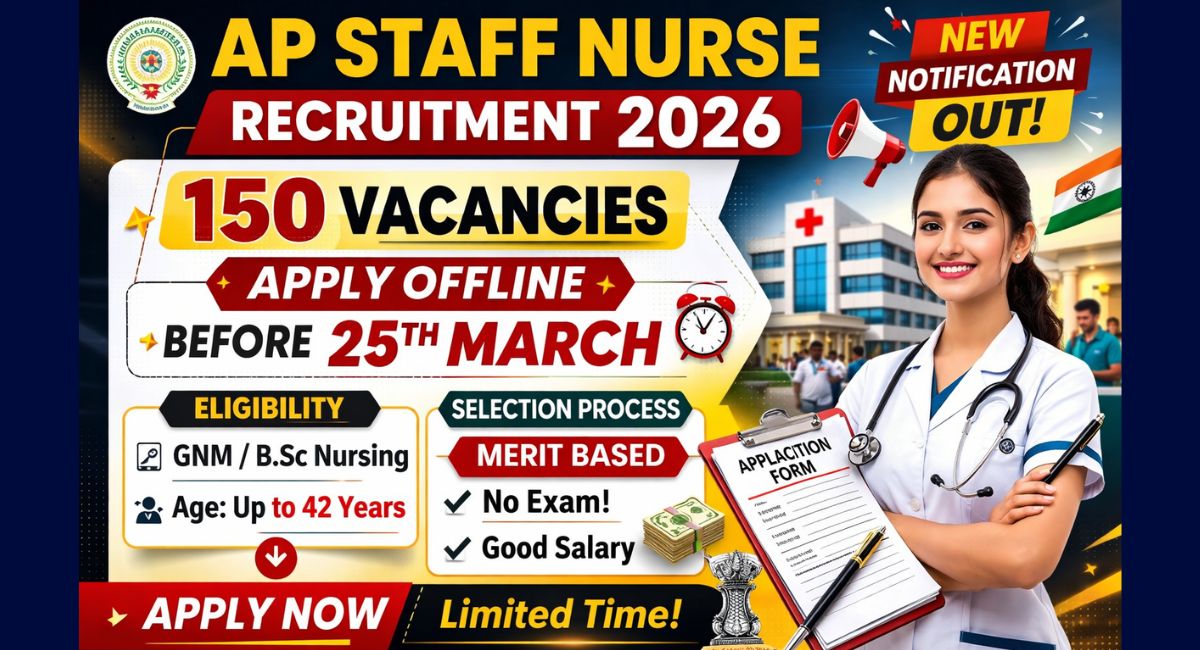
Read more:- AP Staff Nurse Recruitment Notification 2026 Out: 150 Vacancies, Apply Offline Before 25 March
Experience & Age Limit (Sample Roles)
| Position | Qualification | Age Limit | Experience |
| Associate (Construction) | Master’s in Construction Mgmt | 30 Years | 0–2 Years |
| Senior Associate (Technical) | M.Tech Civil | 40 Years | 2–9 Years |
| Consultant (Finance) | MBA/CA/CMA | 45 Years | 9–15 Years |
| Associate (Legal) | LLB/LLM | 30 Years | 0–2 Years |
| Senior Associate (IT) | B.Tech/M.Tech | 40 Years | 2–9 Years |
NHIDCL Young Professional Apply Online 2026
The application process for NHIDCL Young Professional Recruitment 2026 is completely online.
Steps to Apply:
- Visit official website:
nhidcl.com - Go to Recruitment / Resource Pool Portal
- Register with email & mobile
- Fill complete profile details
- Upload documents
- Submit application
Don’t forget to download the confirmation page after submission.
Selection Process – NHIDCL Young Professional Recruitment
The selection process includes:
Stage 1: Screening Committee
- Shortlisting based on qualification & experience
Stage 2: Selection Process
- Written Test (if applicable)
- Group Discussion
- Personal Interview
Salary – NHIDCL Young Professional 2026
Selected candidates under the NHIDCL Young Professional Recruitment 2026 will receive attractive monthly remuneration:
| Position | Salary (Per Month) |
| Associate | ₹70,000 – ₹80,000 |
| Senior Associate | ₹80,000 – ₹1,50,000 |
| Consultant | ₹1,50,000 – ₹2,75,000 |
Additional 5% annual increment will be provided.
Key Highlights – NHIDCL Young Professional Recruitment 2026
- 37 Vacancies across multiple domains
- High salary (up to ₹2.75 lakh/month)
- Work on national infrastructure projects
- Opportunity for IIT/NIT/IIM graduates
- Contract-based professional role
The NHIDCL Young Professional Recruitment 2026 is a great opportunity for candidates from top institutions to work on high-impact infrastructure projects. With excellent pay, professional exposure, and career growth, this recruitment is highly competitive.
Interested candidates should apply before the deadline and ensure all documents are properly submitted.
FAQs
What is the last date to apply for NHIDCL Young Professional Recruitment 2026?
14 April 2026
Is this a permanent job?
No, it is a contractual role (2–3 years)
What is the salary for NHIDCL Associate?
₹70,000 – ₹80,000 per month
What is the selection process?
Screening + Test/GD/Interview