All posts by NEXPACE

Blink Video Doorbell Camera: Complete Review and Buyer’s Guide

Imagine spotting a delivery at your door while shopping across town, chatting with a visitor without budging from your couch, or scaring off a porch thief with a simple alert. The Blink Video Doorbell Camera makes this everyday security a reality, blending affordability with reliable smart features for modern homes.

As smart home adoption grows in India and beyond, devices like Blink are trending for their no-fuss setup and real-world protection against common threats like package theft and unannounced visits.

What Is a Video Doorbell Camera?

A video doorbell camera fuses a classic doorbell with a high-def camera, mic, speaker, and sensors into one sleek unit. Someone rings or moves nearby? Instant video streams to your phone app over Wi-Fi, letting you see and talk back in real time.

Blink connects to 2.4GHz Wi-Fi for seamless app control—live views, clip saves, zone tweaks—and pairs with assistants like Alexa for voice commands or Echo screen displays.

Hands-On Usage in Real Life

Delivery Monitoring

With e-commerce exploding, Blink shines by notifying you of couriers instantly. Confirm parcels, direct hiding spots, or record for disputes—cutting theft losses in high-density areas like apartments.

Visitor Verification

Peek and speak before unlocking: verify plumbers, salesmen, or relatives. Families love this for child safety, elders’ comfort, and quick responses without exposure.

Crime Prevention & Safety

The mere sight deters break-ins; clips timestamp strangers for evidence. In villas or offices, it logs approaches, aiding security teams or police reports.

Versatile for apartments (battery ease), villas (wide coverage), offices (team alerts), rentals (no-drill mounts)—Blink adapts anywhere.

Core Features Deep Dive

Video Resolution (HD, 2K, 4K)

Blink delivers crisp 1080p HD for faces/packages up close. Stepping up to 2K enhances zoom/detail; 4K (premium) suits expansive gates but guzzles bandwidth.

Night Vision (IR/Color)

IR mode gives sharp B&W in total dark; color variants use LEDs for vivid night clips on wired setups—Blink’s IR proves reliable for urban shadows.

Motion Detection & AI Alerts

Zone-custom alerts ignore streets/trees, honing on your stoop. Basic PIR works well; AI flags people/vehicles, slashing junk notifications.

Two-Way Audio

Built-in mic/speaker enables natural talk: “Leave by gate” or “Coming now.” Wind-resistant for India’s variable weather.

Cloud vs Local Storage

Cloud subs offer anytime access/search; local USB (via hub) keeps data private, fee-free. Blink supports both for choice.

Smart Home Integration

Alexa announces rings on speakers; Google views on Hubs. Blink’s Amazon roots favor Alexa routines like light flashes on motion.

Wired vs Wireless: Indian Household Pick?

Wired Advantages: Constant power enables 24/7 recording, richer AI. Drawbacks: Wiring hassles, pro install needed.

Wireless Strengths: Peel-and-stick DIY, gate-friendly. Downsides: Periodic battery refresh.

India’s rental culture and patchy wiring favor wireless Blink—perfect for Mumbai flats or Delhi row houses. Homeowners wire for perks.

Privacy, Security & Legal Tips

Door cams see public paths/neighbors—tighten zones, avoid overreach. Blink encrypts streams; mandate 2FA, strong PINs.

Share install notice with tenants/staff; India’s DPDP Act stresses consent. Ethical use: no spying, delete unused clips.Buying Guide Essentials

Pre-Purchase Checks

Demand 1080p+, 150°+ FOV, IP65 rating, app ratings >4.5. Match your Wi-Fi/smart setup.

Budget vs Premium

₹3k-6k: Core HD/battery. ₹6k-12k: AI/2K. ₹12k+: 4K/no-sub.

Internet Specs

3-5Mbps upload min; extenders for far doors. Jio/Airtel handles fine.

Subs Demystified

Free basics (alerts/live); ₹250-700/mo for cloud history. Local skips this—total 3-yr math matters.

Brand Showdown Table

Model/BrandVideo QualityPowerStorageApp/EcosystemPrice (₹)
Blink Doorbell1080p HDBattery/WiredCloud/LocalAlexa Focus3,500-5,500
Ring Basic1080pBatteryCloudAlexa Prime5,000-8,000
Nest Battery1080p HDRBattery/WiredCloudGoogle Deep7,000-11,000
Eufy Solo2KBattery/HubLocal FreeBasic Smart6,500-10,000
Arlo Essential2KBatteryCloud/LocalUniversal8,000-12,000

Balanced Pros & Cons

Pros:

  • Budget gateway to pro security.
  • Simple renter install.
  • Solid battery endurance.
  • Everyday video/audio wins.
  • Flexible storage paths.

Cons:

  • Lacks fancy AI depth.
  • Alexa-biased ecosystem.
  • Subs for peak use.
  • Weather audio quirks.

Ideal Buyers Profile

Package addicts dodging thieves. Busy parents/elders for safe screening. Renters shunning wires. Alexa loyalists. SMBs for entry logs.

Pass if gated community or app-averse.

Final Take & Pro Tip

Blink Video Doorbell nails accessible, effective security—ideal for India’s urban hustle. Go wireless first, add local storage, pair with Alexa for max value.

FAQs

No Wi-Fi viable? Nope—core to alerts/streams.

Hot India battery holdup? 12-24 months with lithium; shade it.

Apartment society OK? Your door yes; disclose common areas.

Alexa or Google better? Blink loves Alexa; rivals split.

Night performance? IR aces it; color upgrade optional.

Yamaha CZR / CXS XLF Series: Power-Packed Beast for Pro Audio Domination

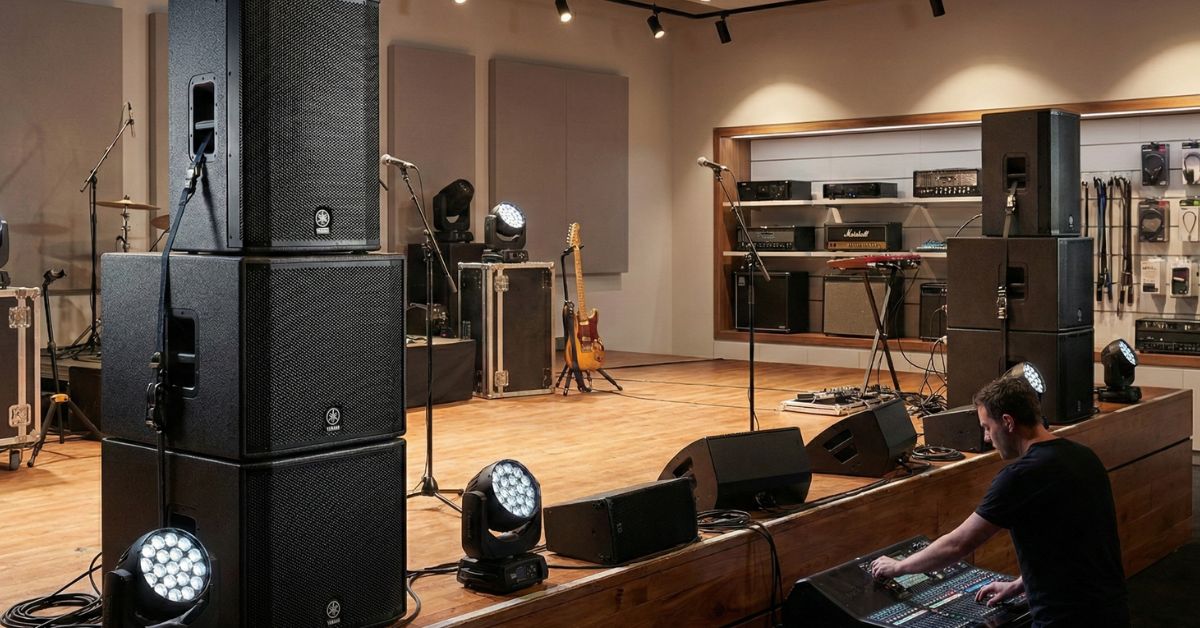
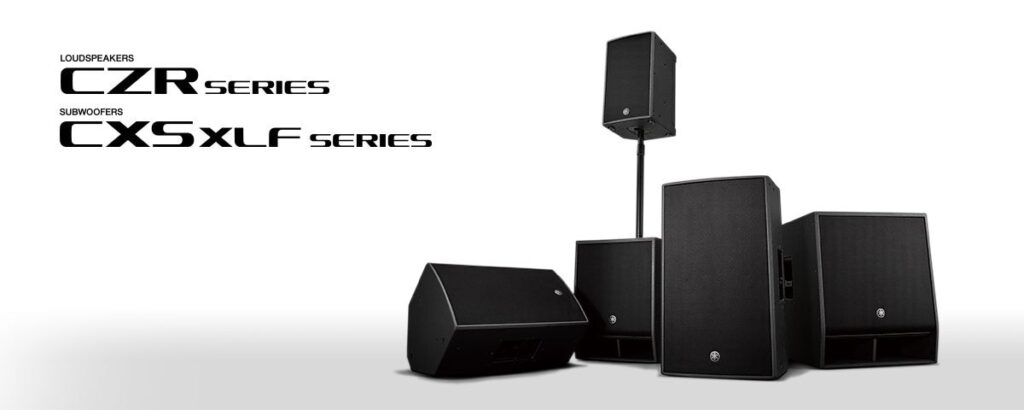
Yamaha CZR / CXS XLF: The Yamaha CZR / CXS XLF Series targets professional users who need passive PA speakers with high power handling, solid output, and dependable voicing for live sound and installs. This family combines CZR full-range tops with CXS XLF subwoofers, giving system designers the flexibility to scale from compact club rigs to sizeable festival stacks without changing tonality.

The series is designed to work with external amplification and processing, which appeals to engineers who prefer fine‑tuned system control instead of fixed built‑in DSP. In practical terms, that makes these cabinets suitable for rental houses, touring DJs, event companies, and venues that want consistent performance night after night.

Design and Build Quality

The CZR / CXS XLF enclosures use lightweight yet durable plywood rather than plastic, finished with a tough Polyurea coating that resists scratches and touring abuse better than most painted boxes. This material choice, along with reinforced bracing, helps reduce unwanted cabinet resonance, which is critical when running these boxes near their rated program power for long events. The cabinets include a dual-angle pole socket on the tops and dual-pole sockets on the subs, making it easy to set up satellite/sub stacks at appropriate coverage angles without extra hardware.

A rotatable constant-directivity horn and comprehensive U‑bracket options allow both horizontal and vertical mounting, so integrators can keep dispersion consistent while matching different room geometries. For fixed installs where aesthetics matter, the availability of both black and white finishes lets the system blend into clubs, houses of worship, and corporate venues.

Audio Performance and Sound Signature

In real-world use, the CZR tops deliver a clean, controlled midrange and a clear top end that stays intelligible even in reflective rooms when properly tuned with external DSP. Yamaha’s wide-dispersion CD waveguide horn helps maintain consistent coverage across the audience area, reducing the “hot spot in the center, dull at the sides” effect common in narrower designs. The low-frequency performance of the CZR line is strong for passive cabinets, but the system really comes alive when paired with the CXS XLF subs, which extend usable bass down to around 29 Hz on the 18‑inch model, making EDM, hip‑hop, and modern pop content feel weighty without losing definition. The voicing leans toward accuracy and headroom rather than hyped bass or aggressive high‑frequency bite, which is helpful for long events where listener fatigue and mix translation matter.

Technical Specifications Overview

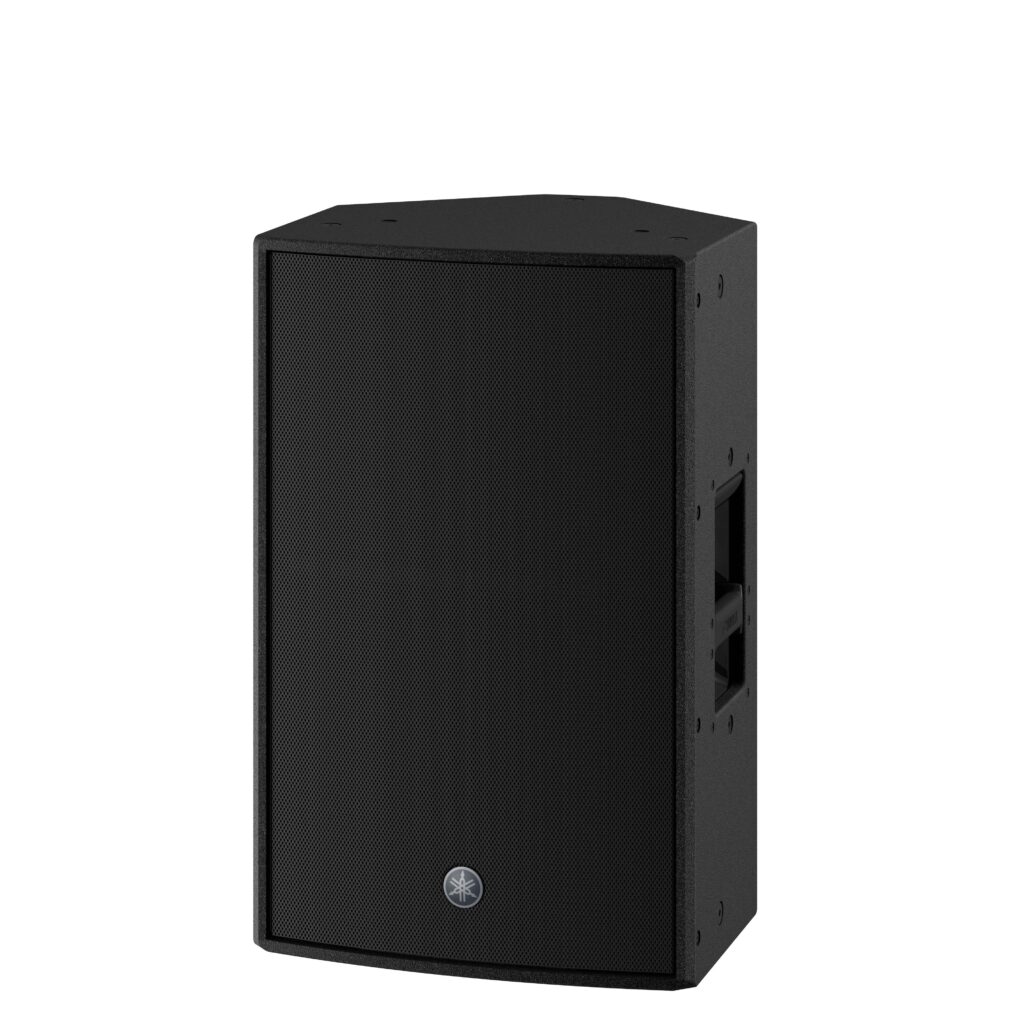
  • CZR15: 2‑way passive loudspeaker with 15″ LF driver and 2″ HF driver.
  • CZR12: 2‑way passive loudspeaker with 12″ LF driver and 2″ HF driver.
  • CZR10: 2‑way passive loudspeaker with 10″ LF driver and 2″ HF driver.
  • Program power handling (CZR15 / CZR12): 800 W program; CZR10: 700 W program, all bi‑amp capable.
  • CXS18XLF subwoofer: 18″ driver with 4″ voice coil, 1000 W program power, bass‑reflex design, extended LF down to approximately 29 Hz, up to 133 dB SPL.
  • CXS15XLF subwoofer: 15″ driver with 4″ voice coil, 800 W program power, extended LF with up to 131 dB SPL.
  • Connectivity: SpeakON NL4MP connectors, typically three on subs (two parallel inputs, one output) for flexible wiring; full‑range cabs use SpeakON for secure locking connections.
  • Hardware and dimensions: Lightweight plywood cabinets feature dual-angle pole sockets on tops, dual-pole sockets on subs, and optional covers and wheel kits. Exact physical dimensions vary by model but remain manageable for one- or two-person handling in mobile rigs.
Source: Yamaha Website

Connectivity and Compatibility Options

Because this is a passive series, the Yamaha CZR / CXS XLF line is compatible with a wide range of professional power amplifiers and external DSP processors, including Yamaha’s own amps with preset processing. Standard SpeakON connectivity simplifies daisy‑chaining tops and subs, and the three‑connector layout on the subwoofers helps implement cardioid arrays when driven by suitable processing and amplifier channels. The ability to run these speakers in bi‑amp mode on the CZR tops gives system techs fine control over crossover points and limiting, which is valuable in demanding touring and rental scenarios. This flexibility also means the same speakers can be repurposed across different venues or event sizes simply by changing amp power and DSP presets rather than replacing hardware.

Real-World Usage Scenarios

In practice, the CZR tops work well as front‑of‑house mains for live bands, DJs, and corporate events when flown or pole‑mounted, with enough headroom to cover medium‑sized venues when paired with adequate amplification. The CZR10 and CZR12 are particularly well suited as stage monitors or side fills thanks to their floor‑monitoring angles, while the CZR15 makes sense as a main box where more low‑mid authority is required. The CXS XLF subs are designed to complement these tops in both mobile and installed rigs, providing the kind of deep, controlled low end needed for big party speaker setups and small to mid‑scale concert environments. Event organizers can deploy a simple two‑top, two‑sub system for weddings and DJ nights, then scale up to multiple stacks or flown arrays for festivals, maintaining a consistent sound signature across configurations.

Power, Battery, and Efficiency

As a passive system, the Yamaha CZR / CXS XLF Series does not include built‑in power amplifiers or batteries and therefore requires external amplification matched to the speakers’ program and peak ratings. This architecture typically offers better long‑term reliability and serviceability than many powered boxes, because amplifiers and speakers can be maintained or upgraded separately as requirements change.

Source: Yamaha Website

When paired with appropriately sized Class‑D amplifiers and properly configured limiters, the system can run efficiently while maintaining thermal headroom, which is important during long events in high‑temperature environments. From an operator’s perspective, this design trades plug‑and‑play simplicity for more precise control over gain structure, protection, and overall system tuning.

Comparison With Other Brands in the Same Segment

The Yamaha CZR / CXS XLF Series competes with familiar passive or semi‑pro PA families such as JBL PRX / SRX, Electro‑Voice ELX / ZLX, QSC E Series / AP, and RCF ART / HD in terms of output and application. JBL’s SRX line typically emphasizes very high output and robust touring features, while EV’s ELX / ZLX ranges are widely adopted for their value and straightforward deployment in small to mid‑size gigs. QSC’s passive offerings and RCF ART / HD lines are known for refined voicing and strong integration with matching amplification, making them popular in rental and installation markets. In that landscape, the Yamaha CZR / CXS XLF systems stand out for pairing lightweight plywood cabinets and deep‑reaching subs with flexible rigging options and a neutral, mix‑friendly sound that suits both live performance and DJ work.

AspectYamaha CZR / CXS XLFJBL PRX / SRX Series*EV ELX / ZLX Series*QSC E / AP Series*RCF ART / HD Series*
Cabinet materialPlywood with Polyurea coating.Mixed, often plywood/composite.Primarily wood or molded plastic, model‑dependent.Plywood or composite.Composite or wood, series‑dependent.
System typePassive tops and subs requiring external amps.Mostly powered, some high‑end passive.Largely powered MI / pro‑sumer PA.Passive PA speakers.Mostly powered PA speakers.
LF extension (subs)Down to around 29 Hz on 18″ model.Deep bass on higher SRX subs, model‑specific.Adequate LF for small to mid gigs.Strong LF, tuned for live sound.Deep LF with some models optimized for DJs.
Ideal usersPros, rental houses, event companies wanting passive flexibility.Touring and high‑demand FOH users.DJs and small venues needing powered simplicity.Integrators and rentals preferring passive rigs.Clubs, DJs, and mobile acts using powered systems.

Pros, Limitations, and Practical Considerations

The main strengths of the Yamaha CZR / CXS XLF Series include robust plywood construction, high program power handling, rotatable horns, and subs that comfortably reach into true low‑bass territory for modern music styles. For system techs, features like bi‑amp capability, cardioid‑capable sub configurations, and comprehensive rigging accessories offer the kind of flexibility normally expected in more expensive touring lines.

On the limitation side, the passive architecture means users must budget for quality amplifiers, DSP, and cabling, which adds cost and complexity compared with powered alternatives from JBL, EV, QSC, or RCF. These speakers are also overkill for very small, casual setups where compact powered PA boxes would be simpler, and they demand careful gain staging and system tuning to realize their full performance potential.

Overall, the Yamaha CZR / CXS XLF Series is a strong choice for professionals who value a neutral, controllable sound signature, scalable system design, and the reliability of passive loudspeakers backed by solid mechanical engineering. DJs, live sound engineers, and event organizers who routinely handle weddings, club nights, live bands, and small to mid‑scale concert speaker applications will find that a properly matched CZR / CXS XLF rig can cover a wide range of gigs without needing different systems.

Rental companies and venues that already own quality amplifiers and DSP, or plan to standardize on external processing, will particularly benefit from the combination of durable cabinets, versatile rigging, and deep‑reaching subs. On the other hand, users seeking an all‑in‑one portable “plug‑straight‑into‑the‑wall” solution may be better served by powered competitors, as this series expects a more professional, system‑based approach.

FAQs

Is the Yamaha CZR / CXS XLF Series suitable for outdoor events and small concerts?

Yes, when paired with correctly sized amplifiers, the CZR tops and CXS XLF subs can comfortably handle outdoor events and small to mid‑size concerts, offering high SPL and solid coverage. Proper weather protection and system tuning are still essential for consistent results.

Can these speakers be used as studio speakers or for nearfield monitoring?

While the voicing is relatively neutral for a PA system, the CZR / CXS XLF Series is designed as professional speakers for live sound reinforcement, not as nearfield studio monitors. For critical mixing or close‑range monitoring, dedicated studio speaker designs with optimized dispersion and lower self‑noise are more appropriate.

Do the CXS XLF subwoofers provide enough low end for EDM and hip‑hop?

The CXS18XLF, in particular, extends down to approximately 29 Hz with high maximum SPL, which is well suited for EDM, hip‑hop, and other bass‑heavy genres when properly powered. Using multiple subs and correct placement further enhances low‑frequency impact for big party speaker setups.

What type of amplifier should be paired with the CZR tops and CXS subs?

Choose professional power amplifiers that can comfortably deliver at least the program rating of each speaker, with adequate headroom and built‑in or external DSP for crossovers, EQ, and limiting. Matching Yamaha amplifiers with preset processing can simplify deployment, but any quality amp/DSP combination will work if configured correctly.

How do these speakers compare in portability to plastic molded PA speakers?

The plywood construction makes the cabinets more rigid and durable than many molded plastic boxes but can add some weight, especially on the subwoofers. However, their handles, optional covers, and wheel kits mean that one or two people can still manage typical load‑ins and load‑outs efficiently in professional workflows.

Benelli TRK 502 X: Unleash Epic Adventure Dominance!

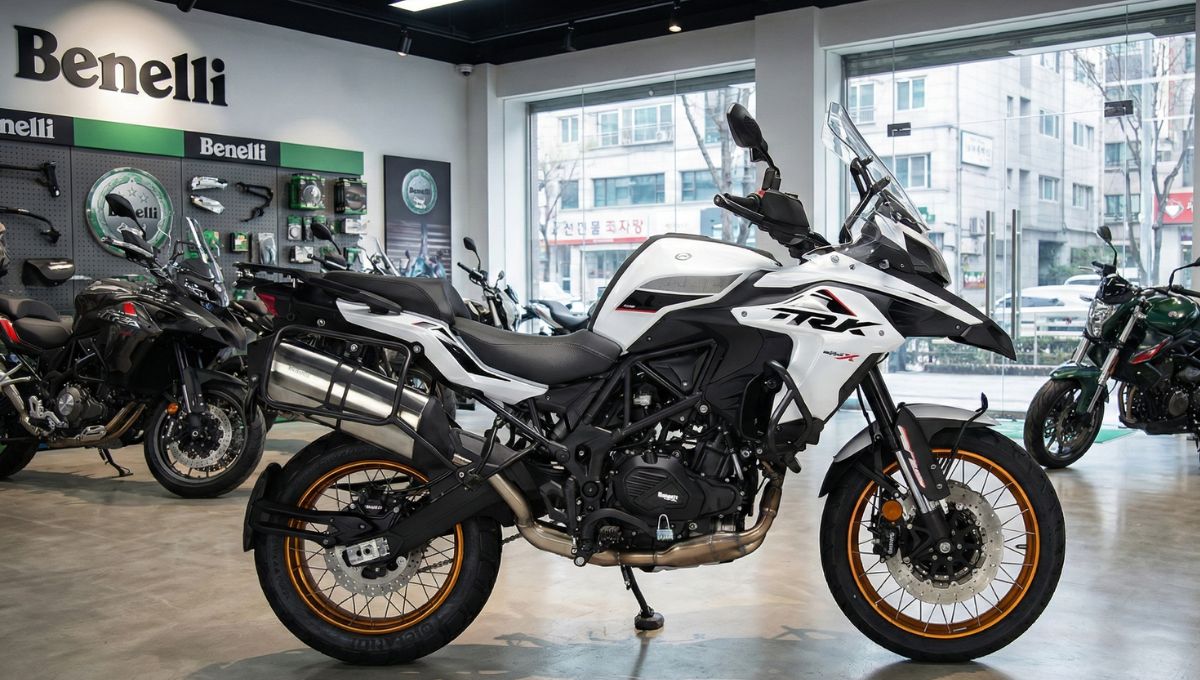
Benelli TRK 502 X delivers robust adventure touring credentials from an Italian brand renowned for its engineering heritage under Qianjiang Motorcycle ownership. Positioned as a mid-capacity adventure bike, it targets riders seeking versatile performance for mixed road and light off-road use without premium pricing. Ideal for touring enthusiasts, weekend explorers, and commuters wanting upright ergonomics and long-range capability, the TRK 502 X balances comfort, durability, and accessibility.

Its spoke wheels, high ground clearance, and 20-liter fuel tank make it practical for extended journeys across highways or gravel paths in markets like the USA and UK. Real-world testing highlights its stable handling and refined twin-cylinder power, appealing to riders valuing reliability over extreme off-road prowess.

Design

The Benelli TRK 502 X features a rugged adventure aesthetic with a tall stance, robust trellis frame, and wire-spoke wheels that enhance off-road usability on gravel or dirt trails. Its 210mm ground clearance allows confident navigation over uneven surfaces, while the 830mm seat height suits taller riders without compromising control for average builds.

Quality build shines through in the sturdy bodywork and crash guards, providing real-world protection during tip-overs common in adventure riding. Comfort comes from the upright riding position, reducing fatigue on long USA or UK highway stretches, though its 235kg kerb weight demands respect in tight maneuvers.

Engine

A 500cc liquid-cooled parallel-twin DOHC engine powers the TRK 502 X, delivering 46.8 bhp at 8500rpm and 46 NM at 6000rpm for smooth, torquey response. The 11.5:1 compression and EFI system ensure efficient combustion, with liquid cooling maintaining temperatures during prolonged rides. In daily use, the assist-and-slipper clutch paired to a six-speed gearbox offers precise shifts, minimizing fatigue in traffic or on tours. Real-world relevance lies in its low-end grunt for overtakes and hill climbs, backed by BS6 Phase 2B compliance for emissions reliability across regions.

Performance

The TRK 502 X achieves around 160kmph top speed with stable highway cruising at 100-120kmph, where the twin-cylinder smoothness excels for long-distance comfort. Its 25kmpl ARAI mileage translates to roughly 500km range from the 20-liter tank, ideal for USA cross-state or UK motorway runs without frequent stops. Off-road, the 19-inch front and 17-inch rear spoke wheels with dual-channel ABS provide controlled braking on loose surfaces, though the 235kg weight limits aggressive dirt play. Usability shines in mixed conditions, offering dependable traction via tubeless tires rated at 32/36psi.

Read More: TÉNÉRÉ 700 2025: Explode with Ultimate Adventure Supremacy

Technology

Modern touches like a 5-inch TFT digital console with Bluetooth connectivity enable navigation and call alerts, enhancing safety on unfamiliar routes. Dual-channel ABS from Bosch ensures progressive braking, while LED lighting improves night visibility without draining the 12V 8Ah battery. Tyre Pressure Monitoring System (TPMS) and gear position indicator add practical oversight for maintenance-conscious riders. These features deliver trustworthy performance in varied weather, with USB charging supporting device needs during extended tours.

Specs

Key specifications include a 500cc twin-cylinder engine, 46.8 bhp power, 46Nm torque, 235kg kerb weight, and 20-liter fuel capacity, yielding 25kmpl mileage. Brakes feature 320mm front disc with four-piston caliper and 260mm rear disc, both ABS-equipped. Dimensions span 2220mm length, 915mm width, 1480mm height, and 1505mm wheelbase, with 110/80-19 front and 150/70-17 rear tubeless tires. Inverted telescopic forks and adjustable monoshock suspension prioritize comfort and handling durability.

Dashboard Console

The 5-inch TFT dashboard console displays speed, odometer, trip meters, fuel gauge, and gear position in a clear, daylight-readable format. Bluetooth integration allows smartphone pairing for navigation, calls, and SMS alerts, proving useful for route planning on USA backroads or UK B-roads. Low fuel, oil, and malfunction indicators promote proactive maintenance, while the hazard light switch enhances safety in traffic. Its intuitive layout reduces distraction, supporting all-day rides with minimal eye strain.

Rear View

Rear view benefits from a stepped pillion seat with grab rail and footrests, ensuring passenger comfort on tours without sacrificing solo ergonomics. The hydraulic monoshock with preload adjustment handles luggage loads up to practical limits, maintaining stability over potholes. LED turn signals and tail light provide clear visibility to trailing vehicles, vital in low-light conditions. Quality plastics resist weathering, offering reliable sightlines and security for two-up usability in real-world commuting.

Fuel Tank

The 20-liter fuel tank with a 3-liter reserve supports a 500km range at 25kmpl, minimizing refuel stops on long hauls across expansive terrains. Its angular design integrates seamlessly with the fairing, protecting the rider from wind while allowing easy knee grip for confident cornering. Steel construction withstands minor impacts, with a reliable cap mechanism preventing leaks. This capacity proves invaluable for adventure riders prioritizing efficiency and planning flexibility.

Headlight

A powerful LED headlight with integrated DRLs illuminates paths effectively, casting wide beams for safe night riding on unlit roads. The projector-style setup offers focused low/high beam options, reducing glare for oncoming traffic while penetrating fog common in UK climates. Durable housing resists vibrations from off-road use, ensuring consistent output. Pass and hazard functions add versatility, enhancing overall visibility and rider confidence.

Read More: V85 TT Travel 850: Ultimate Moto Guzzi Adventure Bike for Long-Haul Explorers

Seat

The 830mm seat height accommodates riders 5’8″ and above comfortably, with ample padding for all-day support on highways or trails. The split design allows for easy pillion access, while the stepped profile prevents sliding during aggressive leans. Upholstery grips well in wet conditions, prioritizing quality over luxury. Preload-adjustable rear suspension complements the seat for load-carrying stability, making it suitable for solo or duo touring.

FeatureBenelli TRK 502 XKTM 390 Adventure XBMW G 310 GS
Engine (cc)500399313
Power46.8 bhp45.3 bhp34 bhp
Mileage25 kmpl27 kmpl30 kmpl
Weight235 kg182 kg175 kg
BrakesDual Disc ABSDual Disc ABSDual Disc ABS
Price (₹)7,14,0003,68,7583,25,000

FAQs

What is the mileage of the Benelli TRK 502 X?

Expect 25kmpl ARAI-certified mileage, with real-world figures around 22-25kmpl on highways, depending on load and speed. City riding may drop to 20kmpl due to its weight.

Is the TRK 502 X suitable for daily use?

Yes, its upright ergonomics and smooth engine make it viable for commuting, though the 235kg weight and 830mm seat height suit experienced riders better for urban traffic.

How comfortable is the Benelli TRK 502 X for long rides?

Upright posture, padded seat, and wind protection deliver good comfort for 300+km days, aided by adjustable suspension for varied loads.

What is the maintenance like for the TRK 502 X?

Routine services focus on chain, oil, and brakes every 5000km; Benelli’s network supports BS6 compliance, with costs reasonable for a twin-cylinder ADV.

Is the TRK 502 X a good buy for beginners?

Better for intermediate riders due to weight and power; novices may prefer lighter options, but its stability suits adventure aspirants with some experience.


Google Pixel 10 Pro Fold Review: Ultimate Foldable Experience

Google Pixel 10 Pro Fold: The Google Pixel 10 Pro Fold stands out as a premium foldable smartphone designed for multitaskers and entertainment enthusiasts. Announced in August 2025 and released in October, it features Google’s Tensor G5 chipset, an expansive 8-inch inner display, and advanced AI camera tools. Targeted at users seeking a blend of productivity and media consumption, this device offers seven years of software updates and IP68 durability, making it a strong contender in the foldable market.

Design & Build Quality

The Pixel 10 Pro Fold measures 155.2 x 76.3 x 10.8 mm when folded and 155.2 x 150.4 x 5.2 mm unfolded, weighing 258 grams. It uses Gorilla Glass Victus 2 on the front and back with an aluminum frame, available in Moonstone and Jade colors. The gearless hinge enhances ergonomics and durability, supporting over 10 years of folds, while IP68 rating ensures resistance to dust and water up to 1.5 meters for 30 minutes.

Display

The inner 8-inch LTPO OLED folds smoothly with 2076 x 2152 resolution, 120Hz refresh rate, HDR10+ support, and up to 3000 nits peak brightness. The outer 6.4-inch OLED cover display offers 1080 x 2364 resolution at 120Hz with similar brightness peaks. Both screens deliver vibrant colors, high contrast over 2,000,000:1, and excellent outdoor visibility.

Processor & Performance

Powered by the Google Tensor G5 (3nm) chipset with an octa-core CPU (1×3.78 GHz Cortex-X4, 5×3.05 GHz Cortex-A725, 2×2.25 GHz Cortex-A520) and PowerVR DXT-48-1536 GPU, it handles multitasking and gaming efficiently. Real-world tests show smooth performance in demanding apps, with good thermal management during extended use. The Titan M2 coprocessor bolsters security.​

RAM & Storage

All variants come with 16GB RAM paired with 256GB, 512GB, or 1TB internal storage options. No microSD expansion is available, but the ample RAM ensures fluid multitasking and app switching without lag.​

Camera Setup & Photography

The rear triple camera includes a 48MP wide (f/1.7, OIS), 10.8MP 5x telephoto (f/3.1, OIS), and 10.5MP ultrawide (f/2.2, 127°). Front cameras are 10MP Dual PD on both inner and outer displays. AI features like Night Sight, Super Res Zoom up to 20x, Best Take, and Magic Eraser produce sharp, natural photos with excellent low-light performance and 4K/60fps video.

Read More : Vivo X300 Pro Launched In India: Know Specs, Prices, Camera, RAM , Display , Battery

Battery & Charging

A 5015mAh battery supports 24+ hours of typical use or up to 84 hours with Extreme Battery Saver. It charges at 30W wired (50% in 30 minutes), 15W wireless via Qi2, and includes bypass charging. Endurance tests rate it at 47:55 hours.

Software & User Experience

Ships with Android 16, promising seven major OS upgrades and Pixel Drops. Gemini AI integrates features like Circle to Search, Live Translate, and Pixel Screenshots for seamless use. Connectivity includes Wi-Fi 7, Bluetooth 6.0, UWB, and 5G mmWave/Sub-6.

Price & Availability

Starting at $1,399 for 256GB/16GB RAM in the US (around ₹172,000 in India), higher variants reach $1,899 for 1TB. Available via Google Store, Flipkart, and retailers since October 9, 2025, with offers like cashback and EMI in India.​

Specifications Table

CategoryDetails
DisplayInner: 8.0″ LTPO OLED, 2076×2152, 120Hz, 3000 nits; Outer: 6.4″ OLED, 1080×2364, 120Hz 
ProcessorGoogle Tensor G5 (3nm), Octa-core CPU, PowerVR GPU
RAM16GB 
Storage256GB/512GB/1TB, no expansion 
Rear Camera48MP wide + 10.8MP telephoto (5x) + 10.5MP ultrawide, 4K/60fps 
Front Camera10MP inner/outer, 4K/60fps
Battery5015mAh, 30W wired, 15W wireless​
OSAndroid 16, 7 years updates
Connectivity5G, Wi-Fi 7, BT 6.0, NFC, UWB
Dimensions & WeightFolded: 155.2×76.3×10.8mm, 258g 

Comparison with Competitors

FeaturePixel 10 Pro FoldSamsung Galaxy Z Fold7OnePlus Open 2Xiaomi Mix Fold 4
Display8.0″ inner OLED 120Hz7.6″ inner Dynamic AMOLED 120Hz7.8″ inner AMOLED 120Hz8.0″ inner OLED 120Hz
ProcessorTensor G5Snapdragon 8 Gen 4Snapdragon 8 Gen 3Snapdragon 8 Gen 3​
Camera48+10.8+10.5MP triple50+12+10MP triple48+64+48MP triple50+50+10MP triple
Battery5015mAh, 30W4400mAh, 25W4800mAh, 67W5100mAh, 67W
Price (256GB)~$1,399~$1,799~$1,199~$1,100​

Read More : Redmi Note 14 Pro+ 5G Review: A Strong Mid-Range Champion with Premium Features

Pros and Cons

Pros

  • Largest inner display with high brightness for media.
  • Long software support and AI features enhance usability.
  • IP68 rating and durable hinge set durability benchmarks.​

Cons

  • Heavy at 258g, less pocket-friendly when folded.
  • Charging speeds lag behind competitors.
  • High starting price limits accessibility.​

The Pixel 10 Pro Fold excels for users prioritizing clean Android software, AI-driven photography, and a spacious foldable screen. Ideal for professionals and creators needing multitasking power, it justifies the premium if durability and updates matter most. Consider alternatives for faster charging or lower cost.

FAQs

How does the Pixel 10 Pro Fold perform in daily usage?

The Tensor G5 handles emails, browsing, and light editing smoothly with 16GB RAM. Multitasking shines on the 8-inch screen, though heavy apps may warm the device. Seven years of updates ensure longevity.​

Is the camera quality on the Google Pixel 10 Pro Fold top-tier?

Yes, the 48MP main sensor delivers natural colors and detail, boosted by AI like Night Sight and 20x Zoom. Video hits 4K/60fps with stabilization, competing well in portraits and low light.

What is the battery life like?

Expect 24+ hours for mixed use, extending to 84 hours in saver mode. The 5015mAh capacity supports all-day folding without constant recharges.​

Can it handle gaming well?

Gaming performs adequately on Tensor G5, running titles like Genshin Impact at medium settings smoothly. The large display immerses, but expect some throttling after prolonged sessions.

Is the Pixel 10 Pro Fold a good value for money?

At $1,399, it offers premium build and software longevity, suiting foldable fans. Budget buyers may prefer cheaper rivals with similar hardware

TÉNÉRÉ 700 2025: Explode with Ultimate Adventure Supremacy

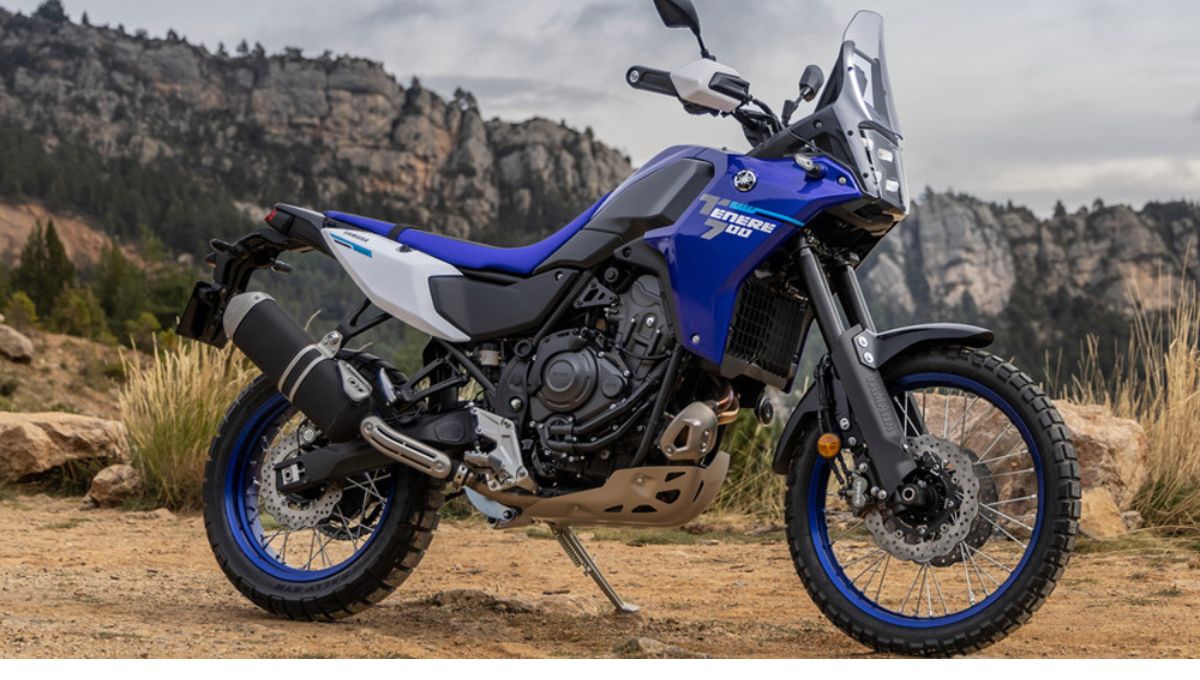
Yamaha’s TÉNÉRÉ 700 : Yamaha’s TÉNÉRÉ 700 stands as a benchmark in the middleweight adventure bike segment, backed by the brand’s decades-long rally heritage and engineering precision. Positioned as a lightweight, no-compromise option for versatile riding, the 2025 model refines its Dakar-inspired formula with updated electronics, suspension, and ergonomics while maintaining core reliability.

It targets adventure enthusiasts seeking a balance of on-road comfort and off-road capability, from weekend explorers to long-distance tourers who prioritize control over excess power. Ideal for riders in the USA and UK facing diverse terrains like American backroads or British trails, this bike excels in real-world usability without overwhelming tech.

Design

The 2025 Yamaha TÉNÉRÉ 700 adopts a rally-bred aesthetic with a tall, upright front end tapering to a compact tail, enhancing visibility and wind protection via a large one-piece windscreen. New quad-LED headlights in an aluminum ‘rally tower’ structure, color-matched handguards, and reshaped side covers convey lightness and durability, crucial for off-road scrapes.

The forward-relocated 16-liter fuel tank lowers the top profile for better ergonomics, allowing seamless shifts between seated and standing positions on rough trails. This design prioritizes rider movement and balance, making it comfortable for extended USA highway runs or UK gravel paths, with high-quality plastics resisting wear in daily use.

Engine

Powering the TÉNÉRÉ 700 2025 is Yamaha’s proven 689cc liquid-cooled CP2 parallel-twin, featuring DOHC valves, a 270-degree crossplane crankshaft, and a shorter intake duct for improved low-to-mid torque delivery. Updated with YCC-T electronic throttle and dual maps (Sport for aggressive response, Explorer for smoother tractability), it produces around 72 hp at 9,000 rpm and a strong low-end pull ideal for off-road crawls.

Liquid cooling ensures consistent performance in hot climates, while fuel injection meets Euro 5 standards without sacrificing the engine’s soulful character. In real-world riding, this setup offers controllable power for technical sections, is reliable for long hauls, and has minimal vibration for commuter comfort.

Read More:- V85 TT Travel 850: Ultimate Moto Guzzi Adventure Bike for Long-Haul Explorers

Performance

The TÉNÉRÉ 700 2025 delivers balanced performance through its torquey CP2 engine paired with a refined six-speed gearbox featuring smoother shifts via updated dogs and angles. Fully adjustable 43mm inverted forks (210mm travel) and a new rear linkage monoshock (200mm travel) with remote preload handle diverse terrains, from potholed roads to rocky trails, providing plush compliance without bottoming out.

Switchable traction control and three-mode ABS (full, rear-off, or disabled) enhance control on loose surfaces, while 240mm ground clearance and Pirelli Scorpion Rally STR tires grip well in mud or wet pavement. Riders report confident handling at speed, fatigue-free ergonomics for 500-mile days, and precise feedback that builds trust in demanding conditions.

Technology

A 6.3-inch vertical full-color TFT dashboard anchors the TÉNÉRÉ 700 2025’s tech, offering Street (analog-style tach) or Explorer themes, smartphone connectivity via the MyRide app for calls, music, and navigation, plus gear indicator and fuel data. New switchgear with a five-way joystick simplifies mode selection, including YCC-T throttle maps, switchable TCS/ABS, and three-flash signals.

USB-C charging keeps devices powered on multi-day trips. These features integrate intuitively without distraction, aiding off-road readability and on-road efficiency, with durable construction ensuring reliability in dust or rain—practical for adventure riders valuing function over flash.

Specs

Key specs for the Yamaha TÉNÉRÉ 700 2025 include a 689cc liquid-cooled DOHC parallel-twin engine (72 hp, 50 lb-ft torque), 6-speed transmission, and chain final drive. Suspension comprises a fully adjustable 43mm inverted fork (8.3 inches travel) upfront and an adjustable monoshock rear (7.9 inches).

Braking uses dual 282mm front discs and a 245mm rear with selectable ABS. It rolls on 21-inch front/18-inch rear Pirelli tires, with 34.4-inch seat height, 9.4-inch ground clearance, 204kg wet weight, and 16-liter (4.2 gal) tank. These figures support versatile use, balancing agility and stability for real-world adventures.

Dashboard Console

The TÉNÉRÉ 700 2025’s 6.3-inch TFT console mounts vertically for rally-like visibility, displaying speed, RPM, fuel, gear, and ambient temp in customizable Street or Explorer layouts. Smartphone pairing via MyRide enables turn-by-turn nav, calls, and music control through the left-switch joystick, reducing glove-off fiddling.

A dedicated ABS/TCS button and waterproof USB-C port add practicality for tracking long routes or charging in remote areas. Its bright, anti-glare screen remains legible in sunlight or dust, promoting safer riding with essential data at a glance—enhancing comfort on extended tours without overwhelming novices.

Rear View

From behind, the TÉNÉRÉ 700 2025 presents a minimalist tail with a slim LED unit and compact fender, minimizing drag and mud buildup on trails. The new one-piece rally seat flows into strengthened luggage mounts and an upgraded silencer bracket for durability under load.

Wider stance from the aluminum swingarm and 150/70-18 rear tire aids stability, while the relocated side stand switch prevents false neutrals off-road. This view highlights practical quality: easy chain access for maintenance, passenger grab handles for two-up comfort, and a design that sheds dirt easily—ideal for UK winters or USA deserts.

Fuel Tank

The 16-liter TÉNÉRÉ 700 2025 tank repositions forward and lower for centered mass, improving handling in corners or standing climbs without restricting knee grip. Its classic flared shape with welded seams withstands impacts, paired with a secure cap for vibration-prone off-road use. Capacity supports 200+ mile ranges at efficient cruising speeds, vital for remote USA routes or UK B-roads. Narrow waist enhances rider confidence in tight sections, while quality steel resists corrosion—promoting long-term usability and comfort for riders prioritizing range over frequent stops.

Headlight

The quad-LED headlight on the TÉNÉRÉ 700 2025 stacks in an aluminum ‘Y’-mount tower, mimicking Yamaha’s rally bikes for a distinctive profile and robust protection. It casts wide, even beams for night trails or fog, with low/high modes adjustable via pass switch. Handguards integrate seamlessly, deflecting branches without glare scatter. Durability shines in real-world tests: vibration-proof LEDs last seasons, illuminating paths clearly for safer low-speed maneuvers—key for adventure riders facing variable light in rural USA or UK.

Read More :- The Suzuki Hayabusa: The Ultimate Sport Bike For India’s Speed Lovers

Seat

A new one-piece rally-style seat on the TÉNÉRÉ 700 2025 measures 875mm high (lower option available), with reshaped foam for better weight shift between sit/stand. Narrow waist and grippy cover secure riders on washboard gravel, while extended length supports taller frames without numbness on 300-mile days. Passenger area improves with integrated padding, suitable for light touring. Quality stitching and weather-resistant materials maintain shape post-abuse, offering real comfort for mixed-use without aftermarket needs.

Comparison Table

FeatureYamaha TÉNÉRÉ 700 2025KTM 790 AdventureBMW F 850 GS
Engine (cc)689799853
Power (hp)729595
Mileage (kmpl)~25-30 (est.)~20-25~20-25
Weight (kg)204199229
BrakesDual 282mm front disc, 245mm rear, ABSDual disc front/rear, ABSDual disc front/rear, ABS
Price (₹)~₹9,20,000 (est. USD equiv.)~₹9,60,000~₹11,30,000

FAQs

What is the mileage of the Yamaha TÉNÉRÉ 700 2025?

Expect 25-30 kmpl in mixed riding, with higher mileage on highways due to efficient CP2 tuning; actual mileage varies in real-world conditions with load and terrain.

Is the TÉNÉRÉ 700 2025 suitable for daily use?

Yes, its upright ergonomics, smooth engine, and street ABS mode handle commutes well, though the 21-inch front wheel suits lighter traffic better than heavy urban stop-and-go.

How comfortable is the TÉNÉRÉ 700 2025 for long rides?

The adjustable suspension and reshaped seat reduce fatigue over 400+ miles, with good wind protection; taller riders appreciate the narrow tank for control.

What maintenance does the TÉNÉRÉ 700 2025 require?

Routine chain lubing, valve checks every 40,000 km, and fluid services suit its robust build; rally-derived parts ensure low downtime with Yamaha dealer support.

Is the TÉNÉRÉ 700 2025 good for buying as a first adventure bike?

Ideal for intermediate riders seeking off-road prowess without intimidation; lighter weight and switchable aids build skills progressively in USA/UK conditions.

WRC27 Rally1 Unleashed: FIA’s Explosive Rally Revolution Revealed!

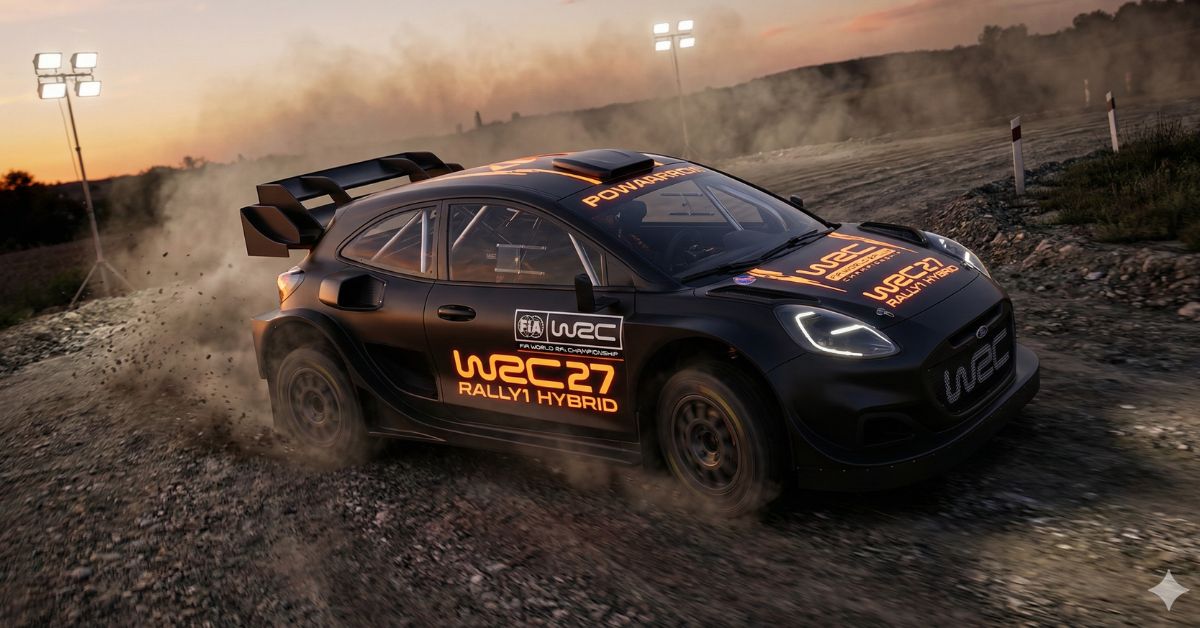
Hey rally fans, big news from the FIA! They’ve just unveiled the WRC27 Rally1 concept, giving us our first real peek at the beasts that will dominate the World Rally Championship starting 2027. This isn’t just a facelift – it’s a smart rethink aimed at slashing costs, boosting safety, and opening the doors wider for teams big and small. Imagine rally cars that pack a serious punch but won’t break the bank, all while keeping that heart-pounding spectacle alive.

Core Design Philosophy

The WRC27 Rally1 builds on what’s worked, but smarter. At its heart is a tubular frame safety cell – evolved from the 2022 Rally1 cars through tons of crash testing and sim work. This bad boy cuts complexity and costs while ramping up protection against frontal, side, roof, and rear hits.

Expect a vehicle footprint locked in: minimum 4100mm long, max 4300mm, up to 1875mm wide, 2600mm wheelbase min, and 1270mm height min. Bodywork? Total freedom inside that “reference volume” – teams can go production-look or wild bespoke designs.

Powertrain and Performance Specs

No hybrids here – we’re talking a Rally2-derived 1.6-litre turbocharged ICE, sustainably fuelled, pumping out around 290 horsepower. It’s mated to a four-wheel-drive system and a five-speed gearbox for that raw rally rush.

Brakes and steering pull straight from Rally2 specs too, keeping things reliable and affordable. Suspension switches to double wishbone setup – ditching MacPherson struts for better handling on gravel, tarmac, or snow. Top speed and 0-60? Not nailed down yet, but expect WRC-level ferocity with tighter performance gaps to Rally2 cars.

Here’s a quick specs rundown:

SpecificationDetails
Engine1.6L turbocharged ICE, ~290hp
Drivetrain4WD, 5-speed sequential gearbox
SuspensionDouble wishbone
ChassisTubular spaceframe safety cell
Dimensions (L/W/H/WB)4100-4300mm / 1875mm / 1270mm+ / 2600mm+
Cost Cap (Tarmac spec)€345,000 (~₹3.1 crore)
Credit:- The Gear Gadgeter

Safety and Build Innovations

Safety leads the charge. The upgraded spaceframe slashes intrusion and absorbs energy like a champ – all while trimming costs. Aero gets simplified too: fewer flaps and wings mean less R&D spend, but still plenty of downforce for those hairpin bends.

Durability jumps up with steel wheel arch liners to fight punctures, and components built to last a full WRC season. Minimum 10 units per constructor, homologated for 10 years – stability for teams.

Cost Control and Accessibility

Here’s the game-changer: a €345,000 cap on a ready-to-race tarmac-spec car – over 50% cheaper than current Rally1s. Testing limits to 21 days/year for manufacturers, no extra young driver days – levels the field.

Logistics slim down with local facilities and data sharing for remote engineering. Powertrain’s future-proof too – room for hybrids or electrics later.

The Rally Pyramid Shift

WRC27 Rally1 cars race alongside Rally2 in the top tier – mixing elite firepower with accessible machines. Constructors (OEMs like Toyota or tuners) handle design, build, and marketing. First up: Project Rally One in 2027.

Read More : The CFX-5E: The All-New Electric Dirt Bike for Young Riders

Competitor Comparison

Current Rally1 (like Toyota GR Yaris) vs WRC27 Rally1:

AspectCurrent Rally1 (2022-26)WRC27 Rally1
Power~500hp (hybrid)~290hp (ICE)
Cost CapNo cap (~€700k+)€345k
ChassisSpaceframeEvolved spaceframe
SuspensionMacPhersonDouble wishbone
Aero/BodyComplex, production-basedSimplified, flexible volume
CompetitorsFewer manufacturersOEMs + tuners

Pros and Cons

Pros

  • Massive cost drop makes WRC viable for more teams.
  • Top-tier safety with proven spaceframe tech.
  • Flexible designs spark creativity and variety.
  • Closer Rally1-Rally2 racing for epic battles.
  • Sustainable fuel ready, future powertrain options.

Cons

  • Power dip from 500hp hybrids might feel less explosive initially.
  • Limited testing could challenge newcomers.
  • No India-specific pricing – pro racing focus, not street sales.
  • Transition means current Rally1 fleets phase out post-2026.

The FIA’s WRC27 Rally1 concept is a masterstroke – keeping rally’s soul alive while fixing what held it back: sky-high costs and narrow entry. From 2027, expect fiercer grids, safer rides, and non-stop action. If you’re a fan, gear up – this era could be WRC’s best yet.

FAQs

What is the WRC27 Rally1 concept?

It’s the FIA’s blueprint for top WRC cars from 2027 – a cost-capped, safe spaceframe racer with Rally2 parts for broader competition.

How much horsepower does the WRC27 Rally1 have?

Around 290hp from a 1.6L turbo ICE, dropping the hybrid boost but closing gaps to Rally2 cars.

What’s the cost cap for WRC27 Rally1 cars?

€345,000 for a tarmac-ready car – over 50% less than today’s Rally1, targeting more constructors.

Will WRC27 Rally1 race against Rally2 cars?

Yes, both compete in the top category for a mixed, unpredictable field.

What safety upgrades does it feature?

An evolved tubular safety cell with better energy absorption and intrusion protection across all crash angles.

Can teams design custom bodywork?

Absolutely – within a set volume, from production-style to full custom rally monsters.

What’s the suspension like on WRC27 Rally1?

Double wishbone all around, borrowed from Rally2 for cost savings and sharp handling.

Who can build WRC27 Rally1 cars?

Constructors – big OEMs or smaller tuners – must produce at least 10 units.

Is mileage or fuel efficiency a focus?

Sustainable fuels are standard, prioritizing endurance over street mileage in this pro racing setup.

When does WRC27 Rally1 start racing?

From the 2027 season, with early birds like Project Rally One confirmed.

How does it compare to current Rally1 cars?

Cheaper, safer, simpler aero, less power but more accessible – perfect for growing the sport.

How to Make Hyper-Realistic Selfie Videos With Celebrities on a Movie Shooting Set (Step-by-Step Guide)

Creating a selfie video that looks like you were genuinely present on a movie shooting set with a top celebrity is no longer science fiction. With the responsible use of advanced generative AI tools like Gemini and Kling AI, creators can now produce cinematic, hyper-realistic behind-the-scenes selfie videos that feel authentic, immersive, and visually stunning.

This guide explains the exact process, tools, prompts, and best practices required to create a professional-looking selfie video with a celebrity during a movie shoot, while maintaining realism, accuracy, and ethical boundaries. The method described here is based on hands-on experimentation, creator workflows, and AI prompt engineering best practices.

Why This Technique Works

Modern AI models excel at:

  • Facial identity preservation
  • Scene realism and lighting consistency
  • Film-accurate character recreation
  • Smooth image-to-video transitions

When used correctly, these tools produce results that look like real behind-the-scenes footage, not AI-generated gimmicks.

This workflow is widely adopted by:

  • Content creators
  • Short-form video marketers
  • Movie fan communities
  • Social media storytellers
  • Entertainment bloggers

Tools You Will Need

Before starting, make sure you have access to the following:

  1. Gemini AI – for generating a hyper-realistic cinematic image
  2. Kling AI – for converting images into a realistic video
  3. One high-quality selfie photo of yourself (well-lit, front-facing)
  4. A clear reference of the movie and celebrity appearance

Step 1: Generate a Hyper-Realistic Selfie Image Using Gemini

This step is the foundation of the entire process. The realism of your final video depends heavily on how accurately the initial image is generated.

What to Prepare Before Using Gemini

  • Upload a natural, unfiltered selfie (no beauty filters)
  • Ensure your face is clearly visible
  • Avoid exaggerated expressions

Prompt to Paste Into Gemini (Editable)

When you open Gemini, paste the prompt below and change only the movie and actor details as needed.

Gemini Image Prompt

Use my uploaded reference selfie as the main subject and match my face one-to-one

with the reference image, preserving exact facial structure, skin tone, proportions, and

natural asymmetry. Do not stylize or beautify my face—only adjust lighting and color to fit

the scene naturally.

Create a hyper-realistic, wide-angle cinematic self-portrait that feels like a handheld

behind-the-scenes photograph taken during a movie shoot, but without showing any

phone, camera frame, UI, borders, reflections, or screen elements. The output must look

like a final professional film still, not a screenshot or phone interface.

Scene takes place on the movie set of Jawan, during an active shooting

moment.

Shahrukh Khan appears beside me in their exact look from Jawan / Azad, with

film-accurate, non-negotiable details:

– Correct age appearance, facial structure, and expression matching the movie

– Exact hairstyle, facial hair, and grooming as seen in the film

– Precisely described costume from the movie (fabric type, color, fit, layers, accessories,

footwear)

– Authentic body language and posture matching the character

– No modern styling drift, no reinterpretation, no “inspired by” look

Location & Environment:

– Movie-accurate set design

– Architecture, props, and surroundings consistent with the film

– Visible behind-the-scenes elements such as cinema camera rigs, boom microphones,

lighting stands, reflectors, director and crew members, and extras

Lighting:

– Professional film-set lighting

– Soft key light on faces

– Subtle rim light for depth

– Natural skin tones, realistic contrast

Composition:

– Wide-angle lens perspective

– Arm’s-length selfie framing

– My face near the center

– Actor slightly beside or behind me

– Cinematic background blur

Style & Realism:

– Live-action photorealism

– Visible skin texture and pores

– Realistic fabric folds and wear

– No AI artifacts, distortions, text, watermarks, or UI

Output of Step 1

After generation, you should receive:

  • A cinematic, photorealistic image
  • Natural lighting and accurate facial identity
  • Proper behind-the-scenes atmosphere
  • Movie-accurate celebrity appearance

This image will serve as the starting frame for video creation.

Step 2: Convert the Image Into a Selfie Video Using Kling AI

Once your image is ready, the next step is to bring it to life.

How to Use Kling AI (Image to Video)

  1. Open Kling AI
  2. Select Image to Video
  3. Upload the Gemini-generated image as the Start Frame
  4. Upload a second image (optional) as the End Frame
    • This can be a slightly different angle or expression for motion realism
  5. Set video duration (usually 4–8 seconds works best)
  6. Keep motion subtle (head movement, ambient activity)
  7. Start video generation

Prompt For Generating Video

‘The person takes a selfie and walks to the next set with a smile, while he holds the camera which is locked on his face and takes a selfie again. Crew working on the set in the background. He is not talking.”

Best Practices for Maximum Realism

  • Use high-resolution images onlyAvoid exaggerated facial expressions
  • Keep motion minimal and natural
  • Do not overuse stylization prompts
  • Match lighting and environment accurately

Ethical and Responsible Use

While this technology is powerful, it must be used responsibly.

  • Do not misrepresent the content as real footage
  • Avoid deceptive or harmful usage
  • Use for creative, fan-based, or educational purposes
  • Clearly label AI-generated content when publishing

Responsible usage builds trust, credibility, and long-term authority, aligning with Google’s content quality guidelines.

Disclaimer For This Post

This content is created using artificial intelligence (AI) and digital editing tools for entertainment and educational purposes only.

The selfie videos shown or described here do not involve real celebrities, nor do they imply any personal association, endorsement, approval, or collaboration with the celebrity mentioned. The likeness, voice, or appearance used in such videos is computer-generated or digitally simulated.

All celebrity names, images, and references are the property of their respective owners and are used solely for demonstration, commentary, and illustrative purposes under fair use principles.

This content is not intended to mislead, defame, or impersonate any individual. Viewers are advised not to assume the authenticity of such videos or consider them as real interactions.

If you are a rights holder and believe that any content infringes upon intellectual property or personality rights, please contact us for prompt review and removal.

MG Hector Strikes Back: Explosive 2025 Tech, Power & Safety Revolution With Brand New Features!

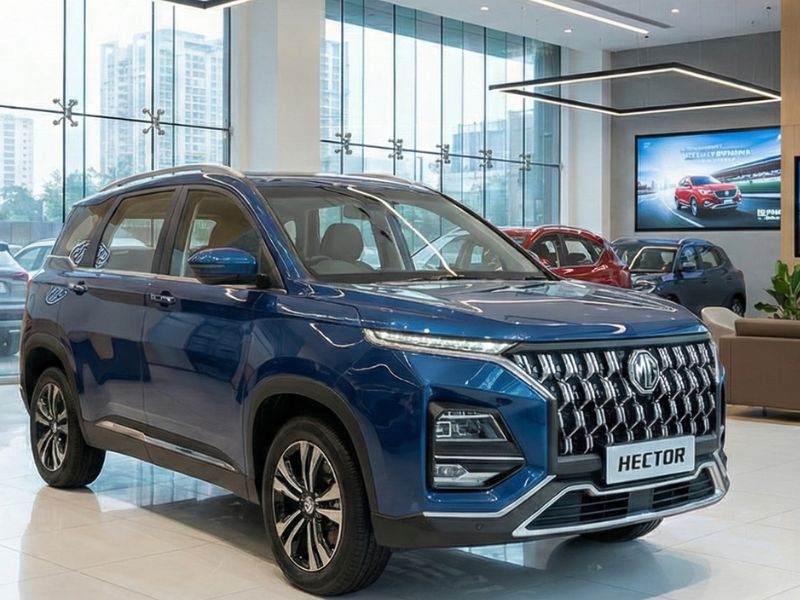
The new MG Hector commands attention in India’s midsize SUV arena with its aggressive styling, tech-packed interior, and robust safety tech. The 2025 facelift elevates it further, blending bold presence with everyday practicality through efficient petrol and diesel powertrains. This update introduces gesture-based controls, a gigantic portrait display, and advanced driver aids that position it as a value-driven alternative to segment leaders.

Key Highlights

  • India’s largest 35.56 cm (14-inch) HD portrait infotainment with i-Swipe gesture controls for AC, volume, and more.
  • ADAS Level 2 suite including adaptive cruise control, lane departure warning, and automatic emergency braking.
  • Dual-pane panoramic sunroof, ventilated front seats, and premium Infinity audio system across top trims.
  • 1.5L turbo petrol (143 PS) and 2.0L diesel (170 PS) engines with manual or CVT options.
  • 360-degree HD camera with wheel view, six airbags, and steel body construction for safety.
  • Starting ex-showroom price at ₹11.99 lakh, available now with bookings open nationwide.

Exterior Design & Styling

The Hector’s front fascia screams premium with an Aura-Hex diamond-pattern grille flanked by slim LED projectors and floating turn indicators that light up dynamically. Higher trims roll on R18 dual-tone alloys with 215/55 R18 tyres, giving it a muscular stance ideal for city highways. The rear boasts connected LED blade taillamps and a powered tailgate for hassle-free loading, enhancing urban usability.

At 4,699 mm long, 1,835 mm wide, and 1,760 mm tall—with a 2,750 mm wheelbase—it dwarfs compact rivals in road presence. Seven colour choices, including Dune Brown, Glaze Red, Starry Black, and dual-tones like White & Black, let buyers personalise their ride.

Interior, Comfort & Features

Inside, dual-tone themes like oak white-black or all-black greet with leather upholstery, ventilated fronts, and brushed metal trim. The 14-inch vertical screen steals the show, handling wireless Android Auto/Apple CarPlay, navigation, and 100+ voice commands for sunroof or climate tweaks. Eight-color ambient lighting and i-Swipe gestures—swipe to adjust settings—add a futuristic touch without cluttering the dash.

Rear space impresses with AC vents, USB ports, and 60:40 split-folding seats; boot holds 587 litres, perfect for weekend getaways. Wireless charging, PM2.5 filter, and powered seats ensure long-drive comfort for five (or optional six/seven-seaters).

Engine, Performance & Power Figures

Choose between a punchy 1.5-litre turbo petrol (143 PS at 5,200 rpm, 250 Nm from 1,600-3,600 rpm) or torquey 2.0-litre diesel (170 PS at 3,750 rpm, 350 Nm from 1,750-2,500 rpm). Petrol links to six-speed manual or smooth CVT; diesel stays manual-focused. Expect 0-100 kmph in 11 seconds (petrol) or 12 (diesel), with top speeds near 195 kmph—plenty for spirited overtakes.

CVT drive modes adapt throttle for city crawls or open-road pulls, while diesel’s low-end grunt shines on inclines.

Read More : The Mahindra Marazzo: The Spacious Family MPV That Redefines Road Trips in India

Mileage / Range / Charging

ARAI claims 13.79 kmpl for petrol manual, 12.34 kmpl CVT, and 15.58 kmpl diesel manual. Real-world figures settle at 10-12 kmpl petrol in mixed use, 13-15 kmpl diesel on highways—respectable for its size and kit. The 60-litre tank delivers 700+ km range on diesel, ideal for cross-country hauls.

Ride Quality, Handling & Suspension

McPherson struts front and coil-sprung beam rear strike a family-friendly balance: plush over potholes yet stable at speed. The wheelbase aids straight-line composure, with ESP and traction control biting down in corners or wet conditions. It’s no track star, but excels in composed cruising and rear-seat isolation.

Braking Setup & Tyres

All four disc brakes with ABS, EBD, and assist stop reliably, backed by tyre pressure monitors on pro variants. Base gets 215/60 R17 tyres (436 mm), upgrades to 215/55 R18 (462 mm)—grippy in dry, cautious in rain. CVT’s electric parking brake simplifies stop-and-go traffic.

Safety Features & Technology

ADAS Level 2 headlines with 11 aids: adaptive cruise, traffic jam assist, collision warnings, auto braking, lane keep, and smart headlights. Core kit spans six airbags (front, side, curtain), 360-degree HD camera, steel skeleton, ISOFIX, and hill hold—comprehensive for worry-free drives.

Specification Table

CategoryDetails
Engine/Battery1.5L Turbo Petrol (143 PS/250 Nm); 2.0L Turbo Diesel (170 PS/350 Nm)
Power & TorquePetrol: 143 PS @5,200 rpm, 250 Nm @1,600-3,600 rpm; Diesel: 170 PS @3,750 rpm, 350 Nm @1,750-2,500 rpm
Mileage/RangePetrol MT: 13.79 kmpl, CVT: 12.34 kmpl; Diesel MT: 15.58 kmpl (ARAI)
Dimensions4,699 x 1,835 x 1,760 mm; Wheelbase: 2,750 mm; Fuel Tank: 60L; Boot: 587L
Tyres & Brakes215/55 R18; All-disc with ABS+EBD
Safety Features6 Airbags, ADAS L2 (11 features), 360° Camera, ESP, Hill Hold
Features List14″ Infotainment, Panoramic Sunroof, Ventilated Seats, Infinity Audio, Digital Key
Warranty5 years/unlimited km (private); 5 free services, RSA

Variants, Trims & Colour Options

Ten trims from Style (₹14 lakh ex-showroom) to Blackstorm (₹19.99 lakh): Shine Pro adds sunroof/cruise; Select Pro panoramic roof/digital cluster; Sharp Pro ADAS/ventilated seats; Blackstorm all-black aesthetics with sporty wheels. Colors: Dune Brown, Glaze Red, Aurora Silver, Starry Black, Candy White, Havana Grey, dual-tones.

Price (Ex-showroom + On-road)

VariantHector price (in Rs, lakh)Hector Plus price (in Rs, lakh)*
Style MT11.99NA
Select Pro MT13.99NA
Smart Pro MT14.99NA
Smart Pro CVT16.29NA
Sharp Pro MT16.7917.29
Sharp Pro CVT18.0918.59
Savvy Pro CVT18.9919.49

Read More: 2026 Ford Puma: A Fresh Look at the Compact Crossover

Expected Launch Date / Booking / Availability

The facelifted model was launched in early 2025 and is now fully available. Book online or at dealerships, test drives ready in major cities, including Kolkata.

Real-World User Expectations

Buyers love the screen and ADAS for easing commutes, but flag infotainment lags and stiff low-speed ride. Diesel wins for torque, petrol for smoothness; service access improves, though resale trails Japanese peers.

Competitor Comparison Table

Feature/ModelMG HectorHyundai CretaTata HarrierJeep Compass
Price (Base Ex)₹11.99L₹11L₹14L₹18L
Engine/Power1.5P/143PS, 2.0D/170PS1.5P/115PS2.0D/168PS2.0D/170PS
Mileage (ARAI)12-15 kmpl17-21 kmpl16.8 kmpl14-17 kmpl
Infotainment14″ Portrait10.25″10.25″10.1″
Safety (ADAS)Level 2Level 2 (select)Level 2Basic ADAS
Boot Space587L433L445L (min)438L

Hector leads features/space; Creta efficiency; Harrier/Compass handling.

Pros & Cons

Pros:

  • Loaded tech like gestures and a massive screen.
  • Comprehensive ADAS/safety at keen prices.
  • Vast cabin for families.
  • Diesel punch for roads.

Cons:

  • No diesel auto; city ride firm.
  • Mileage below claims.
  • Service pricier (~₹20-35k/5yrs).
  • Resale ~74% after 3yrs.

Who Should Buy?

Tech-savvy families target Sharp/Select Pro CVT (₹17-19L) for traffic aids. Diesel manuals like Smart Pro suit torque needs. Avoid if mileage (Creta) or off-road (Compass) tops list. Under ₹20L, Shine Pro offers best value—drive it first.

The new MG Hector packs premium punch with unmatched screens and aids, ideal for feature hunters. It trades ultimate efficiency for space/tech—grab it if daily drives demand wow factor over whisper-quiet frugality.

FAQs

What is the price of the new MG Hector?

Starts ₹11.99 lakh ex-showroom (Style) to ₹22 lakh (Blackstorm). Kolkata on-road: ₹13.9-25 lakh; check dealers for ₹4 lakh deals.

What is the mileage of MG Hector petrol and diesel?

ARAI: Petrol MT 13.79 kmpl, CVT 12.34; Diesel 15.58 kmpl. Real: 10-12 petrol mixed, 13-15 diesel highway.

What is the top speed of MG Hector?

195 kmph limited; 0-100 kmph in 11s (petrol), 12s (diesel)—solid for surges.

What are the engine details of MG Hector?

1.5L turbo petrol (143 PS/250 Nm, MT/CVT); 2.0L diesel (170 PS/350 Nm, MT). Responsive across revs.

What are the top features of the new MG Hector?

14″ gesture screen, ADAS L2, panoramic sunroof, 360 camera, ventilated seats, Infinity sound, digital keys.

What is the maintenance cost of MG Hector?

₹20k petrol, ₹35k diesel over 5yrs. First five services free; later ₹2-4k each, with roadside aid.

How reliable is the MG Hector?

Improved post-facelift; engines hold up, service network grows. Minor glitches reported early on.

What safety features does the MG Hector offer?

6 airbags, full ADAS L2, 360 HD view, ESP, disc brakes—segment-topping protection.

What is the resale value of the MG Hector?

74% after 3 years claimed; market 60-70% for low-mileage units. Features help retention.

How does the MG Hector compare to competitors?

Outshines Creta on space/tech, undercuts Harrier pricing; lags Compass dynamics. Feature king under ₹20L

Should I buy the new MG Hector?

Yes for loaded family haulier (diesel Sharp Pro). Test vs Creta for ride/mileage fit.

What is the warranty period for the MG Hector?

5yrs/unlimited km private; 5 free services, 3yr infotainment, full RSA—generous coverage

Honda CB350: The Classic Cruiser That Sparks Modern Adventures

Honda CB 350: Picture this: you’re rolling down an open road, wind in your face, on a bike that feels timeless yet packed with today’s tech – enter the Honda CB350. This retro cruiser nails that perfect mix of classic charm and reliable performance, inviting you to blaze your own trail whether in city traffic or on highways. Bold design and smooth vibes make the Honda CB350 a standout choice for riders craving style without compromise.

Why Choose the Honda CB 350?

The Honda CB350 shines in the retro-classic cruiser segment, blending old-school aesthetics with modern reliability. Unlike sporty commuters or rugged adventure bikes, it offers upright ergonomics for relaxed cruising, ideal for solo spins or light touring. Variants like H’ness and RS let you pick your flavor – majestic chrome or sporty flair.

Honda CB 350 Specifications Table

Get the full lowdown on what powers this beauty:

SpecificationDetails
Engine348.36 cc, single-cylinder, air-cooled
Power21.07 PS @ 5500 rpm
Torque29.4 Nm @ 3000 rpm
Transmission5-speed with slipper clutch
Mileage35-42 kmpl (claimed/real-world)
Fuel Tank15.2 liters
Kerb Weight181 kg
Seat Height800 mm
BrakesDisc front/rear (dual channel ABS)

Honda CB 350 Engine Performance

Fire up the 348cc single-cylinder thumper, and you’ll feel effortless low-end grunt peaking at 29.4 Nm – perfect for city pulls or highway overtakes without drama. The assist & slipper clutch makes shifting buttery smooth, while refined vibes keep things civilized. It’s not a rocket, but that torquey delivery hooks you from the first twist.

Engine Standouts

  • Honda Selectable Torque Control (HSTC) for slip-free traction
  • Emergency stop signal alerts others to hard braking
  • OBD2B-compliant for future-proof emissions

Honda CB 350 Mileage and Efficiency

Thrifty by cruiser standards, the Honda CB350 delivers 35-42 kmpl in real-world tests, stretching that 15.2L tank to 500+ km ranges. Highway cruises at 80 kmph hit highs of 44 kmpl, making it wallet-friendly for daily duties or weekend getaways. Skip aggressive twists to maximize those figures.

Read More : Motomorini 350 Sport 2026 : The Upcoming Road Dominator’s Engine, Design, Mileage , Price

Honda CB 350 Features and Tech

This isn’t your grandpa’s cruiser – the Honda CB350 packs a semi-digital console, all-LED lights, and Bluetooth for phone smarts. HSTC offers two traction modes, while customization options let you personalize with tanks, seats, or accents. Dual-channel ABS ensures confident stops every time.

Comfort, Handling, and Build Quality

Slide into the low 800mm seat, and the upright posture feels natural for hours, with plush cushioning that soaks up bumps. Handling stays light and flickable in traffic, stable on open roads thanks to a steel trellis frame. Honda’s legendary build shines through in rust-proof finishes and durable components – it’s made to last.

Honda CB350 Price in India

Starting at around ₹1.97 lakh for the base up to ₹2.19 lakh for top-spec RS (ex-showroom), the Honda CB350 offers premium value via BigWing dealerships. New 2025 colours keep it fresh without price hikes, making it accessible for enthusiasts on a budget.

Read More : MV Agusta Rush: The Hypernaked Beast Redefining Performance: Specs, Price, & Features

Honda CB 350 Pros and Cons

Pros

  • Smooth, torquey engine with modern aids like HSTC
  • Excellent mileage and low running costs
  • Customizable retro looks with solid build

Cons

  • Vibrations creep in above 100 kmph
  • Limited power for highway blasting
  • Service network is still growing vs rivals

Honda CB 350 vs Competitors

In the 350cc retro ring, the Honda CB350 holds its own. Check this matchup:

BikePower (PS)Mileage (kmpl)Price (₹ lakh)Key Edge
Honda CB3502135-421.97-2.19Tech like HSTC, refinement
Royal Enfield Classic 35020.235-401.93-2.25Thumpy character, service
Royal Enfield Hunter 35020.2351.50-1.82Lighter, cheaper entry
TVS Ronin20.440+1.26-1.73Agile handling, features

Honda edges on smoothness and safety tech.

Who Should Buy the Honda CB350?

New riders stepping up from 150-200cc bikes, daily commuters wanting style, or weekend explorers seeking reliability will adore the Honda CB350. It’s spot-on for those prioritising ease, efficiency, and that bold cruiser vibe over raw thrills.

The Honda CB350 proves you don’t need big bucks for big smiles – it’s a refined retro rocket ready for India’s roads. With its blend of heritage looks, smart features, and unbeatable ownership ease, grab one and let the journey unfold. Your bold ride awaits!

FAQs

What’s the engine size of the Honda CB350?

A punchy 348.36 cc single-cylinder delivers smooth torque from low revs, ideal for city and highway.

How’s the mileage on the Honda CB350?

Expect 35-42 kmpl in real-world conditions, with highway peaks over 44 kmpl – ideal for long-range cruising.

Does the Honda CB350 have ABS?

Yes, dual-channel ABS pairs with disc brakes front and rear for safe, confident stopping.

What safety features does the Honda CB350 offer?

HSTC traction control, emergency stop signal, and slipper clutch keep you planted and protected.

Is the Honda CB350 good for beginners?

Absolutely – light handling, low seat, and forgiving power make it welcoming for new riders.

What’s the price of the Honda CB350 in India?

Starts at ₹1.97 lakh ex-showroom, with top variants priced around ₹2.19 lakh – a value-packed offering.

How comfortable is the Honda CB350 for long rides?

Upright ergonomics and plush seat handle hours effortlessly, vibrations minimal under 100 kmph.

Can I customise my Honda CB350?

Tons of options for tanks, seats, and accents to match your style – make it uniquely yours.

How does the Honda CB350 compare to the Royal Enfield 350?

Smoother refinement and better tech, though RE wins on thump and service reach.

What’s the top speed of the Honda CB350?

Comfortably hits 120-130 kmph, with stable highway manners for over

Motomorini 350 Sport 2026 : The Upcoming Road Dominator’s Engine, Design, Mileage , Price

Motomorini 350 Sport: Imagine twisting through mountain passes on a bike that hums with authentic Italian engineering, lightweight enough to flick effortlessly yet punchy where it counts. The Moto Morini 350 Sport channels the brand’s golden era into a contemporary package, targeting riders who crave character over checklists. This 350cc V-twin promises to stand out in a sea of singles.

Key Highlights

  • Compact V2 engine churning 32.6 HP and 31 Nm for lively acceleration.
  • Sub-165 kg dry weight enabling razor-sharp cornering.
  • Upside-down forks and adjustable rear shock for balanced dynamics.
  • Dual-channel ABS ensuring secure stops in all conditions.
  • Euro 5+ compliant with a practical 15-litre fuel tank.

Design & Styling

The 350 Sport cuts a purposeful silhouette at 2090 mm long, 800 mm wide, and 1150 mm tall, with a 1420 mm wheelbase that strikes a nimble chord. Its single-beam steel trellis frame gleams under minimal fairing, accented by an aluminum swingarm that screams racing pedigree. Alloy wheels, 17 inches front and rear, wrap in sporty rubber, while the low 780 mm seat height invites riders of varied statures.

Ground clearance of 160 mm handles light off-road jaunts without drama, and the exposed V-twin engine fins add mechanical theater. Signature red paint pops against matte blacks, evoking Morini’s 1970s icons but refined for today’s roads. Details like the angular tank and compact tail section prioritize airflow and aesthetics equally.

Slide aboard, and the upright sport ergonomics welcome you with a broad handlebar and neutral footpegs, perfect for extended sessions without fatigue. The padded solo seat molds comfortably, with rear pegs foldable for pure riding focus. Vibration isolation through rubber-mounted pegs and bars keeps the buzz tolerable at high revs.

Digital LCD instrumentation covers speed, revs, gear position, fuel, and trip data crisply. Switchgear feels premium, with easy thumb access to the lights and the starter. No touchscreen distractions here—it’s all about immersion. Pillion space exists but favors occasional use, with grab rails for security.

Engine, Performance & Power Figures

At its heart beats a 350.3 cc liquid-cooled 60-degree V2, DOHC with eight valves and a high 12.8:1 compression ratio. It unleashes 24 kW (32.6 HP) at 8500 rpm and 31 Nm at 6500 rpm, delivering a broad torque spread ideal for real-world surges. Bore and stroke measure 58 x 66.3 mm, favoring mid-range grunt over peaky top-end.

Throttle response sharpens post-3000 rpm, propelling you to a 150 km/h top end with authority. Six-speed gearbox shifts slickly, aided by a slipper clutch to smooth downshifts. Liquid cooling maintains poise during track stints, while the characterful V-twin rumble elevates every ride.

Mileage / Range / Charging

Realistic mixed-use figures hover at 25-28 kmpl, stretching the 15-liter tank to 375-420 km between stops. Steady 90-100 km/h highway runs push toward 30 kmpl, while aggressive city sprints drop to 22 kmpl. Efficient fuel mapping and lightweight build contribute to this thriftiness.

Reserve light kicks in timely, and no electronic aids drain extra juice. Compare to thirstier adventure bikes, and the 350 Sport shines for touring viability without constant pit stops.

Ride Quality, Handling & Suspension

A 43 mm upside-down front fork offers 120 mm travel for precise feedback, paired with a rear cantilever monoshock adjustable for preload—solo firmness or loaded compliance at your fingertips. This duo soaks urban ruts while firming up for sweepers, with progressive damping that builds confidence.

Low center of gravity from the V-twin placement makes it disarmingly flickable, devouring hairpins with neutral steering. 1420 mm wheelbase ensures planted high-speed stability, though tall riders might note minor tank knees on full locks.

Braking Setup & Tyres

Up front, a 300 mm disc gripped by a four-piston radial caliper bites hard, modulated by a 255 mm rear disc and twin-piston unit. Dual-channel ABS intervenes smoothly, shortening distances without fuss from triple digits.

Pirelli or similar 110/70-17 front and 150/60-17 rear tires deliver tenacious grip, tubeless for puncture ease. Wet traction holds firm, but pros advise measured inputs in downpours.

Read More : MV Agusta Rush: The Hypernaked Beast Redefining Performance: Specs, Price, & Features

Safety Features & Technology

Dual-channel ABS anchors the safety suite, preventing wheel lock on panic stops. Sturdy steel frame and quality fasteners enhance crash resilience. LED headlight and taillight boost night visibility, with clear signals.

No traction control or riding modes yet, but engine braking and predictable power aid novice control. Low weight reduces low-speed drops.

Variants, Trims & Colour Options

Launch likely as a single well-specced trim, spotlighting red as the hero shade. Future graphics packs or matte blacks could expand choices. Bespoke exhausts might follow for personalization.

Price (Ex-showroom + On-road, major cities)

Targeting premium 350cc turf, expect ex-showroom around Rs 3.8-4.2 lakh. On-road in Delhi hits Rs 4.4-4.9 lakh with taxes and insurance; Mumbai similar at Rs 4.5-5 lakh; Bangalore Rs 4.6-5.1 lakh. Premium positioning reflects Italian badge and V2 exclusivity.

Expected Launch Date / Booking / Availability

Global rollout flagged as imminent, with India potentially mid-2026 via existing dealers. Bookings could open early 2026; monitor official channels for test rides. Limited initial stock anticipated.

Real-World User Expectations

Riders foresee addictive V-twin pulse trumping bland singles, with agile handling winning daily battles. Service gaps concern some, but modern reliability should match Japanese peers. Resale hinges on network growth.

Read More: The Lifan V 16 2025: A Complete Look at the Cruiser

Competitor Comparison Table

AspectMoto Morini 350 SportRoyal Enfield Meteor 350Honda H’ness CB350Zontes GK 350
Engine Type350cc V2349cc Single348cc Single348cc Single
Power (HP)32.620.120.838.5
Torque (Nm)31273032.5
Weight (kg, kerb)175 (est.)191181193
Price (Ex-showroom)Rs 3.8-4.2LRs 2.1-2.3LRs 2.1-2.2LRs 3.3L
SuspensionUSD Fork/MonoTelescopic/MonoTelescopic/MonoUSD/Mono

Pros & Cons

Pros:

  • Distinctive V2 soundtrack and shove.
  • Featherweight agility outperforms class norms.
  • Timeless Italian aesthetics.

Cons:

  • Sparse electronics suite.
  • Nascent service footprint in India.
  • Premium pricing demands justification.

Who Should Buy?

Upgrade seekers from 300cc commuters eyeing soulful performance choose this. Weekend canyon carvers prioritize its V-twin snap over retro cruisers. Skip if chasing bargains or vast dealer nets—ideal for discerning riders valuing heritage.

The Moto Morini 350 Sport injects passion into the mid-capacity fray, rewarding with mechanical purity and poise. If V2 allure tempts, position yourself for launch; it could redefine affordable exotica.

Specification Table

CategorySpecifications
Engine350.3cc V2, 60°, liquid-cooled, DOHC 8V
Power & Torque32.6 HP @ 8500 rpm, 31 Nm @ 6500 rpm
Mileage/Range25-28 kmpl, 375-420 km (15L tank)
Dimensions2090 x 800 x 1150 mm, 1420 mm WB, 780 mm seat
Tyres & Brakes110/70-17 Fr, 150/60-17 Rr; 300/255 mm discs w/ ABS
Safety FeaturesDual-channel ABS, LED lights
Features ListDigital console, adjustable mono-shock, slipper clutch
Warranty2 years/unlimited km (standard est.)

FAQs

What is the price of the Moto Morini 350 Sport?

Ex-showroom pegged at Rs 3.8-4.2 lakh; on-road Delhi Rs 4.4-4.9 lakh, Mumbai Rs 4.5-5 lakh, factoring RTO, insurance. Varies by city taxes.

What mileage does the Moto Morini 350 Sport offer?

25-28 kmpl in city-highway mix, up to 30 kmpl steady cruising. 15L tank nets 375-420 km range, solid for its power.

What is the top speed of Moto Morini 350 Sport?

Hits 150 km/h flat out; comfortable at 120-130 km/h for overtakes and tours without strain.

What are the engine details of Moto Morini 350 Sport?

350.3 cc 60° V2, liquid-cooled, DOHC 8-valve, 12.8:1 CR, 58×66.3 mm bore/stroke. Delivers smooth, torquey pull.

What key features does the Moto Morini 350 Sport have?

USD forks, adjustable mono-shock, dual ABS, digital dash, slipper clutch, LED lights. Pure riding focus minus gimmicks.

What is the maintenance cost for the Moto Morini 350 Sport?

What is the maintenance cost for the Moto Morini 350 Sport?
Rs 3,500-6,000 per service interval (every 10,000 km); V2 simplicity keeps it reasonable, though parts carry a premium.

How reliable is Moto Morini 350 Sport?

Modern Euro 5+ construction promises durability akin to established Italians; long-term data emerging post-launch.

What safety features are on Moto Morini 350 Sport?

Dual-channel ABS, robust braking, low CG for stability. Frame integrity bolsters crash protection.


What resale value can Moto Morini 350 Sport expect?

70-85% retention after 3 years for low-mileage units, buoyed by rarity and enthusiast appeal.

How does Moto Morini 350 Sport stack against competitors?

Outpowers RE/Honda 350s with V2 edge, lighter than Zontes; table shows power-to-weight win, though pricier.

What buying advice for Moto Morini 350 Sport?

Test ride post-launch; prioritize if V-twin vibe calls. Budget for service travel if rural; finance eases entry.