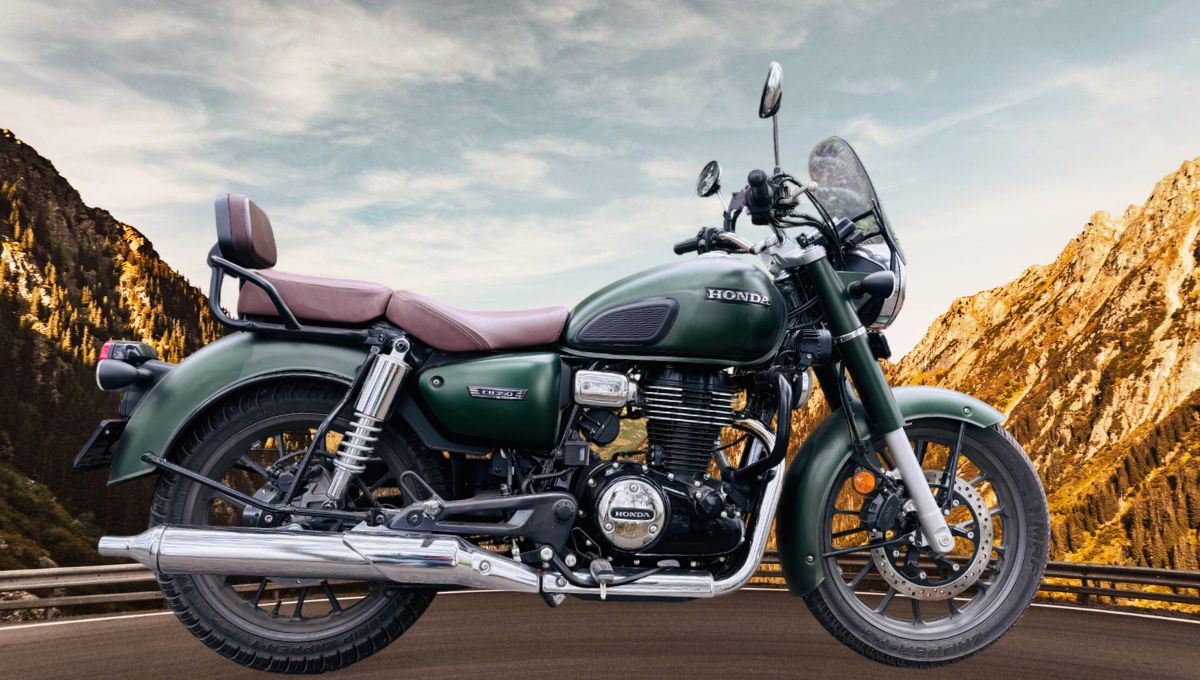
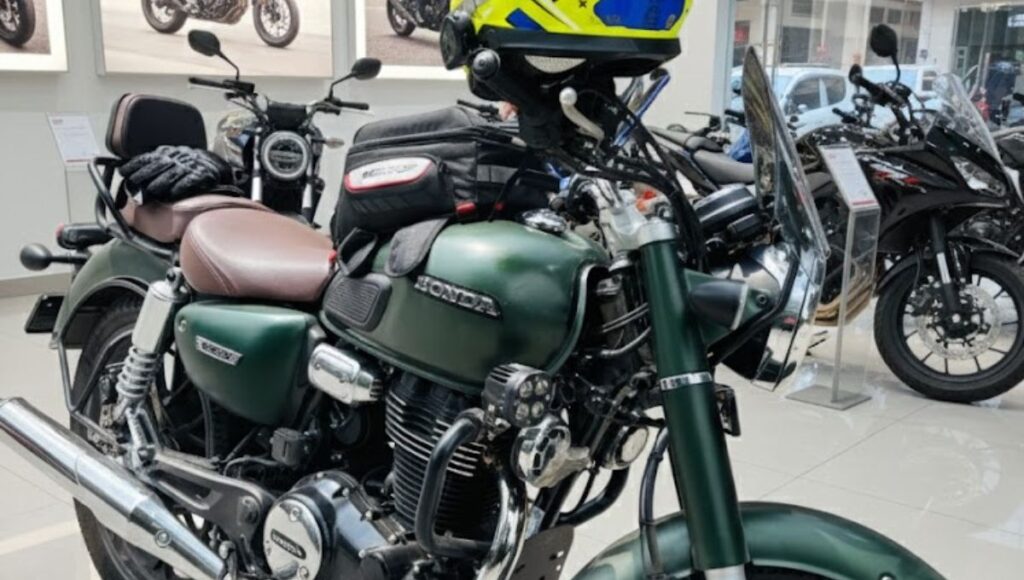
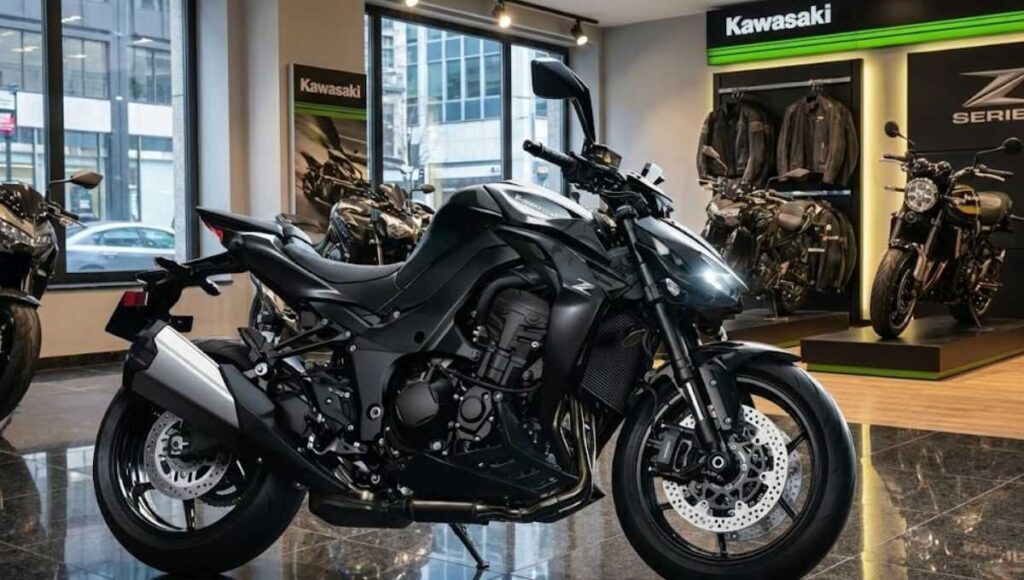
Honda CB 350: Picture this: you’re rolling down an open road, wind in your face, on a bike that feels timeless yet packed with today’s tech – enter the Honda CB350. This retro cruiser nails that perfect mix of classic charm and reliable performance, inviting you to blaze your own trail whether in city traffic or on highways. Bold design and smooth vibes make the Honda CB350 a standout choice for riders craving style without compromise.
Why Choose the Honda CB 350?
The Honda CB350 shines in the retro-classic cruiser segment, blending old-school aesthetics with modern reliability. Unlike sporty commuters or rugged adventure bikes, it offers upright ergonomics for relaxed cruising, ideal for solo spins or light touring. Variants like H’ness and RS let you pick your flavor – majestic chrome or sporty flair.
Honda CB 350 Specifications Table
Get the full lowdown on what powers this beauty:
Specification
Details
Engine
348.36 cc, single-cylinder, air-cooled
Power
21.07 PS @ 5500 rpm
Torque
29.4 Nm @ 3000 rpm
Transmission
5-speed with slipper clutch
Mileage
35-42 kmpl (claimed/real-world)
Fuel Tank
15.2 liters
Kerb Weight
181 kg
Seat Height
800 mm
Brakes
Disc front/rear (dual channel ABS)
Honda CB 350 Engine Performance
Fire up the 348cc single-cylinder thumper, and you’ll feel effortless low-end grunt peaking at 29.4 Nm – perfect for city pulls or highway overtakes without drama. The assist & slipper clutch makes shifting buttery smooth, while refined vibes keep things civilized. It’s not a rocket, but that torquey delivery hooks you from the first twist.
Engine Standouts
Honda Selectable Torque Control (HSTC) for slip-free traction
Emergency stop signal alerts others to hard braking
OBD2B-compliant for future-proof emissions
Honda CB 350 Mileage and Efficiency
Thrifty by cruiser standards, the Honda CB350 delivers 35-42 kmpl in real-world tests, stretching that 15.2L tank to 500+ km ranges. Highway cruises at 80 kmph hit highs of 44 kmpl, making it wallet-friendly for daily duties or weekend getaways. Skip aggressive twists to maximize those figures.
This isn’t your grandpa’s cruiser – the Honda CB350 packs a semi-digital console, all-LED lights, and Bluetooth for phone smarts. HSTC offers two traction modes, while customization options let you personalize with tanks, seats, or accents. Dual-channel ABS ensures confident stops every time.
Comfort, Handling, and Build Quality
Slide into the low 800mm seat, and the upright posture feels natural for hours, with plush cushioning that soaks up bumps. Handling stays light and flickable in traffic, stable on open roads thanks to a steel trellis frame. Honda’s legendary build shines through in rust-proof finishes and durable components – it’s made to last.
Honda CB350 Price in India
Starting at around ₹1.97 lakh for the base up to ₹2.19 lakh for top-spec RS (ex-showroom), the Honda CB350 offers premium value via BigWing dealerships. New 2025 colours keep it fresh without price hikes, making it accessible for enthusiasts on a budget.
In the 350cc retro ring, the Honda CB350 holds its own. Check this matchup:
Bike
Power (PS)
Mileage (kmpl)
Price (₹ lakh)
Key Edge
Honda CB350
21
35-42
1.97-2.19
Tech like HSTC, refinement
Royal Enfield Classic 350
20.2
35-40
1.93-2.25
Thumpy character, service
Royal Enfield Hunter 350
20.2
35
1.50-1.82
Lighter, cheaper entry
TVS Ronin
20.4
40+
1.26-1.73
Agile handling, features
Honda edges on smoothness and safety tech.
Who Should Buy the Honda CB350?
New riders stepping up from 150-200cc bikes, daily commuters wanting style, or weekend explorers seeking reliability will adore the Honda CB350. It’s spot-on for those prioritising ease, efficiency, and that bold cruiser vibe over raw thrills.
The Honda CB350 proves you don’t need big bucks for big smiles – it’s a refined retro rocket ready for India’s roads. With its blend of heritage looks, smart features, and unbeatable ownership ease, grab one and let the journey unfold. Your bold ride awaits!
FAQs
What’s the engine size of the Honda CB350?
A punchy 348.36 cc single-cylinder delivers smooth torque from low revs, ideal for city and highway.
How’s the mileage on the Honda CB350?
Expect 35-42 kmpl in real-world conditions, with highway peaks over 44 kmpl – ideal for long-range cruising.
Does the Honda CB350 have ABS?
Yes, dual-channel ABS pairs with disc brakes front and rear for safe, confident stopping.
What safety features does the Honda CB350 offer?
HSTC traction control, emergency stop signal, and slipper clutch keep you planted and protected.
Is the Honda CB350 good for beginners?
Absolutely – light handling, low seat, and forgiving power make it welcoming for new riders.
What’s the price of the Honda CB350 in India?
Starts at ₹1.97 lakh ex-showroom, with top variants priced around ₹2.19 lakh – a value-packed offering.
How comfortable is the Honda CB350 for long rides?
Upright ergonomics and plush seat handle hours effortlessly, vibrations minimal under 100 kmph.
Can I customise my Honda CB350?
Tons of options for tanks, seats, and accents to match your style – make it uniquely yours.
How does the Honda CB350 compare to the Royal Enfield 350?
Smoother refinement and better tech, though RE wins on thump and service reach.
What’s the top speed of the Honda CB350?
Comfortably hits 120-130 kmph, with stable highway manners for over
Motomorini 350 Sport: Imagine twisting through mountain passes on a bike that hums with authentic Italian engineering, lightweight enough to flick effortlessly yet punchy where it counts. The Moto Morini 350 Sport channels the brand’s golden era into a contemporary package, targeting riders who crave character over checklists. This 350cc V-twin promises to stand out in a sea of singles.
Key Highlights
Compact V2 engine churning 32.6 HP and 31 Nm for lively acceleration.
Sub-165 kg dry weight enabling razor-sharp cornering.
Upside-down forks and adjustable rear shock for balanced dynamics.
Dual-channel ABS ensuring secure stops in all conditions.
Euro 5+ compliant with a practical 15-litre fuel tank.
Design & Styling
The 350 Sport cuts a purposeful silhouette at 2090 mm long, 800 mm wide, and 1150 mm tall, with a 1420 mm wheelbase that strikes a nimble chord. Its single-beam steel trellis frame gleams under minimal fairing, accented by an aluminum swingarm that screams racing pedigree. Alloy wheels, 17 inches front and rear, wrap in sporty rubber, while the low 780 mm seat height invites riders of varied statures.
Ground clearance of 160 mm handles light off-road jaunts without drama, and the exposed V-twin engine fins add mechanical theater. Signature red paint pops against matte blacks, evoking Morini’s 1970s icons but refined for today’s roads. Details like the angular tank and compact tail section prioritize airflow and aesthetics equally.
Slide aboard, and the upright sport ergonomics welcome you with a broad handlebar and neutral footpegs, perfect for extended sessions without fatigue. The padded solo seat molds comfortably, with rear pegs foldable for pure riding focus. Vibration isolation through rubber-mounted pegs and bars keeps the buzz tolerable at high revs.
Digital LCD instrumentation covers speed, revs, gear position, fuel, and trip data crisply. Switchgear feels premium, with easy thumb access to the lights and the starter. No touchscreen distractions here—it’s all about immersion. Pillion space exists but favors occasional use, with grab rails for security.
Engine, Performance & Power Figures
At its heart beats a 350.3 cc liquid-cooled 60-degree V2, DOHC with eight valves and a high 12.8:1 compression ratio. It unleashes 24 kW (32.6 HP) at 8500 rpm and 31 Nm at 6500 rpm, delivering a broad torque spread ideal for real-world surges. Bore and stroke measure 58 x 66.3 mm, favoring mid-range grunt over peaky top-end.
Throttle response sharpens post-3000 rpm, propelling you to a 150 km/h top end with authority. Six-speed gearbox shifts slickly, aided by a slipper clutch to smooth downshifts. Liquid cooling maintains poise during track stints, while the characterful V-twin rumble elevates every ride.
Mileage / Range / Charging
Realistic mixed-use figures hover at 25-28 kmpl, stretching the 15-liter tank to 375-420 km between stops. Steady 90-100 km/h highway runs push toward 30 kmpl, while aggressive city sprints drop to 22 kmpl. Efficient fuel mapping and lightweight build contribute to this thriftiness.
Reserve light kicks in timely, and no electronic aids drain extra juice. Compare to thirstier adventure bikes, and the 350 Sport shines for touring viability without constant pit stops.
Ride Quality, Handling & Suspension
A 43 mm upside-down front fork offers 120 mm travel for precise feedback, paired with a rear cantilever monoshock adjustable for preload—solo firmness or loaded compliance at your fingertips. This duo soaks urban ruts while firming up for sweepers, with progressive damping that builds confidence.
Low center of gravity from the V-twin placement makes it disarmingly flickable, devouring hairpins with neutral steering. 1420 mm wheelbase ensures planted high-speed stability, though tall riders might note minor tank knees on full locks.
Braking Setup & Tyres
Up front, a 300 mm disc gripped by a four-piston radial caliper bites hard, modulated by a 255 mm rear disc and twin-piston unit. Dual-channel ABS intervenes smoothly, shortening distances without fuss from triple digits.
Pirelli or similar 110/70-17 front and 150/60-17 rear tires deliver tenacious grip, tubeless for puncture ease. Wet traction holds firm, but pros advise measured inputs in downpours.
Dual-channel ABS anchors the safety suite, preventing wheel lock on panic stops. Sturdy steel frame and quality fasteners enhance crash resilience. LED headlight and taillight boost night visibility, with clear signals.
No traction control or riding modes yet, but engine braking and predictable power aid novice control. Low weight reduces low-speed drops.
Variants, Trims & Colour Options
Launch likely as a single well-specced trim, spotlighting red as the hero shade. Future graphics packs or matte blacks could expand choices. Bespoke exhausts might follow for personalization.
Price (Ex-showroom + On-road, major cities)
Targeting premium 350cc turf, expect ex-showroom around Rs 3.8-4.2 lakh. On-road in Delhi hits Rs 4.4-4.9 lakh with taxes and insurance; Mumbai similar at Rs 4.5-5 lakh; Bangalore Rs 4.6-5.1 lakh. Premium positioning reflects Italian badge and V2 exclusivity.
Expected Launch Date / Booking / Availability
Global rollout flagged as imminent, with India potentially mid-2026 via existing dealers. Bookings could open early 2026; monitor official channels for test rides. Limited initial stock anticipated.
Real-World User Expectations
Riders foresee addictive V-twin pulse trumping bland singles, with agile handling winning daily battles. Service gaps concern some, but modern reliability should match Japanese peers. Resale hinges on network growth.
Upgrade seekers from 300cc commuters eyeing soulful performance choose this. Weekend canyon carvers prioritize its V-twin snap over retro cruisers. Skip if chasing bargains or vast dealer nets—ideal for discerning riders valuing heritage.
The Moto Morini 350 Sport injects passion into the mid-capacity fray, rewarding with mechanical purity and poise. If V2 allure tempts, position yourself for launch; it could redefine affordable exotica.
Specification Table
Category
Specifications
Engine
350.3cc V2, 60°, liquid-cooled, DOHC 8V
Power & Torque
32.6 HP @ 8500 rpm, 31 Nm @ 6500 rpm
Mileage/Range
25-28 kmpl, 375-420 km (15L tank)
Dimensions
2090 x 800 x 1150 mm, 1420 mm WB, 780 mm seat
Tyres & Brakes
110/70-17 Fr, 150/60-17 Rr; 300/255 mm discs w/ ABS
Safety Features
Dual-channel ABS, LED lights
Features List
Digital console, adjustable mono-shock, slipper clutch
Warranty
2 years/unlimited km (standard est.)
FAQs
What is the price of the Moto Morini 350 Sport?
Ex-showroom pegged at Rs 3.8-4.2 lakh; on-road Delhi Rs 4.4-4.9 lakh, Mumbai Rs 4.5-5 lakh, factoring RTO, insurance. Varies by city taxes.
What mileage does the Moto Morini 350 Sport offer?
25-28 kmpl in city-highway mix, up to 30 kmpl steady cruising. 15L tank nets 375-420 km range, solid for its power.
What is the top speed of Moto Morini 350 Sport?
Hits 150 km/h flat out; comfortable at 120-130 km/h for overtakes and tours without strain.
What are the engine details of Moto Morini 350 Sport?
350.3 cc 60° V2, liquid-cooled, DOHC 8-valve, 12.8:1 CR, 58×66.3 mm bore/stroke. Delivers smooth, torquey pull.
What key features does the Moto Morini 350 Sport have?
USD forks, adjustable mono-shock, dual ABS, digital dash, slipper clutch, LED lights. Pure riding focus minus gimmicks.
What is the maintenance cost for the Moto Morini 350 Sport?
What is the maintenance cost for the Moto Morini 350 Sport? Rs 3,500-6,000 per service interval (every 10,000 km); V2 simplicity keeps it reasonable, though parts carry a premium.
How reliable is Moto Morini 350 Sport?
Modern Euro 5+ construction promises durability akin to established Italians; long-term data emerging post-launch.
What safety features are on Moto Morini 350 Sport?
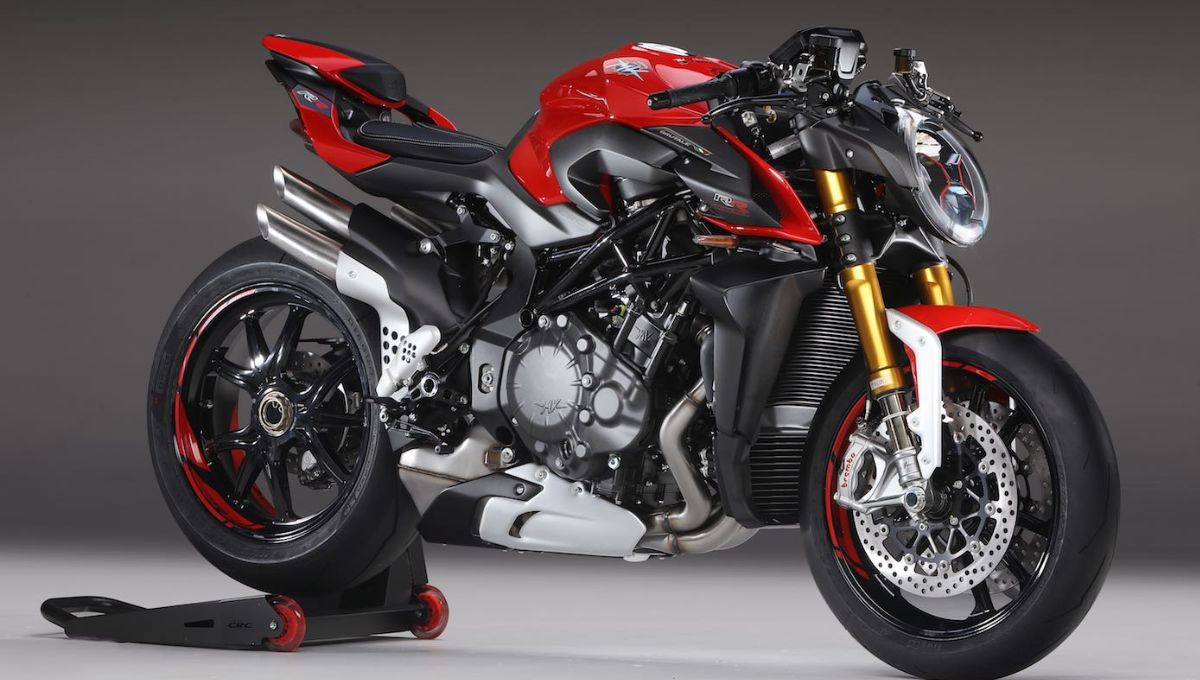
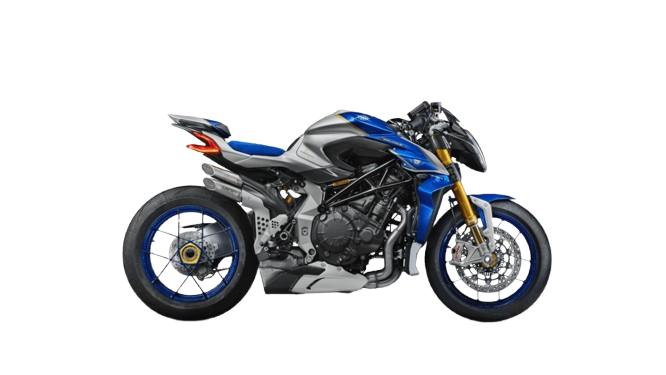
MV Agusta Brutale 1000 RR: If a superbike ripped off its fairings, hit the gym, and then went to an Italian fashion show, you’d end up with something like the MV Agusta Brutale 1000 RR. This is not just another litre‑class naked; it’s a hand‑built, 208 hp, Euro5+ compliant hyper‑naked that’s as much art as it is engineering. With race‑spec electronics, Öhlins semi‑active suspension and Brembo Stylema brakes, it’s a machine for riders who want fireworks every time they twist the throttle.
Types of Bikes: Where the Brutale 1000 RR Fits
In simple terms, the Brutale 1000 RR is a hyper‑naked – a superbike without fairings, tuned to deliver ridiculous performance with a slightly more upright stance.
It’s not a relaxed street naked like a Yamaha MT‑09.
It’s not a touring naked like a Tracer or Ninja 1000 SX.
It’s closer to Ducati Streetfighter V4 and BMW M 1000 R – savage power with top‑tier electronics and chassis.
This is a track-capable road weapon for very experienced riders, not a beginner’s first 1000cc motorcycle.
MV Agusta Brutale 1000 RR: Key Specifications
Item
Specification
Engine
998 cc inline‑4, DOHC, 16 radial titanium valves
Power
208 hp @ 13,000 rpm (201 hp Euro5+ version @ 13,500 rpm)
Torque
116–116.5 Nm @ 11,000 rpm
Compression
Approx. 13.4:1 (high compression track‑oriented)
Gearbox
6‑speed, bi‑directional quickshifter
Frame
Steel trellis with aluminium side plates
Dry Weight
186 kg
Kerb Weight
~203 kg
Top Speed
300+ km/h
Fuel Tank
16 litres
Seat Height
845 mm
Wheelbase
1415 mm
Front Suspension
Öhlins NIX EC 43 mm USD, Smart EC 3.0 electronic
Rear Suspension
Öhlins EC TTX, Smart EC 3.0 electronic
Front Brakes
2 x 320 mm discs, Brembo Stylema 4‑piston radial calipers
The Brutale’s 998 cc inline‑4 is basically a superbike heart tuned for naked aggression.
208 hp and 116 Nm mean superbike‑level performance in a naked chassis.
Titanium con‑rods, 16 radial titanium valves and DLC‑coated cams let it scream to 13,000+ rpm while staying reliable.
MV’s latest Euro5+ update makes the engine more responsive at low revs with less vibration, so it’s smoother in town than older brutal MVs.
Acceleration numbers are insane:
0–100 km/h in about 3.0–3.7 seconds.
Top speed over 300 km/h, making it one of the fastest naked bikes on sale.
Riding impressions from reviewers highlight flawless fueling, a crisp quickshifter and brutal yet controllable power delivery when the electronics are correctly set.
Mileage / Real‑World Fuel Economy
Nobody buys a Brutale 1000 RR for mileage, but it’s good to know what to expect:
Claimed/estimated combined consumption: around 6.8 L/100 km (≈14–15 km/l).
In spirited real‑world riding, you’re looking closer to 10–12 km/l, especially if you spend time in the upper revs.
With a 16‑litre tank, practical range is about 180–220 km before you start looking for fuel.
Ride it like it begs to be ridden, and you’ll visit petrol pumps often.
MV throws its full electronics toolbox at the Brutale 1000 RR.
Rider Aids
Multi‑mode ride‑by‑wire throttle with custom maps.
Traction control with multiple levels.
Wheelie control for keeping the front down under hard acceleration.
Launch control for track starts.
Cornering ABS (Continental MK100) with rear‑wheel lift mitigation.
Cruise control in newer iterations, plus pit limiter in some markets.
Display & Connectivity
Full‑colour TFT dashboard with multiple layouts.
Bluetooth connectivity for smartphone integration and navigation prompts.
Rider app support in many markets for custom maps and telemetry.
This is not old‑school analogue brutality; it’s digital, configurable brutality.
Comfort & Handling
Comfort is relative on a hyper‑naked. For what it is, the Brutale is surprisingly civilised at sane speeds.
Seat height at 845 mm means it’s tall; riders under 5’8″ may find it tiptoe‑tall.
Pegs are high and rear‑set, bars fairly low – sporty naked, not upright commuter.
Handling highlights:
The steel trellis + aluminium plate frame combo gives sharp, precise steering with enough flex for feel.
Dry weight of 186 kg (around 203 kg wet) plus wide bars makes direction changes quick but stable.
Pirelli Supercorsa SP tyres deliver superb grip on good tarmac but are more track‑oriented than touring‑friendly.
Test riders praise its cornering stability and feedback; the bike feels planted even at very high speeds thanks to aero winglets and the semi‑active Öhlins reacting to every input.
Suspension: Öhlins Smart EC 3.0
The Öhlins Smart EC 3.0 system is one of the stars of the package.
Fully electronic front and rear suspension with event‑based logic (braking, corner entry, apex, exit, acceleration).
It constantly reads data from the IMU, ABS and ECU to give optimal support for the exact phase of the corner, not just “hard/soft” click counts.
You can run it in automatic modes or fine‑tune settings for track days.
On bumpy roads, it can soften to keep tyres planted; on track, it tightens up to control pitch and squat.
Stopping power and grip are fully up to the “208 hp naked” job.
Front: twin 320 mm discs with Brembo Stylema 4‑piston radial calipers – top‑shelf superbike kit.
Rear: single disc with Brembo caliper and PS13 master cylinder.
Tyres: Pirelli Diablo Supercorsa SP front and rear, giving hypersport levels of grip for fast road and track use.
Reviewers note powerful yet progressive braking with good feel and no overly harsh initial bite when ABS is in road modes.
Build Quality & Design
This is where MV Agusta really flexes.
Hand‑built in Varese, Italy, with lots of carbon fibre touches and intricate machining.
Titanium rods, beautifully finished engine cases, aero winglets integrated into the headlight area.
Fit and finish are generally considered among the best in the hyper‑naked class; many call it “rolling art.”
However, being an exotic Italian, long‑term parts and service can be trickier and pricier than Japanese rivals, especially outside major European markets.
Price (Global & India Context)
Official prices vary by market:
Europe/UK: roughly from €32,000 and up for earlier models, with current versions in the same ballpark, making it one of the priciest naked bikes.
USA: around 35,000–38,000 USD depending on year and dealer.
India:
MV Agusta is currently not officially selling in India, and the Brutale 1000 RR hasn’t been launched here as a regular model.
Estimates suggest an ex‑showroom‑equivalent price around ₹27.5–28 lakh if it were officially imported, and potentially more via private importers.
So for Indian buyers, this is essentially a rare grey‑market or special‑order dream machine rather than a mainstream purchase.
Competitor Comparison
Brutale 1000 RR vs Key Hyper‑Nakeds
Bike
Power (hp)
Weight (dry)
Top Speed
Electronics Level
Approx Price (Europe)
MV Agusta Brutale 1000 RR
208
186 kg
300+ km/h
Full IMU, TC, WC, EC Öhlins
€32k+
Ducati Streetfighter V4 S
208
178 kg
~299 km/h
IMU, TC, WC, Öhlins EC
~€27–29k
BMW M 1000 R
210
199 kg (kerb)
280+ km/h
IMU, TC, DDC suspension
~€30k+
Aprilia Tuono V4 Factory
175
183 kg
~270+ km/h
IMU, TC, semi‑active Öhlins
~€23–25k
Kawasaki Z H2 SE
200
216 kg
270+ km/h
IMU, KECS, supercharged
~€22–24k
The Brutale sits near the top for power and exclusivity, and also near the very top for price.
Pros & Cons
Pros
Insane 208 hp engine with superbike‑grade components and sound.
Top‑tier Brembo Stylema brakes and Supercorsa SP tyres for serious grip and stopping.
Exotic Italian design and craftsmanship; true collector‑grade machine.
Cons
Extremely expensive versus even other premium hyper‑nakeds.
Not officially available in many markets, including regular India sales.
Aggressive ergonomics and tall seat; not friendly to shorter or casual riders.
Running costs, parts, tyres and insurance will be very high.
Who Should Buy the MV Agusta Brutale 1000 RR?
This bike is for a very specific kind of rider:
Highly experienced sportbike riders who already own litre‑class machines and want something more exclusive.
Track‑day regulars who appreciate a raw yet electronically managed hyper‑naked.
Collectors who value design, rarity and Italian heritage as much as outright performance.
It is not suitable for:
Beginners or even average intermediates.
Daily city commuters worried about fuel bills or comfort.
Buyers looking for easy, cheap servicing and running costs.
The MV Agusta Brutale 1000 RR is one of the wildest, most exotic hyper‑nakeds money can buy—208 hp, 300 km/h potential, handcrafted Italian engineering and a spec sheet that reads like a MotoGP wish list. It’s also expensive, demanding, and rare, especially in markets like India where official support is limited. For the right rider, though, it’s not just a motorcycle; it’s a statement that nothing less than the absolute extreme will do.
FAQs
What is the power and top speed of the MV Agusta Brutale 1000 RR?
The Brutale 1000 RR produces around 208 hp at 13,000 rpm and roughly 116 Nm of torque, with a top speed of over 300 km/h, placing it among the fastest naked bikes in the world.
Is the MV Agusta Brutale 1000 RR available in India, and what is the price?
MV Agusta is currently not officially selling in India, and the Brutale 1000 RR hasn’t been launched here as a regular model; estimates suggest an ex‑showroom‑equivalent around ₹27.5–28 lakh if officially imported, with private imports potentially costing more.
What kind of electronics and rider aids does it have?
It gets a full IMU‑based suite with multiple riding modes, traction control, wheelie control, launch control, cornering ABS with rear‑lift mitigation, ride‑by‑wire throttle, bi‑directional quickshifter and a full‑colour TFT display with connectivity.
How comfortable is the Brutale 1000 RR for everyday riding?
While the latest Euro5+ tune and electronic suspension make it smoother and more compliant at low speeds, the tall 845 mm seat, sporty ergonomics and aggressive power make it better suited to spirited rides and track days than relaxed daily commuting.
How does it compare to bikes like the Ducati Streetfighter V4 or BMW M 1000 R?
In power and performance, the Brutale 1000 RR is right up there with or beyond its rivals, but it is generally more expensive and more exclusive, with stand‑out Italian styling and craftsmanship, while Ducati and BMW offer broader dealer networks and slightly more practical ownership experiences.
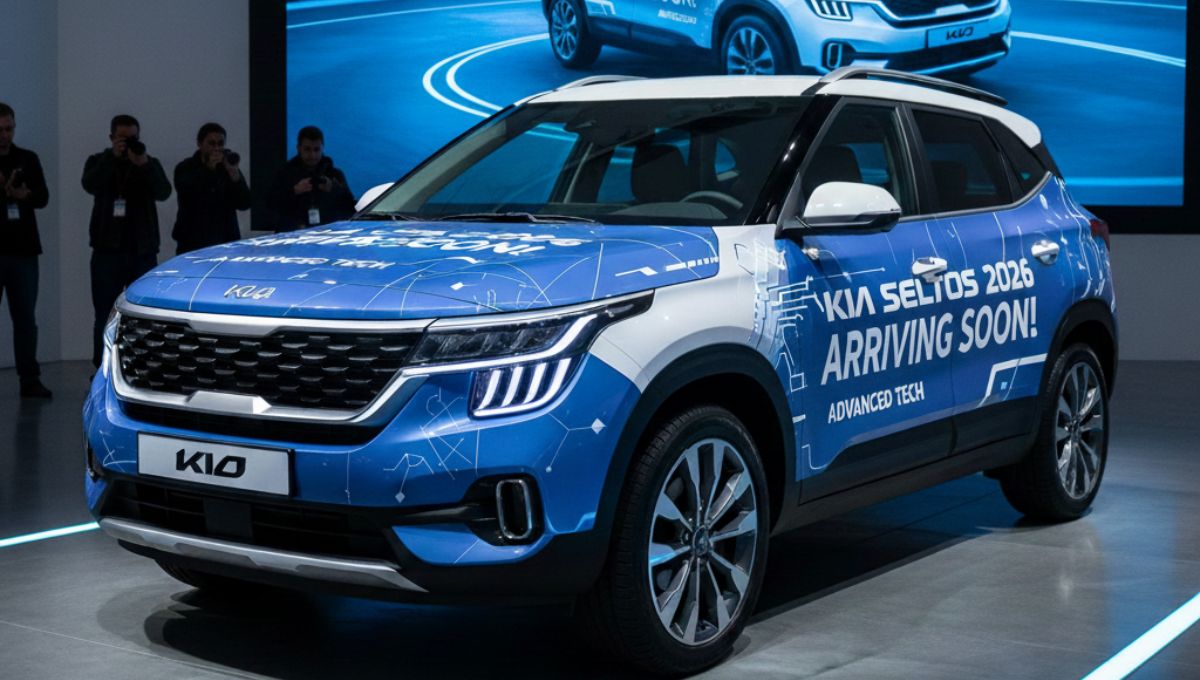
Imagine cruising city streets with hands-off highway driving, or powering up ghat roads with a punchy new turbo engine—all in a stylish SUV that turns heads without emptying your wallet. The 2026 Kia Seltos facelift just made its global debut, packing next-level tech and performance that could redefine compact SUVs in India. Building on its bestseller status (over 2 lakh units sold), this update brings Level 2 ADAS, a fresh turbo-petrol heart, and bolder looks. If you’re eyeing a family hauler with adventure spirit, here’s why the new Seltos demands your attention.
Compact SUVs: Where 2026 Seltos Dominates
Compact SUVs blend city agility with weekend getaway prowess—think Hyundai Creta rivals but with premium flair. The Seltos fits the “crossover” sweet spot: 4.3m long, monocoque chassis for nimble handling, higher ride height for bad roads. Unlike rugged ladder-frame SUVs, it’s built for 80% tarmac, 20% trails—perfect for Indian families hitting Lonavala or Ooty.
Key Specifications Overview
Expected specs blend global reveals with India tweaks:
Specification
Details
Engines
1.5L NA Petrol (115PS), 1.5L Turbo Petrol (160PS), 1.5L Diesel (115PS)
Transmission
6MT/iMT, 7DCT, 6AT
Dimensions
4365 x 1790 x 1645mm (LWH), 2780mm WB
Ground Clearance
190mm (loaded)
Boot Space
433L (expandable to 1200L)
Fuel Tank
50L
Tyres
215/60 R16 (base), 215/55 R17 (top)
Safety
6 airbags std, Level 2 ADAS (top trims)
Turbo-petrol pairs with 7DCT for quickest shifts.
Engine Performance: Turbo Takes Centre Stage
The star is the new 1.5L turbo-petrol—160PS/253Nm obliterates the old 1.4L, hitting 0-100km/h in ~9 seconds. Smooth low-end grunt overtakes trucks effortlessly, while diesel’s 115PS/250Nm suits torque-hungry highways. Petrol NA remains frugal for city sips. All engines get ISG mild-hybrid tech for 10% better response. Real thrill? DCT’s paddle shifts make it drive like a hot hatch.
New connected car tech tracks service, geo-fencing for teens
Comfort, Handling & Ride Quality
Slide into quilted leatherette seats—space for 6ft adults rearward, flat floor for three-abreast. Ride smooths potholes via frequency-dependent dampers; handling sharpened with stiffer chassis. Electric power steering feels precise, body roll tamed in corners. AC chills fast, whisper-quiet at 120km/h. Long hauls? Fatigue-free with adjustable thigh support.
Build Quality: Korean Solid Meets Indian Tough
Kia’s high-strength steel (63% HSS) passes global crash tests; India-spec adds underbody shield. Rust-proofing lasts monsoons, plastics feel premium sans rattles. Boot swallows weekend luggage, frunk for cables. 3-star ASEAN NCAP base, 5-star hoped with ADAS.
India Pricing Breakdown
Expected ex-showroom (Jan 2026 launch):
HTE (base): Rs 11-12 lakh
HTX: Rs 13-14 lakh
GTX+: Rs 17-18 lakh
X-Line Top: Rs 19-20 lakh
On-road Delhi: +10-12% (Rs 12-22 lakh). Waiting period 2-4 months. EMI from Rs 22k/month.
Tech-savvy families needing highway safety, young buyers craving turbo fun, or upgraders from Venue/Sonets. Ideal for 60% city/40% highway use. Skip if pure mileage (hybrids better) or budget under 12 lakh.
The 2026 Kia Seltos facelift isn’t evolutionary—it’s revolutionary for compact SUVs, marrying bold design, turbo punch, and life-saving ADAS without premium pricing. India launch will spark a segment war, but Kia loyalists win first. Book early; this one’s set to fly off lots.
FAQs
When does the 2026 Kia Seltos launch in India?
Global debut done; India Q1 2026 (Jan-Feb). Bookings open post-Auto Expo.
What’s new in the 2026 Seltos engines?
1.5L turbo-petrol (160PS/253Nm) replaces 1.4L; mild-hybrid across board.
Does it have Level 2 ADAS?
Yes—highway hands-free, lane change assist, auto braking in GTX+ trims.
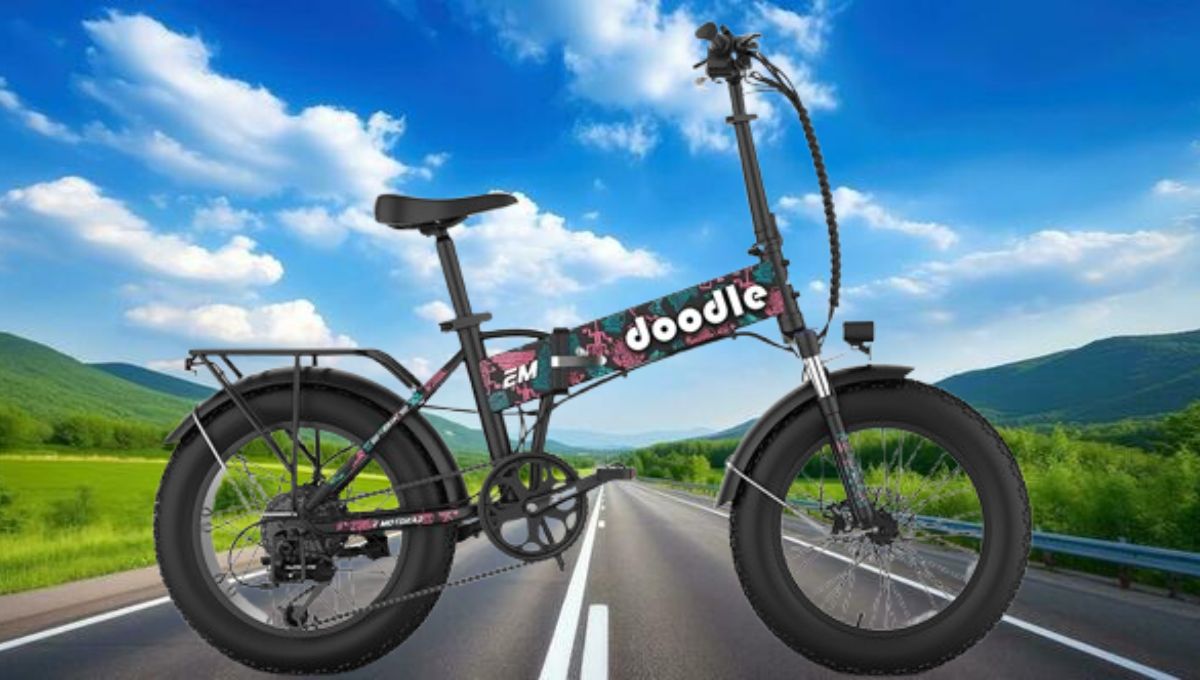
Ever wished for an e-cycle that turns your daily commute into a breeze without breaking the bank or your back? The EMotorad Doodle Pro steps up as a game-changer in India’s electric bicycle scene, blending pedal-assist smarts with a rugged city-ready build.
Launched by EMotorad, this 27.5-inch wheel beast promises 120km range on a single charge, making it perfect for college runs, office hops, or weekend trails. With a lightweight alloy frame and thumb throttle freedom, it’s not just eco-friendly—it’s genuinely fun. Let’s dive deep into what makes the Doodle Pro stand out in 2025’s crowded e-cycle market.
Key Highlights
Impressive Range: Up to 120km in pedal-assist mode, 60km pure throttle.
Powerful Yet Compliant: 250W BLDC hub motor, capped at 25km/h for legal road use.
Affordable Entry: Starts at Rs 52,999 ex-showroom.
Fat Tyre Grip: 27.5 x 2.4-inch tyres for pothole-proof rides.
Removable Battery: 11Ah lithium-ion, charges in 4-5 hours.
5-Speed Shimano Gears: Versatile for hills and flats.
The Doodle Pro rocks a minimalist matte black or ocean blue frame that screams urban cool without flashy gimmicks. Its 6061 aluminium alloy construction weighs just 21kg—light enough to carry up stairs yet stiff for spirited pedalling. Fat tyres give it that aggressive stance, while integrated cable routing keeps handlebars clean. Step-through design suits everyone from 5’2″ riders to tall commuters, and the suspension seatpost adds subtle bounce. Available in three sizes (S/M/L), it fits inseams from 26-34 inches perfectly. No neon graphics here—just purposeful lines that age well.
Interior, Comfort & Features
Comfort starts with an ergonomic saddle that moulds to long rides, paired with soft-touch grips. The half-twist throttle feels intuitive, and a backlit LCD shows speed, range, PAS levels (0-5), and battery status. USB port keeps your phone alive during traffic jams. Adjustable stem lets you dial in reach, while the included kickstand and bottle cage scream practicality. No fancy app connectivity, but who needs it when the basics nail daily needs? Rear rack handles 25kg loads—groceries or laptop bags sorted.
Engine, Performance & Power Figures
At its core sits a 250W rear hub BLDC motor delivering 32Nm torque—enough to climb 10% gradients without sweat. Peak power hits 36Nm in boost mode, launching you from standstill smoothly. Top speed locks at 25km/h per Indian e-cycle norms, but acceleration feels peppy up to 20km/h. Pedal-assist levels scale intuitively: Level 1 for casual spins, Level 5 for headwinds. No jerky transitions—smooth as a geared commuter. Real-world sprints? 0-25km/h in 8 seconds with a rider’s push.
Mileage / Range / Charging
Claimed 120km on throttle-off pedalling shines in tests at 80-100km mixed use. Pure electric mode nets 50-60km, dropping to 40km loaded uphill. The 36V 11Ah (396Wh) removable battery charges via home socket in 4-5 hours, full overnight, half in 2.5 hours. Real efficiency: 3-4Wh/km city, 5Wh/km highway. Cold weather dips 10%, but summer holds steady. Pro tip: PAS Level 3 sweet spot for max range without fatigue.
Ride Quality, Handling & Suspension
27.5-inch fat tyres (2.4″ wide) swallow Mumbai potholes like pancakes, offering stability at speed. The front suspension fork (80mm travel) smooths gravel paths, while the rigid rear keeps pedalling efficient. Handling? Nimble 68-degree head angle carves corners confidently, with 105kg payload ensuring family rides stay planted. Weighs light at 21kg, so flicking through traffic feels bike-like. Wind noise is minimal below 25km/h—whisper-quiet motor.
Braking Setup & Tyres
Dual mechanical disc brakes (160mm rotors) bite progressively, stopping from 25km/h in 5 meters dry. Wet performance solid with V-brake backup. CST fat tyres (27.5 x 2.4 front/rear) grip wet roads and light off-road, puncture-resistant with liners. No tubeless, but easy roadside fixes. Shimano TY500 5-speed derailleur shifts crisp under load—touring ready.
Safety Features & Technology
LED headlight/lamp illuminates 50m ahead, auto-cutoff saves juice. Disc brakes include a motor cut-off for instant response. IP65 battery rating shrugs off rain, while alloy frame passes 50kg drop tests. Turn signals? Aftermarket add-on territory. Basic theft alarm via keylock. No ABS, but regen braking in PAS mode extends range slightly.
Variants, Trims & Colour Options
Single “Pro” variant keeps it simple:
STD: Rs 52,999 – Core features. No Pro/Plus splits—uniform across dealers. Colours: Matte Black, Ocean Blue, Stealth Grey. Custom decals are available post-purchase.
Chennai: Rs 56,300 EMI from Rs 1,800/month (9 months no-cost).
FESTIVE DEALS: Rs 2,000-3,000 off + free accessories.
Expected Launch Date / Booking / Availability
Already launched nationwide via the EMotorad site/dealers. Book online for home demo—Rs 999 refundable. Delivery 7-15 days metro, 20-30 rural. Stock healthy in Tier-1 cities; waitlists in Tier-2.
Real-World User Expectations
Early riders praise the range, holding 90km daily commutes. Torque impresses on Mumbai bridges; tyres conquer speed breakers. Battery swaps are easy at service centres. Minor gripes: No paddle shifters, seat could be wider for 100kg+ riders. Resale? Strong at 70% after 2 years per OLX trends.
The EMotorad Doodle Pro redefines e-cycle value, delivering a premium range and ride quality under 55k. It’s not flashy, but brutally effective for India’s chaotic streets. If silent, sweat-free mobility calls, this fat-tyre warrior delivers without compromise. Test ride one—you’ll wonder why you didn’t switch sooner.
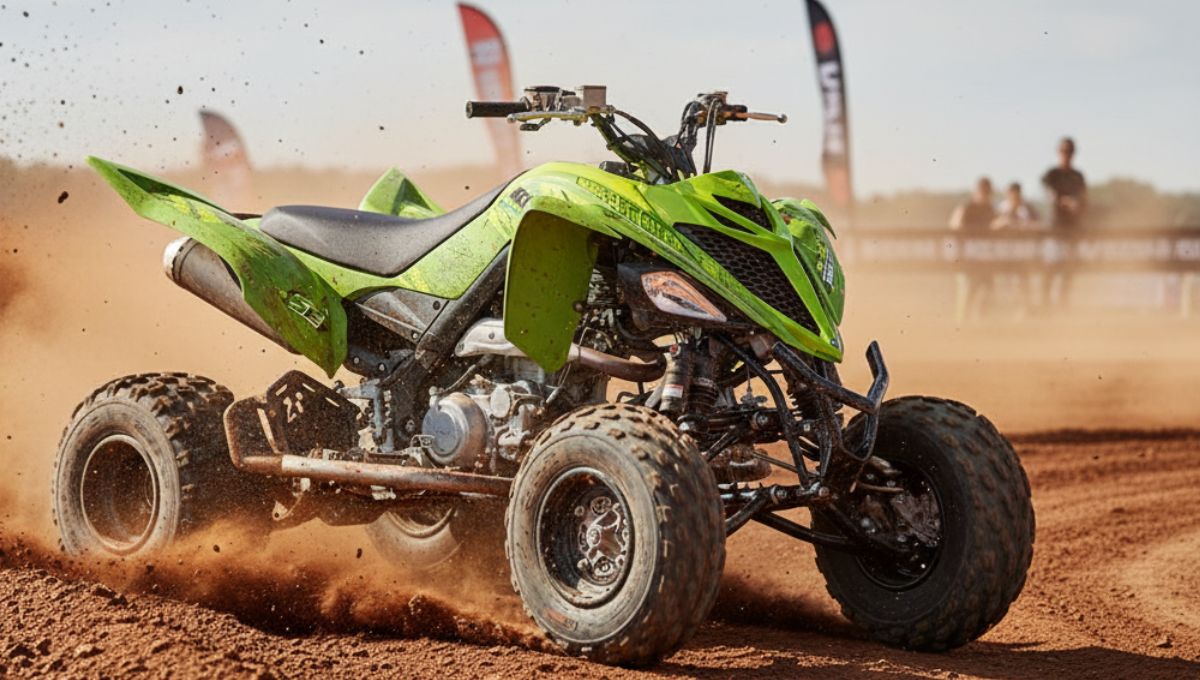
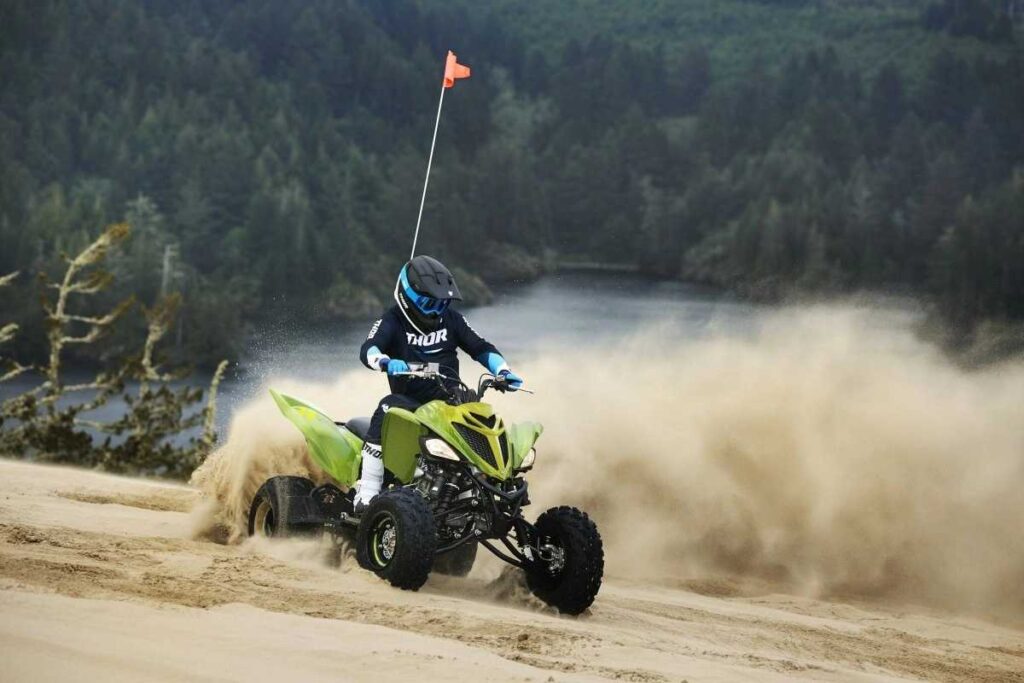
Imagine ripping through desert whoops, carving berms like a pro racer, and pulling effortless wheelies – all on a quad that feels alive under you. The 2026 Yamaha Raptor 700R SE delivers that thrill with its legendary 700cc engine and race-bred upgrades, making it the king of sport ATVs. Whether you’re hitting dunes or track days, this beast sets the benchmark for pure adrenaline in a package that’s as fun solo as it is unstoppable in groups.
Types of ATVs and Where the Raptor 700R SE Fits
ATVs break down into utility workhorses (like Yamaha Grizzly for farm duty), youth models for beginners, and sport quads for racing. The Raptor 700R SE owns the high-performance sport category – lightweight, aggressive geometry for jumps and jumps, not towing or trails. It’s the choice for riders craving MX-style action over family cruising, sitting above entry-level 250cc toys but below 1000cc monsters.
Full Specifications Breakdown
Here’s the official spec sheet packed with race-ready details.
Front: AT22 x 7-10 Maxxis®; Rear: AT20 x 10-9 Maxxis®
Dimensions (LxWxH)
72.6 x 45.5 x 43.9 in
Seat Height
32.7 in
Wheelbase
50.4 in
Ground Clearance
9.5 in
Fuel Capacity
2.9 gal
Wet Weight
422 lb
These numbers scream track dominance with plush adjustability.
Engine Performance: Raw Power Meets Precision
Crack the throttle on that 686cc SOHC mill, and it explodes with arm-yanking torque from low revs – think instant acceleration that hooks second gear wide open. Yamaha Fuel Injection keeps it crisp across the band, hitting 75+ mph without breathing hard. The wet multiplate clutch and reverse gear make it playground-ready; no bogging, just seamless power for roosts and airs.
Real-World Mileage and Fuel Efficiency
Sport quads aren’t mileage champs, but the Raptor’s EFI sips efficiently at 15-20 mpg mixed (track/trail), giving 40-50 miles per 2.9-gal tank. Aggressive riding drops to 12 mpg, but steady dune runs stretch it further. Premium fuel recommended for peak performance – no ethanol headaches here.
Piggyback Shocks: High/low-speed compression, rebound, preload – dial in for your weight/style.
Independent Front Suspension: Double wishbone eats ruts, keeps steering sharp.
Maxxis Tires: Aggressive knobbies grip sand, dirt, mud like glue.
Reverse Gear: Easy maneuvers in tight spots or backing off jumps.
TCI Ignition: Bulletproof starts in any condition.
No frills like winches – this is pure sport, not utility.
Comfort, Handling, and Build Quality
Drop into the bucket seat at 32.7 inches high – perfect for 5’8″+ riders with room to move. Handling? Razor-precise with that 50.4-inch wheelbase; flicks into corners, soaks landings. Piggyback suspension turns washboard trails buttery, while the cast aluminum swingarm shrugs off abuse. Build screams Yamaha durability: rust-free frame, quality plastics that survive crashes. Narrow width slips through trees effortlessly.
Pricing (US-Focused, India Import Notes)
MSRP starts around $9,499 USD for 2026 SE (dealer prices vary with fees). In India, grey market imports run Rs 12-15 lakh landed – check ATV specialists in Delhi/Bangalore. No official Yamaha ATV sales here yet, but demand grows among desert riders. Warranty: 6 months limited factory.
This quad’s for adrenaline junkies: track racers, dune bashers, weekend warriors who live for jumps and slides. Experienced riders 16+ who want MX agility without a bike’s balance demands. Skip if you need utility hauling or beginner-friendly power – it’s a beast for skilled hands.
The 2026 Yamaha Raptor 700R SE isn’t just an ATV; it’s a dirt-slaying legend refined for another decade of dominance. With unmatched power-to-weight and tunable suspension, it delivers smiles per gallon that no rival touches. If sport quad life calls, hunt one down – your throttle hand deserves it.
FAQs
What’s new for the 2026 Raptor 700R SE?
Refined piggyback shocks and updated graphics; core 686cc formula stays unbeatable.
Is it beginner-friendly?
No – raw power suits intermediates+. Start on a 250cc, graduate to this monster.
Top speed and power figures?
75+ mph top-end; torque-focused for wheelies and holeshots.
How adjustable is the suspension?
Piggybacks offer high/low compression, rebound, preload – setup for your 200lb ass or 300lb buddy.
Fuel economy on dunes?
15-18 mpg; 2.9-gal tank good for a full session without pit stops.
everse gear – worth it?
Huge for repositioning after big airs or tight trails; smooth as forward gears.
India’s availability and price?
Grey imports Rs 12-15 lakh; official launch pending, but desert crowds love ’em.
Seat height for average riders?
32.7 inches fits 5’10″+ best; shorter folks can mod or choose base model.
Maintenance costs?
Low: $200/year oil/chain; Yamaha parts everywhere in US, trickier in India.
Better than Honda TRX450R?
More power and suspension travel; Honda lighter/cheaper – pick speed vs agility.
Tires for all terrains?
Maxxis Carnivores excel sand/dirt; swap for mud if needed.
Warranty and reliability?
6 months factory; engines last 1000+ hours with basic care – bulletproof.
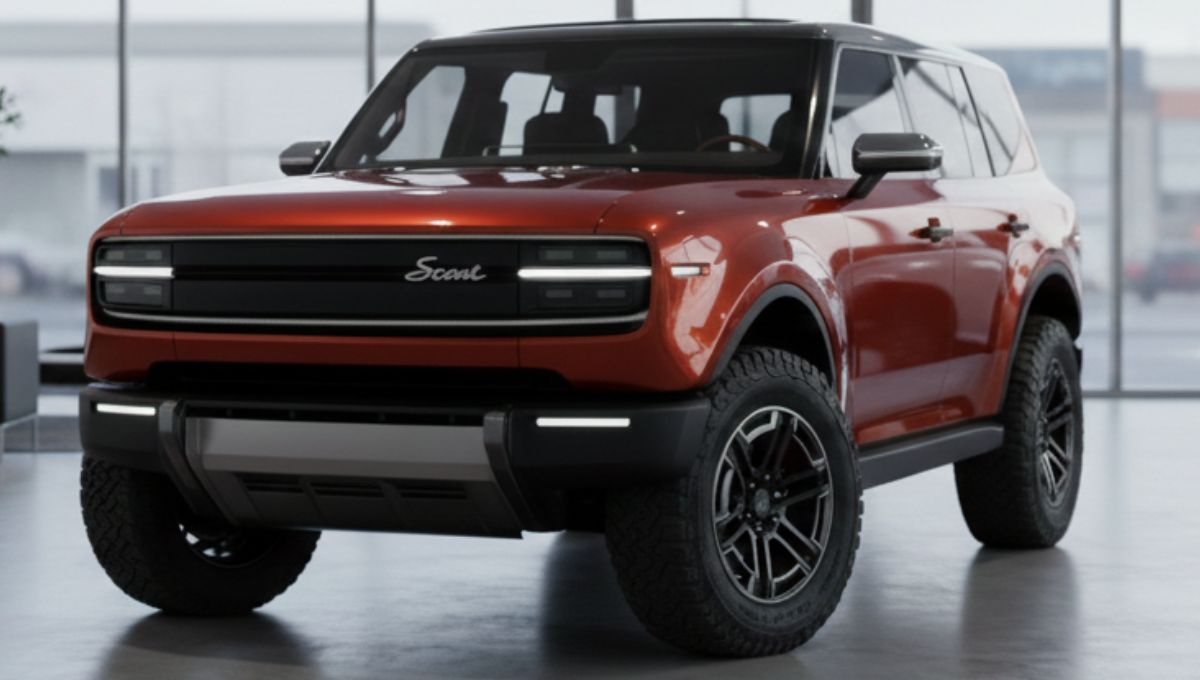
Scout Traveler Terra 2027: The automotive world is witnessing a rugged revival with the arrival of the 2027 Scout Traveler Terra. Bringing back the spirit of the original 1960s icon, this modern iteration isn’t just a nostalgia trip—it is a serious contender in the electric off-road space.
Built by Scout Motors, a new independent American company backed by the Volkswagen Group, the Traveler is designed to be a “Connection Machine,” bridging the gap between digital disconnect and the great outdoors. It promises to be a vehicle that respects its heritage while embracing the future of mobility, offering a tactile, mechanical experience in an increasingly screen-dominated world.
Engine and Harvester Powertrain
While the Scout Traveler Terra is fundamentally an electric vehicle, it offers two distinct powertrain philosophies to suit different adventurers. The pure Battery Electric Vehicle (BEV) variant delivers an estimated range of up to 350 miles, powered by high-torque electric motors that can launch the SUV from 0 to 60 mph in just 3.5 seconds.
For those who fear range anxiety deep in the wilderness, Scout introduces the “Harvester” range-extended system. This optional powertrain incorporates a small gasoline engine—likely a refined 4-cylinder generator—that does not drive the wheels directly but acts as an onboard generator to recharge the high-voltage battery. This innovative setup extends the total driving range to over 500 miles, blending the instant torque of electric motors with the go-anywhere reliability of gas refueling. With nearly 1,000 lb-ft of torque on tap, the Traveler ensures that power is never in short supply, whether you are climbing rock faces or merging onto the freeway.
Beneath its retro-futuristic body lies a dedicated, proprietary body-on-frame platform designed specifically for durability and off-road dominance. Unlike many modern electric SUVs that opt for unibody construction, the Traveler sticks to its roots with a robust steel ladder frame.
The suspension setup is a love letter to serious off-roaders: it features a solid rear axle, a rarity in the EV segment that provides superior articulation and durability on rough terrain. To further enhance its capability, the chassis is equipped with front and rear mechanical locking differentials and a front sway bar disconnect, allowing for maximum wheel travel when navigating uneven obstacles. With over 12 inches of ground clearance and the ability to ford nearly three feet of water, the Traveler’s chassis is engineered to handle environments that would sideline typical crossovers.
Design and Utility
The Traveler’s design is unmistakably Scout, featuring a short front overhang, a long hood, and a split tailgate that doubles as a seat for camping or tailgating. The “Cabana Top” option offers one of the largest roof openings in its class, providing an open-air experience that connects occupants with nature.
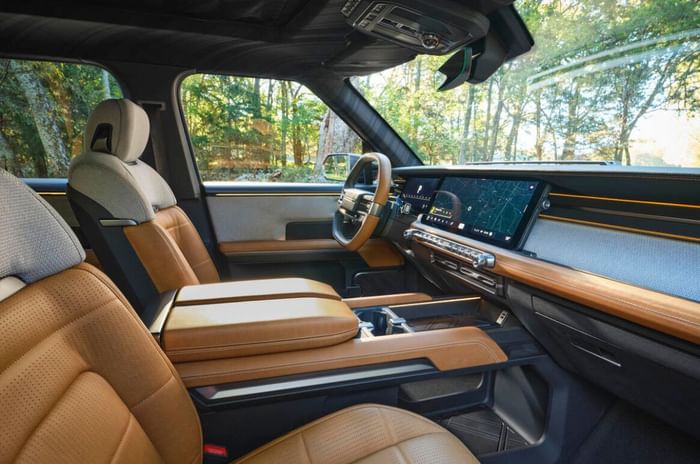
Inside, the cabin rejects the trend of burying every function in a touchscreen. Instead, it features a “bank” of tactile toggle switches and knobs for climate control and critical vehicle functions, ensuring they can be operated easily, even while wearing gloves. The vehicle also boasts a spacious front trunk (frunk) capable of holding a cooler or gear, complete with 120V and USB-C power outlets to run camp accessories.
Charging and Technology
Built on a modern 800-volt architecture, the Scout Traveler Teera supports rapid charging speeds up to 350 kW, ensuring minimal downtime at charging stations. It natively uses the North American Charging Standard (NACS) connector, granting access to the extensive Tesla Supercharger network alongside other DC fast chargers. Additionally, the vehicle supports bidirectional charging (V2H), allowing it to power your home during outages or serve as a massive energy bank for your campsite.
Harvester Range Extender: Eliminates range anxiety by offering over 500 miles of total range, making it a viable option for remote overlanding.
Authentic Off-Road Hardware: Features like a solid rear axle, mechanical lockers, and body-on-frame construction provide genuine capability unmatched by many EV rivals.
Tactile Interior Controls: The commitment to physical buttons and switches offers a user-friendly, functional experience preferred by driving enthusiasts.
Cons
Production Timeline: With production slated for late 2026/2027, the long wait time may deter buyers ready to purchase an EV today.
Size and Weight: As a large body-on-frame SUV with a massive battery or gas generator, it will likely be heavy, which could impact efficiency and maneuverability in tight urban spaces.
Towing Range Impact: While it has a high towing capacity, towing heavy loads with the pure BEV version will significantly reduce range, a common challenge for electric trucks.
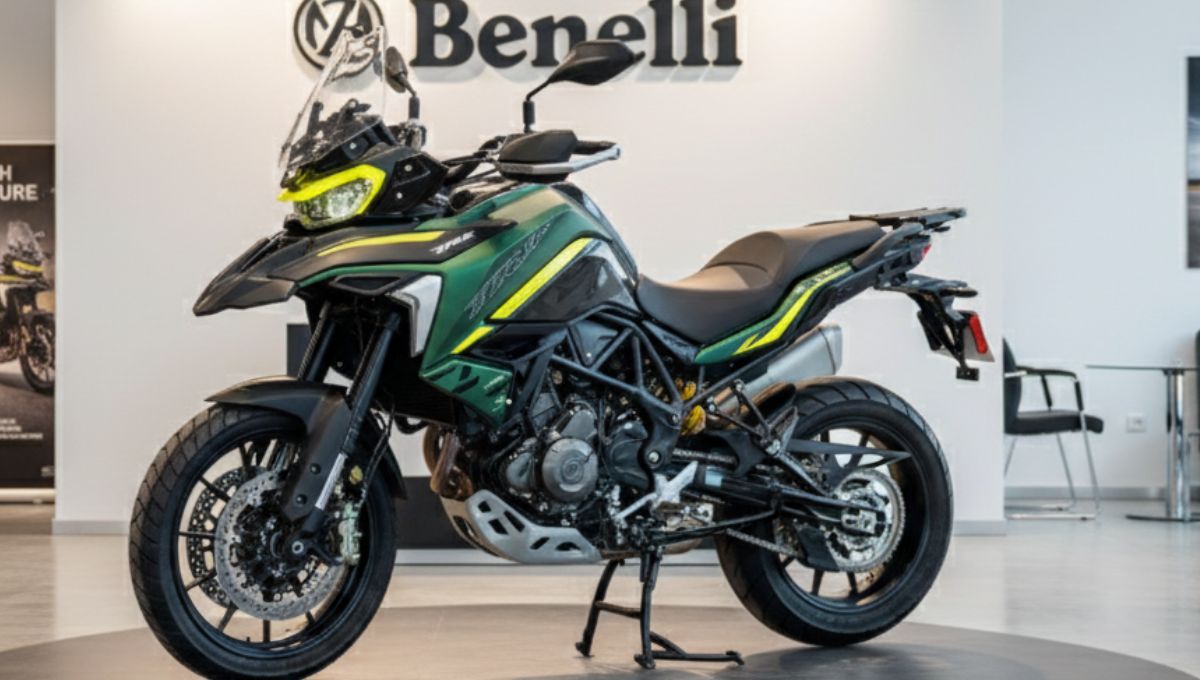
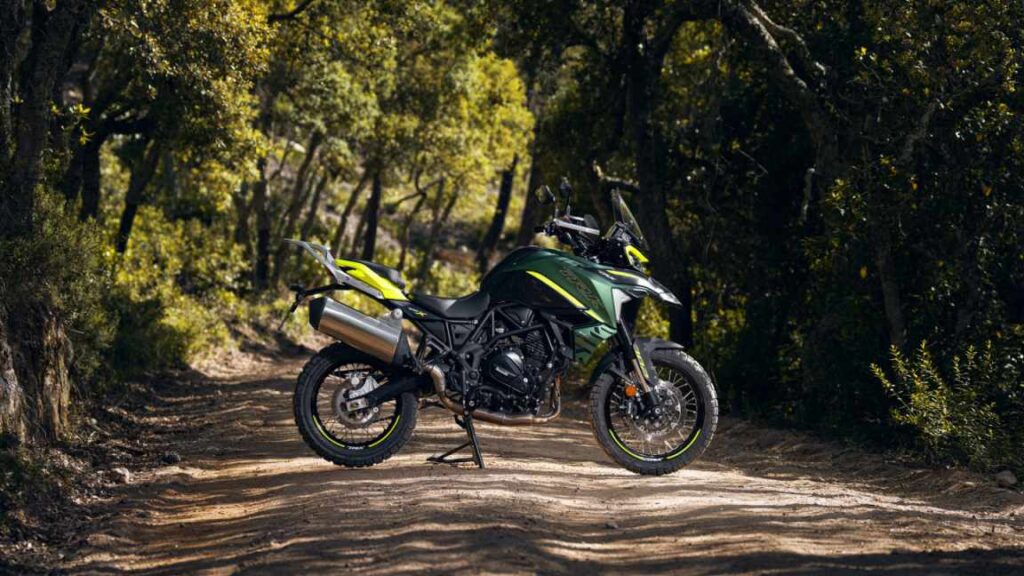
Beneli TRK 702 X: Ever dreamed of a bike that tackles twisted mountain roads by day and rough trails by night without breaking a sweat? The Benelli TRK 702X steps in as that versatile adventure machine, blending Italian flair with rugged capability. Launched globally with a punchy 698cc parallel-twin engine, this middleweight ADV is turning heads for its value-packed performance, making it a strong contender for Indian riders eyeing long tours or weekend escapes.
Types of Adventure Bikes and Where the TRK 702X Fits
Adventure bikes come in flavours like lightweight rally-style (think KTM 390 Adventure), middleweights for all-round use, and heavy tourers for highways. The TRK 702X shines in the middleweight category – around 220-235kg – perfect for riders wanting off-road bite without the bulk of 1000cc beasts. Its 21-inch front wheel and knobby tire setup scream “adventure-ready,” unlike softer tourers focused purely on tarmac cruising.
Key Specifications
Here’s a quick specs table pulled straight from the official details, giving you the full rundown on this beast.
Specification
Details
Engine Type
2-cylinder, 4-stroke, 8-valve
Displacement
698cc
Bore x Stroke
83 x 64.5mm
Power
51.5kW (about 70hp) at 8000rpm
Max Torque
70Nm at 6000rpm
Compression Ratio
11.6:1
Fuel System
EFI (Electronic Fuel Injection)
Cooling
Liquid-cooled
Transmission
6-speed with slip/assist clutch
Dry Weight
222kg
Fuel Capacity
20L
Suspension (Front)
50mm USD forks, 140mm travel
Suspension (Rear)
Adjustable monoshock
Brakes
Dual 320mm front discs, 260mm rear, ABS
Wheels
19-inch front, 17-inch rear
These numbers make it compliant for A2 licenses in some markets, too.
Engine Performance That Packs a Punch
Fire up the TRK 702X, and that 698cc liquid-cooled parallel-twin wakes with a throaty rumble. It dishes out smooth, linear power from low revs, ideal for overtaking on highways or crawling up dirt paths. Riders rave about its tractable mid-range torque – no jerky throttle response here, just effortless shove up to 165km/h top speed. Even with the stock exhaust, it sings a fruity tune that builds into something soulful as revs climb.
Real-World Mileage and Efficiency
Expect around 20-23kmpl in mixed riding, translating to roughly 400km per tank with its 20L capacity – solid for long hauls across India. City jaunts or aggressive off-roading might dip to 18kmpl, but highway cruising at 100km/h sips fuel efficiently at about 4.6L/100km. Low emissions (107g/km CO2) keep it eco-friendly without sacrificing fun.
Source: Benelli Website
Standout Features for Everyday Adventures
Digital Cluster: Clear TFT display with navigation-ready connectivity.
LED Lighting: Sharp headlights and a tall screen deflect wind effectively.
Rider Aids: ABS standard, optional heated grips and cameras in some variants.
Ergonomics: 790-840mm seat height suits most, with mid-pegs for all-day comfort.
Off-Road Kit: Spoked wheels, bash plate, and handguards for gravel bashing.
No quickshifter out of the box, but the light clutch and slick gearbox make shifting a breeze.
Comfort, Handling, and Build Quality
Slide into the wide seat, and everything feels right – neutral bars, supportive padding, and an upright stance for fatigue-free rides. On twisties, the steel trellis frame and USD forks deliver planted cornering; off-road, the suspension soaks up bumps while brakes bite hard (with some ABS feedback on rough stuff). Build feels sturdy Italian-tough, though finishes like plastics show some budget vibes. Mirrors stay clear, and wind protection works for most heights.
Not launched in India yet, but whispers point to Rs 7-8 lakh ex-showroom if it arrives, undercutting premium rivals. Compare to Benelli’s TRK 502X at Rs 7.14 lakh – the 702X’s extra power justifies the bump. Keep eyes peeled; Benelli’s aggressive pricing could shake up the segment.
Pros and Cons
Pros:
Punchy, characterful engine with broad torque.
Comfortable for long rides, versatile on/off-road.
Great value with big-bike features.
Fuel-efficient for its class.
Cons:
On the heavier side at 222kg dry.
Lacks rider modes or quickshifter standard.
ABS can feel intrusive off-road.
India’s launch is unconfirmed till Dec 2025.
Competitor Comparison
The TRK 702X slots against middleweight ADVs like this:
Bike
Engine/Power
Weight (kg)
Price (India, approx)
Mileage (kmpl)
Benelli TRK 702X
698cc/70hp
235 (wet)
Rs 7-8L (expected)
20-23
Suzuki V-Strom 650XT
645cc/71hp
216
Rs 9L+
22
Kawasaki Versys 650
649cc/67hp
219
Rs 8.5L
20-22
Triumph Tiger Sport 660
660cc/80hp
206
Rs 10L+
20
Benelli edges on torque and price, but rivals offer lighter weight and more tech.
Who Should Buy the Benelli TRK 702X?
Grab this if you’re a mid-level rider craving adventure without wallet pain – weekend warriors, tourers hitting Ladakh, or commuters wanting style. Skip if you need ultra-light off-road purity or endless electronics; it’s for those prioritizing fun and miles over gadgets.
The Benelli TRK 702X delivers big on thrills, comfort, and bang-for-buck, positioning it as a smart pick in India’s growing ADV scene. With global praise for its engine and handling, an India debut could redefine affordable adventures. Watch this space – it might just be your next ride.
FAQs
What makes the Benelli TRK 702X different from the TRK 502X?
The 702X ups the game with a 698cc engine (vs 500cc), more power (70hp vs 47hp), and better off-road wheels, while keeping similar ergonomics
Is the TRK 702X good for beginners?
Its 790mm seat and tractable power suit A2 riders, but the weight means intermediates will handle it best off-road
What’s the top speed of Benelli TRK 702X?
Around 165km/h, with a strong mid-range pull perfect for Indian highways.
Does it have ABS and other safety features?
Yes, dual-channel ABS standard; brakes are strong but can pulse on gravel.
How’s the mileage on long tours?
20-23kmpl mixed, giving 400km range – reliable for Rajasthan runs or hill climbs.
Any off-road limitations?
Solid for light trails, but no traction control; weight limits extreme enduro.
When will TRK 702X launch in India?
No official word, but expected Rs 7-8 lakh post-2025 if Benelli pushes it.
Comfort for tall riders?
Screen and seat work well up to 6ft; taller folks might add a taller windscreen.
Maintenance costs in India?
Benelli’s network is growing; parts are affordable like TRK 502, but service varies by city.
Better than Suzuki V-Strom 650XT?
More torque and cheaper, but V-Strom is lighter with proven reliability – depends on budget.
Fuel type and tank range?
Regular unleaded; 20L tank for worry-free touring.
Is build quality worth the hype?
Sturdy frame and suspension impress; minor plastics feel budget but hold up.
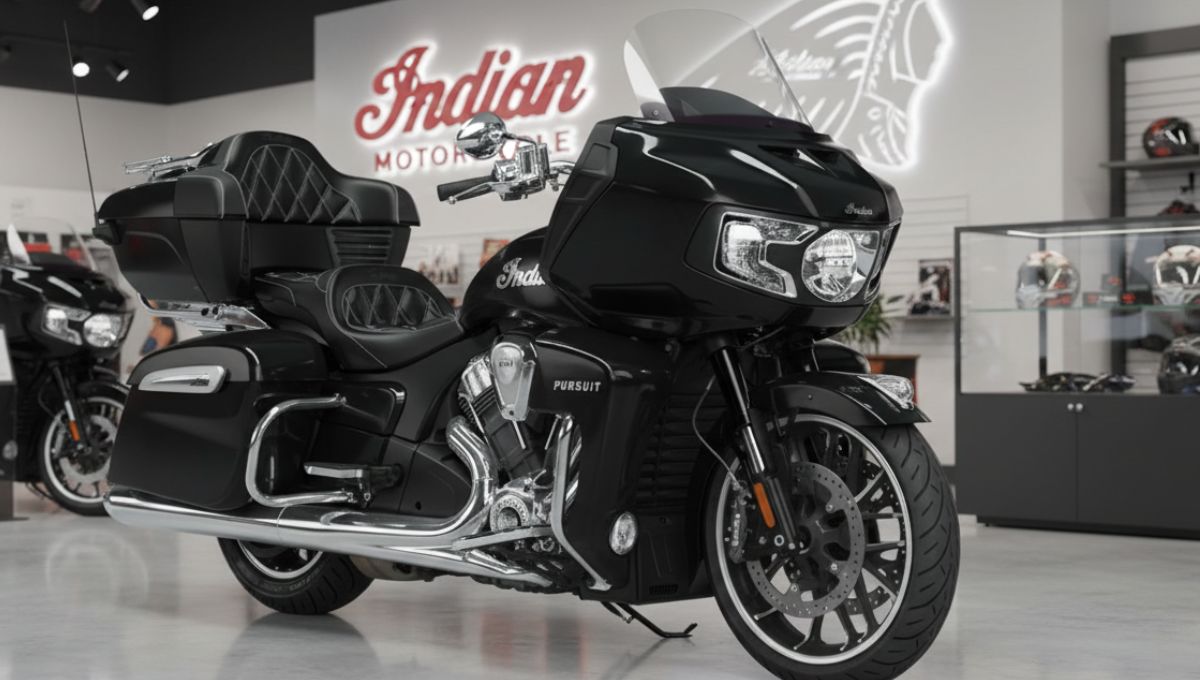
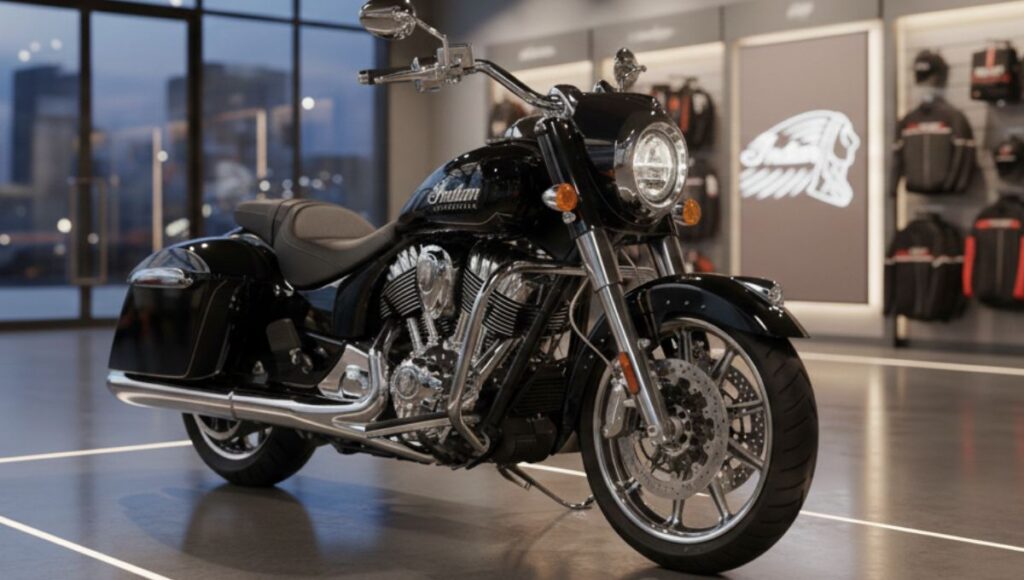
The Indian Pursuit Limited is one of those big touring motorcycles that instantly tells you it is built for serious miles, not just weekend coffee runs. It combines a huge liquid‑cooled V‑twin, advanced electronics, luxury comfort features, and massive luggage capacity to take on the best long‑distance tourers in the world, including on Indian highways. For riders seeking a high-end, chrome-heavy American bagger with modern technology, the Pursuit Limited is currently one of the most comprehensive packages available.
What Type of Bike Is the Indian Pursuit Limited?
The Indian Pursuit Limited is a full-size, premium touring/cruiser motorcycle, often called a “bagger” or “grand tourer.”
It uses a chassis‑mounted fairing, large windscreen and integrated hard panniers plus a top trunk, making it a dedicated long‑distance touring machine.
The ergonomics, heated seats and huge luggage space are tuned for two‑up highway touring rather than city commuting or short rides.
In terms of body style, it sits in the “tourer/bagger” category, with a low seat, long wheelbase and big front fairing for maximum comfort and stability at speed.
Engine and Performance
PowerPlus V‑Twin Heart
At the core of the Indian Pursuit Limited is the liquid‑cooled PowerPlus V‑twin engine.
Displacement: 1768 cc.
Configuration: Liquid‑cooled, V‑twin with overhead camshafts and four valves per cylinder.
Peak output: Around 90 kW (about 121 hp) and 178 Nm of torque at 3800 rpm, giving it huge low‑end grunt and strong roll‑on performance.
The engine is paired with a 6‑speed gearbox with an overdrive top gear, gear‑driven primary and an assist/slipper clutch that reduces lever effort and makes downshifts smoother. This combination makes the bike feel relaxed at highway speeds while still offering strong passing power when you twist the throttle.
Ride Modes and Electronics
The Pursuit Limited offers three selectable ride modes – Rain, Standard and Sport – each with its own throttle map and traction control tuning.
Rain mode softens responses and maximises grip on wet or low‑traction surfaces.
The standard is the everyday setting for mixed city and highway conditions.
Sport sharpens throttle response and lets you use more of that 178 Nm for quick overtakes.
Smart Lean Technology, using a Bosch IMU, further supports cornering traction control and ABS, helping the bike stay composed even when braking or accelerating mid‑corner.
Mileage and Fuel Efficiency
For a 1768 cc, full‑size touring V‑twin, the Indian Pursuit Limited is understandably not focused on fuel economy, but it is respectable for its class.
Claimed/real‑world mileage: Around 14 kmpl in Indian conditions, depending on riding style and load.
Fuel tank capacity: 22–22.7 litres, which gives an effective touring range of roughly 280–320 km between fuel stops in mixed riding.
For riders used to litre‑class or large twin cruisers, this fuel efficiency is in line with expectations, especially considering the weight, aero and power output of the bike.
Key Specifications of Indian Pursuit Limited
Core Technical Specs
Category
Specification
Details
Engine
Type
Liquid‑cooled PowerPlus V‑twin
Displacement
1768 cc
Max Power
Approx. 90 kW (≈121 hp)
Max Torque
178 Nm @ 3800 rpm
Compression Ratio
11.0:1
Fuel System
Closed‑loop electronic fuel injection, 52 mm dual bore
Transmission
Gearbox
6‑speed, true overdrive
Clutch
Wet, multi‑plate assist/slipper
Chassis & Suspension
Frame
Cast‑aluminum frame
Front Suspension
Inverted telescopic fork, 130 mm travel
Rear Suspension
Fox single shock with electronically controlled hydraulic preload, 114 mm travel
Brakes
Front
Dual 320 mm semi‑floating discs, 4‑piston radial calipers
One of the biggest highlights of the Indian Pursuit Limited is the tech suite centred around the 7‑inch Ride Command touchscreen.
7‑inch colour touchscreen with glove‑friendly controls and customisable layouts.
Apple CarPlay support for iPhone users, enabling access to music, calls, messages and navigation via the screen.
Built‑in GPS with turn‑by‑turn navigation, trip data, points of interest and ride logs.
The system also displays tyre pressure, vehicle status, service information, ride modes and more, making it a central control hub for the entire motorcycle.
Audio System and PowerBand 2.0
The Pursuit Limited comes with a serious audio package.
Standard 200‑watt audio system with high‑output speakers in the fairing and trunk.
A dynamic equaliser that adjusts audio balance for road, wind and engine noise at different speeds.
Compatibility with PowerBand 2.0 premium audio, which can raise system power up to 800 W across multiple speakers, with enhanced bass, LED accent rings and advanced EQ tuning.
For riders who enjoy music on long rides, this is one of the most advanced factory audio setups on any touring bike today.
Rider Aids and Safety Tech
The Indian Pursuit Limited is packed with modern electronic rider assists.
Smart Lean Technology using Bosch IMU for corner‑aware traction control and ABS.
Cruise control for relaxed highway cruising.
Tyre Pressure Monitoring System (TPMS).
Multiple ride modes (Rain, Standard, Sport).
Keyless ignition and remote‑locking luggage.
Rear cylinder deactivation for reduced heat at idle and in slow traffic.
All lighting is LED, including the Pathfinder LED headlamp, aggressive running lights and integrated lower driving lamps, giving stronger visibility and better conspicuity day and night.
Comfort, Ergonomics and Handling
Rider and Pillion Comfort
Indian has clearly built the Pursuit Limited to be an all‑day, every‑day tourer.
Heated Touring Comfort seat for both rider and passenger, with independent controls on the seat and via the infotainment screen.
Wide, supportive seat with low height (672 mm) making it easier to flat‑foot despite the bike’s size.
Adjustable passenger floorboards and large highway bars to stretch out on long rides.
The fairing‑mounted windscreen and vented lower fairings provide excellent wind and weather protection, and the electronically adjustable windshield allows you to fine‑tune airflow at the touch of a button.
Handling and Ride Quality
For a 400+ kg touring bike, the Pursuit Limited handles impressively well when ridden as intended.
The chassis‑mounted fairing reduces steering weight compared to handlebar‑mounted designs and is less affected by crosswinds.
Inverted front forks and the Fox electronically adjustable rear shock help keep the bike composed over bad roads and when fully loaded.
Riders can adjust rear preload electronically according to load (solo, with pillion, with luggage) through the Ride Command system, optimising comfort and stability. Brembo radial brakes offer strong stopping power with good feel, important for controlling such a heavy machine.
Build Quality and Design
The Indian Pursuit Limited is built as a premium flagship, and the quality shows in most areas.
Extensive use of chrome, high‑quality paint finishes and detailed machining on the wheels and engine cases.
Solid‑feeling switchgear, well‑integrated fairings and panniers, and weather‑sealed storage for long‑term touring use.
Colours typically include options like Sunset Red Metallic, Black Metallic, Titanium/Black Metallic and Spirit Blue Metallic, all paired with contrast‑cut wheels and premium graphics. The overall stance is imposing yet classy, with a long front fairing, wide tank and integrated trunk making it look every bit the big American tourer.
Price of Indian Pursuit Limited in India
In India, the Indian Pursuit Limited is positioned as a top‑tier luxury touring motorcycle and is priced accordingly.
Ex‑showroom price range (approx.): ₹42.0–47.8 lakh, depending on variant and city.
On‑road prices in major cities can go upwards of ₹46–51 lakh once insurance, taxes and registration are added.
This pricing puts it in the same bracket as premium imported touring motorcycles and large‑capacity cruisers from other global brands.
Variants and Storage Capacity
While the core mechanical package remains similar, the Pursuit lineup generally includes different trim levels in global markets, often distinguished by finishes and feature packages.
Pursuit Limited: Chrome‑heavy styling, full touring kit with trunk and saddlebags, heated seats, 200 W audio and full electronics as standard.
Pursuit Dark Horse (mentioned as a sibling model): More blacked‑out aesthetic with similar underlying hardware.
Total storage volume is over 133 litres (and up to about 164 litres depending on configuration), with remote‑locking hard saddlebags, a quick‑release top trunk and additional storage in the lower fairings.
In the Indian premium motorcycle space, the Indian Pursuit Limited competes with other big V‑twin and multi‑cylinder tourers and baggers.
Indian Pursuit Limited vs Indian Challenger Limited vs Indian Roadmaster Limited
Bike
Engine & Power
Key Character
Notable Features
Indicative India Price*
Indian Pursuit Limited
1768 cc liquid‑cooled PowerPlus, ~121 hp, 178 Nm
Full‑dress tourer with trunk and chassis‑mounted fairing
7″ Ride Command with CarPlay, heated seats, Smart Lean Tech, 200 W audio, >133 L storage
~₹42–48 lakh ex‑showroom
Indian Challenger Limited
1768 cc liquid‑cooled PowerPlus, similar output
Bagger with hard bags but generally without top trunk in standard form
Ride Command, fairing audio, advanced electronics; more “bagger” style
Slightly lower than Pursuit; around upper ₹30–40 lakh band ex‑showroom
Indian Roadmaster Limited
1890 cc air‑cooled Thunderstroke 116 V‑twin
Classic American tourer with more traditional air‑cooled feel
Large trunk and bags, touring comfort, rich chrome, big‑twin character
Usually higher than Pursuit Limited in India
*Prices are indicative and vary by city, taxes and model year; always check latest ex‑showroom figures with an authorised Indian Motorcycle dealer.
In short, the Pursuit Limited sits as a more modern, liquid‑cooled, tech‑rich alternative to traditional air‑cooled tourers, while offering more touring practicality than pure baggers.
Pros and Cons of Indian Pursuit Limited
Pros
Extremely strong 1768 cc PowerPlus engine with 178 Nm torque, ideal for loaded touring and high‑speed cruising.
Luxury‑grade comfort with heated seats, adjustable windscreen, advanced suspension and spacious two‑up ergonomics.
Excellent touring practicality: over 133 litres of weatherproof, remote‑locking storage with quick‑release trunk.
High‑end electronics suite – ride modes, Smart Lean Tech, IMU‑based ABS/TC, cruise control, TPMS and more.
Class‑leading infotainment: 7‑inch Ride Command with Apple CarPlay, navigation and 200 W audio, expandable to PowerBand 2.0.
Premium build quality, strong road presence and distinct American styling.
Cons
Very high purchase cost in India; firmly a niche, luxury product.
Heavy kerb weight (around 416 kg) can be intimidating in city traffic, tight parking or for shorter riders.
Fuel efficiency around 14 kmpl, which is expected for the class but still expensive to run on daily city commutes.
Limited dealership and service network compared to mass‑market brands, especially outside major metros.
Size and width make lane‑splitting or heavy urban use less practical.
Who Should Buy the Indian Pursuit Limited?
The Indian Pursuit Limited is not a motorcycle for everyone, and that is precisely its appeal.
It is a great fit for:
Riders who frequently do long‑distance highway touring, often with a pillion and luggage, and want maximum comfort and features.
Experienced big‑bike owners upgrading from litre‑class cruisers or tourers to a top‑tier American V‑twin with modern tech.
Enthusiasts who value premium audio, connected tech, heated seats and an all‑weather touring setup more than outright track performance.
Buyers who want something more exclusive and distinctive than mainstream big‑tourers and do not mind the high purchase and running costs.
If most of your riding is inside crowded cities, or if you prefer light, agile machines, this is likely overkill. But if you live for long highway stretches, hill routes and cross‑country rides, the Pursuit Limited starts to make a lot of sense.
The Indian Pursuit Limited is one of the most complete long‑distance touring motorcycles currently on sale in India, combining a powerful liquid‑cooled V‑twin, advanced safety tech and truly luxurious comfort features. Its 1768 cc PowerPlus engine, IMU‑based electronics, heated seats, adjustable suspension and massive storage make it an outstanding choice for riders who want to cover serious miles in style and comfort, especially two‑up.
Yes, it is expensive, heavy and over‑engineered for everyday city use, but that is exactly what makes it special: this is not a commuter or a casual cruiser, it is a flagship touring platform designed to take on continents. For riders who understand and can afford that proposition, the Indian Pursuit Limited delivers an ownership experience that feels truly premium and thoroughly modern while still carrying classic American V‑twin character.
FAQs
What is the engine capacity of the Indian Pursuit Limited?
The Indian Pursuit Limited is powered by a 1768 cc liquid‑cooled PowerPlus V‑twin engine, designed for high torque and strong highway performance.
How much power and torque does it produce?
The PowerPlus engine produces around 90 kW (about 121 hp) and a hefty 178 Nm of torque at 3800 rpm, giving strong acceleration and effortless overtaking even when fully loaded.
What mileage can I expect in India?
In Indian riding conditions, owners can expect roughly 14 kmpl, depending on speed, load and riding style, which is typical for a large 1768 cc touring motorcycle.
What is the fuel tank capacity and riding range?
The bike gets a 22–22.7 litre fuel tank, which translates to an effective real‑world range of around 280–320 km between fuel stops at touring speeds.
Is the Indian Pursuit Limited comfortable for long rides?
Yes, it is built specifically for long‑distance touring with a heated Touring Comfort seat, low seat height, adjustable windscreen, generous legroom and electronically adjustable rear suspension
How much storage space does it offer?
With hard saddlebags, a premium cargo trunk and lower fairing storage, the Pursuit Limited offers more than 133 litres (and up to around 164 litres) of weatherproof, remote‑locking luggage space.
Does it have modern electronics and rider aids?
The bike features ride‑by‑wire with three ride modes, Smart Lean Technology with IMU‑based traction control and ABS, cruise control, TPMS, keyless ignition and rear cylinder deactivation, making it one of the most tech‑rich cruisers in the segment.
What kind of infotainment system does it get?
It comes with a 7‑inch Ride Command touchscreen that supports Apple CarPlay, Bluetooth, GPS navigation, vehicle data, audio controls and suspension settings, all accessible via a simple, rider‑friendly interface.
What is the price of the Indian Pursuit Limited in India?
The Indian Pursuit Limited is priced roughly in the ₹42–48 lakh ex‑showroom band in India, with on‑road prices crossing ₹46–51 lakh in many major cities, depending on local taxes and fees.
How does it compare to the Indian Challenger and Roadmaster?
Compared to the Challenger, the Pursuit Limited adds a full‑size trunk, more touring‑oriented equipment and slightly higher pricing, while offering similar liquid‑cooled PowerPlus performance; versus the Roadmaster Limited, it uses a more modern liquid‑cooled engine and tech package instead of the traditional air‑cooled Thunderstroke.
Is the Indian Pursuit Limited suitable for city use?
While it can be ridden in the city, its 416 kg kerb weight, large dimensions and strong low‑end torque make it better suited to open roads and highways than dense urban traffic and tight parking spots.
What kind of rider should buy the Indian Pursuit Limited?
This bike suits experienced riders who regularly tour long distances, often ride two‑up, value high comfort and advanced tech, and are willing to invest in a premium American touring motorcycle with top‑end features and presence.
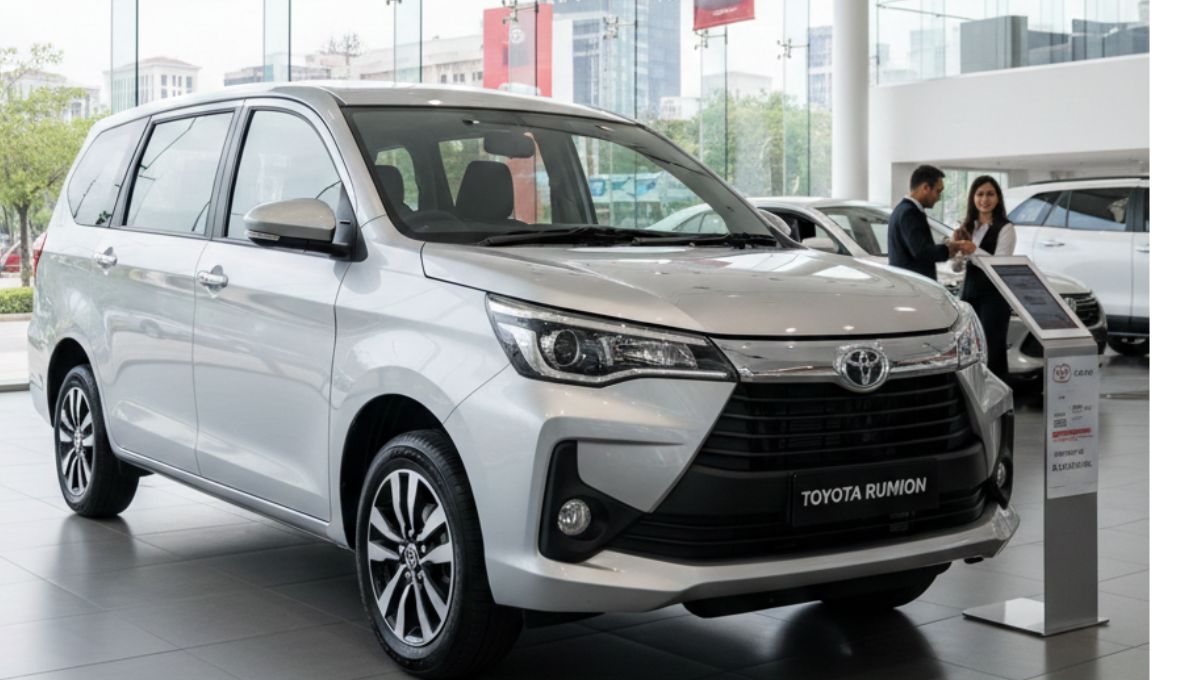
The Toyota Rumion stands out as a practical 7-seater MUV tailored for Indian families, measuring 4420 mm in length, 1735 mm in width, 1690 mm in height, and boasting a 2740 mm wheelbase for stable handling and ample interior room. Priced between Rs. 10.44 lakh and Rs. 13.62 lakh, it offers petrol and CNG powertrains with impressive mileage figures of 20.11-20.51 kmpl for petrol variants. Its kerb weight ranges from 1195-1205 kg, with a gross weight of 1785 kg and a boot space of 209 litres that expands via foldable seats.
Engine and Performance
A 1.5-litre K15C petrol engine with four cylinders and 1462 cc displacement powers the Rumion, delivering 101.64 bhp at 6000 rpm and 136.8 Nm torque at 4400 rpm. It pairs with a 6-speed manual or automatic transmission and front-wheel drive, featuring regenerative braking, idle start-stop, and BS VI 2.0 compliance for efficiency. Petrol variants achieve up to 20.51 kmpl ARAI-rated mileage, a 45-litre fuel tank, and a top speed of 166.75 kmph, while CNG options hit 26.11 km/kg.
Chassis and Suspension
The Rumion employs a MacPherson strut front suspension and rear twist beam for balanced ride comfort over varied roads. It uses disc front brakes and drum rear brakes, supported by power steering with tilt column and a tight 5.2-metre turning radius for easy urban maneuvers. 15-inch alloy wheels shod with 185/65 R15 radial tubeless tyres complete the setup, ensuring grip and durability.
Exterior Highlights
Chrome accents on the front grille, bumper, door handles, and back door garnish lend a premium touch, complemented by projector halogen headlamps, front fog lights, and LED taillights. Body-coloured ORVMs with turn indicators, shark-fin antenna, rear wiper/washer/defogger, and two-tone machined alloy wheels enhance its modern appeal. Mudguards front and rear add practicality for Indian conditions.
Interior and Comfort
Inside, a dual-tone dashboard with metallic teak wood finishes on the dash and front doors creates an upscale feel, paired with plush dual-tone fabric upholstery and a semi-digital cluster. Features include height-adjustable driver seat, 60:40 split foldable second-row seats, 50:50 recline third-row seats, rear AC vents, cooled cup holders, and a central armrest with storage. Additional touches like a tachometer, glove box, front seatback pockets, and cabin lamps front/rear prioritize family usability.
Infotainment and Connectivity
A 7-inch touchscreen infotainment system with wireless Android Auto, Apple CarPlay, Bluetooth, USB ports, four speakers, and two tweeters provides engaging entertainment via Arkamys sound. Advanced internet features encompass live location, remote AC/door control, Google/Alexa connectivity, navigation with live traffic, e-call/i-call, and tow-away alerts. Multi-function steering wheel, paddle shifters (on AT variants), and gear shift indicator keep controls accessible.
Safety Equipment
Equipped with six airbags, ABS with EBD, brake assist, ESC, hill assist, TPMS, and a 5-star Global NCAP rating, the Rumion emphasizes protection. Other safeguards include rear parking sensors/camera with guidelines, ISOFIX mounts, pretensioners, speed-sensing door locks, engine immobilizer, and seatbelt warnings. Day/night IRVM, child safety locks, and anti-theft alarm round out the comprehensive package.