Category Archives: Mobile

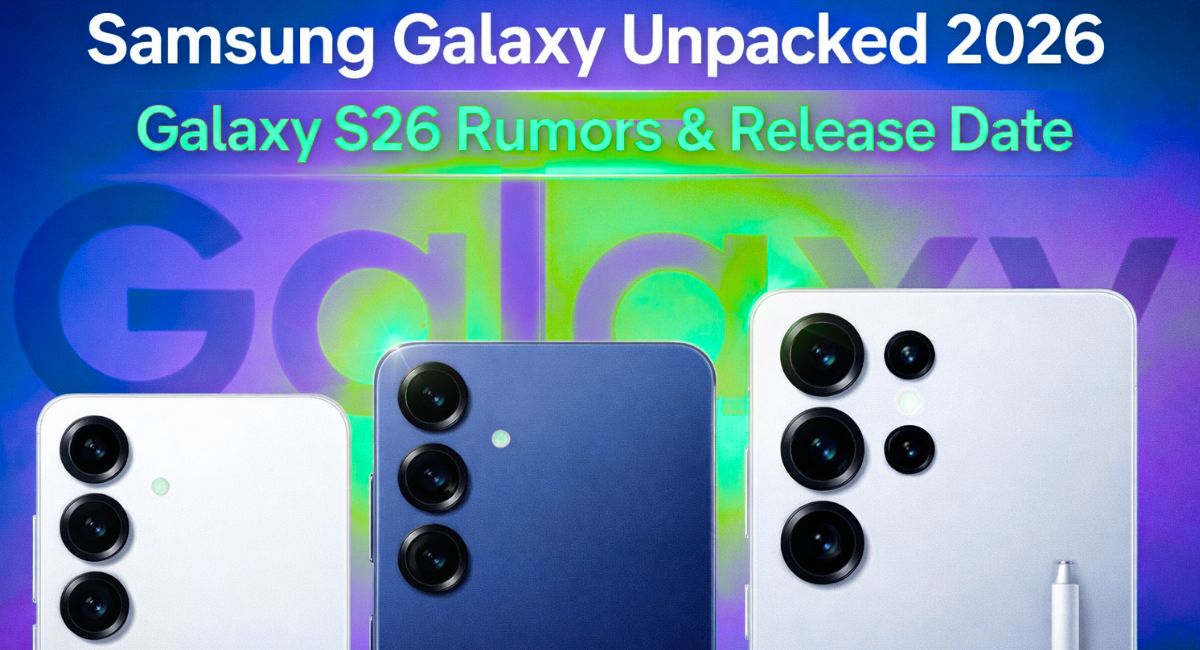
Samsung Galaxy Unpacked 2026 Is Almost Here: Will the Galaxy S26 Redefine the Android Flagship Again?

Every year, anticipation builds around one of the biggest technology events on the calendar: Samsung Galaxy Unpacked. With Samsung Galaxy Unpacked 2026 just days away, industry watchers, reviewers, and loyal fans are asking the same question — how far will Samsung push its flagship formula this time?

The Samsung Galaxy lineup has consistently shaped the Android landscape. From bold hardware experiments to aggressive camera innovation and AI-driven software enhancements, Samsung’s flagship launches often set the tone for the year ahead.

As someone who has followed Samsung Galaxy devices through multiple generations — from early S-series phones to the AI-powered models of recent years — it’s clear that expectations for the Galaxy S26 are higher than ever.

In this comprehensive preview, we explore rumored specs, possible design refinements, chipset upgrades, camera advancements, battery improvements, software features, pricing expectations, and what Galaxy Unpacked 2026 could reveal.

Why Samsung Galaxy Unpacked Matters Every Year?

Samsung Galaxy Unpacked is more than a product announcement. It’s a statement about where Samsung sees the smartphone industry heading.

In recent years, Samsung Galaxy devices have led innovation in:

  • High-refresh-rate displays
  • Advanced computational photography
  • Foldable smartphone technology
  • On-device AI features
  • Long-term Android update commitments

With competition intensifying from Apple, Google, and Chinese manufacturers, Samsung Galaxy flagships must now balance performance, efficiency, design, and software intelligence more carefully than ever.

Galaxy S26 Expected Release Date

Based on Samsung’s historical launch cycle, Galaxy Unpacked events for the S-series typically occur in late January or early February.

If Samsung follows tradition:

  • Announcement: Early 2026
  • Pre-orders: Immediately after event
  • Official release: 2–3 weeks post-announcement

Samsung Galaxy Unpacked 2026 is expected to align with this timeline, positioning the Galaxy S26 as one of the first major flagship releases of the year.

Samsung Galaxy S26: Expected Design Changes

Samsung rarely makes radical visual changes year after year, preferring iterative refinement.

Rumored design expectations for the Galaxy S26 include:

  • Slimmer bezels
  • Slightly lighter chassis
  • Reinforced Armor Aluminum frame
  • Gorilla Glass Victus 3 (or newer generation)
  • Enhanced IP68 water and dust resistance

There are also whispers of improved thermal management systems, potentially incorporating advanced vapor chamber cooling for sustained performance.

The overall aesthetic is expected to remain premium and minimalist — consistent with Samsung Galaxy design language.

Display Specifications: Brighter, Smarter, More Efficient

Samsung is known for industry-leading displays, and the Galaxy S26 is expected to push further.

Expected Display Specs:

  • 6.2-inch AMOLED (Standard S26)
  • 6.7-inch AMOLED (S26+)
  • 6.8-inch AMOLED (S26 Ultra)
  • 120Hz adaptive refresh rate (LTPO technology)
  • Peak brightness exceeding 2,800 nits
  • HDR10+ support
  • 3200 x 1440 resolution (Ultra model)

Samsung’s LTPO panels allow dynamic refresh rate scaling from as low as 1Hz to 120Hz, preserving battery life without sacrificing smoothness.

Performance: Next-Generation Chipset

The Samsung Galaxy S26 is expected to feature either:

  • Qualcomm Snapdragon 8 Gen 5 (in select markets)
  • Samsung Exynos 2600 (in other regions)

Anticipated Chipset Improvements:

  • 3nm or smaller fabrication process
  • Improved AI processing cores
  • Higher energy efficiency
  • Enhanced GPU performance for mobile gaming
  • Better sustained thermal output

RAM configurations may include:

  • 12GB standard
  • 16GB for Ultra variants

Storage options likely range from 256GB up to 1TB on premium models.

Read more:- The New Audi RS 5 Is Here: The High-Performance Hybrid That Changes Everything You Thought About Sports Sedans

AI Integration: The Next Big Samsung Galaxy Push

Artificial intelligence has become central to the Samsung Galaxy ecosystem.

Expected AI upgrades may include:

  • On-device generative AI editing tools
  • Real-time call translation improvements
  • AI-enhanced photo editing
  • Smart summarization features
  • Advanced voice assistant integration
  • Context-aware battery optimization

Samsung has been positioning Galaxy devices as AI-driven companions rather than just smartphones. Galaxy S26 may deepen that integration.

Camera Upgrades: Incremental or Revolutionary?

Samsung’s camera systems remain a major selling point.

Expected Camera Specs (S26 Ultra Rumored):

  • 200MP primary sensor
  • 12MP ultra-wide lens
  • Dual telephoto system (3x and 10x optical zoom)
  • Enhanced periscope zoom stabilization
  • 8K video recording
  • AI-enhanced night photography

Samsung may introduce:

  • Larger sensor sizes
  • Improved dynamic range
  • Faster shutter response
  • Better low-light autofocus

If true, Galaxy S26 could maintain its position among the top Android camera systems.

Battery and Charging Improvements

Battery efficiency improvements are expected to come from both hardware and software optimization.

Rumored Battery Specs:

  • 4,000mAh (S26)
  • 4,800mAh (S26+)
  • 5,200mAh (S26 Ultra)

Charging speeds may include:

  • 45W wired fast charging
  • 25W wireless charging
  • Reverse wireless charging

Samsung may prioritize battery longevity optimization through AI-based power management systems.

Software: One UI 8 and Android 16?

Galaxy S26 is expected to ship with:

  • Android 16
  • One UI 8

Samsung has committed to extended update support in recent years. Buyers can likely expect:

  • 4–7 years of OS updates
  • 5+ years of security patches

One UI continues to refine multitasking, customization, privacy controls, and productivity features.

Connectivity and Hardware Specs

Expected connectivity features include:

  • 5G Advanced support
  • Wi-Fi 7 compatibility
  • Bluetooth 5.4 or newer
  • Ultra-Wideband (UWB)
  • Improved satellite emergency messaging

Additional hardware improvements may include:

  • Upgraded ultrasonic fingerprint sensor
  • Enhanced haptic motor
  • Improved stereo speakers

Pricing Expectations

Samsung Galaxy pricing has steadily increased over recent years.

Estimated pricing could be:

  • Galaxy S26: Starting around $899
  • Galaxy S26+: Around $999
  • Galaxy S26 Ultra: $1,199 or higher

Pricing will vary by region and storage configuration.

What Could Surprise Us at Galaxy Unpacked 2026?

Samsung often includes unexpected announcements, which may include:

  • New Galaxy AI features
  • Updated Galaxy Buds
  • Smartwatch refresh
  • Foldable teaser
  • Ecosystem enhancements

Samsung Galaxy Unpacked events are designed to showcase the broader ecosystem, not just a single device.

Competitive Landscape

Galaxy S26 will compete directly with:

  • Apple’s next iPhone lineup
  • Google Pixel flagship
  • Chinese flagship brands

Samsung’s advantage lies in:

  • Display technology leadership
  • Hardware variety
  • Mature ecosystem integration
  • Aggressive trade-in programs

Should You Wait for the Galaxy S26?

If you own a recent Galaxy S24 or S25, upgrades may depend on:

  • AI feature improvements
  • Camera advancements
  • Battery gains
  • Performance boosts

For users on older devices, Galaxy S26 could represent a substantial leap.

Samsung Galaxy Unpacked 2026 is shaping up to be one of the most important smartphone events of the year. The Galaxy S26 series is expected to refine Samsung’s winning formula while doubling down on AI, display quality, and performance.

If rumors hold true, Samsung Galaxy devices will continue to set the standard for Android flagships in 2026.

With only days left until Unpacked, the countdown has officially begun.

FAQs

When is Samsung Galaxy Unpacked 2026?

Samsung Galaxy Unpacked 2026 is expected to occur in early 2026, likely January or February.

What will the Galaxy S26 cost?

Pricing is expected to start around $899 for the base model, with Ultra models exceeding $1,199.

Will the Galaxy S26 have a 200MP camera?

Rumors suggest the Ultra variant may retain or improve the 200MP sensor.

What processor will the Galaxy S26 use?

Depending on region, it may feature Snapdragon 8 Gen 5 or Exynos 2600.
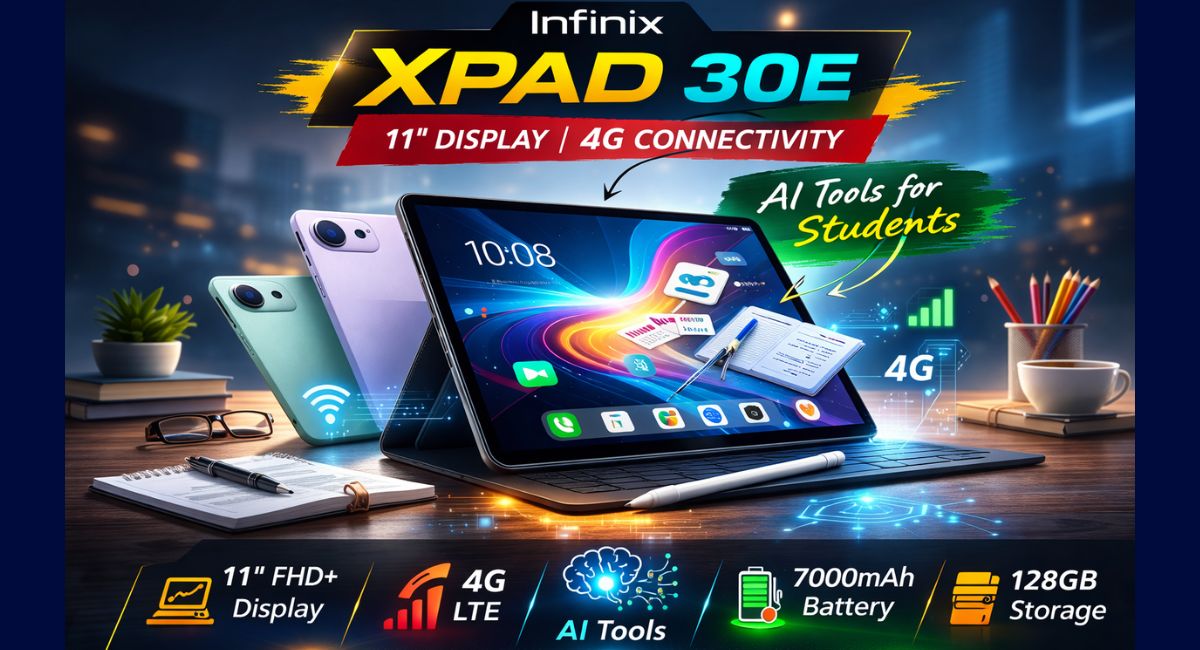
Infinix Xpad 30E: The Budget 11-Inch 4G Tablet Bringing AI Tools to Students Without the High Price

The education technology landscape is evolving rapidly. Students today don’t just need a device for reading PDFs or attending online classes—they need smart tools powered by AI, reliable connectivity, and a screen large enough for multitasking. The Infinix Xpad 30E enters this competitive space with a clear promise: deliver essential features, AI productivity tools, and 4G connectivity at a price point accessible to students.

While many tablets either compromise on performance or inflate costs with premium branding, the Infinix Xpad 30E appears designed with practical student needs in mind. In this comprehensive review, we break down its specifications, performance, AI capabilities, connectivity features, and overall value proposition.

Overview: A Student-Focused Tablet Strategy

Infinix has steadily built its reputation in the affordable smartphone segment. With the Infinix Xpad 30E, the company extends its strategy into tablets—prioritizing accessibility without stripping away essential functionality.

This device targets:

  • Students attending online classes
  • Budget-conscious families
  • First-time tablet users
  • Learners in emerging markets
  • Professionals needing a secondary device

The combination of an 11-inch display, 4G connectivity, and integrated AI tools signals a device designed for modern academic demands.

Design and Build Quality

The Infinix Xpad 30E adopts a clean and minimal design approach.

Key Design Highlights

  • Slim profile
  • Lightweight construction
  • Metal or premium-finish back panel
  • Rounded edges for comfortable grip
  • Large 11-inch front display

Despite its affordable positioning, the tablet does not feel cheap. The balance between durability and portability is particularly important for students who carry devices in backpacks daily.

The bezels are reasonably slim, maximizing screen real estate without compromising grip stability during reading or note-taking sessions.

Display: 11 Inches of Practical Screen Space

One of the most important aspects of any student tablet is the display quality. The Infinix Xpad 30E features an 11-inch panel designed to enhance productivity and media consumption.

Display Specifications

  • Screen Size: 11 inches
  • Resolution: Full HD+ (approx. 1920 x 1200)
  • Panel Type: IPS LCD
  • Aspect Ratio: Optimized for reading and multitasking
  • Brightness: Suitable for indoor and moderate outdoor use

The 11-inch size strikes a sweet spot. It is large enough for:

  • Split-screen multitasking
  • Watching recorded lectures
  • Editing documents
  • Reading e-books

At the same time, it remains portable compared to larger 12-inch tablets.

Color reproduction is adequate for everyday use, and viewing angles are consistent thanks to the IPS technology.

Read more:- Smarter Spending in 2026: Why the New 2026 Laptop Deals from Laptop Outlet Prioritize Price and Reliability?

Performance: Efficient for Academic Tasks

The Infinix Xpad 30E is designed for smooth day-to-day operation rather than high-end gaming.

Performance Specifications

  • Processor: Octa-core chipset (optimized for efficiency)
  • RAM: 4GB / 8GB variants
  • Storage: 128GB internal storage
  • Expandable Storage: microSD support
  • Operating System: Android-based interface

This configuration ensures reliable performance for:

  • Web browsing
  • Video streaming
  • Note-taking apps
  • Word processing
  • Online meetings

While it may not compete with flagship tablets in raw performance, it handles academic workloads effectively.

The 8GB RAM option, in particular, improves multitasking, making it more future-ready for demanding applications.

4G Connectivity: Learning Without Wi-Fi Dependency

One of the standout features of the Infinix Xpad 30E is 4G connectivity.

Why 4G Matters for Students?

  • Access online classes anywhere
  • Download assignments on the go
  • Participate in video conferences
  • Stream educational content
  • Use cloud storage without interruption

In regions where Wi-Fi access is inconsistent, 4G support transforms the tablet into a truly independent learning device.

This feature alone differentiates the Xpad 30E from many budget tablets that rely solely on Wi-Fi.

AI Tools: Affordable Intelligence for Everyday Tasks

AI integration is becoming standard in modern devices, but rarely at affordable price points.

The Infinix Xpad 30E incorporates AI-powered features aimed at boosting productivity.

AI Features May Include:

  • Smart note summarization
  • AI-based writing assistance
  • Voice-to-text transcription
  • Real-time language translation
  • Smart photo enhancements
  • Study planner suggestions

For students, these tools can:

  • Simplify research
  • Improve assignment writing
  • Save time during revision
  • Enhance language learning

The value of AI in education lies not in novelty but in efficiency—and this is where the Xpad 30E focuses its efforts.

Battery Life: Built for Long Study Sessions

A student tablet must last through classes, homework, and media usage.

Battery Specifications

  • Battery Capacity: Approximately 7,000mAh or higher
  • Charging: Fast charging support
  • USB Type-C: Yes

With moderate use, the device can last a full academic day.

Activities such as:

  • Streaming lectures
  • Attending video calls
  • Reading e-books
  • Taking notes

are well-supported without frequent recharging.

Fast charging further ensures minimal downtime between study sessions.

Camera and Audio: Functional for Online Learning

While tablets are not camera-centric devices, they must support video calls effectively.

Camera Setup

  • Rear Camera: 8MP or similar
  • Front Camera: 5MP optimized for video calls

The front camera quality is sufficient for:

  • Online classes
  • Virtual meetings
  • Remote presentations

Audio quality also plays a crucial role. The tablet includes stereo speakers, ensuring clear lecture playback and better media immersion.

Software Experience: Clean and Accessible

The Infinix Xpad 30E runs on an Android-based interface tailored for large screens.

Students benefit from:

  • Split-screen functionality
  • Parental controls
  • Educational app compatibility
  • Access to Google services
  • Regular security updates

The interface remains intuitive, making it suitable even for younger users.

Storage and Expandability

With 128GB internal storage and microSD expansion, the tablet provides ample room for:

  • E-books
  • Lecture recordings
  • PDFs
  • Educational apps
  • Offline videos

Expandable storage is particularly valuable for students who download large study materials.

Specifications Summary Table

CategorySpecification
Display11-inch Full HD+ IPS
ProcessorOcta-core chipset
RAM4GB / 8GB
Storage128GB + microSD
Connectivity4G LTE + Wi-Fi
Battery7,000mAh approx.
ChargingFast charging
Front Camera5MP
Rear Camera8MP
OSAndroid-based system
AI ToolsWriting assist, translation, smart notes

Real-World Use Cases

For School Students

  • Online classes
  • Homework assignments
  • Educational apps
  • Language learning

For College Students

  • Research projects
  • Video editing basics
  • Presentation preparation
  • Cloud collaboration

For Remote Learners

  • Video conferencing
  • AI-assisted study planning
  • Document editing

Competitive Positioning

The tablet market includes numerous options in the budget category.

However, the Infinix Xpad 30E differentiates itself through:

  • Larger display
  • 4G support
  • AI features
  • Competitive pricing
  • Solid battery life

Many competitors compromise either connectivity or performance.

The Xpad 30E attempts to balance all critical elements.

Strengths and Limitations

Strengths

  • Affordable pricing
  • 11-inch immersive display
  • 4G connectivity
  • AI productivity tools
  • Expandable storage
  • Long battery life

Limitations

  • Not designed for high-end gaming
  • Camera performance is basic
  • IPS panel instead of AMOLED

For its target audience, the strengths outweigh the compromises.

Who Should Buy the Infinix Xpad 30E?

The Infinix Xpad 30E is ideal for:

  • Budget-focused students
  • Parents purchasing educational devices
  • Online learners
  • Users needing 4G tablet connectivity
  • Light productivity users

It may not suit professionals requiring advanced design or editing capabilities.

Long-Term Value Proposition

Affordability combined with practical AI features gives this tablet long-term relevance.

Education is increasingly digital. Devices that integrate connectivity, productivity tools, and AI assistance will remain in demand.

The Infinix Xpad 30E aligns with this trajectory.

The Infinix Xpad 30E is not trying to compete with premium flagship tablets. Instead, it targets real-world student needs—large display, reliable 4G, AI productivity features, and strong battery life—at a price that remains accessible.

For families and students seeking a dependable academic companion without overspending, the Xpad 30E presents a balanced and forward-thinking option.

FAQs

Is the Infinix Xpad 30E good for students?

Yes. It offers an 11-inch display, 4G connectivity, AI tools, and sufficient performance for online learning and assignments.

Does the Infinix Xpad 30E support 4G SIM cards?

Yes, it includes 4G LTE connectivity, allowing students to use mobile data without Wi-Fi.

What is the battery capacity of the Infinix Xpad 30E?

It features approximately a 7,000mAh battery, designed for all-day usage.

Can the Infinix Xpad 30E run educational apps smoothly?

Yes, its octa-core processor and 4GB/8GB RAM options support common educational applications efficiently.

Why Serious Investors Are Watching Motorola (MSI) Closely?

When investors think of “Motorola,” consumer smartphones often come to mind. However, Motorola (MSI)—Motorola Solutions, Inc.—operates in an entirely different league. It is not a handset maker. It is a mission-critical communications and public safety technology leader serving governments, emergency services, and enterprise customers worldwide.

In recent years, Motorola (MSI) has quietly transformed into one of the most compelling momentum stocks in the industrial and technology sectors. Its consistent revenue growth, expanding margins, robust backlog, and strong free cash flow generation have captured the attention of long-term investors seeking durable performance.

This in-depth analysis examines why Motorola (MSI) stands out as a top momentum stock for the long term, exploring its financial strength, competitive positioning, growth catalysts, and potential risks.

Understanding Motorola (MSI): A Mission-Critical Technology Leader

Motorola (MSI) specializes in mission-critical communications, command center software, video security solutions, and managed services.

Its primary customer base includes:

  • Public safety agencies
  • Government organizations
  • First responders
  • Defense and security institutions
  • Transportation and utility sectors

Unlike consumer electronics companies that rely on cyclical demand, Motorola (MSI) operates in essential infrastructure markets. Its products and services are integral to emergency response, law enforcement coordination, and critical operations.

This structural advantage gives the company a strong foundation for predictable and recurring revenue.

Business Segments and Core Offerings

Motorola (MSI) operates through two primary segments:

1. Products and Systems Integration

This includes:

  • Land Mobile Radio (LMR) systems
  • Two-way radios
  • Infrastructure equipment
  • Broadband communications solutions

LMR remains a critical backbone for public safety communications worldwide.

2. Software and Services

This segment has become increasingly important and includes:

  • Command center software
  • Computer-aided dispatch systems
  • Video security platforms
  • Body-worn cameras
  • Managed services
  • Cloud-based analytics

The shift toward software and recurring services has strengthened margins and improved revenue visibility.

Financial Performance: Momentum Backed by Fundamentals

Momentum stocks are often misunderstood as speculative. However, Motorola (MSI)’s momentum is supported by measurable financial performance.

Revenue Growth

Motorola (MSI) has demonstrated steady top-line growth, driven by:

  • Increasing demand for public safety modernization
  • Expansion into video security and analytics
  • Recurring software and services contracts

Earnings Strength

The company has delivered consistent earnings per share (EPS) growth, supported by:

  • Higher-margin software offerings
  • Operational efficiency improvements
  • Strong order backlog

Free Cash Flow Generation

Motorola (MSI) generates substantial free cash flow, allowing it to:

  • Invest in research and development
  • Pursue strategic acquisitions
  • Return capital to shareholders
  • Reduce debt

Sustainable free cash flow is a critical indicator of long-term investment quality.

Key Financial Metrics Snapshot

Below is a high-level overview of Motorola (MSI)’s financial profile (approximate figures may vary by reporting period):

MetricOverview
RevenueMulti-billion-dollar annual revenue
Operating MarginStrong double-digit margins
EPS GrowthConsistent year-over-year growth
Free Cash FlowRobust and expanding
BacklogSignificant multi-year contract backlog
DividendEstablished dividend payer

The presence of a dividend further enhances long-term appeal for income-focused investors.

Read more:- Meta Builds AI Infrastructure With NVIDIA: Here’s Why It Matters?

Why Motorola (MSI) Is a Momentum Stock?

Momentum stocks often share specific characteristics:

  • Consistent price performance
  • Positive earnings revisions
  • Strong institutional interest
  • Industry leadership

Motorola (MSI) checks these boxes due to its:

  1. Stable revenue base
  2. Expanding software ecosystem
  3. Strong competitive moat
  4. Long-term government contracts

Momentum in this case is not speculative hype—it is performance-driven.

Competitive Advantages

1. High Switching Costs

Public safety agencies rely on integrated communications systems. Once deployed, switching providers is complex and costly.

This creates long-term customer retention.

2. Deep Industry Relationships

Motorola (MSI) has decades of relationships with government agencies worldwide.

Trust and reliability are crucial in mission-critical sectors.

3. Integrated Ecosystem

By combining radios, command center software, video security, and analytics, Motorola offers a unified platform.

This ecosystem approach increases cross-selling opportunities and recurring revenue.

Growth Drivers for the Long Term

Public Safety Modernization

Governments globally are upgrading legacy systems to digital, broadband-enabled platforms.

Motorola (MSI) is well-positioned to benefit from these modernization efforts.

Video Security Expansion

The acquisition and expansion into video surveillance and body-worn camera markets have broadened revenue streams.

Growing concerns about transparency and accountability continue to support demand.

Cloud and Software Integration

Recurring cloud-based services improve revenue stability and margins.

Software growth increases lifetime customer value.

International Market Opportunities

Emerging markets are investing in communication infrastructure, providing further expansion potential.

Dividend Strength and Shareholder Returns

Motorola (MSI) is not just a growth stock—it also rewards shareholders.

Key aspects include:

  • Regular dividend payments
  • Dividend growth track record
  • Share buybacks

This combination of capital appreciation and income enhances total return potential.

Risk Factors to Consider

No investment is risk-free.

Potential risks include:

  • Government budget fluctuations
  • Regulatory changes
  • Technological disruption
  • Competitive pressure

However, the essential nature of Motorola’s offerings reduces demand volatility compared to consumer-driven companies.

Industry Positioning

Motorola (MSI) operates in a niche that blends industrial stability with technological innovation.

Unlike consumer tech firms subject to rapid trend changes, Motorola’s mission-critical focus ensures longer product cycles and stable demand.

This hybrid position strengthens its resilience.

Valuation Perspective

Momentum stocks can sometimes appear expensive based on traditional valuation metrics.

However, investors often justify premium valuations for companies with:

  • Durable competitive advantages
  • Strong recurring revenue
  • High cash flow conversion
  • Predictable growth

Motorola (MSI) fits this profile.

Long-term investors may view valuation in the context of sustained growth rather than short-term multiples.

Strategic Acquisitions and Innovation

Motorola (MSI) has consistently expanded its capabilities through targeted acquisitions in:

  • Video analytics
  • Software platforms
  • Cloud services

Innovation remains central to its strategy, with continued investment in research and development.

This ensures competitiveness in an evolving technological landscape.

Long-Term Investment Thesis

The case for Motorola (MSI) as a long-term momentum stock rests on five pillars:

  1. Essential service demand
  2. Recurring software revenue
  3. Strong financial discipline
  4. Competitive moat
  5. Shareholder-friendly capital allocation

These elements support sustainable growth rather than temporary momentum spikes.

Who Should Consider Investing?

Motorola (MSI) may appeal to:

  • Long-term growth investors
  • Dividend-focused investors
  • Portfolio managers seeking stability
  • Institutional investors
  • Investors looking for exposure to mission-critical technology

It may not suit high-risk traders seeking short-term volatility.

Future Outlook

Looking ahead, Motorola (MSI) appears positioned to benefit from:

  • Continued public safety investment
  • Digital transformation trends
  • Expansion of cloud-based services
  • Increased demand for integrated security systems

If execution remains disciplined, momentum could persist over multiple years.

Motorola (MSI) is not a flashy consumer tech brand. It is a disciplined, mission-focused enterprise delivering essential technology solutions.

Its momentum reflects underlying financial strength, expanding software integration, and long-term demand drivers.

For investors seeking a blend of growth, income, and resilience, Motorola (MSI) stands out as a compelling long-term candidate.

FAQs

What does Motorola (MSI) do?

Motorola (MSI) provides mission-critical communications equipment, software solutions, and video security systems primarily for government and public safety organizations.

Is Motorola (MSI) a good long-term investment?

Based on its financial strength, recurring revenue model, and competitive positioning, many investors consider Motorola (MSI) a strong long-term investment candidate.

Does Motorola (MSI) pay dividends?

Yes, Motorola (MSI) pays regular dividends and has a track record of dividend growth.

Why is Motorola (MSI) considered a momentum stock?

It has demonstrated consistent stock price appreciation supported by strong earnings growth, positive analyst revisions, and expanding margins.

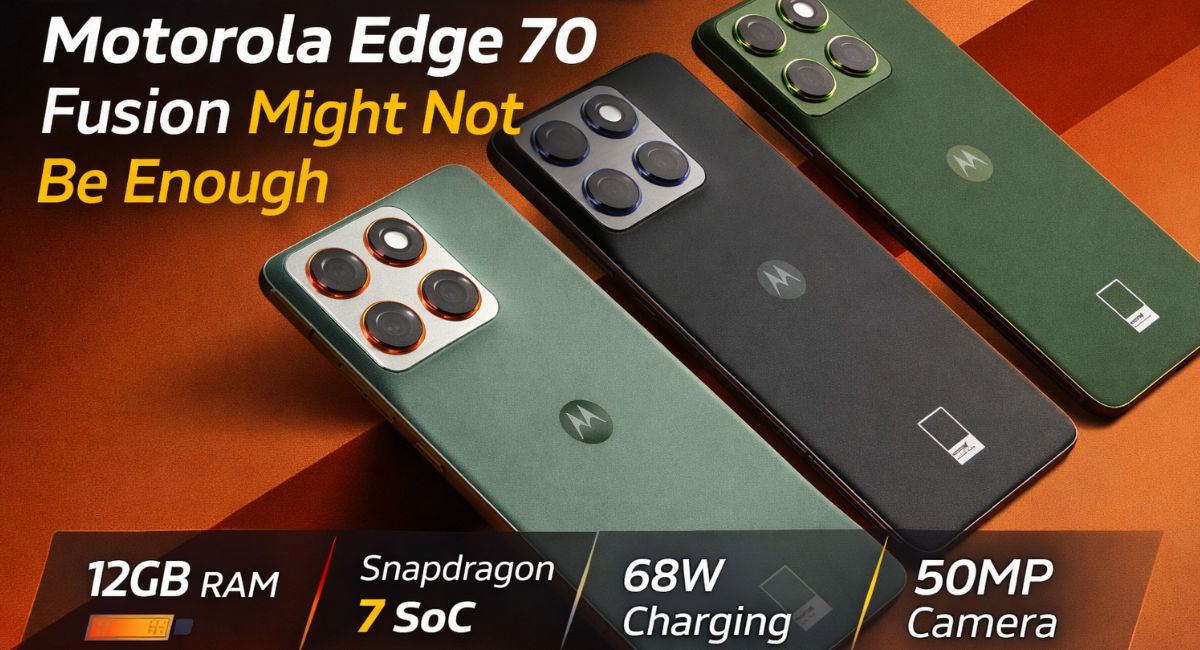
Motorola Edge 70 Fusion Leak: Is Snapdragon 7-Series Not Enough This Time?

The mid-range smartphone market is more competitive than ever. Every year, brands try to blur the line between flagship luxury and affordable practicality. Now, a fresh leak has put the spotlight on the Motorola Edge 70 Fusion, suggesting it will arrive powered by a Snapdragon 7-series processor.

If accurate, this move positions the device as a performance-focused upper mid-range contender—one designed for users who demand speed, efficiency, and premium design without flagship pricing.

In this in-depth analysis, we break down what the leak reveals, examine expected specifications, discuss performance implications, and evaluate how the Motorola Edge 70 Fusion could reshape the segment.

Why the Snapdragon 7-Series Matters?

Motorola’s Fusion lineup has traditionally targeted users who want strong everyday performance with modern design and capable cameras. The introduction of a Snapdragon 7-series chip could elevate that promise significantly.

The Snapdragon 7-series platform is known for:

  • Balanced performance and power efficiency
  • Advanced AI capabilities
  • Strong gaming support
  • Improved camera processing
  • 5G connectivity
  • Enhanced thermal management

Unlike entry-level processors, Snapdragon 7-series chips typically bring near-flagship-level responsiveness in multitasking and gaming scenarios.

If the leak proves accurate, the Motorola Edge 70 Fusion may deliver a noticeable boost over its predecessor.

Expected Core Specifications

While official confirmation is pending, leaks and industry trends suggest the following potential configuration for the Motorola Edge 70 Fusion:

Processor & Performance

  • Chipset: Snapdragon 7-series (likely 7 Gen platform)
  • Architecture: 4nm or similar advanced node
  • GPU: Adreno GPU optimized for gaming
  • AI Engine: Integrated AI acceleration
  • Connectivity: 5G support, Wi-Fi 6 or above, Bluetooth 5.3

Memory & Storage

  • RAM Options: 8GB / 12GB
  • Storage Variants: 128GB / 256GB
  • Storage Type: UFS 2.2 or better

Display

  • Size: Around 6.6–6.7 inches
  • Panel Type: pOLED or AMOLED
  • Refresh Rate: 120Hz or 144Hz
  • Resolution: Full HD+
  • HDR Support: HDR10+

Cameras

  • Primary Camera: 50MP with OIS
  • Ultra-Wide Camera: 13MP or similar
  • Front Camera: 32MP selfie sensor
  • Video: 4K recording capability

Battery & Charging

  • Battery Capacity: 4,500–5,000mAh
  • Charging Speed: 68W fast charging (expected)
  • USB Type-C: Yes

Software

  • Operating System: Android 14 or newer
  • UI: Near-stock Motorola experience
  • Security Updates: Multi-year support expected

These specifications suggest a device that aims squarely at performance-focused mid-range buyers.

Performance Expectations: Real-World Impact

A Snapdragon 7-series processor typically bridges the gap between mid-range and flagship.

Multitasking

With 8GB or 12GB of RAM, users can expect smooth switching between apps, stable background processes, and minimal lag during heavy usage.

Gaming

The Adreno GPU integrated into Snapdragon 7-series chips is optimized for popular titles. Casual and even moderately demanding games should run comfortably at high settings with stable frame rates.

Thermal management improvements also mean reduced throttling during extended gaming sessions.

AI Enhancements

Modern Snapdragon 7-series processors integrate AI features that enhance:

  • Camera scene detection
  • Image processing
  • Battery optimization
  • Voice recognition

This means the Motorola Edge 70 Fusion could offer smarter photography and better battery longevity through AI-driven efficiency.

Read more:- The new Audi RS 5: High-Performance Hybrid That Redefines the Sports Sedan Era

Design Language: Premium Without the Premium Price

Motorola’s Edge series has built a reputation for sleek, curved designs and comfortable ergonomics.

Expect the Motorola Edge 70 Fusion to continue this design philosophy:

  • Slim profile
  • Lightweight body
  • Curved display edges
  • Minimal bezels
  • Vegan leather or matte glass finish

Motorola often experiments with unique color finishes, which could help the device stand out in a crowded market.

Build quality will likely feel more premium than the price suggests, a hallmark of the Fusion lineup.

Display: Smoothness and Visual Immersion

A high refresh rate display is almost mandatory in this category.

If Motorola includes a 120Hz or even 144Hz pOLED panel, the Edge 70 Fusion could offer:

  • Smooth scrolling
  • Enhanced gaming visuals
  • Crisp media playback
  • Strong brightness for outdoor use

Motorola typically tunes its displays for vivid colors without oversaturation, appealing to both casual users and content consumers.

Camera Capabilities: Balanced and Practical

Motorola phones often prioritize a reliable primary sensor rather than chasing excessive megapixels.

50MP Main Sensor With OIS

Optical Image Stabilization (OIS) is a significant feature. It helps reduce blur in low-light shots and improves video stability.

Combined with Snapdragon’s image processing engine, users can expect:

  • Better night photography
  • Faster HDR processing
  • More natural skin tones

Ultra-Wide & Selfie Camera

The ultra-wide sensor should handle landscape shots effectively, while a 32MP front camera would cater well to video calls and social media users.

While not positioned as a camera-centric flagship, the Motorola Edge 70 Fusion could deliver consistent, dependable results.

Battery Life and Charging Speed

Battery performance remains critical for mid-range buyers.

A 5,000mAh battery paired with a power-efficient Snapdragon 7-series chip should comfortably deliver:

  • Full-day heavy use
  • Up to two days of moderate use

Motorola’s 68W fast charging is a strong advantage. It can recharge the device quickly, minimizing downtime.

This combination of capacity and charging speed makes the device practical for everyday users.

Software Experience: Clean and Close to Stock

One of Motorola’s biggest strengths is its near-stock Android experience.

Users can expect:

  • Minimal bloatware
  • Clean UI
  • Smooth animations
  • Useful gestures (like chop for flashlight, twist for camera)

The Motorola Edge 70 Fusion is likely to ship with the latest Android version available at launch, along with promised security updates.

For users tired of heavy custom skins, this software approach adds significant value.

Competitive Positioning

The upper mid-range market includes strong competitors offering similar processors and features.

However, Motorola has an opportunity to stand out through:

  • Cleaner software
  • Fast charging advantage
  • Distinctive design
  • Competitive pricing

If priced strategically, the Motorola Edge 70 Fusion could challenge devices in the same performance bracket while offering a more refined user experience.

Who Should Consider the Motorola Edge 70 Fusion?

This device appears ideal for:

  • Students needing reliable performance
  • Mobile gamers seeking balance
  • Professionals wanting stylish design
  • Content consumers who value display quality
  • Users upgrading from older mid-range phones

It may not target hardcore flagship enthusiasts, but it could deliver 80–90% of flagship performance at a significantly lower cost.

Potential Market Impact

Leaks often shape consumer expectations. By hinting at a Snapdragon 7-series chip, the Motorola Edge 70 Fusion already positions itself as performance-forward.

If Motorola pairs this processor with competitive pricing and timely updates, the device could:

  • Strengthen its presence in global markets
  • Reinforce the Edge series brand
  • Expand appeal among younger buyers

Performance-driven mid-range devices are increasingly popular, and this model aligns perfectly with that trend.

Anticipated Final Specifications Summary

CategoryExpected Specification
ProcessorSnapdragon 7-Series
RAM8GB / 12GB
Storage128GB / 256GB
Display6.6–6.7” FHD+ pOLED, 120Hz+
Rear Camera50MP + Ultra-wide
Front Camera32MP
Battery4,500–5,000mAh
Charging68W Fast Charging
OSAndroid 14 or newer
Connectivity5G, Wi-Fi 6, Bluetooth 5.3

The Motorola Edge 70 Fusion appears poised to deliver a refined balance of performance, design, and practicality.

The rumored Snapdragon 7-series chip signals a serious upgrade in processing power, while Motorola’s focus on clean software and fast charging enhances the overall package.

In a market where mid-range devices often feel compromised, this leak suggests that Motorola may once again blur the boundaries between affordability and premium performance.

If these specifications hold true at launch, the Edge 70 Fusion could become one of the most compelling upper mid-range smartphones of the year.

FAQs

What processor will the Motorola Edge 70 Fusion use?

Leaks suggest it will feature a Snapdragon 7-series chipset, offering strong performance and efficiency for mid-range users.

Is the Motorola Edge 70 Fusion good for gaming?

If powered by a Snapdragon 7-series chip with an Adreno GPU, it should handle popular games smoothly at high settings.

Will the Motorola Edge 70 Fusion support 5G?

Yes, Snapdragon 7-series processors typically include integrated 5G connectivity.

Does the Motorola Edge 70 Fusion have fast charging?

Leaks indicate support for 68W fast charging, allowing quick power top-ups.

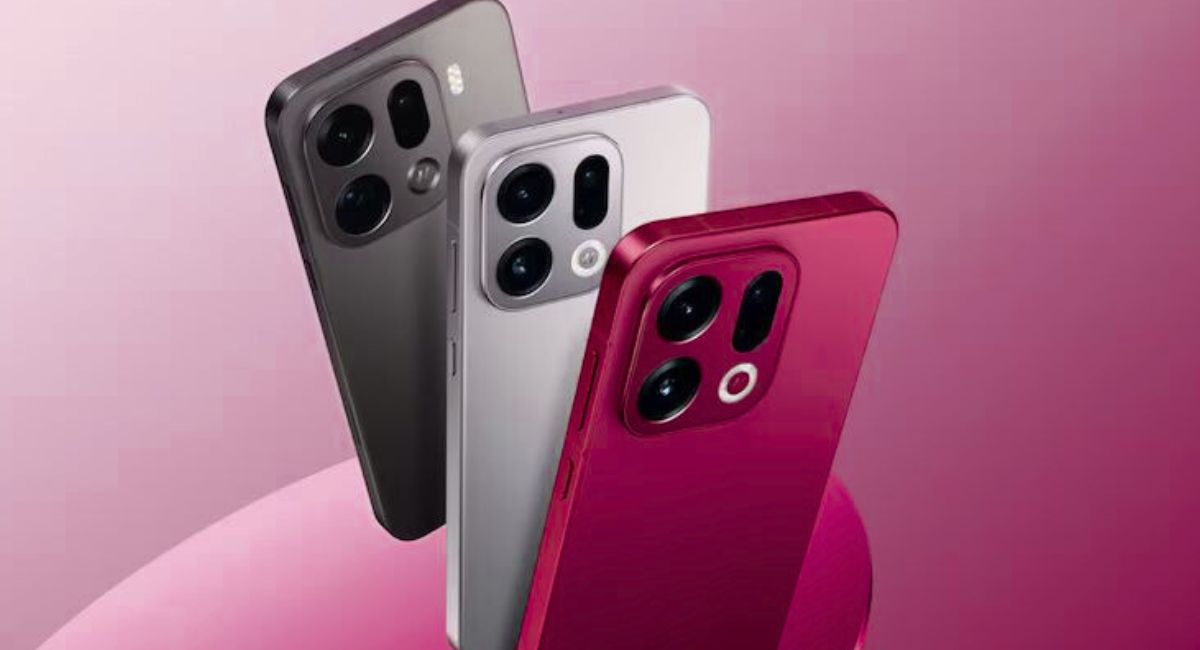
Oppo Find X9s Leak Reveals Massive 7,025mAh Battery: Game-Changing Flagship or Just Bigger Numbers?

The flagship smartphone race is evolving quickly. While brands once competed primarily on camera megapixels and processor speeds, the next major battlefield appears to be battery endurance. Recent leaks suggest that the Oppo Find X9s could arrive with a massive 7,025mAh battery — a capacity rarely seen in premium devices.

If accurate, this would mark one of the largest batteries ever fitted into a mainstream flagship phone. But battery size alone does not define a smartphone’s success. Performance tuning, thermal management, charging speed, software optimization, and camera capability all play crucial roles.

With reports hinting at upgraded specifications and a potential global launch timeline, the Oppo Find X9s may position itself as a serious contender in the high-end smartphone market.

Let’s break down everything we know so far — including expected specifications, design upgrades, chipset performance, camera hardware, software enhancements, and what this device could mean for 2026’s flagship competition.

Oppo Find X9s: Where It Fits in the Lineup?

The Find X series has historically represented Oppo’s innovation showcase. These devices typically emphasize:

  • Premium design language
  • Advanced camera systems
  • Cutting-edge chipsets
  • High-refresh-rate displays
  • Fast charging capabilities

The Oppo Find X9s appears to continue that legacy, but with a heavier focus on battery endurance and power efficiency.

Expected Launch Timeline

Leaked reports indicate that the global variant of the Oppo Find X9s could debut in the second half of 2026.

While regional launches may differ, expectations suggest:

  • Initial launch in select Asian markets
  • Gradual global rollout
  • Premium pricing tier positioning

Oppo often unveils its flagship devices alongside ecosystem expansions, potentially including wearables or audio products.

The Headline Feature: 7,025mAh Battery

The most attention-grabbing leak concerns battery capacity.

Why 7,025mAh Is Significant?

Most flagship smartphones typically range between:

  • 4,500mAh to 5,500mAh

A 7,025mAh battery would dramatically extend usage time.

Potential Benefits

  • Two-day moderate usage
  • Improved gaming endurance
  • Extended video streaming
  • Reduced charging frequency
  • Better standby efficiency

However, battery size also impacts weight and device thickness.

Read more:- Don’t Buy Any 5G Phone Under ₹15,000 In India Before Reading This (2026 Guide)

Charging Technology Expectations

Large batteries require efficient charging solutions.

The Oppo Find X9s is expected to feature:

  • 80W to 100W wired fast charging
  • Possible 50W wireless charging
  • Reverse wireless charging support
  • Intelligent battery health optimization

High charging speeds reduce inconvenience associated with large battery capacities.

Thermal management systems will be critical to maintain safe charging temperatures.

Display Specifications

Oppo’s Find X lineup typically includes high-end displays.

Expected Display Features

  • 6.7-inch to 6.8-inch AMOLED panel
  • QHD+ resolution
  • 120Hz adaptive refresh rate
  • LTPO technology
  • HDR10+ support
  • High peak brightness (likely above 2,500 nits)

An adaptive refresh rate helps conserve battery life, especially important with such a large battery system.

Processor and Performance

Flagship performance demands top-tier silicon.

The Oppo Find X9s may feature:

  • Latest Snapdragon flagship chipset or
  • MediaTek Dimensity flagship platform

Expected Chipset Specifications

  • 4nm or 3nm manufacturing process
  • Advanced AI processing engine
  • Enhanced GPU architecture
  • Improved power efficiency

Combined with a 7,025mAh battery, power efficiency could become a standout feature.

RAM and Storage Options

Premium models typically offer multiple configurations.

Likely options include:

  • 12GB or 16GB LPDDR5X RAM
  • 256GB or 512GB UFS 4.0 storage
  • No microSD expansion

High-speed storage ensures faster app loading and data access.

Camera System Upgrades

Oppo consistently invests in camera technology.

The Find X9s is expected to include:

Rear Camera Setup

  • 50MP primary sensor (possibly Sony IMX series)
  • Ultra-wide lens (50MP or 48MP)
  • Telephoto or periscope zoom lens
  • Optical Image Stabilization (OIS)

Front Camera

  • 32MP or higher selfie camera
  • Advanced AI portrait enhancements

Oppo may integrate proprietary image processing algorithms for improved low-light photography.

AI Features and Software

The Find X9s is expected to run the latest version of ColorOS based on Android.

Software Features May Include

  • AI photo enhancement
  • Real-time translation tools
  • AI battery optimization
  • Smart task automation
  • Improved privacy dashboard

AI-driven battery management could maximize the 7,025mAh capacity.

Build Quality and Design

With such a large battery, design engineering becomes crucial.

Expected design elements:

  • Curved-edge glass
  • Slim profile despite large battery
  • Aluminum or titanium frame
  • IP68 water and dust resistance

Oppo has historically balanced battery capacity with sleek design aesthetics.

Connectivity and Future-Proofing

Premium smartphones require advanced connectivity.

Likely features include:

  • 5G multi-band support
  • Wi-Fi 7 compatibility
  • Bluetooth 5.4
  • NFC
  • Dual SIM support
  • Advanced GPS systems

Global variant compatibility will depend on regional band support.

Audio and Multimedia

High-end devices often emphasize immersive experiences.

Expected features:

  • Stereo speakers
  • Dolby Atmos support
  • Hi-Res audio certification
  • Advanced vibration motor

Large battery capacity supports longer media consumption sessions.

Security and Biometrics

Security features likely include:

  • In-display fingerprint sensor
  • Advanced facial recognition
  • Hardware-level encryption
  • Secure chip integration

Oppo has increasingly focused on secure user data management.

Competition Landscape

The Oppo Find X9s will likely compete with:

  • Samsung Galaxy S series
  • Xiaomi Ultra models
  • Vivo X-series Pro variants
  • OnePlus flagship devices

Battery capacity could become its defining differentiator.

Prospective Strengths

  • Exceptional battery life
  • Fast charging support
  • Flagship-grade display
  • Advanced camera system
  • Strong AI integration

Potential Concerns

  • Increased weight due to battery
  • Premium pricing
  • Competition offering similar specs

Real-world performance will determine market success.

Long-Term Value

Large battery smartphones often maintain strong resale value due to longevity.

Battery health management features may include:

  • Smart charging limits
  • Adaptive charging speed
  • Battery preservation modes

Extended battery lifespan adds practical value.

What This Means for the Flagship Market?

If the Oppo Find X9s launches with a 7,025mAh battery, it may influence broader industry trends.

Other manufacturers may prioritize:

  • Larger batteries
  • Improved efficiency
  • AI-driven energy management

Battery anxiety remains a top consumer concern. Oppo appears ready to address it aggressively.

The Oppo Find X9s, if launched with the rumored specifications, could redefine expectations for flagship battery performance.

A 7,025mAh battery paired with top-tier hardware suggests serious ambition. However, real-world usability will depend on thermal optimization, charging efficiency, and software stability.

If Oppo manages to balance size, weight, and performance, the Find X9s may emerge as one of 2026’s most endurance-focused flagship devices.

The Oppo Find X9s appears poised to push battery boundaries in the flagship segment.

While the final specifications remain unofficial, the combination of a massive battery, premium display, advanced chipset, and refined design signals serious competition ahead.

If these leaks prove accurate, Oppo could reshape the conversation around flagship endurance in 2026.

FAQs

When will Oppo Find X9s launch globally?

The global variant is expected in the second half of 2026, though official confirmation is pending.

Does Oppo Find X9s really have a 7,025mAh battery?

Leaks suggest this possibility, but official specifications are yet to be announced.

 Will Oppo Find X9s support fast charging?

It is expected to support 80W or higher fast charging technology.

 What processor will Oppo Find X9s use?

It may feature the latest Snapdragon or MediaTek flagship chipset.

Don’t Buy Any 5G Phone Under ₹15,000 In India Before Reading This (2026 Guide)

5G smartphones are no longer expensive. In 2026, you can easily get powerful performance, smooth displays, big batteries, and excellent cameras — all under ₹15,000. But here’s the truth: not every cheap 5G phone is worth buying. Some offer great processors but poor cameras, while others look premium but lack performance.

If you’re a student, gamer, or budget buyer, choosing the right phone is critical.

After researching performance, hardware specs, real-world usability, and overall value, here are the best 5G smartphones under ₹15,000 in India:

  • Motorola G45 5G
  • Realme Narzo 80 Lite 5G
  • Redmi 15C 5G
  • Infinix Note 50X 5G
  • OPPO K13x 5G

Let’s break down each phone with full hardware specifications, performance analysis, and my expert verdict.

1. Motorola G45 5G – Best Clean UI & Performance

Motorola has built a strong reputation for providing clean software and reliable performance, and the Motorola G45 5G continues that tradition.

Full Specifications

Display:

  • 6.5-inch Full HD+ IPS LCD
  • 120Hz refresh rate
  • Smooth scrolling and excellent viewing experience

Processor:

  • Qualcomm Snapdragon 6s Gen 3
  • Efficient and powerful processor in this price range

RAM & Storage:

  • 4GB / 8GB RAM
  • 128GB storage
  • Expandable via microSD

Camera:

  • 50MP main camera
  • 2MP depth sensor
  • 16MP front camera

Battery:

  • 5000mAh battery
  • 18W fast charging

Software:

  • Android 14
  • Clean stock Android experience
  • No bloatware

Performance Review

The Snapdragon processor delivers smooth daily performance. Apps open quickly, multitasking is smooth, and gaming performance is stable.

Games like BGMI and Call of Duty Mobile run smoothly on medium-high settings without major lag.

The clean Android experience makes it faster than many competitors.

Best For

  • Clean UI lovers
  • Smooth performance users
  • Long-term software experience

2.Realme Narzo 80 Lite 5G – Best Budget Gaming Option

Realme is known for delivering excellent performance at aggressive pricing, and the Narzo 80 Lite 5G is no exception.

Full Specifications

Display:

  • 6.67-inch HD+ display
  • 120Hz refresh rate

Processor:

  • MediaTek Dimensity 6300
  • Strong gaming processor in this budget

RAM & Storage:

  • 4GB / 6GB RAM
  • 128GB storage

Camera:

  • 50MP main camera
  • AI secondary sensor
  • 8MP front camera

Battery:

  • 5000mAh battery
  • 15W charging

Software:

  • Realme UI based on Android 14

Performance Review

The Dimensity 6300 is excellent for gaming. BGMI, Free Fire, and Call of Duty run smoothly with stable frame rates.

This phone is ideal for students and gamers on a tight budget.

Best For

  • Budget gamers
  • Performance users
  • Students

3. Redmi 15C 5G – Best Value for Money All-Rounder

Redmi phones are known for balanced performance, strong hardware, and aggressive pricing.

Full Specifications

Display:

  • 6.74-inch HD+ display
  • 120Hz refresh rate

Processor:

  • MediaTek Dimensity 6100+

RAM & Storage:

  • 4GB / 6GB RAM
  • 128GB storage

Camera:

  • 50MP main camera
  • AI secondary camera
  • 8MP selfie camera

Battery:

  • 5000mAh battery
  • 18W fast charging

Software:

  • MIUI based on Android 14

Performance Review

This phone delivers balanced performance in all areas — gaming, camera, battery, and daily usage.

Not the fastest, but very reliable.

Best For

  • Balanced performance
  • Daily users
  • Value buyers

4. Infinix Note 50X 5G – Best Battery & Big Display Phone

Infinix has improved massively in recent years, and the Note 50X 5G is a powerful budget device.

Full Specifications

Display:

  • 6.78-inch Full HD+ display
  • 120Hz refresh rate

Processor:

  • MediaTek Dimensity 6300

RAM & Storage:

  • 6GB / 8GB RAM
  • 128GB storage

Camera:

  • 50MP main camera
  • AI camera
  • 8MP front camera

Battery:

  • 6000mAh battery
  • 33W fast charging

Software:

  • XOS based on Android 14

Performance Review

The massive battery easily lasts 1.5 to 2 days on normal use.

Gaming performance is also strong.

Perfect for heavy users.

Best For

  • Battery life
  • Large display lovers
  • Heavy users

5. OPPO K13x 5G – Best Camera & Premium Design

OPPO phones are known for their premium design and excellent camera optimization.

Full Specifications

Display:

  • 6.67-inch HD+ display
  • 120Hz refresh rate

Processor:

  • MediaTek Dimensity 6300

RAM & Storage:

  • 6GB RAM
  • 128GB storage

Camera:

  • 50MP main camera
  • AI camera
  • 16MP selfie camera

Battery:

  • 5100mAh battery
  • 33W fast charging

Software:

  • ColorOS based on Android 14

Performance Review

The camera quality is excellent for social media users.

Design looks premium and stylish.

Great for photography lovers.

Best For

  • Camera lovers
  • Stylish design
  • Social media users
Credit- Elite Tech Review

5G Phones Under ₹15K – Full Comparison

PhoneProcessorDisplayCameraBatteryBest For
Motorola G45 5GSnapdragon 6 Gen 16.5″ FHD+ 120Hz LCD50MP + 2MP5000mAhClean UI & stable gaming
Realme Narzo 80 Lite 5GDimensity 63006.72″ FHD+ 120Hz50MP AI6000mAhBattery + budget users
Redmi 15C 5GDimensity 6100+6.9″ FHD+ 120Hz50MP AI6000mAhBig display & media
Infinix Note 50X 5GDimensity 73006.78″ FHD+ 120Hz108MP5500mAh (45W)Gaming + camera power
OPPO K13x 5GDimensity 63006.67″ FHD+ 120Hz50MP6000mAh (45W)Design + fast charging

Category Winners (add this in your article – boosts SEO)

Best Performance → Infinix Note 50X 5G
Best Clean Experience → Motorola G45 5G
Best Battery → Narzo 80 Lite / OPPO K13x (6000mAh)
Best Camera → Infinix Note 50X (108MP)
Best for Multimedia → Redmi 15C (largest display)

Quick Buyer Guide (high-ranking section)

  • 🎮 For BGMI / gaming → Infinix Note 50X 5G
  • 🔋 For longest battery → Narzo 80 Lite 5G
  • ✨ For stock Android & no ads → Motorola G45 5G
  • 🎬 For movies & big screen → Redmi 15C 5G
  • ⚡ For fast charging + premium look → OPPO K13x 5G

Which Phone Should You Buy?

Here are my expert recommendations:

  • Best Overall: Motorola G45 5G
  • Best Gaming Phone: Realme Narzo 80 Lite 5G
  • Best Battery Phone: Infinix Note 50X 5G
  • Best Camera Phone: OPPO K13x 5G
  • Best Value Phone: Redmi 15C 5G

If you want the best overall experience, the Motorola G45 5G is the safest choice.

If gaming is your priority, choose Realme Narzo 80 Lite 5G.

If battery life is important, choose Infinix Note 50X 5G.

Which is the best 5G phone under ₹15,000 in India?

Motorola G45 5G is currently the best overall phone.

Which phone is best for gaming under ₹15,000?

Realme Narzo 80 Lite 5G is best for gaming.

Which phone has best battery life?

Infinix Note 50X 5G offers best battery backup.

Are budget 5G phones good for long-term use?

Yes, most modern budget phones offer excellent performance and longevity.

The Poco M8 5G Sale Is Live: But Is This Budget 5G Phone Really Worth It?

The budget smartphone segment has become more competitive than ever. Brands are pushing the limits of what entry-level and mid-range devices can offer, blending flagship-like features with aggressive pricing. The Poco M8 5G is the latest example of this trend — and with its sale now live along with multiple offers, it’s generating significant interest among buyers.

At first glance, the combination of a 50MP camera, a massive 5520mAh battery, 5G connectivity, and an impressive promise of 4 OS updates seems unusually generous for its price segment. But specifications on paper don’t always translate to real-world performance.

In this in-depth review-style analysis, we’ll break down everything you need to know about the Poco M8 5G — from design and display to performance, software support, camera capabilities, battery endurance, connectivity, and value proposition.

Poco M8 5G: Key Specifications at a Glance

Before diving deeper, let’s look at the core hardware and software specifications.

Display

  • 6.7-inch LCD display
  • HD+ resolution
  • 120Hz refresh rate
  • Adaptive brightness support

Processor

  • 5G-enabled chipset (entry-level performance segment)
  • Efficient power management architecture

Camera

  • 50MP primary rear camera
  • AI-assisted photography features
  • Secondary depth or auxiliary sensor
  • 8MP front camera

Battery

  • 5520mAh capacity
  • Fast charging support
  • USB Type-C charging port

Software

  • Latest Android version out of the box
  • 4 major OS updates promised
  • Extended security patch support

Connectivity

  • Dual 5G SIM support
  • Wi-Fi, Bluetooth, GPS
  • Side-mounted fingerprint scanner

This combination positions the Poco M8 5G as a long-term budget investment rather than a short-term device.

Design and Build Quality

Poco’s M-series devices typically balance cost efficiency with modern aesthetics. The Poco M8 5G follows that pattern.

The device features:

  • Flat edge design
  • Matte or textured rear finish
  • Large camera module layout
  • Slim profile despite large battery

Despite housing a 5520mAh battery, weight distribution feels balanced. The rear panel resists fingerprints reasonably well, and overall build quality aligns with expectations in this price category.

It does not aim to compete with premium materials, but it feels durable enough for everyday use.

Read more:- Why Military Hardware and Software Technology Is Now China’s Strongest Strategic Weapon?

Display Performance: Smoothness on a Budget

The 6.7-inch HD+ LCD panel might not offer Full HD resolution, but the inclusion of a 120Hz refresh rate enhances smoothness significantly.

What the 120Hz Refresh Rate Means?

  • Smoother scrolling
  • Improved animation transitions
  • Better gaming responsiveness
  • More fluid social media browsing

Brightness levels are adequate for indoor use, though direct sunlight visibility may require higher brightness adjustments.

For content streaming, the display delivers decent color accuracy and viewing angles for the price.

Performance and 5G Connectivity

The Poco M8 5G is powered by a 5G-capable processor designed for efficiency rather than raw performance.

Real-World Performance Expectations

  • Smooth everyday tasks
  • Reliable multitasking with moderate apps
  • Casual gaming capability
  • Efficient background app handling

This phone is not intended for heavy gaming or high-end video editing, but it comfortably handles social media, browsing, video streaming, and light productivity tasks.

The inclusion of 5G support ensures future-ready connectivity as networks expand.

Camera Performance: 50MP Main Sensor Explained

One of the strongest selling points of the Poco M8 5G is its 50MP primary camera.

Camera Specifications

  • 50MP main sensor
  • AI scene detection
  • Night mode
  • HDR support
  • Portrait mode

Daylight Performance

In good lighting conditions, the 50MP camera captures:

  • Detailed images
  • Balanced exposure
  • Natural color tones
  • Good dynamic range

Low-Light Photography

Low-light performance benefits from AI-based image enhancement, though noise may be visible in very dim environments.

The 8MP front camera delivers acceptable selfie quality for video calls and social media sharing.

Overall, the camera setup is competitive in the budget 5G segment.

Battery Life: 5520mAh for Extended Usage

Battery endurance is where the Poco M8 5G stands out.

Battery Highlights

  • 5520mAh capacity
  • Full-day heavy usage capability
  • Up to two days for moderate users
  • Optimized standby power consumption

Even with 120Hz refresh rate enabled, battery life remains impressive.

Fast charging ensures reasonable recharge times, though not ultra-fast compared to flagship devices.

For users prioritizing longevity over compact size, this battery capacity is a major advantage.

Software Experience and 4 OS Updates

Perhaps the most impressive feature is the commitment to 4 OS updates.

Why 4 OS Updates Matter

  • Extended device lifespan
  • Improved resale value
  • Ongoing security enhancements
  • Access to new Android features

In the budget segment, long-term software support is rare. This commitment significantly increases the Poco M8 5G’s value proposition.

The user interface remains clean with manageable pre-installed apps. System stability appears consistent.

Storage and RAM Options

The device offers multiple RAM and storage configurations.

Typical configurations include:

  • 4GB or 6GB RAM
  • Expandable storage via microSD
  • Internal storage options up to 128GB

RAM management is optimized for daily usage.

Gaming and Multimedia Experience

While not a gaming-centric device, it handles:

  • Casual multiplayer games
  • Streaming apps
  • Video playback at high definition

Stereo speakers are absent, but audio output through headphones remains satisfactory.

Thermal management is stable under moderate load.

Security and Additional Features

Security features include:

  • Side-mounted fingerprint scanner
  • Face unlock
  • Standard Android privacy controls

The fingerprint scanner is fast and responsive.

Sale Offers and Pricing Strategy

The live sale includes:

  • Bank discounts
  • Exchange bonuses
  • No-cost EMI options
  • Bundle deals

Such offers significantly reduce effective purchase cost.

For budget-conscious buyers, timing the purchase during promotional windows maximizes value.

Who Should Buy the Poco M8 5G?

Ideal users include:

  • Students
  • First-time smartphone buyers
  • Budget 5G seekers
  • Users prioritizing battery life
  • Long-term software support seekers

Power users or heavy gamers may prefer higher-tier devices.

Strengths and Limitations

Strengths

  • Large battery capacity
  • 50MP camera
  • 5G support
  • 4 OS updates
  • Smooth 120Hz display

Limitations

  • HD+ resolution instead of Full HD
  • Mid-range processing power
  • LCD panel rather than AMOLED

The strengths outweigh the limitations at its price.

Long-Term Value Perspective

Considering:

  • Future Android updates
  • 5G connectivity
  • Durable battery
  • Competitive pricing

The Poco M8 5G offers strong long-term utility.

It balances affordability with forward-looking features.

The Poco M8 5G does not attempt to compete with premium flagships. Instead, it strategically targets value-driven consumers who want longevity, battery life, and 5G connectivity without overspending.

The 50MP camera delivers respectable performance. The 5520mAh battery ensures endurance. The 4 OS update promise elevates it above many competitors.

With ongoing sale offers, it becomes even more attractive.

For budget buyers seeking practicality and durability, the Poco M8 5G deserves serious consideration.

In a crowded budget smartphone market, differentiation matters. The Poco M8 5G manages to stand out by combining practical hardware, forward-looking software support, and aggressive pricing.

For buyers who want reliability without overspending, this device strikes a compelling balance.

Sometimes value isn’t about flashy specs—it’s about thoughtful combinations that work in real life.

FAQs

Is Poco M8 5G worth buying?

Yes, especially for users seeking a budget-friendly 5G phone with long battery life and extended software support.

Does Poco M8 5G support fast charging?

Yes, it supports fast charging via USB Type-C, though charging speeds are moderate compared to premium devices.

 How many Android updates will Poco M8 5G receive?

The company promises 4 major OS updates along with extended security updates.

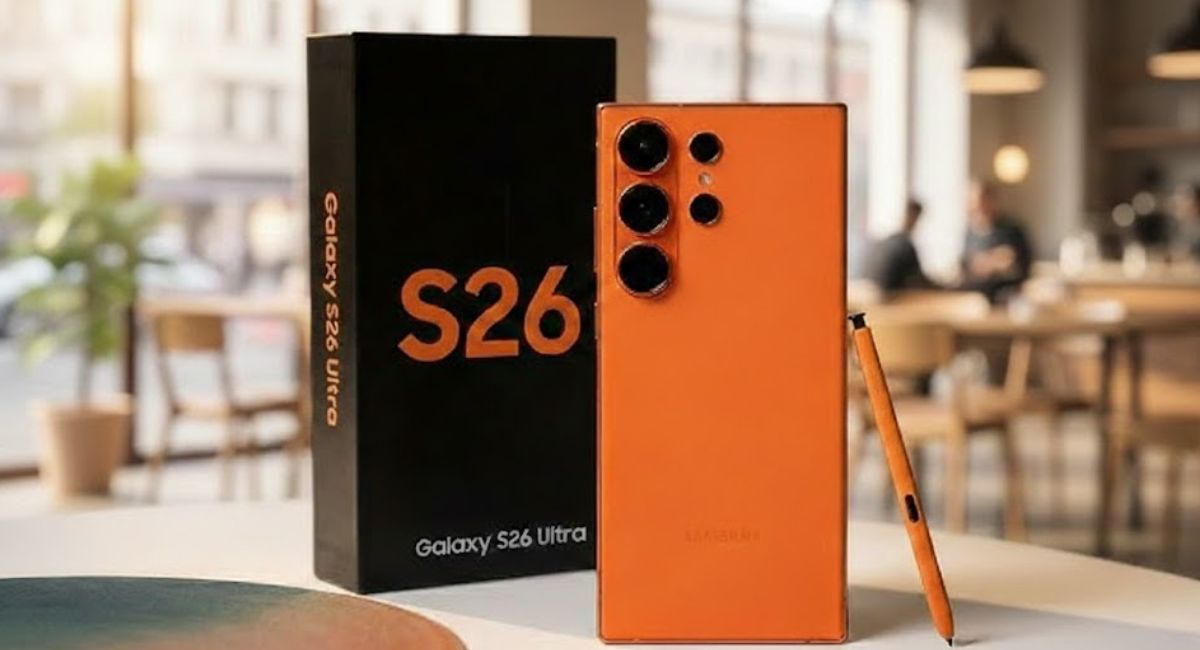
Samsung Galaxy S26 Ultra: Is the Price Hike Justified or Are Buyers Paying Too Much?

The Samsung Galaxy S26 Ultra has officially stepped into the spotlight, and as expected, it is already shaping the conversation around flagship smartphones in 2026. With updated pricing tiers, aggressive trade-in offers, upgraded camera hardware, AI-driven performance enhancements, and refined design changes, Samsung is clearly signaling that it intends to dominate the premium segment yet again.

But here’s the question most buyers are asking: Is this truly a meaningful upgrade—or just an annual refresh with a higher price tag?

In this comprehensive breakdown, we’ll examine the latest release date information, pricing structures, trade-in deals, full technical specifications, real-world performance expectations, and whether the Samsung Galaxy S26 Ultra deserves your money this year.

Samsung Galaxy S26 Ultra Release Date: What We Know?

Samsung continues its predictable and strategic flagship launch cycle. The Galaxy S26 Ultra follows the company’s traditional early-year unveiling schedule, positioning it ahead of competing premium releases.

Release Timeline Overview

  • Official Announcement: Early February 2026
  • Pre-Orders Opened: Immediately following the launch event
  • Retail Availability: Rolling out globally within weeks
  • Shipping Dates: Region-dependent but beginning shortly after pre-orders

Samsung’s timing ensures it captures premium buyers before other major smartphone manufacturers reveal their flagship devices.

Samsung Galaxy S26 Ultra Pricing: Breaking Down the Numbers

The Samsung Galaxy S26 Ultra remains firmly in the ultra-premium price bracket, but Samsung is counterbalancing that with aggressive pre-order incentives.

Base Pricing (Estimated Retail Tiers)

  • 256GB Model: Premium flagship pricing tier
  • 512GB Model: Mid-tier storage premium
  • 1TB Model: Highest-end configuration

Pricing remains aligned with the Ultra category—positioned above the standard Galaxy S26 and S26+ models.

Trade-In Offers

Samsung’s strongest pricing strategy revolves around trade-ins. Buyers upgrading from:

  • Recent Galaxy Ultra models
  • High-end competitor devices
  • Select older Samsung models

may receive substantial discounts.

These trade-in programs significantly reduce the effective purchase price, making upgrades more accessible.

Design: Refinement, Not Reinvention

Samsung has chosen refinement over dramatic redesign.

Key Design Highlights

  • Slimmer chassis
  • Titanium or reinforced aluminum frame (region-dependent)
  • Flat display edges with slightly reduced curvature
  • Integrated S Pen slot
  • Improved grip and weight distribution

The phone feels familiar yet more polished in hand.

Durability improvements include:

  • IP68 water and dust resistance
  • Reinforced front and back glass protection

The result is a flagship device that feels both premium and durable.

Display Specifications: Samsung’s Signature Strength

Samsung continues to dominate display technology.

Display Specs

  • Screen Size: 6.8 inches
  • Display Type: Dynamic AMOLED 2X
  • Resolution: QHD+ (approximately 3200 x 1440 pixels)
  • Refresh Rate: Adaptive 1Hz–120Hz
  • Peak Brightness: Significantly enhanced for outdoor visibility
  • HDR Support: HDR10+

The adaptive refresh rate improves battery efficiency while maintaining fluid animations.

Color reproduction remains industry-leading, with excellent brightness and contrast performance.

Performance and Processor

Under the hood, the Samsung Galaxy S26 Ultra introduces the latest flagship processor variant.

Core Hardware Specifications

  • Processor: Latest Snapdragon flagship chipset (region-specific variants possible)
  • RAM: 12GB or 16GB
  • Storage Options: 256GB / 512GB / 1TB
  • Cooling System: Enhanced vapor chamber design

Performance improvements include:

  • Faster AI processing
  • Improved GPU efficiency
  • Better thermal management
  • Enhanced gaming stability

In daily usage, users can expect instant app launches, smoother multitasking, and strong sustained performance.

AI Integration: A Central Focus in 2026

Samsung is pushing deeper into on-device AI.

AI Features Include

  • Real-time language translation
  • AI-powered photo enhancement
  • Smart summarization tools
  • Context-aware voice assistance
  • Battery usage optimization

Unlike cloud-dependent systems, many AI processes run locally, improving speed and privacy.

This positions the Samsung Galaxy S26 Ultra as not just powerful—but intelligent.

Camera System: Evolution in Imaging

The Ultra line is synonymous with advanced mobile photography.

Camera Specifications

  • Main Sensor: 200MP wide camera
  • Ultra-Wide Camera: 12MP
  • Telephoto Lens 1: Periscope zoom system
  • Telephoto Lens 2: High optical zoom variant
  • Front Camera: High-resolution selfie sensor

Zoom capabilities remain a major highlight, offering:

  • High-quality optical zoom
  • Enhanced digital zoom stabilization
  • Improved low-light performance

Night photography sees improvements through AI noise reduction and sensor refinement.

Video capabilities include:

  • 8K video recording
  • 4K at high frame rates
  • Advanced stabilization
  • Pro video controls

For creators, the camera system alone justifies attention.

Battery Life and Charging

Battery capacity remains robust.

Battery Specifications

  • Capacity: Around 5,000mAh
  • Wired Charging: Fast charging support
  • Wireless Charging: Supported
  • Reverse Wireless Charging: Available

Efficiency gains from the new processor and display optimizations extend daily battery life.

Most users can expect a full day of heavy use.

Software and Updates

The Samsung Galaxy S26 Ultra launches with the latest version of Samsung’s custom Android interface.

Software Highlights

  • Refined user interface
  • Enhanced multitasking
  • Expanded privacy controls
  • AI-integrated productivity tools

Samsung continues its long-term update commitment, offering multiple years of Android updates and security patches.

This adds long-term value.

Connectivity and Additional Features

  • 5G connectivity
  • Wi-Fi 7 support
  • Bluetooth 5.3+
  • Ultra-Wideband support
  • Advanced biometric security

The S Pen remains a defining feature.

S Pen capabilities include:

  • Air gestures
  • Note-taking
  • Remote camera control
  • Precision drawing

Few competitors offer this level of stylus integration.

Deals and Pre-Order Incentives

Samsung frequently enhances launch excitement with bundled offers.

Possible Deals Include:

  • Free storage upgrades
  • Accessory bundles
  • Discounted Galaxy Watch or Buds
  • Extended warranty options
  • Enhanced trade-in credits

Carrier partners may also offer installment plans and bill credits.

Savvy buyers should compare:

  • Direct Samsung website offers
  • Carrier promotions
  • Retailer discounts

Pre-order periods often deliver the best overall value.

Who Should Upgrade?

The Samsung Galaxy S26 Ultra is ideal for:

  • Photography enthusiasts
  • Productivity-focused professionals
  • Power users
  • Long-term flagship buyers
  • S Pen fans

Those using devices two or more generations old will notice the most significant upgrade.

If you own last year’s Ultra model, the decision becomes more nuanced.

How It Compares to Competitors?

In the premium segment, competition remains fierce.

Strengths of the S26 Ultra:

  • Superior zoom capabilities
  • S Pen integration
  • AI-focused software tools
  • High-brightness display
  • Long update commitment

Its pricing positions it firmly against other ultra-premium devices, but Samsung’s ecosystem integration gives it an edge.

Long-Term Value Perspective

When evaluating a flagship purchase, consider:

  • Software support longevity
  • Resale value
  • Durability
  • Ecosystem compatibility

Samsung devices typically retain strong trade-in value.

This reduces total cost of ownership.

Is the Samsung Galaxy S26 Ultra Worth It?

The Samsung Galaxy S26 Ultra does not attempt radical transformation. Instead, it delivers refinement across performance, AI functionality, camera systems, and display technology.

It feels mature, powerful, and future-ready.

For buyers seeking the most feature-rich Android flagship in 2026, this device stands at the top of the shortlist.

Its pricing reflects its ambition—but trade-in offers and bundled deals soften the impact.

Ultimately, it represents premium technology done right.

The Samsung Galaxy S26 Ultra is not just another flagship—it is Samsung refining its most powerful formula. With upgraded internals, enhanced AI capabilities, improved imaging performance, and compelling trade-in deals, it remains a serious contender for the best premium smartphone of 2026.

If you value performance, camera excellence, and productivity in one device, this Ultra deserves close consideration.

FAQs

When is the Samsung Galaxy S26 Ultra release date?

The device was officially announced in early February 2026, with pre-orders opening immediately and retail availability rolling out shortly after.

What is the starting price of the Samsung Galaxy S26 Ultra?

Pricing varies by storage configuration, with the base 256GB model positioned in the premium flagship tier. Trade-in offers can significantly reduce the final cost.

Does the Samsung Galaxy S26 Ultra support 8K video recording?

Yes, it supports 8K video recording along with advanced stabilization and professional video features.

 How much RAM does the Galaxy S26 Ultra have?

It offers 12GB or 16GB RAM depending on the storage variant.

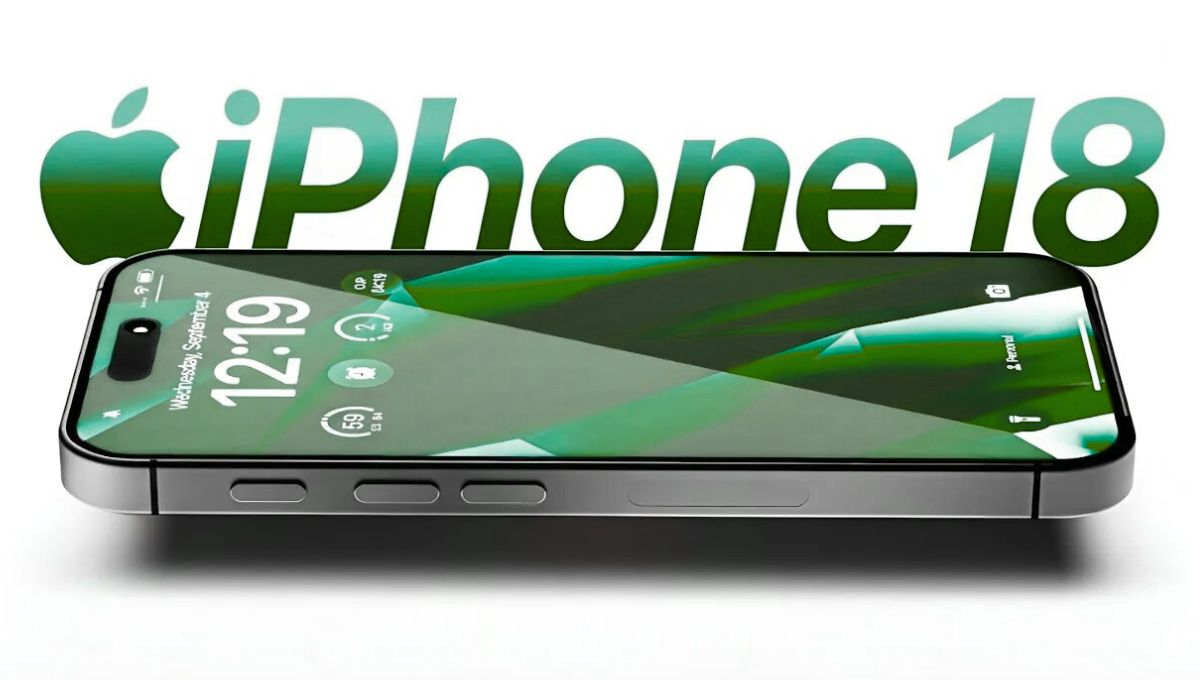
Why the 6 iPhone 18 Pro Max Leaks Might Not Be the Upgrade Apple Fans Are Expecting?

For years, Apple has refined rather than reinvented the iPhone experience. Each generation introduced thoughtful but incremental upgrades—better cameras, faster chips, brighter displays. However, the 6 iPhone 18 Pro Max leaks currently circulating suggest something very different. This time, Apple appears ready to rethink not just features, but core design philosophies that have defined iPhones since the iPhone X era.

From a potential farewell to the Dynamic Island to a radically redesigned display system and next-generation silicon, the iPhone 18 Pro Max could mark the most significant transformation in Apple’s flagship lineup in nearly a decade. If these leaks hold, Apple is not just upgrading hardware—it is preparing users for a new interaction model altogether.

This article breaks down each of the six major leaks in detail, explains what they mean in real-world usage, and explores how the iPhone 18 Pro Max could reshape expectations for premium smartphones.

A Radical Shift Away From the Dynamic Island

One of the most talked-about leaks surrounding the 6 iPhone 18 Pro Max is the possible end of the Dynamic Island. Introduced as a bold replacement for the notch, the Dynamic Island quickly became a signature design feature. But Apple may now see it as a transitional solution rather than a permanent one.

Leaks suggest Apple is testing advanced under-display Face ID technology paired with a minimal camera cutout or, in some prototypes, no visible cutout at all. This would allow the iPhone 18 Pro Max to deliver an almost uninterrupted display surface, fulfilling a long-standing design ambition.

If Apple succeeds, the Dynamic Island may quietly fade into history—not because it failed, but because Apple has outgrown the need for it.

Read more:- ChatGPT Back Up After Outage Disrupted Users Worldwide This Afternoon

Under-Display Face ID Finally Reaches Maturity

Apple has reportedly been working on under-display Face ID for years, but technical challenges delayed its release. The iPhone 18 Pro Max may finally be the device where this technology is reliable enough for mass production.

Advanced infrared transmission layers embedded within the OLED panel could allow Face ID sensors to function without compromising accuracy or speed. This would preserve Apple’s high security standards while delivering a cleaner front design.

In daily use, this means instant face authentication without visual interruptions—no island animations, no cutouts, just seamless interaction.

Specifications Table

CategoryiPhone 18 Pro Max (Expected Specifications)
Device TypePremium flagship smartphone
Display Size6.9-inch Super Retina XDR OLED
Display TechnologyOLED with ProMotion (1Hz–120Hz adaptive refresh rate)
Screen DesignNear bezel-less display, reduced or hidden front cutout
ResolutionHigh-resolution panel optimized for HDR content
ProcessorApple A20 Pro chipset
Manufacturing ProcessAdvanced next-generation fabrication technology
CPU PerformanceImproved multi-core performance with better efficiency
GPUConsole-level graphics with advanced ray tracing support
AI EngineEnhanced Neural Engine for on-device AI processing
RAMIncreased memory allocation for AI and multitasking
Storage OptionsMultiple high-capacity variants expected
Rear Camera SetupTriple-camera system
Main Camera48MP primary sensor with improved low-light performance
Telephoto CameraAdvanced periscope lens with extended optical zoom
Ultra-Wide CameraImproved edge clarity and distortion control
Video CapabilitiesAdvanced HDR video, improved stabilization
Front CameraIntegrated with under-display sensor system
Face AuthenticationUnder-display Face ID technology
Battery CapacityOptimized larger battery (exact size not disclosed)
Battery LifeSignificantly improved real-world endurance
Charging (Wired)Fast wired charging support
Charging (Wireless)Enhanced MagSafe wireless charging
Build MaterialPremium glass and metal construction
Operating SystemNext-generation iOS optimized for AI features
Connectivity5G, Wi-Fi, Bluetooth, Ultra Wideband
Launch TimelineIntegrated with an under-display sensor system

A New Display Architecture With Extreme Efficiency

The 6 iPhone 18 Pro Max leaks also point toward a next-generation OLED panel using micro-lens array technology. This approach enhances brightness and efficiency simultaneously, reducing power consumption without sacrificing visual quality.

Expected Display Specifications:

  • 6.9-inch Super Retina XDR OLED
  • ProMotion adaptive refresh rate from 1Hz to 120Hz
  • Improved peak HDR brightness
  • Reduced power draw during static content
  • Near bezel-less design

This evolution isn’t just about aesthetics. Improved efficiency directly impacts battery life, one of the most important metrics for real users.

Apple A20 Pro Chip: A True Leap, Not an Increment

Performance leaks suggest the iPhone 18 Pro Max will debut Apple’s A20 Pro chip, built on a more advanced manufacturing process than its predecessor. Rather than focusing solely on raw speed, Apple appears to be prioritizing sustained performance, AI processing, and thermal efficiency.

Expected Chip Capabilities:

  • Next-generation CPU with improved multi-core performance
  • Significantly upgraded Neural Engine for on-device AI
  • Console-grade GPU with better ray tracing
  • Reduced heat generation during extended workloads

This matters for everything from gaming and video editing to real-time language translation and advanced photography features.

Camera System Tuned for Computational Photography

Rather than chasing extreme megapixel counts, Apple is rumored to refine sensor quality and computational imaging on the iPhone 18 Pro Max.

Expected Camera Specifications:

  • 48MP primary sensor with enhanced low-light performance
  • Improved periscope telephoto lens with extended optical zoom
  • Ultra-wide lens with better edge clarity
  • Advanced AI-based image processing
  • Improved video stabilization and HDR recording

The focus appears to be consistency—sharper photos in difficult lighting, smoother video, and more reliable portrait detection.

Battery and Charging Improvements That Actually Matter

Apple rarely advertises battery capacity numbers, but leaks suggest internal efficiency improvements will result in noticeably longer real-world usage.

Expected Battery and Charging Features:

  • Larger battery capacity optimized by efficient display and chip
  • Improved thermal management
  • Faster MagSafe wireless charging
  • Smarter battery health optimization

Rather than flashy charging speeds, Apple seems focused on longevity and reliability.

Software Experience Built Around Hardware Evolution

iOS on the iPhone 18 Pro Max is expected to leverage new hardware capabilities fully. With more AI processing handled on-device, users could see smarter notifications, improved Siri responsiveness, and better personalization—without sacrificing privacy.

This tight hardware-software integration remains Apple’s strongest competitive advantage.

Full Expected Specifications Overview

  • Display: 6.9-inch OLED, 1–120Hz ProMotion
  • Processor: A20 Pro chip
  • RAM: Expected increase for AI workloads
  • Storage: Multiple high-capacity options
  • Cameras: Triple-camera system with advanced telephoto
  • Authentication: Under-display Face ID
  • Charging: MagSafe and wired fast charging
  • Build: Premium materials with refined durability

A Defining Moment for the iPhone Line

If these 6 iPhone 18 Pro Max leaks prove accurate, Apple is preparing a defining product—one that quietly retires transitional design choices and introduces technologies mature enough to disappear into the background.

This is not about gimmicks. It is about refinement, confidence, and long-term vision.

FAQs

Is Apple really removing the Dynamic Island?

Leaks suggest Apple is experimenting with under-display Face ID, which could make the Dynamic Island unnecessary.

Will the iPhone 18 Pro Max have better battery life?

Yes, improved display efficiency and the A20 Pro chip are expected to enhance real-world battery performance significantly.

What makes the iPhone 18 Pro Max different from previous models?

It focuses on foundational changes—display design, AI processing, and efficiency—rather than surface-level upgrades.

Is under-display Face ID secure?

Apple is known for releasing features only when they meet strict security standards, suggesting reliability will remain high.

Google Pixel 10a Confirmed: Pre-Orders Begin February 18 With India on Google’s Priority List

The confirmation of the Google Pixel 10a marks a significant moment in Google’s smartphone strategy, especially for value-conscious premium buyers. With pre-orders officially beginning on February 18 and India included in the first rollout, Google is signaling that the “a-series” is no longer a side project—it is a core pillar of the Pixel ecosystem.

Over the years, Pixel “a” models have quietly built a reputation for delivering flagship-grade photography, clean software, and long-term reliability at a more accessible price point. The Pixel 10a continues this philosophy, but with more refinement, stronger hardware foundations, and deeper AI integration than any previous generation.

This article takes a comprehensive look at what the Google Pixel 10a offers, why it matters in 2026’s competitive smartphone landscape, and whether it truly raises the bar for mid-range Android devices.

Why the Google Pixel 10a Matters More Than Ever?

The mid-range smartphone segment has become the most competitive category in global markets like India. Consumers expect fast performance, excellent cameras, long battery life, and extended software support—without flagship pricing.

The Pixel 10a enters this space with three strategic advantages:

  1. Google-designed Tensor chipset
  2. Pixel-exclusive camera processing
  3. Long-term Android and security updates

Unlike many competitors that rely on off-the-shelf hardware differentiation, Google focuses on real-world experience: how fast the phone feels, how reliably the camera performs, and how intelligently the software adapts to daily use.

Design Philosophy: Familiar, Functional, and Refined

Google has chosen evolution over reinvention with the Pixel 10a’s design. The phone retains the recognizable Pixel camera bar, offering instant brand identity while improving durability and ergonomics.

The frame is expected to use a reinforced aluminum structure, paired with a matte composite back that resists fingerprints and improves grip. This design choice aligns well with Indian climate conditions, where heat management and handling comfort are crucial.

The Pixel 10a is also expected to feature improved ingress protection, making it more resistant to dust and light splashes—an important upgrade for everyday reliability.

Display Experience: Smooth, Bright, and Practical

A high-quality display has become non-negotiable, even in mid-range phones. The Google Pixel 10a delivers here with a display tuned for clarity and smoothness rather than unnecessary gimmicks.

Expected Display Specifications

  • 6.1-inch OLED display
  • Full HD+ resolution
  • 120Hz refresh rate
  • HDR support
  • Improved outdoor brightness

The combination of OLED contrast and a high refresh rate ensures that scrolling, video playback, and gaming feel fluid and visually engaging. Google’s color calibration traditionally leans toward natural tones, which appeals to users who value accuracy over oversaturation.

Performance and Chipset: Tensor’s Practical Power

At the heart of the Google Pixel 10a lies Google’s latest Tensor chipset, optimized not just for raw speed but for intelligent computing.

Performance Highlights

  • Fast everyday responsiveness
  • Dedicated AI and machine learning cores
  • Efficient background task handling
  • Improved thermal management

The Tensor platform allows the Pixel 10a to handle features such as real-time transcription, on-device translation, voice recognition, and camera processing with exceptional efficiency.

While benchmark numbers may not dominate charts, real-world performance—app launches, multitasking, navigation, and photography—remains consistently smooth.

Read more:- ChatGPT Back Up After Outage Disrupted Users Worldwide This Afternoon

Camera System: Where the Pixel 10a Truly Shines

Photography has always been the defining strength of Pixel phones, and the Pixel 10a continues this legacy with confidence.

Camera Specifications

  • 64MP primary rear camera
  • 13MP ultra-wide camera
  • 13MP front-facing camera

What separates the Pixel 10a from competitors is not just hardware, but Google’s computational photography. Features such as Night Sight, HDR processing, skin-tone accuracy, and portrait edge detection remain industry benchmarks.

The Pixel 10a is particularly strong in low-light conditions and fast-moving subjects—areas where many mid-range phones struggle.

Battery Life and Charging: Built for a Full Day and Beyond

Battery optimization is another area where Google’s software-hardware synergy pays off.

Battery and Charging Details

  • Approximately 4,500mAh battery
  • Fast wired charging
  • Adaptive Battery AI optimization

The Pixel 10a prioritizes consistent, predictable battery life rather than chasing extreme charging speeds. Adaptive Battery learns user behavior over time, ensuring power is allocated where it matters most.

Software Experience: Pure Android, Long-Term Trust

The Pixel 10a launches with the latest version of Android and guarantees years of updates—an increasingly rare promise in the mid-range segment.

Software Support

  • Clean, bloat-free Android experience
  • Multiple years of Android OS updates
  • Regular security patches
  • Pixel-exclusive features

This level of long-term support adds significant value, particularly for users who keep their phones for three to four years.

Google Pixel 10a Full Specifications Overview

Display: 6.1-inch OLED, FHD+, 120Hz
Processor: Google Tensor chipset
Rear Cameras: 64MP main + 13MP ultra-wide
Front Camera: 13MP
Battery: ~4,500mAh
Charging: Fast wired charging
Software: Android (latest version at launch)
Security: In-display fingerprint sensor, Face Unlock
Connectivity: 5G, Wi-Fi 6, Bluetooth, NFC
Build: Aluminum frame with composite back

India Launch Significance

Including India in the initial pre-order phase reflects Google’s renewed focus on the market. With competitive pricing expectations and growing Pixel brand recognition, the Pixel 10a is positioned to attract users upgrading from older mid-range devices or switching from other Android brands.

Is the Google Pixel 10a Worth Waiting For?

The Google Pixel 10a does not try to overwhelm buyers with specs alone. Instead, it delivers a balanced, intelligent smartphone experience built around reliability, photography excellence, and long-term trust.

For users who value camera consistency, clean software, and dependable updates over flashy marketing numbers, the Pixel 10a stands out as one of the most compelling mid-range options of the year.

FAQs

When do Google Pixel 10a pre-orders start in India?

Pre-orders for the Google Pixel 10a begin on February 18, with India included in the launch markets.

Does the Pixel 10a support 5G in India?

Yes, the Pixel 10a supports 5G connectivity and is expected to be optimized for Indian networks.

How many years of updates will the Pixel 10a receive?

The Pixel 10a is expected to receive multiple years of Android OS updates and regular security patches directly from Google.

Is the Pixel 10a good for photography?

Absolutely. The Pixel 10a continues Google’s strong photography legacy with advanced computational imaging and reliable performance in various lighting conditions.