Category Archives: Tech

Looking for the Best Party Speaker? Sony ULT TOWER 9 Might Surprise You

The Sony ULT TOWER 9 Party Speaker sits at the top end of Sony’s ULT POWER SOUND lineup, targeting users who need room-filling volume with controlled bass rather than exaggerated loudness. I’m approaching this review from the perspective of a sound engineer who has tested large-format party speakers in home setups, DJ environments, and small event spaces.

Sony’s intent with the ULT TOWER 9 is clear: deliver powerful low-end impact while maintaining clarity across vocals and high frequencies. It is positioned for DJs, event organizers, and serious home users who want a single, high-output speaker without moving into full PA territory.

Design and Build Quality

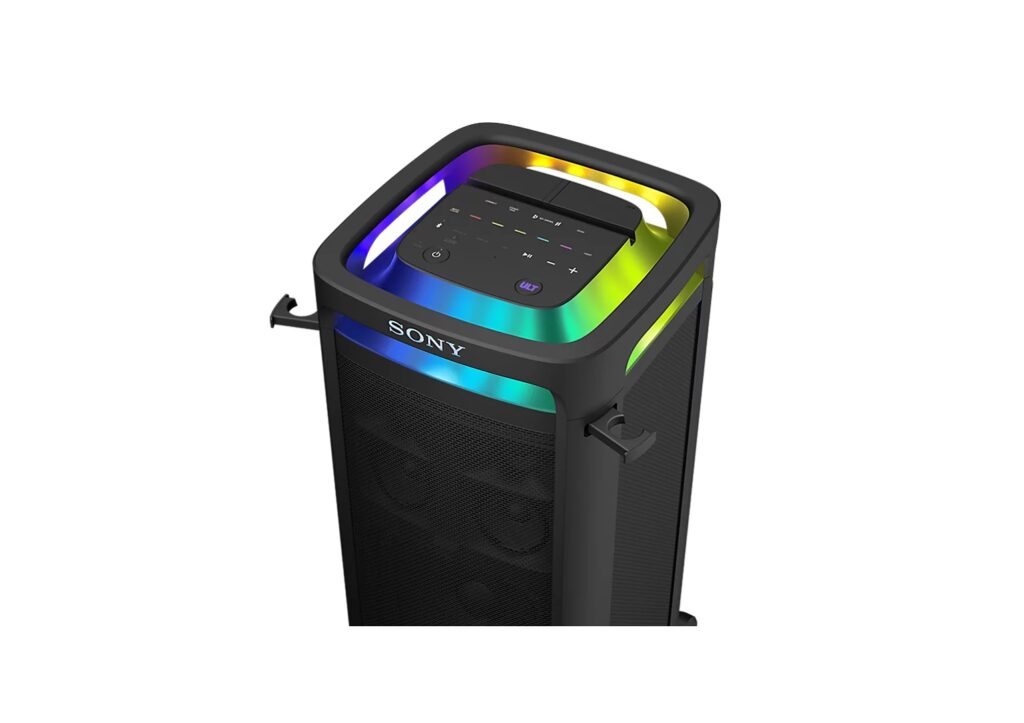
From a physical standpoint, the Sony ULT TOWER 9 feels purpose-built for parties and semi-professional use. The cabinet is tall and substantial, designed to project sound at ear level rather than dispersing it along the floor. Materials lean toward durability over luxury, which makes sense for a speaker that may be transported, repositioned, or used in crowded environments.

The reinforced grille and solid internal bracing reduce cabinet resonance at high volumes. Integrated lighting elements are subtle but functional, adding atmosphere without overpowering the room. Overall, the build inspires confidence for repeated real-world use rather than occasional living-room playback.

Audio Performance and Sound Signature

In practical listening tests, the ULT TOWER 9 emphasizes deep, physical bass while keeping mids intelligible, especially for vocals and spoken content. Sony’s ULT sound tuning focuses on low-frequency extension, but it avoids the muddy bass response that often affects party speakers at high volume. High frequencies remain controlled, preventing listener fatigue during long sessions. At elevated SPL levels, distortion is well managed, which is critical for DJs and event hosts. The soundstage is wide enough to fill medium-to-large rooms, making it suitable for dance music, pop, electronic genres, and live-mic applications.

Technical Specifications Overview

The Sony ULT TOWER 9 Party Speaker is designed with specifications that support high-output, full-range performance:

  • Power output: High-output amplified system designed for party and event use
  • Drivers: Multi-driver configuration with dedicated low-frequency units and high-frequency tweeters
  • Frequency response: Tuned for extended bass with balanced mids and controlled highs
  • Impedance: Optimized for internal amplification and efficiency
  • Sensitivity: High sensitivity for loud playback without excessive power draw
  • Connectivity type: Wireless Bluetooth plus wired input options
  • Supported codecs: Standard Bluetooth audio codecs for broad compatibility
  • Physical dimensions: Tall, tower-style enclosure designed for floor placement

These specifications translate into consistent performance across different music genres and volume levels.

Connectivity and Compatibility Options

Connectivity is an area where Sony typically performs well, and the ULT TOWER 9 continues that trend. Bluetooth pairing is stable and reliable in real-world environments, even with multiple devices nearby. Wired inputs allow direct connection to DJ controllers, mixers, or microphones, which is essential for professional or semi-professional setups. The speaker integrates smoothly with smartphones, laptops, and tablets, making it flexible for both casual and organized events. Sony’s ecosystem support also allows for synchronized playback when paired with compatible speakers, useful for larger spaces.

Real-World Usage Scenarios

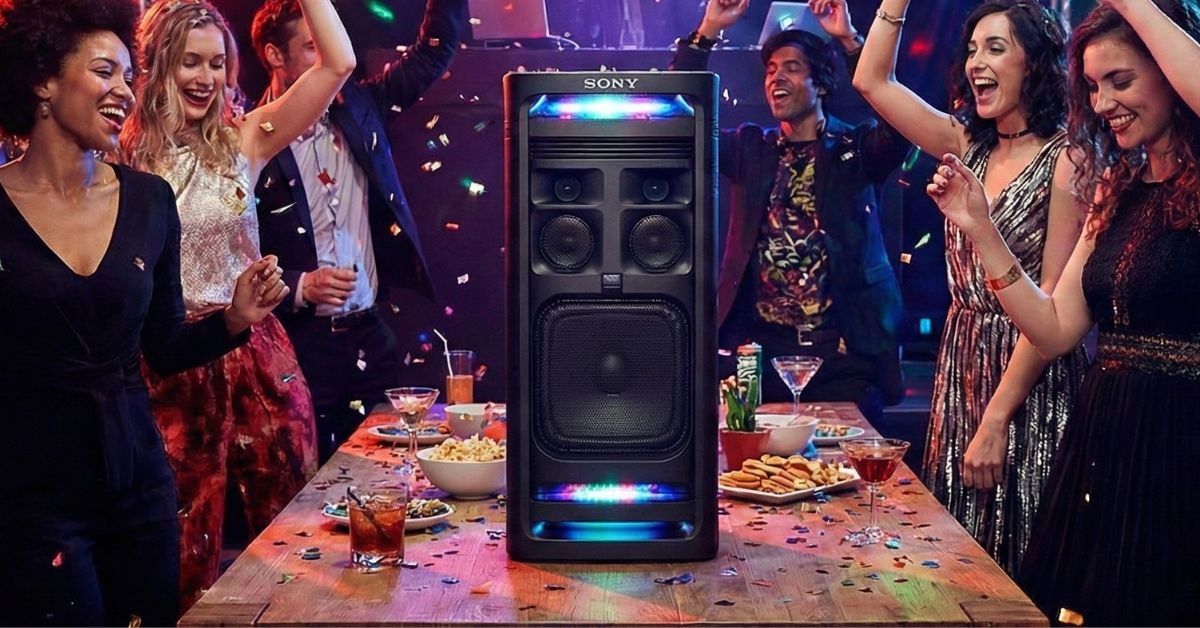
In practical use, the Sony ULT TOWER 9 works best in house parties, terrace gatherings, gyms, and small event halls. DJs can rely on it for compact setups where portability and quick setup matter. Home users benefit from its ability to deliver club-style bass without additional subwoofers. Event organizers will appreciate its consistent output and minimal tuning requirements. While it can handle outdoor use, its real strength lies in controlled indoor or semi-open environments where bass response and clarity are equally important.

Power, Battery, and Efficiency

The ULT TOWER 9 is designed for sustained performance rather than short bursts of loudness. Power management focuses on maintaining consistent output without thermal stress during long sessions. If battery-powered operation is used, efficiency is optimized to balance volume and runtime. In mains-powered scenarios, the speaker maintains stable performance even during extended high-volume playback. This makes it suitable for long events where reliability matters more than absolute portability.

Comparison With Other Brands in the Same Segment

When compared with similar speakers in its class, the Sony ULT TOWER 9 holds a distinct position:

ModelSound CharacterBuild FocusIdeal Use Case
Sony ULT TOWER 9Deep bass with balanced midsDurable party-focused designDJs, home parties, events
JBL PartyBox 720Punchy bass, brighter highsRugged with strong brandingLoud party environments
Soundboks 4Extremely loud, neutral tuningHeavy-duty, outdoor-readyLarge outdoor events

The Sony offers a more refined bass profile than JBL, while being less extreme than Soundboks in raw loudness. This makes it more versatile for mixed-use scenarios.

Pros, Limitations, and Practical Considerations

Pros include strong low-frequency performance, controlled distortion at high volume, and flexible connectivity. The design supports repeated real-world use without feeling fragile. Limitations include its size and weight, which may not suit users looking for ultra-portable speakers. It also prioritizes bass impact over studio-level neutrality, which may not appeal to critical audiophiles. Buyers should consider available space and intended usage before committing.

Who Should Buy This Speaker

The Sony ULT TOWER 9 Party Speaker is best suited for users who want powerful, reliable sound without stepping into full professional PA systems. DJs, event organizers, and serious home users will appreciate its balance of bass, clarity, and durability. It is not designed for casual background listening, but for moments when sound presence matters. If your priority is a single, high-output party speaker with dependable performance, this model is a strong contender in its segment.

FAQs

Is the Sony ULT TOWER 9 suitable for DJ use?

Yes, it supports wired inputs and delivers sufficient volume and bass control for small to mid-sized DJ setups.

How does it compare to the JBL PartyBox series?

Sony offers deeper, more controlled bass, while JBL typically emphasizes brighter highs and aggressive loudness.

Can it be used for outdoor events?

It can handle semi-open spaces, but huge outdoor events may require multiple units or a PA system.

Is the bass adjustable for different music styles?

Yes, bass levels can be adjusted to suit genres ranging from pop to electronic and hip-hop.

Who should avoid buying this speaker?

Users looking for lightweight portability or studio-flat sound reproduction may find it less suitable.

Amazon Fire TV’s Big 2026 Upgrade: Smarter Interface, AI-Powered Discovery, and a New Lifestyle TV

Amazon is entering 2026 with one of the most ambitious updates ever made to the Fire TV platform. The latest upgrade introduces a faster and cleaner interface, deeper generative AI integration through Alexa+, a redesigned mobile companion app, and the debut of Amazon’s first lifestyle television — the Ember Artline. Together, these updates aim to solve common streaming frustrations while redefining how TVs fit into modern homes.

This article is based on Amazon’s official announcements and analyzed through a user-first, expert lens to ensure clarity, accuracy, and trustworthiness.

Fire TV in 2026 is no longer just a streaming launcher — it’s evolving into a fully personalized entertainment and ambient experience. Amazon has rebuilt the Fire TV interface to be more responsive, visually refined, and easier to navigate, addressing years of feedback around clutter and slow discovery.

What makes this update stand out is Amazon’s approach: existing users receive major improvements through software, while new hardware like the Ember Artline pushes Fire TV into the lifestyle category. For viewers, this means less time searching for content and more time enjoying it.

Redesigned Fire TV User Interface (UI)

The most noticeable change arrives the moment Fire TV boots up. The interface has been simplified with modern design elements, cleaner spacing, and faster transitions. Amazon has clearly focused on reducing visual overload while improving performance behind the scenes.

Key Improvements That Matter

Instead of forcing users to jump between apps, Fire TV now organizes content by intent. Dedicated sections such as Movies, Live TV, Sports, and News pull results from multiple services into one place. This content-first approach significantly shortens the path between turning on the TV and pressing play.

Navigation has also been refined. More apps can be pinned to the home screen, shortcuts are easier to access, and essential controls are surfaced without digging through menus. In practical use, this reduces decision fatigue and eliminates unnecessary scrolling — one of the biggest pain points in modern streaming platforms.

Alexa+ and Generative AI Integration

A major leap forward in 2026 comes from the introduction of Alexa+, Amazon’s generative AI-powered assistant. Unlike traditional voice commands that rely on rigid keywords, Alexa+ understands conversational language and context.

Users can now describe what they feel like watching instead of naming exact titles. Alexa+ interprets preferences, moods, and even vague descriptions to deliver more accurate recommendations. It can also jump directly to specific scenes, moments, or episodes, saving time that would normally be spent scrubbing through timelines.

Beyond entertainment, Alexa+ enhances Fire TV’s role as a smart home hub — controlling devices, displaying real-time information, and generating dynamic ambient visuals when content isn’t playing.

New Fire TV Mobile App Enhancements

Amazon has also redesigned the Fire TV mobile app to work as a true companion rather than a simple remote replacement. The updated app mirrors the new Fire TV interface, allowing users to explore content from their phone without interrupting what’s currently on screen.

From the app, users can browse recommendations, manage watchlists, and instantly start playback on their TV. This flexibility is especially useful in shared households, where content decisions often happen away from the living room. The app strengthens the Fire TV ecosystem by keeping users connected even when they’re not in front of the screen.

Amazon Ember Artline — A Lifestyle TV Game Changer

The most distinctive announcement is Amazon’s first lifestyle television, the Ember Artline. Designed to look like art when not in use, it blurs the line between technology and interior décor.

From today onward, interested buyers can sign up for alerts ahead of the Amazon Ember Artline’s spring launch in the U.S., Canada, Germany, and the UK. The lifestyle TV will be offered in 55- and 65-inch variants, starting at $899, and comes with an option to select from ten adjustable frame color designs.

Designed for Living Spaces

The Ember Artline features a slim profile and a matte display that minimizes glare, making artwork and photos appear more natural. When used as a TV, it supports premium visual formats, delivering high contrast and rich color for everyday viewing.

What truly sets it apart is its ambient intelligence. Motion-sensing technology allows the screen to activate art mode when someone enters the room, transforming idle screen time into a visual experience.

AI-Driven Art Personalization

Users can upload photos of their room, and the system intelligently recommends artwork that complements the existing décor. This AI-based personalization turns the TV into a dynamic design element rather than a black rectangle on the wall.

Availability, Launch Timeline & Global Roll-Out

Amazon plans to roll out the new Fire TV interface and mobile app updates in early 2026, beginning with select Fire TV streaming devices and smart TVs. Broader availability across regions and partner devices will follow in phases throughout the year.

The Ember Artline TVs will launch in two popular screen sizes and arrive first in key global markets. Availability will expand as production scales, positioning the Artline as a premium option within Amazon’s hardware lineup.

Fire TV vs Google TV in 2026


While Google TV focuses heavily on content aggregation, Amazon’s Fire TV leans into AI-driven interaction and smart-home integration. Alexa+ offers more conversational voice control, while Fire TV’s redesigned interface prioritizes faster access over deep menu layers. The introduction of a lifestyle TV also gives Amazon an edge in blending entertainment with home aesthetics — an area where competitors are still experimenting.

Why It Matters — Expert Perspective

These upgrades reflect a clear shift in how Amazon views television. Instead of focusing only on streaming access, Fire TV is being shaped into an intelligent, personalized, and design-aware platform.

AI-driven discovery addresses the growing problem of content overload, while the redesigned UI prioritizes speed and simplicity. At the same time, the Ember Artline acknowledges a rising consumer trend: technology should enhance living spaces, not dominate them.

In a competitive market filled with smart TV platforms, Amazon’s strategy stands out by combining usability, AI intelligence, and lifestyle integration into one cohesive experience.

Amazon’s Fire TV upgrades for 2026 mark a meaningful evolution rather than a routine refresh. A faster interface, smarter AI interactions, a more capable mobile app, and the introduction of a lifestyle-focused TV show a clear commitment to improving how people experience entertainment at home.

For users who value ease of use, personalized recommendations, and thoughtful design, the new Fire TV ecosystem offers compelling reasons to pay attention in 2026. Whether upgrading an existing device or considering new hardware, Fire TV’s latest chapter is focused on making television simpler, smarter, and more seamlessly integrated into everyday life.

Monster Rockin Roller X Review: Monster Audio’s Big, Bass-Heavy Party Powerhouse

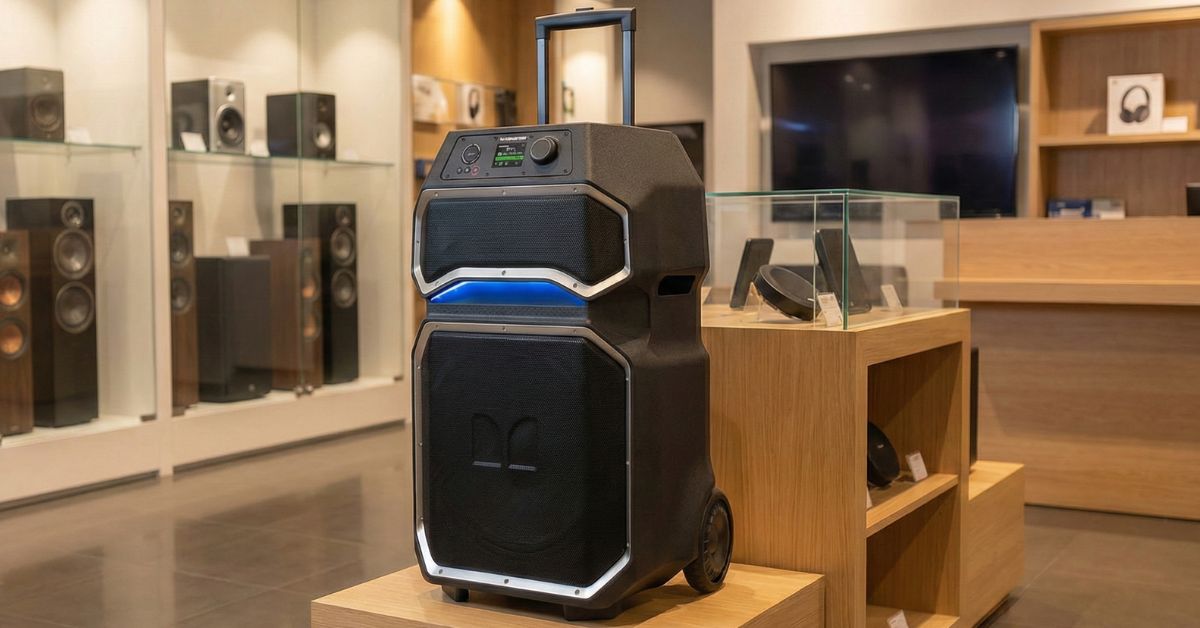
The Monster Rockin Roller X is a large-format, battery-powered party and event speaker designed for people who need high output, deep bass, and flexible connectivity in a single portable system. Built around a powerful amplifier and a 15‑inch subwoofer, it targets outdoor parties, tailgates, house gatherings, and small event setups where typical Bluetooth speakers simply cannot keep up.

For DJs, event organizers, and serious home users, the core appeal lies in its combination of 1000W peak audio power, integrated wheels, mic/guitar inputs, and weather‑resistant construction, making it a practical alternative to renting PA gear for many casual scenarios.

Design and Build Quality

In real-world use, the Monster Rockin Roller X feels closer to a compact PA cabinet than a lifestyle Bluetooth speaker, with a tall, boxy enclosure built to prioritize durability and output over minimalism. The chassis integrates all-terrain wheels, a telescopic handle, and reinforced corners, which makes it manageable to move across parking lots, grass, and uneven outdoor surfaces despite its substantial size.

The front is dominated by the large 15‑inch driver behind a protective grille, while the top and sides host physical controls, input jacks, and a 2.8‑inch TFT LCD display that clearly shows source, levels, and battery status during events. An IPX4 water‑resistance rating helps the speaker tolerate splashes or light rain, but it is still best treated as weather‑resistant gear rather than something to leave permanently exposed.

Audio Performance and Sound Signature

The Monster Rockin’ Roller X is tuned for impact and crowd-pleasing energy, with a 15-inch woofer delivering strong low-frequency extension that suits hip-hop, EDM, Bollywood dance tracks, and DJ sets in open spaces. At moderate volumes, the sound is full and weighty, with bass that can be physically felt at close to medium distances, which is exactly what most party users expect from a 1000W peak system.

Pushed hard outdoors, the speaker emphasizes low-end punch and upper‑mid presence so vocals, hooks, and percussion remain intelligible over background noise, though the tonality is more “fun” and energetic than strictly studio‑neutral. Using EQ controls and app-based audio preferences, users can tame the bass slightly for speech-heavy events or boost it for dance floors, making the system flexible for different content types.

Technical Specifications Overview

  • Power output: Up to 1000W peak audio power, suitable for large rooms, terraces, and typical backyard or driveway parties.
  • Driver configuration: 15‑inch subwoofer handling low and mid‑bass frequencies, paired with additional drivers (full‑range/high-frequency section) for overall coverage.
  • Frequency response: Tuned for extended low end and elevated presence region; exact published band is not highlighted in all listings, but practical use emphasizes strong bass and forward mids for outdoor intelligibility.
  • Impedance: Not prominently marketed, as this is a self‑powered system with internal amplification rather than a passive PA cabinet.
  • Sensitivity: Not explicitly specified in consumer materials, but the combination of a large driver and amplifier is engineered for high acoustic output suitable for party use.
  • Connectivity type: Bluetooth wireless audio (Bluetooth 5.x), 3.5mm AUX input, FM radio, USB charging port, wired microphone input, and guitar/instrument input on many retail configurations.
  • Wireless features: Bluetooth 5.3 on the Monster Rockin Roller X, plus TWS (True Wireless Stereo) pairing capability to link a second compatible unit for a wider stereo field.
  • Display and controls: 2.8‑inch TFT IPS LCD for source, radio, and status information, plus physical knobs/buttons for volume, source selection, and other settings.​
  • Physical dimensions: Approximately 23.5 x 17.5 x 33.1 inches (H x W x D), making it a tall, substantial enclosure that still fits in most car boots and back seats.

Connectivity and Compatibility Options

From a connectivity standpoint, the Monster Rockin Roller X behaves like a hybrid between a PA speaker and a consumer Bluetooth box, which is useful for DJs and event hosts who deal with multiple sources. Bluetooth 5.3 ensures stable pairing with modern smartphones, tablets, and laptops, and the wireless link is typically adequate for line‑of‑sight party setups without noticeable lag for music playback.

The presence of 3.5mm AUX input means older devices, DJ controllers, or media players can be fed directly via cable, which is still the most reliable path for mission‑critical events. FM radio with app‑controlled presets adds casual listening options, and dual mic/guitar inputs on many retail variants make it feasible to run karaoke, announcements, or simple live performances without extra mixers.

Real-World Usage Scenarios

In practice, the Monster Rockin Roller X is best suited to scenarios where volume, bass, and portability matter more than ultra‑refined audiophile tuning. For outdoor birthday parties, terrace gatherings, or farmhouse events, one unit can comfortably cover a typical open area with punchy sound, especially when positioned slightly elevated and aimed toward the main crowd zone.

DJs and MCs can leverage the mic and guitar inputs for announcements, games, and basic performances, making the system a convenient one‑box solution for school functions, small community events, and casual gigs. Tailgaters and campers benefit from the integrated wheels, handle, and internal battery, which reduce the need for separate PA gear, though weight and size still require at least some planning when loading into vehicles.

Power, Battery, and Efficiency (If Applicable)

The built‑in rechargeable battery is rated for up to around 10 hours of playback at about 70% volume, which in real life typically translates to a full evening of mixed‑level usage without needing mains power. As with any high‑output system, running at sustained maximum volume will shorten battery life, so event organizers should budget some headroom if they expect continuous full‑tilt playback.

The unit supports AC input (100–240V) for direct powered operation and recharging, so it can also function as a semi‑permanent indoor system that spends most of its time plugged in but is ready to roll when needed. A USB charging socket allows phones or tablets to top up directly from the speaker, which is handy when streaming over Bluetooth at long events, though frequent device charging will marginally impact available playtime.

Comparison With Other Brands in the Same Segment

In the same large party speaker segment, the Monster Rockin Roller X competes with models like the JBL PartyBox 310, Sony SRS‑XP700, and SOUNDBOKS‑style tailgate systems that focus on high output and portability. While the exact tuning and feature set differ, these products share a common goal: delivering powerful, bass‑heavy sound for gatherings where a typical home speaker is not enough.​

ModelKey StrengthsTrade‑offs / NotesIdeal User Type
Monster Rockin Roller X1000W peak, 15″ sub, IPX4, wheels, mic/guitar inputs, app + FM, 10‑hr battery.Large and heavy; sound tuned more for impact than neutrality.Parties, tailgates, small events, karaoke.
JBL PartyBox 310Strong party sound, dynamic lighting, good overall balance, popular ecosystem.Typically pricier per watt; smaller woofer vs Monster’s 15″ class.Users who value brand ecosystem and polish.
Sony SRS‑XP700 / XV800Balanced, boomy sound, multi‑directional output, good battery, splash‑resistant.Less extreme sub‑bass slam than some large tailgate speakers.Mixed music + TV/indoor‑outdoor use.
SOUNDBOKS‑type systemsVery high SPL, festival‑grade loudness, swappable batteries.Often much more expensive; larger, more PA‑like footprint.Semi‑pro DJs, outdoor performers, big crowds.

In simple terms, the Monster Rockin Roller X typically undercuts some rivals on price‑to‑power ratio while offering a more rugged “tailgate” form factor and integrated FM and app features, but it does not aim for the more refined, hi‑fi‑leaning tuning of premium Sony or hi‑end festival‑style boxes. Buyers should choose based on typical venue size, tonal preference, and how often they need to physically move the system.

Pros, Limitations, and Practical Considerations

From a practical perspective, the Monster Rockin Roller X delivers strong value for users who genuinely need physical bass impact and loudness in outdoor or semi‑outdoor environments. The combination of 1000W peak power, 15‑inch woofer, IPX4 rating, app control, and mic/guitar inputs makes it versatile enough to handle music playback, karaoke, announcements, and casual live sets without extra amplifiers or mixers.

Key advantages include:

  • High output and deep bass suitable for parties and small events.
  • Integrated battery, wheels, and handle that reduce setup friction for tailgates and on‑the‑go events.
  • Multiple inputs (Bluetooth, AUX, FM, mic/guitar) that support diverse use cases from DJs to family gatherings.

However, there are important limitations to keep in mind:

  • Size and weight are significant, so it is not a casual “grab‑and‑go” speaker for everyday indoor listening.
  • The sound signature is intentionally bass‑heavy and energetic rather than studio‑flat, so critical listeners may prefer more neutral monitors for mixing work.
  • Battery life claims are based on moderate listening; continuous maximum volume or heavy device charging will shorten real‑world endurance.

The Monster Rockin Roller X is best viewed as a portable party PA rather than a typical living‑room Bluetooth speaker, and in that role it performs convincingly. Event organizers, home DJs, and users who frequently host gatherings will appreciate the way it simplifies logistics: one powered box with serious low‑end, flexible inputs, and enough battery life to carry a full evening without rented gear.

It is a strong fit if:

  • You regularly host outdoor or semi‑outdoor parties and want strong bass and loudness without assembling a separate PA rig.
  • You need mic and guitar support for karaoke, announcements, or casual live performance in a single, portable enclosure.
  • You value weather‑resistant construction and rolling portability over compact size and minimalist aesthetics.

Those who mostly listen at low levels in small rooms, or who prioritize audiophile neutrality and compact design, may be better served by smaller hi‑fi or soundbar‑style systems from brands like Sony, JBL, or traditional home audio manufacturers.

FAQs

Is the Monster Rockin Roller X loud enough for outdoor parties?

Yes, the combination of 1000W peak power and a 15‑inch woofer gives the Monster Rockin Roller X enough output to handle typical backyard, terrace, and small open‑ground parties when placed and aimed correctly.

How long does the battery last at real-world volumes?

The rated 10‑hour battery life is measured around 70% volume, so mixed‑level parties that alternate between background and high volume usually fit within a single charge, while continuous maximum playback will shorten that figure noticeably.

Can DJs and musicians plug directly into this speaker?

Yes, many retail configurations include mic and guitar inputs alongside Bluetooth and AUX, allowing DJs, MCs, and musicians to connect directly for small gigs, karaoke sessions, or announcements without a separate mixer.

Is the Monster Rockin Roller X waterproof?

It carries an IPX4 rating, which protects against splashes and light rain, making it suitable for outdoor use in unpredictable weather, but it is not designed for full water exposure or submersion.

How does the Monster Rockin Roller X compare to the JBL PartyBox 310 or Sony SRS‑XP700?

The Monster Rockin Roller X generally offers a larger woofer and strong price‑to‑power value with a rugged tailgate design, while the JBL and Sony models lean more toward polished sound, lighting, and ecosystem integration, often at higher prices per watt

Clair Obscur: Expedition 33 Gameplay Breakdown: Combat, Characters, and World Design

Clair Obscur: Expedition 33 brings a fresh take on turn-based RPGs from debut studio Sandfall Interactive. This game mixes classic strategy battles with real-time dodges and parries, all wrapped in beautiful Unreal Engine visuals inspired by old French elegance. RPG fans love it for its deep story, smart fights, and painterly world that feels alive.

Game Overview

At its heart, Clair Obscur: Expedition 33 follows a group on a deadly quest in a fantasy land haunted by a magical curse. Each year, a figure called the Paintress marks a number on a giant stone, and everyone that age vanishes in a wave called the Gommage. Expedition 33 is the latest team racing to stop her before they become the next victims.

The tone blends dark mystery with moments of hope and friendship among the team. It draws style from the Belle Époque era—think fancy buildings, bold fashions, and artistic flair mixed with grim fantasy twists. This game appeals to fans of thoughtful RPGs like Final Fantasy or Persona, especially those who want battles that test reflexes alongside planning.

Gameplay Mechanics

Core Gameplay Loop

You explore detailed areas in third-person view, searching for items, secrets, and enemies. Spot foes first to start fights on your terms, giving your team an edge. The flow builds as you gather strength, face tougher zones, and uncover clues about past failed missions, keeping every step tied to the main quest.

Progress feels steady, with each area adding new challenges and rewards that push your group forward. It’s not a huge open world but focused paths that reward careful scouting and bold risks.

Turn-Based Combat System

Battles mix turn-based choices with quick actions. Pick moves like attacks or spells, but time button presses right to boost power or chain extras. Enemy turns let you dodge, block, or parry in real time—perfect timing refunds energy or triggers counters, making defense a skill game.

A “Break” meter fills as you hit weak spots, stunning foes for big damage windows. Party-wide “Gradient” power builds for ultimate moves. Decisions matter: save energy for heals or go all-in on offense? This keeps fights tense and replayable, blending brains and reflexes without feeling chaotic.

Character Abilities & Progression

Your team has six main heroes, each with unique roles—like a tank who switches stances or a shooter who aims freely. Unlock skills, tweak gear for stats, and mix elements to exploit enemy flaws. Swap reserves mid-run to adapt, turning long treks into tests of your full roster.

Growth comes from battle loot and camps, where you craft builds around statuses like burns or slows. Synergies shine when one hero sets up for another’s finisher, rewarding creative party setups.

Visuals, Art Style & World Design

Built on Unreal Engine 5, the game shines with sharp models, dramatic lights, and textures that pop. Faces show real emotion, from quiet worry to fierce resolve. Environments mix grand halls, foggy streets, and twisted ruins, all styled like hand-painted art with gold details and shadows.

Belle Époque vibes show in curly ironwork, velvet rooms, and stylish outfits that clash with the curse’s horror. Every spot tells a story—scratched names on walls hint at lost lives, empty tents mark old camps. It pulls you in, making the world feel haunted and worth every glance.

Credit- Playstation

Storyline & Narrative Depth

Without spoilers, the plot tracks Expedition 33’s leader Gustave and crew as they trek to slay the Paintress. Themes hit hard on facing death, chasing lost dreams, and bonds forged in doom. It’s emotional, with quiet talks revealing backstories and big reveals shifting your view of the curse.

The expedition acts as your eyes on a society numb to yearly loss, blending adventure with tragedy. Mysteries unfold through logs and ruins, building to choices that test if hope beats fate.

Sound Design, Music & Atmosphere

The score uses sweeping strings, sad piano, and upbeat battle drums to match the mood—elegant one moment, frantic the next. Tracks like soft city walks or intense clashes stick with you, heightening every scene.

Effects snap: metal clashes on parries, whooshes on dodges, thuds on breaks. World sounds—rain on stone, distant cries—build unease. Together, audio makes fights feel epic and quiet spots deeply moving.

Performance, Platforms & System Requirements

Play on PC, PS5, Xbox Series X|S, and via Game Pass on Xbox/PC. Consoles run smooth at high visuals, holding steady frames amid busy effects. PC needs solid modern hardware—like strong graphics cards—for max settings at 4K or 60fps, but scales well for most rigs.

Optimization impresses for a first-time team, with few hitches in previews and fast loads between zones.

Pros and Cons

Pros

  • Combat feels alive with timed dodges, parries, and boosted attacks that reward skill.
  • Breathtaking art and lighting create a unique, immersive fantasy look.
  • Tight story with real emotional weight and clever twists.
  • Deep team builds and synergies keep battles fresh.
  • Top-tier sound pulls you into the world’s tension.

Cons

  • Quick-time demands might frustrate pure strategy fans.
  • Linear zones limit free roaming for open-world lovers.
  • Heavy themes of loss can drain during long plays.

Comparison With Similar RPGs

Expedition 33 stands with other smart RPGs that prize style and depth.

GameCombat StyleVisualsStory DepthPlatforms
Clair Obscur: Expedition 33Turn-based + real-time defense/QTEsUE5 painterly Belle ÉpoqueHigh fatalism & bondsPC, PS5, Xbox Series, Game Pass
Final Fantasy VII RebirthAction-hybrid with pausesRealistic anime fantasyEpic character remakePS5, PC
Persona 5 RoyalPure turn-based, weakness exploitsStylish anime popSocial life + dungeon dramaPS4/5, Xbox, Switch, PC
Sea of StarsTurn-based with timed hits/blocksPixel with glowsNostalgic hero questPC, PS4/5, Xbox, Switch

Unlike Persona’s menu focus or Sea of Stars’ light timing, Expedition 33 demands active play in defense. It echoes FF Rebirth’s flash but stays rooted in turns, with art that’s more artistic than photoreal.

Is Clair Obscur: Expedition 33 Worth Playing in 2026?

Yes for turn-based lovers seeking edge—its reactive fights evolve the genre without ditching strategy. Story fans get a poignant tale that lingers, backed by unmatched visuals.

Skip if you hate reflex tests or crave endless worlds. Casual players might tire of patterns, but veterans will master and love them. In 2026, it’s a gem for RPG diehards.

People Also Ask

Is it turn-based or real-time?

It is a hybrid. While primarily a turn-based RPG, it features “reactive” mechanics that allow you to dodge, parry, and counterattack in real-time during enemy turns.

What is a Lumina?

Lumina are special abilities that characters internalize after using a Pictos (equippable items that grant stat boosts and skills) enough times in battle.

How long does it take to beat?

The main story takes roughly 25–30 hours. A completionist run (100%) typically lasts between 50 and 60 hours.

What attributes should I upgrade first?

Early on, Vitality is recommended to help you survive while learning parry windows. Later in the game, Might becomes more important to overcome damage caps. 

Why is it called “Expedition 33”?

The game begins as the Paintress prepares to paint the number “33.” The protagonists are members of the 33rd group sent to destroy her and end the cycle. 

What platforms is it on?

It is available on PlayStation 5, Xbox Series X/S, and Windows (Steam/Epic Games Store). It was a day-one title for Xbox Game Pass in 2025


FAQs

What is the release date of Clair Obscur: Expedition 33?

It launched in 2025 for PC and consoles.

What gameplay style does Clair Obscur: Expedition 33 use?

Reactive turn-based with timed attacks, dodges, and parries in contained exploration zones.

Is there multiplayer in Clair Obscur: Expedition 33?

No, it’s single-player focused on story and solo combat.

Which platforms run Clair Obscur: Expedition 33?

PC, PS5, Xbox Series X|S, and Game Pass.

What sets its combat apart?

Real-time defense and skill timing on a turn-based base make every fight hands-on and tactical.

Clair Obscur: Expedition 33 blends sharp combat, gorgeous art, and a heartfelt story into a standout RPG. Its fresh battle twists and cursed world make it memorable for fans ready for depth. If you chase quality turn-based adventures, grab it—you won’t regret the journey.

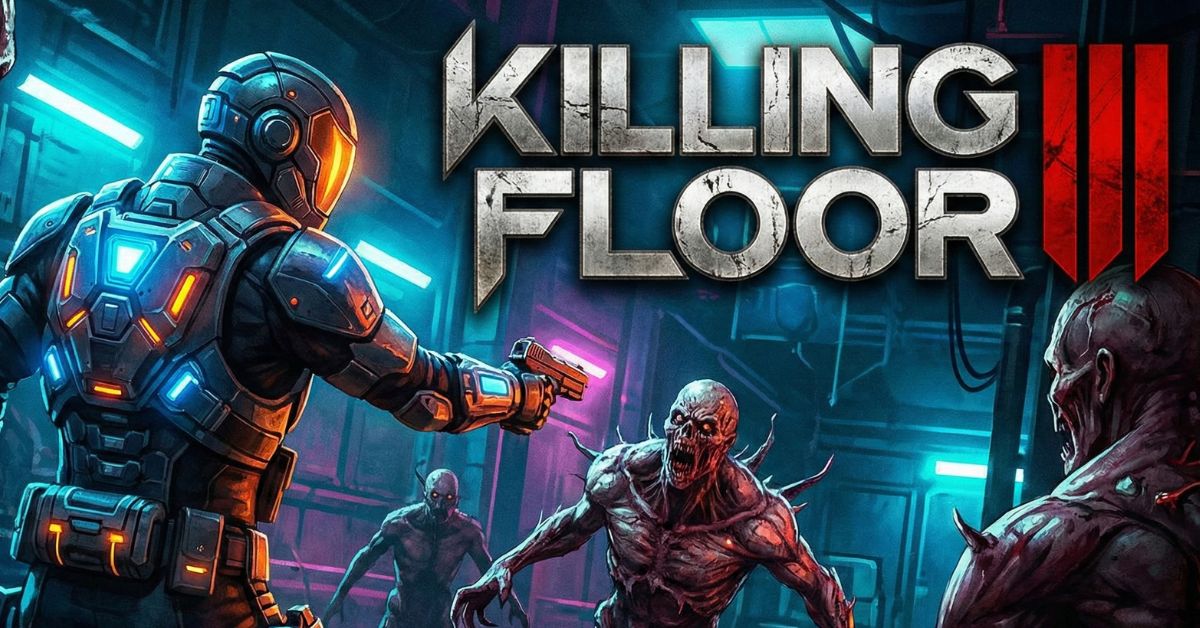
Killing Floor 3: Unleash Epic Squad Bonds That Last Forever

Imagine the rush of holding the line together as bio-engineered horrors swarm, your team’s perfect weld and well-timed heals turning certain doom into triumphant victory. That exhilarating teamwork? Killing Floor 3 crafts it into a co-op horror masterpiece that strengthens friendships and creates legendary gaming memories. As a veteran of countless Killing Floor waves on PS5, I’ve witnessed the franchise’s magic firsthand—and why KF3 elevates zombie shooters into something truly special you can’t put down.

For years, Killing Floor has held its own niche in the co‑op horror shooter scene — gritty, unapologetically brutal, and endlessly replayable. But Killing Floor 3 isn’t satisfied with just evolving the formula; it’s redefining what a modern co‑op horror experience can be. As someone who’s played hours of Killing Floor 2 and followed Tripwire Interactive’s design philosophy closely, I can confidently say that KF3 represents a leap forward in atmosphere, mechanics, and team‑based depth that most zombie shooters can’t touch.

The Evolution of the Killing Floor Franchise

The Killing Floor series began as a Unreal Tournament 2004 mod — a cult favorite that prioritized frantic firefights over narrative polish. When Tripwire turned it into a standalone release, it carved out a reputation for industrial‑grungy environments, memorable enemies (Zeds), and community‑driven game modes. Killing Floor 2 expanded that formula, adding better visuals, robust perk systems, and consistent updates supported by an active player base.

With Killing Floor 3, the franchise takes a strategic turn. It’s no longer just about surviving waves; it’s about controlling chaos through cooperation, precision, and tactical synergy. The developers have been clear: the focus is on elevating teamwork and immersion to next‑gen standards. It shows in everything from the AI system to the environmental storytelling.

Co‑op Depth Beyond Spray and Pray

Many zombie shooters sell the idea of co‑op but barely require coordination. Killing Floor 3 flips that. Every class — or “Perk” as veterans know them — now offers distinct tactical roles tied to gear and abilities that actively affect the battlefield. Support players can fortify positions, medics can deploy field stimulants with greater impact, and sharpshooters benefit from improved precision‑based damage bonuses.

What stands out is how the game’s systems encourage communication. Teams that strategize — balancing ammo conservation, weldable choke points, and Zed priority calls — will thrive. Lone wolves who treat it like an arcade run‑and‑gun? They’ll be overrun fast. It’s that balance of tension and teamwork that makes Killing Floor 3 gameplay uniquely rewarding, especially on higher difficulties.

Smarter Zeds, Meaner Battles

Tripwire’s horror formula has always leaned on its grotesque creature design, but Killing Floor 3 introduces advanced AI that transforms combat dynamics. Zeds no longer spawn predictably or funnel mindlessly — they react to player tactics, flank positions, and exploit weaknesses. A well‑placed EMP might scatter a wave temporarily, but expect them to regroup intelligently.

Expect revamped enemy archetypes too — not just re‑skins of classics like the Fleshpound or Scrake, but new bio‑engineered nightmares designed to pressure specific playstyles. This smarter, adaptive AI ensures each match feels tense and unpredictable, enhancing the “survival horror” aspect far beyond pattern recognition.

Credit-Playstation Channel

Weapon Systems and Tactical Customization

Weapons were always the star of Killing Floor’s chaotic ballet, and KF3 perfects that synergy between grit and precision. Firearms now feel weightier and more responsive, with ballistic modeling that rewards control and accuracy over mindless spraying. Each weapon can be customized with functional upgrades — barrel attachments, ammo modifiers, and optics — that change how your loadout behaves.

Tripwire’s weapon realism has always catered to shooter purists, but now it pairs that with meaningful progression. Instead of grinding for vanity, upgrades feel like tactical investments. A medic’s pistol modded for burst fire changes the flow of a rescue maneuver; an engineer’s turret upgrade can single‑handedly anchor a choke point. The result: every match feels like a tactical sandbox rather than a wave-based shooting gallery.

Darker, Cinematic Atmosphere

KF3 embraces a tone closer to dystopian horror than B‑movie gorefest. The visual direction — cold lighting, industrial decay, and grotesque biotech imagery — gives the game a chilling sense of dread. The story centers on Horzine Biotech’s total collapse into corporate dystopia, painting a world that feels more grounded and disturbingly plausible.

This shift impacts gameplay immersion, too. The lighting and sound design aren’t just aesthetic; they serve tactical purposes. Shadows conceal movement, alarms distort situational awareness, and the ambient tension of each map keeps you on edge between waves. It’s clear Tripwire wants players to feel the world’s decay, not just shoot through it.

Storytelling and Lore: More Than Background Noise

Previous Killing Floor entries treated lore as a backdrop — fun flavor text supporting wave-based chaos. Killing Floor 3 upgrades that to narrative framework. It explores Horzine’s experiments, rogue clones, and the ethical rot that led to Zed outbreaks. The lore surfaces through mission dialogue, environmental storytelling, and in‑mission decisions that slightly affect outcomes.

These details give context to your actions. You’re not just blasting monsters; you’re cleaning up the fallout of corporate horror gone unchecked. It’s a subtle, mature narrative direction that strengthens the emotional weight behind the bloodshed.

Built for PS5 and Modern Hardware

*Killing Floor 3 PS5* players can expect the full benefit of next‑gen optimization. The framerate target is a smooth 60 FPS with dynamic 4K rendering, delivering crisp, visceral encounters even amid chaos. Haptic feedback and adaptive triggers on the DualSense controller amplify immersion — you’ll feel recoil variations between weapon types, and even the pulse of your character under stress.

Load times are near‑instant, letting players drop into co‑op sessions seamlessly. The immersive 3D audio also makes a huge difference: hearing a Stalker creeping up from behind feels genuinely hair‑raising. Combined with subtle motion blur and volumetric lighting, KF3 on PS5 feels not just smoother, but significantly more atmospheric than its predecessors.

Killing Floor 3 vs Other Zombie Games

Comparisons with Left 4 Dead or Back 4 Blood are inevitable, but Killing Floor 3 operates on a different frequency. L4D thrives on cinematic pacing and accessibility, while KF3 doubles down on mechanical mastery and player intentionality. Every bullet, class synergy, and map choke point serves a purpose — there’s no autopilot mode.

Where Back 4 Blood relied on deck modifiers for meta‑progression, KF3 integrates personalization directly into gameplay. Its darker tone, AI sophistication, and pacing lean closer to tactical horror than arcade co‑op. Simply put, Killing Floor 3 doesn’t want you to feel powerful all the time; it wants you to earn your survival.

The Next Evolution of Co‑op Horror Shooters

*Killing Floor 3* represents what players have been asking for: a shooter that balances raw action with strategic tension, polished horror design, and meaningful teamwork. Tripwire isn’t chasing trends — it’s redefining its signature identity in a way that feels true to the franchise’s DNA while embracing next‑gen sensibilities.

For PS5 gamers looking for more than a zombie rush, Killing Floor 3 delivers a mature, meticulously designed experience built on fear, precision, and cooperation. It’s not just another entry in the horde shooter lineup — it’s a statement game. And if the early previews are any indication, it could very well set the new standard for co‑op horror shooters in 2026 and beyond.