
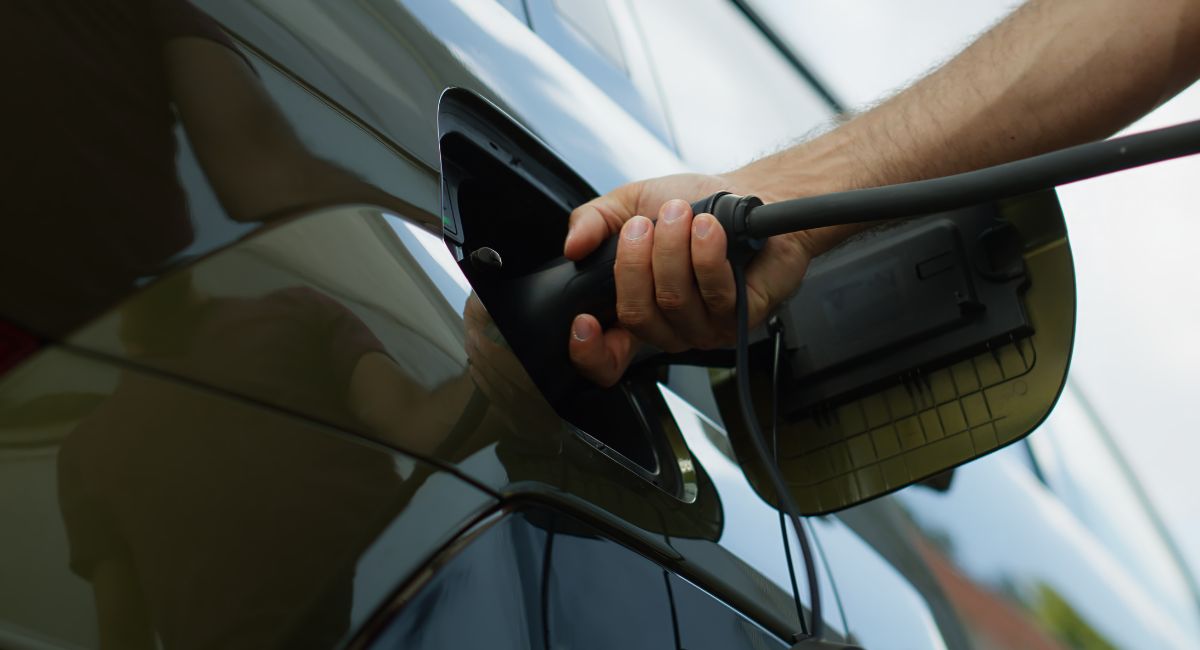
The modern electric car has moved from niche curiosity to mainstream contender in less than a decade. Governments across Europe, North America, Asia, and Australia have accelerated adoption through tax credits, fleet incentives, salary-sacrifice schemes, and emissions penalties on petrol and diesel vehicles.
But what happens when tax policy shifts?
The concern now gaining attention across automotive and policy circles is straightforward: electric car sales may stall if tax policy changes gear. Incentives that once made EVs financially compelling could shrink or disappear. New levies might offset running cost advantages. Fleet buyers—who drive a large portion of EV growth—could rethink purchasing strategies.
In this in-depth analysis, we examine why tax policy matters so much to electric car adoption, how current systems work, what proposed changes could mean, and how buyers and manufacturers may respond.
The Rise of the Electric Car: A Policy-Driven Acceleration
The electric car did not surge into popularity by accident. It was propelled by:
- Emission reduction targets
- Carbon pricing mechanisms
- Government rebates
- Reduced registration fees
- Company car tax exemptions
- Fleet depreciation benefits
For many consumers, the electric car became financially viable only after these policies narrowed the upfront price gap between EVs and internal combustion vehicles.
In multiple markets, salary packaging or novated lease programs dramatically reduced the effective purchase price for mid-range EVs. Businesses were encouraged to transition fleets due to lower fringe benefits tax or equivalent incentives.
The result: strong growth curves across several regions in 2024 and 2025.
But tax frameworks are not static.
Why Tax Policy Is So Critical to Electric Car Sales?
An electric car still carries a higher sticker price than an equivalent petrol vehicle in many segments. Battery packs remain the most expensive component of an EV.
Let’s examine typical specifications for a mid-size electric car in 2026:
Typical Electric Car Specifications (Mid-Size Segment)
- Battery Capacity: 60–82 kWh
- Range (WLTP): 400–550 km
- Motor Output: 150–250 kW
- 0–100 km/h: 6.0–8.0 seconds
- Charging Speed (DC Fast Charging): 100–250 kW
- Home Charging (AC): 7–11 kW
- Drivetrain: Single motor RWD or dual motor AWD
- Battery Warranty: 8 years / 160,000 km
While operating costs are generally lower due to:
- Reduced servicing
- Lower energy costs per kilometer
- No engine oil or fuel system maintenance
The upfront price remains a psychological barrier.
Tax incentives effectively close that gap.
If they shrink, the price difference widens again.
Read more:- Why the Right Vaccine Choice Could Make or Break Newcastle Disease Control?
Fleet Buyers: The Hidden Engine Behind EV Growth
Private buyers are important—but fleet and corporate customers often account for a disproportionate share of electric car sales.
Why?
Because fleet buyers:
- Operate on total cost of ownership (TCO) models
- Benefit significantly from tax advantages
- Can absorb higher upfront prices due to depreciation planning
If fringe benefits tax exemptions, accelerated depreciation, or corporate incentives are reduced, fleet managers may reassess:
- Replacement cycles
- EV vs hybrid comparisons
- Long-term ROI projections
Even small tax adjustments can alter cost-benefit spreadsheets.
When that happens at scale, sales momentum can shift quickly.
What Could Change in Tax Policy?
Governments reviewing budgets face competing pressures:
- Revenue gaps
- Infrastructure spending
- Equity concerns
- Market maturity of EV adoption
Potential tax changes that could impact the electric car market include:
Reduced Purchase Rebates
Direct subsidies may be phased out as EV adoption increases.
Adjusted Fringe Benefits or Company Car Tax Rules
If exemptions expire or thresholds tighten, fleet attractiveness may drop.
Introduction of Road User Charges
As fuel excise revenue declines, governments may introduce per-kilometer charges for EVs.
Higher Registration or Luxury Car Threshold Adjustments
Some markets apply luxury vehicle taxes. If EV exemptions change, premium models may face higher effective pricing.
Each of these shifts affects affordability differently.
Consumer Psychology: Incentives Shape Behavior
In automotive purchasing, perception matters as much as reality.
When buyers see:
- “Tax-free”
- “Rebate eligible”
- “Government-supported”
Confidence increases.
If headlines shift toward:
- “Incentives ending”
- “New EV road taxes”
- “Exemptions removed”
Uncertainty grows.
And uncertainty slows purchases.
Even temporary pauses in buying decisions can create measurable dips in quarterly sales data.
Will Electric Car Sales Actually Stall?
The short answer: It depends on how abrupt and severe the policy change is.
There are three possible outcomes:
Scenario 1: Gradual Phase-Out
If incentives taper gradually over several years, manufacturers can:
- Adjust pricing
- Improve battery cost efficiency
- Increase scale
Sales growth may slow but not collapse.
Scenario 2: Sudden Withdrawal
If tax advantages disappear abruptly, especially for fleets, we could see:
- Short-term sales spikes before deadlines
- Followed by noticeable plateaus or declines
This pattern has occurred historically in other clean-energy sectors when subsidies expired.
Scenario 3: Balanced Reform
Governments may replace direct rebates with infrastructure investment, such as:
- Faster charging networks
- Grid upgrades
- Renewable integration
In this case, buyer confidence may remain stable.
The Role of Charging Infrastructure
Tax policy does not operate in isolation.
Charging availability significantly influences electric car adoption. If tax benefits decline but infrastructure improves dramatically, the ownership equation may still feel attractive.
Key infrastructure specifications shaping adoption include:
- Ultra-fast charging speeds: 150–350 kW
- Average highway charging intervals: 150–250 km
- Typical charging time (10–80%): 20–30 minutes
- Home charger installation cost: Market dependent
Strong infrastructure can partially offset reduced financial incentives.
Battery Cost Trends: A Critical Counterbalance
Battery pack costs have steadily declined over the past decade due to:
- Improved chemistry
- Scale manufacturing
- Vertical integration
- Energy density improvements
If battery prices continue falling, electric car MSRP may decrease naturally—reducing reliance on subsidies.
However, supply chain volatility and raw material fluctuations (lithium, nickel, cobalt) can disrupt that trajectory.
Tax changes combined with rising battery costs could compound pressure.
Market Maturity: Are EVs Ready to Stand Alone?
One argument policymakers make is that the electric car market is no longer fragile.
Adoption rates in some regions exceed 20–30% of new car sales.
If EVs reach parity with combustion vehicles in total ownership cost without subsidies, tax incentives may no longer be necessary.
But parity varies by:
- Region
- Electricity prices
- Vehicle segment
- Driving patterns
Urban commuters may already see cost advantages. Rural long-distance drivers may not.
Real-World Ownership Costs
Let’s examine approximate ownership factors over five years for a mid-size electric car:
Purchase Price
Higher than petrol equivalent without incentives.
Energy Cost
Lower per kilometer when charged at home.
Maintenance
- No oil changes
- Fewer moving parts
- Brake wear reduced due to regenerative braking
Insurance
Comparable or slightly higher in some markets.
Depreciation
Improving as resale confidence grows.
Tax policy primarily affects the first line—purchase price.
That initial barrier often determines buying decisions.
Industry Response: How Automakers May React?
If tax policy tightens, automakers could respond with:
- Temporary price reductions
- Financing offers
- Extended warranties
- Battery leasing models
Manufacturers may also accelerate development of:
- Lower-cost EV platforms
- Entry-level electric car models under key pricing thresholds
Innovation often accelerates when policy support wanes.
Investor and Economic Implications
Electric car adoption influences:
- Battery manufacturers
- Charging providers
- Renewable energy integration
- Grid modernization
A slowdown in sales growth could ripple across multiple sectors.
However, long-term decarbonization goals remain strong globally. Even if sales stall temporarily, structural demand for electrification remains intact.
The Consumer Perspective: Should Buyers Wait?
Potential buyers facing policy uncertainty often ask:
“Should I purchase now or wait?”
Considerations include:
- Current incentive eligibility
- Expected resale value
- Energy cost stability
- Driving patterns
- Charging access
In many cases, total ownership economics still favor electric vehicles over long-term use, particularly for high-mileage drivers.
Is This a Temporary Plateau or Structural Shift?
History shows that emerging technologies often experience:
- Rapid growth
- Policy-driven acceleration
- Short-term corrections
- Long-term normalization
The electric car market may follow a similar path.
Short-term volatility does not necessarily indicate failure. It may represent transition toward subsidy independence.
The electric car revolution has been shaped as much by policy as by technology. Incentives, tax exemptions, and fleet benefits accelerated adoption at a critical moment in automotive history.
If tax policy changes gear, sales growth may moderate—but that does not signal the end of EV momentum.
Instead, it marks a transition phase.
The long-term trajectory of the electric car will depend on:
- Battery innovation
- Infrastructure expansion
- Consumer confidence
- Regulatory clarity
Even without aggressive subsidies, the advantages of electric propulsion—efficiency, lower running costs, and environmental benefits—remain compelling.
Policy may influence speed.
But the direction toward electrification appears firmly set.
FAQs
Will electric car prices increase if tax incentives end?
They may effectively rise if rebates or exemptions are removed. However, manufacturers might offset some of that impact with pricing adjustments or financing offers.
Are electric cars still cheaper to run than petrol cars?
In most markets, yes. Lower energy and maintenance costs typically result in reduced running expenses over time.
Do electric cars require less maintenance?
Yes. Electric cars eliminate engine oil changes, fuel system servicing, and many mechanical components found in combustion vehicles.
What is the typical battery warranty for an electric car?
Most manufacturers offer around 8 years or 160,000 km warranty coverage on the battery pack.