2027 Chevy Silverado High Country Spied: Is This the Boldest Upgrade Yet for America’s Favorite Truck?

The full-size truck segment never sleeps. In North America especially, competition between Detroit’s heavy hitters remains intense. That’s why the first sighting of the 2027 Chevy Silverado in High Country trim has generated serious attention among truck enthusiasts and industry insiders alike.

The Silverado has long been one of Chevrolet’s most important vehicles. It carries the brand’s reputation for durability, capability, and everyday usability. Now, with a refreshed High Country prototype finally caught testing in public, it appears Chevrolet is preparing a meaningful update rather than a minor cosmetic tweak.

This article takes an expert look at what the 2027 Chevy Silverado High Country prototype reveals — from exterior design changes to likely powertrain updates, interior improvements, expected specifications, and projected release timing.

Why the 2027 Chevy Silverado Matters?

The Silverado is not just another truck in Chevrolet’s lineup. It competes directly with segment leaders like the Ford F-150 and Ram 1500. Every refresh matters because small improvements in design, efficiency, or technology can influence thousands of buying decisions.

The High Country trim sits at the top of the Silverado lineup. It represents the most luxurious, most feature-rich, and often the most technologically advanced version of the truck. When Chevrolet updates High Country, it signals where the entire lineup may be headed.

The 2027 Chevy Silverado sighting suggests:

  • A mid-cycle refresh rather than a full redesign
  • Exterior styling refinements
  • Potential powertrain tuning or updates
  • Technology upgrades inside the cabin

Let’s break down what we know and what we can reasonably expect.

Exterior Design: Subtle but Significant Changes

Even through camouflage, certain styling changes stand out.

Front-End Updates

Spy photos suggest that the 2027 Chevy Silverado High Country may receive:

  • A redesigned front grille with more sculpted detailing
  • Updated LED headlight signatures
  • Revised front bumper design
  • Slightly altered hood contours

The grille appears more vertically pronounced, giving the truck a more commanding road presence. Chevrolet may be refining the lighting elements to create a sharper daytime running light pattern.

While it does not appear to be a full generational redesign, the refresh seems intended to modernize the Silverado’s look and align it more closely with Chevrolet’s evolving design language.

Side Profile and Wheels

The overall body shape appears largely unchanged, which is typical for a mid-cycle update. However, new wheel designs are expected for the High Country trim, potentially in 20-inch or 22-inch configurations.

Chrome accents, a signature of the High Country trim, are likely to remain — though possibly reworked for a more refined appearance.

Read more:- Pixel Showdown 2026: Google Pixel 10a vs Pixel 9a: The Smarter Buy Might Surprise You

Rear Design Tweaks

Rear-end updates may include:

  • Slightly revised taillight graphics
  • Updated tailgate badging
  • Subtle bumper refinements

The Silverado’s Multi-Flex tailgate is expected to remain a core feature.

Interior: A Push Toward Premium Comfort

The High Country trim has always prioritized comfort and luxury. The 2027 Chevy Silverado may take this further.

Expected Interior Upgrades

Based on current trends and segment competition, the updated High Country may include:

  • Larger central infotainment display (13.4 inches or more)
  • Fully digital driver display
  • Enhanced materials, including open-pore wood and premium leather
  • Ambient lighting upgrades
  • Improved seat cushioning and bolstering

Chevrolet has steadily improved interior quality in recent model years. The 2027 refresh is likely focused on refinement rather than reinvention.

Technology and Infotainment

Modern truck buyers expect technology that matches luxury SUVs. The 2027 Chevy Silverado High Country is likely to include:

  • Google built-in infotainment system
  • Wireless Apple CarPlay and Android Auto
  • Over-the-air software updates
  • Advanced voice controls
  • Enhanced trailer monitoring system

Chevrolet’s Super Cruise hands-free driving system may also continue as an available feature, potentially updated with improved highway coverage and lane-change capability.

Expected Powertrain Options

While the spy photos do not confirm engine changes, the 2027 Chevy Silverado High Country is likely to retain core engine options with possible refinements for efficiency and performance.

Expected Engine Lineup

5.3L V8

  • Approx. 355 horsepower
  • 383 lb-ft of torque

6.2L V8

  • Approx. 420 horsepower
  • 460 lb-ft of torque

3.0L Duramax Turbo-Diesel

  • Approx. 305 horsepower
  • 495 lb-ft of torque

All engines are expected to pair with a 10-speed automatic transmission.

Chevrolet may also optimize engine tuning to improve fuel economy and emissions performance without sacrificing towing strength.

Towing and Payload Capacity

The Silverado has long been recognized for its capability. The 2027 Chevy Silverado High Country is expected to maintain strong towing and payload figures.

Expected Capability

  • Maximum towing capacity: Up to 13,300 pounds (depending on configuration)
  • Payload capacity: Approximately 2,200 pounds

Enhanced trailer assist technology and camera systems are likely to continue playing a key role in usability.

Ride Quality and Suspension

The High Country trim often includes adaptive ride control. For 2027, Chevrolet may refine suspension tuning to provide:

  • Improved ride comfort
  • Reduced cabin noise
  • Better handling stability

Magnetic Ride Control could remain available or standard on certain configurations.

Safety Features

Safety remains central to Silverado’s appeal.

Expected safety technologies include:

  • Forward collision alert
  • Automatic emergency braking
  • Lane keep assist
  • Blind-spot monitoring
  • Rear cross-traffic alert
  • Adaptive cruise control

Super Cruise could continue as a premium feature.

Expected Release Date

Based on typical Chevrolet product cycles, the 2027 Chevy Silverado High Country could debut in late 2026, with dealership availability following shortly after.

Spy sightings usually indicate a launch window within 6 to 12 months.

Expected Pricing

Pricing for the High Country trim will likely reflect its premium positioning.

Estimated Price Range

  • Starting around $65,000
  • Fully equipped models could approach $75,000

Final pricing will depend on configuration and optional features.

How It Compares to Competitors?

The refreshed 2027 Chevy Silverado High Country will compete directly with:

  • Ford F-150 Platinum and Limited
  • Ram 1500 Limited

Chevrolet’s advantage lies in balancing traditional V8 power with modern tech upgrades.

2027 Chevy Silverado: Expected Specifications Overview

Engine Options: 5.3L V8, 6.2L V8, 3.0L Duramax Diesel
Transmission: 10-speed automatic
Drivetrain: RWD or 4WD
Towing Capacity: Up to 13,300 lbs
Infotainment: 13.4-inch touchscreen
Driver Display: Fully digital cluster
Safety: Super Cruise (available)
Starting Price: Estimated $65,000+

Evolution, Not Revolution

The 2027 Chevy Silverado High Country does not appear to reinvent the truck — but that may not be necessary. Instead, Chevrolet seems focused on refinement, improved technology, and subtle design modernization.

For buyers who value V8 performance, luxury interior appointments, and real-world towing capability, this refresh could strengthen the Silverado’s position in a fiercely competitive segment.

If Chevrolet executes the update well, the 2027 Chevy Silverado may continue to stand tall among America’s most trusted full-size pickups.

FAQs

When will the 2027 Chevy Silverado be released?

The 2027 Chevy Silverado is expected to debut in late 2026, with sales beginning shortly afterward.

What engines will the 2027 Chevy Silverado offer?

Expected options include a 5.3L V8, 6.2L V8, and 3.0L Duramax turbo-diesel engine.

Will the 2027 Chevy Silverado High Country have Super Cruise?

Super Cruise is expected to remain available on the High Country trim, possibly with updates.

What is the towing capacity of the 2027 Chevy Silverado?

Maximum towing capacity is expected to reach approximately 13,300 pounds depending on configuration.
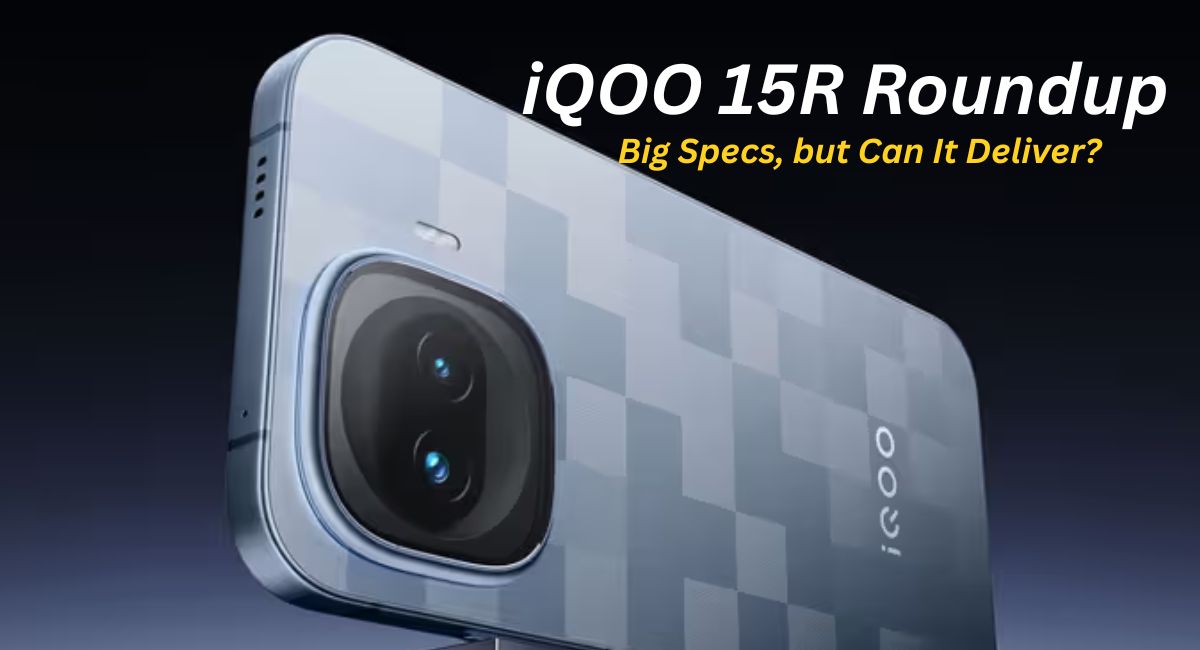

iQOO 15R Roundup: Is This Just Another Mid-Range Hype Machine?

The Indian smartphone market is fiercely competitive. Every few months, a new device promises flagship-level performance at a more accessible price. And now, all eyes are on the upcoming iQOO 15R. If early reports and industry leaks are anything to go by, this device could redefine what users expect from the mid-premium segment in 2026.

In this detailed iQOO 15R roundup, we explore the expected India launch date, design direction, confirmed and rumored specifications, pricing strategy, and how it could position itself against rivals. This article is written from an industry observer’s perspective, combining market knowledge, brand history, and realistic performance expectations.

Let’s break it down.

iQOO 15R Roundup: India Launch Date

iQOO has built a reputation in India for timing its launches strategically — often targeting festival seasons or high-sales quarters. Based on current market signals and product development timelines, the iQOO 15R is expected to launch in India in the coming weeks, likely aligning with a major online sales window.

The brand typically follows a pattern:

  • Teaser campaigns begin 2–3 weeks before launch
  • Flipkart microsite goes live
  • Official pricing revealed during a live-streamed event

Given iQOO’s aggressive expansion strategy in India, a strong marketing push is highly likely.

Design and Build: Subtle Evolution or Bold Refresh?

From early glimpses and industry chatter, the iQOO 15R appears to follow a refined yet performance-focused design language.

Expected Design Highlights:

  • Flat-edge frame with matte finish
  • Slim profile under 8.5mm thickness
  • Lightweight build around 190–200 grams
  • Dual-tone rear panel (possibly racing-inspired aesthetics)
  • Premium glass or composite back

iQOO traditionally emphasizes gaming-centric styling without making devices look overly flashy. Expect a balance between professional appeal and youthful performance branding.

The rear camera module is expected to be rectangular with subtle contouring, aligning with modern flagship trends.

Display Specifications: A Visual Powerhouse

Display quality has become a defining factor in 2026 smartphone launches. The iQOO 15R is expected to feature a high-end AMOLED panel with strong focus on smoothness and clarity.

Expected Display Specs:

  • 6.67-inch AMOLED display
  • 1.5K resolution (around 2800 x 1260 pixels)
  • 120Hz or 144Hz refresh rate
  • HDR10+ support
  • Peak brightness exceeding 1800 nits
  • In-display fingerprint sensor

If these specifications materialize, the iQOO 15R will offer flagship-grade viewing experience — ideal for gaming, streaming, and content creation.

The 1.5K resolution is becoming increasingly popular as it strikes a balance between Full HD+ efficiency and QHD sharpness.

Read more:- PayPal Data Breach Shock: How a Simple Coding Error Exposed Sensitive SSNs for Six Months?

Performance: Built for Speed and Stability

Performance is where iQOO traditionally shines. The brand has positioned itself as a performance-first smartphone maker, particularly appealing to gamers and power users.

The iQOO 15R is expected to feature a next-generation Snapdragon chipset.

Expected Performance Specifications:

  • Qualcomm Snapdragon 8-series chipset (likely 8s Gen variant)
  • Adreno GPU for high-performance graphics
  • LPDDR5X RAM
  • UFS 4.0 storage
  • RAM options: 8GB / 12GB
  • Storage options: 128GB / 256GB

With this hardware combination, users can expect:

  • Smooth multitasking
  • Stable high-frame-rate gaming
  • Faster app loading times
  • Improved thermal efficiency

iQOO may also include an advanced vapor chamber cooling system, which has become a standard feature in its performance lineup.

Camera Setup: More Than Just Numbers?

While iQOO is known for performance, recent models have significantly improved in photography. The iQOO 15R is expected to offer a versatile camera setup aimed at balanced imaging.

Expected Camera Specifications:

  • 50MP primary sensor (likely Sony-based)
  • 8MP ultra-wide lens
  • 2MP macro or depth sensor
  • 16MP or 32MP front camera

The primary 50MP sensor is expected to support:

  • Optical Image Stabilization (OIS)
  • 4K video recording
  • Night mode enhancements
  • AI scene optimization

Although it may not compete directly with ultra-premium camera phones, it should deliver reliable results for social media, low-light shots, and everyday photography.

Battery and Charging: Speed Meets Endurance

Battery life has become a critical buying factor in India. The iQOO 15R is expected to offer a large battery combined with ultra-fast charging.

Expected Battery Specs:

  • 5000mAh or 5500mAh battery
  • 120W fast charging support
  • USB Type-C port
  • Smart battery management system

iQOO’s 120W charging technology is known to charge devices from 0 to 50% in under 10 minutes in previous models. If retained, this feature alone could become a major selling point.

For gamers and heavy users, this means:

  • Less downtime
  • Faster top-ups before heading out
  • Day-long usage on a single charge

Software Experience

The iQOO 15R will likely run on:

  • Android 14 or Android 15 (depending on launch timeline)
  • Funtouch OS customized interface

Recent versions of Funtouch OS have become cleaner and more stable, with reduced bloatware and improved UI fluidity.

Expected software features include:

  • Extended RAM support
  • Gaming mode enhancements
  • Privacy dashboard
  • Long-term update commitment (2–3 years OS updates expected)

Connectivity and Additional Features

The iQOO 15R is expected to include all essential modern connectivity features:

  • 5G support (multiple bands for India)
  • Wi-Fi 6 or Wi-Fi 7
  • Bluetooth 5.3
  • Dual SIM support
  • Stereo speakers
  • X-axis linear vibration motor
  • In-display fingerprint scanner

The stereo speakers combined with high refresh rate display could significantly enhance gaming and streaming experiences.

Expected Price in India

Pricing will determine how disruptive the iQOO 15R becomes.

Based on hardware positioning and market trends, the expected pricing could fall in the range of:

  • ₹29,999 to ₹34,999

This would position the iQOO 15R competitively in the upper mid-range category.

If launched under ₹30,000 with bank offers, it could directly challenge devices in the same price segment and become a value-performance champion.

How the iQOO 15R Could Compete in India

The Indian smartphone market rewards three things:

  1. Performance
  2. Battery life
  3. Value for money

The iQOO 15R seems engineered around these pillars.

Potential Strengths:

  • Flagship-level processor
  • Ultra-fast charging
  • High refresh AMOLED display
  • Competitive pricing

Possible Limitations:

  • Camera versatility may not match camera-focused competitors
  • Design may not feel radically new

However, for performance-driven buyers, these trade-offs may not matter.

Who Should Consider the iQOO 15R?

The iQOO 15R could be ideal for:

  • Mobile gamers
  • Power users
  • College students wanting flagship-like performance
  • Professionals needing strong multitasking
  • Users upgrading from 2–3-year-old mid-range phones

If your priority is speed, display smoothness, and battery life, this device is shaping up to be a compelling choice.

iQOO 15R Roundup

This iQOO 15R roundup reveals a smartphone that could sit comfortably between premium and flagship territory. It appears designed to deliver real-world performance gains without pushing into ultra-premium pricing.

If iQOO executes pricing correctly and delivers stable software performance, the 15R could become one of the most talked-about launches in India this year.

The real test, however, will come after hands-on reviews and long-term performance evaluation. But on paper, the iQOO 15R looks promising — perhaps even disruptive.

FAQs

What is the expected India launch date of iQOO 15R?

The iQOO 15R is expected to launch in India soon, possibly within the next few weeks, based on current market timelines and teaser patterns.

What is the expected price of iQOO 15R in India?

The expected price range is between ₹29,999 and ₹34,999, depending on RAM and storage variants.

Which processor will power the iQOO 15R?

The device is expected to feature a Snapdragon 8-series chipset, possibly a next-generation 8s variant designed for high performance.

Does iQOO 15R support 120W fast charging?

Yes, the iQOO 15R is expected to support 120W fast charging, allowing extremely quick battery top-ups.

vivo Unveils V70 & V70 Elite: Premium Design Meets Flagship Power and ZEISS Imaging at a Surprising Price

The premium smartphone market has entered a new phase where design elegance, camera innovation, and AI-driven features are just as important as raw performance. Recognizing this shift, vivo has introduced its latest flagship contenders — the V70 and V70 Elite — aiming to bridge the gap between premium mid-range devices and true flagships.

The announcement that vivo unveils V70 & V70 Elite starting at INR 45,999 signals an aggressive strategy: deliver top-tier features at a price point that undercuts many competitors.

With ZEISS-powered optics, advanced AI imaging, high-end processors, and a striking design philosophy, the V70 series appears designed for users who want flagship experiences without paying ultra-premium prices.

This comprehensive expert review explores everything you need to know — from detailed specifications and camera performance to software intelligence, battery life, and real-world usability.

Design Philosophy: Elegance with a Purpose

Elevated Aesthetics

The V70 series showcases a design approach that blends sophistication with ergonomics. Both models feature slim profiles, curved edges, and refined finishes that reflect modern premium aesthetics.

Key design highlights include:

  • Ultra-slim body with lightweight construction
  • Premium glass back with matte texture
  • Precision-machined metal frame
  • Minimal camera bump integration
  • Elegant color variants inspired by natural elements

The V70 Elite takes refinement a step further with enhanced materials and exclusive finishes.

Durability and Comfort

Despite the slim design, the phones are engineered for everyday durability. Enhanced structural integrity and improved grip make them comfortable for prolonged use — essential for gaming, photography, and multitasking.

Read more:- The Xiaomi 17 Ultra Philippines Launch Rumors: Is This the Most Powerful Flagship of the Year?

Display Excellence: Visuals That Rival Flagships

A smartphone’s display is its primary interface, and the V70 lineup prioritizes visual immersion.

Expected Display Features

  • Large AMOLED panel
  • High refresh rate (120Hz or higher)
  • HDR support for streaming
  • High brightness for outdoor visibility
  • Eye protection technologies

These displays are optimized for gaming, video consumption, and professional content creation.

Performance: Flagship-Level Power for Demanding Users

Next-Generation Processing

To compete in the premium segment, vivo equips the V70 series with powerful chipsets capable of handling intensive workloads.

Users can expect:

  • Smooth multitasking
  • High-end gaming performance
  • Efficient power management
  • Advanced AI processing

The V70 Elite is likely powered by a higher-tier processor, delivering superior performance compared to the standard model.

Memory and Storage

Configurations are expected to include:

  • Up to 16GB RAM
  • Fast internal storage
  • Virtual RAM expansion for heavy multitasking

This ensures longevity and responsiveness even as apps become more demanding.

ZEISS Partnership: Redefining Smartphone Photography

One of the standout features is the integration of ZEISS optics — a collaboration that has significantly elevated mobile photography standards.

50MP ZEISS Telephoto Camera

The telephoto lens is designed for:

  • High-quality zoom photography
  • Crisp portrait shots
  • Detailed long-distance images
  • Professional-level bokeh effects

AI Imaging Capabilities

AI plays a major role in enhancing photography:

  • Scene recognition
  • Lighting optimization
  • Motion stabilization
  • Noise reduction
  • Skin tone accuracy

Together, ZEISS optics and AI processing aim to deliver consistent results across various shooting conditions.

Camera System Overview

Rear Camera Setup (Expected)

  • 50MP ZEISS telephoto lens
  • High-resolution primary sensor
  • Ultra-wide lens
  • Advanced portrait capabilities

Front Camera

  • High-resolution selfie camera
  • AI beautification
  • 4K video support

This configuration caters to content creators, vloggers, and photography enthusiasts.

Video Capabilities: Built for Creators

Video recording has become equally important as photography.

Expected Video Features

  • 4K and possibly 8K recording
  • Cinematic stabilization
  • Advanced color science
  • Professional shooting modes

These tools allow users to create high-quality content directly from their smartphones.

Battery and Charging: Power That Keeps Up

Modern users demand long battery life and fast charging.

Battery Features

  • Large capacity battery
  • Ultra-fast wired charging
  • Efficient power optimization
  • Extended usage on a single charge

Fast charging technology ensures minimal downtime, making the devices suitable for busy lifestyles.

Software Experience: Intelligent and User-Centric

The V70 series runs on an advanced Android-based interface designed for fluidity and customization.

Key Software Enhancements

  • AI-driven performance tuning
  • Smart multitasking features
  • Privacy and security improvements
  • Minimal bloatware
  • Regular software updates

These features contribute to a smooth and reliable user experience.

Connectivity and Future-Ready Features

Both models are designed to support the latest connectivity standards.

Expected Connectivity Options

  • 5G support
  • Wi-Fi advancements
  • Bluetooth enhancements
  • NFC for payments
  • Advanced location services

Such features ensure long-term usability.

Specifications at a Glance

Display:
AMOLED, high refresh rate, HDR support

Processor:
Flagship-grade chipset (Elite variant more powerful)

RAM:
Up to 16GB

Storage:
Up to 512GB or higher

Rear Cameras:
Triple setup with 50MP ZEISS telephoto

Front Camera:
High-resolution selfie sensor

Battery:
Large capacity with fast charging

Operating System:
Latest Android-based interface

Connectivity:
5G, Wi-Fi, Bluetooth, NFC

Pricing Strategy: Premium Features Without Ultra-Premium Cost

Starting at INR 45,999, the V70 series targets users who want flagship experiences at a more accessible price.

This pricing positions the devices between mid-range phones and ultra-premium flagships, making them attractive to a broad audience.

Who Should Buy the V70 or V70 Elite?

Ideal Users

  • Photography enthusiasts
  • Mobile gamers
  • Content creators
  • Professionals seeking performance
  • Users upgrading from mid-range devices

Who Might Skip It?

  • Budget buyers
  • Users preferring compact phones
  • Those satisfied with entry-level models

Market Impact: A Strong Challenge to Competitors

The V70 series could intensify competition in the premium segment by offering features typically found in more expensive devices.

Consumers benefit from:

  • Better value
  • Increased innovation
  • More choices

A Compelling Premium Experience

The announcement that vivo unveils V70 & V70 Elite marks a significant moment in the smartphone landscape. By combining elegant design, powerful performance, advanced ZEISS imaging, and competitive pricing, vivo has created devices capable of challenging established flagship leaders.

For users seeking a premium smartphone experience without entering ultra-high price territory, the V70 series may represent one of the most balanced options available.

FAQs

What is special about the vivo V70 series?

Its combination of premium design, flagship performance, ZEISS telephoto camera, and AI imaging features.

What is the price of the vivo V70 and V70 Elite?

The series starts at INR 45,999, with the Elite variant priced higher.

Does it support 5G??

Yes, both models are expected to include full 5G connectivity.

How is the battery life?

With a large battery and optimized software, it should last a full day of heavy usage.

The Xiaomi 17 Ultra Philippines Launch Rumors: Is This the Most Powerful Flagship of the Year?

A New Ultra Contender May Be Headed to the Philippines

The Philippine smartphone market has grown increasingly sophisticated over the past few years. Consumers are no longer simply looking for affordable devices; they want flagship performance, professional-grade cameras, premium build quality, and long-term software support.

Now, speculation is building that The Xiaomi 17 Ultra may officially arrive in the Philippines. If the rumors hold true, this device could become one of the most powerful Android flagships available locally.

As someone who has reviewed multiple Xiaomi Ultra devices over the years, I’ve seen how the brand steadily refined its formula. From aggressive pricing strategies to industry-leading camera collaborations, Xiaomi has matured into a serious competitor in the premium segment. The Xiaomi 17 Ultra appears poised to continue that evolution.

Let’s examine what this upcoming flagship could bring and why Filipino buyers should pay attention.

Why The Xiaomi 17 Ultra Matters for the Philippine Market?

Flagship smartphones in the Philippines typically come from brands like Samsung, Apple, and occasionally OnePlus. Xiaomi, however, has increasingly positioned its Ultra lineup as a direct challenger to these established giants.

If The Xiaomi 17 Ultra launches locally, it could offer:

  • Cutting-edge camera hardware
  • Flagship-level chipset performance
  • Advanced AI-driven features
  • Premium display technology
  • Competitive pricing compared to rivals

For Filipino consumers who prioritize value without sacrificing innovation, this could be a major development.

Expected Design: Premium, Bold, and Camera-Focused

Xiaomi’s Ultra series has always emphasized camera hardware through distinct rear modules. The Xiaomi 17 Ultra is expected to continue this bold aesthetic approach.

Likely Design Highlights

  • Ceramic or eco-leather back options
  • Large circular camera module
  • Slim aluminum frame
  • IP68 water and dust resistance
  • Corning Gorilla Glass protection

The device is expected to feel substantial in hand, signaling its flagship ambitions.

Display Specifications: Ultra-Level Visual Experience

The Xiaomi 17 Ultra is rumored to feature one of the most advanced AMOLED panels in its category.

Expected Display Specs

  • 6.8-inch AMOLED display
  • 2K resolution (3200 x 1440)
  • 120Hz adaptive refresh rate
  • Peak brightness over 3000 nits
  • HDR10+ and Dolby Vision support
  • LTPO technology for power efficiency

For Filipino users who stream content, play games, or consume social media heavily, display quality is a major factor. A high peak brightness would be particularly useful in outdoor environments, which are common in the Philippines.

Read more:- Best Vivo Mobile Phones Under ₹50,000 in India (February 2026): Flagship Features Without the Flagship Price

Performance: Flagship Power Without Compromise

At the heart of The Xiaomi 17 Ultra, we expect a top-tier chipset.

Expected Processor

  • Snapdragon 8 Gen 4 or equivalent flagship SoC

Memory and Storage Options

  • 12GB / 16GB RAM
  • 256GB / 512GB / 1TB storage
  • UFS 4.0 storage standard

These specifications would place the device at the very top of Android performance rankings.

What This Means for Users?

  • Smooth multitasking
  • Console-level mobile gaming
  • Faster app loading times
  • Enhanced AI processing capabilities

For power users, content creators, and mobile gamers in the Philippines, this performance tier ensures longevity and future-proofing.

Camera System: The Ultra Legacy Continues

The defining feature of Xiaomi’s Ultra lineup has always been the camera system. The Xiaomi 17 Ultra is expected to take that even further.

Expected Camera Specs

  • 1-inch main sensor (50MP)
  • Periscope telephoto lens (5x or more optical zoom)
  • Ultra-wide camera (50MP)
  • Advanced computational photography features
  • Enhanced low-light processing

The use of a 1-inch sensor would significantly improve:

  • Dynamic range
  • Night photography
  • Depth of field
  • Detail retention

For Filipino photographers, vloggers, and travel enthusiasts, this level of camera hardware could rival dedicated cameras in many scenarios.

Video Capabilities: A Content Creator’s Tool

Video performance is increasingly important.

The Xiaomi 17 Ultra may offer:

  • 8K video recording
  • 4K at 60fps or 120fps
  • Advanced stabilization
  • Cinematic video modes
  • Professional color grading options

With social media platforms emphasizing video content, a powerful camera system becomes even more valuable.

Battery and Charging: Fast and Efficient

Battery performance is crucial in a country where users often spend long hours commuting or working remotely.

Expected Battery Specs

  • 5000–5500mAh battery
  • 120W wired fast charging
  • 50W wireless charging
  • Reverse wireless charging

Fast charging ensures that even if the battery drains during heavy use, a short charging session can restore substantial power.

Software Experience: HyperOS Evolution

The Xiaomi 17 Ultra will likely run Xiaomi’s latest HyperOS version, built on Android.

Expected Software Features

  • Improved system animations
  • Better resource management
  • AI-enhanced camera features
  • Cross-device ecosystem integration
  • Extended software update support

Software stability and optimization will play a critical role in the device’s reception in the Philippines.

Connectivity and Network Support

For Filipino buyers, connectivity matters just as much as performance.

Expected Connectivity Features

  • 5G support
  • Wi-Fi 7 compatibility
  • Bluetooth 5.4
  • NFC support
  • Dual SIM support

Strong 5G compatibility ensures better future readiness as networks expand nationwide.

Expected Pricing in the Philippines

Pricing remains speculative, but based on Xiaomi’s history, the Xiaomi 17 Ultra may position itself below similarly specced Samsung or Apple flagships.

Estimated range:

  • PHP 55,000 to PHP 75,000

This pricing strategy would make it a compelling option in the premium smartphone category.

Read more:- Motorola Moto Watch Review: Can This Affordable Smartwatch Really Deliver Premium Battery Life and Smarter Fitness Tracking?

Potential Launch Timeline

If market signals are accurate, The Xiaomi 17 Ultra could launch in the Philippines within months of its global debut.

Possible timeline:

  • Global release: Late 2026
  • Philippine launch: Shortly after global availability

Xiaomi has been increasingly aggressive in bringing flagship devices to Southeast Asian markets quickly.

How It Compares to Competitors?

In the Philippines, likely competitors include:

  • Samsung Galaxy S series
  • iPhone Pro models
  • Other Android flagship devices

The Xiaomi 17 Ultra could differentiate itself through:

  • Superior charging speeds
  • Larger camera sensor
  • Competitive pricing
  • High-performance hardware

Who Should Consider The Xiaomi 17 Ultra?

This device may be ideal for:

  • Mobile photography enthusiasts
  • Power users
  • Gamers
  • Tech-savvy professionals
  • Early adopters

If Xiaomi maintains strong after-sales service and warranty support locally, it could further strengthen consumer confidence.

Why This Launch Could Shift the Premium Market?

The arrival of The Xiaomi 17 Ultra in the Philippines would intensify competition in the premium smartphone segment.

More competition typically results in:

  • Better pricing
  • More innovation
  • Improved customer service
  • Enhanced feature sets

For consumers, that’s always a positive outcome.

If The Xiaomi 17 Ultra does launch in the Philippines, it could become one of the most compelling flagship smartphones of the year. With powerful hardware, cutting-edge camera technology, fast charging, and a competitive price point, it has the potential to disrupt the premium market.

For Filipino consumers seeking performance and innovation without stepping into ultra-premium pricing territory, this could be the device worth waiting for.

FAQs

Is The Xiaomi 17 Ultra confirmed for the Philippines?

While official confirmation may still be pending, strong indications suggest that a Philippine launch is likely.

What processor will The Xiaomi 17 Ultra use?

It is expected to feature a next-generation Snapdragon flagship chipset, offering top-tier performance.

How much will The Xiaomi 17 Ultra cost in the Philippines?

Pricing could range from PHP 55,000 to PHP 75,000 depending on storage variants.

 Will The Xiaomi 17 Ultra have a 1-inch camera sensor?

Reports suggest it may include a 1-inch main camera sensor for superior image quality.

PayPal Data Breach Exposes SSNs for Six Months: What Really Happened and Why It Matters?

When a global financial technology company experiences a data exposure, the impact reaches far beyond headlines. The recent PayPal Data incident involving its Working Capital product is a reminder that even established platforms can face vulnerabilities—not from external hackers, but from internal coding errors.

For six months, sensitive information including Social Security Numbers (SSNs) was reportedly exposed due to a technical flaw in PayPal’s systems. While the issue was not described as a traditional cyberattack, the exposure of personally identifiable information (PII) still represents a significant security concern.

As someone who has covered fintech platforms and data protection trends for years, I can confidently say that incidents like this are rarely simple. They involve layers of technical oversight, compliance frameworks, and risk management strategies that sometimes fail under pressure.

Let’s break down exactly what happened, what kind of PayPal Data was involved, and what it means for users and small businesses.

What Is PayPal Working Capital?

Before diving into the breach itself, it’s important to understand the service at the center of the issue.

PayPal Working Capital is a financing product designed primarily for small businesses and merchants who process payments through PayPal. Instead of traditional loan structures, it offers:

  • Business cash advances
  • Fixed repayment percentage from daily sales
  • No traditional credit checks
  • Quick approval processes

To facilitate financing decisions, the platform collects detailed information from applicants, including:

  • Full legal name
  • Address
  • Date of birth
  • Social Security Number
  • Financial transaction history
  • Business performance data

This sensitive information forms part of broader PayPal Data records stored within internal systems.

What Actually Happened?

Reports indicate that a coding error within PayPal’s internal systems led to unauthorized exposure of certain customer information tied to the Working Capital product.

Key Points of the Incident

  • The exposure lasted approximately six months.
  • It was caused by a technical or configuration error.
  • The issue involved Social Security Numbers and other sensitive personal details.
  • It was not described as a large-scale external hack.

Unlike ransomware attacks or phishing breaches, this appears to have been an internal system flaw—arguably more concerning in some ways because it suggests a lapse in security validation processes.

What Type of PayPal Data Was Exposed?

According to available reports, the following types of data may have been exposed:

  • Social Security Numbers (SSNs)
  • Names
  • Addresses
  • Dates of birth
  • Tax identification details
  • Business information

SSNs are particularly critical because they are permanent identifiers. Unlike passwords, they cannot be changed.

When discussing PayPal Data, it’s important to recognize the difference between:

  • Authentication data (passwords, login credentials)
  • Personal identification data (SSNs, birth dates)
  • Financial data (transaction records, account balances)

In this case, the exposure of SSNs elevates the severity of the incident significantly.

Why a Coding Error Can Be as Dangerous as a Hack?

Many people assume data breaches happen only when hackers infiltrate a system. However, coding errors can be equally damaging.

Common Causes of Data Exposure Through Code

  • Improper access controls
  • Misconfigured APIs
  • Insecure database queries
  • Faulty permission settings
  • Logging errors exposing sensitive information

Financial platforms handle massive volumes of PayPal Data daily. Even a minor misconfiguration in how access permissions are assigned can inadvertently make sensitive data viewable internally or externally.

This is why fintech companies typically employ:

  • Multi-layer security audits
  • Automated vulnerability scans
  • Penetration testing
  • Compliance monitoring under frameworks like SOC 2

The fact that this issue lasted six months suggests that monitoring mechanisms either failed to detect it early or that the error was subtle enough to evade immediate discovery.

Timeline and Duration: Why Six Months Matters?

In cybersecurity, duration is critical.

A vulnerability lasting a few days is concerning. A six-month exposure window significantly increases potential risk.

During that period:

  • Internal users or systems may have accessed data improperly.
  • Logs may have recorded sensitive details.
  • Backup systems could have replicated exposed records.

The longer a vulnerability exists, the harder it becomes to fully trace the impact.

From a compliance standpoint, regulators often evaluate:

  • When the issue began
  • When it was detected
  • When affected users were notified
  • Whether mitigation steps were implemented promptly

Transparency plays a major role in maintaining trust.

Read more:- Best Vivo Mobile Phones Under ₹50,000 in India (February 2026): Flagship Features Without the Flagship Price

Who Was Affected?

While exact numbers may vary, the breach reportedly impacted users associated with the PayPal Working Capital product.

This primarily includes:

  • Small business owners
  • Independent contractors
  • Online merchants
  • E-commerce sellers

These individuals often rely on PayPal Data systems for daily operations, including loan repayments tied directly to sales volume.

For small businesses, identity theft or financial fraud can have devastating consequences—not just personal inconvenience.

The Risk of SSN Exposure

Social Security Numbers are among the most sensitive identifiers in the United States.

If compromised, they can be used for:

  • Identity theft
  • Fraudulent loan applications
  • Credit card fraud
  • Tax refund scams
  • Opening unauthorized accounts

Unlike passwords, SSNs cannot be simply reset. This makes remediation far more complicated.

Financial institutions often respond by offering:

  • Credit monitoring services
  • Identity theft protection
  • Fraud alert guidance

However, the long-term risk remains.

How PayPal Responded?

In situations involving PayPal Data exposure, companies typically follow a structured response protocol:

  1. Identifying and fixing the coding error
  2. Conducting internal forensic analysis
  3. Notifying affected users
  4. Offering protective services
  5. Reviewing security architecture

Based on standard industry practice, affected users are usually advised to:

  • Monitor credit reports
  • Consider placing fraud alerts
  • Watch for suspicious account activity

Corporate responsibility in these cases hinges on transparency and remediation speed.

Regulatory and Compliance Implications

Fintech platforms operate under strict regulatory scrutiny.

Depending on jurisdiction, PayPal Data breaches may trigger:

  • State-level breach notification laws
  • Federal regulatory review
  • Potential fines or compliance audits

Regulators examine whether:

  • Data was encrypted
  • Access logs were maintained
  • Incident response timelines were adequate

In the United States, companies handling SSNs are expected to implement robust safeguards under consumer protection frameworks.

How This Affects Consumer Trust?

Trust is the foundation of digital finance.

When users store sensitive PayPal Data within a platform, they assume:

  • Information is encrypted
  • Access is restricted
  • Monitoring systems are active

Even when incidents are not caused by malicious attackers, perception matters.

For small businesses, confidence in the platform influences:

  • Financing decisions
  • Payment processing choices
  • Long-term loyalty

Companies must demonstrate that lessons were learned and improvements implemented.

Lessons for Fintech Companies

This incident highlights key security lessons:

1. Continuous Monitoring Is Essential

Security tools must detect misconfigurations quickly.

2. Code Reviews Need Stronger Oversight

Every system update should undergo:

  • Security testing
  • Peer review
  • Access validation

3. Incident Transparency Builds Credibility

Clear communication prevents misinformation and panic.

Practical Steps for Affected Users

If you were impacted by the PayPal Data exposure, consider:

  • Checking your credit reports regularly
  • Enabling multi-factor authentication
  • Setting up account alerts
  • Reviewing loan documentation
  • Freezing credit if necessary

Identity protection services can add another layer of precaution.

Broader Industry Context

Data breaches across fintech are not isolated incidents. As platforms expand services—lending, crypto trading, merchant financing—the volume of sensitive PayPal Data increases.

With growth comes complexity.

Complex systems create more potential failure points.

This is why cybersecurity budgets in fintech are expanding rapidly, focusing on:

  • Zero-trust architectures
  • AI-driven anomaly detection
  • Real-time log analysis

The industry is evolving, but so are risks.

What Happens Next?

Following a breach of this nature, companies typically:

  • Conduct third-party security audits
  • Upgrade access control systems
  • Improve encryption standards
  • Strengthen compliance documentation

Public confidence depends on demonstrable improvements.

For users, awareness is key. Data privacy in 2026 and beyond requires vigilance—not just from companies, but from individuals as well.

The PayPal Data exposure tied to Working Capital underscores a critical truth about digital finance: security is not just about stopping hackers—it’s about ensuring internal systems are flawlessly configured.

Coding errors may sound technical and minor, but when they involve Social Security Numbers, the consequences are far-reaching.

As fintech continues to reshape global commerce, companies must balance innovation with uncompromising security discipline. For users, staying proactive about personal data protection has never been more important.

FAQs

What is the PayPal Data breach related to Working Capital?

The incident involved a coding error that reportedly exposed sensitive personal information, including Social Security Numbers, tied to PayPal Working Capital users.

Was the PayPal Data breach caused by hackers?

Reports indicate that it was caused by an internal coding or configuration error rather than an external cyberattack.

What information was exposed?

The exposed PayPal Data reportedly included Social Security Numbers, names, addresses, and dates of birth.

How long did the exposure last?

The vulnerability reportedly remained active for approximately six months before being fixed.

Next-Gen Toyota Fortuner Spotted Testing: A Bold Reinvention of India’s Favorite Full: Size SUV?

Few SUVs in India command the kind of authority and loyalty that the Toyota Fortuner does. For over a decade, it has remained the benchmark in the premium full-size SUV segment, consistently dominating sales charts despite fierce competition. Its reputation has been built on rugged reliability, commanding road presence, and unmatched resale value.

Now, the next-generation Toyota Fortuner has been spotted testing internationally, and early signs suggest that this is not just a cosmetic refresh. Instead, it appears to be a comprehensive overhaul—mechanically, technologically, and aesthetically.

As someone who has closely followed the Fortuner’s evolution since its first generation, this development feels like a pivotal moment. The current model is strong, but it is also aging in areas like cabin technology and platform sophistication. The next-gen model aims to address exactly that.

Let’s dive deep into what the upcoming Toyota Fortuner is likely to bring to the table.

A Completely New Platform: The Foundation Matters

One of the biggest upgrades expected in the next-generation Toyota Fortuner is its move to Toyota’s advanced ladder-frame architecture derived from the global IMV platform evolution.

This platform already underpins the new Toyota Hilux sold globally and is engineered for:

  • Improved chassis rigidity
  • Better crash safety
  • Enhanced ride comfort
  • Lower NVH (Noise, Vibration, Harshness) levels

For an SUV like the Toyota Fortuner, which is built for both urban luxury and serious off-road capability, this structural change is significant.

What This Means in Real-World Terms?

Owners can expect:

  • More stable highway dynamics
  • Better handling around corners
  • Reduced body roll
  • Improved off-road articulation
  • A more refined ride quality

Toyota has historically prioritized durability over flashy upgrades. The new architecture suggests that the brand is now focusing equally on refinement and performance without compromising its legendary reliability.

Exterior Design: Sharper, Bolder, More Premium

The test mules reveal a dramatically evolved design language. While camouflage hides finer details, several changes are evident.

Front Fascia

Expect:

  • A larger, more sculpted grille
  • Slimmer LED headlamps
  • Aggressive DRL signatures
  • Redesigned bumper with muscular air intakes

The current Toyota Fortuner already has a strong road presence. The next generation seems to amplify that stance, giving it a more premium and contemporary appeal.

Side Profile

The proportions remain upright and commanding, but subtle refinements are noticeable:

  • Sharper character lines
  • Redesigned alloy wheels
  • Slightly reworked window line

The SUV maintains its high ground clearance and robust stance—features that are essential to its identity.

Rear Design

The rear appears to get:

  • New LED tail-lamps
  • A revised tailgate design
  • A cleaner bumper layout

Overall, the new Toyota Fortuner looks less utilitarian and more globally premium.

Read more:- MG Majestor: Experience Luxury and Performance with Cutting-Edge Specs

Interior Overhaul: Finally Catching Up with Modern Expectations

If there is one area where the current Toyota Fortuner has been criticized, it is the cabin experience. While durable and well-built, the interior layout feels dated compared to newer rivals.

The next-gen version is expected to change that dramatically.

Larger Infotainment System

The SUV is likely to feature:

  • A 10–12 inch touchscreen infotainment system
  • Wireless Android Auto and Apple CarPlay
  • Advanced connected car technology
  • Over-the-air update capability

Fully Digital Instrument Cluster

A digital driver display could replace the analog-digital combo, providing:

  • Customizable layouts
  • Navigation display integration
  • Off-road data visualization

Premium Materials

Toyota is expected to improve:

  • Soft-touch dashboard surfaces
  • Higher-quality leather upholstery
  • Ambient lighting options
  • Redesigned center console

This is a necessary step if the Toyota Fortuner wants to justify its premium pricing in an increasingly competitive segment.

Engine & Performance: Power Meets Efficiency

The Toyota Fortuner has traditionally been known for its strong diesel engines. The next-generation model is expected to retain diesel power but with significant upgrades.

Expected Engine Options

EngineTypeExpected Output
2.8L Turbo Diesel4-cylinder~201–204 bhp
2.8L Mild Hybrid Diesel48V assistedImproved torque & efficiency
2.7L Petrol (select markets)NA petrol~164 bhp

Mild Hybrid Technology

One of the most exciting upgrades could be the introduction of a 48V mild-hybrid system paired with the diesel engine.

Benefits include:

  • Better fuel efficiency
  • Smoother acceleration
  • Reduced turbo lag
  • Lower emissions

For a heavy SUV like the Toyota Fortuner, mild hybrid assistance could dramatically improve drivability in city traffic.

Transmission Options

Expected gearbox choices include:

  • 6-speed manual
  • 6-speed automatic (updated calibration)

An upgraded automatic transmission tuning could significantly improve smoothness and responsiveness.

4×4 and Off-Road Capability: Staying True to Its Roots

The Toyota Fortuner’s identity is deeply connected to its off-road capability. The next-generation model is unlikely to compromise this strength.

Expected features:

  • Low-range transfer case
  • Electronic differential lock
  • Terrain management system
  • Hill descent control
  • Improved suspension tuning

Toyota may also enhance electronic aids for better traction management on rough surfaces.

For adventure seekers and rural buyers alike, this remains a critical factor.

Dimensions and Space

Although official specifications are yet to be revealed, slight increases in dimensions are expected.

Possible improvements:

  • More legroom in the second row
  • Better third-row accessibility
  • Increased cargo space
  • Wider cabin feel

Space has always been a strong point of the Toyota Fortuner, and this next-gen model will likely build on that strength.

Safety: Raising the Benchmark

Modern buyers demand advanced safety technology, and Toyota is unlikely to disappoint.

Expected Safety Features:

  • Multiple airbags (6–7 standard)
  • Advanced Driver Assistance Systems (ADAS)
  • Adaptive cruise control
  • Lane departure warning
  • Blind spot monitoring
  • 360-degree camera

With competitors offering Level 2 ADAS features, the Toyota Fortuner will likely step into that arena to remain competitive.

Technology Integration: Smarter Than Before

Toyota’s global models now feature advanced connected services. The next-gen Toyota Fortuner may include:

  • Remote engine start
  • Vehicle tracking
  • Geo-fencing
  • Real-time diagnostics
  • Smartphone app integration

These upgrades will appeal to younger buyers who expect tech-rich experiences.

Expected Launch Timeline in India

Based on global testing cycles, the next-generation Toyota Fortuner could make its global debut first, followed by an India launch within 6–12 months.

A likely timeline could be:

  • Global unveiling: Late 2026
  • India launch: Early to mid-2027

Given how important India is for the Fortuner, Toyota will likely prioritize localization for competitive pricing.

Expected Price Range

The current Toyota Fortuner sits in the premium SUV bracket. With the expected upgrades, a price increase is inevitable.

Projected price range (India):

  • Base variant: ₹35–38 lakh
  • Top variant: ₹50 lakh+

Mild hybrid and ADAS-equipped versions could command a further premium.

Competition Landscape

The Toyota Fortuner competes with:

  • MG Gloster
  • Jeep Meridian
  • Skoda Kodiaq (indirectly)
  • Isuzu MU-X

However, despite competition, the Fortuner has consistently led the segment thanks to:

  • Strong brand reputation
  • High resale value
  • Proven reliability
  • Wide service network

The next-gen model appears poised to strengthen that dominance.

Why This Generation Matters More Than Ever?

This isn’t just another facelift. The upcoming Toyota Fortuner represents:

  • Platform evolution
  • Hybrid integration
  • Technology leap
  • Safety modernization

In an era where SUVs are becoming more refined and tech-heavy, Toyota is ensuring the Fortuner doesn’t fall behind.

From an industry perspective, this is a strategic move. From a buyer’s perspective, it’s an exciting upgrade.

The Toyota Fortuner has long been a symbol of strength, reliability, and status. The next-generation model appears ready to evolve into something even more refined and technologically advanced—without losing the rugged DNA that made it iconic.

If the testing prototypes are any indication, this will be one of the most significant updates in the Fortuner’s history. For current owners and prospective buyers alike, the future looks powerful, premium, and promising.

FAQs

When will the next-generation Toyota Fortuner launch in India?

The next-generation Toyota Fortuner is expected to debut globally in 2026, with an India launch likely in early or mid-2027.

Will the new Toyota Fortuner get a hybrid engine?

Yes, it is expected to feature a 48V mild-hybrid diesel system, improving fuel efficiency and performance.

What engine options will the next Toyota Fortuner have?

The SUV is likely to offer a 2.8L turbo diesel engine, possibly with mild-hybrid assistance, and a 2.7L petrol option in select markets.

Will the next Toyota Fortuner have ADAS features?

Yes, advanced safety features such as adaptive cruise control, lane departure warning, and blind spot monitoring are expected.

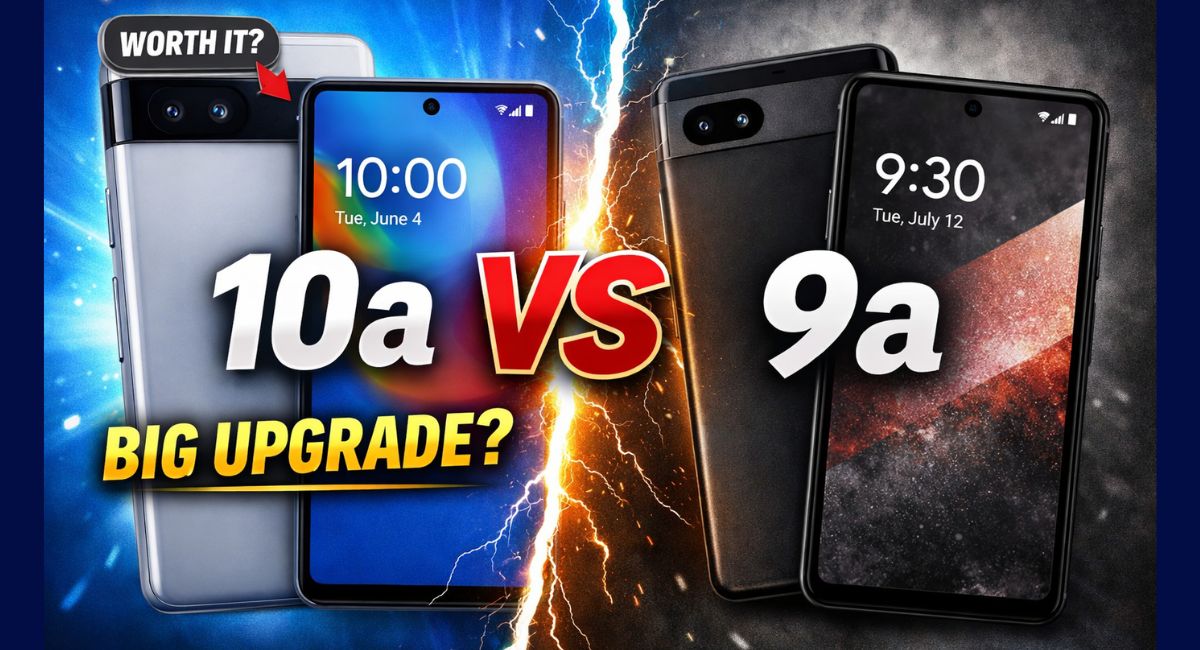
Google Pixel 10a vs Pixel 9a: The Mid-Range Upgrade That Changes More Than You Think

Google’s A-series Pixel phones have built a reputation for delivering flagship-level camera quality and clean Android software at a far more accessible price. With the arrival of the Pixel 10a, many buyers are now asking a simple question: should you go for the newer device or save money and pick up the Pixel 9a?

This in-depth comparison of Google Pixel 10a vs Pixel 9a explores real-world performance, specifications, usability, camera capabilities, software longevity, and overall value. If you are deciding between these two phones, this guide will help you make a confident choice.

Design and Build Quality

At first glance, both phones follow Google’s familiar Pixel design language. The matte finish back, aluminum frame, and horizontal camera bar remain central to the aesthetic.

Pixel 10a refinements:

  • Slightly slimmer bezels
  • Improved weight balance
  • New color finishes
  • Upgraded Gorilla Glass protection

Pixel 9a highlights:

  • Similar build quality
  • Slightly thicker body
  • Traditional Pixel color palette

In hand, the Pixel 10a feels more refined and marginally lighter. While both phones offer IP67 water and dust resistance, the Pixel 10a benefits from slightly improved structural rigidity.

For most users, the design difference will not be dramatic, but the Pixel 10a does feel more polished.

Read more:-

Display: Brighter and Smoother?

Both devices feature OLED displays with vibrant colors and strong contrast, a hallmark of Pixel devices.

Pixel 10a Display

  • 6.2-inch OLED
  • 120Hz refresh rate
  • Peak brightness: ~2000 nits
  • HDR support

Pixel 9a Display

  • 6.1-inch OLED
  • 120Hz refresh rate
  • Peak brightness: ~1600 nits
  • HDR support

The key difference lies in brightness. The Pixel 10a is noticeably easier to use outdoors under direct sunlight. Both displays feel smooth thanks to 120Hz refresh rates, but the improved brightness makes daily use more comfortable on the newer model.

Performance: Tensor Evolution

Performance is where generational upgrades become more meaningful.

Pixel 10a

  • Google Tensor G4
  • 8GB RAM
  • 128GB / 256GB storage
  • Improved AI acceleration

Pixel 9a

  • Google Tensor G3
  • 8GB RAM
  • 128GB / 256GB storage

In day-to-day usage — social media, browsing, streaming — both phones feel fast. However, the Tensor G4 inside the Pixel 10a delivers:

  • Better thermal efficiency
  • Slightly improved gaming stability
  • Faster AI photo processing
  • More advanced on-device AI features

If you keep phones for multiple years, the newer chipset gives the Pixel 10a better longevity.

Camera System: Subtle but Smart Improvements

Pixel phones are known for photography excellence, and both devices continue that tradition.

Pixel 10a Camera Specs

  • 50MP main sensor
  • 13MP ultra-wide
  • 13MP front camera
  • Enhanced AI Night Sight
  • Upgraded video stabilization

Pixel 9a Camera Specs

  • 50MP main sensor
  • 13MP ultra-wide
  • 13MP front camera
  • Night Sight
  • 4K video recording

On paper, the hardware looks similar. In practice, the Pixel 10a benefits from improved computational photography powered by Tensor G4. You may notice:

  • Sharper low-light photos
  • Better skin tone rendering
  • More consistent HDR
  • Slightly improved portrait edge detection

Video performance is also more stable on the newer model, particularly in low-light environments.

If photography is your top priority, the Pixel 10a holds a small but noticeable edge.

Battery Life and Charging

Pixel 10a

  • ~4700mAh battery
  • 25W wired charging
  • Wireless charging support

Pixel 9a

  • ~4500mAh battery
  • 18W wired charging
  • Wireless charging support

The Pixel 10a lasts slightly longer under mixed usage due to better efficiency from the newer chipset. Charging speeds are also faster.

In real-world testing, the Pixel 10a typically reaches the end of a heavy day with more reserve compared to the Pixel 9a.

Read more:- Premium Without the Premium Price? Best Vivo Mobile Phones Under ₹50,000 in India (February 2026)

Software and AI Features

Both phones run stock Android with guaranteed updates directly from Google.

Pixel 10a

  • Ships with latest Android version
  • 7 years of security updates
  • Expanded AI assistant features
  • Enhanced on-device processing

Pixel 9a

  • Ships with previous Android version (upgradeable)
  • 7 years of security updates

AI tools like live transcription, photo editing suggestions, and call screening feel slightly faster and more capable on the Pixel 10a.

If you prioritize long-term software support, both are strong choices, but the Pixel 10a starts one generation ahead.

Full Specifications Comparison

FeaturePixel 10aPixel 9a
Display6.2″ OLED, 120Hz6.1″ OLED, 120Hz
ProcessorTensor G4Tensor G3
RAM8GB8GB
Storage128GB / 256GB128GB / 256GB
Rear Cameras50MP + 13MP50MP + 13MP
Front Camera13MP13MP
Battery~4700mAh~4500mAh
Charging25W18W
Water ResistanceIP67IP67
Updates7 Years7 Years

Price and Value Consideration

Typically, the Pixel 9a is more affordable after the Pixel 10a launch. If pricing difference is significant, the Pixel 9a remains a fantastic mid-range option.

However, if the price gap is moderate, the Pixel 10a offers:

  • Better brightness
  • Faster charging
  • Improved AI performance
  • Better efficiency

The newer model feels more future-proof.

Who Should Buy the Pixel 10a?

Choose the Pixel 10a if:

  • You want the latest Tensor chipset
  • Outdoor brightness matters to you
  • You keep phones for 3–5 years
  • You prioritize better battery and charging

Who Should Buy the Pixel 9a?

Choose the Pixel 9a if:

  • You want the best deal
  • Performance upgrades are not critical
  • You mainly use your phone for everyday tasks

In the debate of Google Pixel 10a vs Pixel 9a, the newer device offers incremental but meaningful improvements. It is not a revolutionary jump, but it refines nearly every area: display brightness, AI processing, efficiency, and charging.

If budget allows, the Pixel 10a is the smarter long-term purchase. If value is your priority and you find a strong discount, the Pixel 9a still delivers an excellent Pixel experience.

FAQs

Is the Pixel 10a better than Pixel 9a?

Yes, mainly in processor performance, brightness, charging speed, and AI enhancements.

Does Pixel 10a have better battery life?

Yes, it offers slightly longer endurance due to improved efficiency and a larger battery.

Are the cameras different?

Hardware is similar, but image processing and low-light performance are improved on Pixel 10a.

Is it worth upgrading from Pixel 9a to 10a?

Only if you want improved performance and longer future-proofing. Casual users may not see a dramatic difference.

Motorola Moto Watch Review: Can This Affordable Smartwatch Really Deliver Premium Battery Life and Smarter Fitness Tracking?

Smartwatches have evolved rapidly over the past few years. What was once a niche accessory has become a mainstream wearable for health tracking, notifications, and everyday convenience. Yet one major concern remains for many buyers: price. Premium smartwatches often cost nearly as much as mid-range smartphones.

That’s where the Motorola Moto Watch steps in.

Positioned as an “accessible” smartwatch, the Motorola Moto Watch aims to offer meaningful fitness metrics, dependable battery life, and practical smart features without crossing into flagship pricing. After spending extended time evaluating its performance, fitness tracking consistency, display quality, and battery endurance, it becomes clear that this device targets users who want simplicity, reliability, and value.

In this detailed review, we break down everything you need to know about the Motorola Moto Watch — including full specifications, real-world battery tests, fitness accuracy, software experience, and whether it’s worth buying in 2026.

Motorola Moto Watch: Key Specifications

Before diving into the experience, here’s a quick overview of the core hardware:

Display: 1.9-inch LCD or AMOLED (depending on model variant)
Resolution: 240 x 280 pixels (approximate, varies by model)
Case Size: 42mm / 44mm options
Build: Aluminum alloy frame
Strap: Silicone interchangeable band
Water Resistance: IP68
Connectivity: Bluetooth 5.0
Battery Capacity: Approx. 355mAh
Battery Life: Up to 10 days (typical usage)
Charging: Magnetic charging dock
Compatibility: Android and iOS
Sensors:

  • Optical heart rate sensor
  • SpO2 sensor
  • Accelerometer
  • Sleep tracking sensor

These specs position the Motorola Moto Watch as a practical everyday wearable rather than a full-fledged Wear OS powerhouse.

Design and Build Quality: Minimal but Functional

The Motorola Moto Watch does not attempt to imitate ultra-premium stainless steel smartwatches. Instead, it embraces a clean, lightweight design that feels comfortable during extended wear.

The aluminum frame gives it a balanced feel without making it heavy. The silicone strap is soft and breathable, suitable for workouts and long daily use.

At roughly 40–45 grams, it never feels bulky. During sleep tracking sessions, the watch remains unobtrusive — an important factor for those serious about monitoring rest patterns.

The physical button offers tactile feedback and quick navigation, keeping interaction simple.

Display Quality: Bright Enough for Everyday Use

The Motorola Moto Watch features a reasonably bright display that performs well indoors and adequately outdoors.

While it doesn’t reach the extreme brightness levels of premium AMOLED displays, it remains readable under direct sunlight. Colors appear vivid, and the UI layout is straightforward.

Touch responsiveness is smooth, and swipe gestures feel intuitive. There is minimal lag when navigating between widgets and menus.

Watch face customization is available through the companion app, offering several digital and analog options.

Setup and Compatibility

One of the biggest advantages of the Motorola Moto Watch is its simplicity.

Setup involves:

  1. Downloading the companion app
  2. Pairing via Bluetooth
  3. Granting necessary permissions
  4. Syncing health data

The pairing process is quick and stable. Both Android and iOS users can use the watch, although Android users typically receive deeper notification integration.

Unlike advanced Wear OS devices, this watch does not support third-party app installations, which keeps the system lightweight and efficient.

Fitness Tracking: A Core Strength

The Motorola Moto Watch focuses heavily on fitness metrics — and it performs surprisingly well for its price segment.

Heart Rate Monitoring

Continuous heart rate tracking shows consistent readings during both rest and light workouts. During moderate activity, the readings align closely with higher-end wearables.

There may be slight variance during high-intensity interval training, but for most users, accuracy remains dependable.

SpO2 Monitoring

Blood oxygen monitoring is available on demand. While not intended for medical use, the readings remain stable across multiple sessions.

Sleep Tracking

Sleep analysis provides:

  • Light sleep duration
  • Deep sleep duration
  • Total sleep time
  • Wake periods

Sleep tracking results are reasonably accurate and match typical sleep cycles observed in more expensive devices.

Workout Modes

The watch supports multiple activity modes, including:

  • Running
  • Walking
  • Cycling
  • Strength training
  • Yoga
  • Indoor workouts

GPS is not built-in, meaning outdoor runs rely on smartphone GPS connection.

Battery Life: Where It Truly Shines?

Battery life is arguably the Motorola Moto Watch’s biggest advantage.

In real-world testing:

  • With continuous heart rate tracking enabled
  • Notifications active
  • Moderate daily usage

The watch consistently lasts 8–10 days on a single charge.

Heavy users may see closer to 6–7 days, which still surpasses many premium smartwatches that require daily charging.

Charging from 0 to 100 percent typically takes about 90 minutes via magnetic dock.

For users frustrated by daily charging routines, this extended battery performance is a major benefit.

Smart Features: Practical but Limited

The Motorola Moto Watch does not attempt to compete with full smartwatch ecosystems like Wear OS or watchOS.

Instead, it offers essential smart functions:

  • Call notifications
  • Message alerts
  • App notifications
  • Music playback controls
  • Weather updates
  • Alarm and stopwatch

You cannot answer calls directly from the watch, nor can you install external apps.

For many users, however, the core purpose of a smartwatch is notification awareness and fitness tracking — and this watch handles those competently.

Software Experience and App Interface

The companion app provides:

  • Health dashboards
  • Step tracking
  • Calorie data
  • Workout summaries
  • Sleep analysis graphs

The interface is clean and easy to navigate. Data synchronization is generally reliable.

While the app may not offer advanced analytics found in higher-end ecosystems, it covers the essential metrics most users care about.

Who Is the Motorola Moto Watch For?

This device is ideal for:

  • First-time smartwatch buyers
  • Fitness beginners
  • Budget-conscious users
  • Users prioritizing battery life
  • Those wanting a lightweight daily wearable

It is not designed for:

  • Advanced athletes needing precision GPS
  • Users seeking third-party app ecosystems
  • People wanting LTE connectivity

How It Compares to Premium Smartwatches?

Compared to flagship smartwatches:

Advantages:

  • Much longer battery life
  • Lower price
  • Lightweight design

Trade-offs:

  • No advanced app ecosystem
  • No built-in GPS
  • Limited smart calling features

For many users, these trade-offs are acceptable.

Long-Term Reliability

Over weeks of use, the Motorola Moto Watch demonstrates stable Bluetooth connectivity and consistent performance.

There were no unexpected crashes or major sync issues during testing.

Durability feels solid for everyday wear, and the IP68 rating adds confidence during workouts and rainy conditions.

Pricing and Value

The Motorola Moto Watch is priced competitively within the accessible smartwatch segment.

Considering its:

  • 8–10 day battery life
  • Reliable fitness metrics
  • Clean design
  • Cross-platform compatibility

It delivers strong value for money.

The Motorola Moto Watch does not attempt to compete with ultra-premium smartwatches. Instead, it focuses on doing the basics well — and it succeeds.

With dependable fitness tracking, long battery life, lightweight comfort, and cross-platform support, it stands out as a practical option for everyday users.

If your priority is convenience, fitness awareness, and charging your watch once a week instead of daily, the Motorola Moto Watch makes a compelling case.

In an increasingly crowded smartwatch market, sometimes simplicity and endurance are exactly what users need.

FAQs

Is the Motorola Moto Watch compatible with iPhone?

Yes, it supports both Android and iOS devices through its companion app.

Does the Motorola Moto Watch have GPS?

No, it relies on connected GPS through your smartphone.

How long does the battery last?

Typically between 8 and 10 days depending on usage.

Can I answer calls from the watch?

No, it supports call notifications but does not allow direct call answering.

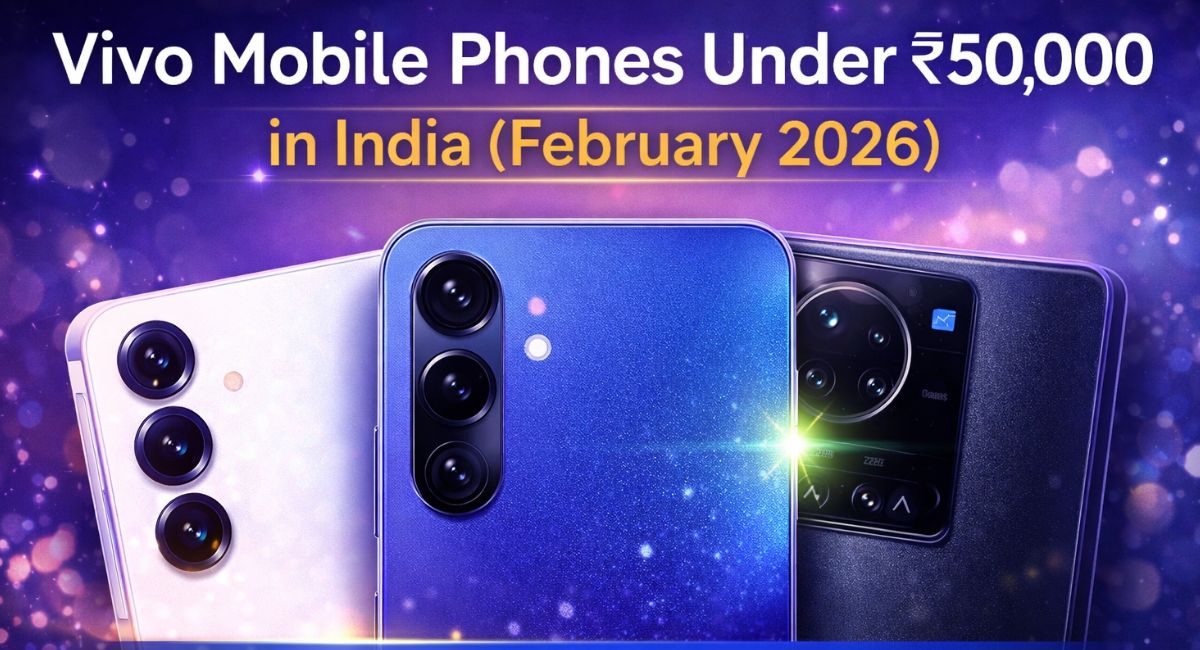
Best Vivo Mobile Phones Under ₹50,000 in India (February 2026): Flagship Features Without the Flagship Price

The Indian smartphone market continues to evolve rapidly, and Vivo Mobile Phones have carved out a strong presence in the premium mid-range and upper mid-range segments. With a budget of up to ₹50,000, buyers today can access flagship-level displays, powerful chipsets, professional-grade cameras, and refined design without crossing into ultra-premium pricing territory.

As someone who regularly reviews and compares smartphones in the Indian market, I’ve noticed that Vivo’s strategy under ₹50,000 focuses heavily on camera innovation, sleek aesthetics, and balanced performance. This price bracket is particularly competitive, making it essential to choose carefully.

In this in-depth February 2026 guide, we break down the best Vivo Mobile Phones under ₹50,000, complete with specifications, strengths, ideal user profiles, and buying advice.

Why Consider Vivo Mobile Phones Under ₹50,000?

Before diving into specific models, it’s worth understanding why this category is compelling.

In the ₹30,000–₹50,000 range, Vivo Mobile Phones typically offer:

  • AMOLED displays with high refresh rates
  • Capable Snapdragon or MediaTek flagship-grade chipsets
  • High-resolution camera systems with OIS
  • Fast charging above 80W
  • Premium glass or vegan leather finishes
  • 5G connectivity and Wi-Fi 6 support

This segment balances performance and value better than entry-level flagship pricing.

Top Vivo Mobile Phones Under ₹50,000 (February 2026)

Below are some of the most compelling Vivo models in this budget category.

Vivo V30 Pro

The Vivo V30 Pro continues to be one of the most balanced Vivo Mobile Phones under ₹50,000.

Key Specifications

  • Display: 6.78-inch AMOLED, 1.5K resolution
  • Refresh Rate: 120Hz
  • Processor: MediaTek Dimensity 8200
  • RAM: 8GB / 12GB
  • Storage: 256GB
  • Rear Cameras:
    • 50MP primary (OIS)
    • 50MP portrait lens
    • 12MP ultra-wide
  • Front Camera: 50MP
  • Battery: 5,000mAh
  • Charging: 80W fast charging
  • OS: Funtouch OS (Android-based)

Performance and Usage

The Dimensity 8200 chipset offers excellent daily performance and smooth gaming for most titles. Thermal management is controlled well during moderate gaming sessions.

Camera Performance

The dual 50MP setup delivers strong portrait photography and accurate skin tones — a consistent strength across Vivo Mobile Phones.

Vivo X90

The Vivo X90 remains a strong contender for buyers seeking high-end imaging performance.

Key Specifications

  • Display: 6.78-inch AMOLED, Full HD+
  • Refresh Rate: 120Hz
  • Processor: MediaTek Dimensity 9200
  • RAM: 8GB / 12GB
  • Storage: 256GB
  • Rear Cameras:
    • 50MP primary (Sony IMX sensor, OIS)
    • 12MP ultra-wide
    • 12MP telephoto
  • Front Camera: 32MP
  • Battery: 4,810mAh
  • Charging: 120W fast charging

Why It Stands Out?

The Dimensity 9200 remains highly capable for gaming and multitasking. The camera processing pipeline on the X series delivers better dynamic range and night photography compared to many mid-range competitors.

Vivo V29 Pro

For buyers who prioritize design and camera aesthetics, the V29 Pro remains relevant.

Key Specifications

  • Display: 6.78-inch curved AMOLED
  • Refresh Rate: 120Hz
  • Processor: MediaTek Dimensity 8200
  • RAM: 8GB / 12GB
  • Storage: 256GB
  • Rear Camera:
    • 50MP (OIS)
    • 12MP telephoto
    • 8MP ultra-wide
  • Front Camera: 50MP
  • Battery: 4,600mAh
  • Charging: 80W fast charging

The curved display and lightweight design make it one of the most stylish Vivo Mobile Phones under ₹50,000.

Read more:- February 27 Could Change Everything: Inside the New Pokémon Presents for Pokémon Day 2026

Vivo X90e

A slightly more affordable entry in the premium lineup, but still under the ₹50,000 cap.

Key Specifications

  • Display: 6.62-inch AMOLED
  • Processor: MediaTek Dimensity 9200
  • RAM: 8GB
  • Storage: 128GB / 256GB
  • Rear Camera:
    • 50MP primary (OIS)
    • 12MP ultra-wide
  • Battery: 4,800mAh
  • Charging: 120W

This model appeals to users who want flagship-like performance without pushing into ultra-premium territory.

Performance Comparison

When choosing between Vivo Mobile Phones in this segment, consider chipset differences:

  • Dimensity 8200: Strong mid-premium performance
  • Dimensity 9200: Near flagship-level performance
  • GPU capabilities vary slightly for heavy gaming

For high-end gaming or demanding multitasking, the X90 lineup is preferable.

Read more:- ATTACK SHARK X8 Gaming Mouse Review: The Large-Hand Powerhouse That Quietly Outperforms Premium Rivals

Display Quality Across Models

Vivo consistently delivers high-quality AMOLED panels featuring:

  • Deep contrast ratios
  • Smooth 120Hz scrolling
  • Strong peak brightness levels
  • Good outdoor visibility

The curved panels on V-series devices provide a more immersive feel, while flat panels on X-series may offer practical durability.

Battery Life and Charging Speed

Battery optimization is a strength of Vivo Mobile Phones in this range.

  • Most models exceed 4,600mAh capacity
  • Charging speeds range from 80W to 120W
  • Full charge typically achieved within 30 minutes

In real-world usage:

  • Moderate users can expect a full day
  • Heavy gamers may require mid-day top-ups

Fast charging significantly reduces downtime.

Camera Strength: Vivo’s Signature Advantage

Vivo’s brand identity in India has long centered around photography.

Common camera strengths:

  • Strong portrait mode
  • Good skin tone calibration
  • Reliable OIS stabilization
  • AI-enhanced night photography

If camera performance is your priority, Vivo Mobile Phones under ₹50,000 remain among the strongest contenders.

Software Experience

Most Vivo devices run Funtouch OS, offering:

  • Customizable UI
  • Multi-tasking features
  • Security tools
  • App cloning
  • Always-on display support

Software updates vary by model but typically include:

  • 2–3 years of OS updates
  • Security patches for extended duration

Who Should Buy Vivo Mobile Phones Under ₹50,000?

This category suits:

  • Photography enthusiasts
  • Style-conscious buyers
  • Social media creators
  • Moderate gamers
  • Professionals wanting fast charging and premium design

Buying Advice: What to Check Before Purchase?

Before finalizing your purchase:

  1. Compare storage variants
  2. Confirm software update policy
  3. Evaluate camera needs (portrait vs ultra-wide preference)
  4. Consider curved vs flat display preference
  5. Check ongoing discounts or exchange offers

Vivo Mobile Phones under ₹50,000 in India (February 2026) offer a compelling mix of camera innovation, fast charging, premium design, and strong performance. Whether you prioritize portrait photography, smooth gaming, or stylish hardware, there is a Vivo device tailored to your needs.

In this competitive segment, the key is aligning your priorities with the right model. Evaluate specifications carefully, compare features, and consider long-term software support.

FAQs

Which is the best Vivo mobile under ₹50,000 in 2026?

The Vivo X90 stands out for its flagship-level performance and camera capabilities, while the V30 Pro offers balanced value.

Are Vivo phones good for gaming?

Yes, especially models powered by Dimensity 9200 or 8200 processors, which handle high-end games smoothly.

Do Vivo Mobile Phones under ₹50,000 support 5G?

Yes, all major models in this category support 5G connectivity.

How long does Vivo provide software updates?

Most models receive 2–3 years of Android updates and extended security support.

Samsung Galaxy Unpacked 2026 Is Almost Here: Will the Galaxy S26 Redefine the Android Flagship Again?

Every year, anticipation builds around one of the biggest technology events on the calendar: Samsung Galaxy Unpacked. With Samsung Galaxy Unpacked 2026 just days away, industry watchers, reviewers, and loyal fans are asking the same question — how far will Samsung push its flagship formula this time?

The Samsung Galaxy lineup has consistently shaped the Android landscape. From bold hardware experiments to aggressive camera innovation and AI-driven software enhancements, Samsung’s flagship launches often set the tone for the year ahead.

As someone who has followed Samsung Galaxy devices through multiple generations — from early S-series phones to the AI-powered models of recent years — it’s clear that expectations for the Galaxy S26 are higher than ever.

In this comprehensive preview, we explore rumored specs, possible design refinements, chipset upgrades, camera advancements, battery improvements, software features, pricing expectations, and what Galaxy Unpacked 2026 could reveal.

Why Samsung Galaxy Unpacked Matters Every Year?

Samsung Galaxy Unpacked is more than a product announcement. It’s a statement about where Samsung sees the smartphone industry heading.

In recent years, Samsung Galaxy devices have led innovation in:

  • High-refresh-rate displays
  • Advanced computational photography
  • Foldable smartphone technology
  • On-device AI features
  • Long-term Android update commitments

With competition intensifying from Apple, Google, and Chinese manufacturers, Samsung Galaxy flagships must now balance performance, efficiency, design, and software intelligence more carefully than ever.

Galaxy S26 Expected Release Date

Based on Samsung’s historical launch cycle, Galaxy Unpacked events for the S-series typically occur in late January or early February.

If Samsung follows tradition:

  • Announcement: Early 2026
  • Pre-orders: Immediately after event
  • Official release: 2–3 weeks post-announcement

Samsung Galaxy Unpacked 2026 is expected to align with this timeline, positioning the Galaxy S26 as one of the first major flagship releases of the year.

Samsung Galaxy S26: Expected Design Changes

Samsung rarely makes radical visual changes year after year, preferring iterative refinement.

Rumored design expectations for the Galaxy S26 include:

  • Slimmer bezels
  • Slightly lighter chassis
  • Reinforced Armor Aluminum frame
  • Gorilla Glass Victus 3 (or newer generation)
  • Enhanced IP68 water and dust resistance

There are also whispers of improved thermal management systems, potentially incorporating advanced vapor chamber cooling for sustained performance.

The overall aesthetic is expected to remain premium and minimalist — consistent with Samsung Galaxy design language.

Display Specifications: Brighter, Smarter, More Efficient

Samsung is known for industry-leading displays, and the Galaxy S26 is expected to push further.

Expected Display Specs:

  • 6.2-inch AMOLED (Standard S26)
  • 6.7-inch AMOLED (S26+)
  • 6.8-inch AMOLED (S26 Ultra)
  • 120Hz adaptive refresh rate (LTPO technology)
  • Peak brightness exceeding 2,800 nits
  • HDR10+ support
  • 3200 x 1440 resolution (Ultra model)

Samsung’s LTPO panels allow dynamic refresh rate scaling from as low as 1Hz to 120Hz, preserving battery life without sacrificing smoothness.

Performance: Next-Generation Chipset

The Samsung Galaxy S26 is expected to feature either:

  • Qualcomm Snapdragon 8 Gen 5 (in select markets)
  • Samsung Exynos 2600 (in other regions)

Anticipated Chipset Improvements:

  • 3nm or smaller fabrication process
  • Improved AI processing cores
  • Higher energy efficiency
  • Enhanced GPU performance for mobile gaming
  • Better sustained thermal output

RAM configurations may include:

  • 12GB standard
  • 16GB for Ultra variants

Storage options likely range from 256GB up to 1TB on premium models.

Read more:- The New Audi RS 5 Is Here: The High-Performance Hybrid That Changes Everything You Thought About Sports Sedans

AI Integration: The Next Big Samsung Galaxy Push

Artificial intelligence has become central to the Samsung Galaxy ecosystem.

Expected AI upgrades may include:

  • On-device generative AI editing tools
  • Real-time call translation improvements
  • AI-enhanced photo editing
  • Smart summarization features
  • Advanced voice assistant integration
  • Context-aware battery optimization

Samsung has been positioning Galaxy devices as AI-driven companions rather than just smartphones. Galaxy S26 may deepen that integration.

Camera Upgrades: Incremental or Revolutionary?

Samsung’s camera systems remain a major selling point.

Expected Camera Specs (S26 Ultra Rumored):

  • 200MP primary sensor
  • 12MP ultra-wide lens
  • Dual telephoto system (3x and 10x optical zoom)
  • Enhanced periscope zoom stabilization
  • 8K video recording
  • AI-enhanced night photography

Samsung may introduce:

  • Larger sensor sizes
  • Improved dynamic range
  • Faster shutter response
  • Better low-light autofocus

If true, Galaxy S26 could maintain its position among the top Android camera systems.

Battery and Charging Improvements

Battery efficiency improvements are expected to come from both hardware and software optimization.

Rumored Battery Specs:

  • 4,000mAh (S26)
  • 4,800mAh (S26+)
  • 5,200mAh (S26 Ultra)

Charging speeds may include:

  • 45W wired fast charging
  • 25W wireless charging
  • Reverse wireless charging

Samsung may prioritize battery longevity optimization through AI-based power management systems.

Software: One UI 8 and Android 16?

Galaxy S26 is expected to ship with:

  • Android 16
  • One UI 8

Samsung has committed to extended update support in recent years. Buyers can likely expect:

  • 4–7 years of OS updates
  • 5+ years of security patches

One UI continues to refine multitasking, customization, privacy controls, and productivity features.

Connectivity and Hardware Specs

Expected connectivity features include:

  • 5G Advanced support
  • Wi-Fi 7 compatibility
  • Bluetooth 5.4 or newer
  • Ultra-Wideband (UWB)
  • Improved satellite emergency messaging

Additional hardware improvements may include:

  • Upgraded ultrasonic fingerprint sensor
  • Enhanced haptic motor
  • Improved stereo speakers

Pricing Expectations

Samsung Galaxy pricing has steadily increased over recent years.

Estimated pricing could be:

  • Galaxy S26: Starting around $899
  • Galaxy S26+: Around $999
  • Galaxy S26 Ultra: $1,199 or higher

Pricing will vary by region and storage configuration.

What Could Surprise Us at Galaxy Unpacked 2026?

Samsung often includes unexpected announcements, which may include:

  • New Galaxy AI features
  • Updated Galaxy Buds
  • Smartwatch refresh
  • Foldable teaser
  • Ecosystem enhancements

Samsung Galaxy Unpacked events are designed to showcase the broader ecosystem, not just a single device.

Competitive Landscape

Galaxy S26 will compete directly with:

  • Apple’s next iPhone lineup
  • Google Pixel flagship
  • Chinese flagship brands

Samsung’s advantage lies in:

  • Display technology leadership
  • Hardware variety
  • Mature ecosystem integration
  • Aggressive trade-in programs

Should You Wait for the Galaxy S26?

If you own a recent Galaxy S24 or S25, upgrades may depend on:

  • AI feature improvements
  • Camera advancements
  • Battery gains
  • Performance boosts

For users on older devices, Galaxy S26 could represent a substantial leap.

Samsung Galaxy Unpacked 2026 is shaping up to be one of the most important smartphone events of the year. The Galaxy S26 series is expected to refine Samsung’s winning formula while doubling down on AI, display quality, and performance.

If rumors hold true, Samsung Galaxy devices will continue to set the standard for Android flagships in 2026.

With only days left until Unpacked, the countdown has officially begun.

FAQs

When is Samsung Galaxy Unpacked 2026?

Samsung Galaxy Unpacked 2026 is expected to occur in early 2026, likely January or February.

What will the Galaxy S26 cost?

Pricing is expected to start around $899 for the base model, with Ultra models exceeding $1,199.

Will the Galaxy S26 have a 200MP camera?

Rumors suggest the Ultra variant may retain or improve the 200MP sensor.

What processor will the Galaxy S26 use?

Depending on region, it may feature Snapdragon 8 Gen 5 or Exynos 2600.

Exit mobile version