Honda Rebel 1100 DCT 2025 Launch: A Detailed Look

The launch of the 2025 Honda Rebel 1100 DCT marks a significant milestone for cruiser-bike enthusiasts seeking a blend of classic style, modern convenience, and confident performance. Whether you’re new to the cruiser segment or a seasoned rider, the Rebel 1100 DCT aims to deliver a refined, easy-riding experience without compromising on power or style. This article dives into what’s new, what remains beloved, and who should consider this bike.

What’s New in the 2025 Honda Rebel 1100 DCT

For 2025, the Rebel 1100 DCT gets a more comfortable seat; the cushion is now 10 mm thicker, making longer rides smoother.
Riding position has been reworked for improved ergonomics: handlebars have been moved 12 mm higher and 28 mm back, footpegs shifted 50 mm forward, giving a more relaxed posture, especially for taller riders.
A new USB socket near the handlebars enhances convenience for charging devices or connecting accessories on the go.

Modern Instrumentation and Connectivity

The 2025 model introduces a five-inch TFT display, replacing older, simpler gauges. This modern screen shows speed, rpm, fuel level, and more, and importantly, integrates with the Honda RoadSync app for features like navigation, music, and phone connectivity on compatible iOS/Android devices.
Additionally, a new visor shields the display from sunlight, improving readability under bright conditions.

New Trim: Rebel 1100 DCT SE

Honda has expanded the lineup by adding a new trim called Rebel 1100 DCT SE. This trim comes ready with several styling-focused upgrades: fork boots, bar-end mirrors, a custom solo seat with special cover, a short front fender, and a colour-matched headlight cowl. 

 The SE trim aims to deliver a more custom, personalised cruiser vibe straight off the showroom, ideal for riders who want individuality without aftermarket modifications.

Engine, Transmission and Riding Dynamics

At its heart, the 2025 Honda Rebel 1100 DCT continues with a proven 1,084 cc (often referred to as 1083 cc) liquid-cooled parallel-twin engine that delivers strong torque at any RPM, making it suitable for relaxed cruising as well as spirited riding when desired.

 Power delivery is smooth and manageable, thanks to a six-speed automatic Dual-Clutch Transmission (DCT). Riders can enjoy an automatic ride or switch to manual mode with paddle shifters for more engagement. 

 Chassis and suspension setup remains cruiser-friendly: a 43 mm front fork with 5.5 inches travel and dual Showa rear shocks (3.7 inches travel) provide a good balance between comfort and control. 

Braking is handled by a 330 mm front disc with a radial-mounted four-piston calliper and a 256 mm rear disc, both with ABS, ensuring confident stopping power even under unexpected conditions.

Read more:- Scout Traveler Terra 2027 : The Return Of An Off-Road Legend

Electronic Features & Rider Assistance

The 2025 Rebel 1100 DCT is more technologically equipped than many classic-style cruisers:

  • Ride-by-wire throttle with multiple riding modes and Traction Control (HSTC) to adapt power delivery to conditions (Standard, Rain, Sport, plus a customizable mode).
  • Wheelie Control — sensors monitor wheel speeds to curb unintended front-wheel lifts under acceleration.
  • Cruise control — a rarity at this displacement in cruiser bikes- offers added convenience for highway riding. These features contribute to making the Rebel 1100 DCT versatile, whether you’re commuting in traffic, cruising long distances, or enjoying weekend rides.

Style & Customisation: Cruiser Soul with Modern Finish

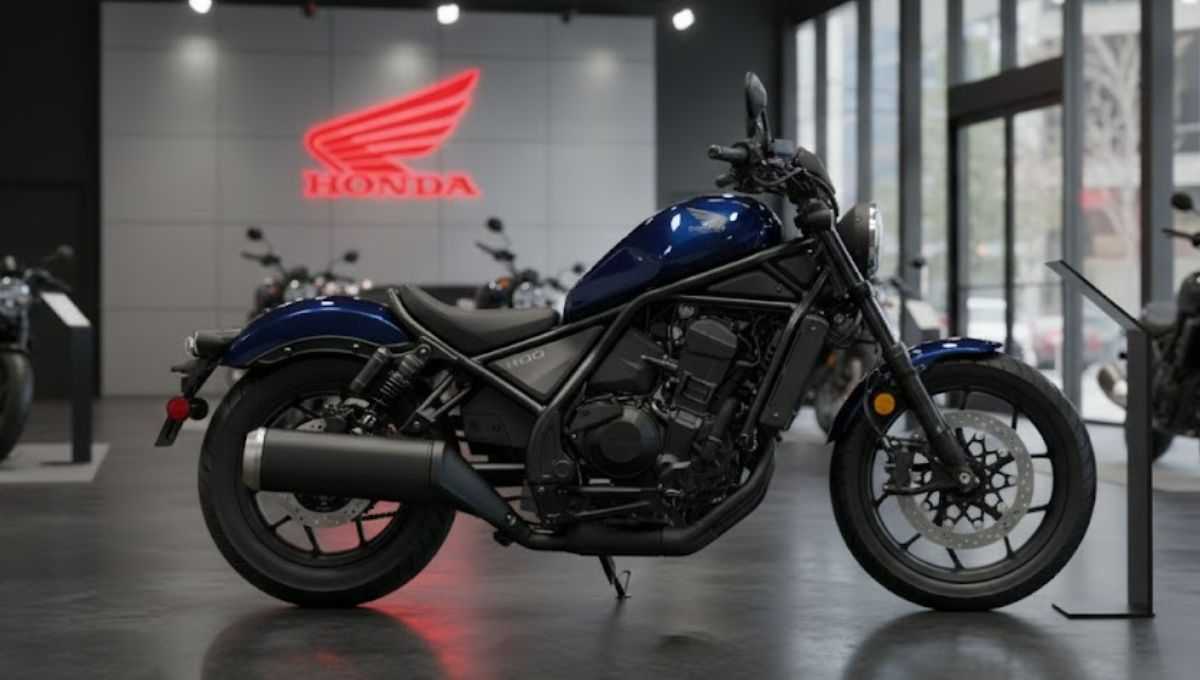
True to its cruiser roots, the Rebel 1100 DCT carries a blacked-out aesthetic: dark engine finishes, frame, chain, and bodywork give it a stealthy, minimalist look.  At the same time, the bike’s design leaves plenty of room for personalisation. Whether you choose the standard model or the SE trim, the Rebel 1100 is a good platform for customisation. 

For riders who want a cruiser that stands out without screaming “custom,” the SE trim already offers a factory version of popular modifications.

Read more:- Komaki XR7: A Detailed Look at India’s Long-Range Electric Scooter

Who Is Honda Rebel 1100 DCT 2025 For?

The 2025 Honda Rebel 1100 DCT caters to a broad spectrum of riders:

  • City commuters and traffic dwellers — The DCT transmission removes the fuss of clutch and gear changes, making stop-and-go traffic easier to handle.
  • Cruiser fans wanting modern convenience — If you love the cruiser aesthetic but want modern tech like TFT display, ride modes, and cruise control, the Rebel delivers both.
  • Long-distance riders and touring enthusiasts — With a comfortable seat, relaxed riding posture, and optional touring-friendly variants (like the T model with saddlebags and fairing), it’s a viable choice for longer journeys.
  • Riders seeking a versatile yet manageable bike — The balance of manageable seat height, usable power, and electronic aids makes the Rebel 1100 DCT approachable even for those newer to large-displacement bikes.

Conclusion

The 2025 Honda Rebel 1100 DCT represents a thoughtful evolution of the cruiser genre, combining the timeless appeal of a classic cruiser with modern comforts, electronics, and everyday usability. Whether you’re navigating busy city streets or embarking on long highway rides, the Rebel 1100 DCT offers a versatile, confident ride. With its balanced mix of performance, comfort, style, and technology, it stands out as a compelling choice for riders looking for a cruiser that works both as a daily commuter and a weekend escape companion.

FAQ

What is the engine specification of the 2025 Honda Rebel 1100 DCT?

It uses a 1,084 cc liquid-cooled parallel-twin engine with a 22.5° crank, SOHC valvetrain, and throttle-by-wire fuel injection.

Is the DCT transmission truly automatic?

Yes — the six-speed Dual-Clutch Transmission handles shifting automatically, yet offers an optional manual mode via paddle shifters if you want more control.

What is the seat height, and is the bike comfortable for everyday use?

The seat height is 27.5 inches, which is relatively low for a big cruiser, helping most riders plant their feet comfortably at stops. The reworked ergonomics make it suitable for daily riding as well as long trips.

What modern features does the 2025 model include?

Features include a five-inch TFT display, integration with the Honda RoadSync app for navigation/music, throttle-by-wire with ride modes, traction control, wheelie control, cruise control, and a convenient handlebar-mounted USB port.
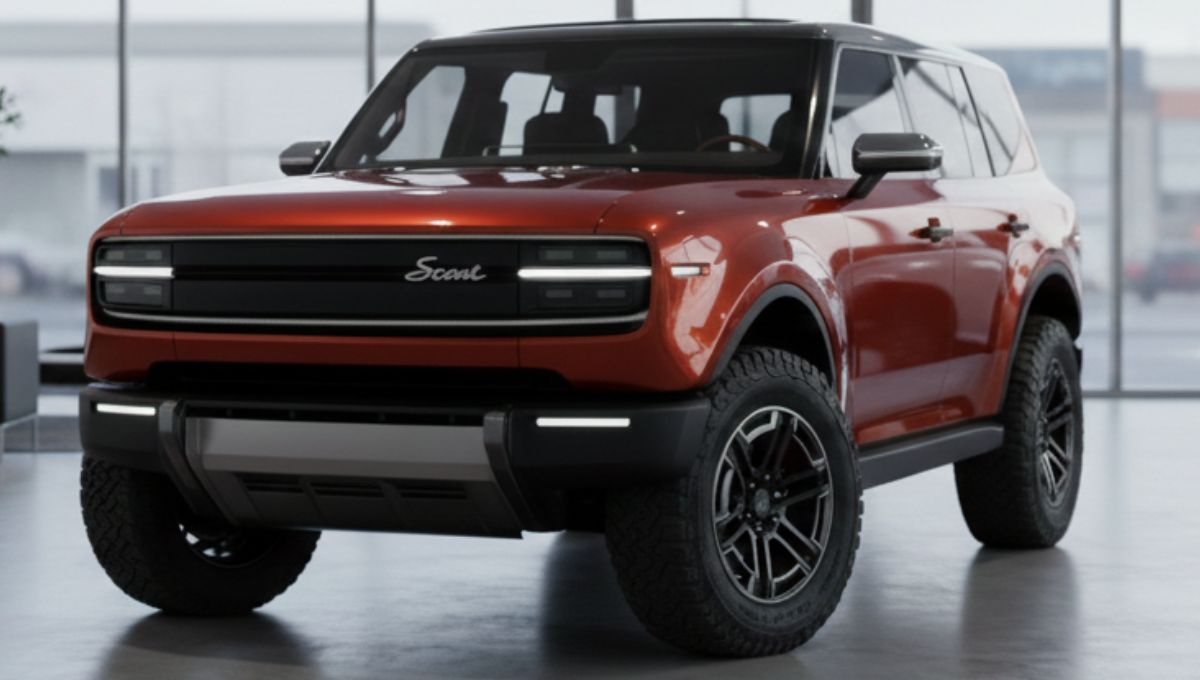
Scout Traveler Terra 2027 : The Return Of An Off-Road Legend

Scout Traveler Terra 2027: The automotive world is witnessing a rugged revival with the arrival of the 2027 Scout Traveler Terra. Bringing back the spirit of the original 1960s icon, this modern iteration isn’t just a nostalgia trip—it is a serious contender in the electric off-road space.

Built by Scout Motors, a new independent American company backed by the Volkswagen Group, the Traveler is designed to be a “Connection Machine,” bridging the gap between digital disconnect and the great outdoors. It promises to be a vehicle that respects its heritage while embracing the future of mobility, offering a tactile, mechanical experience in an increasingly screen-dominated world.

Engine and Harvester Powertrain

While the Scout Traveler Terra is fundamentally an electric vehicle, it offers two distinct powertrain philosophies to suit different adventurers. The pure Battery Electric Vehicle (BEV) variant delivers an estimated range of up to 350 miles, powered by high-torque electric motors that can launch the SUV from 0 to 60 mph in just 3.5 seconds.

For those who fear range anxiety deep in the wilderness, Scout introduces the “Harvester” range-extended system. This optional powertrain incorporates a small gasoline engine—likely a refined 4-cylinder generator—that does not drive the wheels directly but acts as an onboard generator to recharge the high-voltage battery. This innovative setup extends the total driving range to over 500 miles, blending the instant torque of electric motors with the go-anywhere reliability of gas refueling. With nearly 1,000 lb-ft of torque on tap, the Traveler ensures that power is never in short supply, whether you are climbing rock faces or merging onto the freeway.

Read More : MG Majestor: Experience Luxury and Performance with Cutting-Edge Specs

Chassis and Suspension

Beneath its retro-futuristic body lies a dedicated, proprietary body-on-frame platform designed specifically for durability and off-road dominance. Unlike many modern electric SUVs that opt for unibody construction, the Traveler sticks to its roots with a robust steel ladder frame.

The suspension setup is a love letter to serious off-roaders: it features a solid rear axle, a rarity in the EV segment that provides superior articulation and durability on rough terrain. To further enhance its capability, the chassis is equipped with front and rear mechanical locking differentials and a front sway bar disconnect, allowing for maximum wheel travel when navigating uneven obstacles. With over 12 inches of ground clearance and the ability to ford nearly three feet of water, the Traveler’s chassis is engineered to handle environments that would sideline typical crossovers.

Design and Utility

The Traveler’s design is unmistakably Scout, featuring a short front overhang, a long hood, and a split tailgate that doubles as a seat for camping or tailgating. The “Cabana Top” option offers one of the largest roof openings in its class, providing an open-air experience that connects occupants with nature.

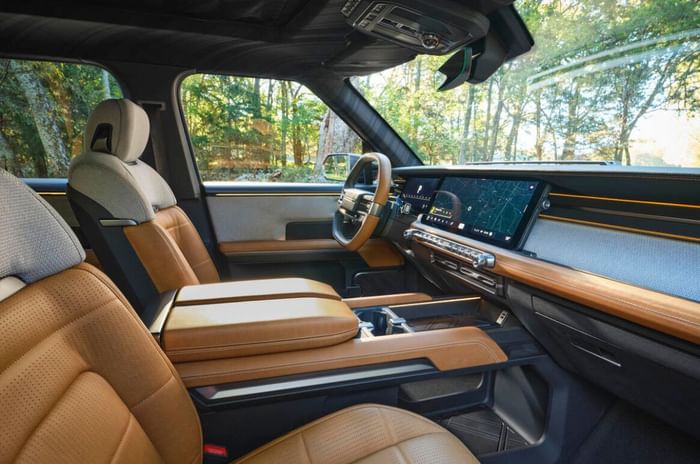
Inside, the cabin rejects the trend of burying every function in a touchscreen. Instead, it features a “bank” of tactile toggle switches and knobs for climate control and critical vehicle functions, ensuring they can be operated easily, even while wearing gloves. The vehicle also boasts a spacious front trunk (frunk) capable of holding a cooler or gear, complete with 120V and USB-C power outlets to run camp accessories.

Charging and Technology

Built on a modern 800-volt architecture, the Scout Traveler Teera supports rapid charging speeds up to 350 kW, ensuring minimal downtime at charging stations. It natively uses the North American Charging Standard (NACS) connector, granting access to the extensive Tesla Supercharger network alongside other DC fast chargers. Additionally, the vehicle supports bidirectional charging (V2H), allowing it to power your home during outages or serve as a massive energy bank for your campsite.

Key Technical Specifications

SpecificationDetails
Powertrain OptionsFully Electric (BEV) or Harvester (EREV)
0-60 mph3.5 seconds (estimated)
Torque~1,000 lb-ft
Range (BEV)Up to 350 miles
Range (Harvester)Over 500 miles (Gas + Electric)
Towing Capacity7,000+ lbs
Payload Capacity~2,000 lbs
PlatformBody-on-Frame
Rear AxleSolid Rear Axle
Ground ClearanceOver 12 inches
Water FordingNearly 3 feet
Tire SizeUp to 35 inches
Charging Architecture800V system (NACS connector)

Read More : Hyundai Ioniq 3 – The Next-Generation Compact Electric EV Revolution

Pros and Cons

Pros

  • Harvester Range Extender: Eliminates range anxiety by offering over 500 miles of total range, making it a viable option for remote overlanding.
  • Authentic Off-Road Hardware: Features like a solid rear axle, mechanical lockers, and body-on-frame construction provide genuine capability unmatched by many EV rivals.
  • Tactile Interior Controls: The commitment to physical buttons and switches offers a user-friendly, functional experience preferred by driving enthusiasts.

Cons

  • Production Timeline: With production slated for late 2026/2027, the long wait time may deter buyers ready to purchase an EV today.
  • Size and Weight: As a large body-on-frame SUV with a massive battery or gas generator, it will likely be heavy, which could impact efficiency and maneuverability in tight urban spaces.
  • Towing Range Impact: While it has a high towing capacity, towing heavy loads with the pure BEV version will significantly reduce range, a common challenge for electric trucks.

Komaki XR7: A Detailed Look at India’s Long-Range Electric Scooter

What is the Komaki XR7?

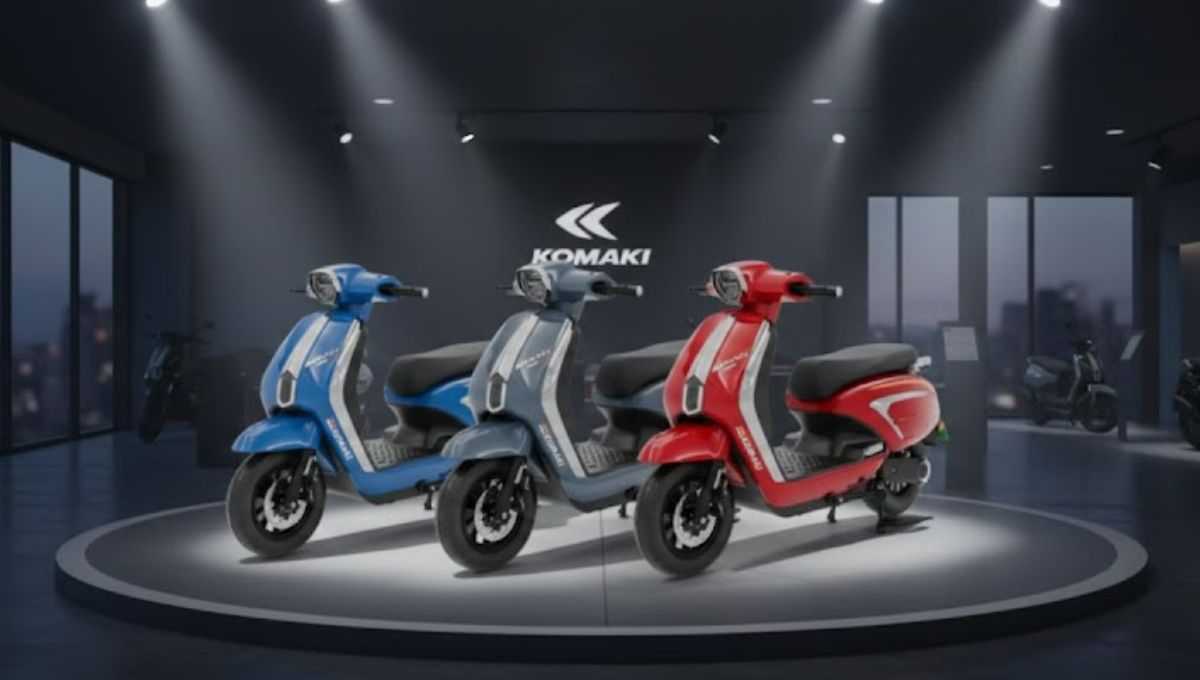
The Komaki XR7 is an electric scooter recently launched in India by Komaki, designed to offer a blend of retro-style scooter aesthetics and modern electric-vehicle convenience. It’s positioned as a long-range EV scooter that attempts to bring practicality, affordability, and style together, suited for city commutes and daily riding without the recurring cost of petrol. The XR7 stands out in the growing electric-scooter market for its claimed high range, modest pricing, and feature set that aims to satisfy urban riders. 

Key Specifications & Performance

Here’s a quick overview of what XR7 offers in terms of technical specs and performance:

  • Motor & Powertrain: 3.0 kW BLDC hub motor with a wireless controller — delivering smooth, quiet, and efficient acceleration.
  • Top Speed: Around 55 km/h, which is adequate for city commuting and moderate-speed urban riding.
  • Range: XR7 claims up to 322 km on a single charge. This long range is one of its highlights and a key selling point.
  • Battery: Uses a LiPo4 (LiFePO4) battery pack. This chemistry is generally known for better thermal stability, longevity, and safety over simpler lead-acid or older battery types.
  • Charging & Warranty: Fast charging is supported, and Komaki offers a warranty of 3 years on the battery, motor, and controller.

Overall, for riders prioritising low running costs, environmental friendliness, and enough performance for everyday use, the XR7 offers a compelling proposition.

Design, Build & Comfort: Practical for Everyday Use

The XR7’s design plays a big role in its appeal:

  • Retro-inspired yet modern build: The scooter carries classic scooter-like bodywork — rounded lines, comfortable seat layout, roomy footboard, combined with contemporary EV details like LED headlamp and DRL indicators.
  • Comfort & Convenience: The seat and footboard are roomy, making it suitable for typical city and short out-of-town rides. Under-seat storage of about 30 litres gives space for a helmet or daily essentials.
  • Safety & Handling: The scooter uses a front disc brake (and a rear drum brake) for stopping power, and 12-inch alloy wheels with tubeless tyres for stability and puncture resistance.
  • Smart & User-friendly Features: XR7 comes with a digital instrument cluster (smart dashboard), and some claimed features like “self-diagnosis”, parking assist, and speed sensors for a more modern ownership experience.

In short, XR7’s build seems optimised for practicality and comfort, more than for sporty or high-speed performance.

Read more:- Bajaj GoGo — Pioneering Electric Autos for India’s Last-Mile Mobility

Practical Use: Everyday Ride, Running Cost & Real-World Expectations

Daily Commuting and City Use

For city dwellers, XR7’s top speed (~55 km/h) and smooth electric motor make it well-suited for urban traffic and day-to-day commuting. The storage and comfortable ergonomics add to its everyday usability.

Running Cost & Eco-Friendly Ride

Since XR7 is electric, it avoids fuel costs and pollution associated with petrol scooters. Charging costs are typically much lower than fuel, and given the claimed 322 km range, frequent charging may be avoided — depending on usage. 

Realistic Expectations vs Claimed Figures

While XR7 claims 322 km per charge, actual range will vary depending on load, riding style, terrain, and speed. Under heavy use or with pillion riding, the range could be significantly lower. Buyers should temper expectations and treat 322 km as an upper limit under ideal conditions. 

Use Case Suitability

XR7 is suitable for:

  • Daily city commute
  • Short to moderate-distance rides (e.g. office commuting, errands)
  • Riders who value low running cost and eco-friendly transport over high speed or sporty performance

It may be less ideal for:

  • High-speed highway rides
  • Heavy pillion use or frequent long-distance touring
  • Riders needing rapid acceleration or performance similar to petrol scooters or motorcycles

Price and Value: Is XR7 Worth Its Cost?

  • Ex-showroom Price: ₹ 89,999 — quite competitive given the claimed features and range.
  • On-road Price Example (in major cities like Chennai, Delhi, Bangalore, Mumbai, etc.): Roughly around ₹ 94,800–₹ 95,000, depending on taxes, registration, and state duties.
  • Considering fuel savings, lower maintenance needs (electric motors are simpler than combustion engines), and minimal running costs, the XR7 presents as a value-for-money electric scooter — if the claimed specs hold up in real-world use.

For commuters or riders seeking a cost-effective, environment-friendly, and feature-rich scooter, XR7 seems like a strong choice — especially among budget electric scooters.

Limitations & What to Keep in Mind

  • Range vs Real-World Conditions: As noted, the 322 km range is under ideal conditions; realistic daily range may be significantly lower under heavy load or frequent stops.
  • Top Speed is Moderate: With a top speed of ~55 km/h, XR7 isn’t suited for high-speed commuting or long highway rides. It’s more of a city/urban-use scooter.
  • Service & Support Network: Since Komaki is a relatively newer EV manufacturer compared to long-established petrol scooter brands, the availability of service centres might be limited in some areas. This is a general point to check when buying.
  • Realistic Expectations: As with any EV — charging infrastructure, battery degradation over time and usage patterns will impact long-term experience. Good maintenance and realistic expectations are key.

How Komaki XR7 Relates to Other Motorcycles/Scooters

While the XR7 is an electric commuter-class scooter, it occupies a different niche compared to a high-performance motorcycle like the Aprilia RSV4. RSV4 is a superbike, built for speed, sport riding, high performance, and thrill. XR7, by contrast, prioritises economy, ease of use, and low running cost. Including “Aprilia RSV4” (as you requested) helps underscore that XR7 serves a vastly different purpose: where Aprila RSV4 aims at performance enthusiasts, Komaki XR7 aims at daily commuters and practical riders.

In short, XR7 is like the everyday commuter, simple, economical and pragmatic. RSV4 is the performance-oriented sport machine — powerful, fast, and built for thrills. Depending on your needs (daily commute vs riding excitement), one will suit you better than the other.

Who is Komaki XR7 For, And Is It a Good Choice?

The Komaki XR7 is a significant entrant in India’s growing electric scooter market. It offers a convincing package if you are looking for:

  • A low-cost, eco-friendly alternative to petrol scooters
  • Comfortable city commuting with minimal running costs
  • Enough features and storage for everyday life
  • A clean, simple, and sustainable riding experience

If you care more about utility, savings, and practicality than speed or sporty performance, XR7 stands out as a sensible choice. However, if you are someone seeking speed, high performance, or long-distance highway touring, you may find XR7 limiting — and more performance-oriented bikes (or even motorcycles like an Aprilia RSV4) may suit you better.

In summary, Komaki XR7 is best seen as a thoughtfully designed urban commuter EV — economical, practical, and convenient for daily use.

KTM 1290 Super Duke R 2025 Launch: All You Need to Know

The 2025 version of the KTM 1290 Super Duke R has once again stirred excitement among performance-bike fans. Known for its raw power, aggressive styling and naked-bike attitude, the 2025 model brings the latest refinements from the Austrian manufacturer. In this article, we take you through what makes the 2025 KTM 1290 Super Duke R special, what to expect, and why it remains a top choice for riders who crave thrills.

What is the KTM 1290 Super Duke R? A Quick Overview

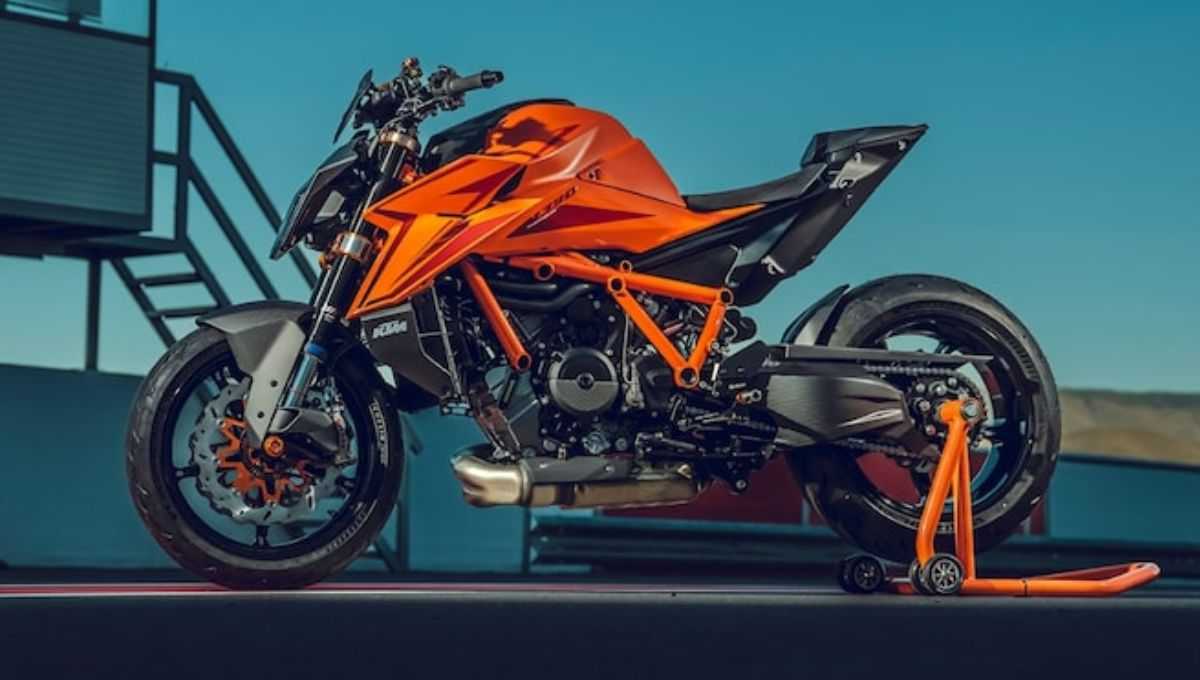
The KTM 1290 Super Duke R belongs to the “naked” or “streetfighter” class of motorcycles — bikes that prioritise minimal bodywork, sharp styling, and high-performance engines over full fairings. Its core identity revolves around delivering a potent mix of brute power, agility, and aggressive handling for street riding or spirited weekend rides.

Engine and Performance: Unleashing the Beast

  • The 2025 1290 Super Duke R is powered by a 1301 cc, 75° V-twin, liquid-cooled engine.
  • It delivers a claimed maximum power output of around 180 bhp at high rpm, along with a strong torque figure that ensures muscular mid-range and top-end performance.
  • The engine is managed via modern fuel injection, with a slipper (PASC) clutch for smoother downshifts and confident deceleration.
  • As a result, the 1290 Super Duke R remains among the fastest naked bikes in its segment, offering exhilarating acceleration and high-speed potential on open roads. 

In short, under the minimal looks lies a “beast” of an engine — raw, aggressive, and eager to unleash power.

Chassis, Suspension and Brakes: Balanced for Power & Control

To tame all that power and translate it into rideable performance, KTM has equipped the 2025 model with premium chassis components:

  • The bike uses a chromoly steel tubular trellis frame, known for rigidity and lightness — crucial for handling a powerful engine.
  • Up front: 48 mm WP APEX (USD) forks; at the rear: WP APEX monoshock, both tuned to offer responsive handling and stability.
  • Wheels are standard 17-inch alloys with performance-oriented tyres — combining grip, stability, and cornering precision.
  • Braking is handled by high-end components: dual 320 mm Brembo Stylema/Brembo M50 front discs with Radial-mounted callipers, and a single disc at the rear, backed by advanced ABS (including cornering and ride-mode based control in many markets).

This setup ensures that the 1290 Super Duke R remains controllable despite its ferocious engine — giving riders confidence whether they are leaning hard into corners or accelerating out of them.

Read more:- MG Majestor: Experience Luxury and Performance with Cutting-Edge Specs

Comfort, Ergonomics & Everyday Usability

Although built for performance, the 2025 KTM 1290 Super Duke R doesn’t completely abandon practicality:

  • Seat height is 835 mm.
  • Fuel tank capacity is typically 16 litres (with some sources earlier indicating ~18 litres depending on spec/market).
  • Lighting is fully LED, and the bike features modern instrument console(s), often TFT-based, which provide digital speedometer/tachometer, trip meters, fuel gauge, and other essential read-outs. 
  • The riding stance, though aggressive, remains fairly manageable — allowing for occasional city commuting or weekend rides without the harshness of a full-on superbike. 

So while the Super Duke R is uncompromising, it retains enough practicality for real-world use.

What’s “New” in the 2025 Model, What Riders Can Expect

The 2025 update brings refinements and incremental improvements, rather than a complete overhaul — but those refinements align well with what performance riders want:

  • Improved throttle response thanks to updated throttle-grip geometry (quick-turn throttle twist grip, reduced angle), giving more precise throttle control. 
  • Suspension tuning and chassis setup aimed at offering better balance between aggressive performance and ride stability — making the bike more usable both on spirited rides and regular roads.
  • Electronic aids and ride modes (depending on market variant) that help manage power delivery — useful for different conditions (wet roads, urban traffic, open highway). 

Essentially, the 2025 1290 Super Duke R refines what’s already excellent — more precision, more control, more usability.

What To Keep In Mind / Possible Drawbacks

No motorcycle is perfect, and the 1290 Super Duke R has a few trade-offs, especially for riders considering it for everyday use:

  • High performance means higher maintenance and running costs compared to smaller bikes or entry-level motorcycles.
  • Seat height at 835 mm might be tall for shorter riders — especially in slow traffic or when stopping.
  • Fuel efficiency will be modest, given the powerful V-twin and performance orientation (fuel tank size is not huge either), so frequent petrol stops on long rides.
  • For some riders, the aggressive riding posture may feel tiring over long distances compared to more touring-oriented bikes.

So, it’s a bike for those who value thrill and performance more than commuting ease or frugal ownership.

Is the 2025 KTM 1290 Super Duke R Right for You?

Consider the 1290 Super Duke R if:

  • You prioritise raw power, torque, and aggressive performance.
  • You enjoy spirited rides, weekend trips, or highway runs rather than constant commuting.
  • You want a bike with serious braking, suspension, and handling capabilities — not just straight-line power.
  • You’re willing to manage somewhat higher maintenance and fuel costs for the performance payoff.

It may be less ideal if you need a daily commuter for congested cities, or if comfort and fuel economy are your top priorities.

The 2025 KTM 1290 Super Duke R remains a top contender among naked performance motorcycles. It carries forward the raw character, “beastly” engine, and premium components that have defined its legacy — while refining control, responsiveness, and ride quality. For riders who crave adrenaline and are willing to accept the trade-offs, the 1290 Super Duke R 2025 delivers one of the most potent street-fighter experiences on two wheels.

Suzuki Katana 2025 Launched: The Blade Returns to the Streets

The name Suzuki Katana conjures up images of sleek lines, sharp attitude, and pure street-fighter charisma. With the unveiling of the 2025 model — often referred to as the 2025 Suzuki Katana — the blade is sheathed once again for a new generation. In this article, we take a detailed look at what makes the 2025 Suzuki Katana stand out: from design and engine to performance, features, and who this bike is meant for.

A Legacy Reborn: What the 2025 Suzuki Katana Represents

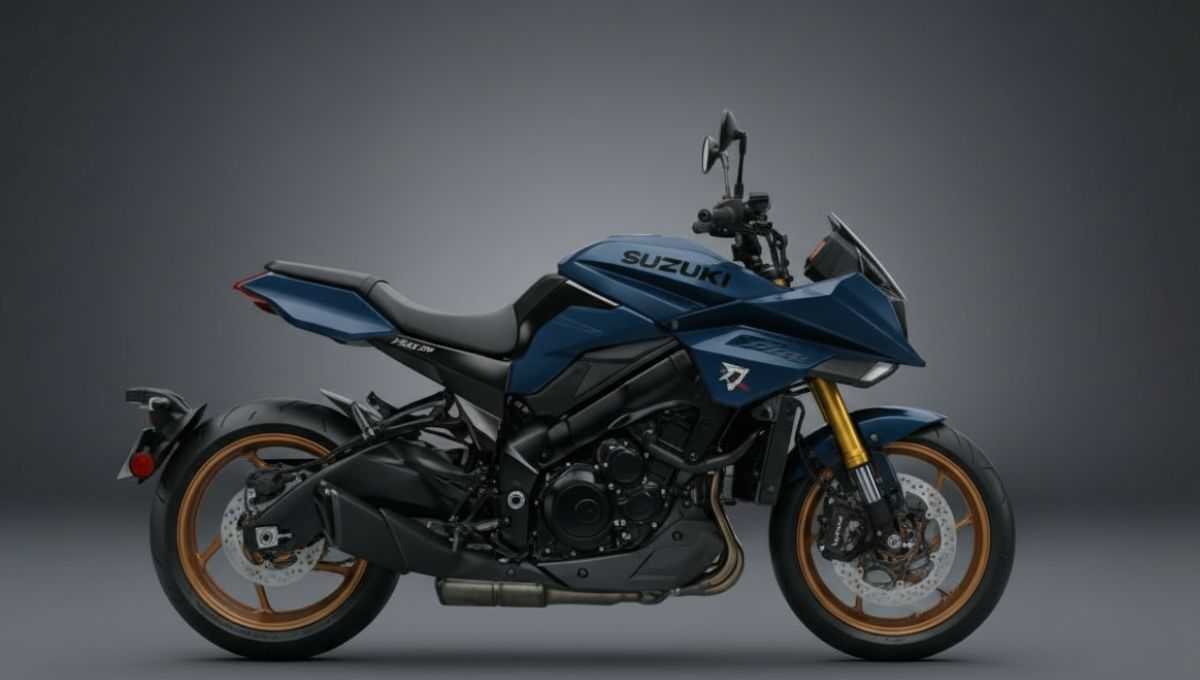
The Katana carries with it a legacy rooted in the original 1980s model, inspired by the Japanese sword of the same name. The 2025 Suzuki Katana aims to honour that heritage while bringing modern performance, electronics, and styling to create a neo-retro streetfighter that appeals to both longtime fans and new riders. 

With its rebirth, Suzuki blends iconic design cues — sharp, aggressive stance and distinctive bodywork — with the engineering muscle expected from a litre-class sport-naked bike.

Under the Hood: Engine, Performance & Mechanics

At the heart of the 2025 Suzuki Katana lies a 999 cc liquid-cooled DOHC inline-four engine, delivering around 152 PS of maximum power and 106 Nm of torque. 

This engine — shared with Suzuki’s GSX-S1000 lineage — is tuned for street-oriented performance: smooth power delivery, strong mid-range punch, and enough top-end for spirited rides. 

Power is sent through a 6-speed gearbox, and the package is further enhanced with modern transmission aids like a bi-directional quick-shifter (allowing clutchless up and down shifts) and slipper/assist clutch for smoother rides and aggressive downshifts.

Suspension is well up to par: inverted telescopic front forks and a rear link-type coil-spring suspension work together to deliver a balanced ride — sporty yet controllable. Braking is handled by dual front discs with quality callipers and a rear disc brake, aided by ABS for safer braking under varied conditions. 

In short: the 2025 Suzuki Katana delivers litre-class performance, but with a street-friendly tuning that balances power, control, and rider comfort.

Design & Features: Blade-Like Looks, Modern Tech

What truly distinguishes the 2025 Suzuki Katana is its styling — a marriage of heritage and aggression:

  • The bodywork is sculpted with sharp, sweeping lines, a distinct silhouette inspired by the original model, but with a modern edge.
  • Lighting is fully LED: a vertically stacked headlight up front gives the bike a unique, bold face on the road.
  • Its ergonomics are tuned for street use — an upright yet slightly aggressive stance that balances comfort and sportiness.

On the technology front, the 2025 Suzuki Katana doesn’t disappoint:

  • Ride-by-wire throttle ensures smooth, precise throttle response and enables electronic rider aids.
  • Traction control, multiple riding modes, and slipper/assist clutch & quick-shifter help make the ride safer and more adaptable to different conditions.
  • Full-LED lighting, LCD instrument cluster, dual-channel ABS, and modern brakes add to usability and safety. 

Overall, the 2025 Suzuki Katana stands out by combining retro-inspired design with contemporary performance and safety tech — a rare balance in the litre-class naked/supernaked segment.

Where the 2025 Suzuki Katana Fits: Who Is It Meant For?

The 2025 Suzuki Katana is ideal for riders who appreciate a blend of style, performance, and practicality:

  • Urban and street riders who want a litre-class bike that handles city traffic with ease while retaining sporty character.
  • Enthusiasts who value legacy and design — those drawn to the Katana’s iconic look and heritage but don’t want to sacrifice modern performance.
  • Weekend riders and thrill-seekers seeking a bike capable of spirited rides on open roads, thanks to its powerful engine and responsive handling.
  • Riders who value technology and safety — with modern rider aids, ABS, and advanced braking/suspension, it’s suited for a variety of conditions.

For those who want a muscular litre-class naked with personality — not just raw power — the 2025 Suzuki Katana has a strong case.

Read more:- New Toyota Highlander 2026 Launch: Turbo Hybrid 2.4L Engine, 243HP & Premium 7-Seater SUV!

Market Context & Availability

It’s important to note that, while the 2025 Suzuki Katana has been unveiled globally with new colours and minor updates, its presence in some markets (including India) has faced challenges. The earlier generation of Katana, despite its specifications and retro-modern mix, struggled with sales — leading to its discontinuation in certain markets as of 2025. This means availability might be limited depending on your region, and prospective buyers should check with local dealers for current stock and support.

FAQ

What engine does the 2025 Suzuki Katana use?

The 2025 Suzuki Katana is powered by a 999 cc liquid-cooled, inline-four DOHC engine, delivering around 152 PS of power and 106 Nm of torque. 

What kind of transmission and rider aids does it offer?

 It comes with a 6-speed gearbox, bi-directional quick-shifter, slipper/assist clutch, ride-by-wire throttle, traction control, multiple riding modes, and dual-channel ABS. 

What are the standout design and feature highlights of the 2025 Katana?

 Distinctive neo-retro styling inspired by the original Katana, full-LED lighting with a unique headlight, an upright yet sporty riding stance, LCD instrument cluster, and modern electronics. 

Who is the 2025 Suzuki Katana best suited for?

Riders who want a litre-class naked bike with a mix of vintage looks, modern performance, and practical usability — ideal for city, highway, and recreational rides.

 Is the Katana 2025 readily available everywhere?

Not necessarily. In some markets, including India, previous versions of the Katana saw limited demand; that may affect availability or support in certain regions. 

Tata Nano Mini 2025: A Fresh Take on Affordable Urban Mobility

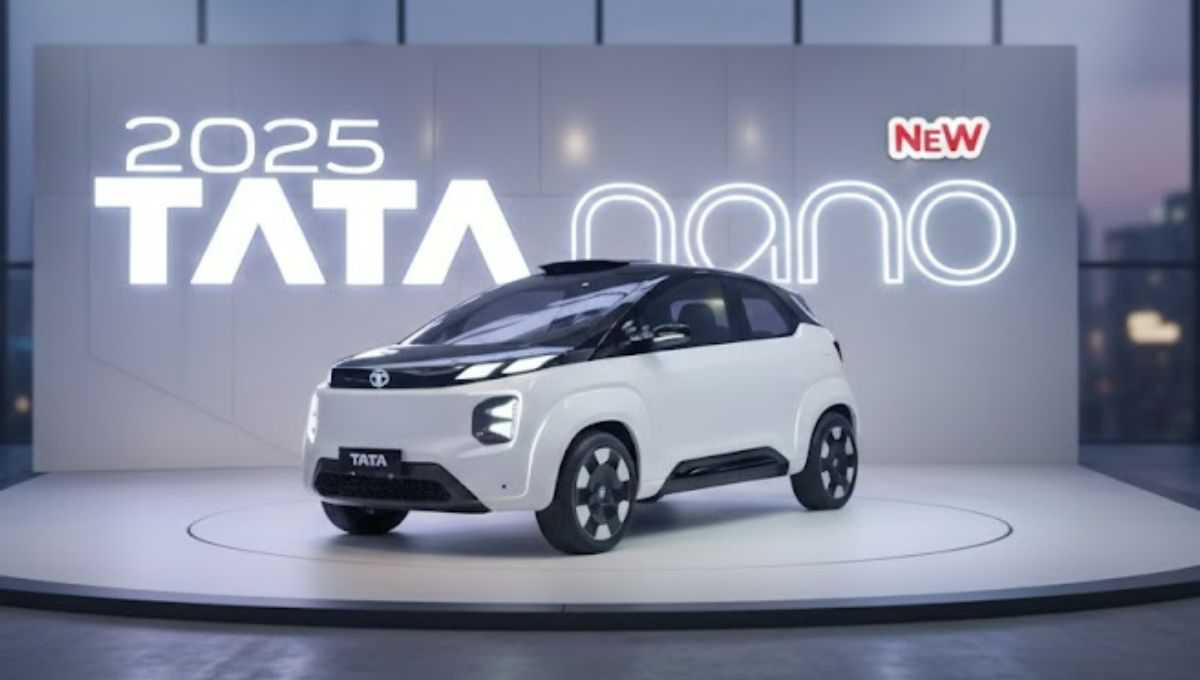
The Tata Nano Mini 2025 marks a bold re-imagining of the original compact car that once aimed to democratize car ownership in India. Designed for urban drivers, first-time car buyers, and small families, this new Nano aims to reintroduce the charm of a small, easy-to-drive car, but with modern features, better efficiency, and an updated design suited to 2025. The “Nano Mini” promises affordability without sacrificing practicality, making it an attractive option for people who need a no-frills, city-friendly vehicle. 

Design & Practicality: Compact Yet Smart for City Life

  • Compact Exterior for Easy Manoeuvrability: The Nano Mini 2025 retains a small footprint that makes it easy to navigate narrow lanes and congested city roads. Parking and tight turns are easier compared to larger cars — a major advantage in crowded metros. 
  • Surprisingly Spacious Interior: Despite the compact exterior, the cabin layout is designed to comfortably seat up to four passengers. Thoughtful ergonomics, adequate headroom and legroom make it practical for daily use. 
  • Modern Styling & Features: The 2025 model gets a refreshed look: updated body lines, modern front fascia (in some reports), and possibly improved materials inside, making the car feel less “bare-bones” than older entry-level vehicles. 

Engine, Performance & Fuel Efficiency, Designed for Smart, Budget-Conscious Use

  • Efficient Petrol Engine: The 2025 Nano is reported to come with a small petrol engine (for instance, a 624 cc petrol unit in many descriptions), optimised for city driving and daily commuting needs. 
  • Good Mileage for Daily Commuters: Fuel efficiency remains a key selling point. Some sources mention a mileage of around 40–48 km/l under ideal conditions. This makes running costs significantly lower compared to larger cars. 
  • Suitable for Urban Driving, Not for Highway Thrills: Given the small engine and city-oriented tuning, Nano Mini 2025 is best suited for city commutes, daily errands, short trips, school/office run, and not heavy highway usage or long-distance touring.

Features & Amenities, What Makes It Worth Considering

The modern Nano Mini 2025 aims to deliver more than just low cost. Features reportedly include:

  • A smart dashboard that displays essential driving information. 
  • Convenience features such as power steering, possibly power windows (in higher variants), and user-friendly controls to make city driving easier. 
  • Enough storage and cabin comfort to serve small families or individuals seeking a simple but reliable ride

Overall, the car seems positioned as a “practical and affordable urban car”, not a luxury ride, but a capable everyday vehicle.

Read more:- Indian Pursuit Limited: Price, Specs, Mileage, Features & Expert Review

Pricing & Who It’s For, Making Car Ownership Accessible Again

One of the biggest draws of the Tata Nano Mini 2025 is its affordability and low running cost:

  • The Nano Mini is advertised with a very affordable EMI scheme, making it accessible even to those who may find larger cars out of budget. 
  • For a buyer who wants a basic, functional car for city life, especially young professionals, small families, or first-time car owners, the Nano Mini 2025 could be a compelling choice.

It’s important to view it for what it is: a no-frills, budget-centric city car — not a feature-loaded premium hatchback.

Read more:- The Newest Royal Enfield Classic 650 Special Edition: A Deep Dive

Limitations & Realistic Expectations, Where Nano Mini 2025 May Fall Short

  • Modest Performance: The small petrol engine means that acceleration and high-speed stability may be limited, especially on highways or with a full load. This car shines in city traffic, not long-distance highway drives.
  • Basic Comfort & Features: While functional, the Nano Mini’s interiors and features are not luxurious. Buyers should expect simplicity rather than a premium feel.
  • Space Constraints: While four passengers may fit, for larger families or frequent long drives, the compact size and boot space might feel limiting compared to larger cars.
  • Not Ideal for Heavy Use: It’s best suited for daily commuting, errands, and city use. For heavy load, frequent long trips, or long-distance journeys, a bigger, more powerful vehicle may be more appropriate.

Who Should Consider the Tata Nano Mini 2025

The Tata Nano Mini 2025 revives the spirit of compact, affordable urban mobility with a modern twist. If you are a city-dweller who needs a no-frills, efficient, and budget-friendly car for daily commuting, errands, or small-family use, the Nano Mini offers a compelling value proposition.

It may not be the ideal choice if you prioritise speed, luxury, long-distance comfort, or heavy usage. But for what it aims to deliver, an accessible, practical, and economical city car, Tata Nano Mini 2025 stands out as a sensible and value-oriented option.

The Newest Royal Enfield Classic 650 Special Edition: A Deep Dive

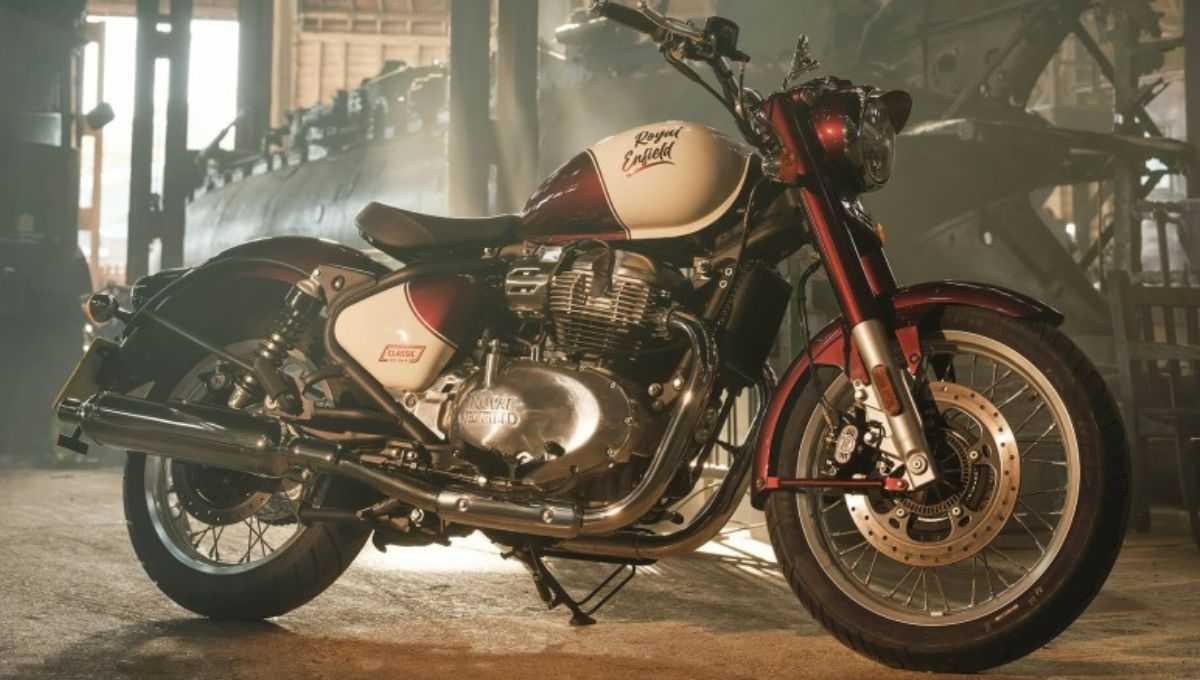
The iconic Royal Enfield has once again stirred excitement among vintage-bike enthusiasts with the launch of the Royal Enfield Classic 650 125th Anniversary Special Edition (often simply “Classic 650 Special Edition”). This new iteration celebrates 125 years of the brand’s legacy, while preserving the beloved soul of the Classic 650,  but with a curated set of design upgrades that elevate its presence.

In this article, we explore what makes this special edition stand out, what remains familiar, and whether it’s worth the anticipation for riders and collectors alike.

Why a Special Edition? Celebrating 125 Years of Royal Enfield

In 2025, Royal Enfield marked 125 years since the brand produced its first motorcycle in 1901. To mark this milestone, the company unveiled several celebratory models, among them the Classic 650 125th Anniversary Special Edition. The model aims to honour the brand’s heritage, craftsmanship, and evolving journey through decades of motorcycling history. 

The Classic 650 has long stood as a bridge between the brand’s vintage charm and modern engineering. This special edition uses that foundation as a canvas to pay tribute, combining nostalgia with contemporary design flourishes that command attention. 

What’s New: Design, Paint & Premium Details

Hypershift Paint – A Colour That Changes With You

The most striking upgrade on the special edition is the new paint, a “Hypershift” finish that shifts between red and gold depending on lighting and viewing angle. This dynamic, almost kaleidoscopic effect gives the Classic 650 a fluid, vibrant personality.

Anniversary Insignia & Heritage Badging

A gold-embossed “125 Years” crest adorns the fuel tank (and side panels), clearly marking the milestone and distinguishing this bike from standard Classic 650 models. 

Blacked-Out Mechanical Components

To let the unique paint and premium finish stand out, the engine casing, exhaust, wheels (wire-spoke rims), frame components and even the headlamp and tail-light bezels come in matte or glossy black. This creates a striking contrast that blends vintage charm with modern minimalism. 

Upgraded Seat & Trim

Breaking from the standard seat design, this special edition features a partly quilted seat — adding a subtle touch of elegance and comfort. The edition’s trims reflect a sense of premium craftsmanship, aimed at collectors and enthusiasts who value aesthetics as much as performance.

What Remains the Same: Engine, Performance & Mechanics

Underneath the special paint and cosmetic upgrades, the Classic 650 Special Edition retains the mechanical heart of the regular Classic 650. Key mechanical features remain unchanged:

  • Engine: 648 cc parallel-twin, air and oil cooled.
  • Power & Torque: Around 46–47 bhp and 52.3 Nm of torque.
  • Transmission: 6-speed gearbox with assist and slipper clutch.
  • Chassis & Suspension: Steel tubular spine frame, telescopic front forks, twin rear shock absorbers, tuned for comfort and relaxed cruising rather than aggressive sporty handling.
  • Brakes & Wheels: Disc brakes with dual-channel ABS; 19-inch front and 18-inch rear wire-spoke wheels with traditional styling.
  • Instrument Console & Lighting: Classic analogue + minimal digital instrument console, and LED lighting (headlamp, DRLs, tail light) — combining heritage style with modern practicality.

In short, while the Classic 650 Special Edition may look different, riding it delivers the same reliable, smooth, and relaxed experience that fans of the Classic 650 have come to appreciate. 

Read more:- Benelli TRK 702X Review: The Ultimate Middleweight Adventure Bike for Indian Roads

Who Is This Special Edition For?

The Classic 650 125th Anniversary Special Edition is clearly designed for a specific kind of rider, one who values the blend of heritage, style, and exclusivity over outright performance upgrades.

  • Collectors & Brand Loyalists: Riders who appreciate the history of Royal Enfield and want a piece of that legacy, perhaps as a display piece as much as a road companion.
  • Vintage-Style Enthusiasts: Those who love a classic silhouette combined with subtle modern touches (like Hypershift paint, blacked-out mechanicals, quilted seat), making the bike stand out in traffic.
  • Cruisers & Highway Riders: Since the mechanical package remains unchanged, the bike continues to shine on relaxed rides, long cruises, and touring — delivering comfort, reliability, and character.
  • Those Seeking Exclusivity: Given that this is a special edition commemorating 125 years, it’s likely to be produced in limited numbers, making it attractive to those who want a more unique ride than the standard flagship.

Potential Considerations (What to Keep in Mind)

  • No Performance Upgrade: If you’re looking for more power, torque, or sporty handling compared to the standard Classic 650, you won’t find it here. This is primarily a cosmetic and heritage upgrade.
  • Premium Over Standard Price: Given the special finish, detailing and limited availability, expect to pay more than standard Classic 650 variants. The premium is essentially for exclusivity, not mechanical improvements.
  • Taste & Subjectivity Matter: The Hypershift paint and blackout-mechanical theme are bold — some riders may love the distinct look; others may prefer the simplicity of regular colour schemes.
  • Availability Could Be Limited: As with many anniversary/limited editions, demand might outpace supply. If you plan to buy, booking early or contacting showrooms quickly might be wise.

A Classic, Reimagined for the Milestone

The Classic 650 125th Anniversary Special Edition retains the heart and soul of what made the Classic 650 loved by many, its relaxed twin-cylinder performance and timeless silhouette — while introducing thoughtful aesthetic upgrades that celebrate over a century of motorcycling heritage.

New Toyota Highlander 2026 Launch: Turbo Hybrid 2.4L Engine, 243HP & Premium 7-Seater SUV!

A Fresh Chapter for the Toyota Highlander

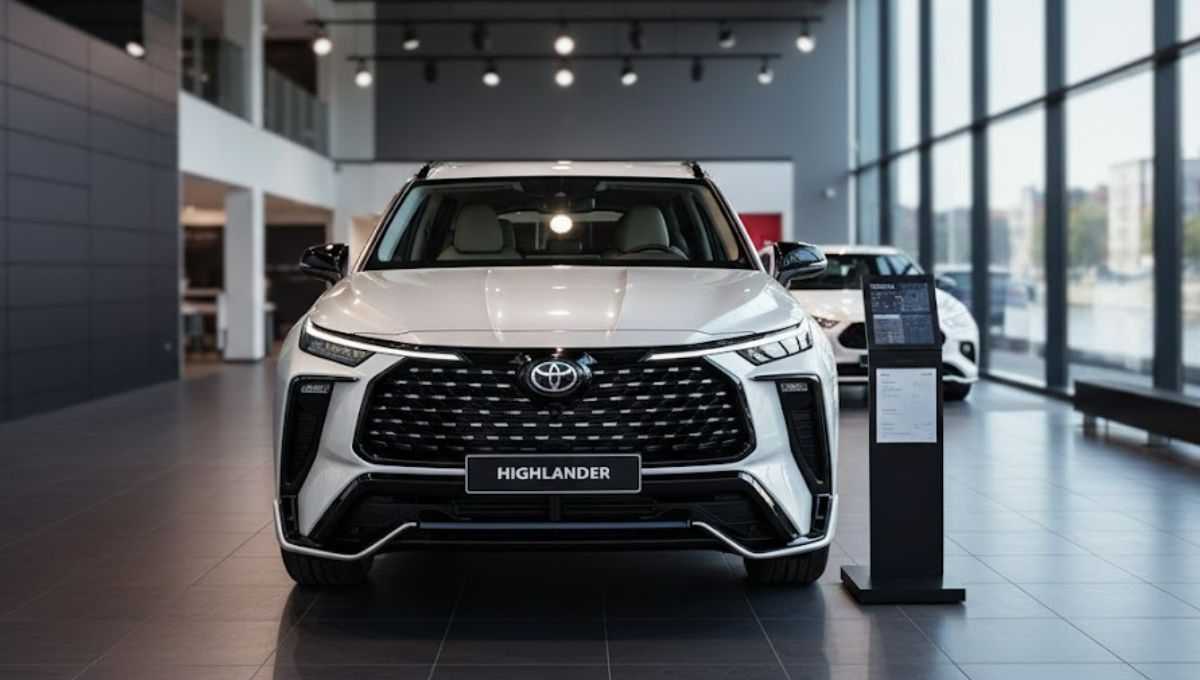
The 2026 model of the Toyota Highlander marks a significant evolution in its longstanding legacy. Built on the strengths that made it a favorite, spacious cabin, family-friendly practicality, and reliable performance, the new Highlander brings a slew of updates and refinements. For buyers seeking a versatile mid-size SUV with modern comforts and capability, the latest iteration of the Highlander offers an appealing blend of style, technology, and utility.

Standard All-Wheel Drive Across the Lineup

One of the most pivotal changes for 2026 is that all gas and hybrid models of the Toyota Highlander now come standard with All-Wheel Drive (AWD). This move simplifies the lineup and ensures that drivers get better traction and control as standard — a plus for those who deal with varied road conditions or occasional off-road.

Streamlined Trim and Engine Options

The 2026 Highlander is offered in a simplified structure: four gas variants and three hybrid variants. 

Gas power comes from a 2.4-liter turbocharged four-cylinder engine, delivering 265 horsepower and 310 lb-ft of torque, paired with an 8-speed automatic transmission. 

Hybrid models pair a fuel-efficient 2.5-liter engine with electric motors, offering a balance of performance and economy.

Interior, Comfort, and Versatility: Designed for Families

Spacious Seating & Cargo Flexibility

The 2026 Highlander continues to offer three-row seating, accommodating up to seven passengers, or even eight in gas variants fitted with a second-row bench seat. 

With the second and third rows folded down, the cargo space expands to around 84.3 cubic feet, offering generous storage for luggage, groceries, gear, whatever your lifestyle demands. 

Material Quality and Comfort Amenities

Inside, the cabin gets a refined upgrade depending on trim level: from SofTex-trimmed seats to leather upholstery, ambient interior lighting, and an optional panoramic moonroof on higher trims. 

Other comfort touches include tri-zone automatic climate control, multiple USB ports, wireless charging (on compatible variants), and various seat configurations, making it a suitable choice for long drives, family trips, or everyday commuting. 

Technology & Infotainment

The 2026 Toyota Highlander brings a modern and flexible infotainment system to the table:

  • Buyers get a standard 8.0-inch touchscreen, with an option to upgrade to a 12.3-inch display on higher trims. 
  • The system supports wireless Apple CarPlay® and Android Auto™, allowing seamless smartphone connectivity.
  • For an enhanced audio experience, select variants offer a JBL® Premium Audio system with multiple speakers — ideal for music lovers or long drives. 
  • Connectivity features also include multiple USB ports, Bluetooth, and optional subscription-based services (such as navigation updates, remote features), depending on the region and package.

Read more:- Indian Pursuit Limited: Price, Specs, Mileage, Features & Expert Review

Performance, Driving Dynamics, and Towing

Whether you choose gas or hybrid, the 2026 Highlander aims to deliver a comfortable but capable driving experience.

  • The turbocharged 2.4-liter gas engine offers a solid 265 hp with smooth torque delivery, well-suited for highway drives, overtaking, or towing needs.
  • For those preferring better fuel efficiency and smoother urban commuting, the hybrid powertrain offers a balanced option, combining reasonable power with improved economy.
  • The standard AWD setup, now across all trims, enhances stability and control, whether you are driving in city traffic, wet climate conditions, or light off-road.

Safety and Driver-Assistance Features

Safety remains a priority in the 2026 Highlander:

  • All trims come standard with the suite of driver-assistance features: pre-collision system with pedestrian detection, lane departure alert with steering assist, adaptive cruise control, automatic high beams, and more. 
  • Additional safety includes stability and traction control, anti-lock braking system (ABS), multiple airbags (including side and curtain airbags), and a comprehensive safety-management system in hybrid variants to help ensure stable handling under varying conditions.
  • Higher trims add driver-convenience and parking aids such as rear cross-traffic alert, blind-spot monitoring, and optional 360° camera systems (depending on region and configuration) — useful for urban driving and parking. 

Who Is the 2026 Highlander For?

The 2026 Toyota Highlander suits a wide range of buyers:

  • Families: With up to seven or eight seats, flexible cargo space, and comfort-oriented interiors, it’s a great choice for families needing space and practicality.
  • Frequent Travellers / Long-Distance Drivers: The comfortable seating, versatile storage, efficient hybrid option, and modern tech make it ideal for road trips, weekend getaways, or long commutes.
  • Those Needing All-Wheel Drive Capability: Now standard across all trims, the AWD ensures better handling in varied weather or road conditions, a plus in regions with diverse terrains or monsoon seasons.
  • SUV Buyers Seeking Balance: If you want a vehicle that balances practicality, comfort, performance, and modern features, without venturing into luxury-SUV price territory, the Highlander 2026 emerges as a sensible mid-size SUV choice.

Conclusion

The 2026 Toyota Highlander delivers a compelling package for those in search of a reliable, comfortable mid-size SUV. With the addition of standard AWD, a refined selection of powertrains, upgraded interiors and technology, and a flexible seating and cargo arrangement, the Highlander balances practicality, comfort, and capability. For families, long-distance drivers, or anyone needing a versatile SUV that doesn’t compromise on features or reliability, the new Highlander stands out as a strong contender.

New Honda Gold Wing 2025 Launch: Premium 6-Cylinder Engine, Advanced 7-Speed DCT & Luxury Touring Features!

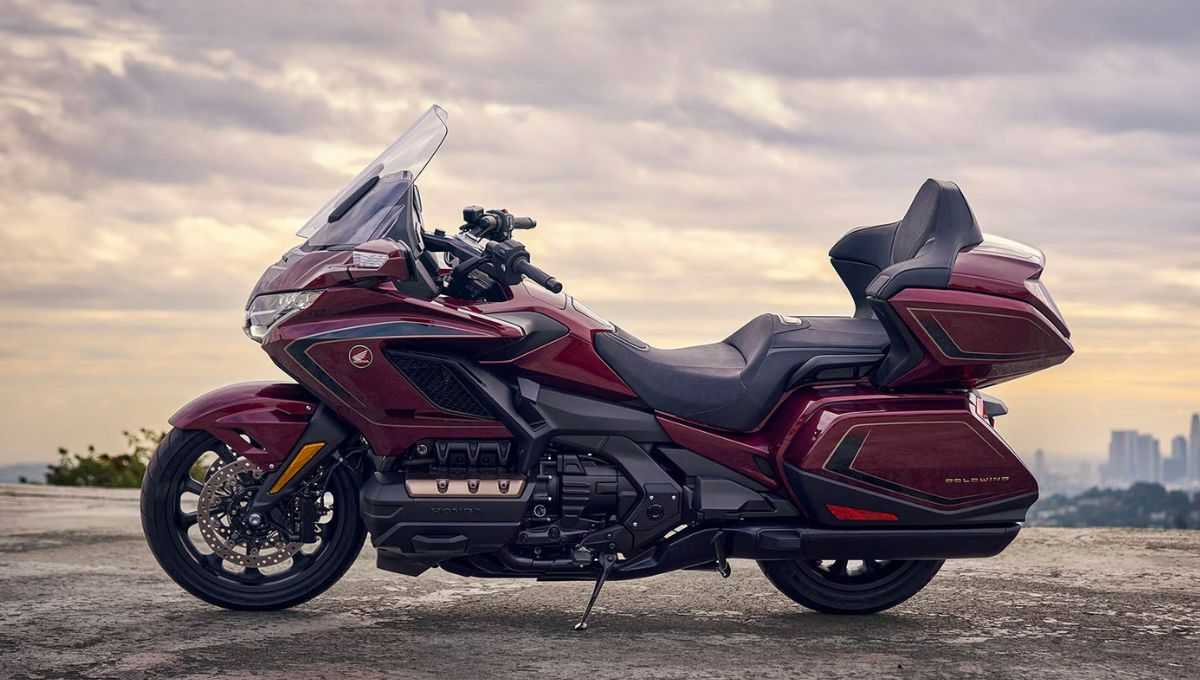
The 2025 Honda Gold Wing marks a milestone: it celebrates 50 years since the original Gold Wing first debuted in 1975. For half a century, the Gold Wing platform has defined what a luxury touring motorcycle can be, balancing smooth power, comfort, long-distance capability, and refinement. The 2025 update brings both tribute-worthy styling and modern upgrades, so riders get the heritage and the technology together.

This version is offered worldwide, and in India, the 2025 Gold Wing Tour (50th Anniversary Edition) was officially launched in 2025 via the company’s premium dealership network

What’s New in the 2025 Model

Special 50th Anniversary Styling

To mark the 50-year legacy, the 2025 Gold Wing gets signature touches:

  • A special “50th Anniversary” badge and “Since 1975” emblem on the instrument cluster — visible when you start the bike.
  • Dedicated paint and livery options: for the Tour version, you get colours like Bordeaux Red Metallic and Eternal Gold that pay homage to past classic Gold Wings. For the standard Gold Wing (non-Tour), a Matte Black Metallic finish with bold Gold Wing logos on saddlebags and side fairings. 
  • Early buyers of the anniversary edition also receive commemorative gifts — a hardbound book chronicling the 50-year history, and a 1:12 scale desktop model showing the 1975 and 2025 Gold Wings side by side.

These touches make the 2025 Gold Wing not just a means of transport, but a collector-worthy tribute to Honda’s touring legacy.

Performance, Engine and Mechanical Highlights

Underneath its classy exterior, the 2025 Gold Wing remains the powerhouse and smooth tourer fans expect:

  • The heart of the bike is a 1,833 cc horizontally opposed flat-six engine, known for smooth delivery and strong torque — ideal for long highway rides and heavy loads. 
  • The chassis uses a double-wishbone front suspension. This design enhances stability and handling, making a heavy touring bike more manageable and confidence-inspiring, especially at speed or over long rides.
  • Transmission options remain flexible: standard versions may come with a manual gearbox or the sophisticated dual-clutch transmission (DCT) for easier, smoother shifting. 

Overall, the 2025 Gold Wing continues its legacy as a refined, powerful, and comfortable long-distance motorcycle.

Technology & Comfort Upgrades

To match modern expectations, the 2025 Gold Wing adds a suite of tech and comfort features:

  • A 7.0-inch full-colour TFT display for navigation, ride data and media. On startup, it shows a welcome message referencing the Gold Wing’s 50-year legacy.
  • Wireless connectivity for both Apple CarPlay and Android Auto, making it easier to link your phone for navigation, music or calls — without cables.
  • Dual USB Type-C ports, Bluetooth, upgraded speaker/audio system — handy for touring riders who rely on gadgets.
  • Full LED lighting, aerodynamic vents, modern cockpit ergonomics — all tuned for comfort and safety over long rides. 
  • Advanced safety and assist features: dual-channel ABS, traction control, throttle-by-wire, and on select variants, even an airbag — underscoring its status as a premium, safety-oriented tourer.

With these, the 2025 Honda Gold Wing offers a seamless blend of luxury, comfort, and connectivity — appealing to riders who want a fully modern touring experience.

What It Means for Indian Buyers

For buyers in India, the 2025 Gold Wing Tour (50th Anniversary Edition) launched at ₹39.90 lakh (ex-showroom, Gurugram). The bookings opened via the premium BigWing Topline dealerships, with deliveries expected to begin in June 2025

Given that the Gold Wing is imported as a fully built unit (CBU), buyers get a globally recognised flagship touring motorcycle, now with the added prestige of the 50th anniversary edition. For those who value long-distance comfort, modern tech and legacy appeal, the 2025 Honda Gold Wing represents a strong statement.

Why the 2025 Honda Gold Wing Still Matters

  • It celebrates a half-century legacy. Few motorcycles maintain relevance and desirability for 50 years — which shows how well the Gold Wing balances design, performance and purpose.
  • It brings modern touring technology into a proven platform; riders get the comfort and reliability of the Gold Wing, plus modern connectivity, safety, and convenience.
  • It remains one of the most complete long-distance touring motorcycles available — with a powerful engine, comfortable ergonomics, premium features, and the build quality expected from a global brand.
  • For enthusiasts and touring lovers, owning the 2025 model is also about heritage and identity — the 50th Anniversary badge, commemorative items, and special finishes make it more than just a bike.

The 2025 Honda Gold Wing is more than a new bike; it’s a celebration of five decades of touring excellence. By combining the refined performance and comfort that made the Gold Wing legendary with modern technology and anniversary-grade styling, Honda has crafted a motorcycle that appeals not only to seasoned touring enthusiasts but also to riders who appreciate luxury, heritage, and long-distance capability.

Suppose you’re considering a grand touring bike. In that case, whether for cross-country road trips, long highway cruises, or simply the joy of riding in comfort, the 2025 Gold Wing offers a compelling package: power, elegance, modern convenience, and a legacy that few motorcycles can match.

FAQ

What engine does the 2025 Honda Gold Wing use?

The 2025 Gold Wing is powered by a 1,833 cc flat-six engine, delivering smooth performance and ample torque — ideal for long rides and highway touring. 

What’s new in the 2025 model compared to earlier versions?

 Key updates include special 50th Anniversary styling and livery, wireless Apple CarPlay and Android Auto, upgraded TFT display and infotainment features, improved audio and connectivity (USB-C, Bluetooth), and modern lighting and ergonomics tailored for touring. 

Is the 2025 Gold Wing available in India? If so, what’s the price?

Yes, the 2025 Gold Wing Tour 50th Anniversary Edition is available for Indian buyers. The ex-showroom price is ₹39.90 lakh (Gurugram), and bookings are open at selected BigWing Topline dealerships. 

Which variant is offered in India? Manual or Automatic?

 In India, the 2025 Gold Wing Tour is offered in a single DCT (Dual Clutch Transmission) variant

What makes the 50th Anniversary Edition special?

 Beyond cosmetic upgrades (special paint, badges, and logos), buyers receive a commemorative book detailing the Gold Wing’s history and a 1:12 scale model showing the 1975 and 2025 versions — giving ownership a collectable, legacy feel.

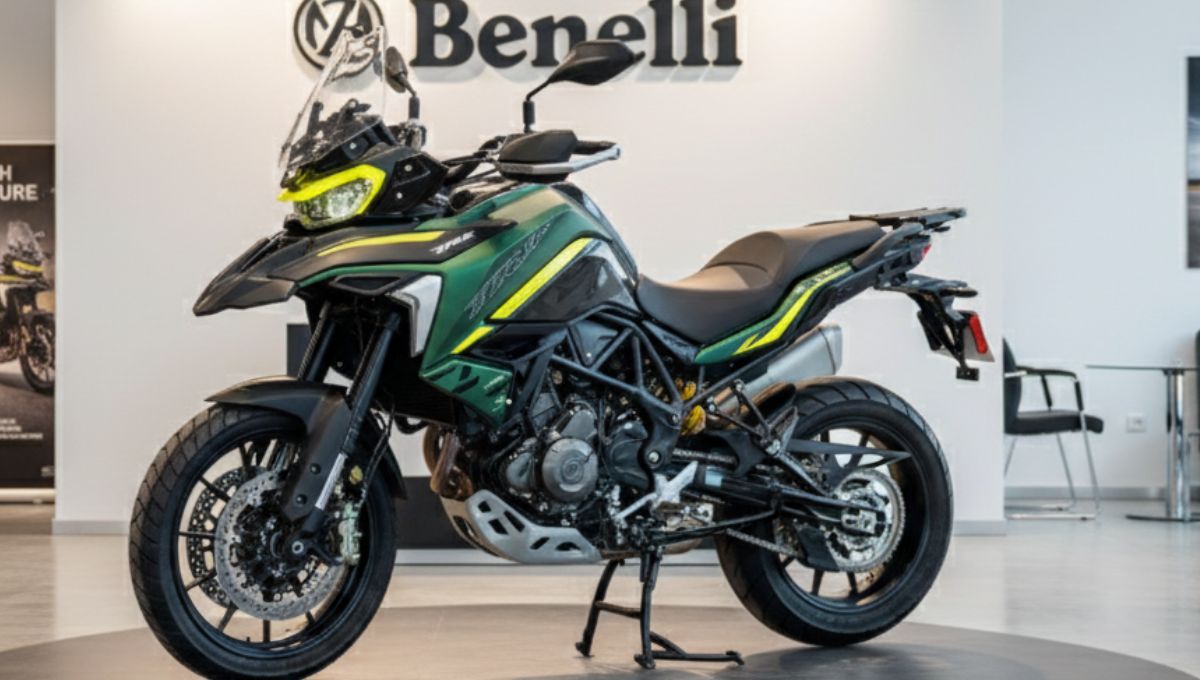
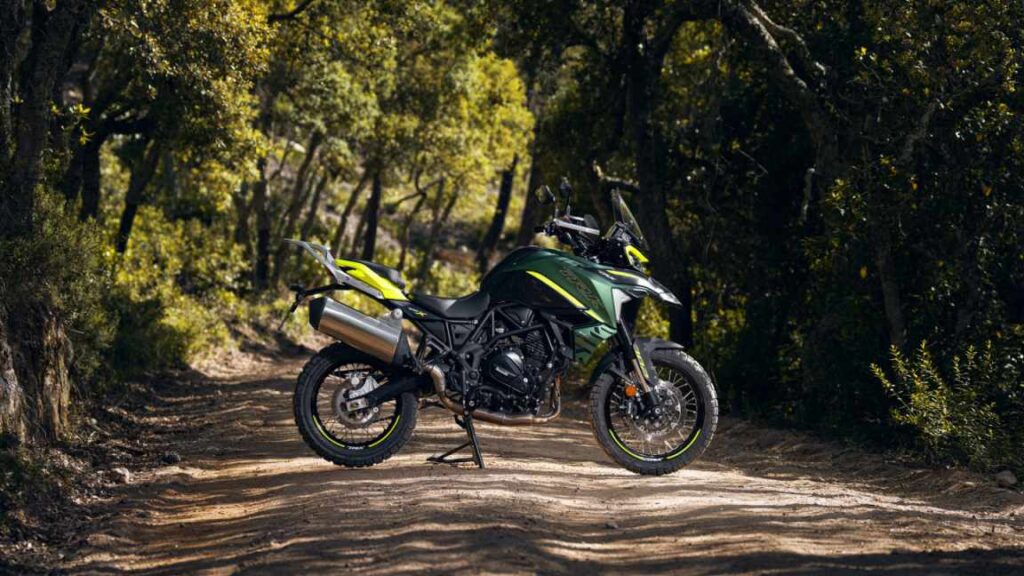
Benelli TRK 702X Review: The Ultimate Middleweight Adventure Bike for Indian Roads

Beneli TRK 702 X: Ever dreamed of a bike that tackles twisted mountain roads by day and rough trails by night without breaking a sweat? The Benelli TRK 702X steps in as that versatile adventure machine, blending Italian flair with rugged capability. Launched globally with a punchy 698cc parallel-twin engine, this middleweight ADV is turning heads for its value-packed performance, making it a strong contender for Indian riders eyeing long tours or weekend escapes.

Types of Adventure Bikes and Where the TRK 702X Fits

Adventure bikes come in flavours like lightweight rally-style (think KTM 390 Adventure), middleweights for all-round use, and heavy tourers for highways. The TRK 702X shines in the middleweight category – around 220-235kg – perfect for riders wanting off-road bite without the bulk of 1000cc beasts. Its 21-inch front wheel and knobby tire setup scream “adventure-ready,” unlike softer tourers focused purely on tarmac cruising.

Key Specifications

Here’s a quick specs table pulled straight from the official details, giving you the full rundown on this beast.

SpecificationDetails
Engine Type2-cylinder, 4-stroke, 8-valve
Displacement698cc
Bore x Stroke83 x 64.5mm
Power51.5kW (about 70hp) at 8000rpm
Max Torque70Nm at 6000rpm
Compression Ratio11.6:1
Fuel SystemEFI (Electronic Fuel Injection)
CoolingLiquid-cooled
Transmission6-speed with slip/assist clutch
Dry Weight222kg
Fuel Capacity20L
Suspension (Front)50mm USD forks, 140mm travel
Suspension (Rear)Adjustable monoshock
BrakesDual 320mm front discs, 260mm rear, ABS
Wheels19-inch front, 17-inch rear

These numbers make it compliant for A2 licenses in some markets, too.

Engine Performance That Packs a Punch

Fire up the TRK 702X, and that 698cc liquid-cooled parallel-twin wakes with a throaty rumble. It dishes out smooth, linear power from low revs, ideal for overtaking on highways or crawling up dirt paths. Riders rave about its tractable mid-range torque – no jerky throttle response here, just effortless shove up to 165km/h top speed. Even with the stock exhaust, it sings a fruity tune that builds into something soulful as revs climb.

Real-World Mileage and Efficiency

Expect around 20-23kmpl in mixed riding, translating to roughly 400km per tank with its 20L capacity – solid for long hauls across India. City jaunts or aggressive off-roading might dip to 18kmpl, but highway cruising at 100km/h sips fuel efficiently at about 4.6L/100km. Low emissions (107g/km CO2) keep it eco-friendly without sacrificing fun.

Source: Benelli Website

Standout Features for Everyday Adventures

  • Digital Cluster: Clear TFT display with navigation-ready connectivity.
  • LED Lighting: Sharp headlights and a tall screen deflect wind effectively.
  • Rider Aids: ABS standard, optional heated grips and cameras in some variants.
  • Ergonomics: 790-840mm seat height suits most, with mid-pegs for all-day comfort.
  • Off-Road Kit: Spoked wheels, bash plate, and handguards for gravel bashing.

No quickshifter out of the box, but the light clutch and slick gearbox make shifting a breeze.

Comfort, Handling, and Build Quality

Slide into the wide seat, and everything feels right – neutral bars, supportive padding, and an upright stance for fatigue-free rides. On twisties, the steel trellis frame and USD forks deliver planted cornering; off-road, the suspension soaks up bumps while brakes bite hard (with some ABS feedback on rough stuff). Build feels sturdy Italian-tough, though finishes like plastics show some budget vibes. Mirrors stay clear, and wind protection works for most heights.

Price in India (Expected)

Not launched in India yet, but whispers point to Rs 7-8 lakh ex-showroom if it arrives, undercutting premium rivals. Compare to Benelli’s TRK 502X at Rs 7.14 lakh – the 702X’s extra power justifies the bump. Keep eyes peeled; Benelli’s aggressive pricing could shake up the segment.

Pros and Cons

Pros:

  • Punchy, characterful engine with broad torque.
  • Comfortable for long rides, versatile on/off-road.
  • Great value with big-bike features.
  • Fuel-efficient for its class.

Cons:

  • On the heavier side at 222kg dry.
  • Lacks rider modes or quickshifter standard.
  • ABS can feel intrusive off-road.
  • India’s launch is unconfirmed till Dec 2025.

Competitor Comparison

The TRK 702X slots against middleweight ADVs like this:

BikeEngine/PowerWeight (kg)Price (India, approx)Mileage (kmpl)
Benelli TRK 702X698cc/70hp235 (wet)Rs 7-8L (expected)20-23
Suzuki V-Strom 650XT645cc/71hp216Rs 9L+22
Kawasaki Versys 650649cc/67hp219Rs 8.5L20-22
Triumph Tiger Sport 660660cc/80hp206Rs 10L+20

Benelli edges on torque and price, but rivals offer lighter weight and more tech.

Who Should Buy the Benelli TRK 702X?

Grab this if you’re a mid-level rider craving adventure without wallet pain – weekend warriors, tourers hitting Ladakh, or commuters wanting style. Skip if you need ultra-light off-road purity or endless electronics; it’s for those prioritizing fun and miles over gadgets.

The Benelli TRK 702X delivers big on thrills, comfort, and bang-for-buck, positioning it as a smart pick in India’s growing ADV scene. With global praise for its engine and handling, an India debut could redefine affordable adventures. Watch this space – it might just be your next ride.

FAQs

What makes the Benelli TRK 702X different from the TRK 502X?

The 702X ups the game with a 698cc engine (vs 500cc), more power (70hp vs 47hp), and better off-road wheels, while keeping similar ergonomics

Is the TRK 702X good for beginners?

Its 790mm seat and tractable power suit A2 riders, but the weight means intermediates will handle it best off-road

What’s the top speed of Benelli TRK 702X?

Around 165km/h, with a strong mid-range pull perfect for Indian highways.

Does it have ABS and other safety features?

Yes, dual-channel ABS standard; brakes are strong but can pulse on gravel.

How’s the mileage on long tours?

20-23kmpl mixed, giving 400km range – reliable for Rajasthan runs or hill climbs.

Any off-road limitations?

Solid for light trails, but no traction control; weight limits extreme enduro.

When will TRK 702X launch in India?

No official word, but expected Rs 7-8 lakh post-2025 if Benelli pushes it.

Comfort for tall riders?

Screen and seat work well up to 6ft; taller folks might add a taller windscreen.

Maintenance costs in India?

Benelli’s network is growing; parts are affordable like TRK 502, but service varies by city.

Better than Suzuki V-Strom 650XT?

More torque and cheaper, but V-Strom is lighter with proven reliability – depends on budget.

Fuel type and tank range?

Regular unleaded; 20L tank for worry-free touring.

Is build quality worth the hype?

Sturdy frame and suspension impress; minor plastics feel budget but hold up.

Exit mobile version