TVS Apache RTR 310 Unleashed: Ignite the Streets with Raw Furytvsmotor​

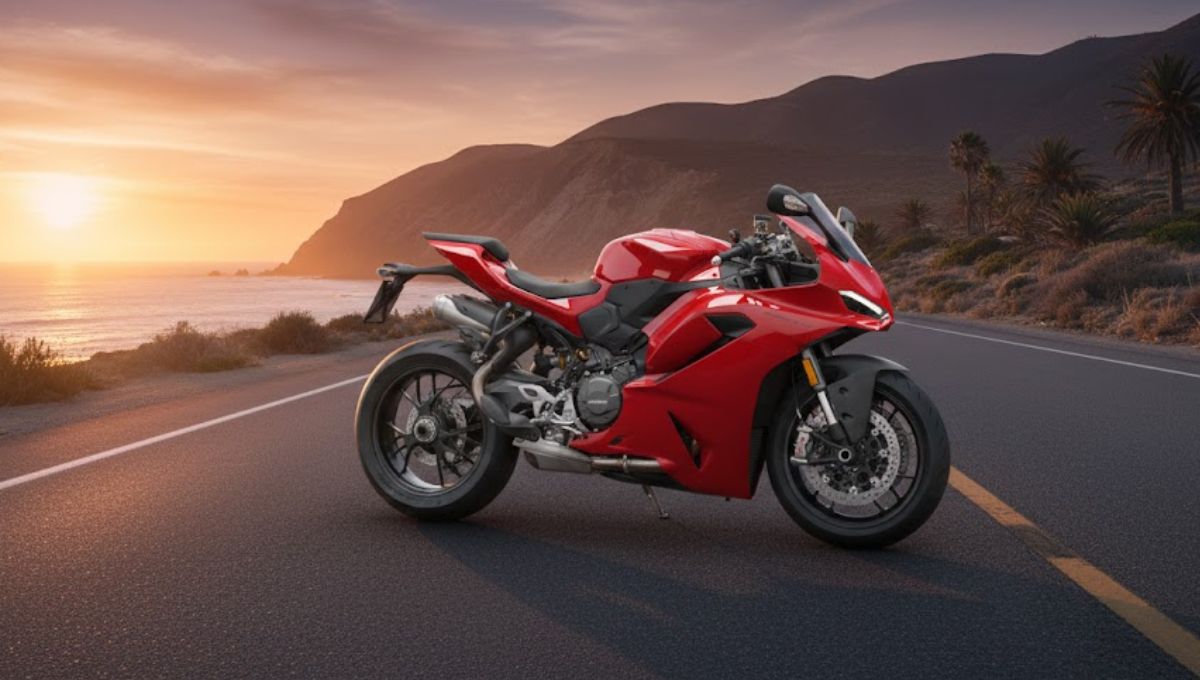
The TVS Apache RTR 310 is a stunning streetfighter motorcycle that combines aggressive design with cutting-edge technology, delivering an exhilarating riding experience. Perfectly suited for both city commutes and spirited rides, it represents the pinnacle of TVS’s racing DNA, packed with advanced features that elevate performance and rider comfort.

Engine

The heart of the Apache RTR 310 is its unique 312.2cc single-cylinder, liquid-cooled, DOHC engine that boasts a compact design for optimal mass centralisation. It produces up to 35.6 PS of power at 9700 rpm and a maximum torque of 28.7 Nm at 6650 rpm in Sport, Track, and SuperMoto modes. The engine features electronic throttle control, a slipper clutch, a 6-speed gearbox with a bidirectional quickshifter, and advanced cooling systems for sustained high performance.

Chassis and Suspension

Built on a hybrid trellis and cast frame with an aluminium sub-frame, the motorcycle promises dynamic response and agile handling. It sports a 41mm USD front fork and a solid die-cast aluminium swingarm with preload-adjustable mono-shock suspension at the rear, tuned by KYB for precise damping and superior cornering performance.

Exterior and Design

With fluid lines and sharp, angular contours inspired by cyborg aesthetics, the Apache RTR 310 stands out with an aggressive stance marked by a raked tail and forward-biased mass. Features like the adaptive Bi-LED cyborg headlamp with sequential TSL, knuckle guards, and a transparent clutch cover add both style and functionality, complementing the sporty steel tapered handlebars.

Read More : NEW Scrambler 400 XC – Full Review, Features, Performance & Complete Buyer’s Guide

Interior and Instrumentation

The bike’s cockpit integrates a 5-inch horizontal TFT race computer that provides real-time telemetry, ride modes, traction control, cruise control, and bluetooth music control. The cluster also supports voice assist, navigation via What3words, smart connectivity through the TVS SmartXonnect app, and crash alert for enhanced safety.

Technology and Safety

Highlights include race-tuned linear traction control, cruise control, ride-by-wire throttle, a segment-first 6-axis IMU with advanced cornering ABS and wheelie control. It also features glide-through technology for smooth starts, dual-channel ABS, tyre pressure monitoring, and fully adjustable front and rear suspension.

Read More : TVS Apache RTX — The New Benchmark in Affordable Adventure Motorcycles

Technical Specifications

CategoryDetails
Engine312.2cc, single-cylinder, liquid-cooled, DOHC
Power35.6 PS @ 9700 rpm (Sport/Track/SuperMoto modes)
Torque28.7 Nm @ 6650 rpm (Sport/Track/SuperMoto modes)
Transmission6-speed with bidirectional quickshifter and slipper clutch
FrameHybrid trellis & cast frame with aluminium sub-frame
Front Suspension41mm USD fork, fully adjustable (preload, compression, rebound)
Rear SuspensionKYB mono-shock, preload-adjustable
BrakesDual-channel ABS with cornering, front disc, rear disc
Instrumentation5-inch TFT with Bluetooth, voice assist, navigation
Rider Aids5 ride modes (Urban, Rain, Sport, Track, SuperMoto), traction control, cruise control, 6-axis IMU

FAQs

What is the engine capacity and power output of the TVS Apache RTR 310?

It has a 312.2cc liquid-cooled engine producing up to 35.6 PS and 28.7 Nm of torque in maximum power modes.

Does it have adjustable suspension?

Yes, both front and rear suspension are fully adjustable for preload, compression, and rebound damping.

What rider aids and tech features are included?

Features include traction control, cruise control, ride modes, voice assist, Bluetooth connectivity, and a 5-inch TFT cluster.

Is the Apache RTR 310 suitable for both city and track riding?

Absolutely, with multiple ride modes including Urban, Sport, Track, Rain, and Supermoto, it adapts well to all conditions.

What safety systems are integrated?

The bike offers dual-channel ABS with cornering assist, linear traction control, tyre pressure monitoring, and crash alert.

.

Skoda Kushaq Unleashed: Know Price, Specs, Mileage, Interior, Safety

The Škoda Kushaq is a compact SUV that perfectly blends style, performance, and practicality, designed to cater to the needs of modern drivers. With its robust engineering and thoughtful design, it stands out as a versatile vehicle suitable for both city driving and long journeys. The Kushaq is crafted to deliver a driving experience that combines comfort, agility, and advanced technology in a sophisticated package.

Presenting the Škoda Kushaq, featuring majestic exteriors and exquisitely crafted interiors. This SUV is powered by efficient and robust 1.0L and 1.5L TSI engines designed to deliver an engaging driving experience. The Kushaq boasts Škoda Crystalline LED headlights with Daytime Running Lights, complemented by Piano Black Luxe interior finishes and ventilated leather front seats for enhanced comfort.

Engine and Performance

The Škoda Kushaq is powered by a choice of turbocharged petrol engines that bring together power and efficiency. These engines are built to offer a responsive drive with smooth acceleration, making the Kushaq equally suited for bustling urban streets and open highways. The advanced engine technology ensures optimal fuel economy without compromising on performance, providing a balanced and exciting drive.

Here is a table summarizing the engine specifications of the Škoda Kushaq based on the details from the official website:

SpecificationDetails
Engine TypeTurbocharged Petrol
Engine OptionsMultiple turbocharged petrol variants (exact details typically include 1.0L and 1.5L TSI engines)
Torque178 Nm 
PerformanceBalanced power output with focus on fuel efficiency and responsive driving
TransmissionAvailable with manual and automatic options (usually 6-speed manual and 6/7-speed DSG automatic)
Drive TypeFront-wheel drive
Emission StandardsCompliant with contemporary environmental norms

This compact SUV’s engine is designed to deliver smooth acceleration, adequate power, and a fuel-efficient ride experience, fit for both city and highway driving. 

Chassis and Handling

Built on a modern platform, the Kushaq’s chassis promises enhanced stability and safety. The SUV features a well-engineered suspension system that absorbs road imperfections effectively, ensuring comfortable rides on varied terrains. Its balanced handling makes maneuvering through tight city corners or winding roads both confident and effortless.

Read More: Mercedes-Maybach SL 680: The Pinnacle of Luxury Roadsters

Exterior Design

Škoda Kushaq’s exterior showcases a bold and dynamic design language that commands presence. The sharp lines, a distinctive grille, and LED headlamps give it a sporty yet refined look. Practical elements such as roof rails and alloy wheels complement the styling while adding to the vehicle’s utility. The overall design strikes an ideal balance between aesthetics and functionality.

Interior and Comfort

Inside, the Kushaq offers a spacious and inviting cabin designed with premium materials. Its seats provide excellent support, ensuring comfort for all passengers on long drives. The dashboard layout is driver-centric, featuring an advanced infotainment system with a touchscreen interface that is intuitive and easy to use. Ample legroom, headroom, and thoughtful touches like ambient lighting and chrome accents elevate the interior ambiance.

Technology and Safety

Equipped with modern technology, the Kushaq boasts smart connectivity that keeps you connected to your digital life on the go. Safety is prioritized with six airbags. The infotainment system supports smartphone integration for seamless access to navigation, music, and calls. Safety is paramount, and the SUV is loaded with multiple airbags, ABS, electronic stability control, and other advanced safety systems to protect occupants in all situations

The 25.4 cm (10-inch) infotainment system supports the Škoda App Store and offers wireless Apple CarPlay and Android Auto connectivity. Additional features include an electric sunroof and many more to enrich your driving experience. Feel empowered behind the wheel of this thoughtfully designed SUV. Download the brochure to learn more.

.

FAQs

What engine options are available in the Škoda Kushaq?

The Kushaq comes with turbocharged petrol engines designed for a perfect blend of power and fuel efficiency.

How spacious is the interior of the Kushaq?

It offers a roomy cabin with generous legroom and headroom, designed for all-around passenger comfort.

What safety features does the Kushaq offer?

Advanced safety features include multiple airbags, ABS, electronic stability control, and reinforced chassis construction.

Does the Kushaq support smartphone connectivity?

Yes, it has an advanced infotainment system that allows seamless smartphone integration for navigation and entertainment.

Is the Kushaq suitable for city and highway driving?

Absolutely, the balanced chassis and turbocharged engine options make it ideal for both urban commuting and long drive.

Mercedes-Maybach SL 680: The Pinnacle of Luxury Roadsters

Experience the Mercedes-Maybach SL 680 Monogram Series, an unparalleled luxury roadster that fuses Maybach opulence with a potent 4.0L twin-turbo V8 generating 577 horsepower and 800 Nm of torque for breathtaking performance.

As the top luxury convertible in India, this grand touring masterpiece boasts a 9-speed automatic gearbox4MATIC+ all-wheel drive, and a 260 km/h top speed, ideal for those craving exclusive high-performance sports cars around Rs. 4.35 Crore. With its crystal white Nappa leather cabinMaybach-patterned soft top, and 21-inch forged alloys, the SL 680 delivers refined power, bespoke craftsmanship, and serene open-air thrills.

Read More : Hyundai Ioniq 3 – The Next-Generation Compact Electric EV Revolution

Engine and Performance


The Mercedes-Maybach SL 680 is powered by a 3,982 cc V8 twin-turbocharged petrol engine that produces an impressive 577 horsepower and 800 Nm of torque. This powerful engine is paired with a 9-speed SPEEDSHIFT MCT automatic transmission, ensuring swift and smooth gear shifts enhanced by Multi-Clutch Technology. The SL 680 delivers exhilarating acceleration and a top speed of 260 km/h, providing a dynamic yet refined driving experience true to the Maybach luxury ethos.

Chassis and Drive


Built on a robust chassis shared with the AMG SL 63, the SL 680 features a 4-wheel independent suspension system with ACTIVE RIDE CONTROL, employing a 5-arm multilink setup at both the front and rear. The car comes with an advanced 4MATIC+ all-wheel-drive system and rear-axle steering, optimizing handling agility and stability at high speeds. The engineering ensures both sporty responsiveness and comfortable cruising, hallmark traits of Maybach’s grand touring philosophy.

Exterior Design


The Mercedes-Maybach SL 680 commands attention with its bespoke and elegant exterior styling. It features a distinctive, wide, shiny grille beneath the iconic Mercedes star, signature Maybach logos embossed on the bonnet with contrasting black finishes, and bright chrome trim accents around the windshield and lower side door sills. The car rides on exclusive 21-inch Maybach 5-hole forged wheels fitted with high-performance tires. The soft convertible top is black with a Maybach pattern, complementing the car’s luxurious and exclusive presence.​

Read More : BMW M9: The Ultimate Future Hypercar from BMW – Full Review, Specs, Features & Expected Price

Interior Luxury


Inside, the SL 680 offers a meticulously crafted cabin finished exclusively in crystal white Nappa leather upholstery with Maybach-specific stitching patterns. The seats are heated, cooled, and feature massage functions along with Mercedes’ AirScarf neck-level heating for a comfortable open-top driving experience in cooler weather. The interior is richly appointed with full leather upholstery covering all surfaces, a two-tone white and black steering wheel, and a custom hard tonneau cover behind the seats for added storage and style. The lavish attention to detail creates a truly bespoke and serene driving environment.​

Additional Features


The Mercedes-Maybach SL 680 is equipped with cutting-edge technologies including a 360-degree camera system and advanced driver assistance systems (ADAS) for enhanced safety and convenience. The electro-hydraulic soft top opens and closes automatically in about 15 seconds, even at speeds up to 60 km/h, adding to the car’s usability. Despite being a two-seater convertible, it offers reasonable trunk space with around 7.5 to 8.5 cubic feet of cargo capacity, ensuring practicality alongside luxury.

This exceptional model elegantly blends commanding performance, striking aesthetics, and peerless luxury, making the Mercedes-Maybach SL 680 a standout in the world of exclusive grand touring roadsters.

Redmi 15C 5G With Dimensity 6300: Powerful 5G Performance, 6000mAh Battery, And 120Hz Display Budget Phone

Key highlights

  • 6000mAh battery with 33W fast charging for long use and quick top-ups.​
  • 6.9-inch display with up to 120Hz AdaptiveSync for smooth scrolling.
  • MediaTek Dimensity 6300 5G chip for stable performance and better power use.​
  • 50MP AI dual camera and 8MP front camera for clear photos and video calls.​
  • IP64 rating for dust and splash resistance, plus Wet Touch 2.0 for damp hands.

Design and build

The phone has a clean look with simple colour options like Midnight Black, Mint Green, and Dusk Purple, and a slim, easy-to-hold body. It also has IP64 dust and water resistance for everyday protection from dust and light splashes. The side fingerprint sensor and 3.5mm headphone jack add convenience many users still want.​

Display and audio

The 6.9-inch screen supports up to a 120Hz refresh rate, which makes scrolling and animations feel smooth in supported apps. It is tuned for eye comfort with DC dimming and TÜV Rheinland certifications for low blue light, flicker-free, and circadian-friendly viewing. A 200% volume boost mode and the headphone jack help when you need louder sound or wired audio.

Performance and software

The MediaTek Dimensity 6300 chip, built on a 6nm process, delivers smooth multitasking with better power efficiency for daily apps and light gaming. With memory extension, the phone can use storage to add virtual RAM, up to 16GB on the 8GB model, to keep more apps ready. It runs Xiaomi HyperOS 2 with features like interconnectivity between devices, and Xiaomi tests target a like-new feel even after long-term use.

Cameras

A 50MP main camera is paired with an auxiliary lens to capture clear shots with HDR, Night mode, and Portrait mode for natural depth. Video goes up to 1080p at 30fps on both rear and front cameras, and the 8MP selfie camera includes a soft-light ring and beauty modes.

Read More : Vivo X300 Pro Launched In India: Know Specs, Prices, Camera, RAM , Display , Battery

Battery and charging

The 6000mAh battery is built for two full days of light use, and Xiaomi lab data rates up to 88 hours of music playback. The 33W fast charging can take the phone to about half in under half an hour, and reverse wired charging lets the phone power small devices when needed. Xiaomi says the battery can keep at least 80% health after 1000 cycles, which supports long-term use.​

Connectivity and extras

You get dual SIM plus microSD expansion up to 1TB, Bluetooth 5.4, dual-band Wi‑Fi, NFC (market dependent), and full GPS support. The phone supports many 4G and 5G bands, making it ready for most regions, but exact bands vary by market.

Redmi 15C 5G vs Redmi 15C 4G

Here is a quick view of how the 5G model differs from the 4G model.

FeatureRedmi 15C 5GRedmi 15C 4G
ChipsetMediaTek Dimensity 6300 (6nm)MediaTek Helio G81 Ultra (12nm)
Network5G SA/NSA + 4G/3G/2G4G/3G/2G only
Display6.9″, up to 120Hz, 660 nits typ, 810 nits HBM6.9″, 120Hz
Battery/Charging6000mAh, 33W fast charging, reverse charging6000mAh, 33W fast charging
Cameras50MP main + auxiliary, 8MP front, up to 1080p3050MP main + auxiliary, 8MP front, up to 1080p30
ProtectionIP64, Wet Touch 2.0IP64
SoftwareHyperOS 2Android 15, HyperOS 2
Storage optionsUp to 8GB+256GB, microSD up to 1TBUp to 8GB+256GB, microSD slot

Read More : Oppo Find X9 Pro: Where Photography and Perfection Converge

Who should buy it

  • Students who want a large screen, long battery life, and 5G on a budget.
  • Casual gamers who value smooth scrolling and stable performance for light to mid games.
  • Everyday users who need a reliable camera, clean design, and IP64 protection.

FAQs

Does Redmi 15C 5G support fast charging?

Yes, it supports 33W fast charging, and Xiaomi cites 28 minutes to around 50% in its tests. A charger may be sold separately in some regions..

Is the display good for long reading sessions?

Yes, it has DC dimming and TÜV Rheinland Low Blue Light, Flicker Free, and Circadian Friendly certifications for eye comfort.

Can I expand the storage?

Yes, it supports a microSD card up to 1TB in addition to internal storage options.​

Is the Redmi 15C 5G water-resistant?

It has an IP64 rating, which protects against dust and water splashes, but it should not be submerged.

How is it different from the Redmi 15C 4G?

The 5G model uses the Dimensity 6300 for 5G networks and better efficiency, while the 4G model uses the Helio G81 Ultra and does not support 5G. Other features like the 6.9-inch screen, 6000mAh battery, and 50MP camera are similar.

Nothing Phone (3a) Full Review: Design, Specs, Camera, Battery and Honest User Guide

Nothing Phone (3a): The Nothing Phone (3a) is a mid-range Android phone that focuses on clean design, smooth software, and good everyday performance. It takes the core idea of past Nothing phones and offers a simpler and more budget-friendly option without losing the unique style.

Design and build

The Nothing Phone (3a) comes with a glass front and glass back, with a plastic frame in the middle for better durability and grip. It keeps the brand’s semi-transparent back look and includes a basic Glyph light system that can show alerts and other signals in a simple way.

The phone weighs about 199 grams and feels solid in the hand without being too heavy. It also has an IP54 rating, which means it can handle dust and light water splashes, though it is not made for full water submersion.

Display quality

On the front, the Nothing Phone (3a) has a 6.77 inch AMOLED display with full HD plus resolution. The screen supports a 120 Hz refresh rate, which makes scrolling and animations look very smooth in daily use.

The panel can reach up to 3000 nits peak brightness, so outdoor visibility in bright sunlight is strong. It supports HDR and 10-bit color, which helps videos and photos look more vivid and rich.

Performance and software

The phone runs on the MediaTek Dimensity 7300 Pro chip built on a 4 nm process. This chip has an octa-core CPU and Mali G615 graphics, which gives more than enough power for normal tasks, social apps, and casual gaming.

Nothing pairs this with 8 GB of RAM and either 128 GB or 256 GB of storage, plus support for microSD cards if more space is needed. For software, the device ships with Android 15 with Nothing OS 3.5 on top, and the brand plans three major Android version updates.

Cameras

On the back, the Nothing Phone (3a) carries a triple camera setup. The main camera is a 50 MP sensor with optical image stabilisation, which helps capture clearer photos in low light and keeps video steadier.

The second camera is an 8 MP ultra wide lens that is useful for group shots, landscapes, and tight indoor spaces. There is also a 2 MP macro camera for very close shots, though this is more of a bonus feature than a main selling point.

Front camera and video

For selfies and video calls, the phone uses a 16 MP front camera with an f/2.5 lens. It is good enough for social media photos and clear video calls in most lighting conditions.

The rear camera can record video up to 4K at 30 frames per second, and it also offers 1080p at up to 120 frames per second for slow motion clips. Electronic stabilisation helps reduce shakes during handheld video recording.

Battery and charging

Inside, the Nothing Phone (3a) has a 5000 mAh battery. This size is enough for a full day of normal use that includes web browsing, video streaming, and social apps.

Charging is handled by 33 W wired fast charging, which can charge the battery to about 50 percent in 20 minutes. The phone also supports 5 W reverse wired charging, so it can top up small devices like earphones in a pinch.

Read More: Vivo X300 Pro Launched In India: Know Specs, Prices, Camera, RAM , Display , Battery

Connectivity and extras

The phone supports 5G networks for fast data speeds where coverage is available. It also includes Wi Fi 6, Bluetooth 5.3, NFC, and an under display optical fingerprint reader for quick unlock.

These features make it a complete package for most users who want modern wireless options and secure but easy access to the device.

Key specs overview

FeatureIP54 rating, under the display fingerprint
DisplayNothing Phone (3a) details
ProcessorMediaTek Dimensity 7300 Pro, 4 nm, octa core
RAM and storage8 GB RAM, 128 GB or 256 GB storage, microSD slot
Rear cameras50 MP main with OIS, 8 MP ultra wide, 2 MP macro
Front camera16 MP selfie camera
Battery and charge5000 mAh, 33 W wired, 5 W reverse wired
SoftwareAndroid 15, Nothing OS 3.5, 3 major updates planned
ProtectionIP54 rating, under display fingerprint

Read More:- Samsung Galaxy S26 Ultra : The Next Big Leap in Smartphone Innovation

Who should buy it

The Nothing Phone (3a) suits users who want a clean Android experience with a standout design but do not need top tier flagship power. Its smooth screen, reliable battery life, and simple software make it easy to use every day.

At the same time, the camera setup and long update plan add value for people who want a phone that will last for years without feeling too outdated.

FAQs

Is the Nothing Phone (3a) good for gaming?

The Dimensity 7300 Pro chip and 8 GB of RAM can handle casual and mid level games with ease. Very heavy titles should run, but may need medium settings to stay smooth over long sessions.

Does the Nothing Phone (3a) have wireless charging?

The Nothing Phone (3a) does not support wireless charging. It only offers 33 W wired fast charging and 5 W reverse wired charging over cable.

Is the storage expandable?

Yes, the phone supports microSD cards, so storage can be expanded beyond the built in 128 GB or 256 GB options. This is helpful for users who save many photos, videos, or offline media.

How many Android updates will it get?

Nothing plans to deliver three major Android version updates for the Phone (3a). This gives the device a fairly long software life compared with many other mid range phones.

Is the Nothing Phone (3a) water resistant?

The phone carries an IP54 rating, which means it is protected from dust and light water sprays. It is not designed to survive full water immersion, so it is best to keep it away from pools or heavy rain.

Vivo X300 Pro Launched In India: Know Specs, Prices, Camera, RAM , Display , Battery

Vivo X300 Pro : The Vivo X300 Pro emerges as a top-tier flagship smartphone in India, powered by the cutting-edge MediaTek Dimensity 9500 processor and featuring a groundbreaking 200MP ZEISS APO telephoto camera system that sets new benchmarks in mobile photography.

Launched recently with a starting price of Rs 1,09,999 for the 16GB RAM and 512GB storage variant, it combines a vibrant 6.78-inch LTPO AMOLED display, long-lasting 6510mAh battery with 90W fast charging, and OriginOS 6 based on Android 16 for a seamless user experience tailored to Indian consumers.

Vivo X300 Pro Sleek Design and Superior Durability

Crafted with premium materials, the Vivo X300 Pro sports a slim profile in Elite Black and Dune Gold colour options, weighing just under 230 grams for comfortable one-handed use during long commutes. It achieves IP68 and IP69 ratings, offering exceptional resistance to dust, water immersion up to 2 metres, and high-pressure jets, which proves invaluable during India’s heavy monsoons or dusty environments.

The flat-edged frame houses an ultrasonic under-display fingerprint scanner for quick, secure unlocks, alongside stereo speakers tuned for immersive audio and an IR blaster for controlling home appliances

Vivo X300 Stunning Display for Every Scenario

At its core lies a 6.78-inch BOE Q10+ LTPO AMOLED panel with 1.5K resolution (2800×1260 pixels), 120Hz refresh rate, and an astonishing peak brightness of 4500 nits, ensuring crisp visuals even under direct sunlight at Mumbai beaches or Delhi markets.

Supporting HDR10+, Dolby Vision, and 100% P3 colour gamut with 452 PPI density, it delivers lifelike colours and smooth scrolling for gaming and video streaming. ZEISS Natural Colour Solution and 2160Hz PWM dimming further enhance eye comfort during extended binge-watching sessions.

Read More : Samsung Galaxy S26 Ultra : The Next Big Leap in Smartphone Innovation

Vivo X300 Pro: Revolutionary ZEISS-Backed Camera Array

Photography takes centre stage with the triple rear setup: a 50MP Sony LYT-828 main sensor (1/1.28-inch, f/1.57) for exceptional low-light performance, a 50MP ultra-wide lens capturing expansive landscapes, and the hero 200MP (1/1.4-inch HPB periscope telephoto at 85mm) offering 3.7x optical zoom up to 20x lossless with CIPA 5.5 stabilisation.

Features like the VSi imaging chip, telephoto macro, AI One-Shot Multi-Crop, and Stage Mode 2.0 enable pro-level portraits, birdwatching shots, and 4K Dolby Vision videos with dual-view recording. The 50MP front camera produces natural selfies with precise skin tones, perfect for Instagram reels in varied Indian lighting.

Vivo X300 Pro: Blazing Performance and Endurance

The Dimensity 9500 (octa-core, up to 4.21GHz) paired with 12GB/16GB LPDDR5X RAM and up to 1TB UFS 4.1 storage handles intensive tasks like playing PUBG Mobile at maximum settings or video editing without a hitch, thanks to advanced cooling.

The massive 6510mAh silicon-carbon battery endures over a day of heavy usage, refuelling to 100% in about 35 minutes via 90W wired, with 40W wireless and reverse charging options for earbuds. Connectivity shines with 5G, Wi-Fi 7, Bluetooth 5.4, NFC, and optional satellite support.

Vivo X300 Pro: Availability and Value in India

Sales kick off on December 10, 2025, through Flipkart, Vivo’s e-store, and partner retailers, offering attractive deals including 10% bank cashback, no-cost EMI starting at Rs 3,167 per month, exchange offers of up to Rs 30,000, and freebies such as TWS earbuds or a ZEISS telephoto extender kit.

Jio users benefit from bonus Google Gemini Pro access worth Rs 35,000, making this Rs 1,09,999 device a compelling choice against rivals like the iPhone 16 Pro or Samsung Galaxy S25 Ultra for camera-focused buyers.

Oppo Find X9 Pro: Where Photography and Perfection Converge

The OPPO Find X9 Pro sits at the top of OPPO’s 2025 smartphone lineup, blending high-end hardware, a premium build, and a camera system aimed at photography lovers. It’s designed to compete with the best flagship phones available — delivering powerful performance, big battery life, and flagship-grade imaging.

Key Specifications & Hardware

Performance & Storage

  • Processor: It’s powered by the MediaTek Dimensity 9500 chipset — built on a 3 nm process. This ensures strong CPU/GPU performance and efficient power management.
  • RAM / Storage: The flagship variant ships with 16 GB LPDDR5X RAM + 512 GB UFS 4.1 storage.
  • OS: Runs on ColorOS 16 (based on Android 16), with the usual mix of OPPO custom features.

Display & Build

  • Screen: The phone sports a 6.78-inch AMOLED display (measured as 17.23 cm) with FHD+ resolution (2772 × 1272 px).
  • Refresh & Smoothness: It offers a 120 Hz refresh rate (with dynamic refresh) and 240 Hz touch sampling rate — meaning smooth scrolling and responsive touch inputs.
  • Display Quality: Uses 10-bit color depth (1.07 billion colors), supports DCI-P3 gamut, and delivers excellent brightness — typical brightness ~800 nits, and HBM up to ~1800 nits.
  • Build & Design: The phone is protected by Corning Gorilla Glass Victus 2, with ultra-thin bezels (~0.12 cm) for an edge-to-edge look.
  • Durability: It’s rated IP66, IP68, and IP69 for dust and water resistance — a big plus for ruggedness.

Battery & Charging

  • Battery: A huge 7,500 mAh (typical) battery — among the largest in flagship smartphones.
  • Charging: Supports 80 W wired SUPERVOOC and 50 W wireless AIRVOOC, enabling fast top-ups.
  • Other Features: USB-C with USB 3.2 Gen 1, NFC (depending on region), Wi-Fi 2.4/5/6/7, Bluetooth 6.0 with modern audio codecs, and a 3-D ultrasonic in-display fingerprint sensor.

Camera System — Photography & Video Focus

The camera setup is one of the biggest strengths of Find X9 Pro — a sophisticated, high-end system built with photography in mind.

Rear Cameras

  • Main Camera: 50 MP with a large 1/1.28″ sensor, f/1.5 aperture, and optical image stabilization (OIS) — intended for sharp, bright images with good low-light performance.
  • Ultra-Wide Camera: 50 MP, f/2.0 aperture, 120° field of view — suitable for landscapes, group photos, wide-angle shots.
  • Telephoto Camera: A standout 200 MP periscope-style telephoto lens (f/2.1, 70 mm equivalent focal length, OIS included). This enables a mix of zoomed-in photography, distant landscape shots, and macro photography (down to ~10 cm) with detail retention.
  • Monochrome / Multispectral Sensor: 2 MP sensor for improved color processing and supplemental detail — adds to camera versatility.

Front Camera

  • Selfie camera: 50 MP, f/2.0, autofocus (AF) — capable of high-quality selfies and sharp video calls.

Video Recording & Modes

  • Rear video: Up to 4K video at 120 fps, with Dolby Vision HDR support. Also offers Pro-video mode, 10-bit LOG, dual-stabilization (OIS + EIS), optical zoom up to 3×, digital up to 18×.
  • Slow-motion: 1080p up to 240 fps, 720p up to 480 fps.
  • Additional modes: Night, Portrait, Panorama, Master mode with manual control (ISO, shutter, focus, WB), RAW capture support, Master Motion Photo, underwater mode (with appropriate housing), and more.

Overall, the camera system targets serious hobbyists — people who want DSLR-like control, versatility, and high-resolution telephoto / macro capability, all in a smartphone.

Read More: OnePlus Pad Go 2: What to Know Before the December 17 Launch

Software & Smart Features

  • OS: ColorOS 16 on top of Android 16 — smooth, optimized, and with OPPO’s custom UI tweaks.
  • Convenience: Customizable “Snap Key” — a dedicated hardware button to launch functions like camera, recorder, torch, screenshots, or AI tools quickly.
  • Connectivity: Full suite — Wi-Fi 6 / 7, Bluetooth 6 with modern codecs (LDAC, aptX HD, LHDC 5.0), NFC (region-dependent), USB 3.2, OTG support.
  • Security: In-display ultrasonic fingerprint sensor (embedded under screen) for secure unlocking even under less-than-ideal conditions (sweaty hands, rain, smudges).

What OPPO Find X9 Pro Excels At — Who It’s For

  • Photography & Videography Enthusiasts: The combination of a large sensor main camera, ultra-wide, a 200 MP telephoto lens, and robust video capabilities (4K 120 fps, Dolby Vision) makes this phone a dream for people who care about image quality, versatility, and control.
  • Heavy Users & Power Users: With a 7,500 mAh battery and fast wired/wireless charging, it’s well-suited for heavy daily use — gaming, video editing, streaming, multitasking.
  • Flagship Seekers: If you want a phone that pulls no punches — premium build, top-tier display, latest chipset, generous storage, and flagship-grade features — the Find X9 Pro delivers.
  • Content Creators: For vloggers, mobile filmmakers, social media creators — the strong camera + video specs + editing-ready video modes (RAW, LOG, 10-bit color) make it a capable on-the-go content tool.

What to Consider — Limitations & Tradeoffs

  • High price point — as a true flagship, it costs significantly more than mid-range devices.
  • Large and potentially heavy — with premium build and big battery, it might not be as compact and pocket-friendly as smaller phones.
  • Telephoto zoom is impressive but per-lens zoom range (70 mm 3× optical) is modest compared to some ultra-zoom phones; digital zoom may degrade quality.
  • As with many feature-rich phones, battery life under heavy camera/video/Gaming + 120 Hz use + 5G might drain faster than “idle + light use” estimates.

Read More:- OnePlus Pad Go 2: What to Know Before the December 17 Launch

OPPO Find X9 Pro stands out as a well-balanced flagship smartphone, appealing especially to users who want high-end performance, a versatile and powerful camera system, and long battery life, all wrapped in a premium build. For photographers, content creators, and power users, it represents one of the strongest “all-rounder” Android phones of 2025 — offering near-flagship class across display, performance, battery, and camera.

OnePlus Pad Go 2: What to Know Before the December 17 Launch

The OnePlus Pad Go 2 is positioned as a refreshed mid-range/upper-mid tablet from OnePlus, meant to deliver balanced performance, better connectivity and productivity features — including stylus support — without the premium tablet price tag.

Launch Info

  • The Pad Go 2 will be officially launched on 17 December 2025.
  • The launch coincides with that of its sibling device OnePlus 15R.

Read More : One Plus 15R : Launch Date, Specs, Camera, Hardware, Battery

Key Specifications & Features

Here’s what we currently know about OnePlus Pad Go 2 — based on leaks, certification listings, and company hints:

Performance & Software

  • Pad Go 2 is powered by a MediaTek Dimensity 7300 chipset, marking a significant performance upgrade over the original Pad Go.
  • Benchmark results (Geekbench) reportedly show ~1065 in single-core and ~3149 in multi-core — giving a sense of capable everyday performance, including multitasking, media, browsing, and light productivity.
  • The tablet ships with 8 GB RAM + 256 GB storage (at least in one confirmed variant).
  • Software side: runs Android 16, most likely with OnePlus’s custom interface (OxygenOS 16).

Display & Design

  • The Pad Go 2 features a 12.1-inch 2.8K display — larger and sharper than many standard tablets in its range.
  • Display highlights include Dolby Vision support, and peak brightness ~900 nits — which should aid readability under bright light or for media consumption.
  • The tablet will be available in at least two finishes: Shadow Black and Lavender Drift (Purple).
  • For connectivity: Pad Go 2 will support 5G (on certain variants — first in the Pad Go line), as well as Wi-Fi 6 and Bluetooth.

Stylus & Productivity Focus

  • A new addition for the Pad Go series: OnePlus Pad Go 2 Stylo — a stylus that promises 4,096 levels of pressure sensitivity. Useful for note-taking, drawing, annotation, creative work or productivity tasks.
  • With this stylus + large display + performance, the tablet seems targeted not only at media or casual use, but also at students, creators, and professionals who need a tool for work, note-taking or digital art.

Camera & Other Features

  • The Pad Go 2 reportedly has a single rear camera (no major camera setup) — indicating OnePlus isn’t marketing it as a photography tablet, but more a utility/entertainment/productivity device.
  • As per FCC certification details: dual-band WiFi, Bluetooth, full 5G cellular support (2G/3G/4G/5G), making it a well-connected device potentially usable without WiFi.

Who Is This Tablet For?

The OnePlus Pad Go 2 seems especially well-suited for:

  • Students — Stylus + large screen + decent performance = good for reading PDFs, taking notes, online classes, sketching, etc.
  • Casual/professional creators & note-takers — Stylus offers creative freedom; screen size and performance helps for sketching, design, editing, or brainstorming.
  • Media consumers and entertainment seekers — Big 2.8K display + Dolby Vision + 5G/WiFi 6 connectivity makes it ideal for video streaming, reading, and browsing.
  • Users needing connectivity on the go — 5G + WiFi 6 + LTE/Cellular support enables use without depending on home WiFi.

Read More : Samsung Galaxy S26 Ultra : The Next Big Leap in Smartphone Innovation

What to Watch Out For

  • The rear camera is basic — if you want a photography-oriented tablet, this likely isn’t ideal.
  • So far, only one RAM/Storage variant (8 GB + 256 GB) is confirmed — a lack of multiple configurations may limit flexibility for users with different needs.
  • As with any new release, final user experience (software optimization, stylus responsiveness, battery life) will only be clear after hands-on use.

The OnePlus Pad Go 2 looks like a strong, balanced tablet — offering a good harmony of performance, portability, connectivity and productivity features, especially at a presumably competitive price point (given it’s mid-range oriented). For anyone seeking a tablet for study, media, light work or creative tasks — without splurging on premium flagship tablets — Pad Go 2 seems like a very attractive option.

One Plus 15R : Launch Date, Specs, Camera, Hardware, Battery

OnePlus 15R: The OnePlus 15R is shaping up to be one of the most talked-about smartphones of late 2025. With a confirmed launch event and a promising spec sheet, the 15R aims to deliver flagship-level performance at a more accessible price point.

Launch Date & Event

  • The 15R will be officially unveiled on 17 December 2025, during an event named “Rise as One” in Bengaluru, India — a major live keynote that will also be globally livestreamed.
  • The launch in India will see the 15R debut alongside the OnePlus Pad Go 2 tablet.

Read More:- Samsung Galaxy S26 Ultra : The Next Big Leap in Smartphone Innovation

Key Specifications & Features

Here’s what we (likely) know so far about the OnePlus 15R — from performance to battery and display to design:

Performance & Hardware

  • At the heart of the 15R is the new Qualcomm Snapdragon 8 Gen 5 — making the 15R the first phone to launch with this chipset.
  • According to Qualcomm, this chip offers a ~36% CPU performance boost and ~11% GPU performance uplift over the older Snapdragon 8 Gen 3. AI workloads also see up to ~46% improvement.
  • OnePlus reportedly adopts a “triple-chip” architecture: besides the main SoC, the 15R will include a dedicated Wi-Fi chip and a Touch Response chip — designed to improve network stability, reduce latency, and optimize touch responsiveness, especially for gaming.
  • Memory and storage: rumours point to LPDDR5x RAM and UFS 4.0/4.1 storage, though exact configurations (e.g., 8GB / 12GB / 16GB RAM) are not yet final.

Display and Design

  • The 15R is said to sport a 6.7–6.83 inch AMOLED display with 1.5K resolution.
  • Refresh rate: 165 Hz — matching the high-end flagship class and offering a smoother experience for gaming and media.
  • Brightness: Reports suggest peak brightness up to 1,800 nits along with features like PWM dimming at 3,840 Hz and hardware blue-light reduction — good for viewing under bright sunlight or for long reading/gaming sessions.
  • Build & durability: Design leaks show a flat metal frame, a sleek camera module (dual-camera at the back), and global colour options expected: Charcoal Black and Mint Breeze (Green).
  • Additional touches: In-display ultrasonic fingerprint scanner, and a “Rain Touch 2.0” feature — which should keep the touchscreen responsive even when wet.

Cameras

  • Rear camera: Expected to be 50 MP (main) + 8 MP (ultra-wide). The main sensor reportedly uses Sony IMX906 with OIS (optical image stabilisation).
  • Front camera: Rumoured to be 32 MP — ideal for selfies and video calls.
  • At present, there is no confirmed telephoto lens (unlike some flagships), indicating that the 15R may prioritise balanced performance and battery over high-end camera versatility.

Battery & Charging

  • Possibly the standout feature: battery capacity is expected to be 8,000–8,300 mAh — making it among the largest ever offered in a OnePlus smartphone.
  • Fast charging: Likely 100W wired charging and rumours hint at 50W wireless charging support.

Durability & Build Quality

  • The 15R is tipped to come with a quad IP rating: IP66, IP68, IP69, and IP69K — indicating strong dust and water resistance.

Expected Price & Availability in India

  • Leak reports suggest a starting price in India of around ₹44,999–₹45,000 — placing the 15R as a “value flagship” offering strong specs without flagship-level pricing.
  • The phone is expected to be available through official channels like the OnePlus online store, Amazon, and offline retail partners.

The OnePlus 15R appears targeted toward smartphone users who want flagship-level performance and battery life without paying top-tier flagship prices. In particular:

  • Gamers and heavy users — thanks to the Snapdragon 8 Gen 5, triple-chip architecture for low-latency gaming, and massive 8000mAh+ battery.
  • Media consumers & frequent travellers — long battery life plus a bright, high-refresh 165 Hz AMOLED display is ideal for binge-watching, browsing, or reading on the go.
  • Value-conscious users — the 15R seems to balance performance, battery, and price effectively, making it attractive for those who want high-end features at a mid-to-upper mid-range price.

What to Watch Out For

  • No confirmed telephoto camera — if you care about zoom photography, 15R might not match a full-blown flagship.
  • Until the official unveiling, RAM/storage, camera tuning, software (OS, updates) are still rumours — we’ll know final specs only on 17 December.
  • At ~8,000 mAh battery, thickness/weight might be more than typical phones — could affect portability or “slim feel.”

The OnePlus 15R seems like a strong “value-flagship” proposition from OnePlus — combining the latest Snapdragon 8 Gen 5 performance, large battery, high-refresh display, and a durable build — all while likely staying below the ₹50,000 mark. If the leaks and early confirmations hold true, the 15R has the credentials to become one of the best all-rounders of 2025, especially for gamers, power users, and those who value battery longevity.

Samsung Galaxy S26 Ultra : The Next Big Leap in Smartphone Innovation

Samsung’s next-generation flagship, the Galaxy S26 Ultra, is shaping up to be a major step forward for the S-series. Leaks and reliable rumours point to an early-2026 unveiling (January–February) and a set of upgrades focused on camera capabilities, display tech, battery life, and charging speeds — while keeping Samsung’s premium build and software polish. Below is a concise, easy-to-read breakdown of everything we currently expect from the S26 Ultra and how it might stack up in the flagship arena.

Launch window and positioning

Samsung is widely expected to reveal the S26 family at an Unpacked event in early 2026, with the Ultra model positioned as the company’s top-tier flagship — engineered for users who want the best camera system, the most advanced display, and the most capable on-device AI and performance features.

Design & build

Early imagery and design leaks suggest Samsung will refine the S-series look rather than radically change it: a premium glass-and-metal body, very slim bezels, and a more unified — possibly blacked-out — finish option for a sleeker, “all-black” aesthetic. Expect subtle camera housing tweaks (a new bump or island inspired by recent foldable designs) and minor ergonomics improvements to make the large Ultra model easier to hold. These refinements are intended to keep the phone recognizably Samsung while giving it a fresher, more modern silhouette.

Display: brighter, sharper, and smoother

The S26 Ultra is expected to feature Samsung’s best-in-class AMOLED — a large QHD+ panel around 6.8–6.9 inches with superb peak brightness, excellent color accuracy, and a high refresh rate (adaptive up to 120–144Hz depending on final tuning). Rumours mention an M-series QHD panel that boosts clarity and power efficiency compared with previous generations, so expect terrific outdoor visibility and buttery motio

Performance: flagship silicon and memory

Under the hood, Samsung will likely pair the S26 Ultra with the top SoC available for its respective regions (the latest Snapdragon “Elite” Gen 5 variant in many markets and Samsung’s Exynos alternative where applicable), combined with large RAM options (12GB and above) and up to 1TB internal storage. That combo should deliver industry-leading multi-core performance, robust graphics for mobile gaming, and fast on-device AI processing for camera and system-level features.

Cameras: a major focus (200MP + upgraded telephoto)

Camera upgrades are the headline feature for the S26 Ultra. Leaks point to a 200MP primary sensor retained or improved from previous models, a 50MP ultra-wide, and a stronger telephoto system with enhanced 3x and 5x modules — promising better optical quality, improved low-light performance, and superior zoom clarity. Expect substantial computational photography improvements (on-device AI for noise reduction, detail recovery, and smarter HDR), making the S26 Ultra a top pick for photographers and creators.

Battery & charging: bigger battery, faster charging

Battery capacity rumours vary slightly, but the S26 Ultra is expected to bump endurance with a battery in the ~5,000–5,200mAh range (some leaks even suggest a larger cell) and faster wired charging compared with recent Samsung flagships — figures like 60W are repeatedly mentioned, with improvements to wireless charging as well. In addition, One UI code hints at a rebranded and upgraded “Super Fast Charging” implementation in the 2026 software cycle, which would finally close the gap with competitors on charging speed. Together, these changes should result in noticeably faster top-ups and better all-day battery life for power users.

Software & AI: One UI evolution

Expect the S26 Ultra to ship with the latest One UI version built on Android 14/15 (depending on timing), with extra emphasis on on-device AI features: smarter camera modes, improved noise-free voice/video capture, and workflow enhancements (AI-assisted editing, smarter multitasking, and more advanced accessibility features). Samsung’s push into more powerful on-device AI will be a selling point, especially where the phone can deliver real-world productivity and creativity gains.

Connectivity & extras

Anticipate full flagship connectivity: Wi-Fi 7 (or the latest Wi-Fi standard Samsung supports at launch), Bluetooth 5.4+, ultra-fast 5G bands, NFC, and UWB in selected models. The S26 Ultra should also keep IP68 water/dust resistance, stereo speakers tuned for clarity, and possibly updated S Pen support and magnetic accessory compatibility, depending on Samsung’s accessory strategy for 2026.

Expected price & availability (India)

Market reports and retailer estimates point to a premium pricing strategy — early India estimates place the S26 Ultra base price around ₹1,59,990 (or the local equivalent), with exact SKUs and launch dates tied to Samsung’s Unpacked schedule (rumoured for late January to February 2026, with market availability rolling into February–March depending on region). As with previous generations, early buyers can expect pre-order bundles and trade-in offers that soften the effective price.

How the S26 Ultra compares to the S25 Ultra

Compared to its predecessor, the S26 Ultra is rumoured to deliver:

  • Better optics and zoom systems (clearer telephoto results and improved sensor sizes).
  • Improved battery and practical charging speeds.
  • A refined industrial design with possibly darker finish options and minor handling improvements.
    These iterative but meaningful upgrades are targeted to keep Samsung at the top of the Android flagship pile.

If the leaks hold true, the Galaxy S26 Ultra will be one of the strongest flagship candidates for early 2026: an exceptional display, top-tier performance, a camera suite tuned for real-world photographers, and sensible (if not class-leading) charging and battery improvements. The principal tradeoff will be price — Samsung appears set to keep the Ultra at a premium level. For buyers who want the best Android phone money can buy (and who value camera versatility and longevity), the S26 Ultra looks like a smart buy once official specs and pricing are confirmed.

Exit mobile version