The ANF Mazdoor & Other Group C Notification 2026 has officially been released, bringing a massive opportunity for candidates seeking government jobs. The recruitment drive is being conducted by the Office of the Divisional Forest Officer (South Andaman), under the Department of Environment & Forests, Andaman & Nicobar Administration.
As per the latest update, a total of 348 vacancies have been announced for Mazdoor and other Group ‘C’ Non-Ministerial posts. Interested candidates can apply online from 16th March 2026 to 29th April 2026 through the official portal.
This ANF Mazdoor & Other Group C Recruitment 2026 is especially beneficial for 10th pass candidates, offering stable employment along with a good salary structure.
ANF Mazdoor & Other Group C Notification 2026 – Overview
- Organization: Department of Environment & Forests, A&N Administration
- Post Names: Mazdoor, Raftman, Grader, Asst. Sawyer, Beltman, Oiler, Timber Recorder, Tallyman, Grinder
- Total Vacancies: 348
- Application Mode: Online
- Qualification: 10th Pass / ITI (for technical posts)
- Selection Process: Physical Test + Trade Test + DV + Medical
- Salary: ₹18,000 – ₹56,900 (Level-1 Pay Matrix)
Download Andaman Nicobar Mazdoor Recruitment 2026 Notification PDF
Total Vacancies Breakdown
Mazdoor Posts
- Total: 296 vacancies
- Spread across multiple forest divisions in South Andaman.
Other Group ‘C’ Posts (52 Vacancies)
- Application Start: 16 March 2026
- Last Date to Apply: 29 April 2026
- Correction Window: 30 April – 06 May 2026
- Physical Test Date: To be announced
- Admit Card: ~2 weeks before exam
Important Dates
- Grader – 01
- Assistant Sawyer – 20
- Beltman – 01
- Oiler – 05
- Raftman – 07
- Timber Recorder – 04
- Tallyman – 07
- Grinder – 07
Eligibility Criteria
Educational Qualification
- Mazdoor: 10th Pass + Trade Test + Good physique
- Raftman: 10th Pass + Swimming/Diving knowledge
- Other Posts: 10th Pass or ITI in relevant trade
Age Limit
- Male: 18 – 33 years
- Female: 18 – 38 years
Age Relaxation:
- OBC: +3 years
- ST: +5 years
- Govt Employees: Up to 40 years
- Sports Quota: Additional relaxation
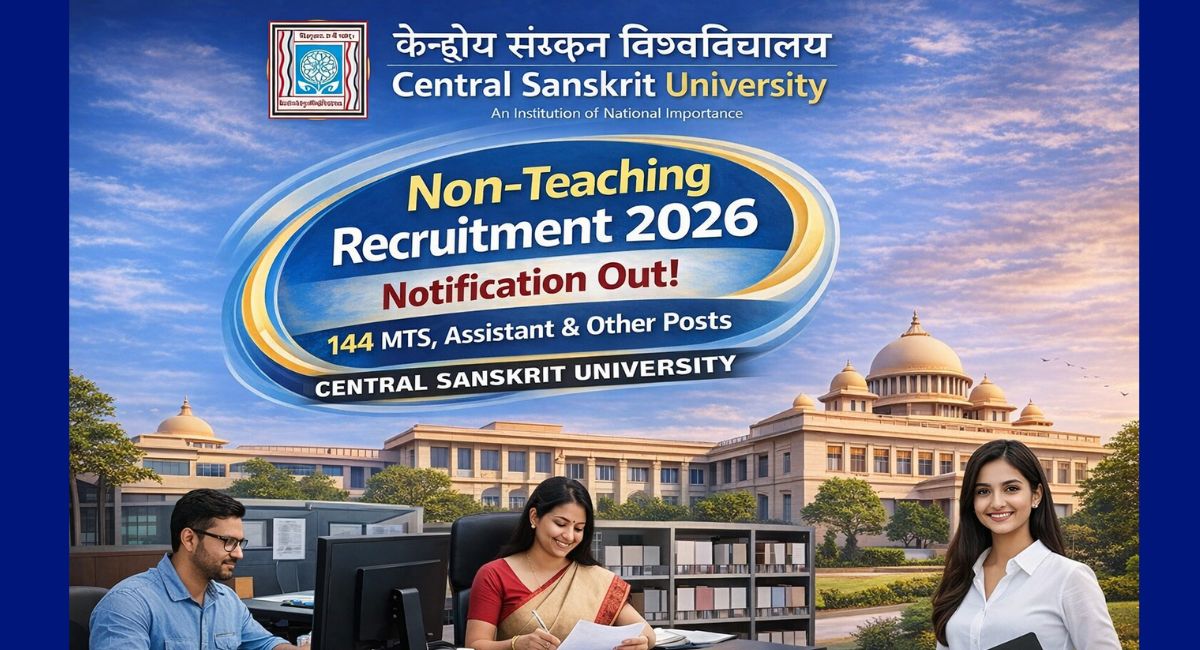
Read more:- The Central Sanskrit University Non-Teaching Notification 2026 OUT for 144 MTS, Assistant & Other Posts
Application Fee
- General / OBC / EWS: ₹100
- ST / Women: Free
- Payment Mode: Online (UPI, Card, Net Banking)
Salary Structure
All posts under the ANF Mazdoor & Other Group C Recruitment 2026 fall under:
- Pay Level: Level-1 (7th CPC)
- Salary Range: ₹18,000 – ₹56,900
- In-hand Salary: ₹22,000 – ₹28,000+ (approx)
Selection Process
The selection process is mainly physical-based:
- Physical Test (3 Levels):
- Running
- Long Jump
- Weight Carrying
- Trade Test (for technical posts)
- Document Verification
- Medical Examination
How to Apply Online?
Follow these steps to apply for ANF Mazdoor & Other Group C Notification 2026:
- Visit the official website:
erecruitment.andamannicobar.gov.in - Register with basic details
- Fill the application form carefully
- Upload photo & signature
- Pay fee (if applicable)
- Submit and download confirmation
Why You Should Apply?
- Government job opportunity
- No higher qualification required (10th pass eligible)
- Good salary + allowances
- Simple selection process (physical-based)
- Job security in Andaman & Nicobar Administration
The ANF Mazdoor & Other Group C Recruitment 2026 is a golden opportunity for candidates looking for a secure government job with minimal qualification requirements. With a total of 348 posts, this recruitment drive is expected to attract a large number of applicants.
If you meet the eligibility criteria, don’t miss this chance—apply before the deadline and start preparing for the physical test.
FAQs
What is the total vacancy in ANF Mazdoor Recruitment 2026?
Total 348 vacancies, including 296 Mazdoor posts.
What is the last date to apply?
29th April 2026
Who can apply?
Minimum 10th pass candidates
What is the selection process?
Physical Test + Trade Test + Document Verification + Medical