
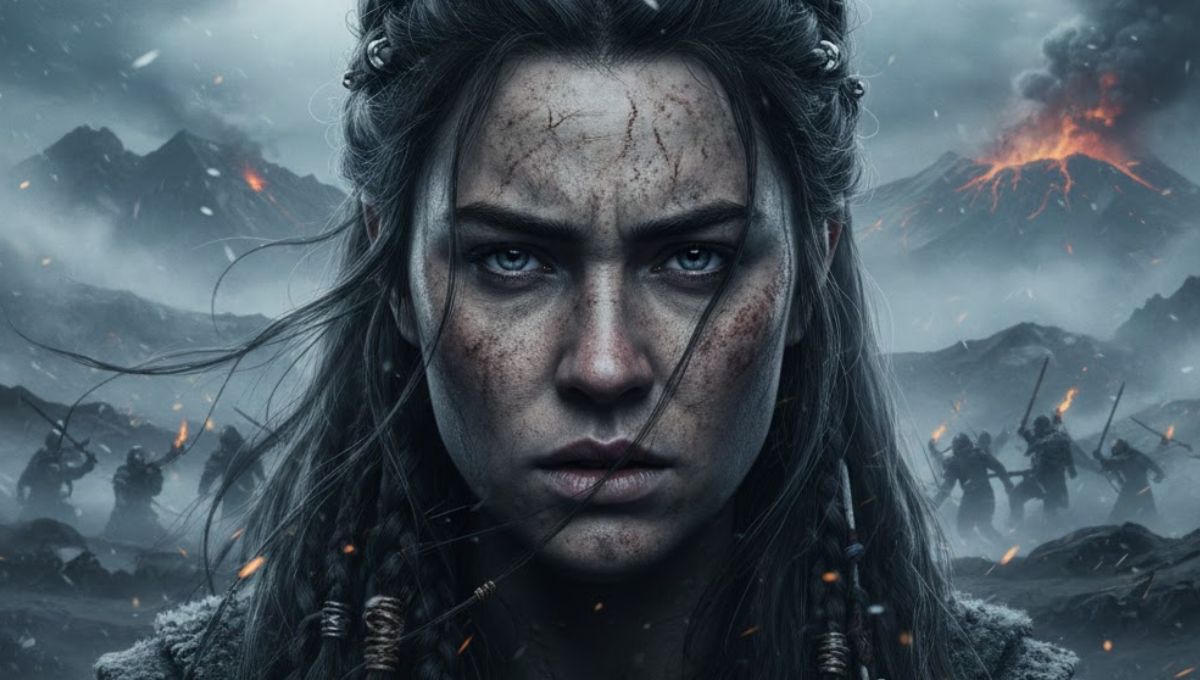
Senua’s Saga Hellblade II is not just a sequel; it is a bold artistic statement that challenges how stories are told in video games. Developed by Ninja Theory, this cinematic action-adventure title builds upon the emotional foundation of its predecessor while expanding the scale, intensity, and ambition of Senua’s journey. From haunting visuals to deeply personal storytelling, Senua’s Saga Hellblade II delivers an experience that stays with players long after the game ends.
This game is designed for players who value atmosphere, emotional depth, and meaningful storytelling over fast-paced action alone. It is immersive, unsettling, and intentionally intense, making it one of the most talked-about narrative games of recent times.
What Is Senua’s Saga Hellblade II?
Senua’s Saga Hellblade II is a story-driven action-adventure game that follows the warrior Senua as she ventures into a brutal Norse world filled with danger, mythology, and psychological torment. The game continues directly from the events of Hellblade: Senua’s Sacrifice, pushing Senua into a larger conflict where survival, identity, and belief are constantly tested.
Unlike traditional action games, Senua’s Saga Hellblade II focuses heavily on immersion. The camera stays close to Senua, sound design reacts to her mental state, and the world feels alive with emotion and threat. Every step forward feels earned, and every challenge carries narrative weight.
The Story: A Battle Against Darkness and Fear

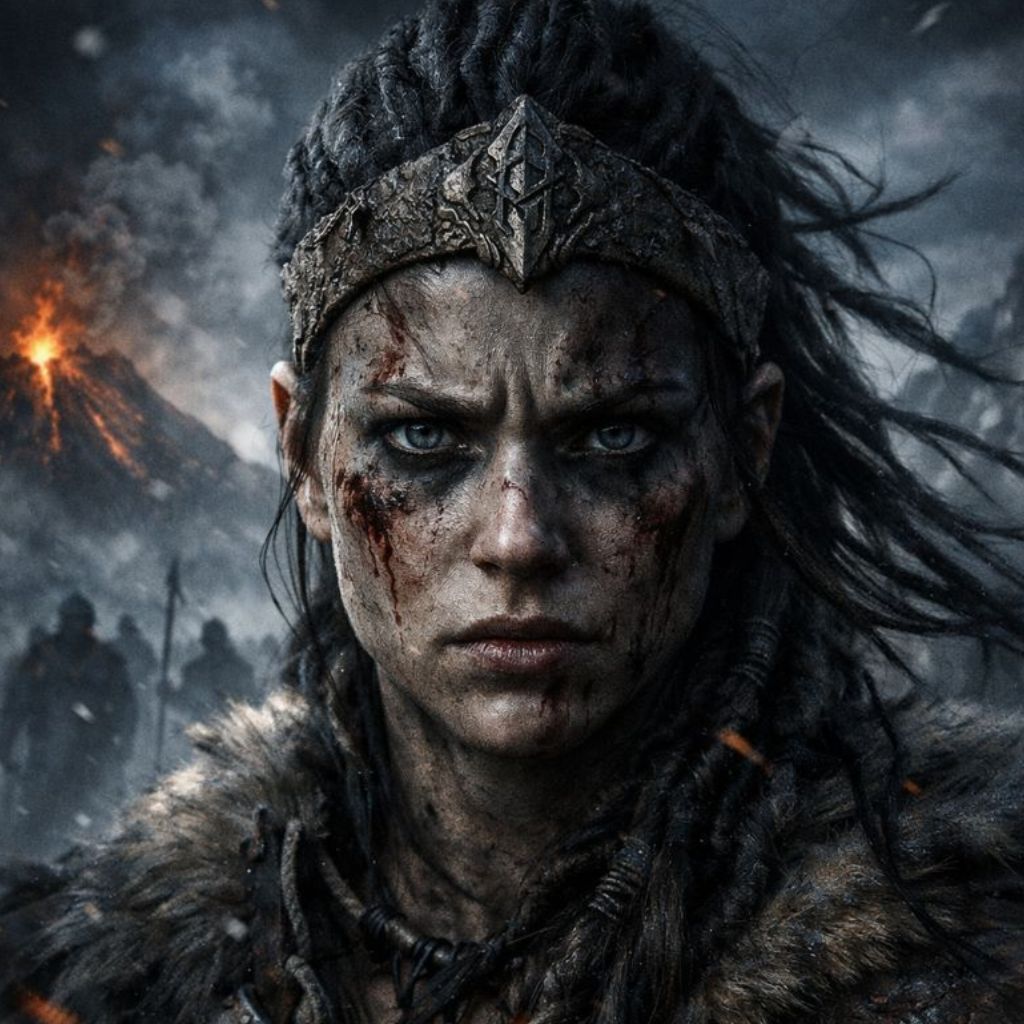
At the heart of Senua’s Saga Hellblade II lies a deeply personal story. Senua is no longer fighting just for herself; she is confronting cruelty, oppression, and violence in a land torn apart by fear and power. Her journey takes her through harsh landscapes where myth and reality blur together, creating an unsettling sense of uncertainty.
The narrative explores themes of trauma, resilience, and the cost of survival. Senua’s inner struggles are not presented as weaknesses but as part of her identity. The voices she hears, the visions she experiences, and the fears she faces are woven seamlessly into the story, making players feel as though they are walking beside her rather than simply controlling her.
This approach allows Senua’s Saga Hellblade II to tell a story that feels intimate and raw, avoiding traditional exposition in favour of environmental storytelling and emotional moments.
Gameplay Mechanics: Simple, Focused, and Impactful
Combat That Feels Brutal and Real
Combat in Senua’s Saga Hellblade II is intense and grounded. Every sword strike feels heavy, every enemy encounter feels dangerous, and there is no sense of overpowered fantasy combat. Instead, fights are designed to feel desperate and personal.
Enemies attack aggressively, forcing players to stay alert and react quickly. The combat system focuses on timing, positioning, and awareness rather than flashy combos. This design choice keeps the tension high and reinforces the feeling that survival is never guaranteed.
Exploration with Purpose
Exploration in Senua’s Saga: Hellblade II is carefully crafted. Rather than open-world freedom, the game uses focused paths that guide players through visually stunning environments. Each location feels meaningful, with visual cues and environmental details telling parts of the story without words.
The landscapes are harsh and beautiful, ranging from rocky coastlines to dark forests and ancient ruins. These environments reflect Senua’s mental and emotional state, making exploration feel like an extension of the narrative.
Puzzle Design: Thoughtful and Symbolic
Puzzles return in Senua’s Saga Hellblade II, but they are more refined and better integrated into the world. Instead of feeling like obstacles, puzzles feel like natural extensions of the environment and story.
Many puzzles involve perspective, symbols, and environmental interaction. They encourage players to observe and think differently rather than rely on logic alone. This design reinforces the game’s psychological themes and keeps players fully engaged.
Visual Presentation: A Cinematic Masterpiece
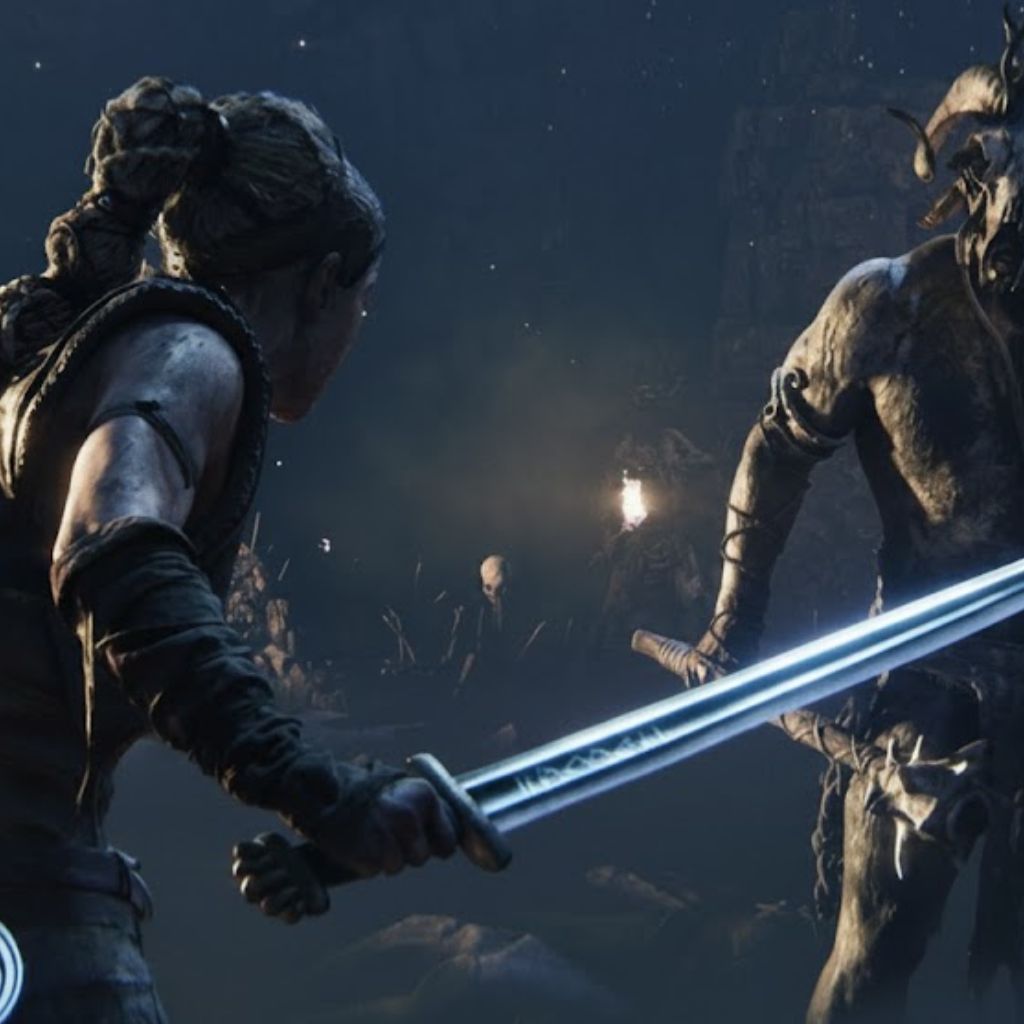
One of the most striking aspects of Senua’s Saga Hellblade II is its visual quality. Built using modern game technology, the game achieves a level of realism that feels almost cinematic. Facial animations are incredibly detailed, allowing emotions to be conveyed through subtle expressions rather than dialogue.
Lighting, textures, and environmental effects work together to create a world that feels tangible and alive. Whether it’s the flicker of firelight on Senua’s face or the vast emptiness of a storm-ridden landscape, every visual element serves the story.
Sound Design: The Soul of the Experience
Sound plays a crucial role in Senua’s Saga: Hellblade II. The audio design places players directly inside Senua’s mind, using layered voices, environmental sounds, and music to reflect her inner turmoil.
The voices are not a constant noise; they react to gameplay, becoming louder during combat or quieter during moments of reflection. This dynamic sound design enhances immersion and makes every moment feel personal.
Music is used sparingly but effectively, heightening emotional moments without overpowering them. Silence is also used as a tool, creating tension and anticipation.
Read more:- Clair Obscur: Expedition 33 Gameplay Breakdown: Combat, Characters, and World Design
Performance and Platform Experience
Senua’s Saga Hellblade II is designed to deliver a smooth and visually consistent experience across supported platforms. Performance modes allow players to choose between higher frame rates or enhanced visual fidelity, depending on preference.
Controls are responsive, animations are fluid, and loading times are minimal, ensuring that immersion is never broken. The game feels polished and carefully optimised to support its cinematic ambitions.
Critical Reception and Player Response
The response to Senua’s Saga Hellblade II has been largely positive. Players and critics alike have praised its storytelling, visual quality, and emotional impact. Many consider it a bold example of how video games can explore serious themes without compromising artistic integrity.
Some players note that the game prioritises narrative over gameplay variety, which may not appeal to everyone. However, those who appreciate story-driven experiences often find this focus to be the game’s greatest strength.
Who Should Play Senua’s Saga Hellblade II?
This game is ideal for players who:
- Enjoy deep, emotional storytelling
- Appreciate cinematic presentation
- Prefer immersive experiences over fast-paced action
- Are interested in psychological and mythological themes
If you are looking for a traditional action game, Senua’s Saga Hellblade II may feel slow. But if you want a meaningful, thought-provoking experience, it delivers something truly special.
Senua’s Saga Hellblade II is a powerful example of how video games can be art. It does not try to please everyone, and that is its greatest strength. By committing fully to its vision, the game delivers a deeply emotional, immersive, and unforgettable experience.
With its haunting story, intense atmosphere, and stunning presentation, Senua’s Saga Hellblade II stands as a milestone in narrative gaming. It proves that games can be more than entertainment — they can be meaningful journeys that challenge how we think, feel, and experience stories.

Credit – PlayStation
FAQs
Is Senua’s Saga Hellblade II a direct sequel?
Yes, the game continues the story of Senua after the events of Hellblade: Senua’s Sacrifice.
Do I need to play the first game before this?
While it is possible to play the sequel alone, playing the first game helps you better understand Senua’s journey and emotional depth.
How long is Senua’s Saga Hellblade II?
The main story typically takes between 6 to 10 hours, depending on playstyle.
Is the game focused more on story or combat?
The game focuses more on story and immersion, with combat serving the narrative rather than dominating it.
Does the game explore mental health themes?
Yes, psychological themes are central to the experience and are handled with care and respect.