Tag Archives: Bikes

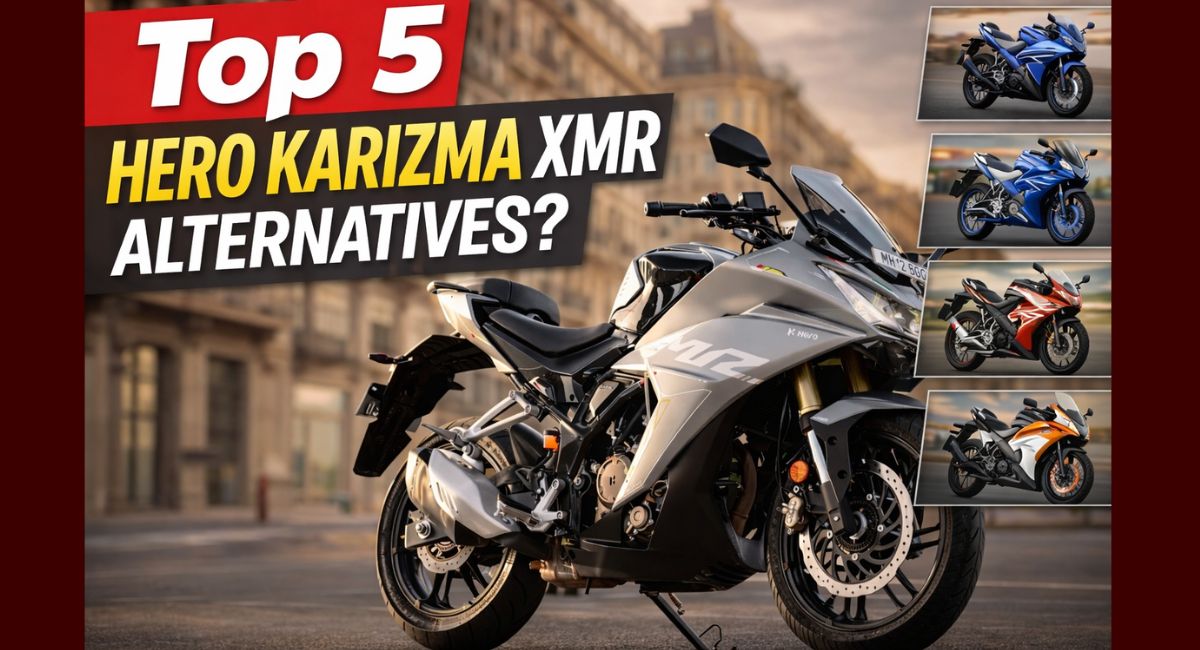
The 5 Powerful Hero Karizma XMR Alternatives That Might Be Better for Entry-Level Sports Bike Buyers

The reintroduction of the Hero Karizma XMR reignited excitement in India’s entry-level sports bike segment. With sharp styling, a fully faired design, and modern features, it appeals to young riders upgrading from commuters and college students chasing their first “big” motorcycle.

But the market in 2026 is more competitive than ever.

If you’re researching Hero Karizma XMR alternatives, you’re likely looking for something that offers:

  • Stronger performance
  • Better brand legacy
  • More aggressive styling
  • Superior handling
  • Or simply better value for money

As someone who has closely tracked India’s entry-level performance segment for over a decade, I can confidently say that buyers today have some excellent options.

Let’s explore the top 5 Hero Karizma XMR alternatives that deserve serious consideration.

Yamaha R15 V4 – Precision Meets Performance

The Yamaha R15 has long been the benchmark in the sub-200cc sportbike category. Now in its fourth generation, it remains one of the strongest Hero Karizma XMR alternatives available.

Key Specifications

  • Engine: 155cc, liquid-cooled, single-cylinder
  • Power: 18.4 PS
  • Torque: 14.2 Nm
  • Gearbox: 6-speed with assist and slipper clutch
  • Features: Traction control, quick shifter (select variants), dual-channel ABS
  • Kerb Weight: Approx. 141 kg

Why It’s a Strong Alternative?

The R15 V4 offers track-focused DNA inspired by the Yamaha R1. Its VVA (Variable Valve Actuation) system ensures punchy top-end performance while maintaining decent city usability.

Compared to the Karizma XMR, the R15:

  • Feels sharper in handling
  • Offers more advanced electronics
  • Has a stronger racing pedigree

Who Should Buy It?

Riders who value cornering precision, track days, and a race-inspired riding position will prefer the R15. It’s less comfortable for long touring, but if performance excites you, this is one of the best Hero Karizma XMR alternatives.

KTM RC 200 – Aggressive and Track-Ready

KTM’s RC series has always catered to enthusiasts who want aggressive performance. The latest RC 200 continues that legacy.

Key Specifications

  • Engine: 199.5cc, liquid-cooled, single-cylinder
  • Power: 25 PS
  • Torque: 19.2 Nm
  • Gearbox: 6-speed
  • Suspension: WP Apex front and rear
  • Brakes: Dual-channel ABS

Why It Stands Out?

If outright performance matters most, the RC 200 comfortably outperforms the Karizma XMR in raw numbers.

It delivers:

  • Higher power output
  • Strong mid-range torque
  • Superior track dynamics

However, it comes at a higher price and offers a committed riding posture.

Ideal Buyer Profile

This bike is ideal for riders upgrading from a 150–160cc machine who want a noticeable performance jump. Among Hero Karizma XMR alternatives, the RC 200 is the most aggressive choice.

Suzuki Gixxer SF 250 – Balanced and Refined

For riders who want refinement without compromising on power, the Suzuki Gixxer SF 250 is a serious contender.

Key Specifications

  • Engine: 249cc, oil-cooled, single-cylinder
  • Power: 26.5 PS
  • Torque: 22.2 Nm
  • Gearbox: 6-speed
  • ABS: Dual-channel
  • Kerb Weight: Approx. 161 kg

What Makes It Special?

The Gixxer SF 250 is known for its smooth engine and usable powerband. It feels more mature compared to many entry-level sports bikes.

Compared to the Karizma XMR, it offers:

  • Higher displacement
  • Stronger torque
  • More comfortable ergonomics

Who Should Consider It?

Riders planning weekend highway trips and longer commutes will appreciate its relaxed yet capable nature. It is one of the most practical Hero Karizma XMR alternatives for touring-oriented buyers.

TVS Apache RTR 200 4V – Feature-Rich and Value-Focused

While not fully faired, the TVS Apache RTR 200 4V remains a compelling alternative for budget-conscious enthusiasts.

Key Specifications

  • Engine: 197.75cc, oil-cooled
  • Power: 20.8 PS
  • Torque: 17.25 Nm
  • Riding Modes: Urban, Sport, Rain
  • Suspension: Adjustable front forks (select variants)
  • Dual-channel ABS

Why It Competes Well?

The Apache brings advanced features like riding modes and adjustable suspension at a competitive price.

Compared to the Karizma XMR:

  • It’s more upright and comfortable
  • Offers better city usability
  • Provides strong value

Best For

Buyers who want performance and features without committing to full-fairing sport ergonomics will find this a practical alternative.

Bajaj Pulsar RS200 – The Long-Standing Favorite

The Bajaj Pulsar RS200 has been around for years, but it continues to attract entry-level sportbike buyers.

Key Specifications

  • Engine: 199.5cc, liquid-cooled
  • Power: 24.5 PS
  • Torque: 18.7 Nm
  • Gearbox: 6-speed
  • ABS: Dual-channel

Why It Remains Relevant?

The RS200 offers:

  • Strong performance for its price
  • A fully faired sportbike look
  • Proven reliability

Among Hero Karizma XMR alternatives, the RS200 often becomes the default choice for riders wanting a powerful, affordable sportbike.

How to Choose the Right Alternative?

When evaluating Hero Karizma XMR alternatives, focus on these factors:

1. Riding Purpose

City commuting? Weekend touring? Track performance?

2. Ergonomics

Fully committed sport posture vs. semi-sport comfort.

3. Budget

Initial cost plus maintenance and insurance.

4. Brand Service Network

Accessibility of service centers matters in long-term ownership.

5. Resale Value

Yamaha and KTM typically hold stronger resale appeal.

Which One Should You Pick?

There’s no universal winner.

  • Choose Yamaha R15 V4 for precision and tech.
  • Pick KTM RC 200 for maximum performance.
  • Go for Suzuki Gixxer SF 250 for refinement and touring comfort.
  • Select TVS Apache RTR 200 4V for value and features.
  • Opt for Bajaj Pulsar RS200 for balanced power and pricing.

If you want a modern faired motorcycle with touring potential, the Karizma XMR remains strong. But these alternatives offer compelling reasons to explore beyond brand loyalty.

FAQs

Is Yamaha R15 better than Karizma XMR?

The R15 offers more advanced electronics and sharper handling, but the Karizma XMR is more comfortable for longer rides.

Which bike is best under 2 lakh for beginners?

Yamaha R15 V4 and TVS Apache RTR 200 4V are excellent beginner-friendly options with manageable power delivery.

Is RC 200 suitable for daily commuting?

It can be used daily, but its aggressive riding posture may feel tiring in heavy traffic.

Which bike has better mileage than Karizma XMR?

The Yamaha R15 typically delivers slightly better fuel efficiency due to its smaller engine and VVA system.
After Two Tough Years, Shimano Reports Growth in Bike Component Sales for First Time: Is the Cycling Industry Finally Turning the Corner?

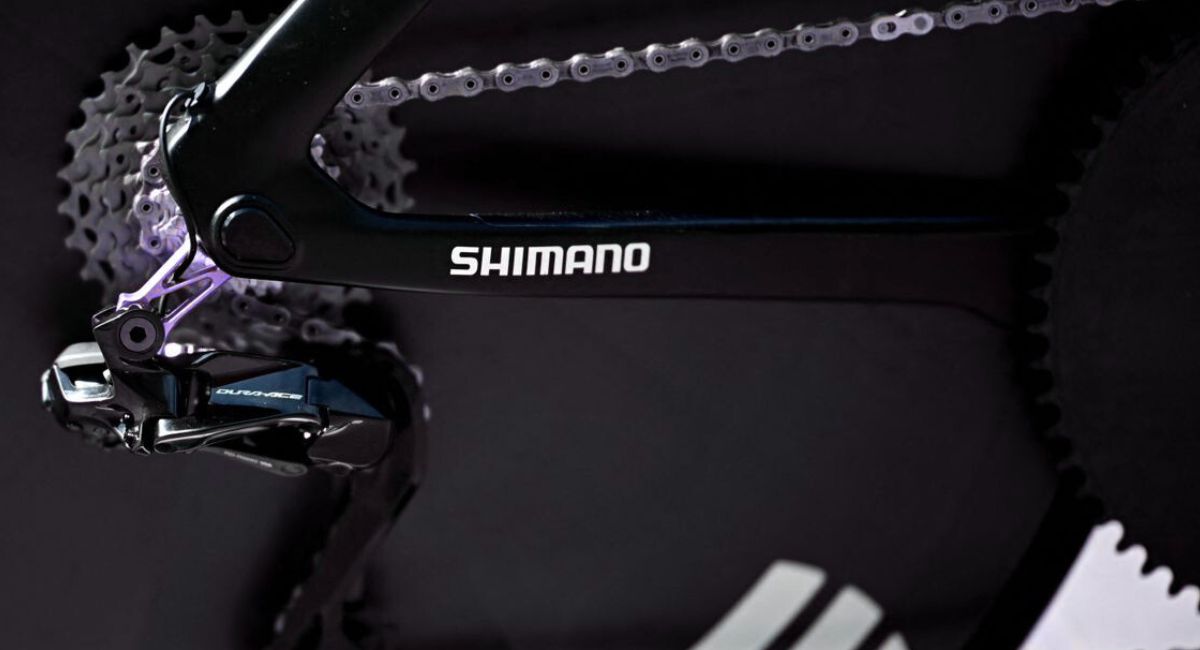
For the first time since 2022, Shimano reports growth in bike component sales for first time, marking a significant milestone in the post-pandemic cycling market. After a period defined by supply chain disruptions, inventory gluts, and declining consumer demand, this growth signals something more than improved quarterly numbers—it suggests a possible stabilization of the global bicycle industry.

As one of the world’s most influential cycling component manufacturers, Shimano plays a central role in shaping the health of the entire market. When Shimano grows, it often reflects broader recovery across bike manufacturers, retailers, and cycling enthusiasts worldwide.

This article takes a deep dive into:

  • What this sales growth really means
  • Why the slowdown happened after 2022
  • Which component categories are driving recovery
  • Detailed specifications of Shimano’s key product lines
  • What riders and bike brands can expect next

The Post-2022 Slowdown: What Went Wrong?

To understand why Shimano’s latest growth is noteworthy, we need to revisit the past few years.

The Pandemic Boom

During 2020–2021, cycling saw unprecedented demand:

  • Lockdowns drove outdoor recreation
  • Public transport avoidance increased bike purchases
  • Governments promoted cycling infrastructure

Manufacturers struggled to meet demand. Orders surged across entry-level, mid-range, and high-end segments.

The Correction Phase

By 2022, the situation reversed:

  • Excess inventory flooded warehouses
  • Consumer demand cooled
  • Inflation impacted discretionary spending
  • Retailers began discounting heavily

Component orders slowed dramatically. Even a giant like Shimano felt the impact.

That is why the headline “Shimano reports growth in bike component sales for first time” carries weight—it signals that the correction cycle may be stabilizing.

Why Shimano’s Performance Matters Globally?

Shimano is not just another supplier. It dominates key segments of the bicycle component market, particularly in:

  • Drivetrains
  • Derailleurs
  • Cranksets
  • Braking systems
  • Wheel hubs
  • Pedals

From entry-level city bikes to professional road racing machines, Shimano components are everywhere.

A rebound in its sales suggests:

  1. Manufacturers are placing new orders.
  2. Inventory levels are normalizing.
  3. Consumer purchasing confidence may be improving.

Key Product Lines Driving Sales Recovery

Let’s examine the component categories likely contributing to this growth.

Road Bike Groupsets

Shimano’s road offerings span multiple performance tiers:

Shimano Claris (R2000 Series)

  • 8-speed drivetrain
  • Dual-pivot rim brakes
  • Entry-level performance
  • Ideal for beginners

Shimano Sora (R3000 Series)

  • 9-speed system
  • Improved ergonomics
  • Mid-range entry road bikes

Shimano 105 (R7100 Di2 & Mechanical)

  • 12-speed drivetrain
  • Electronic Di2 shifting (in higher variants)
  • Hydraulic disc brakes
  • Widely considered the performance sweet spot

Shimano Ultegra (R8100 Di2)

  • 12-speed
  • Fully electronic Di2
  • Hollowtech II crankset
  • Lightweight construction

Shimano Dura-Ace (R9200 Di2)

  • 12-speed
  • Professional-level performance
  • Carbon composite components
  • Used in elite racing

The 12-speed expansion into mid-tier groupsets like 105 has been particularly influential. It brings premium performance to more accessible price points.

Read more:- BSB: Peter Hickman Takes Control of the British Mini Bike Championship — A Bold Move That Could Reshape UK Grassroots Racing

Mountain Bike Components

Mountain biking remains resilient globally, and Shimano’s MTB lineup is diverse.

Shimano Deore (M6100 Series)

  • 12-speed drivetrain
  • Hyperglide+ technology
  • Wide-range cassette (10-51T)

Shimano SLX (M7100 Series)

  • 12-speed
  • Improved durability
  • Alloy crank arms

Shimano XT (M8100 Series)

  • High-performance trail and enduro
  • Rapid engagement hubs
  • Adjustable brake levers

Shimano XTR (M9100 Series)

  • Elite-level race groupset
  • Lightweight carbon components
  • 12-speed performance

The mountain segment often recovers faster than road due to its strong enthusiast base. Sales growth here may be contributing to Shimano’s improved figures.

Gravel and Adventure Components

Gravel cycling continues to gain momentum worldwide.

Shimano GRX (RX400, RX600, RX810, RX820)

  • 10-speed and 11-speed options
  • 1x and 2x drivetrains
  • Clutch rear derailleurs
  • Hydraulic disc brakes

GRX has become a benchmark for gravel performance. Its versatility makes it attractive for bike brands targeting adventure riders.

E-Bike Systems

Electric bicycles represent one of the fastest-growing segments globally.

Shimano STEPS Systems:

  • Mid-drive motors
  • Integrated battery units
  • Digital displays
  • Automatic shifting (Di2 compatible)

E-bike component demand has remained relatively strong, even during broader market slowdowns. This segment likely plays a significant role in the recovery.

Inventory Stabilization: A Crucial Factor

One major reason for the slowdown after 2022 was inventory imbalance.

Retailers were left with:

  • Overstocked warehouses
  • Unsold premium bikes
  • Discounted clearance stock

Manufacturers reduced component orders as they worked through surplus inventory.

Now, as those stock levels normalize, new production cycles are beginning. This translates into renewed component orders for suppliers like Shimano.

The Broader Economic Context

Sales growth doesn’t happen in isolation. Several macroeconomic factors are influencing recovery:

  • Stabilizing inflation in key markets
  • Improved consumer confidence
  • Renewed interest in outdoor recreation
  • Government investments in cycling infrastructure

These factors collectively contribute to renewed industry momentum.

What This Means for Cyclists?

For everyday riders, Shimano’s recovery can translate into tangible benefits.

Improved Product Availability

During the pandemic, wait times for components stretched into months. A stabilized supply chain means:

  • Faster delivery
  • Better stock levels
  • More consistent pricing

Potential Innovation Acceleration

Revenue growth supports research and development. Shimano is known for incremental yet impactful innovations, such as:

  • Hyperglide+ shifting
  • Di2 wireless connectivity
  • Ice-Tech braking systems

Renewed financial health may accelerate future upgrades.

Shimano’s Technology Edge

Shimano’s competitive strength lies in precision engineering.

Hyperglide+

  • Enables smooth shifting under load
  • Designed for 12-speed MTB systems

Di2 Electronic Shifting

  • Wireless cockpit integration
  • Precise gear changes
  • Reduced cable maintenance

Hollowtech II Cranksets

  • Hollow-forged aluminum
  • Improved stiffness-to-weight ratio

These technologies reinforce Shimano’s dominance in mid-to-high-end markets.

Competition and Market Dynamics

While Shimano remains a market leader, competitors such as SRAM and Campagnolo continue innovating aggressively.

However, Shimano’s strengths include:

  • Extensive OEM partnerships
  • Global distribution network
  • Broad pricing spectrum
  • Reliability reputation

The fact that Shimano reports growth in bike component sales for first time since 2022 suggests it is maintaining leadership despite competition.

Retailer Perspective: A Sign of Relief

Bike retailers have endured a challenging period marked by:

  • Heavy discounting
  • Narrow profit margins
  • Overstock storage costs

Growth at the component level suggests improved wholesale confidence. Retailers may finally see healthier restocking cycles.

Long-Term Outlook: Is This Sustainable?

The key question is whether this growth is a short-term rebound or the beginning of a sustained upward trend.

Factors supporting long-term stability:

  • Expanding urban cycling infrastructure
  • Continued e-bike adoption
  • Growing gravel segment
  • Environmental awareness

Risks remain, including global economic volatility and fluctuating consumer spending.

However, early growth signals are encouraging.

A Personal Industry Perspective

From years of observing cycling product cycles, one consistent pattern stands out: the industry moves in waves.

After rapid expansion, correction phases are inevitable. What matters is structural demand. Cycling remains:

  • Affordable transportation
  • Sustainable commuting
  • A global sport
  • A lifestyle activity

The fact that Shimano reports growth in bike component sales for first time after a downturn suggests the structural foundation of cycling remains intact.

The return to growth for Shimano is more than a financial statistic. It represents a broader stabilization within the cycling ecosystem.

For manufacturers, it signals confidence.
For retailers, it suggests relief.
For cyclists, it promises availability and innovation.

While challenges remain, this milestone may mark the beginning of a healthier, more balanced cycling industry.

FAQs

Why did Shimano sales decline after 2022?

Sales declined due to post-pandemic inventory surplus, reduced consumer demand, and global economic uncertainty.

What does Shimano’s growth mean for cyclists?

It likely means better product availability, stabilized pricing, and continued innovation in drivetrains and braking systems.

Are bike prices expected to increase again?

Prices may stabilize rather than rise sharply, as inventory levels normalize and demand improves gradually.

Which Shimano groupset is best for beginners?

Shimano Claris and Sora are excellent entry-level options for new road cyclists.

CFMoto Brings Moto2 Looks to Its Small XO Papio Racer: The Pocket Rocket That Thinks It’s a Grand Prix Machine

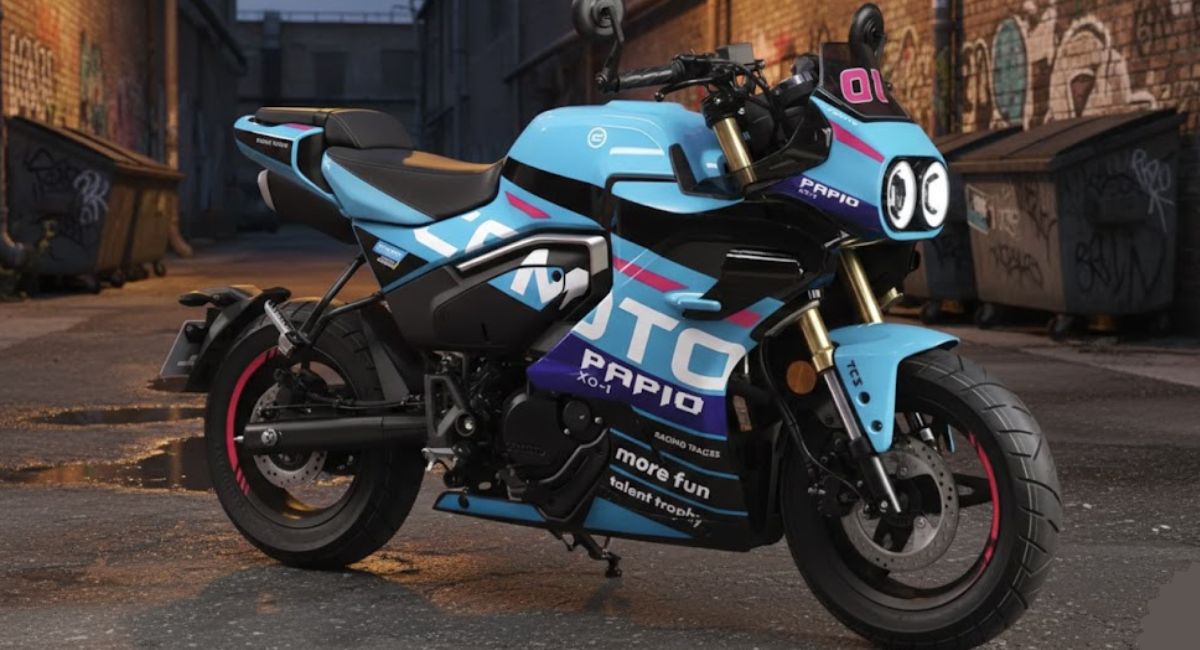
The headline says it all: CFMoto brings Moto2 looks to its small XO Papio Racer, and the result is one of the most visually striking mini motorcycles in recent years. While the bike remains compact and beginner-friendly, its race-inspired livery and styling cues channel the spirit of professional Moto2 competition.

In a market increasingly dominated by large-displacement adventure bikes and high-powered superbikes, the XO Papio Racer stands out for a different reason. It proves that motorcycling fun doesn’t have to come in 1000cc packages. Instead, it delivers racing aesthetics, lightweight agility, and urban practicality in a playful, accessible format.

Manufactured by CFMoto, the XO Papio Racer builds on the brand’s growing global reputation for value-driven, stylish machines. But with this special race-inspired edition, the company takes a creative leap—injecting genuine Moto2 visual DNA into a small-capacity street bike.

Let’s take a closer look at what makes this motorcycle so intriguing.

The Inspiration: Moto2 Influence in a Compact Form

For context, Moto2 is the intermediate class of Grand Prix motorcycle racing, sitting between Moto3 and MotoGP. It is known for close racing, uniform engines, and bold race liveries. CFMoto has been active in international racing circles and has leveraged that connection for design inspiration.

The XO Papio Racer doesn’t mechanically replicate a Moto2 machine, but visually, the cues are unmistakable:

  • Race-style graphics
  • Number board-style panels
  • Aggressive fairing treatment
  • Bold color contrast reminiscent of track machines

The goal isn’t to fool anyone into thinking this is a professional race bike. Instead, it offers everyday riders a taste of Grand Prix styling in a format that is easy to ride, affordable, and approachable.

First Impressions: A Mini Bike with Maximum Personality

The moment you see the XO Papio Racer, it’s clear this isn’t just another entry-level commuter. Its proportions are compact, but the styling is sharp.

The bike retains the distinctive Papio silhouette but elevates it with:

  • Clip-on style handlebars
  • Sporty front cowl
  • Retro-modern round LED headlamp
  • Compact tail section

Unlike full-size supersport machines that can feel intimidating, the Papio Racer looks playful yet purposeful. It appeals to:

  • Urban riders
  • New motorcyclists
  • Collectors of unique machines
  • Experienced riders seeking a fun secondary bike

Detailed Specifications of the XO Papio Racer

While styling is a major talking point, specifications matter. Below are the key technical details that define the bike.

Engine & Performance

  • Engine Type: Single-cylinder, 4-stroke, air-cooled
  • Displacement: 124cc
  • Bore x Stroke: Approx. 57mm x 49.4mm
  • Maximum Power: Around 9–10 hp
  • Maximum Torque: Approximately 9 Nm
  • Fuel System: Electronic Fuel Injection (EFI)
  • Transmission: 6-speed manual
  • Final Drive: Chain

This is not a high-horsepower machine, but that’s part of its charm. The modest output ensures manageable power delivery, making it suitable for beginners while still offering enough engagement for city riding.

Chassis & Suspension

  • Frame: Steel backbone frame
  • Front Suspension: USD (Upside Down) forks
  • Rear Suspension: Single rear mono-shock
  • Front Brake: Single disc with ABS
  • Rear Brake: Single disc
  • ABS: Dual-channel (depending on market)

The inclusion of USD forks at this price point is notable. It enhances front-end stability and adds to the bike’s premium feel.

Dimensions & Ergonomics

  • Seat Height: Approximately 760 mm
  • Wheelbase: Around 1214 mm
  • Ground Clearance: About 145 mm
  • Fuel Tank Capacity: Roughly 7 liters
  • Kerb Weight: Approximately 114 kg

The low seat height and lightweight construction make it extremely accessible. Riders of various heights will find it unintimidating and easy to maneuver.

Wheels & Tires

  • Front Wheel: 12-inch alloy
  • Rear Wheel: 12-inch alloy
  • Front Tire: 120-section
  • Rear Tire: 130-section

The 12-inch wheels contribute to the bike’s playful handling characteristics. While not ideal for highway touring, they excel in tight city environments.

Design Deep Dive: Where Racing Meets Retro

The phrase “CFMoto brings Moto2 looks to its small XO Papio Racer” isn’t marketing exaggeration. The design team clearly focused on creating visual drama.

Racing Livery

The graphics borrow heavily from track aesthetics:

  • Bold sponsor-style branding
  • Contrasting panels
  • Large race-number-style graphics
  • High-impact color schemes

These elements transform the bike from a casual commuter into something that feels track-ready—even if it’s primarily built for city streets.

Retro Round Headlamp

Interestingly, CFMoto retained the Papio’s round LED headlamp. This gives the bike a neo-retro twist, blending:

  • Modern racing inspiration
  • Classic motorcycle styling

The result is distinctive. It avoids becoming a miniature supersport clone and instead establishes its own personality.

Riding Experience: Small Displacement, Big Smiles

As someone who has spent time on small-displacement motorcycles, I can confidently say that bikes like this often deliver more fun per horsepower than larger machines.

City Riding

In urban environments, the XO Papio Racer shines:

  • Light clutch action
  • Easy throttle control
  • Quick directional changes
  • Effortless parking

Its compact size allows riders to navigate traffic with ease.

Read more:- Electric But Not Oil-Free: Why Tesla’s EVs Need Oil Filters After All?

Acceleration & Top Speed

With around 9–10 horsepower, acceleration is modest but lively at lower speeds. Expect:

  • Comfortable cruising at 60–80 km/h
  • Top speed around 90–100 km/h (depending on conditions)

This makes it suitable for city use and short suburban rides, but not for sustained highway travel.

Who Is the XO Papio Racer For?

The appeal of this motorcycle goes beyond beginner riders.

Ideal Buyers

  1. New Riders – Low seat height and forgiving power delivery make it an excellent starter bike.
  2. Urban Commuters – Fuel-efficient and easy to maneuver.
  3. Collectors – Unique styling sets it apart from standard mini bikes.
  4. Experienced Riders – A fun, lightweight secondary machine for short rides.

Build Quality and Brand Confidence

Over the last decade, CFMoto has significantly improved its reputation. The company has expanded globally and strengthened its engineering capabilities.

Fit and finish on recent models show:

  • Improved paint quality
  • Solid welds
  • Reliable EFI tuning
  • Enhanced braking systems

The XO Papio Racer benefits from this upward trajectory.

Safety Features

Although compact, the bike includes important safety components:

  • Dual disc brakes
  • ABS (market dependent)
  • Bright LED lighting
  • Stable chassis geometry

For a small 125cc motorcycle, that’s a respectable safety package.

Fuel Efficiency

Small single-cylinder engines are typically fuel-efficient. Riders can expect:

  • Approx. 40–50 km per liter (depending on riding style)

With a 7-liter tank, the bike offers practical range for daily commuting.

Market Position: Where Does It Stand?

The mini-bike segment includes models like:

  • Honda Monkey
  • Kawasaki Z125
  • Benelli TNT 135

The XO Papio Racer competes by offering:

  • More aggressive racing aesthetics
  • USD forks
  • Distinct Moto2-inspired livery

It stands out visually in a crowded category.

Ownership Considerations

Before purchasing, potential buyers should consider:

  • Limited highway capability
  • Small fuel tank
  • Compact riding posture

However, for urban use and short rides, these are minor compromises.

The Emotional Factor: Why Styling Matters?

Motorcycles are rarely purely rational purchases. Emotion plays a significant role.

By bringing Moto2 looks to its small XO Papio Racer, CFMoto taps into:

  • Racing nostalgia
  • Grand Prix dreams
  • Youthful excitement

Even if you’re not chasing lap times, the styling makes every ride feel special.

Long-Term Value

Small-displacement motorcycles often retain value well due to:

  • Low running costs
  • Broad appeal
  • Ease of maintenance

If maintained properly, the XO Papio Racer could remain desirable in the used market.

CFMoto brings Moto2 looks to its small XO Papio Racer in a way that feels authentic rather than forced. The bike doesn’t pretend to be a superbike. Instead, it embraces its identity as a compact, stylish, and approachable machine.

For riders who value character over raw power, this mini sportbike delivers personality in abundance.

It proves an important truth: fun isn’t measured in cubic centimeters.

FAQs

Is the CFMoto XO Papio Racer good for beginners?

Yes. Its 124cc engine, low seat height, and manageable weight make it suitable for new riders.

What is the top speed of the XO Papio Racer?

The top speed is typically around 90–100 km/h, depending on rider weight and road conditions.

Does the XO Papio Racer have ABS?

Many versions include ABS, but availability can vary by market.

Is it suitable for highway riding?

It can handle short highway stretches, but it is primarily designed for city and urban use.

BSB: Peter Hickman Takes Control of the British Mini Bike Championship — A Bold Move That Could Reshape UK Grassroots Racing

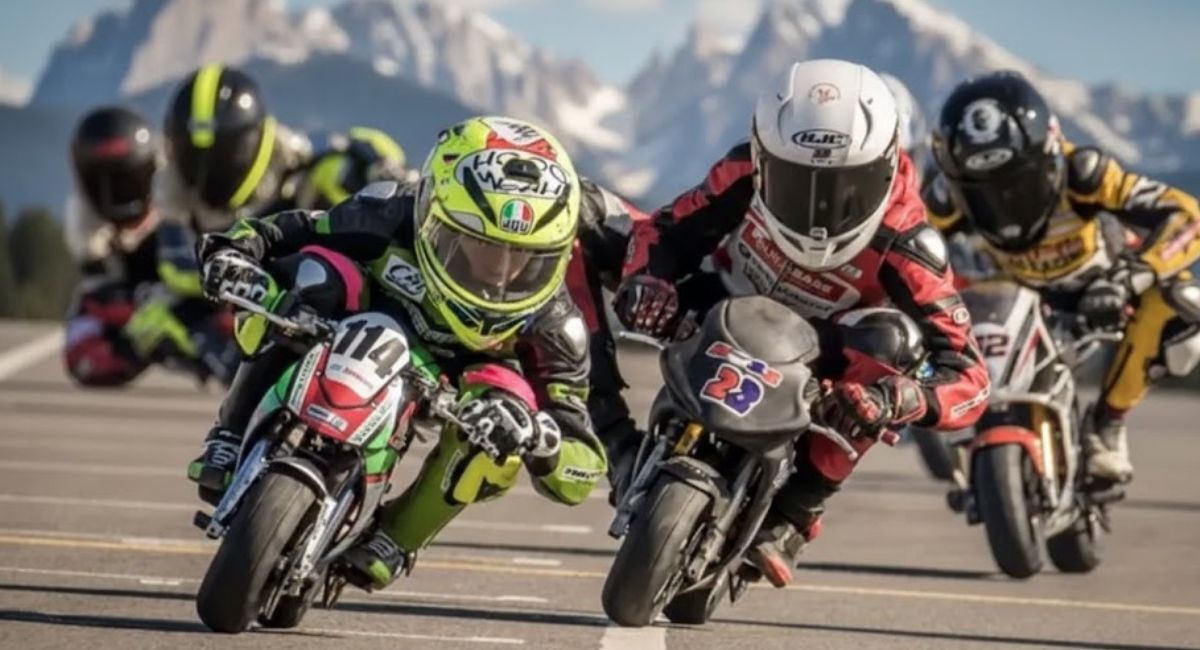
The landscape of British motorcycle racing is evolving once again. In a move that has drawn widespread attention across the paddock, Peter Hickman — one of the UK’s most recognizable road racing figures — has taken over ownership of the British Mini Bike Championship.

At first glance, this might appear to be a business acquisition within a niche racing category. But look closer, and the implications are far more significant. The British Mini Bike Championship has long served as the grassroots foundation of the UK’s two-wheeled talent pipeline. Many professional riders, including British Superbike and international competitors, began their journey on mini bikes.

With Hickman now steering the championship’s direction, the question becomes clear: Is this simply a continuation of tradition — or the beginning of a transformation in British youth racing?

Let’s break down what this ownership change means, the technical structure of the championship, and how it could influence the future of British motorcycle sport.

What Is the British Mini Bike Championship?

The British Mini Bike Championship is the UK’s premier national competition for mini bike racing, primarily catering to young riders and entry-level competitors.

It functions as:

  • A development platform for youth riders
  • A structured national competition
  • A stepping stone to larger championships
  • A controlled technical environment focused on skill-building

Mini bike racing emphasizes rider ability over outright power. Smaller machines demand precision, racecraft, and technical discipline — foundational traits for higher-level competition.

Peter Hickman’s Role and Vision

Peter Hickman’s name carries weight in British racing circles. Known for his achievements in road racing and British Superbikes, Hickman brings not only experience but also credibility to grassroots competition.

Ownership implies more than financial oversight. It includes:

  • Strategic direction
  • Regulatory influence
  • Event organization
  • Sponsorship alignment
  • Youth development focus

Hickman’s involvement signals a deeper commitment to strengthening the UK’s rider development structure.

Why Ownership Matters in Grassroots Motorsport?

Grassroots championships often struggle with:

  • Funding challenges
  • Infrastructure limitations
  • Sponsorship acquisition
  • Safety upgrades
  • Talent retention

A high-profile owner with professional racing experience can:

  • Attract commercial backing
  • Improve operational standards
  • Modernize championship branding
  • Strengthen talent pathways

This move potentially stabilizes and elevates the British Mini Bike Championship.

Technical Structure of the Championship

The British Mini Bike Championship features various classes tailored to age groups and skill levels.

Typical Technical Specifications

Mini Moto Classes

  • Engine size: 40cc–50cc
  • Two-stroke or four-stroke configurations
  • Lightweight chassis
  • Restricted tuning regulations

Mini GP Classes

  • Engine capacity: 110cc–160cc
  • Four-stroke engines
  • Standardized frame dimensions
  • Control tyre regulations

Junior Development Classes

  • Age-specific categories
  • Engine restrictions for parity
  • Safety equipment mandates

The technical regulations emphasize equality to ensure that racing success depends on skill rather than financial advantage.

Read more:- Electric Car Sales Could Hit the Brakes: What Happens If Tax Policy Suddenly Changes Direction?

Safety Standards and Equipment Specifications

Youth racing demands stringent safety protocols.

Standard safety requirements include:

  • Full-face helmet meeting racing homologation standards
  • CE-approved racing leathers
  • Back protector
  • Gloves and boots with ankle protection
  • Cut-off switches on bikes

Track safety measures often include:

  • Run-off areas
  • Tire barriers
  • Trained medical staff
  • Technical scrutineering before races

Ownership oversight can strengthen compliance and raise safety benchmarks.

Event Format and Race Structure

The championship typically operates through multiple rounds across the UK.

Event Weekend Format

  • Practice sessions
  • Timed qualifying
  • Multiple race heats
  • Championship point allocation

Points systems reward consistency across rounds, not just outright wins.

Such structure prepares young riders for professional-level race weekends.

Pathway to British Superbikes and Beyond

The British Mini Bike Championship has historically served as a launchpad for riders advancing to:

  • British Superstock categories
  • British Supersport
  • British Superbike Championship
  • International junior championships

Early exposure to competitive environments shapes professional discipline.

Hickman’s experience in higher tiers may refine this pathway further.

Commercial Opportunities Under New Ownership

Modern motorsport demands strategic branding.

Potential commercial expansions include:

  • Improved live streaming coverage
  • Digital media presence
  • Sponsorship partnerships
  • Merchandise opportunities
  • Fan engagement initiatives

Enhanced visibility could attract larger audiences and sponsors.

The Financial Realities of Youth Racing

Grassroots racing can be costly for families.

Expense categories include:

  • Bike purchase
  • Maintenance and spares
  • Entry fees
  • Travel and accommodation
  • Protective gear

If Hickman prioritizes cost management and sponsor backing, participation accessibility may improve.

Infrastructure and Track Development

Mini bike racing relies heavily on kart circuits and smaller venues.

Infrastructure improvements may include:

  • Upgraded paddock facilities
  • Better technical inspection zones
  • Digital timing systems
  • Enhanced spectator access

Professionalizing these elements strengthens championship reputation.

Training and Coaching Integration

Under professional leadership, structured coaching initiatives may expand.

Possible programs include:

  • Riding technique workshops
  • Data analysis training
  • Mental preparation sessions
  • Fitness and injury prevention education

Such integration aligns youth development with professional standards.

Technology in Modern Mini Bike Racing

Even grassroots championships are adopting modern technologies.

Emerging tools include:

  • Data logging systems
  • Onboard telemetry
  • Video analysis software
  • Digital performance tracking

Incorporating data-driven development could accelerate rider growth.

Challenges Ahead

While optimism surrounds the ownership change, challenges remain:

  • Balancing commercial growth with grassroots spirit
  • Managing operational costs
  • Ensuring technical parity
  • Avoiding over-commercialization

Successful leadership requires careful equilibrium.

Community and Legacy

The British Mini Bike Championship has built a strong community over decades.

Parents, mechanics, trainers, and volunteers contribute significantly.

Maintaining community identity while modernizing operations will be key.

Hickman’s racing background may foster trust among participants.

Long-Term Strategic Potential

If strategically executed, the championship could:

  • Increase national participation
  • Strengthen international recognition
  • Develop stronger sponsor ecosystems
  • Expand media coverage
  • Enhance youth talent identification

Such growth supports the broader British racing ecosystem.

What This Means for British Motorsport?

Grassroots stability directly influences national competitiveness.

Countries with strong youth development systems consistently produce top-tier riders.

Strengthening the British Mini Bike Championship reinforces the UK’s long-term racing future.

Ownership changes at foundational levels can ripple upward across entire sporting structures.

Peter Hickman’s takeover of the British Mini Bike Championship represents more than a business transition. It reflects an investment in the future of British motorcycle racing.

With proper strategic direction, improved commercial structure, and sustained focus on youth development, the championship could enter a new era of growth and professional alignment.

Grassroots racing may not always command headline attention, but it remains the foundation upon which champions are built.

The coming seasons will reveal whether this leadership change becomes a turning point for UK mini bike racing.

The British Mini Bike Championship stands at a pivotal moment. With Peter Hickman at the helm, the grassroots platform that nurtures future racing talent may see renewed energy, professional oversight, and strategic growth.

Motorsport’s future begins at its foundation. The success of this new chapter will depend on balancing innovation with tradition — ensuring that tomorrow’s champions continue to emerge from today’s mini bikes.

FAQs

 What is the British Mini Bike Championship?

It is a UK-based national mini bike racing series designed for youth riders and entry-level competitors, serving as a development platform for higher-level racing.

Who is Peter Hickman?

Peter Hickman is a professional British motorcycle racer known for competing in British Superbike and road racing events.

Why is Hickman’s ownership important?

His experience and credibility may strengthen the championship’s structure, attract sponsors, and enhance youth development pathways.

What age groups compete in the championship?

The series typically features age-specific categories, starting from young junior riders to teenage development classes.

What bikes are used in mini bike racing?

The series typically features age-specific categories, starting from young junior riders to teenage development classes.

What bikes are used in mini bike racing?

Mini bike racing uses smaller capacity machines, typically ranging from 40cc to 160cc depending on the class.

Suzuki Access ABS Arrives at Rs. 92,328: A Small Update That Makes a Big Safety Difference

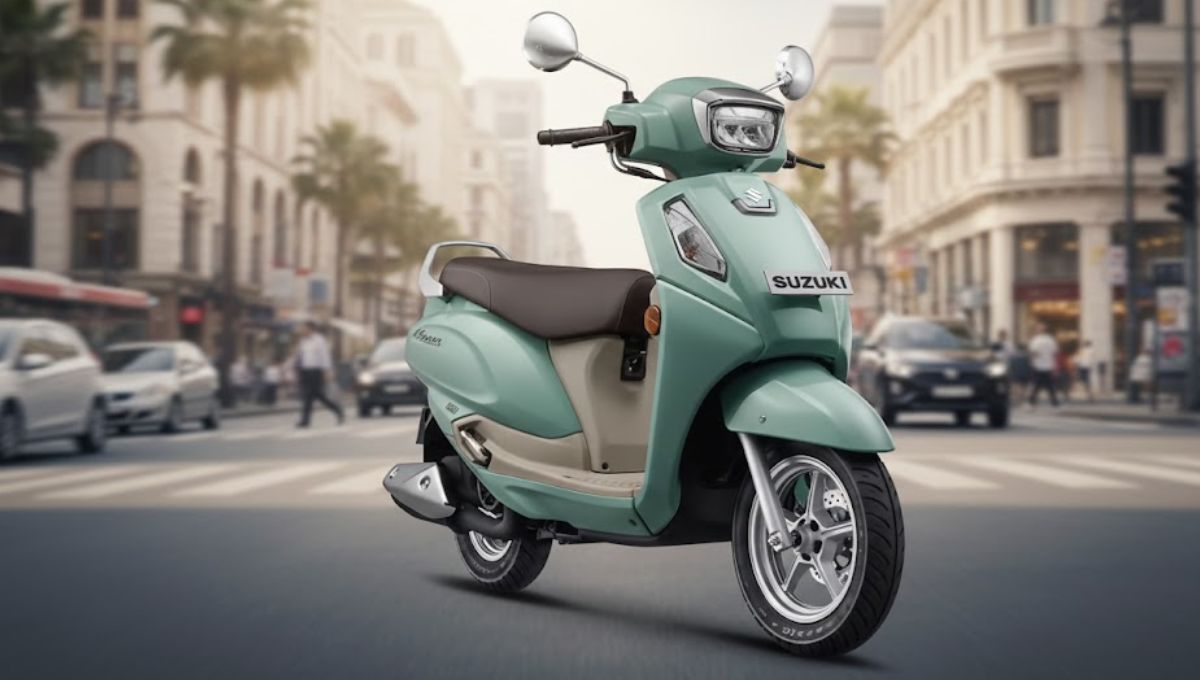
The Indian scooter market has always revolved around trust, practicality, and long-term ownership comfort. Few scooters have embodied these values as consistently as the Suzuki Access. With the launch of the Suzuki Access ABS at a starting price of Rs. 92,328, Suzuki has added a meaningful safety layer to an already well-rounded product, without disturbing the formula that made the Access one of India’s best-selling scooters.

This is not a radical reinvention. Instead, it is a carefully considered upgrade aimed at riders who value stability, predictability, and peace of mind during daily commutes. In a segment where most scooters still rely on basic braking systems, the inclusion of ABS makes the Access stand out as a mature, safety-first choice.

Why ABS Matters More Than Ever in Indian Conditions?

Indian roads present a unique challenge. Sudden braking situations caused by pedestrians, uneven surfaces, unpredictable traffic, and weather changes are part of everyday riding. In such conditions, wheel lock-up during emergency braking is one of the most common causes of falls.

The Suzuki Access ABS introduces single-channel anti-lock braking, working on the front wheel. This system prevents the wheel from locking when braking hard, allowing the rider to maintain steering control even in panic situations. For city riders, senior citizens, and new scooter owners, this feature significantly reduces risk without requiring any riding style changes.

Unlike combined braking systems, ABS actively intervenes during emergency stops, making it a genuine safety upgrade rather than a regulatory formality.

Design Philosophy: Familiar, Functional, and Purpose-Driven

Suzuki has not altered the Access’s visual identity to announce the arrival of ABS. The design remains conservative, balanced, and familiar. This approach is deliberate.

The Access appeals to riders who prefer timeless styling over sharp or aggressive elements. The clean body panels, neutral proportions, and wide seat continue unchanged. Chrome accents are subtle, and the scooter retains a premium yet approachable presence.

This design continuity ensures that existing Access owners feel instantly comfortable upgrading, while new buyers receive a product that looks dependable rather than experimental.

Read more:- How State-Sponsored Attackers Hijacked Notepad++ Updates: and What the Incident Reveals About Modern Software Trust?

Engine Performance: Proven Reliability Continues

At the heart of the Suzuki Access ABS is the same trusted engine that has powered millions of units across India.

Engine Specifications

  • Engine Type: Single-cylinder, air-cooled
  • Displacement: 124cc
  • Maximum Power: 8.7 PS
  • Peak Torque: 10 Nm
  • Fuel System: Fuel Injection
  • Transmission: CVT automatic

This engine is known for smooth throttle response, strong low-end torque, and consistent fuel efficiency in urban traffic. It does not chase performance figures but instead focuses on usability, refinement, and long service intervals.

The addition of ABS does not affect engine tuning, ensuring the riding experience remains familiar and predictable.

Braking and Safety Setup Explained

The biggest update is, of course, the braking system.

Braking Hardware

  • Front Brake: Disc with single-channel ABS
  • Rear Brake: Drum
  • ABS Type: Single-channel (front wheel)

Suzuki has calibrated the ABS to intervene progressively rather than aggressively. This ensures that riders do not feel sudden pulsing at the lever during mild braking, while still benefiting from protection during emergency stops.

For daily commuting speeds, this balance feels natural and confidence-boosting.

Ride Comfort and Suspension Tuning

The Suzuki Access has always been praised for ride comfort, and the ABS variant retains the same suspension setup.

Suspension Details

  • Front: Telescopic forks
  • Rear: Swing arm with hydraulic shock absorber

This configuration handles broken city roads well and offers a cushioned ride even when carrying a pillion. The long seat and flat footboard add to rider comfort, especially for longer commutes.

ABS complements this comfort by adding braking confidence, making the scooter feel calmer and more controlled overall.

Features That Matter in Daily Use

Rather than overwhelming the rider with technology, Suzuki has focused on practical features.

Key Features

  • External fuel filler cap
  • Digital-analogue instrument cluster
  • USB charging port
  • One-push central locking
  • Long and wide seat
  • Large under-seat storage

These features address real daily needs rather than showroom appeal, reinforcing the Access’s identity as a practical family scooter.

Fuel Efficiency and Ownership Experience

Fuel efficiency remains a strong selling point.

While official mileage figures vary depending on riding conditions, the Access consistently delivers strong real-world efficiency thanks to fuel injection and refined engine tuning.

Suzuki’s service network, availability of spare parts, and low maintenance costs further enhance long-term ownership confidence.

Pricing Strategy and Market Positioning

At Rs. 92,328, the Suzuki Access ABS is priced slightly above standard variants but justifiably so. The added cost directly translates into improved safety rather than cosmetic upgrades.

This pricing positions the scooter for buyers who:

  • Ride daily in dense traffic
  • Value safety over styling gimmicks
  • Plan to keep the scooter for many years

It does not attempt to undercut rivals but instead offers rational value.

Who Should Buy the Suzuki Access ABS?

The ABS variant is best suited for:

  • Family riders prioritizing safety
  • Senior citizens seeking stable braking
  • First-time scooter buyers
  • Urban commuters facing unpredictable traffic

It may not appeal to riders seeking sporty styling or advanced connectivity features, but that has never been the Access’s target audience.

A Sensible Evolution, Not a Reinvention

The Suzuki Access ABS proves that meaningful upgrades do not always need dramatic redesigns. By focusing on braking safety, Suzuki has enhanced real-world usability while preserving everything owners already trust.

For buyers seeking a dependable, safe, and comfortable 125cc scooter, this update makes the Access an even stronger contender.

FAQs

Is ABS available on all Suzuki Access variants?

No, ABS is offered on a specific variant and is not standard across the entire lineup.

Does ABS improve mileage?

ABS does not affect fuel efficiency. Mileage depends on riding style and road conditions.

Is single-channel ABS enough for scooters?

For urban riding and emergency braking, single-channel ABS provides significant safety benefits.

Does the Suzuki Access ABS feel different to ride?

The riding experience remains familiar, with added confidence during braking.

Ducati Is Still Winning: So Why Does Alex Marquez Say the MotoGP Bike Isn’t Enough?

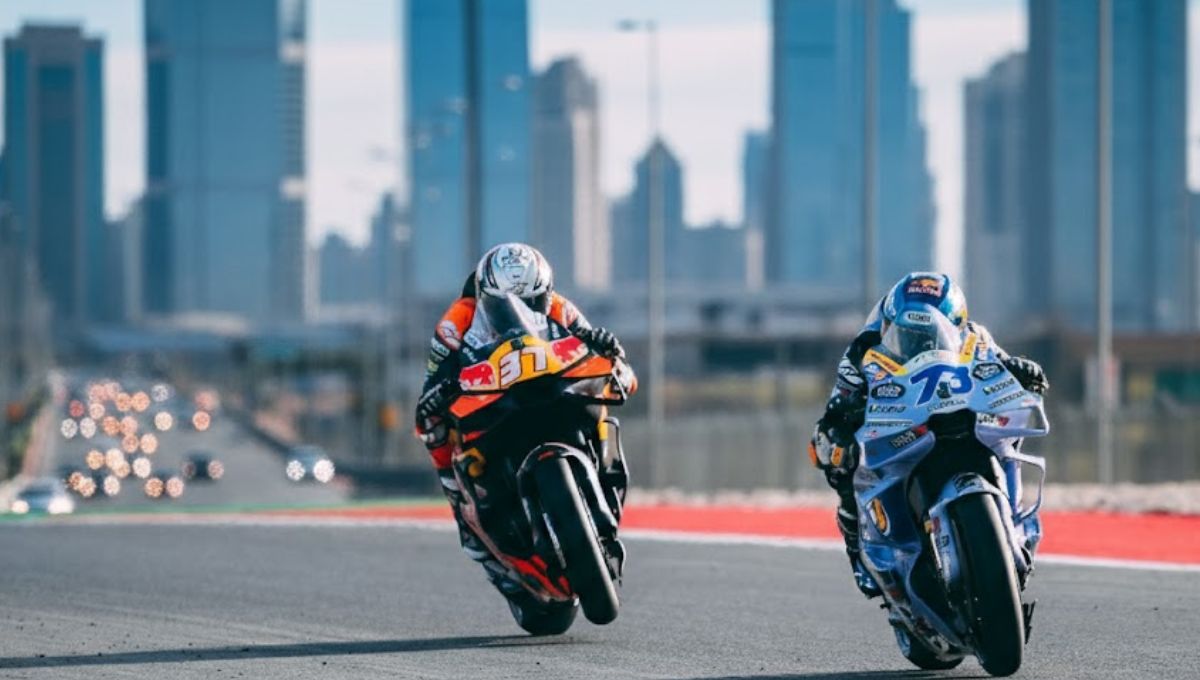
When a Ducati rider openly states that the factory needs to “improve” its next MotoGP bike, it carries weight. Ducati has dominated the modern MotoGP era with relentless technical progress, overwhelming data resources, and an aggressive satellite-team strategy. For years, the Ducati MotoGP bike has been the benchmark across speed traps, race wins, and championships.

Yet Alex Marquez’s remarks reflect something deeper than a casual observation. They signal a shift in competitive momentum. Aprilia is no longer chasing Ducati blindly; it is actively challenging its performance envelope. And with 2026 looming as a crucial development year, Ducati can no longer rely on incremental updates alone.

This article explores why the Ducati MotoGP bike must evolve for 2026, what Aprilia has done differently, and how the technical direction of MotoGP is forcing manufacturers to rethink performance beyond raw power.

 Alex Marquez speaks about the future of Ducati’s MotoGP bike, it signals confidence, not concern. Ducati has already set the benchmark in MotoGP, and this statement highlights the brand’s refusal to stand still while rivals improve.

Instead of framing Ducati as falling behind, the title positions the team at a natural evolution point—where dominance shifts from raw speed to refinement, efficiency, and smarter engineering. It invites readers to explore how even the strongest MotoGP bike must adapt as competition intensifies, especially with manufacturers like Aprilia closing gaps through innovation.

Ducati’s Current Strength: Why the MotoGP Bike Still Sets the Standard?

Ducati’s MotoGP bike remains the most complete machine on the grid in measurable performance metrics. Its strengths are undeniable:

  • Best-in-class straight-line speed
  • Exceptional rear-end stability under acceleration
  • Advanced ride-height and holeshot systems
  • Deep data integration across factory and satellite teams

The Desmosedici platform has benefited from continuity. Ducati has resisted radical redesigns in favor of evolutionary refinement. This approach has delivered consistent results, allowing riders with varying styles to remain competitive.

However, dominance can breed vulnerability. As regulations tighten and rivals improve efficiency rather than brute force, the gaps that once protected Ducati are shrinking.

Aprilia’s Rise: Efficiency Over Excess

Aprilia’s recent progress has been built on clarity of purpose. Rather than chasing Ducati’s top-speed numbers, Aprilia has focused on:

  • Corner entry stability
  • Mid-corner speed
  • Predictable front-end feedback
  • Reduced rider workload

This philosophy has allowed Aprilia riders to maintain tire performance deeper into races. In modern MotoGP, race management matters as much as outright pace, and Aprilia’s MotoGP bike has become increasingly forgiving over long stints.

Alex Marquez’s comments highlight this contrast. Ducati may still be faster in absolute terms, but Aprilia is extracting performance more consistently.

Read more:- The Tomodachi Life Direct Announcement Raises More Questions Than Answers

The Rider Perspective: Why Alex Marquez’s Words Matter?

Alex Marquez occupies a unique position in MotoGP. He is experienced enough to recognize technical patterns yet honest enough to speak candidly about them. His feedback reflects real race conditions rather than theoretical performance.

When he suggests Ducati needs improvement for 2026, it implies:

  • Certain handling traits are becoming harder to manage
  • Rivals are closing gaps in critical race phases
  • The current MotoGP bike may be reaching diminishing returns

This isn’t a criticism of Ducati’s engineers—it’s a recognition that MotoGP’s competitive landscape is shifting.

Where the Ducati MotoGP Bike Is Starting to Feel Pressure?

Front-End Confidence

Ducati’s aggressive aerodynamics and stiff chassis generate massive grip, but they can reduce front-end feel. Riders often describe needing absolute commitment to trust the bike under braking.

Aprilia’s recent designs prioritize communication through the front tire. This makes marginal grip situations easier to manage, especially late in races.

Tire Management

Michelin’s tires reward smooth load transfer. Ducati’s explosive acceleration can stress rear tires, especially on high-grip circuits. Aprilia’s gentler power delivery preserves tire life.

Adaptability Across Circuits

Ducati still excels on power tracks, but technical layouts increasingly expose its need for precise setup windows.

2026 MotoGP Bike Regulations: Why This Year Matters?

While 2026 is not a full regulatory reset, it represents a convergence point. Manufacturers must prepare bikes that:

  • Work with limited aerodynamic freedoms
  • Maximize efficiency over outright force
  • Offer broader usability for diverse riders

Ducati’s traditional strength—engineering excess—may face constraints that favor balanced designs.

Technical Specs Overview: Ducati MotoGP Bike (Current Baseline)

Engine

  • 1000cc V4, desmodromic valve system
  • Approx. 300+ horsepower (unofficial)
  • Seamless gearbox

Chassis

  • Aluminum twin-spar frame
  • Carbon-reinforced swingarm variants

Electronics

  • Unified Magneti Marelli ECU
  • Advanced traction, engine braking, and torque maps

Aerodynamics

  • Multi-element winglets
  • Integrated ground-effect fairing design

Suspension

  • Öhlins front and rear (spec components)

These specs still define the class—but specs alone no longer guarantee superiority.

What Ducati Needs to Improve for 2026?

Rideability Over Raw Speed

Alex Marquez’s comments underline the need for smoother power delivery. Ducati must reduce rider fatigue without sacrificing performance.

Chassis Feedback

A slightly more compliant chassis could improve front-end confidence and allow riders to push deeper into braking zones.

Aerodynamic Balance

Refining aero efficiency rather than adding downforce could reduce turbulence sensitivity and improve consistency.

Ducati’s Advantage: Resources and Data

If any manufacturer can respond effectively, it is Ducati. Its satellite teams generate unmatched data volume. This allows Ducati engineers to test multiple configurations simultaneously.

The question isn’t whether Ducati can improve—it’s whether it can improve in the right direction.

The Bigger Picture: MotoGP’s Evolution Beyond Power

MotoGP is no longer a horsepower arms race. It is an efficiency contest shaped by:

  • Tire longevity
  • Rider confidence
  • Aerodynamic stability
  • Race-long consistency

Aprilia has recognized this earlier than most. Ducati now faces the challenge of evolving without losing its identity.

A Necessary Wake-Up Call

Alex Marquez’s statement should not be seen as criticism but as foresight. Ducati’s MotoGP bike remains elite, but complacency is MotoGP’s greatest enemy.

For 2026, Ducati must evolve smarter, not louder. If it succeeds, it will remain the benchmark. If it doesn’t, the grid is ready to capitalize.

FAQs

Why does Ducati need to improve its MotoGP bike for 2026?

Because rivals like Aprilia have reduced performance gaps through better efficiency, tire management, and rider-friendly handling.

Is the Ducati MotoGP bike no longer competitive?

It remains highly competitive, but its advantages are smaller than before, especially in race consistency.

What has Aprilia improved most?

Front-end feedback, mid-corner stability, and tire preservation over long race distances.

Will 2026 bring major MotoGP regulation changes?

Not a full reset, but development limitations and aero controls make balance more important than raw power.

Is the Ather Rizta the Most Practical Electric Scooter for Indian Families? A Detailed Review

Electric scooters in India have often followed a familiar pattern: flashy designs, quick acceleration, and technology-heavy interfaces. While these features attract attention, they do not always address everyday mobility challenges. The Ather Rizta takes a different path by focusing on functionality, ease of ownership, and long-term usability.

This article explores Ather Rizta from a practical ownership perspective, analyzing how it fits into daily life, how it compares within the electric scooter space, and why it represents a meaningful evolution in Ather’s product strategy.

Product Positioning: Where Ather Rizta Fits

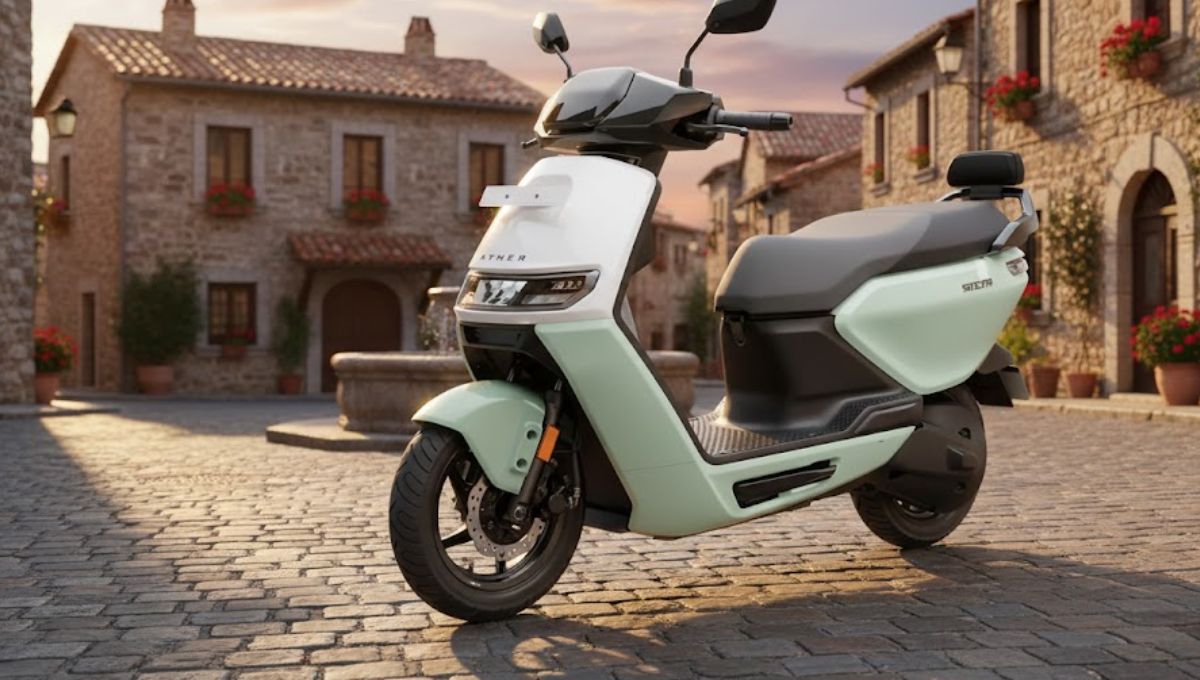
Ather Rizta is positioned as a family-oriented electric scooter, distinct from the brand’s earlier performance-centric models. It targets urban households that need a dependable two-wheeler for multiple users and varied purposes.

Instead of appealing to a niche audience, the Rizta aims for mass relevance without compromising on quality or engineering standards.

Design Evolution: From Sporty to Sensible

The design language of Ather Rizta reflects maturity. Rounded edges, balanced proportions, and a calm visual identity replace aggressive styling. This makes the scooter more approachable and timeless.

The scooter’s height, seat width, and handlebar positioning are optimized for comfort, making it accessible to riders of different body types and age groups.

Read more:- Sony Launches LinkBuds Clip Earbuds Amid Rising Demand: Why This Unusual Design Is Turning Heads

Ride Comfort: Tailored for Indian Traffic Conditions

Urban Indian traffic demands a scooter that is easy to maneuver, stable at low speeds, and forgiving over broken roads. Ather Rizta excels in these areas.

The suspension setup prioritizes shock absorption, reducing discomfort on uneven surfaces. The scooter maintains stability even when carrying a pillion, which is essential for family use.

The riding posture minimizes strain on wrists and shoulders, allowing riders to commute comfortably every day.

Power Delivery and Handling: Confidence Over Aggression

Ather Rizta’s power delivery is tuned for predictability. Instead of sudden bursts of acceleration, it offers smooth and gradual response, which is ideal for crowded city roads.

Handling is stable and reassuring, particularly during slow-speed maneuvers. This makes parking, U-turns, and traffic navigation effortless, even for less experienced riders.

Battery Performance and Charging Habits

The battery system of Ather Rizta is designed around realistic usage patterns rather than theoretical maximums. Most urban riders will find the range sufficient for multiple days of commuting, depending on travel distance.

Charging fits naturally into daily routines, typically done overnight. This eliminates the stress of frequent top-ups and aligns well with household usage.

Practical Features That Matter Daily

What truly sets the Ather Rizta apart is its attention to everyday details. Storage space, accessibility, and usability are clearly prioritized.

From carrying school bags to grocery shopping, the scooter adapts well to daily tasks. The underseat storage is thoughtfully designed, and the scooter feels genuinely useful rather than just technologically impressive.

User Interface and Controls: Simple and Intuitive

The digital interface is clean and readable, providing essential information without clutter. Controls are logically placed and easy to operate, even for riders unfamiliar with advanced scooter technology.

This simplicity enhances safety and reduces distraction, particularly for older riders or first-time EV users.

Safety and Build Quality: Long-Term Confidence

Build quality is a strong point of Ather Rizta. The scooter feels solid, with high-quality materials and consistent panel fitment. This reinforces trust and reflects Ather’s engineering expertise.

Braking performance is controlled and predictable, contributing to overall riding confidence. Stability remains consistent across varying road conditions.

Cost of Ownership: Looking Beyond the Purchase Price

While electric scooters often have a higher upfront cost, Ather Rizta compensates through lower operating expenses. Electricity costs are significantly lower than petrol, and maintenance requirements are minimal.

Over time, this results in meaningful savings, especially for families with regular daily usage.

Comparing Ather Rizta Within the EV Market

In a market filled with feature-heavy electric scooters, Ather Rizta stands out by focusing on fundamentals. It may not chase extreme specifications, but it excels where it matters most: comfort, reliability, and usability.

This balanced approach makes it a strong contender for buyers seeking a dependable long-term solution rather than short-term excitement.

Ideal Buyer Profile for Ather Rizta

Ather Rizta is best suited for:

  • Urban families
  • Daily commuters
  • Multi-user households
  • Riders prioritizing comfort and safety

It is not designed for performance enthusiasts, but it does not pretend to be.

FAQs

Is Ather Rizta good for daily commuting?

Yes, it is specifically designed for regular urban use and daily travel.

Can Ather Rizta handle rough roads?

Its suspension and build quality are well-suited for typical Indian road conditions.

Is Ather Rizta easy to ride for beginners?

Yes, its smooth power delivery and stable handling make it beginner-friendly.

How practical is Ather Rizta for families?

Very practical, with comfortable seating, good storage, and reliable performance.

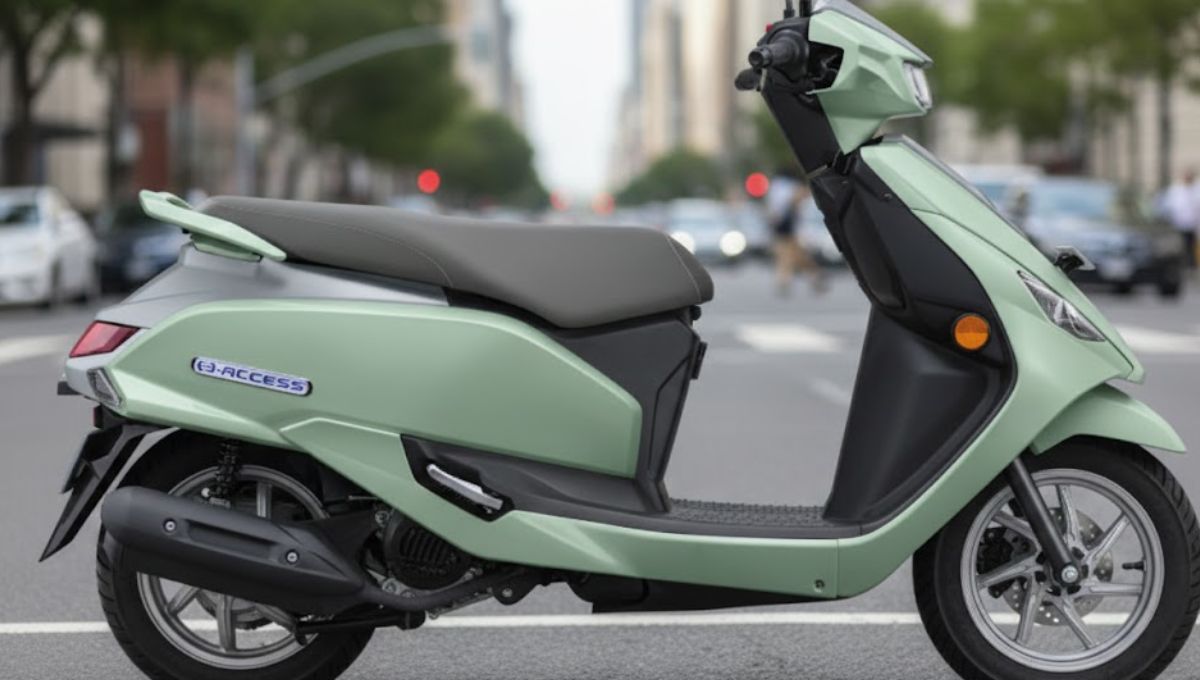
Is Suzuki e-ACCESS Worth the Hype? A Deep Dive into Suzuki’s Electric Scooter

Suzuki is not a brand known for rushed decisions. The launch of the Suzuki e-ACCESS reflects a carefully planned entry into India’s electric mobility segment. Instead of competing on headline-grabbing numbers, Suzuki has chosen to deliver a well-rounded electric scooter rooted in real-world usability.

The Suzuki e-ACCESS is aimed at riders who want an electric scooter that behaves like a trusted companion rather than an experimental product.

Styling and Ergonomics: Designed for Everyday Use

The visual identity of the Suzuki e-ACCESS is understated but intentional. Suzuki has clearly prioritized rider comfort, accessibility, and ease of use.

Ergonomic Strengths

  • Natural upright riding posture
  • Wide and supportive seat
  • Easy reach to handlebars
  • Balanced weight distribution

The scooter feels instantly familiar, which helps remove hesitation for first-time electric scooter buyers.

Read more:- From The Karizma 250 to Vida Ubex: Hero’s Next 3 Bikes Might Surprise Indian Riders

Performance in City Traffic

Performance in electric scooters is not just about speed; it is about control. The Suzuki e-ACCESS excels in delivering smooth and controlled power.

Urban Performance Characteristics

  • Quick response at low speeds
  • Confident overtaking ability
  • Consistent torque delivery
  • Quiet and vibration-free ride

Suzuki’s tuning ensures the scooter remains stress-free even during long commutes or heavy traffic.

Read more:- Bassi x Keystone Belmont Review: Why This Steel Bikepacking Bike Keeps Winning Riders Over

Battery Engineering and Safety Focus

Suzuki’s battery management strategy focuses on safety and stability rather than extreme performance claims.

Battery Design Priorities

  • Protection against overheating
  • Long cycle life
  • Stable charging behavior
  • Secure integration within the chassis

This conservative approach enhances rider confidence and supports long-term ownership.

Suspension, Braking, and Ride Comfort

Indian roads demand durable suspension and reliable braking. Suzuki has applied its extensive two-wheeler expertise to ensure the e-ACCESS performs well under varied conditions.

Ride and Safety Highlights

  • Comfortable suspension tuning
  • Stable braking performance
  • Balanced chassis geometry
  • Predictable handling at all speeds

The Suzuki e-ACCESS feels composed even on uneven roads, reinforcing its commuter-focused identity.

Technology That Supports the Rider

Instead of flashy displays or unnecessary features, Suzuki equips the e-ACCESS with technology that adds genuine value.

Useful Technology Features

  • Clear digital display
  • Ride mode optimization
  • Regenerative braking support
  • Smart safety cut-offs

Every element is designed to make daily riding simpler and safer.

Ownership Experience and Service Support

One of Suzuki’s biggest strengths lies beyond the scooter itself: its after-sales network. The Suzuki e-ACCESS benefits from established service centers, trained technicians, and structured maintenance processes.

Why This Matters

  • Faster service access
  • Transparent maintenance
  • Brand accountability
  • Long-term trust

For many buyers, this is a decisive factor when choosing an electric scooter.

Environmental Impact and Practical Sustainability

The Suzuki e-ACCESS contributes to reduced urban emissions while maintaining usability. Suzuki’s approach emphasizes sustainable ownership rather than symbolic green branding.

Electric operation, low noise levels, and efficient energy use make it suitable for environmentally conscious riders without sacrificing convenience.

Real-World Pros and Cons

Strengths

  • Comfortable and stable ride
  • Trusted brand backing
  • Practical design
  • Smooth electric performance

Considerations

  • Focused more on reliability than excitement
  • Conservative styling may not appeal to all buyers

These trade-offs reflect Suzuki’s clear priorities.

Who Is the Suzuki e-ACCESS Best For?

The Suzuki e-ACCESS is best suited for:

  • Professionals commuting daily
  • Mature riders seeking comfort
  • Families wanting dependable electric mobility
  • Users prioritizing long-term value

It is less about trends and more about trust.

A Sensible Electric Scooter for Real Life

The Suzuki e-ACCESS does not attempt to disrupt the electric scooter market. Instead, it strengthens it by offering a product that feels complete, dependable, and thoughtfully engineered.

For riders who want an electric scooter that blends seamlessly into daily life and is backed by a proven manufacturer, the Suzuki e-ACCESS stands as a confident and reassuring choice.

FAQs

Is Suzuki e-ACCESS good for long-term ownership?

Yes, its conservative engineering and Suzuki’s service network supports long-term use.

Can the Suzuki e-ACCESS handle Indian road conditions?

Yes, it is tuned specifically for urban Indian roads with comfort and stability in mind.

Is the Suzuki e-ACCESS easy to maintain?

Electric architecture and Suzuki’s structured servicing make maintenance straightforward.

Does Suzuki e-ACCESS offer a comfortable ride?

Yes, comfort is one of its strongest attributes, especially for daily commuting.

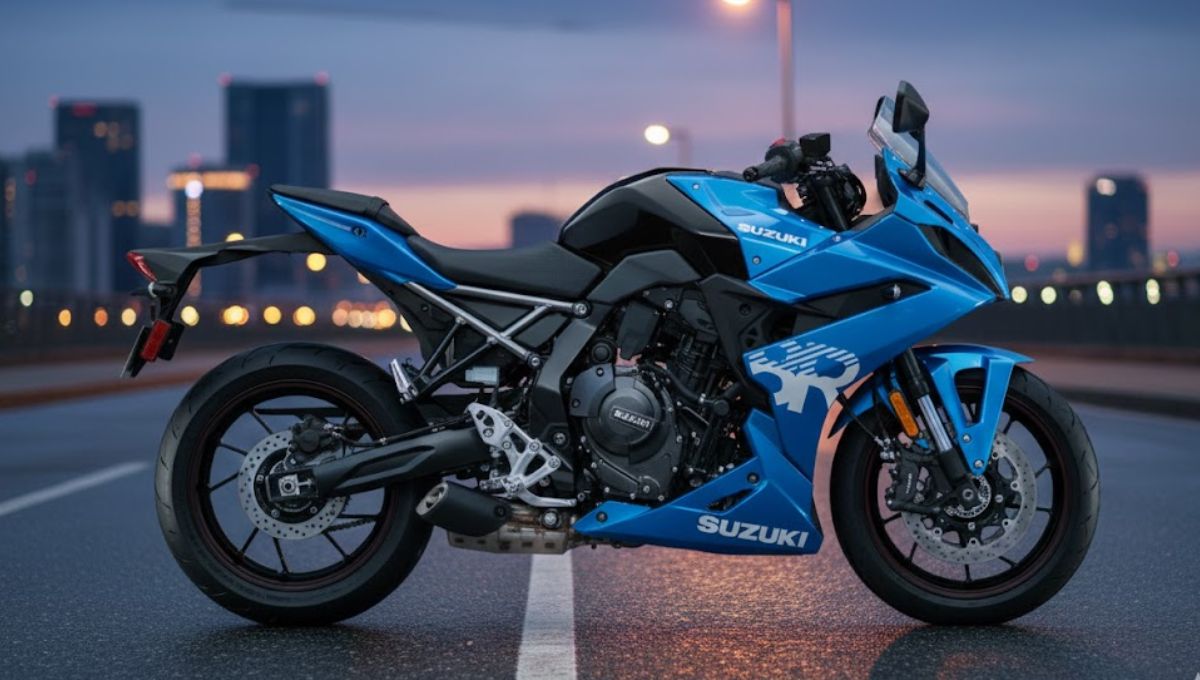
The New GSX-8R Review: Where Sportbike Style Meets Intelligent Engineering

The new GSX-8R marks a strategic evolution in Suzuki’s sport motorcycle lineup. Rather than chasing outright race-focused performance, Suzuki has created a machine that aligns with how most riders actually ride. This motorcycle bridges the gap between aggressive sportbikes and versatile road machines, offering a refined yet engaging experience.

Designed for modern riders, the GSX-8R delivers confidence, comfort, and excitement in equal measure. It reflects a deeper understanding of rider needs in today’s diverse motorcycling landscape.

Styling and Road Presence

Visually, the new GSX-8R commands attention without appearing overly aggressive. The full-fairing design enhances aerodynamic efficiency while maintaining a sleek silhouette. The LED headlamp design gives the motorcycle a sharp, contemporary face that stands out in traffic.

Color schemes and detailing reinforce its premium positioning. Every design element feels intentional, contributing to both aesthetics and function.

Engine Behavior and Riding Feel

The engine powering the new GSX-8R emphasizes usable performance. Throttle response is smooth, allowing precise control in all riding scenarios. Instead of demanding constant high revs, the engine rewards riders with strong mid-range torque.

This makes the motorcycle enjoyable on winding roads and effortless in urban environments. The exhaust note remains refined, complementing the bike’s sophisticated character.

Read more:- Is OnePlus Really Shutting Down? The Truth Behind Rumors and Upcoming Smartphones

Handling Precision and Stability

Handling is where the new GSX-8R truly shines. The chassis geometry promotes stability without sacrificing agility. Cornering feels intuitive, and the motorcycle responds predictably to rider input.

Suspension components are tuned for real-world roads, absorbing imperfections while maintaining composure during spirited riding. This balance inspires confidence, especially for riders who value control over outright aggression.

Braking and Safety Confidence

The braking system on the GSX-8R delivers consistent and reliable stopping power. Brake feel is progressive, allowing riders to modulate braking force effectively. This contributes significantly to overall riding confidence.

Combined with electronic safety systems, the braking setup ensures that the motorcycle remains composed even in challenging conditions.

Ergonomic Design for Long-Term Comfort

One of the standout features of the new GSX-8R is its ergonomic layout. The riding position reduces fatigue, making longer rides enjoyable. Seat cushioning, handlebar reach, and footpeg placement work together to support a natural posture.

This thoughtful design encourages riders to spend more time in the saddle, whether commuting or touring.

Technology That Enhances the Ride

The new GSX-8R incorporates modern technology without overwhelming the rider. Electronic rider aids operate seamlessly in the background, enhancing safety while preserving the natural riding feel.

The digital display is clean and informative, providing essential data at a glance. This user-friendly approach reflects Suzuki’s focus on rider-centric design.

Versatility Across Riding Scenarios

What makes the new GSX-8R especially appealing is its versatility. It performs equally well in city traffic, on highways, and on twisty backroads. Few sport-styled motorcycles offer this level of adaptability.

Fuel efficiency and manageable maintenance requirements further enhance its practicality, making it a realistic choice for everyday ownership.

Build Quality and Ownership Trust

Suzuki’s engineering heritage is evident in the build quality of the new GSX-8R. Fit and finish are consistent, and components feel durable. This attention to detail translates into long-term reliability and peace of mind for owners.

The GSX-8R is designed to be dependable, reinforcing Suzuki’s reputation for producing motorcycles that stand the test of time.

Ideal Rider Profile

The new GSX-8R appeals to riders who want a sportbike aesthetic without the physical demands of a race-focused machine. It suits intermediate riders seeking an upgrade and experienced riders looking for a more comfortable yet engaging motorcycle.

Its versatility makes it particularly attractive to those who prefer one motorcycle for multiple riding purposes.

The new GSX-8R is a thoughtfully engineered sportbike that prioritizes balance over extremes. It delivers performance where it matters most while maintaining comfort and usability. Suzuki has created a motorcycle that feels relevant, refined, and rewarding to ride.

FAQs

Is the new GSX-8R comfortable for long rides?

Yes, its ergonomic design and refined suspension make it suitable for extended journeys.

How powerful is the GSX-8R for highway riding?

The engine provides ample mid-range power for confident overtakes and sustained cruising.

Does the GSX-8R require frequent maintenance?

Maintenance requirements are reasonable and align with Suzuki’s reputation for reliability.

Is the new GSX-8R good for city riding?

Yes, its smooth throttle response and manageable size make it city-friendly.

3 Upcoming Hero Bikes in India: How The Karizma 250 Leads Hero’s Premium Push

For decades, Hero MotoCorp built its reputation on fuel-efficient commuters. While this approach ensured massive sales volumes, it left a gap in the premium motorcycle segment. That gap is now being addressed through a carefully planned lineup of upcoming two-wheelers, with the Karizma 250 playing a central role.

Alongside a new adventure-oriented motorcycle and the innovative Vida Ubex electric scooter, Hero is preparing to compete in segments that demand performance, technology, and aspirational value.

Why Karizma 250 Matters More Than Ever

The Indian 250cc motorcycle segment has matured significantly. Buyers now look for refinement, brand value, and long-term ownership experience. The Karizma 250 enters this space with a name that already carries emotional weight.

However, Hero’s challenge is clear: the new Karizma must stand on its own merits. This is why the Karizma 250 is expected to be a thoroughly modern motorcycle, developed to meet today’s expectations rather than relying on past glory.

Mechanical Setup and Riding Character

The Karizma 250 is likely to feature a single-cylinder engine tuned for smooth and usable performance. Instead of chasing class-leading numbers, Hero appears to be focusing on rideability and engine refinement.

Such tuning would make the Karizma 250 ideal for Indian road conditions, where traffic, road quality, and long-distance comfort play a crucial role in ownership satisfaction.

Read more:-Bassi x Keystone Belmont Review: Why This Steel Bikepacking Bike Keeps Winning Riders Over

Chassis, Comfort, and Handling

Comfort has always been a strength of the Karizma brand, and the upcoming model is expected to carry that tradition forward. An upright yet sporty riding posture, a well-cushioned seat, and stable chassis geometry are likely.

This setup would allow the Karizma 250 to perform well both in city traffic and on open highways, making it a versatile option for everyday use.

Modern Styling Without Overdoing It

Hero is expected to take a clean and balanced design approach with the Karizma 250. Instead of sharp, aggressive lines that can age quickly, the bike is likely to feature timeless styling with subtle sporty elements.

This design philosophy could help the Karizma 250 appeal to a broader age group, including mature riders who want performance without excessive visual drama.

Technology and Safety Features

In today’s market, features often influence buying decisions as much as performance. The Karizma 250 is expected to include essential modern features such as digital instrumentation, improved braking systems, and enhanced ride stability.

These additions would reinforce Hero’s focus on rider safety and everyday usability, two factors that strongly influence long-term trust.

Other Upcoming Models: A Broader Vision

Hero’s upcoming adventure-style motorcycle suggests a serious intent to tap into touring and exploration-focused riders. This segment has grown steadily, and Hero’s entry could attract riders who prefer a trusted brand with widespread service support.

Meanwhile, the Vida Ubex represents a bold step into electric mobility. With urban congestion and rising fuel prices, electric scooters are no longer niche products. The Vida Ubex is expected to offer a combination of style, technology, and practicality.

How Hero Plans to Compete

Hero’s biggest advantage lies in its scale. With one of the largest service networks in the country, Hero can offer peace of mind that many premium brands struggle to match. For the Karizma 250, this could be a decisive factor for buyers who prioritize ownership experience over brand hype.

Competitive pricing, accessible servicing, and trusted reliability could position the Karizma 250 as a sensible yet exciting choice.

The upcoming Karizma 250 is more than just a new motorcycle; it represents Hero MotoCorp’s renewed ambition in the premium segment. Alongside the adventure motorcycle and Vida Ubex electric scooter, it highlights a brand willing to evolve with changing consumer preferences. If Hero delivers on quality, performance, and pricing, the Karizma 250 could become a defining product in the company’s modern journey.

FAQs

When is the Karizma 250 expected to launch in India?

While an exact date has not been confirmed, it is expected to launch in the near future as part of Hero’s upcoming product roadmap.

Will the Karizma 250 be beginner-friendly?

Yes, its expected power delivery and ergonomics suggest it will be manageable for riders stepping up from smaller bikes.

Is the Karizma 250 focused on performance or comfort?

It is expected to strike a balance between performance and comfort, making it suitable for daily and long-distance use.