Tag Archives: CAR

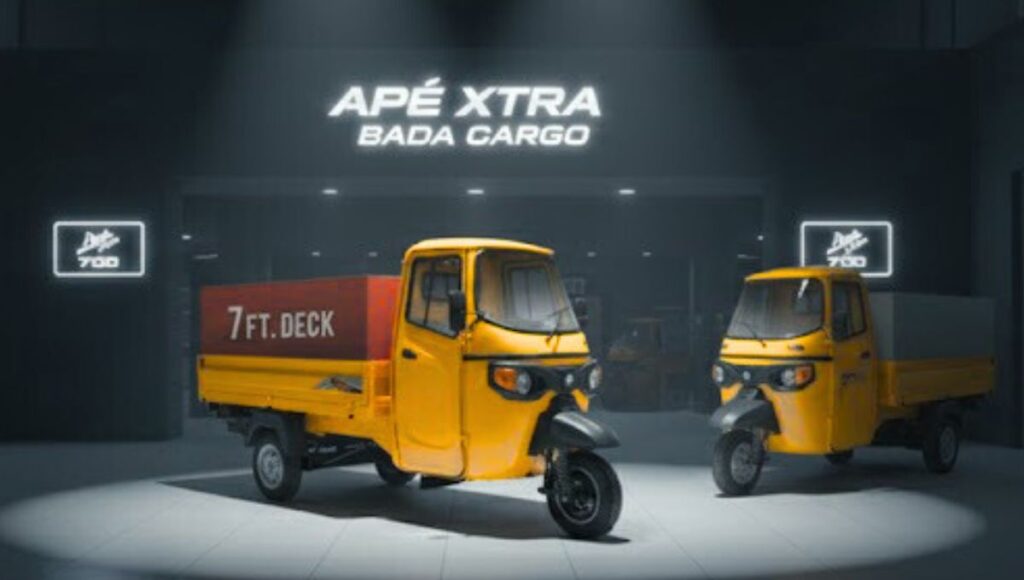
The Apé Xtra Bada 700: A New Benchmark in Indian Cargo Mobility

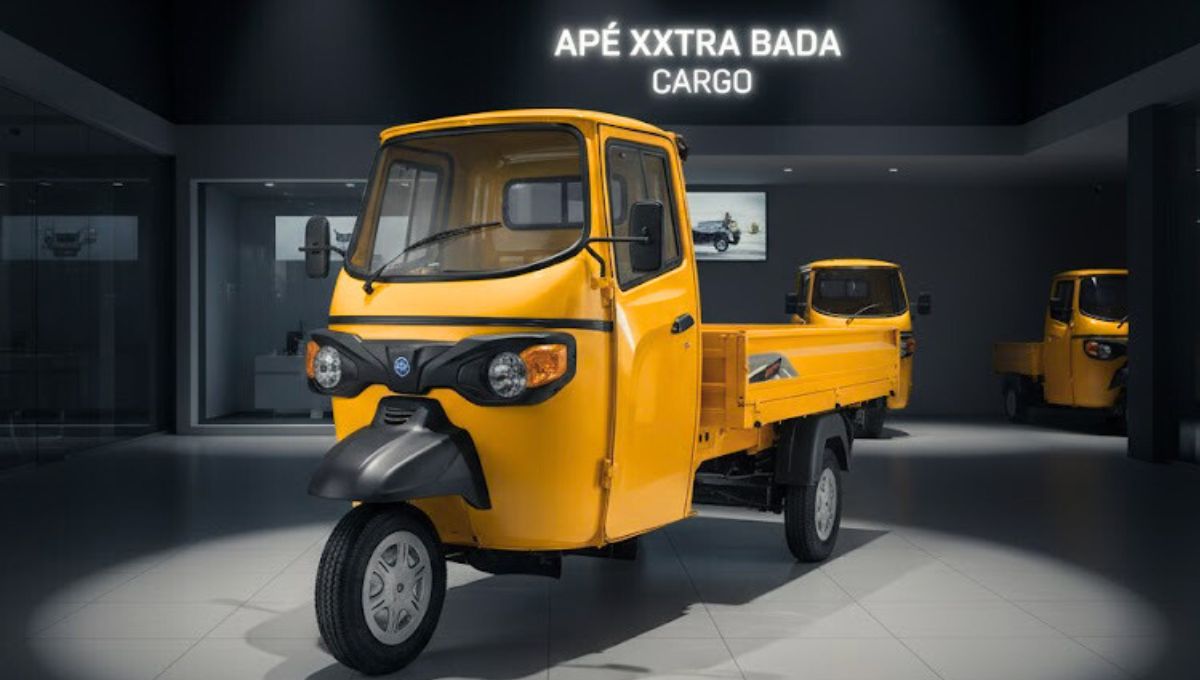
The Apé Xtra Bada 700 is the latest diesel cargo three-wheeler from Piaggio, launched in late 2025, and it sets a new standard in the segment with greater power, higher payload, and enhanced practicality. Designed with small business owners, fleet operators, and last-mile logistic providers in mind, the Apé Xtra Bada 700 aims to deliver stronger performance, larger load-carrying capacity, and improved comfort for drivers — all at a competitive price. In this article, we explore what makes the Apé Xtra Bada 700 stand out, how it performs, and whether it fits the needs of Indian cargo transport.

What is the Apé Xtra Bada 700?

The Apé Xtra Bada 700 is a diesel-powered commercial 3-wheeler built by Piaggio for cargo transport. Unlike older small-capacity three-wheelers, this model is engineered to handle heavier loads, longer cargo decks, and tougher working conditions. The vehicle is targeted at businesses needing efficient and cost-effective goods transport in urban, semi-urban and rural settings.

Officially launched in November 2025 alongside its sibling model the Apé Xtra 600, the Apé Xtra Bada 700 is positioned as the most powerful diesel cargo 3-wheeler in its class in India. 

Key Specifications & What They Deliver

Here’s a summary of the most important specs of the Apé Xtra Bada 700 — and why they matter:

Engine: 700 DI liquid-cooled diesel engine producing 7.7 kW (≈ 10.3 HP) @ 3600 rpm and 26 Nm torque @ 2200 rpm.

Payload capacity: 750 kg — the highest in the diesel 3-wheeler segment. 

Cargo deck length: 7 feet — the first 3-wheeler in India to offer a deck this long, enabling transport of bulky or long items. 

Tyres and stability: 12-inch radial tyres for improved stability and load distribution. 

Wheelbase: 2305 mm — providing better balance and structural strength under heavy load. 

Gradeability: 25% — enabling it to climb steep inclines, flyovers, or hilly areas even when loaded. 

Driver cabin and comfort: New, more spacious cabin layout; 3.5″ digital instrument cluster (LCD speedometer); improved ergonomics for long working hours.

Other build aspects: New chassis, improved suspension geometry, robust build — designed for demanding commercial usage and rough Indian roads. 

Price (starting): Around ₹ 3.45 lakh (ex-showroom, Maharashtra) at launch. 

These specifications combine to make the Apé Xtra Bada 700 both powerful and practical — letting owners transport more goods, cover more ground, and potentially earn more per trip.

What Makes Apé Xtra Bada 700 Stand Out

Payload & Cargo Capacity: Big Load, Big Benefit

One of the biggest selling points of the Apé Xtra Bada 700 is the 750 kg payload. For many small businesses, this means fewer trips for the same amount of goods — saving time, labour, and fuel. The 7-foot cargo deck allows for longer or bulkier items (such as furniture, longer crates, or construction materials), expanding the range of goods that can be transported. This makes the Bada 700 more versatile than traditional 3-wheelers, limited by deck size or load capacity. 

Engine Strength & Performance: Diesel Punch for Tough Duties

With a liquid-cooled 700 DI diesel engine and healthy torque at low rpm (26 Nm at 2200 rpm), the Apé Xtra Bada 700 offers strong pulling power even when fully loaded. The 25% gradeability ensures that inclines, flyovers, or rural slopes are manageable — a crucial requirement for delivery trucks operating across varied terrains. 

New Platform & Improved Stability: Built for the Long Haul

The Bada 700 rides on a completely new vehicle architecture: a strengthened chassis, optimised suspension geometry, and bigger 12-inch radial tyres that together improve stability, load handling, and durability. The longer wheelbase adds to structural integrity, making the vehicle suitable for heavy and repeated use. 

Driver Comfort & Practicality: More than Just Strength

Recognising that cargo drivers often put in long hours, Piaggio reworked the cabin to offer more comfort and less fatigue. Along with a modern dashboard featuring a 3.5-inch digital speedometer, the ergonomically positioned controls, comfortable seating, and decent visibility make driving easier and safer. Extras like an optional rear parking sensor help with manoeuvring in crowded or narrow lanes — a common scenario in urban markets. Value Proposition: Competitive Pricing and Low Ownership Cost

At a starting ex-showroom price of ₹ 3.45 lakh and backed by Piaggio’s widespread service network and reputation, the Apé Xtra Bada 700 offers a compelling business investment. Given its payload, performance, and expected durability, it can be a cost-effective alternative to entry-level four-wheeler cargo vehicles — especially for small and medium businesses that need flexibility and lower total cost of ownership. 

Who Should Choose Apé Xtra Bada 700 — Ideal Use Cases

The Apé Xtra Bada 700 is especially suited for:

  • Small business owners and traders who move goods like groceries, furniture, building materials, or industrial supplies, where load size and weight matter.
  • Last-mile logistics providers, delivery services, and fleet operators need more payload per trip and fewer runs.
  • Transporters in hilly or challenging terrains, where gradeability and torque matter for reliable uphill performance.
  • Urban and semi-urban goods carriers, where compact size (compared to 4-wheelers) helps in narrow lanes, yet the capacity rivals smaller trucks.
  • Owners seeking cost-efficient business vehicles, balancing low initial price, fuel efficiency, load capacity, and minimal maintenance.

Considerations & What to Look Out For

While the Apé Xtra Bada 700 brings many improvements, certain trade-offs and realistic expectations remain:

  • As a 3-wheeler, stability under heavy load is better than older small cargo autos — but it will still behave differently from a full 4-wheeler truck, especially under extreme loads or sharp turns. Proper loading and cautious driving remain essential.
  • Being built for commercial use, ride comfort will be basic — expect a utilitarian cabin rather than luxury; it’s designed for goods, not passengers.
  • Maintenance and periodic servicing will be important for long-term reliability, especially given heavy-duty cycles. Although Piaggio claims low maintenance and a wide service network, real-world upkeep depends on usage and care.
  • Longer cargo deck and heavier payload mean demands on driver attention for loading/unloading and safe securing of goods.

Final Thoughts

The Apé Xtra Bada 700 represents a meaningful leap forward in India’s cargo three-wheeler market. By combining a powerful diesel engine, high payload capacity, large cargo deck, improved chassis and tyres, and a more comfortable cabin — all at a competitive price — Piaggio has crafted a vehicle that serves as a strong alternative to small 4-wheel cargo trucks, while retaining the compactness and manoeuvrability of a three-wheeler.

Read more:- The New Loncin XWolf200: A Balanced All-Terrain ATV for Work and Play

For small and medium businesses, delivery operators, and logistics entrepreneurs — especially those operating in urban and semi-urban areas — the Apé Xtra Bada 700 offers a compelling mix of value, performance, and practicality. It is particularly well-suited to those who need to transport heavy or bulky goods, cover steep terrain, or maximise load-per-trip efficiency.
Apé Electric Auto Review: Smarter, Cleaner, and Faster with Battery Swapping

What is the Apé Electric Auto?

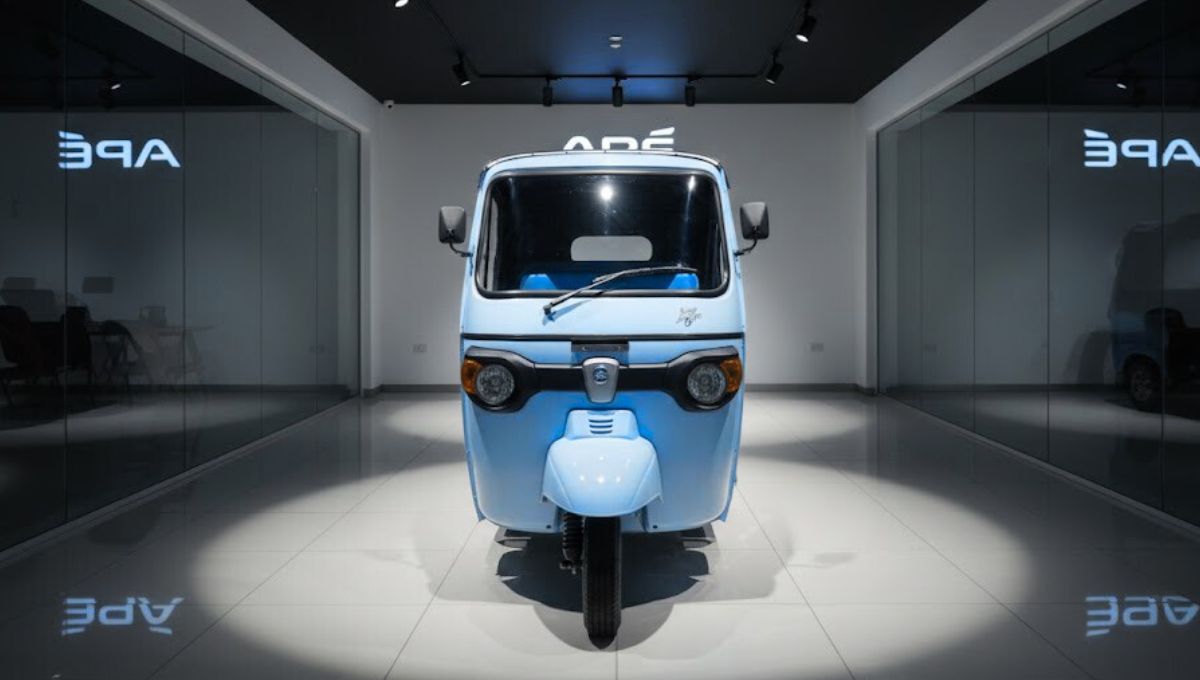
The Apé Electric Auto refers to the electric three-wheeler range from Piaggio — designed for passenger transport — that uses a swappable lithium-ion battery rather than a fixed fuel tank or fixed battery alone. Instead of refuelling with petrol or waiting for long charging cycles, drivers can replace depleted batteries with fresh, fully charged ones. This approach offers a more flexible, low-maintenance, and eco-friendly alternative to traditional autorickshaws.

Among the models, the one commonly referred to under this umbrella is Piaggio Ape E-City FX Max — a passenger-carrying electric auto rickshaw with battery swap capability and features tuned for urban mobility. 

Key Features and Technical Specifications

Here are the main technical specs and characteristics of the Apé Electric Auto (particularly the Ape E-City FX Max)

  • Battery & Motor: Uses a lithium-ion battery (48 V or 51.2 V, depending on variant) with a capacity of up to 8 kWh in certain versions. The electric motor produces a peak power of about 5.44 kW and a peak torque of around 29 Nm.
  • Seating Capacity: Driver plus up to 3 passengers (D + 3 seater) — making it suitable for typical small-group transport or shared rides. 
  • Performance: The top speed is around 50 km/h. The typical driving range per full battery or swap can be up to 145 km (on certain 8 kWh battery versions under favorable conditions).
  • Charging / Battery Swap: Battery swap reduces downtime compared to conventional charging — rather than waiting for long charging cycles, a driver can quickly get a fresh battery and resume work. For home charging (when needed), a 48 V / 3000 W off-board charger takes about 3 hours 45 minutes for a full charge (depending on battery state). 
  • Build & Design: Built as a “fully built” passenger vehicle with standard three-wheeler dimensions (length ~2700 mm, width ~1370 mm, height ~1725 mm), making it compact and easy to navigate through narrow lanes and congested city traffic. 
  • Environment & Drive Quality: As an electric vehicle, the Apé Electric Auto produces zero tailpipe emissions and operates quietly, providing pollution-free and low-noise transport — a big advantage in urban areas. 

Beyond just the basic specs, the swappable battery design adds important practical benefits for drivers and fleet operators — which we explore next.

Why Swappable Battery Matters, Benefits of the Apé Electric Auto

1. Less Downtime, More Productivity

With a swappable battery, the downtime that comes with charging is significantly reduced. Instead of waiting hours for charging, the driver can swap in a fully charged battery and get back on the road — maximizing daily operating hours. This is especially useful for commercial use where time is money.

2. Flexibility and Convenience

Drivers don’t need to rely solely on charging stations; they can rotate batteries, possibly using off-peak hours (like at night) for charging, and keep working during the day. For fleet owners, this can simplify operations and scheduling.

3. Eco-Friendly and Quiet Operation

Being fully electric, the Apé Electric Auto emits no tailpipe pollution and creates minimal noise — benefiting both passengers and city environments. This supports cleaner air in congested urban areas and contributes to sustainable transport goals.

Read more:- Apé Auto DX: The Smart and Powerful Passenger Auto for Modern India

4. Cost Efficiency and Lower Maintenance

Electric motors generally require less maintenance than internal combustion engines (no oil changes, fewer moving parts, etc.). Coupled with the swappable battery system, this can reduce overall running costs, making it attractive for small business owners or shared-ride operators.

5. Economic Passenger Transport Option

With seating for up to 3 passengers (plus driver), the Apé Electric Auto is well-suited for intra-city passenger transport or shared-ride services. Its compact build and decent range make it practical for daily urban commuting or short-distance transport needs.

Practical Use Cases — Who Can Benefit from Apé Electric Auto?

  • Urban autorickshaw operators & fleet owners: Those who run passenger-car autos in cities can reduce running costs and avoid fuel price fluctuations.
  • Shared-ride or ride-hailing services: For services operating in cities, this can be a greener and more economical alternative to petrol/diesel autos.
  • Small business owners or transport-service providers: For transporting small groups of people (e.g., school commute, staff transport, short-distance rides), the Apé Electric Auto offers a compact and efficient solution.
  • Eco-conscious individuals/communities: Anyone looking to reduce their carbon footprint and support electric mobility, especially in dense urban areas with air pollution issues, may consider this vehicle as a sustainable alternative.

Challenges or Considerations

While Apé Electric Auto brings many advantages, there are a few practical factors to consider:

  • Battery Infrastructure: For swappable battery systems to be effective, there must be a reliable infrastructure — enough charged batteries and swap stations in accessible locations. Without this, drivers might still face downtime or limited range.
  • Load & Passenger Limits: As a small three-wheeler with limited passenger capacity, it may not be suitable for heavy cargo or large-group transport.
  • Peak Load / Terrain Impact: Performance (range and power) may vary depending on load, number of passengers, road conditions or terrain — especially in hilly areas or heavy traffic, which could reduce effective range.
  • Initial Costs & Battery Management: Though maintenance is lower, the initial purchase cost (or subscription for battery swapping, if implemented) needs to be weighed. Also, proper battery care and charging habits are required to maximize battery life.

Final Thoughts

The Apé Electric Auto represents a smart shift in urban mobility — combining compact dimensions, electric efficiency, and the practicality of swappable batteries. For city-based transport, shared rides, small fleets, or eco-conscious drivers, it offers a compelling blend of cost savings, convenience, and environmental benefit. While the success of such a vehicle depends on supportive infrastructure (battery swap stations, proper maintenance, and charging facilities), it is one of the promising ways forward for cleaner, quieter, and more efficient urban commuting — especially in crowded cities where conventional autorickshaws contribute to pollution and congestion.

Apé Auto DX: The Smart and Powerful Passenger Auto for Modern India

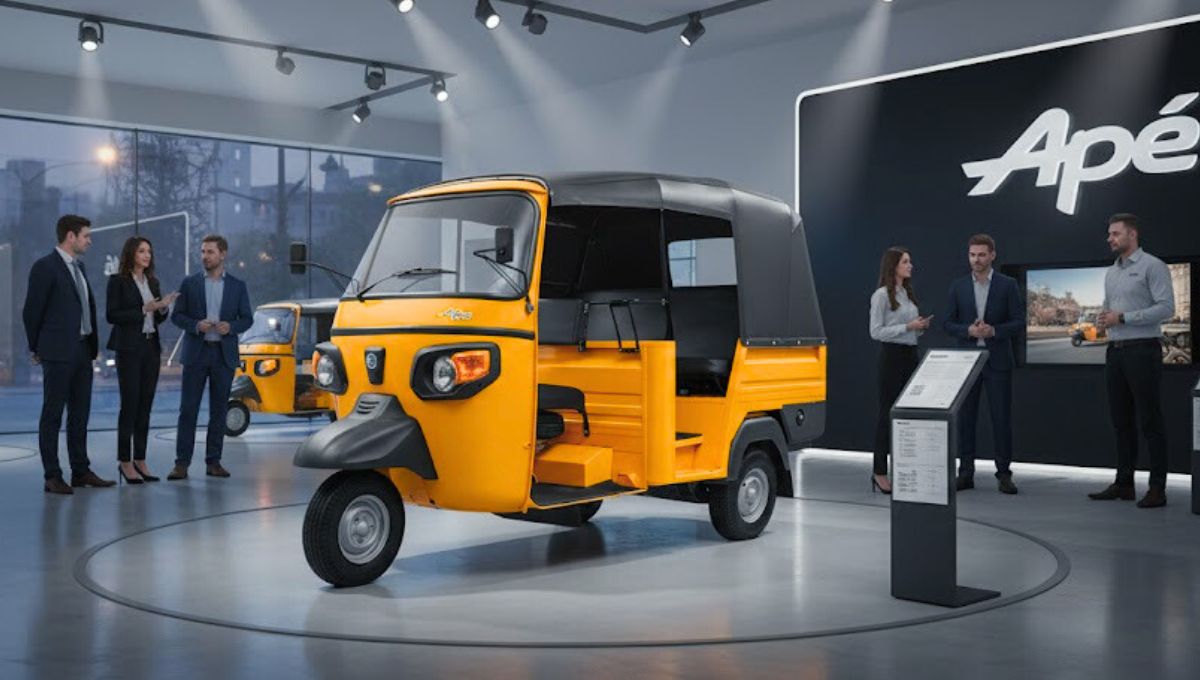
The Apé Auto DX is a versatile three-wheeler passenger auto rickshaw manufactured by Piaggio Vehicles Pvt. Ltd.. Built for urban and semi-urban transport, it combines robust engineering, efficient fuel consumption, and practical design—making it a popular choice for drivers and fleet operators across India. This article offers an in-depth look at the features, specifications, pros and cons, and frequently asked questions about Apé Auto DX.

What Is Apé Auto DX?

Apé Auto DX is a three-wheeler passenger carrier designed primarily for short-distance commuting, intra-city transport, and last-mile connectivity. It is part of Piaggio’s line of “Ape” vehicles and is built to offer a balance between affordability, performance, and practicality. Its design features a cabin, doors for passenger safety, and a compact build, making it well-suited for navigating narrow city streets and heavy traffic — essential characteristics for Indian urban environments.

The Apé Auto DX offers multiple fuel options (Diesel, CNG, LPG), providing buyers with flexibility to prioritize their needs — whether it’s maximizing fuel economy, ensuring fuel availability, or considering environmental factors.

Key Specifications and Performance

Engine, Power & Fuel Options

  • Diesel variant: Equipped with a 599 cc single-cylinder naturally aspirated water-cooled engine. It delivers a maximum power output of 7 kW (at 3600 rpm) and a peak torque of 23.93 Nm (at 2200 ± 200 rpm).
  • Alternative fuel options: Apart from diesel, Apé Auto DX is available in CNG and LPG variants — catering to diverse transport needs and regional fuel availability.
  • Fuel tank (Diesel): 10 litres.
  • Fuel efficiency: Mileage is generally around 30 km per litre for diesel, CNG, and LPG variants under typical conditions.

Capacity, Load & Gradeability

  • Seating: Driver + 3 passengers.
  • Gross Vehicle Weight (GVW / GCW): Around 780 kg (diesel variant).
  • Gradeability: For the diesel version, the Apé Auto DX can handle inclines up to 30.7%, indicating decent hill-climbing capability.

Dimensions & Ride Comfort

  • Wheelbase: 1920 mm — compact enough for urban maneuverability.
  • Ground clearance (diesel): 245 mm — helpful for uneven roads and speed bumps.
  • Suspension & Braking: Hydraulic telescopic shock absorbers with suitable springs and dampers at front and rear for ride comfort. Braking is handled by hydraulically actuated drum brakes.
  • Transmission: Manual gearbox — 5 forward gears + 1 reverse.

These specifications make Apé Auto DX capable of delivering a stable, comfortable ride even on less-than-ideal road conditions, while offering adequate power and fuel efficiency for regular city or short-distance transport.

Read more:- Harley-Davidson X 440: A Detailed Look at the New Entrant

Why Consider Apé Auto DX? (Pros)

1. Reliability & Fuel Efficiency

With a tried-and-tested engine, mechanical robustness, and fuel options, the Apé Auto DX ensures low operating costs. The 30 kmpl mileage and availability of diesel, CNG, and LPG options make it economical for frequent use.

Read more:- Yamaha Raptor 700R 2026 SE Review: The Ultimate Sport ATV for Dirt Domination

2. Versatility and Adaptability

Whether you operate in cities with dense traffic, congested lanes, or semi-urban localities, the compact size, good ground clearance, and manageable turning radius make it very adaptable. The capability to handle slopes (30.7% gradeability) adds to its versatility.

3. Practicality for Passenger Transport

Seating for 3 passengers besides the driver makes it a viable option for short-distance commuter services, shuttle runs, or small-group transport. The enclosed cabin with doors ensures better safety and comfort than an open auto rickshaw.

4. Backed by a Trusted Brand & Support Network

As part of Piaggio’s product lineup, Apé Auto DX benefits from brand reliability, a widespread service network, and availability of genuine spare parts. This helps in a smooth ownership and maintenance experience.

Limitations / What to Keep in Mind

  • The Apé Auto DX, being a simple 3-wheeler, lacks advanced comfort features such as power steering, air-conditioning, or digital infotainment.
  • As a basic commuter vehicle, safety features like seat belts, ABS, or hill-hold assist are absent.
  • While the diesel variant performs well, depending on usage (city vs. long routes, load, traffic), actual mileage may vary. Real-world conditions (traffic, frequent stops, heavy load) can lower efficiency compared to claimed values.
  • It’s more suited for short-distance urban commuting rather than long-distance travel or high-speed highways.

Is Apé Auto DX the Right Choice for You?

Apé Auto DX is ideal if you are:

  • Running a small passenger-transport business in urban/semi-urban areas
  • Looking for a low-cost, reliable auto rickshaw for daily commuting or shuttle services
  • Prioritizing fuel efficiency, simplicity, and ease of maintenance over luxury
  • Operating in areas with narrow roads, frequent traffic, or uneven roads

If you need more comfort, higher speed, or long-distance capability, you might want to explore larger vehicles — but for city-based transport or short trips, Apé Auto DX remains a balanced and practical solution.

The Apé Auto DX stands out as a practical, efficient, and reliable three-wheeler for passenger transport in Indian cities. Its solid build quality, fuel options, manageable maintenance, and flexibility make it a smart choice for those running small transport businesses or needing a cost-effective commuting solution. If you prioritize reliability, low running cost, and ease of operation over luxury, Apé Auto DX offers a compelling package that balances performance, economy, and practicality.

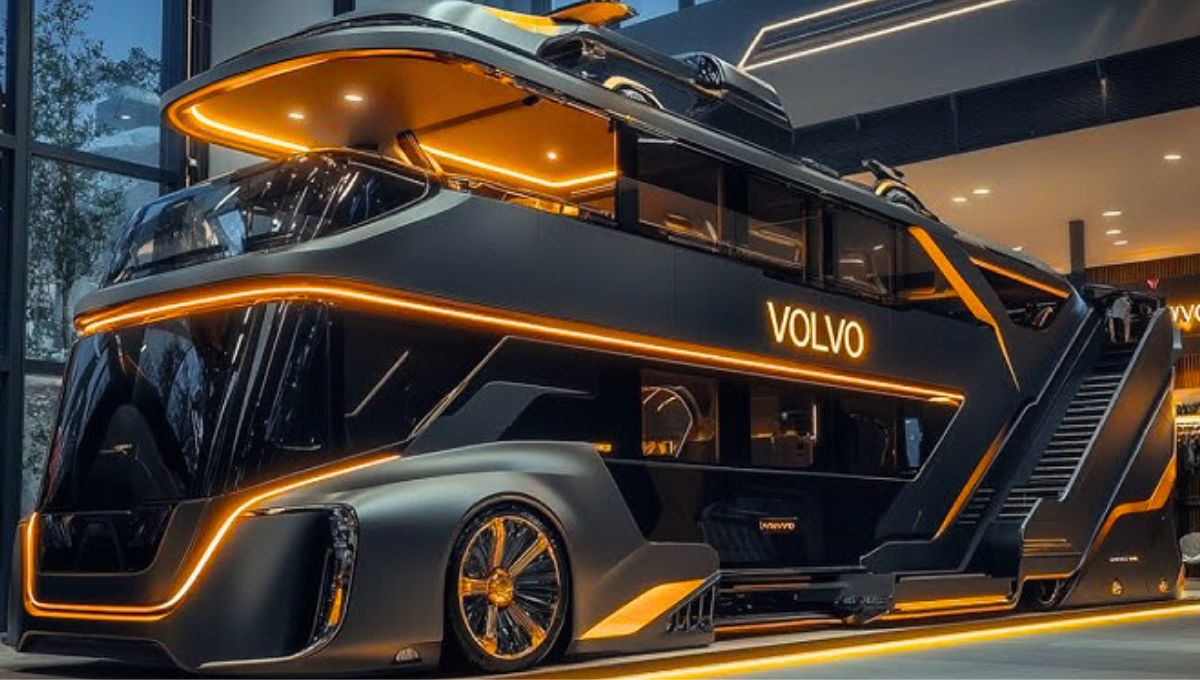
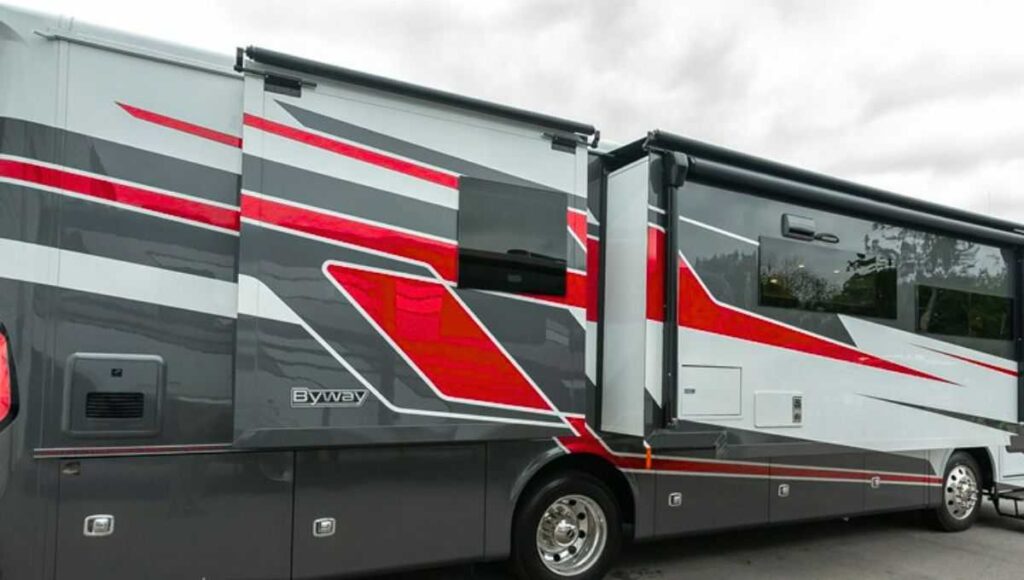
2026 Tiffin vs Volvo Motorhome: AWD Capability, Luxury Sleep Quarters, Connected Tech & High-End RV Battle!

Tiffin vs Volvo Motorhome 2026: The world of luxury motorhomes is evolving fast — and with 2026 comes a major head-to-head between two very different philosophies of mobile living. On one side, you have Tiffin Motorhomes, with decades of American craftsmanship and comfort on wheels. On the other hand, Volvo drives into the motorhome space with European minimalism, electric/hybrid innovation, and modern smart-vehicle technology.

The comparison 2026 Tiffin vs Volvo Motorhome is not just about specs or looks — it’s really about lifestyle: Do you want a home-on-wheels built like a classic house, or a sleek, tech-driven mobile apartment designed for modern travel and sustainability?

2026 Tiffin Motorhome — Classic Comfort & Long-Haul Readiness

  • Tiffin is well established in the RV world, with a long history of building reliable, high-quality motorhomes. Their models are known for robust build, attention to detail, and amenities that make long stays comfortable. 
  • Tiffin motorhomes feature handcrafted wood cabinetry, solid construction, and generous storage. Interiors are often described as “residential on wheels,” with real-home comforts. 
  • The powertrain is traditionally diesel-based (or gas in some variants), giving dependable long-range capability. This drivetrain choice emphasises muscle, stability, and reliability over long distances.
  • Some of the features that set Tiffin apart include a durable chassis (often using their “PowerGlide” platform), well-insulated, leak-resistant roof construction, artisan woodwork, efficient lighting, and thoughtful details like specialised air-flow climate control systems.
  • For travellers planning extended road trips, full-time RV living, or frequent cross-country journeys, Tiffin offers a familiar, “home-like” environment with classic RV reliability.

2026 Volvo Motorhome — Modern Tech, Electric Mobility & Smart Design

  • Volvo’s 2026 motorhome shifts the paradigm: instead of diesel, many configurations rely on hybrid or full-electric powertrains. This means instant torque, quieter rides, lower emissions, and a more eco-conscious road trip. 
  • Design-wise, the Volvo motorhome embraces Scandinavian minimalism. Interiors are sleek, modular, and space-efficient — using clean lines, lightweight materials, and smart layouts rather than heavy wood or traditional “homey” luxuries
  • Technology plays a big role: advanced driver-assistance systems (ADAS), smart energy management, voice or touch controls, panoramic displays, adaptive lighting, and sometimes even solar or regenerative systems for extra efficiency are part of the package. 
  • The EV/hybrid drivetrain — often with all-wheel drive, good range per charge (or per fuel plus battery), and modern safety and convenience features — makes the Volvo motorhome suitable for those who value sustainability, modern mobility, and lower running costs.
  • For shorter vacations, weekend city escapes, eco-conscious travel, or those who prefer a lighter footprint and less maintenance, the Volvo motorhome offers a compelling alternative to traditional, heavy RVs.

Interior & Living Experience: Luxury vs Minimalist Efficiency

Tiffin’s Home-on-Wheels Ambience

Inside a Tiffin motorhome, you feel like you’ve entered a cozy house on wheels: rich wood cabinetry, full-size kitchen appliances or setups depending on the model, ambient lighting, comfortable living space, and often slide-out sections that expand the interior footprint. 

These motorhomes are often sized for extended stays — perfect when you want the comfort of home for long journeys, family trips, or even full-time living on the road. Storage is generous, layouts are roomy, and the overall vibe is that of a small home rather than a compact camper. 

Volvo’s Modern, Efficient Living Space

Volvo’s motorhomes take a different route — instead of maximising bulk and “homey” furniture, they maximise flexibility, efficiency, and modern aesthetics. As a result, interiors are lighter, often modular or convertible. Furniture and fixtures may be foldable, space-saving, and clever in design.

Materials tend to be contemporary (light metals, composites, eco-friendly surfaces), and the layout seeks to balance comfort with mobility. For travellers who value minimalist design, ease of maintenance, and modern feel over “traditional home charm,” Volvo’s approach can be very attractive. 

Performance, Powertrain & Efficiency: Diesel Grit vs Electric Innovation

Tiffin — Long Haul, Proven Diesel Performance

Tiffin’s use of diesel (or gas in some models) delivers consistent performance across long distances. Heavy-duty builds, stable chassis, and robust engines make it well-suited to long road trips, towing, and covering remote areas where charging stations or infrastructure might be sparse.

This reliability is especially useful for full-time RVers or those who want to travel across varied terrain, where range and robustness matter more than low emissions.

Volvo: Electric or Hybrid Mobility for the Modern Traveller

The 2026 Volvo Motorhome’s hybrid or full-electric powertrain offers a fundamentally different experience: quiet, instant torque, lower running costs (especially where electricity or renewable energy is available), and lower environmental impact. 

Range per charge or per combined fuel/battery setup is reportedly competitive, and the availability of fast charging (or regenerative/solar power in some variants) adds to the practicality. This makes the Volvo option appealing for those who value sustainability, efficiency, and modern convenience over the classic RV lifestyle.

Who Each Motorhome Is For: Travel Style & Buyer Type

Choose the 2026 Tiffin Motorhome If You:

  • Prioritise long-distance travel, remote area access, or places without reliable charging infrastructure.
  • Want a spacious, home-like environment with traditional comforts: ample living space, kitchen, storage, perhaps slide-outs.
  • Prefer proven, long-established motorhome technology and the flexibility to tow, carry heavy loads, or live in the RV for extended periods.
  • Value robustness, reliability, and a classic “home away from home” experience on the road.

Choose the 2026 Volvo Motorhome If You:

  • Care about sustainability, lower running costs, quieter rides, and modern electric/hybrid technology.
  • Prefer a light, efficient, minimalist design rather than a large, heavy RV.
  • Are drawn to smart features: advanced driver assistance, high-efficiency energy systems, modern interiors, and convenience tech.
  • Plan mostly urban-to-urban trips, weekend getaways, or wish to reduce dependence on fuel and maintenance compared to diesel RVs.

Pros & Things to Consider: Strengths and Trade-offs

2026 Tiffin Motorhome — Pros

  • Spacious, comfortable interiors with home-like amenities and storage.
  • Reliable diesel powertrain ideal for long-distance and remote travel.
  • Time-tested build quality and reputation.
  • Flexibility — slide-out expansions, towing capacity, versatile layouts

2026 Tiffin Motorhome — Considerations

  • Diesel engines imply higher fuel costs and emissions compared to electric/hybrid.
  • A heavier build may be less nimble, especially for urban or tight campsite access.
  • Maintenance and running costs for a diesel coach may be higher than electric counterparts.

2026 Volvo Motorhome — Pros

  • Electric/hybrid powertrain: quiet ride, instant torque, lower running cost, eco-friendly.
  • Modern design and smart tech features: energy-efficient systems, safety and driver assistance, sleek interiors.
  • Efficient use of space, lighter build, easier to manoeuvre.
  • Lower maintenance needs compared to traditional diesel engines.

2026 Volvo Motorhome — Considerations

  • Range depends on battery charge and availability of charging infrastructure — may be a challenge in remote areas.
  • Smaller living space compared to large diesel coaches; may feel compact for extended stays, large families or heavy storage needs.
  • Some buyers may miss the “homey” feel of traditional RV furniture and finishes.

The 2026 Tiffin vs Volvo Motorhome comparison is less a contest of “which is better overall” than “which suits your lifestyle.”

Read more:- Harley-Davidson X 440: A Detailed Look at the New Entrant

If you imagine long road trips, cross-country travel, remote destinations, or full-time RV living — with all the comforts of a house — the 2026 Tiffin Motorhome remains a timeless choice.

If instead you lean toward sustainability, modern design, efficiency, urban-to-urban travel or shorter trips — and appreciate smart technology, eco-friendliness, and minimal maintenance — the 2026 Volvo Motorhome offers a refreshing new way to travel.

In the end, both represent quality and luxury in their own domains. Your decision depends on whether you value classic motorhome luxury or modern, efficient mobility.

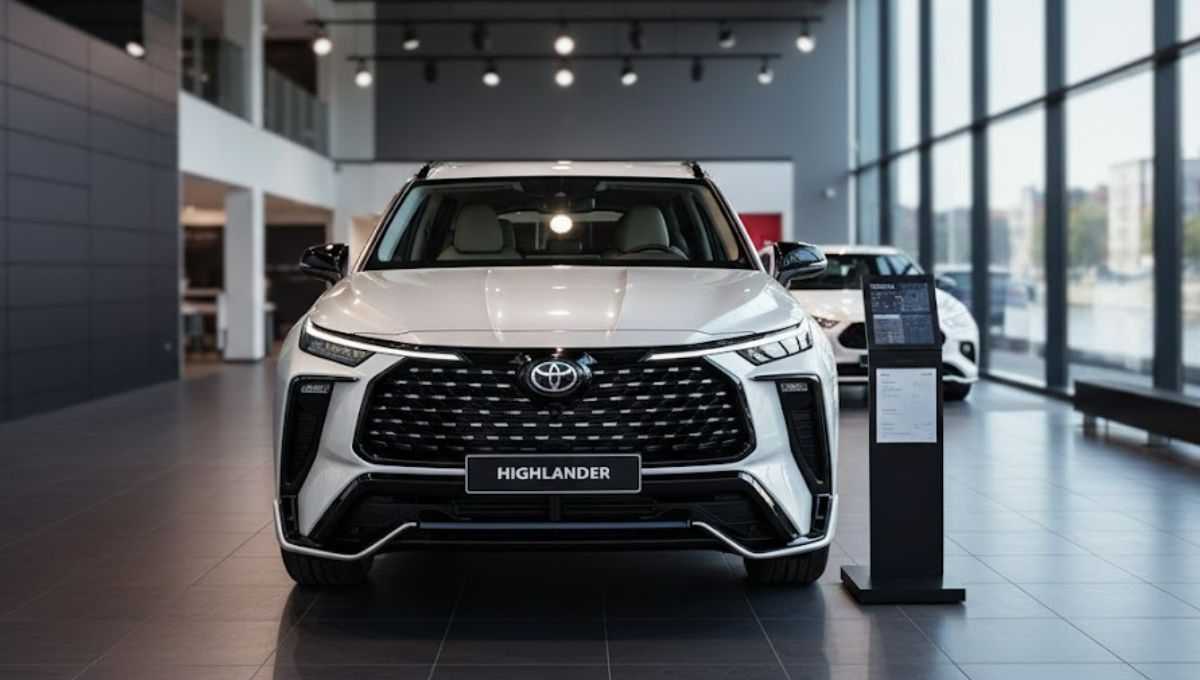
New Toyota Highlander 2026 Launch: Turbo Hybrid 2.4L Engine, 243HP & Premium 7-Seater SUV!

A Fresh Chapter for the Toyota Highlander

The 2026 model of the Toyota Highlander marks a significant evolution in its longstanding legacy. Built on the strengths that made it a favorite, spacious cabin, family-friendly practicality, and reliable performance, the new Highlander brings a slew of updates and refinements. For buyers seeking a versatile mid-size SUV with modern comforts and capability, the latest iteration of the Highlander offers an appealing blend of style, technology, and utility.

Standard All-Wheel Drive Across the Lineup

One of the most pivotal changes for 2026 is that all gas and hybrid models of the Toyota Highlander now come standard with All-Wheel Drive (AWD). This move simplifies the lineup and ensures that drivers get better traction and control as standard — a plus for those who deal with varied road conditions or occasional off-road.

Streamlined Trim and Engine Options

The 2026 Highlander is offered in a simplified structure: four gas variants and three hybrid variants. 

Gas power comes from a 2.4-liter turbocharged four-cylinder engine, delivering 265 horsepower and 310 lb-ft of torque, paired with an 8-speed automatic transmission. 

Hybrid models pair a fuel-efficient 2.5-liter engine with electric motors, offering a balance of performance and economy.

Interior, Comfort, and Versatility: Designed for Families

Spacious Seating & Cargo Flexibility

The 2026 Highlander continues to offer three-row seating, accommodating up to seven passengers, or even eight in gas variants fitted with a second-row bench seat. 

With the second and third rows folded down, the cargo space expands to around 84.3 cubic feet, offering generous storage for luggage, groceries, gear, whatever your lifestyle demands. 

Material Quality and Comfort Amenities

Inside, the cabin gets a refined upgrade depending on trim level: from SofTex-trimmed seats to leather upholstery, ambient interior lighting, and an optional panoramic moonroof on higher trims. 

Other comfort touches include tri-zone automatic climate control, multiple USB ports, wireless charging (on compatible variants), and various seat configurations, making it a suitable choice for long drives, family trips, or everyday commuting. 

Technology & Infotainment

The 2026 Toyota Highlander brings a modern and flexible infotainment system to the table:

  • Buyers get a standard 8.0-inch touchscreen, with an option to upgrade to a 12.3-inch display on higher trims. 
  • The system supports wireless Apple CarPlay® and Android Auto™, allowing seamless smartphone connectivity.
  • For an enhanced audio experience, select variants offer a JBL® Premium Audio system with multiple speakers — ideal for music lovers or long drives. 
  • Connectivity features also include multiple USB ports, Bluetooth, and optional subscription-based services (such as navigation updates, remote features), depending on the region and package.

Read more:- Indian Pursuit Limited: Price, Specs, Mileage, Features & Expert Review

Performance, Driving Dynamics, and Towing

Whether you choose gas or hybrid, the 2026 Highlander aims to deliver a comfortable but capable driving experience.

  • The turbocharged 2.4-liter gas engine offers a solid 265 hp with smooth torque delivery, well-suited for highway drives, overtaking, or towing needs.
  • For those preferring better fuel efficiency and smoother urban commuting, the hybrid powertrain offers a balanced option, combining reasonable power with improved economy.
  • The standard AWD setup, now across all trims, enhances stability and control, whether you are driving in city traffic, wet climate conditions, or light off-road.

Safety and Driver-Assistance Features

Safety remains a priority in the 2026 Highlander:

  • All trims come standard with the suite of driver-assistance features: pre-collision system with pedestrian detection, lane departure alert with steering assist, adaptive cruise control, automatic high beams, and more. 
  • Additional safety includes stability and traction control, anti-lock braking system (ABS), multiple airbags (including side and curtain airbags), and a comprehensive safety-management system in hybrid variants to help ensure stable handling under varying conditions.
  • Higher trims add driver-convenience and parking aids such as rear cross-traffic alert, blind-spot monitoring, and optional 360° camera systems (depending on region and configuration) — useful for urban driving and parking. 

Who Is the 2026 Highlander For?

The 2026 Toyota Highlander suits a wide range of buyers:

  • Families: With up to seven or eight seats, flexible cargo space, and comfort-oriented interiors, it’s a great choice for families needing space and practicality.
  • Frequent Travellers / Long-Distance Drivers: The comfortable seating, versatile storage, efficient hybrid option, and modern tech make it ideal for road trips, weekend getaways, or long commutes.
  • Those Needing All-Wheel Drive Capability: Now standard across all trims, the AWD ensures better handling in varied weather or road conditions, a plus in regions with diverse terrains or monsoon seasons.
  • SUV Buyers Seeking Balance: If you want a vehicle that balances practicality, comfort, performance, and modern features, without venturing into luxury-SUV price territory, the Highlander 2026 emerges as a sensible mid-size SUV choice.

Conclusion

The 2026 Toyota Highlander delivers a compelling package for those in search of a reliable, comfortable mid-size SUV. With the addition of standard AWD, a refined selection of powertrains, upgraded interiors and technology, and a flexible seating and cargo arrangement, the Highlander balances practicality, comfort, and capability. For families, long-distance drivers, or anyone needing a versatile SUV that doesn’t compromise on features or reliability, the new Highlander stands out as a strong contender.

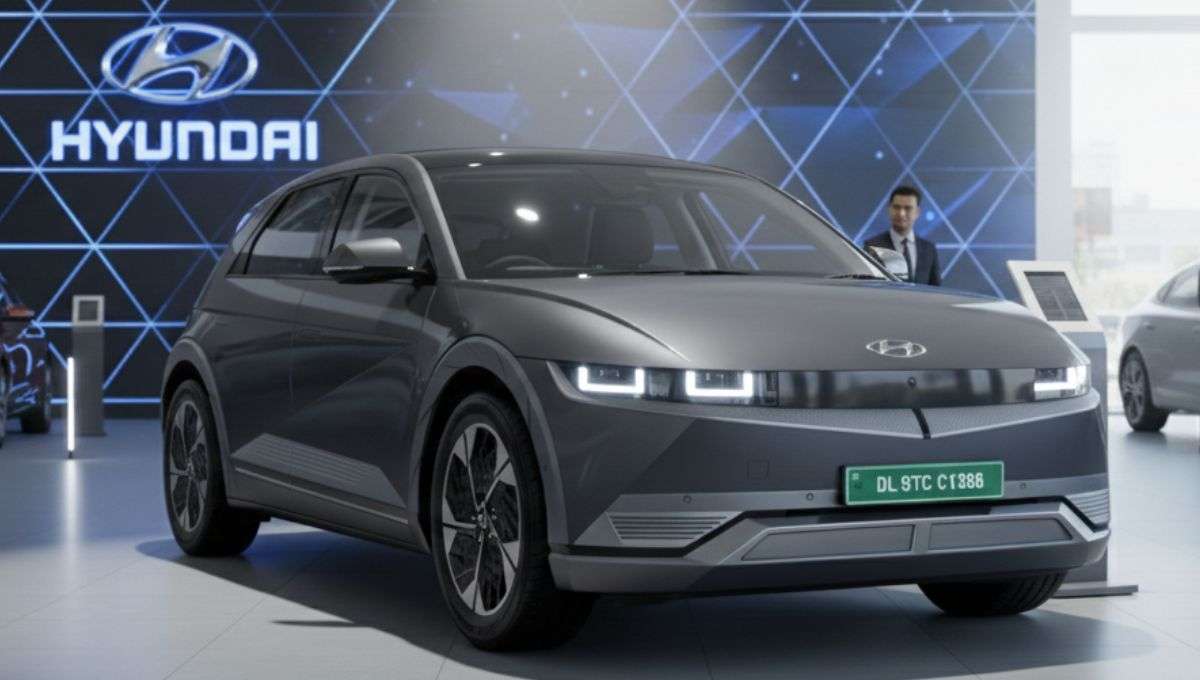
Hyundai Ioniq 3 – The Next-Generation Compact Electric EV Revolution

Hyundai Ioniq 3: The Next-Generation Compact Electric EV Revolution Hyundai Ioniq 3 emerges as one of the most anticipated electric cars in the global automotive market. Designed to redefine the compact EV segment, this futuristic hatchback brings Hyundai’s cutting-edge innovation, advanced design language, and superior electric mobility into a practical, urban-friendly form. As part of Hyundai’s ambitious IONIQ lineup, the Ioniq 3 promises exceptional efficiency, a bold modern identity, and next-level connected technology that elevates everyday driving.

Bold Exterior Design with Futuristic Aesthetics

The Hyundai Ioniq 3 presents a striking visual appeal that seamlessly merges minimalistic aesthetics with futuristic design language. Its clean profile and sculpted surfaces reflect Hyundai’s modern EV DNA.

Key Exterior Highlights

  • Parametric Pixel LED Headlamps inspired by the Ioniq 5
  • Aerodynamic body sculpting for enhanced range
  • Signature full-width LED tail light bar
  • Compact yet muscular stance, perfect for urban roads
  • Flush door handles improve airflow and style
  • Dual-tone alloy wheels crafted for reduced drag

Built on Hyundai’s evolving EV design philosophy, the Ioniq 3 achieves a perfect blend of boldness and efficiency.

Advanced Electric Powertrain Built for Urban Efficiency

The Ioniq 3 is engineered on the E-GMP (Electric Global Modular Platform), allowing greater flexibility, efficiency, and performance.

Powertrain & Performance

  • Single-motor FWD setup expected for most variants
  • Power output estimated to be between 135–160 PS
  • Instant torque delivery for rapid urban acceleration
  • Smooth, silent and stable driving dynamics
  • Expected to offer multiple drive modes including Eco, Normal, and Sport

This compact EV promises agile handling, making it ideal for narrow streets, quick lane changes, and city traffic environments.

Battery Capacity, Range & Charging Technology

The Hyundai Ioniq 3 is expected to come equipped with highly efficient battery options that ensure an optimal balance between performance and range.

Battery & Range Expectations

  • Standard battery pack: ~48 kWh
  • Long-range battery pack: ~60 kWh
  • Expected driving range of 350–450 km per charge (WLTP)
  • 800V fast-charging capability – rare in compact EVs
  • Ability to charge from 10% to 80% in approx. 25 minutes with ultra-fast DC chargers

Hyundai’s thermal battery management system ensures reliable performance even in extreme weather conditions.

Premium Interior with Modern Digital Tech

Inside the Hyundai Ioniq 3, minimalism meets practicality. The cabin is thoughtfully designed to provide maximum space, comfort, and intuitive technology for an effortless electric driving experience.

Interior Highlights

  • Dual 10.25-inch digital screens for cluster & infotainment
  • Touch-enabled climate control panel
  • High-quality soft-touch dashboard with futuristic contours
  • Eco-friendly upholstery made from recycled materials
  • Flat floor design thanks to E-GMP architecture
  • Customizable ambient lighting
  • Advanced steering-mounted controls

The cabin’s airy layout and low-clutter approach make the Ioniq 3 feel larger than most compact hatchbacks.

Next-Level Connectivity & Smart Features

The Ioniq 3 is designed as a fully connected electric vehicle with Hyundai’s state-of-the-art digital ecosystem.

Connectivity Features

  • Hyundai SmartSense connected suite
  • Over-the-Air (OTA) updates for continuous improvements
  • Wireless Apple CarPlay & Android Auto
  • Voice-enabled commands
  • Remote vehicle monitoring & control via mobile app
  • Navigation with AI-assisted routing for EV charging stations

These smart features offer a seamless digital experience, making everyday driving more convenient and intuitive.

Safety Technology with Hyundai SmartSense ADAS

Safety remains a core focus for the Ioniq series, and the Ioniq 3 continues this momentum with an advanced safety feature suite.

Top Safety Features

  • Level-2 ADAS for assisted driving
  • Adaptive Cruise Control
  • Forward Collision Avoidance Assist
  • Lane Keeping Assist
  • Driver Attention Warning
  • High Beam Assist
  • 360° camera and parking assist (expected in higher trims)
  • Strong body structure designed for maximum crash protection

The combination of safety engineering and intelligent driver assistance makes the Ioniq 3 one of the safest compact EVs in its class.

Practicality, Space & Everyday Usability

The Ioniq 3 is created with urban practicality in mind. Despite its compact footprint, the EV offers generous interior space and smart utility enhancements.

Practicality Features

  • Enhanced rear legroom thanks to EV platform
  • Large boot space suitable for weekend trips
  • Split-folding rear seats for added utility
  • Multiple USB-C fast-charging ports
  • Smart storage spaces across the cabin

Whether for daily commuting or weekend escapes, the Ioniq 3 is crafted to accommodate active lifestyles.

Read More :- Mercedes-AMG CLE Coupé 2026 : Specs, Engine, Interior, Speed & Other Details

Sustainability & Eco-Friendly Materials

Hyundai integrates sustainable materials and processes into the Ioniq 3’s construction.

Eco-Friendly Elements

  • Recycled PET bottle fabric
  • Bio-based paints
  • Recycled fishing nets used for floor carpets
  • Minimal environmental impact manufacturing processes

This makes the Ioniq 3 not just an EV but a responsible mobility solution.

Expected Price, Variants & Market Position

The Hyundai Ioniq 3 is expected to be positioned below the Ioniq 5, making it a more affordable and compact option.

Expected Pricing

  • Base variant: $25,000 – $30,000 (international markets)
  • Higher variants: $32,000 – $38,000

In Asian and European regions, the Ioniq 3 will compete directly with:

  • Renault Megane E-Tech
  • Volkswagen ID.3
  • Peugeot e-308

Its competitive pricing and strong feature list position it as a compelling choice in the compact EV market.

Why the Hyundai Ioniq 3 Stands Out

The Ioniq 3 stands out due to:

  • Highly efficient EV performance
  • Premium-quality interior
  • Advanced range & fast-charging technologies
  • Smart connectivity & ADAS features
  • Visually striking modern design
  • Competitive pricing in the compact EV category

It is engineered to deliver a future-ready driving experience with unmatched practicality and innovation.

Hyundai Ioniq 3 – A Game Changer in Compact Electric Mobility

The Hyundai Ioniq 3 represents Hyundai’s commitment to shaping the future of electric mobility. With its advanced EV platform, futuristic design, cutting-edge digital ecosystem, and superior efficiency, the Ioniq 3 is set to redefine what compact electric vehicles should offer. For those seeking a stylish, technologically rich, and sustainable EV that combines performance with practicality, the Ioniq 3 stands as one of the most promising electric hatchbacks in the upcoming global market.

XUV700 AX7 L Diesel – The Ultimate Premium SUV for Power, Luxury & Innovation

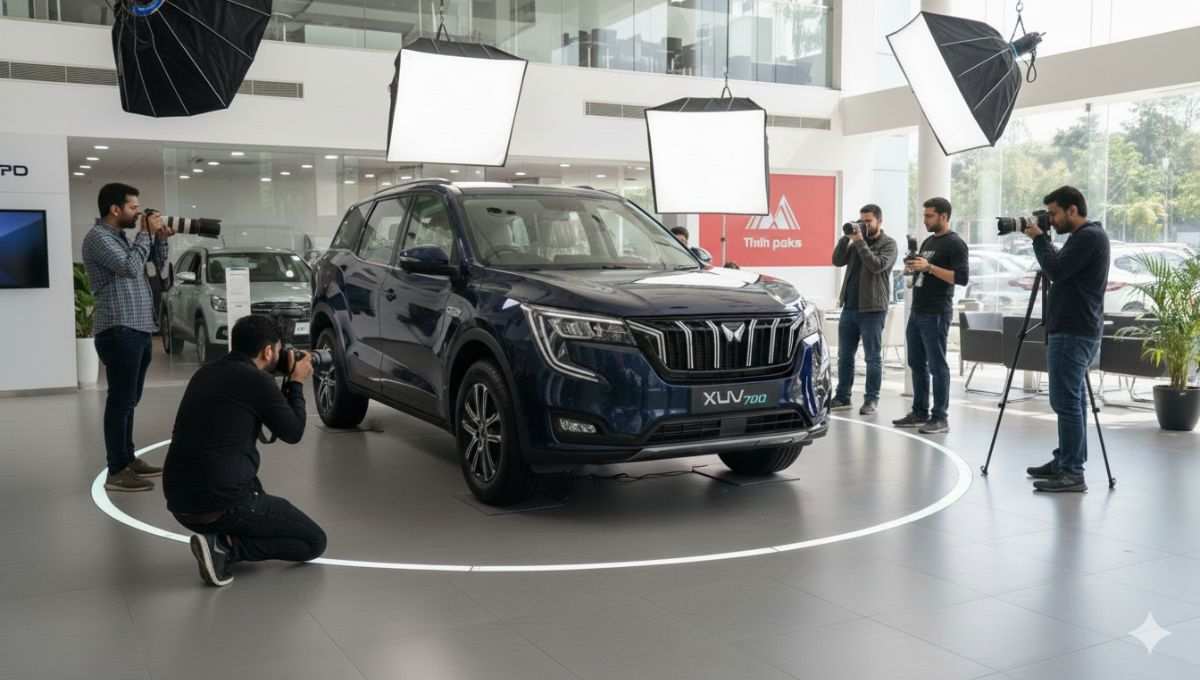
XUV700 AX7 L Diesel : The Mahindra XUV700 AX7 L Diesel stands as one of the most feature-rich, powerful, and technologically advanced SUVs in India’s premium segment. With its commanding stance, refined diesel engine, and segment-leading ADAS features, this top-of-the-line variant represents the pinnacle of modern engineering. In this detailed guide, we explore every element of the AX7 L Diesel—from its design and performance to interior comfort, safety technology, and ownership benefits.

Bold Exterior Styling That Makes a Statement

The XUV700 AX7 L Diesel features a striking exterior design that blends aggression with elegance. Its aerodynamic profile, expansive shoulder lines, and modern lighting signature allow it to dominate the road effortlessly.

Key Exterior Highlights

  • Massive Chrome-Finished Grille with Mahindra’s new Twin Peaks logo
  • LED Headlamps, DRLs, and Sequential Turn Indicators
  • Smart Door Handles that sit flush with the body
  • 18-inch Diamond-Cut Alloy Wheels exclusive to higher variants
  • Panoramic Skyroof providing a premium and airy cabin experience
  • Bold character lines and sculpted bumpers enhancing road presence

The SUV’s exterior elements are not just designed for beauty—they also enhance aerodynamics and overall driving efficiency.

Power-Packed Diesel Powertrain with Superior Performance

Under the hood sits Mahindra’s acclaimed 2.2L mHawk Diesel Engine, renowned for its refined performance and strong torque delivery.

Engine & Performance Specifications

  • Engine: 2.2L Turbocharged mHawk
  • Maximum Power: 185 PS
  • Maximum Torque: 420 Nm (MT) / 450 Nm (AT)
  • Transmission Options:
    • 6-speed manual
    • 6-speed automatic torque converter
  • Drivetrain: Front-wheel drive with an optional All-Wheel Drive (AWD)

The AX7 L Diesel offers a smooth, linear power delivery ideal for city and highway driving. With its advanced engine tuning, the SUV delivers quick acceleration, refined NVH levels, and excellent high-speed stability.

Luxurious Cabin Designed for Superior Comfort

Step inside the XUV700 AX7 L Diesel, and you are welcomed into a world of sophistication. Every inch of the cabin is crafted to enhance comfort and convenience.

Premium Interior Features

  • Dual HD 10.25-inch Displays (Infotainment + Digital Cluster)
  • Immersive Sony 3D Sound System with 12 Speakers
  • Leatherette Upholstery and Soft-Touch Dashboard
  • Electric Seat Adjustment with Memory Profile
  • Ventilated Front Seats (variant dependent)
  • Large Flat-Bottom Steering Wheel with Multifunction Controls
  • Ambient Lighting
  • Panoramic Skyroof

The interiors of the XUV700 AX7 L Diesel create the feel of a high-end European SUV, offering unmatched comfort in long journeys.

Advanced Infotainment & Connectivity Ecosystem

Mahindra integrates the signature AdrenoX connected car technology into the AX7 L Diesel, introducing smarter vehicle interactions and seamless connectivity.

Read More:- BMW M9: The Ultimate Future Hypercar from BMW – Full Review, Specs, Features & Expected Price

Connectivity & Infotainment Features

  • Wireless Android Auto & Apple CarPlay
  • AdrenoX Mobile App Controls
  • Built-in Navigation with Live Traffic Updates
  • Alexa Voice Assistant Integration
  • Personalized User Profiles
  • OTA (Over-the-Air) Software Updates

The infotainment suite offers brisk responsiveness and gives drivers full command over vehicle functions at their fingertips.

ADAS Level 2 – Maximum Safety with Intelligent Technology

The AX7 L Diesel comes equipped with Level 2 Advanced Driver Assistance Systems, positioning it among the safest SUVs in India.

Top ADAS Features Include:

  • Adaptive Cruise Control
  • Forward Collision Warning
  • Automatic Emergency Braking (AEB)
  • Traffic Sign Recognition
  • Lane Keep Assist
  • Lane Departure Warning
  • High Beam Assist
  • Smart Pilot Assist

Beyond ADAS, the SUV includes:

  • 7 Airbags
  • Electronic Stability Program (ESP)
  • Hill Hold & Hill Descent Control
  • 360° Surround View Camera
  • Tyre Pressure Monitoring System (TPMS)

Together, these systems make the XUV700 AX7 L one of the most secure vehicles in its class.

Ride Quality & Handling Experience

The XUV700 AX7 L Diesel is engineered to offer a balance of comfort and performance with its independent front and rear suspension system.

Driving Experience Highlights

  • Superior high-speed stability
  • Comfortable suspension designed for Indian roads
  • Precise steering feedback
  • Minimal cabin noise thanks to improved insulation

Whether cruising on highways or navigating urban traffic, the SUV delivers confidence and comfort mile after mile.

Practicality, Space & Utility

The XUV700 AX7 L Diesel is built with families in mind. It offers generous seating across three rows along with flexible storage options.

Interior Space Features

  • 7-seater configuration
  • Spacious second-row legroom
  • Adjustable rear AC vents
  • Large boot with foldable third row

Storage pockets, cup holders, a cooled glove box, and rear charging ports add to the everyday practicality of this SUV.

Fuel Efficiency & Ownership Costs

Even with its powerful diesel engine, the AX7 L Diesel delivers competitive fuel efficiency.

Expected Mileage

  • City: 12–14 km/l
  • Highway: 16–18 km/l

Mahindra’s widespread service network ensures convenient and cost-effective maintenance.

Why the XUV700 AX7 L Diesel Stands Above the Competition

The AX7 L Diesel excels because it offers:

  • Segment-best technology
  • Powerful diesel performance
  • A premium and comfortable cabin
  • Unmatched ADAS safety features
  • Outstanding road presence

It successfully bridges the gap between mass-market SUVs and luxury offerings, making it one of the best choices in the ₹25–30 lakh segment.

A SUV That Redefines Luxury & Performance

The Mahindra XUV700 AX7 L Diesel is more than an SUV—it’s a performance powerhouse fused with luxury and intelligence. For buyers seeking superior comfort, robust performance, and best-in-class safety, this variant stands as the ultimate choice. It blends advanced technology with premium craftsmanship, delivering an undeniably future-ready ownership experience.

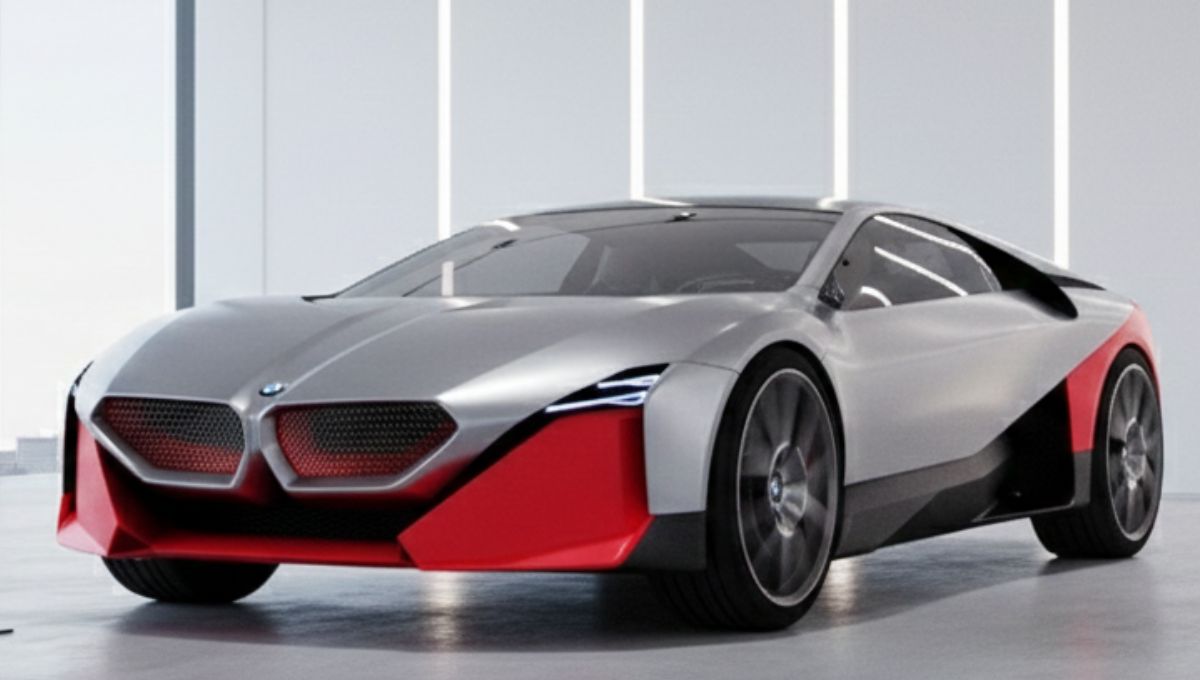
BMW M9: The Ultimate Future Hypercar from BMW – Full Review, Specs, Features Top Speed, & Expected Price

The BMW M9 has been one of the most anticipated names in the global performance-car community. Although BMW has never officially launched an “M9” in its production lineup, the name continues to spark imagination, concept discussions, and high-performance expectations. Car enthusiasts believe that the M9 could become the flagship hypercar of the M division — a machine that blends BMW’s motorsport DNA with futuristic styling, electrified power, and breakthrough speed.

In this article, we explore everything about the BMW M9 concept, including its design expectations, engine possibilities, hybrid performance, interior, features, technology, safety, driving dynamics, price expectations, and FAQs. This is your complete guide.

What is the BMW M9?

The BMW M9 is imagined as the future super sports car or hypercar that would sit above the M8 Competition in the lineup. While still unofficial, several leaks, concept renders, and industry discussions suggest that the M9 could be:

  • A hybrid or fully electric hypercar
  • Powered by an extremely high-output motor system
  • Aimed at competing with the Porsche 911 Turbo S, Audi R8, Mercedes AMG GT Black Series, and even the McLaren Artura

The car is expected to push BMW’s engineering limits, combining luxurious design with pure racing performance.

Read More:- Mercedes-AMG CLE Coupé 2026 : Specs, Engine, Interior, Speed & Other Details

Design & Exterior: Aggressive, Aerodynamic, Futuristic

1. Sharp, muscular bodyline

The BMW M9 concept is often showcased with a wide stance, bold cuts, and a sporty aerodynamic structure. The long bonnet and flowing roofline create a hypercar silhouette.

2. Enlarged Kidney Grille (New M-Style)

Expect a bold but slim kidney grille with active air flaps for cooling and drag reduction.

3. Laser + OLED Headlights

BMW’s next-gen laser headlamps with ultra-thin OLED DRL signatures provide futuristic aesthetics.

4. Aerodynamic Excellence

  • Active front splitters
  • Retractable rear spoiler
  • Carbon-fiber diffuser
  • Air channels for heat management

This improves downforce and achieves race-level stability at triple-digit speeds.

5. Carbon Fibre Body

The M9 is expected to use carbon-fibre reinforced polymer (CFRP) extensively, just like the i8 and M4 CSL, to reduce weight significantly.

Interior: Luxury Meets Motorsport

The cabin of the BMW M9 is expected to be a two-seater with a cockpit-focused layout:

1. Minimalistic dashboard with premium leather & Alcantara

BMW could offer customizable M-colour stitching, sporty carbon-fibre trims and premium metallic accents.

2. Fully-digital Performance Cluster

A race-inspired curved display providing:

  • Multiple drive-mode screens
  • Track telemetry
  • 3D navigation
  • G-force meter

3. Next-gen iDrive System

The latest iDrive 9 or an upgraded interface with AI-based voice assistance.

4. M-Sport Bucket Seats

Lightweight racing seats with:

  • 6-level electronic adjustment
  • Integrated headrests
  • Better side bolstering for high-speed cornering

5. Premium Audio System

A custom Bowers & Wilkins 3D surround sound system for an ultra-luxurious experience.

Engine & Performance (Expected)

Possibility 1: Hybrid Twin-Turbo V8

BMW could use an upgraded version of its iconic 4.4-litre twin-turbo V8, combined with an electric motor.

Expected Output:

  • Total Power: 750–850 HP
  • Torque: 900+ Nm
  • 0–100 km/h: 2.5–2.9 seconds
  • Top Speed: 340+ km/h

Possibility 2: Fully-Electric Hypercar

Inspired by BMW’s growing EV ecosystem, the M9 may be launched as a pure electric machine.

Expected Output:

  • Power: 1000+ HP
  • Range: 450–550 km (WLTP)
  • Battery: 100–120 kWh
  • Acceleration: 2.1–2.4 seconds (0–100 km/h)

Possibility 3: Hybrid Straight-6 + Dual-Motor Setup

BMW could surprise by using its efficient 3.0L straight-six with high-powered electric motors.

Driving Dynamics

The M division focuses heavily on performance, so the M9 is expected to feature:

1. Active M Differential

Improves cornering grip and power distribution.

2. Carbon–Ceramic Disc Brakes

For extreme stopping power during track usage.

3. Adaptive Suspension 4.0

Real-time damping control for comfort or track-level firmness.

4. RWD & AWD Modes

BMW may offer:

  • Full AWD for stability
  • RWD mode for drift and pure M driving thrill

5. Multiple Driving Modes

  • Comfort
  • Sport
  • Sport+
  • Track
  • Electric/Hybrid (if applicable)

Read More: Mahindra XEV 9S : India’s Flagship Electric 7-Seater SUV (Launch Details, Booking Date, Delivery Timeline, Price, Specs & Full Review)

Technology & Features

1. Head-Up Display (HUD) with AR

Shows navigation, speed, and track info.

2. Level-2 or Level-3 Autonomous Driving

Intelligent Cruise Control, Lane Assist, Blind Spot Detection, Traffic Jam Assist, etc.

3. AI-based Driving Assistant

Learns driver behaviour and adapts responses.

4. Connectivity

  • Wireless Android Auto / Apple CarPlay
  • 5G-enabled systems
  • Over-the-air software updates
  • Remote vehicle monitoring

Safety Features

The BMW M9 is expected to include:

  • 8+ Airbags
  • Adaptive Collision Mitigation
  • Surround View 360° Camera
  • Advanced Traction Control
  • Roll Stability Control
  • Side-Impact Protection System
  • AI Emergency Brake Assist

Expected Price of BMW M9

Since the M9 is expected to be a flagship performance model, prices would likely be extremely premium.

Global Estimated Price:

$250,000 – $400,000 USD

Estimated Price in India (If Launched):

₹2.5 Crore – ₹4.8 Crore (ex-showroom)

BMW M9 Top Speed

The BMW M9 (a high-performance hybrid supercar from BMW’s M division) is capable of extremely high top speeds for a production vehicle. Current reports and available specifications indicate that:

The BMW M9’s top speed is over 217 mph (about 350 km/h). This figure is based on performance estimates for the hybrid twin-turbo V8 model combining combustion and electric power, with acceleration from 0–60 mph in approximately 2.5 seconds and a top speed exceeding 217 mph (350+ km/h).

Different trims or performance packages may slightly vary the exact top speed, but the general performance benchmark for the BMW M9 places it well into supercar territory with speeds significantly above 200 mph.

BMW M9 – Pros & Cons (Expected)

Pros

  • Hypercar-level performance
  • Futuristic design
  • Cutting-edge technology
  • Extreme luxury interior
  • Carbon-fibre lightweight build

Cons

  • Very expensive
  • Limited production
  • High maintenance cost
  • May require premium fuel/charging setups

The BMW M9 is one of the most exciting “future hypercar” concepts enthusiasts look forward to. While not officially confirmed, the possibility of BMW creating a flagship performance monster with hybrid or electric power is stronger than ever. If launched, the M9 would redefine BMW’s place in the global supercar market with unmatched performance, cutting-edge technology, and aggressive M-DNA styling.

FAQs:

Has BMW M9 officially launched?

No, BMW has not officially launched the M9 yet. It remains a concept and speculation among enthusiasts.

Is BMW planning a hypercar?

Yes, BMW has hinted at future high-performance electrified models; an M9 or similar hypercar could eventually appear.

What will be the engine of the BMW M9?

Expect either a hybrid V8, straight-six hybrid, or fully electric powertrain.

What will the price of the BMW M9 be?

Likely between $250,000 to $400,000 globally, and ₹2.5–4.8 crore in India.

Who are the rivals of the BMW M9?

The car would compete with Porsche 911 Turbo S, Mercedes AMG GT Black Series, Audi R8, McLaren Artura, Lamborghini Huracán, and Ferrari 296 GTB.

You may also like :- Tata Sierra 2025 – Full Review, Features, Engine, Interior, Exterior, Mileage & More

Mercedes-AMG CLE Coupé 2026 : Specs, Engine, Interior, Speed & Other Details

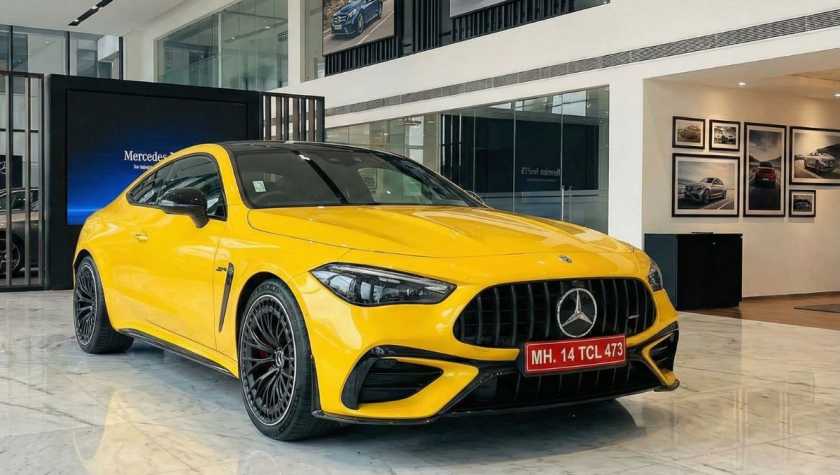
Mercedes-Benz’s sports-performance division AMG brings innovation every year, and in that vein, the new AMG CLE Coupe has been added to the CLE series. This is a coupe model that combines the sporty driving of the C-Class with the luxury of the E-Class. Modern technology, beautiful looks, powerful engines and premium comfort make this car one of the most talked-about luxury-sports Coupés of 2025.

Exterior Design

The AMG CLE Coupé looks absolutely perfect and athletic. Its design features:

  • Sloping fastback roof, which gives the car an elegant coupe style
  • AMG Panamericana grille with sporty front bumper
  • Four-pipe exhaust and carbon-style diffuser
  • Flared fenders, which further enhance the car’s muscular stance
  • 19-inch AMG alloy wheels (optional 20-inch wheels are also available)

Overall, the car’s look is so premium and sporty that it easily catches the eye anywhere.

Interior Design & Comfort

The cabin of the CLE Coupé is completely driver-focused and luxury-filled.

  •  12.3-inch digital driver display
  •  11.9-inch portrait-oriented MBUX touchscreen
  •  AMG-specific graphics and theme
  •  AMG sports seats, leather/microfiber finish
  •  Carbon fibre or premium wood trim
  •  Ambient lighting, Burmester audio system (optional)

When you sit in this cabin, you get the aggressive feel of a sports car and the luxury that is typical of Mercedes.

Read More: Mahindra XEV 9S : India’s Flagship Electric 7-Seater SUV (Launch Details, Booking Date, Delivery Timeline, Price, Specs & Full Review)

 Engine & Performance

The AMG CLE Coupé is made for performance lovers.

  •  3.0-litre inline-6 ​​turbo engine
  •  Power: 449 bhp
  •  Torque: 560 Nm (up to 600 Nm with overboost)
  •  48V mild hybrid system (ISG)
  •  9-speed AMG SPEEDSHIFT TCT gearbox
  •  4MATIC+ all-wheel drive — can send full torque to the rear wheels when needed

Performance figures

  •  0–100 km/h: 4.2 seconds
  •  Top speed: 250 km/h
  •  With AMG Driver’s Package: 270 km/h

Also available are rear-axle steering, adaptive damping, AMG Dynamic Select drive mode, which together give the car balanced, stable and very sporty handling.

 Safety and Technology

In the Mercedes-AMG CLE Coupé, you will get the full package of modern technology:

  •  Active Brake Assist
  •  Lane Keeping Assist
  •  Adaptive Cruise Control
  •  Blind Spot Monitoring
  •  360° Camera
  •  Parking Assist
  •  Multiple airbags

All in all, the CLE Coupé is not only fast — it is also safe.

Price and market position

The price of this model in India starts at around ₹1.35 crore (ex-showroom). The CLE 53 Coupé is positioned as the performance-oriented premium option of the CLE family.

It is primarily for those who want—

  •  Premium luxury
  •  AMG-level powerful performance
  •  Sporty coupe design
  •  Modern technology

Read More: Tata Sierra 2025 – Full Review, Features, Engine, Interior, Exterior, Mileage & More

 Who is it suitable for?

The Mercedes-AMG CLE Coupé is suitable for

  •  Those who want a sports-car feel, but also comfort
  •  Those who are looking for a premium, stylish and unique coupé
  •  Those who want to enjoy the driving DNA of AMG
  •  Those who need a mix of luxury + sports + technology

 The Mercedes-AMG CLE Coupé is a performance-based luxury coupé, every part of which—design, cabin, engine, technology—is extremely modern and powerful. It is not just a luxury car, but a complete sports machine made for driving lovers.

Tata Sierra 2025 – Full Review, Features, Engine, Interior, Exterior, Mileage & More

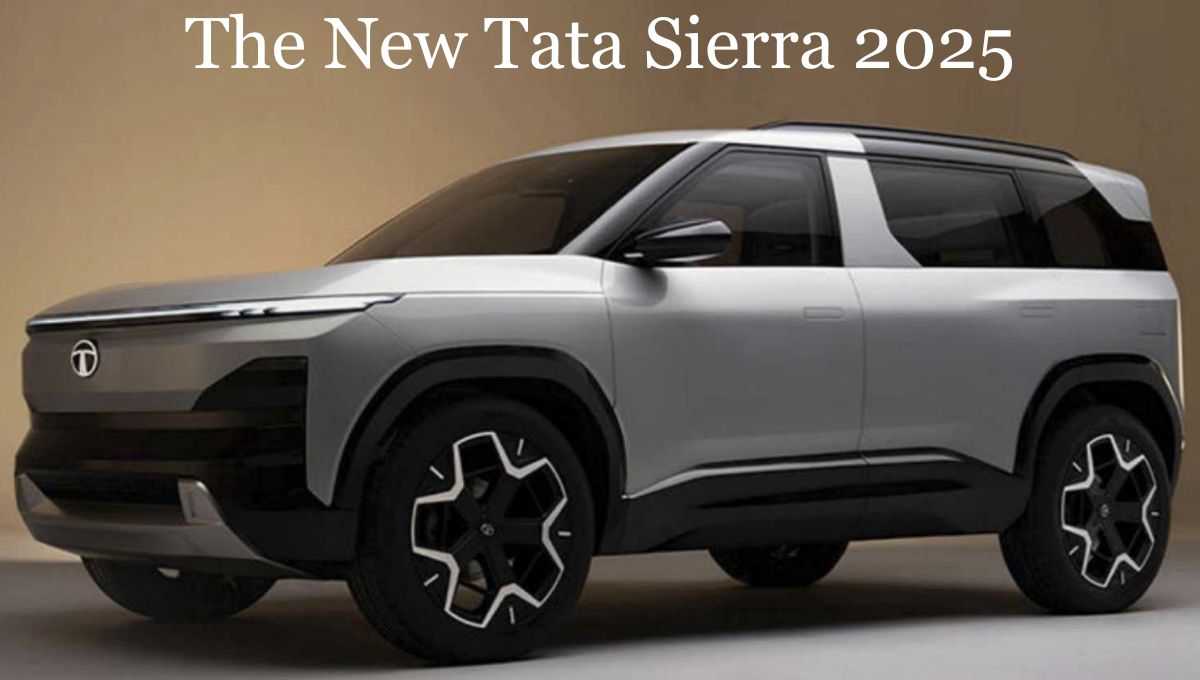
The Tata Sierra is one of the most iconic SUVs in India, and its comeback has created massive excitement among car lovers. Tata Motors has reimagined this legendary classic with futuristic design elements, modern technology, and advanced EV/ICE powertrain options. The new Sierra blends nostalgia with innovation, making it one of the most anticipated SUVs in the Indian market.

In this detailed, SEO-optimized article, we will cover Engine, Interior, Exterior, Dashboard, Space, Mileage/Range, Tyres, Features, Safety, Variants, and everything you need to know about the upcoming Tata Sierra.

When Tata Motors showcased the Sierra EV concept, it immediately grabbed attention because it revived the legendary Sierra silhouette that dominated Indian roads in the 90s. Unlike other SUVs, the Sierra stood out with its massive rear glass windows and premium 3-door design.

The new model carries forward that iconic DNA but with a completely fresh approach. It features a 5-door practical layout, improved safety, and next-generation electric architecture. The vehicle is built on Tata’s advanced Acti.ev (Electric) and Gen 2 ICE platforms, offering reliability, performance, and efficiency.

The upcoming Sierra aims to compete in the premium compact SUV space, targeting buyers looking for style, comfort, technology, and electric mobility.

1. Engine & Powertrain – EV and Petrol Options Expected

One of the biggest highlights of the new Tata Sierra is that it’s likely to come in both Electric and Petrol variants.

1.1 Tata Sierra EV (Expected Specs)

Tata Motors may use its next-generation Gen-2 or Gen-3 EV architecture, offering powerful performance and long driving range.

Expected performance highlights:

  • Battery options: 45–60 kWh
  • Range: 300–500 km (real-world)
  • Instant torque for smooth acceleration
  • Fast charging support (DC fast charging)
  • 0–100 km/h in approx. 7–9 seconds

The EV powertrain will likely support:

  • Regenerative braking levels
  • Multi-drive modes (Eco, City, Sport)
  • Intelligent thermal management system

The Sierra EV is expected to deliver quiet, vibration-free performance with minimal running costs.

1.2 Tata Sierra Petrol (ICE Model)

For users who prefer conventional engines, Tata may offer a modern turbocharged petrol engine.

Expected petrol engine:

  • 1.5L Turbocharged Petrol
  • Power output: 150–165 HP
  • Torque: 240–260 Nm
  • Transmission: 6-speed Manual / 6-speed Automatic

This engine would deliver strong city performance, excellent overtaking capability, and improved fuel efficiency.

2. Exterior Design – Futuristic Yet Iconic

The exterior design of the Tata Sierra is its biggest selling point. The SUV combines modern styling with retro elements that honor the original Sierra.

Key Exterior Highlights:

  • The signature wraparound rear glass design
  • Sleek LED DRL full-width bar
  • Muscular bonnet and futuristic grille
  • Premium aerodynamic curves
  • Chunky body cladding for SUV ruggedness
  • High ground clearance for Indian roads
  • Large wheel arches and classy alloy wheels

The Sierra is designed to stand out. With its bold character lines and elegant LED elements, it looks premium, muscular, and modern.

Read More: Mahindra XEV 9S : India’s Flagship Electric 7-Seater SUV (Launch Details, Booking Date, Delivery Timeline, Price, Specs & Full Review)

3. Interior – Lounge-Inspired Premium Cabin

Step inside the Tata Sierra, and the first thing you’ll feel is space and calmness. The interior is inspired by a “living room lounge,” offering comfort and premium materials.

Interior Features & Design:

  • Minimalistic, clutter-free layout
  • Soft-touch dashboard and door panels
  • Dual-tone eco-friendly upholstery
  • Panoramic sunroof for an open feel
  • Ambient cabin lighting
  • Spacious armrests and center console
  • High-quality leatherette seats
  • Mood lighting for a relaxed atmosphere

Some variants may offer lounge seating, giving more reclining space for rear passengers.

4. Dashboard – Clean, Modern & Tech-Loaded

The dashboard of the Sierra reflects the future of Tata’s cabin technology:

Dashboard Features:

  • Fully digital instrument cluster (10–12 inches)
  • Large touchscreen infotainment (12–15 inches)
  • Wireless Android Auto & Apple CarPlay
  • Touch-based climate controls
  • Floating panel design with multiple storage spaces
  • Customizable display themes
  • AI-based voice assistant
  • Multi-display layout (dual-screen setup possible)

The dashboard design ensures ease of use while maintaining a premium aesthetic.

5. Space & Comfort – A Major USP

The Tata Sierra is designed to be a practical and spacious 5-seater SUV.

Space Highlights:

  • Excellent legroom in both front and rear
  • Massive headroom due to tall SUV profile
  • Wide cabin offering superior shoulder space
  • Huge rear glass panels provide an airy, open atmosphere
  • Supportive, well-bolstered seats
  • Flat floor for rear passenger comfort
  • Large boot capacity for family travel

Long road trips will feel extremely comfortable in this SUV.

6. Mileage / Range – EV & Petrol Variants

Tata Sierra EV Range

  • 300 km – 500 km on a single full charge
  • Fast charging: 10–80% in under 60 minutes (expected)

Tata Sierra Petrol Mileage

  • Expected mileage: 13 to 17 km/l

The electric variant will obviously be more economical in terms of running cost.

7. Tyres & Wheels – Stylish and Sturdy

The Tata Sierra is expected to feature premium alloy wheels and wide tyres for stability.

Tyre & Wheel Details:

  • 17-inch to 19-inch alloy wheels (variant dependent)
  • Aero-optimised EV wheel design
  • High-profile tyres suitable for rough roads
  • Wider tyre width for better grip
  • Standard tubeless radial tyres

The SUV’s ground clearance will make it ideal for Indian roads and light off-roading.

8. Features & Technology

The Tata Sierra will come packed with modern features:

Comfort & Convenience:

  • Ventilated front seats
  • Automatic climate control
  • Wireless phone charging
  • Push-button start/stop
  • Keyless entry
  • Rear AC vents
  • 360-degree camera
  • Electric parking brake

Infotainment & Connectivity:

  • Harman-tuned sound system
  • OTA updates
  • Smartphone connectivity
  • Multiple USB Type-C ports

9. Safety Features – Built on a Strong Architecture

Tata Motors is known for safety, and the Sierra will likely be no exception.

Expected Safety Equipment:

  • 6 to 8 airbags
  • ABS with EBD
  • ESP (Electronic Stability Program)
  • All-wheel disc brakes
  • Traction control
  • Hill hold & hill descent control
  • ISOFIX child seat mounts
  • High-speed alert
  • Advanced driver assistance systems (ADAS) possible
  • Strong steel body shell

The Sierra could be one of the safest cars in its segment.

10. Variants & Pricing (Expected)

Tata may launch the Sierra in multiple trims:

EV Variants (Expected):

  • Sierra EV Medium Range
  • Sierra EV Long Range
  • Sierra EV Premium

ICE Variants (Expected):

  • XE
  • XM
  • XT
  • XZ+

Expected Price Range:

  • Petrol: ₹16 – ₹22 lakh
  • EV: ₹22 – ₹29 lakh

These prices will help it compete with Creta, Grand Vitara, Harrier, and MG ZS EV.

11. Competitors

The Tata Sierra will compete with:

  • Hyundai Creta
  • Kia Seltos
  • Mahindra XUV400 EV
  • MG ZS EV
  • Toyota Urban Cruiser Hyryder
  • Maruti Grand Vitara

In the EV segment, it may dominate with its long range and design.

The Tata Sierra 2025 is more than a car—it’s a revival of emotion, heritage, and innovation. The SUV brings together everything modern buyers want:

  • Futuristic design
  • Spacious and premium interior
  • EV + Petrol powertrain choices
  • Feature-loaded dashboard
  • Excellent comfort
  • Strong safety package

Whether you want a stylish family SUV or a modern EV, the Sierra promises to deliver performance, premium feel, and nostalgia—making it one of the most awaited launches in India.