Tag Archives: cruiser bike

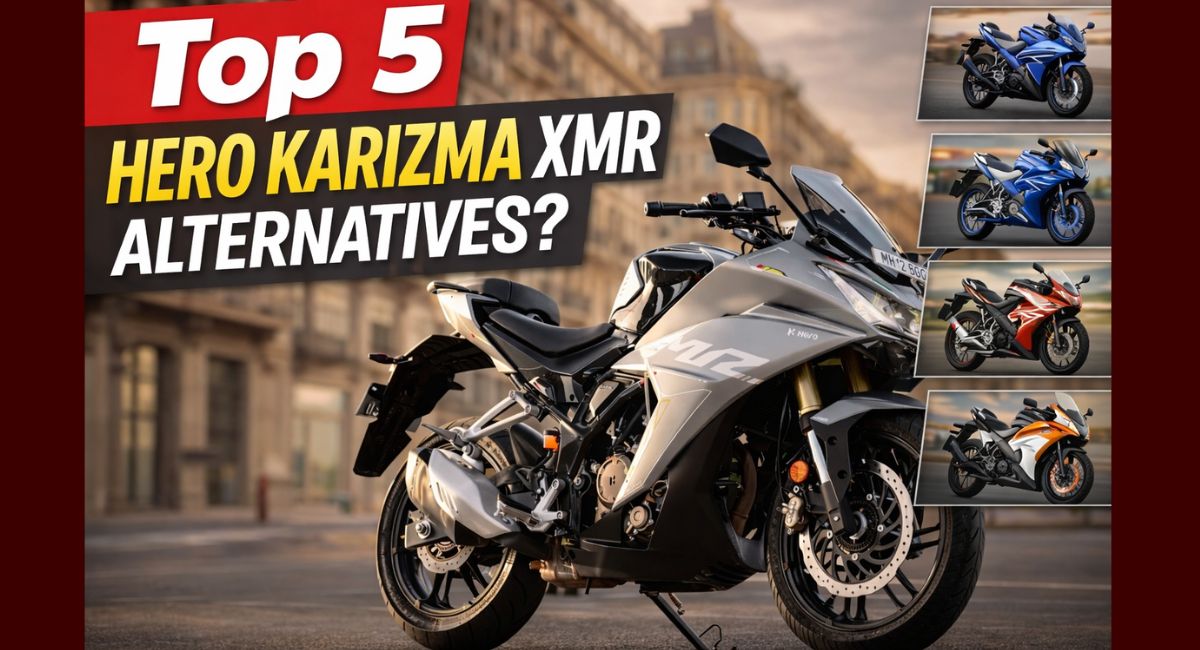
The 5 Powerful Hero Karizma XMR Alternatives That Might Be Better for Entry-Level Sports Bike Buyers

The reintroduction of the Hero Karizma XMR reignited excitement in India’s entry-level sports bike segment. With sharp styling, a fully faired design, and modern features, it appeals to young riders upgrading from commuters and college students chasing their first “big” motorcycle.

But the market in 2026 is more competitive than ever.

If you’re researching Hero Karizma XMR alternatives, you’re likely looking for something that offers:

  • Stronger performance
  • Better brand legacy
  • More aggressive styling
  • Superior handling
  • Or simply better value for money

As someone who has closely tracked India’s entry-level performance segment for over a decade, I can confidently say that buyers today have some excellent options.

Let’s explore the top 5 Hero Karizma XMR alternatives that deserve serious consideration.

Yamaha R15 V4 – Precision Meets Performance

The Yamaha R15 has long been the benchmark in the sub-200cc sportbike category. Now in its fourth generation, it remains one of the strongest Hero Karizma XMR alternatives available.

Key Specifications

  • Engine: 155cc, liquid-cooled, single-cylinder
  • Power: 18.4 PS
  • Torque: 14.2 Nm
  • Gearbox: 6-speed with assist and slipper clutch
  • Features: Traction control, quick shifter (select variants), dual-channel ABS
  • Kerb Weight: Approx. 141 kg

Why It’s a Strong Alternative?

The R15 V4 offers track-focused DNA inspired by the Yamaha R1. Its VVA (Variable Valve Actuation) system ensures punchy top-end performance while maintaining decent city usability.

Compared to the Karizma XMR, the R15:

  • Feels sharper in handling
  • Offers more advanced electronics
  • Has a stronger racing pedigree

Who Should Buy It?

Riders who value cornering precision, track days, and a race-inspired riding position will prefer the R15. It’s less comfortable for long touring, but if performance excites you, this is one of the best Hero Karizma XMR alternatives.

KTM RC 200 – Aggressive and Track-Ready

KTM’s RC series has always catered to enthusiasts who want aggressive performance. The latest RC 200 continues that legacy.

Key Specifications

  • Engine: 199.5cc, liquid-cooled, single-cylinder
  • Power: 25 PS
  • Torque: 19.2 Nm
  • Gearbox: 6-speed
  • Suspension: WP Apex front and rear
  • Brakes: Dual-channel ABS

Why It Stands Out?

If outright performance matters most, the RC 200 comfortably outperforms the Karizma XMR in raw numbers.

It delivers:

  • Higher power output
  • Strong mid-range torque
  • Superior track dynamics

However, it comes at a higher price and offers a committed riding posture.

Ideal Buyer Profile

This bike is ideal for riders upgrading from a 150–160cc machine who want a noticeable performance jump. Among Hero Karizma XMR alternatives, the RC 200 is the most aggressive choice.

Suzuki Gixxer SF 250 – Balanced and Refined

For riders who want refinement without compromising on power, the Suzuki Gixxer SF 250 is a serious contender.

Key Specifications

  • Engine: 249cc, oil-cooled, single-cylinder
  • Power: 26.5 PS
  • Torque: 22.2 Nm
  • Gearbox: 6-speed
  • ABS: Dual-channel
  • Kerb Weight: Approx. 161 kg

What Makes It Special?

The Gixxer SF 250 is known for its smooth engine and usable powerband. It feels more mature compared to many entry-level sports bikes.

Compared to the Karizma XMR, it offers:

  • Higher displacement
  • Stronger torque
  • More comfortable ergonomics

Who Should Consider It?

Riders planning weekend highway trips and longer commutes will appreciate its relaxed yet capable nature. It is one of the most practical Hero Karizma XMR alternatives for touring-oriented buyers.

TVS Apache RTR 200 4V – Feature-Rich and Value-Focused

While not fully faired, the TVS Apache RTR 200 4V remains a compelling alternative for budget-conscious enthusiasts.

Key Specifications

  • Engine: 197.75cc, oil-cooled
  • Power: 20.8 PS
  • Torque: 17.25 Nm
  • Riding Modes: Urban, Sport, Rain
  • Suspension: Adjustable front forks (select variants)
  • Dual-channel ABS

Why It Competes Well?

The Apache brings advanced features like riding modes and adjustable suspension at a competitive price.

Compared to the Karizma XMR:

  • It’s more upright and comfortable
  • Offers better city usability
  • Provides strong value

Best For

Buyers who want performance and features without committing to full-fairing sport ergonomics will find this a practical alternative.

Bajaj Pulsar RS200 – The Long-Standing Favorite

The Bajaj Pulsar RS200 has been around for years, but it continues to attract entry-level sportbike buyers.

Key Specifications

  • Engine: 199.5cc, liquid-cooled
  • Power: 24.5 PS
  • Torque: 18.7 Nm
  • Gearbox: 6-speed
  • ABS: Dual-channel

Why It Remains Relevant?

The RS200 offers:

  • Strong performance for its price
  • A fully faired sportbike look
  • Proven reliability

Among Hero Karizma XMR alternatives, the RS200 often becomes the default choice for riders wanting a powerful, affordable sportbike.

How to Choose the Right Alternative?

When evaluating Hero Karizma XMR alternatives, focus on these factors:

1. Riding Purpose

City commuting? Weekend touring? Track performance?

2. Ergonomics

Fully committed sport posture vs. semi-sport comfort.

3. Budget

Initial cost plus maintenance and insurance.

4. Brand Service Network

Accessibility of service centers matters in long-term ownership.

5. Resale Value

Yamaha and KTM typically hold stronger resale appeal.

Which One Should You Pick?

There’s no universal winner.

  • Choose Yamaha R15 V4 for precision and tech.
  • Pick KTM RC 200 for maximum performance.
  • Go for Suzuki Gixxer SF 250 for refinement and touring comfort.
  • Select TVS Apache RTR 200 4V for value and features.
  • Opt for Bajaj Pulsar RS200 for balanced power and pricing.

If you want a modern faired motorcycle with touring potential, the Karizma XMR remains strong. But these alternatives offer compelling reasons to explore beyond brand loyalty.

FAQs

Is Yamaha R15 better than Karizma XMR?

The R15 offers more advanced electronics and sharper handling, but the Karizma XMR is more comfortable for longer rides.

Which bike is best under 2 lakh for beginners?

Yamaha R15 V4 and TVS Apache RTR 200 4V are excellent beginner-friendly options with manageable power delivery.

Is RC 200 suitable for daily commuting?

It can be used daily, but its aggressive riding posture may feel tiring in heavy traffic.

Which bike has better mileage than Karizma XMR?

The Yamaha R15 typically delivers slightly better fuel efficiency due to its smaller engine and VVA system.

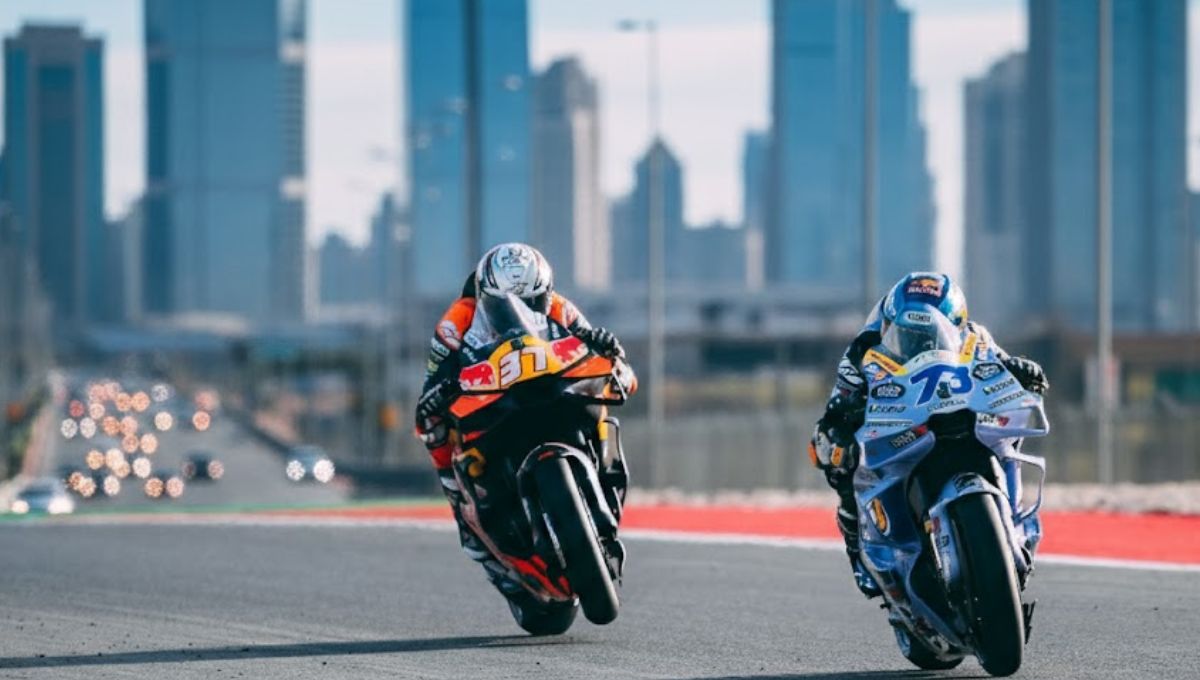
Ducati Is Still Winning: So Why Does Alex Marquez Say the MotoGP Bike Isn’t Enough?

When a Ducati rider openly states that the factory needs to “improve” its next MotoGP bike, it carries weight. Ducati has dominated the modern MotoGP era with relentless technical progress, overwhelming data resources, and an aggressive satellite-team strategy. For years, the Ducati MotoGP bike has been the benchmark across speed traps, race wins, and championships.

Yet Alex Marquez’s remarks reflect something deeper than a casual observation. They signal a shift in competitive momentum. Aprilia is no longer chasing Ducati blindly; it is actively challenging its performance envelope. And with 2026 looming as a crucial development year, Ducati can no longer rely on incremental updates alone.

This article explores why the Ducati MotoGP bike must evolve for 2026, what Aprilia has done differently, and how the technical direction of MotoGP is forcing manufacturers to rethink performance beyond raw power.

 Alex Marquez speaks about the future of Ducati’s MotoGP bike, it signals confidence, not concern. Ducati has already set the benchmark in MotoGP, and this statement highlights the brand’s refusal to stand still while rivals improve.

Instead of framing Ducati as falling behind, the title positions the team at a natural evolution point—where dominance shifts from raw speed to refinement, efficiency, and smarter engineering. It invites readers to explore how even the strongest MotoGP bike must adapt as competition intensifies, especially with manufacturers like Aprilia closing gaps through innovation.

Ducati’s Current Strength: Why the MotoGP Bike Still Sets the Standard?

Ducati’s MotoGP bike remains the most complete machine on the grid in measurable performance metrics. Its strengths are undeniable:

  • Best-in-class straight-line speed
  • Exceptional rear-end stability under acceleration
  • Advanced ride-height and holeshot systems
  • Deep data integration across factory and satellite teams

The Desmosedici platform has benefited from continuity. Ducati has resisted radical redesigns in favor of evolutionary refinement. This approach has delivered consistent results, allowing riders with varying styles to remain competitive.

However, dominance can breed vulnerability. As regulations tighten and rivals improve efficiency rather than brute force, the gaps that once protected Ducati are shrinking.

Aprilia’s Rise: Efficiency Over Excess

Aprilia’s recent progress has been built on clarity of purpose. Rather than chasing Ducati’s top-speed numbers, Aprilia has focused on:

  • Corner entry stability
  • Mid-corner speed
  • Predictable front-end feedback
  • Reduced rider workload

This philosophy has allowed Aprilia riders to maintain tire performance deeper into races. In modern MotoGP, race management matters as much as outright pace, and Aprilia’s MotoGP bike has become increasingly forgiving over long stints.

Alex Marquez’s comments highlight this contrast. Ducati may still be faster in absolute terms, but Aprilia is extracting performance more consistently.

Read more:- The Tomodachi Life Direct Announcement Raises More Questions Than Answers

The Rider Perspective: Why Alex Marquez’s Words Matter?

Alex Marquez occupies a unique position in MotoGP. He is experienced enough to recognize technical patterns yet honest enough to speak candidly about them. His feedback reflects real race conditions rather than theoretical performance.

When he suggests Ducati needs improvement for 2026, it implies:

  • Certain handling traits are becoming harder to manage
  • Rivals are closing gaps in critical race phases
  • The current MotoGP bike may be reaching diminishing returns

This isn’t a criticism of Ducati’s engineers—it’s a recognition that MotoGP’s competitive landscape is shifting.

Where the Ducati MotoGP Bike Is Starting to Feel Pressure?

Front-End Confidence

Ducati’s aggressive aerodynamics and stiff chassis generate massive grip, but they can reduce front-end feel. Riders often describe needing absolute commitment to trust the bike under braking.

Aprilia’s recent designs prioritize communication through the front tire. This makes marginal grip situations easier to manage, especially late in races.

Tire Management

Michelin’s tires reward smooth load transfer. Ducati’s explosive acceleration can stress rear tires, especially on high-grip circuits. Aprilia’s gentler power delivery preserves tire life.

Adaptability Across Circuits

Ducati still excels on power tracks, but technical layouts increasingly expose its need for precise setup windows.

2026 MotoGP Bike Regulations: Why This Year Matters?

While 2026 is not a full regulatory reset, it represents a convergence point. Manufacturers must prepare bikes that:

  • Work with limited aerodynamic freedoms
  • Maximize efficiency over outright force
  • Offer broader usability for diverse riders

Ducati’s traditional strength—engineering excess—may face constraints that favor balanced designs.

Technical Specs Overview: Ducati MotoGP Bike (Current Baseline)

Engine

  • 1000cc V4, desmodromic valve system
  • Approx. 300+ horsepower (unofficial)
  • Seamless gearbox

Chassis

  • Aluminum twin-spar frame
  • Carbon-reinforced swingarm variants

Electronics

  • Unified Magneti Marelli ECU
  • Advanced traction, engine braking, and torque maps

Aerodynamics

  • Multi-element winglets
  • Integrated ground-effect fairing design

Suspension

  • Öhlins front and rear (spec components)

These specs still define the class—but specs alone no longer guarantee superiority.

What Ducati Needs to Improve for 2026?

Rideability Over Raw Speed

Alex Marquez’s comments underline the need for smoother power delivery. Ducati must reduce rider fatigue without sacrificing performance.

Chassis Feedback

A slightly more compliant chassis could improve front-end confidence and allow riders to push deeper into braking zones.

Aerodynamic Balance

Refining aero efficiency rather than adding downforce could reduce turbulence sensitivity and improve consistency.

Ducati’s Advantage: Resources and Data

If any manufacturer can respond effectively, it is Ducati. Its satellite teams generate unmatched data volume. This allows Ducati engineers to test multiple configurations simultaneously.

The question isn’t whether Ducati can improve—it’s whether it can improve in the right direction.

The Bigger Picture: MotoGP’s Evolution Beyond Power

MotoGP is no longer a horsepower arms race. It is an efficiency contest shaped by:

  • Tire longevity
  • Rider confidence
  • Aerodynamic stability
  • Race-long consistency

Aprilia has recognized this earlier than most. Ducati now faces the challenge of evolving without losing its identity.

A Necessary Wake-Up Call

Alex Marquez’s statement should not be seen as criticism but as foresight. Ducati’s MotoGP bike remains elite, but complacency is MotoGP’s greatest enemy.

For 2026, Ducati must evolve smarter, not louder. If it succeeds, it will remain the benchmark. If it doesn’t, the grid is ready to capitalize.

FAQs

Why does Ducati need to improve its MotoGP bike for 2026?

Because rivals like Aprilia have reduced performance gaps through better efficiency, tire management, and rider-friendly handling.

Is the Ducati MotoGP bike no longer competitive?

It remains highly competitive, but its advantages are smaller than before, especially in race consistency.

What has Aprilia improved most?

Front-end feedback, mid-corner stability, and tire preservation over long race distances.

Will 2026 bring major MotoGP regulation changes?

Not a full reset, but development limitations and aero controls make balance more important than raw power.

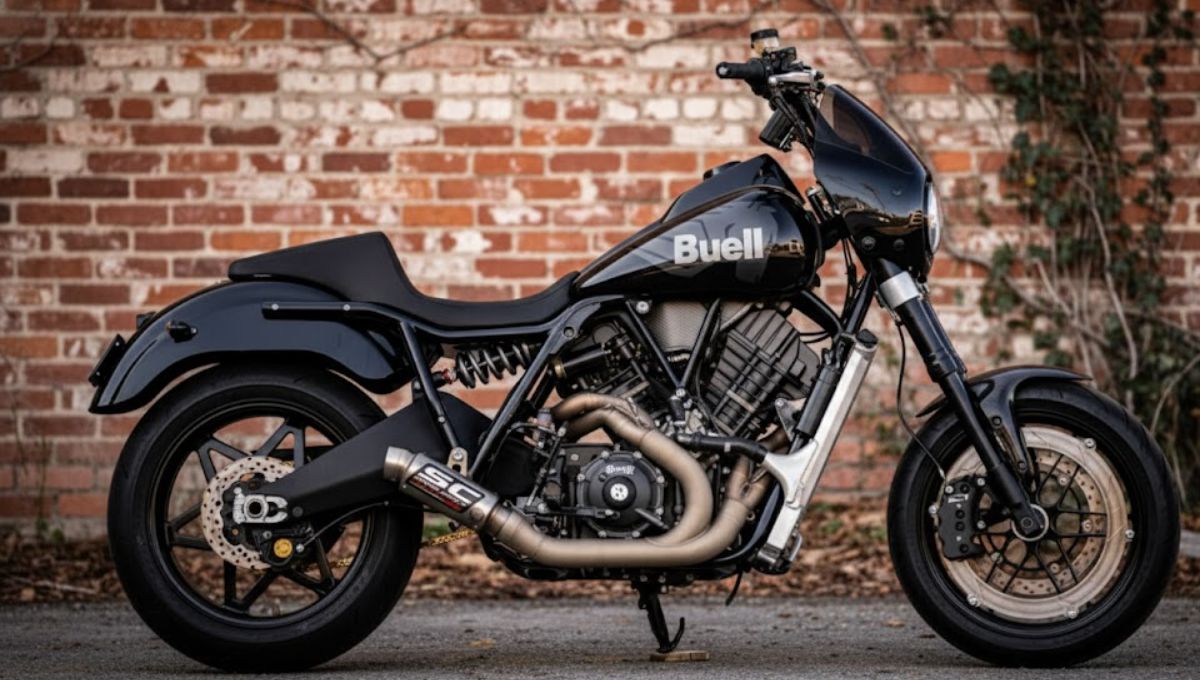
Is the 2026 BUELL SUPER CRUISER the Most Exciting Cruiser Buell Has Ever Built?

The 2026 BUELL SUPER CRUISER arrives at a time when riders are demanding more from their motorcycles. No longer satisfied with cruisers that simply look powerful, today’s enthusiasts want machines that perform as aggressively as they appear. Buell answers this demand with a motorcycle that merges muscle-bike attitude, modern engineering, and real-world usability.

Rather than following trends, the BUELL SUPER CRUISER establishes its own identity—one rooted in performance, mechanical honesty, and rider involvement.

Styling and Road Presence: Muscle Without Excess

The visual identity of the BUELL SUPER CRUISER is unmistakable. It carries a muscular stance that communicates strength without relying on excessive chrome or decorative elements. The compact proportions, exposed mechanical components, and aggressive geometry give the bike a purposeful appearance.

From the wide rear profile to the minimalist front end, the design communicates speed and control. This is a motorcycle that looks fast even when parked, yet remains refined enough to feel premium and thoughtfully crafted.

Read more:- This Stunning Xbox Game Is Joining Game Pass Next Week: And It’s Turning Heads

Power Delivery: Built for Real-World Riding

Power is central to the BUELL SUPER CRUISER experience, but it is delivered in a way that enhances control rather than overwhelming the rider. The V-twin engine provides strong, predictable torque across the rev range, making it easy to ride in both urban and open-road environments.

Instead of chasing extreme top-end numbers, Buell focuses on usable performance. This means strong acceleration from low speeds, effortless overtaking, and smooth highway cruising. The engine’s character feels alive, offering a mechanical connection that many modern motorcycles lack.

Engineering Focus: Lightweight and Centralized

Buell has long been known for innovative engineering solutions, and the 2026 SUPER CRUISER continues that tradition. Weight reduction and mass centralization play a major role in how the bike feels on the road.

The result is a cruiser that feels far lighter than its appearance suggests. Steering inputs are immediate, and the bike responds predictably to rider commands. This engineering philosophy transforms the riding experience, especially in corners where traditional cruisers often feel reluctant.

Cornering Confidence: Breaking Cruiser Stereotypes

One of the most surprising qualities of the BUELL SUPER CRUISER is its cornering ability. The bike holds its line confidently and remains stable even when pushed harder than expected.

This capability opens up a new type of riding experience for cruiser fans. Instead of avoiding twisty roads, riders are encouraged to seek them out. The SUPER CRUISER proves that a powerful cruiser can also be genuinely fun in the corners.

Braking Performance: Controlled and Predictable

Strong power demands equally strong braking, and the BUELL SUPER CRUISER delivers reassuring stopping performance. The braking system is tuned for progressive response, allowing riders to modulate braking force easily.

Whether slowing down from highway speeds or managing traffic conditions, the brakes inspire confidence. This contributes significantly to the overall feeling of control and safety.

Comfort and Practicality: Built for Real Riders

Despite its aggressive character, the BUELL SUPER CRUISER remains comfortable for extended rides. The seat offers proper support, while the riding position reduces fatigue during longer journeys.

Wind exposure is typical for a cruiser-style motorcycle, but the ergonomics help riders remain comfortable even at sustained speeds. This balance between comfort and performance makes the bike suitable for a wide range of riding scenarios.

Technology Approach: Simple, Effective, Reliable

Rather than overwhelming riders with complex systems, Buell keeps technology focused and purposeful. The instrumentation provides clear information without distraction, reinforcing the bike’s rider-first design philosophy.

This simplicity improves long-term ownership satisfaction, as riders can focus on the ride rather than navigating complicated interfaces.

Ownership Experience: Built for Enthusiasts

The 2026 BUELL SUPER CRUISER is designed for riders who value connection, individuality, and performance. It is not a mass-market cruiser aimed at everyone. Instead, it appeals to enthusiasts who appreciate engineering excellence and a distinct riding personality.

For riders who want to stand apart from mainstream offerings, the SUPER CRUISER offers a compelling alternative.

A True Performance Cruiser

The BUELL SUPER CRUISER represents a confident step forward in the cruiser segment. By prioritizing performance, agility, and rider engagement, Buell delivers a motorcycle that feels modern, exciting, and authentic.

For riders who want muscle-bike power with sport-oriented handling and everyday usability, the 2026 BUELL SUPER CRUISER stands as one of the most compelling options in its class.

What makes the BUELL SUPER CRUISER different from traditional cruisers?

The BUELL SUPER CRUISER emphasizes performance and handling rather than just comfort or styling, making it more agile and engaging to ride.

Is the BUELL SUPER CRUISER suitable for daily riding?

Yes, its strong low-end torque, balanced ergonomics, and manageable handling make it practical for both daily commuting and weekend rides.

Does the BUELL SUPER CRUISER focus more on power or comfort?

It balances both, but leans slightly toward performance, offering comfort without sacrificing excitement.

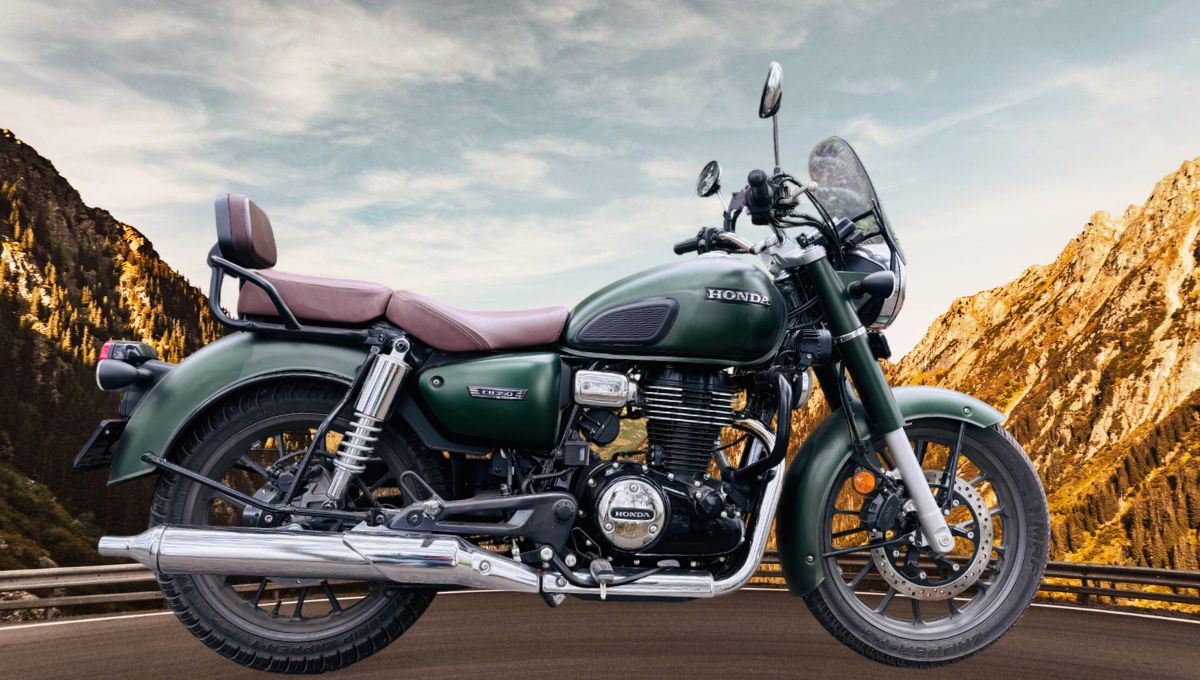
Honda CB350: The Classic Cruiser That Sparks Modern Adventures

Honda CB 350: Picture this: you’re rolling down an open road, wind in your face, on a bike that feels timeless yet packed with today’s tech – enter the Honda CB350. This retro cruiser nails that perfect mix of classic charm and reliable performance, inviting you to blaze your own trail whether in city traffic or on highways. Bold design and smooth vibes make the Honda CB350 a standout choice for riders craving style without compromise.

Why Choose the Honda CB 350?

The Honda CB350 shines in the retro-classic cruiser segment, blending old-school aesthetics with modern reliability. Unlike sporty commuters or rugged adventure bikes, it offers upright ergonomics for relaxed cruising, ideal for solo spins or light touring. Variants like H’ness and RS let you pick your flavor – majestic chrome or sporty flair.

Honda CB 350 Specifications Table

Get the full lowdown on what powers this beauty:

SpecificationDetails
Engine348.36 cc, single-cylinder, air-cooled
Power21.07 PS @ 5500 rpm
Torque29.4 Nm @ 3000 rpm
Transmission5-speed with slipper clutch
Mileage35-42 kmpl (claimed/real-world)
Fuel Tank15.2 liters
Kerb Weight181 kg
Seat Height800 mm
BrakesDisc front/rear (dual channel ABS)

Honda CB 350 Engine Performance

Fire up the 348cc single-cylinder thumper, and you’ll feel effortless low-end grunt peaking at 29.4 Nm – perfect for city pulls or highway overtakes without drama. The assist & slipper clutch makes shifting buttery smooth, while refined vibes keep things civilized. It’s not a rocket, but that torquey delivery hooks you from the first twist.

Engine Standouts

  • Honda Selectable Torque Control (HSTC) for slip-free traction
  • Emergency stop signal alerts others to hard braking
  • OBD2B-compliant for future-proof emissions

Honda CB 350 Mileage and Efficiency

Thrifty by cruiser standards, the Honda CB350 delivers 35-42 kmpl in real-world tests, stretching that 15.2L tank to 500+ km ranges. Highway cruises at 80 kmph hit highs of 44 kmpl, making it wallet-friendly for daily duties or weekend getaways. Skip aggressive twists to maximize those figures.

Read More : Motomorini 350 Sport 2026 : The Upcoming Road Dominator’s Engine, Design, Mileage , Price

Honda CB 350 Features and Tech

This isn’t your grandpa’s cruiser – the Honda CB350 packs a semi-digital console, all-LED lights, and Bluetooth for phone smarts. HSTC offers two traction modes, while customization options let you personalize with tanks, seats, or accents. Dual-channel ABS ensures confident stops every time.

Comfort, Handling, and Build Quality

Slide into the low 800mm seat, and the upright posture feels natural for hours, with plush cushioning that soaks up bumps. Handling stays light and flickable in traffic, stable on open roads thanks to a steel trellis frame. Honda’s legendary build shines through in rust-proof finishes and durable components – it’s made to last.

Honda CB350 Price in India

Starting at around ₹1.97 lakh for the base up to ₹2.19 lakh for top-spec RS (ex-showroom), the Honda CB350 offers premium value via BigWing dealerships. New 2025 colours keep it fresh without price hikes, making it accessible for enthusiasts on a budget.

Read More : MV Agusta Rush: The Hypernaked Beast Redefining Performance: Specs, Price, & Features

Honda CB 350 Pros and Cons

Pros

  • Smooth, torquey engine with modern aids like HSTC
  • Excellent mileage and low running costs
  • Customizable retro looks with solid build

Cons

  • Vibrations creep in above 100 kmph
  • Limited power for highway blasting
  • Service network is still growing vs rivals

Honda CB 350 vs Competitors

In the 350cc retro ring, the Honda CB350 holds its own. Check this matchup:

BikePower (PS)Mileage (kmpl)Price (₹ lakh)Key Edge
Honda CB3502135-421.97-2.19Tech like HSTC, refinement
Royal Enfield Classic 35020.235-401.93-2.25Thumpy character, service
Royal Enfield Hunter 35020.2351.50-1.82Lighter, cheaper entry
TVS Ronin20.440+1.26-1.73Agile handling, features

Honda edges on smoothness and safety tech.

Who Should Buy the Honda CB350?

New riders stepping up from 150-200cc bikes, daily commuters wanting style, or weekend explorers seeking reliability will adore the Honda CB350. It’s spot-on for those prioritising ease, efficiency, and that bold cruiser vibe over raw thrills.

The Honda CB350 proves you don’t need big bucks for big smiles – it’s a refined retro rocket ready for India’s roads. With its blend of heritage looks, smart features, and unbeatable ownership ease, grab one and let the journey unfold. Your bold ride awaits!

FAQs

What’s the engine size of the Honda CB350?

A punchy 348.36 cc single-cylinder delivers smooth torque from low revs, ideal for city and highway.

How’s the mileage on the Honda CB350?

Expect 35-42 kmpl in real-world conditions, with highway peaks over 44 kmpl – ideal for long-range cruising.

Does the Honda CB350 have ABS?

Yes, dual-channel ABS pairs with disc brakes front and rear for safe, confident stopping.

What safety features does the Honda CB350 offer?

HSTC traction control, emergency stop signal, and slipper clutch keep you planted and protected.

Is the Honda CB350 good for beginners?

Absolutely – light handling, low seat, and forgiving power make it welcoming for new riders.

What’s the price of the Honda CB350 in India?

Starts at ₹1.97 lakh ex-showroom, with top variants priced around ₹2.19 lakh – a value-packed offering.

How comfortable is the Honda CB350 for long rides?

Upright ergonomics and plush seat handle hours effortlessly, vibrations minimal under 100 kmph.

Can I customise my Honda CB350?

Tons of options for tanks, seats, and accents to match your style – make it uniquely yours.

How does the Honda CB350 compare to the Royal Enfield 350?

Smoother refinement and better tech, though RE wins on thump and service reach.

What’s the top speed of the Honda CB350?

Comfortably hits 120-130 kmph, with stable highway manners for over

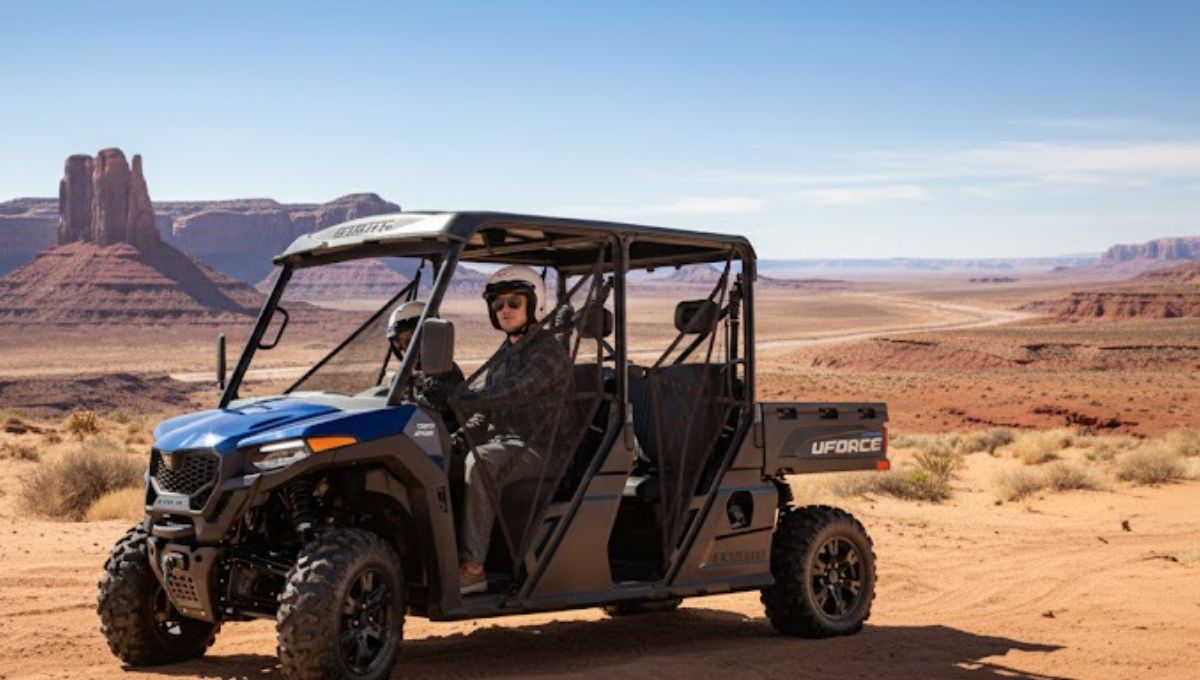
CFMOTO UFORCE 800 XL: A Versatile Workhorse for Utility and Adventure

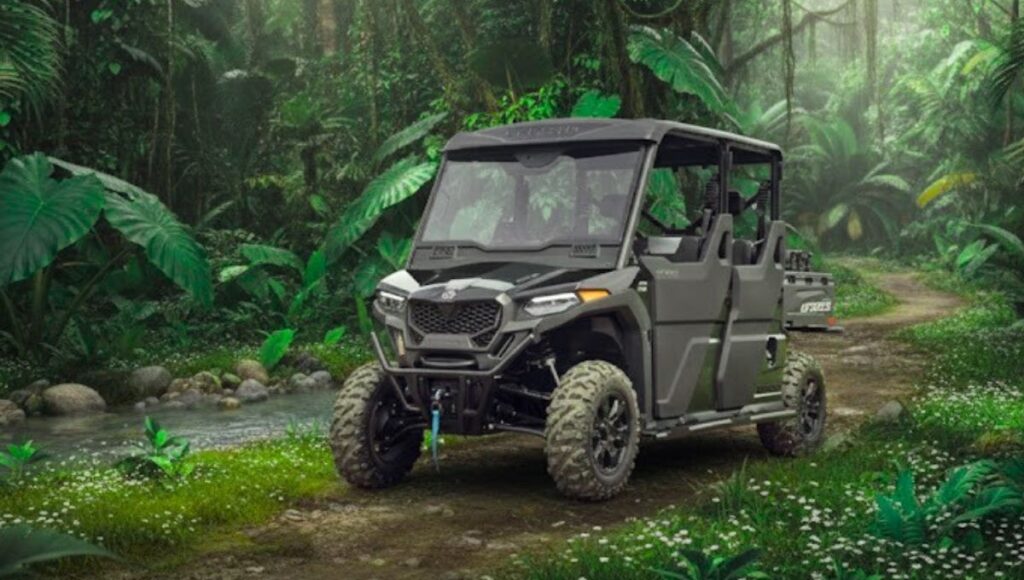
The CFMOTO UFORCE 800 XL stands out as a rugged, practical, and versatile utility side-by-side (UTV) vehicle — built to handle work, leisure, and off-road adventures. With its powerful engine, capable suspension, roomy cabin and cargo capabilities, the UFORCE 800 XL aims to deliver a balanced package for farmers, ranchers, outdoor enthusiasts, and anyone needing a reliable UTV. In this article, we explore its key features, performance, comfort, and suitability, offering an in-depth look at what makes UFORCE 800 XL noteworthy.

What is UFORCE 800 XL?

The UFORCE 800 XL is a mid-sized utility UTV from CFMOTO, designed as a four-seater — extending the practicality of smaller models with enhanced power, a longer wheelbase, improved suspension, and increased load/tow capacity. It is built to serve a variety of roles: work on farms or job sites, hauling cargo, towing trailers, or exploring off-road terrains — all while maintaining comfort and control for up to four people.

With thoughtful engineering and solid build quality, UFORCE 800 XL seeks to combine utility and versatility in one package — giving users a dependable vehicle whether they are working or enjoying outdoor recreation.

Engine, Transmission, and Performance

At its heart, the UFORCE 800 XL packs a capable 800 cc V-twin, liquid-cooled, 4-stroke engine. It delivers around 63 horsepower (at 7,000 rpm) and approximately 69.8 Nm of torque (at 5,500 rpm) — enough to confidently handle heavy loads, towing, and rough terrain. 

Power is managed through CFMOTO’s CVT (Continuously Variable Transmission) system, paired with selectable drivetrain modes (2WD / 4WD / 4WD Lock), giving flexibility based on terrain or load requirements. 

For driving ease and control, steering is aided by Electronic Power Steering (EPS). The vehicle is also equipped with Bosch electronic fuel injection (EFI), enhancing engine efficiency and delivering smooth throttle response — whether in normal driving or heavy-load situations. These drivetrain and powertrain elements make UFORCE 800 XL a balance of strength and manageability — capable of handling demanding tasks but still controllable for everyday use.

Chassis, Suspension and Ride Comfort

A strong frame and well-designed suspension help the UFORCE 800 XL tackle rough terrain and carry loads with stability:

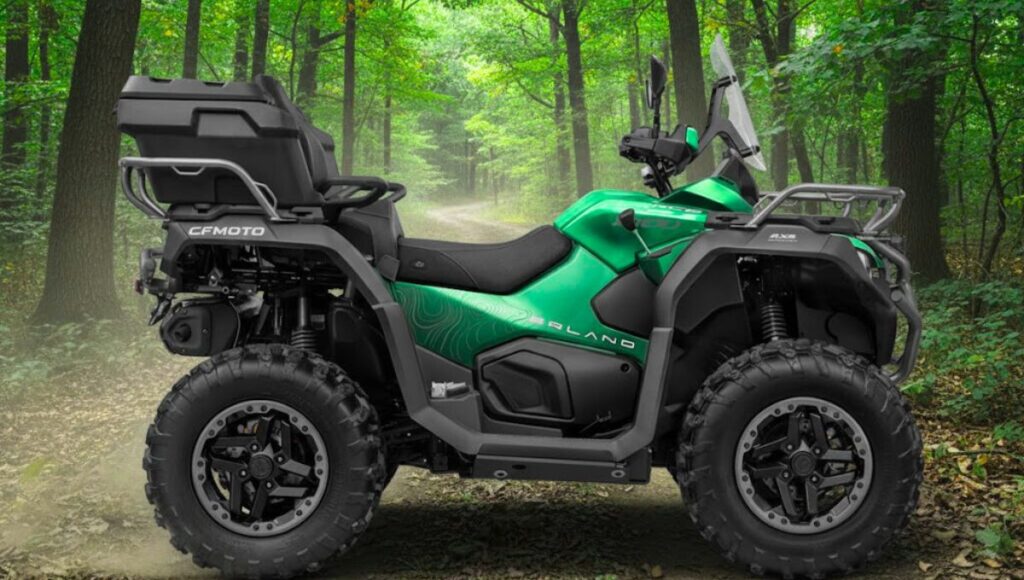
  • Dual A-arm independent suspension on both front and rear, with generous travel (≈ 225 mm), helps absorb bumps and uneven surfaces. 
  • Hydraulic disc brakes on all four wheels, ensuring reliable stopping power even when fully loaded or towing.
  • The UTV rides on 27-inch all-terrain tyres mounted on 14-inch alloy wheels, giving good ground clearance and traction for off-road or work-site conditions. 
  • The ground clearance is around 300 mm, allowing clearance over rocks, terrain irregularities, or muddy fields.

Overall, the chassis and suspension configuration ensure that UFORCE 800 XL remains stable under load, comfortable enough for passengers, and capable of handling off-road conditions — making it suitable both for work and recreation.

Capacity, Utility and Practical Features

What truly defines UFORCE 800 XL is its utility potential — roomy seating, hauling and towing capacity, and practical features that make it useful beyond just transport.

  • The UTV accommodates up to four passengers with bench seating (two rows). 
  • The rear cargo tray (bed) supports up to 300 kg of payload, and the bed is gas-assisted for easier dumping — great for hauling tools, firewood, harvested produce, or work-site materials. 
  • Towing capacity is substantial: up to 680 kg, enabling trailers or equipment transport. 
  • For recovery or pulling tasks, the UFORCE 800 XL includes a winch (often 4500 lb with synthetic rope) — useful for getting out of mud, pulling logs, or assisting with heavy loads.
  • Fuel capacity is generous — around 40 litres (or ~10.5 gallons) — giving longer range between refuels, beneficial for extended work or off-grid tasks.
  • For operator convenience and safety: features like roll-cage (ROPS-certified), sturdy steel frame, tiltable steering, and comfortable bench seating make it practical for work or recreation.
  • All these features combine to make UFORCE 800 XL a serious utility vehicle — useful for farms, ranches, job sites, forestry work, or general haul and tow needs, while still being useful for recreational outdoor use.

Where and How UFORCE 800 XL Makes Sense — Typical Use Cases

The UFORCE 800 XL is a versatile machine, suited for a variety of needs:

  • Farms, ranches, or rural landowners — hauling supplies, feed, equipment; transporting tools or harvested goods; towing trailers; moving materials around uneven terrain.
  • Forestry, hunting, or land maintenance — use off-road for trails, hauling wood, winching logs, accessing remote areas, or transporting gear.
  • Work sites or construction — carrying materials, tools, towing equipment, transporting crew across rough terrain, or general utility transport.
  • Outdoor recreation, camping or trail adventures — carrying camping gear, towing small trailers, getting through trails or rough off-road tracks with comfort and stability.
  • General utility and everyday use in rural/suburban areas — a practical all-around vehicle when regular roads are absent or rough, or when load/tow capacity is needed beyond a regular vehicle’s ability.

For anyone needing a rugged, dependable, and flexible utility vehicle with a mix of power, comfort, carrying/towing capacity, and off-road capability, UFORCE 800 XL is a strong candidate.

Read more:- The ZFORCE Z10: Next-Level Side-by-Side Power for Extreme Off-Road Thrills

Final Thoughts

The CFMOTO UFORCE 800 XL delivers a compelling blend of power, practicality, versatility, and comfort. As a mid-sized UTV capable of carrying four occupants, hauling or towing substantial loads, traversing rough terrain, and serving varied roles — from farm work to outdoor adventures — it stands out as an excellent “do-it-all” vehicle.

If you need a reliable side-by-side that balances utility and off-road capability — whether for work, recreation, or everyday heavy-duty use — the UFORCE 800 XL is a strong choice. It combines robust engineering, thoughtful features, and real-world usefulness.

The ZFORCE Z10: Next-Level Side-by-Side Power for Extreme Off-Road Thrills

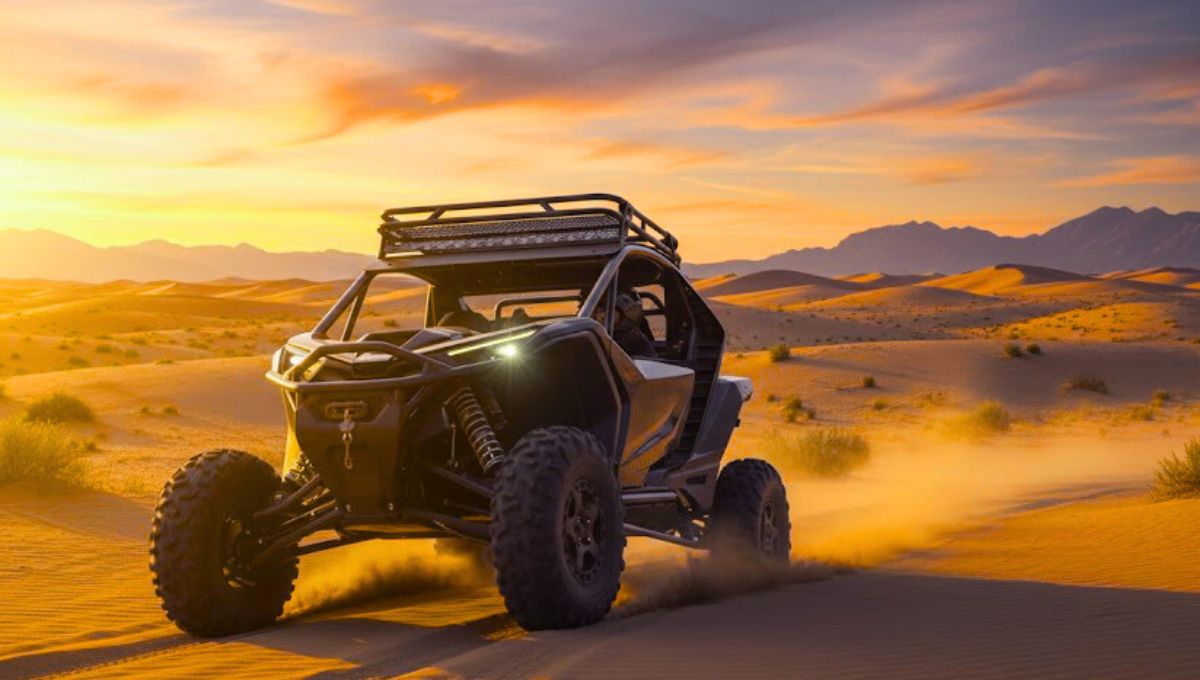
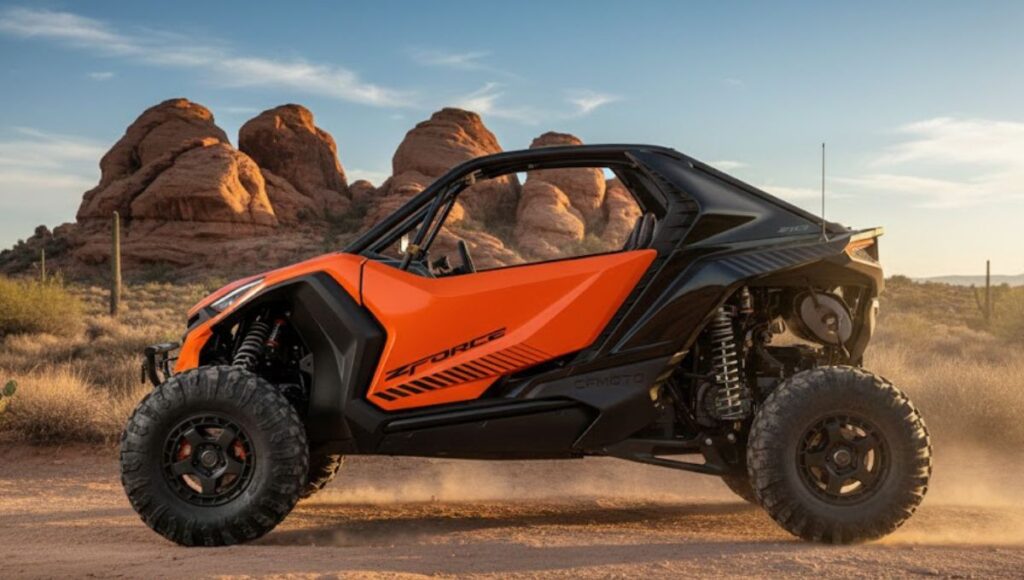
The ZFORCE Z10 is a sport-utility side-by-side (UTV) designed to offer serious off-road capability, modern comfort, and versatile performance — whether you’re tackling rugged trails, hauling loads, or simply exploring behind the wheel. With strong engine specs, advanced suspension, thoughtful conveniences, and robust build quality, the ZFORCE Z10 positions itself as a compelling choice among UTVs for both adventure lovers and practical users.

Engine & Powertrain: Strength Under the Hood

At the core of the ZFORCE Z10 lies a 998 cc turbocharged, three-cylinder, liquid-cooled DOHC engine. This powerplant delivers 143 horsepower at 7,750 rpm and 100 lb-ft (≈ 136 Nm) torque at about 7,000 rpm — giving the ZFORCE Z10 robust acceleration and the torque needed for off-road demands. 

Power is transferred via a continuously variable transmission (CVT) branded as OmniDrive™, offering drive modes including Park, Reverse, Neutral, High and Low — suitable for a variety of terrains and uses. The ZFORCE Z10 supports selectable 2WD / 4WD with a locking front differential, enabling better traction when conditions get tough. 

This combination means the ZFORCE Z10 can tackle steep inclines, loose terrain, or towing tasks while also offering smooth power delivery during casual drives.

Suspension, Chassis & Off-Road Readiness

The ZFORCE Z10’s chassis and suspension are tuned for off-road stability and comfort. Key features:

  • Independent A-arm front suspension and independent trailing-arm rear suspension (Quadlink™ Gen II). 
  • Long suspension travel: approximately 17 inches (front) and 20 inches (rear), helping absorb bumps and uneven terrain. 
  • Ground clearance around 14 inches (≈ 356 mm), giving enough clearance for rocks, mounds, or rough tracks. 
  • Hydraulic disc brakes on all wheels for dependable stopping power when carrying loads or navigating tricky terrain.

These make the ZFORCE Z10 capable of serious off-road performance — whether you’re trail-riding, navigating rocky paths, or crossing uneven landscapes.

Interior, Comfort & Tech Features: Convenience Meets Adventure

The ZFORCE Z10 isn’t just about rugged off-road capability. It also offers a surprisingly refined and modern package inside:

  • A 12.3-inch “RideSync™” MMI touchscreen display — offering navigation, audio, rear-view camera feed, and more. 
  • Electronic Power Steering (EPS) with adjustable modes, which enhances handling and control — especially useful at low speeds or when carrying a load.
  • Half-doors, LED lighting, skid plates, full rollover cage, winch (rated ~4,500 lb with synthetic rope) — making the vehicle ready for serious work or adventure without needing many aftermarket upgrades.
  • Comfortable seating for two, bucket-style seats, and a cabin layout that balances utility and usability. 
  • Towing and cargo capacity: a hitch for towing (≈ 400 kg) and a rear bed or cargo area for tools, gear, or supplies.

Altogether, these make the ZFORCE Z10 not just a rugged off-roader but also a practical vehicle for work, hauling, outdoor activities, and recreational adventures.

Dimensions, Capacity & Practical Stats

Understanding the physical size and capacity helps to see where ZFORCE Z10 shines:

  • Overall dimensions: about 129 in (length) × 64 in (width) × 68.5 in (height).
  • Wheelbase: about 99 in. 
  • Fuel tank capacity: around 37.5 litres (≈ 9.9 gallons), which supports longer rides or remote area use.
  • Weight (dry): approx. 1,863 lb (≈ 845 kg) — appropriate for a vehicle in this class, balancing solidity and agility.

The size and capacities make ZFORCE Z10 versatile for both adventure and utility — from trail riding to haul-heavy tasks.

Read more:- CFMoto CFORCE 1000 OVERLAND: The Ultimate Adventure-Ready ATV for Every Terrain

What the ZFORCE Z10 Is Good For: Who Should Consider It?

The ZFORCE Z10 suits a range of users and use cases:

  • Adventure seekers & off-road enthusiasts: who want a powerful turbocharged UTV capable of tackling rough trails, dunes, hills, or wilderness terrain.
  • Utility/work use: farmers, land-owners, or workers needing hauling, towing, and cargo-carrying ability without sacrificing comfort.
  • Outdoor & camping lovers: those who need a vehicle that can carry gear, accessories, and supplies across rough terrain before reaching remote campsites.
  • Recreation & touring riders: wanting a vehicle with enough power, suspension comfort, and convenience to explore back-roads, forests, or off-grid landscapes.

In short, if you need a vehicle that fuses power + comfort + practicality + off-road capability, the ZFORCE Z10 stands out as a well-rounded choice.

Conclusion

The ZFORCE Z10 is a compelling side-by-side UTV that balances power, off-road capability, comfort and practicality. Its 998 cc turbocharged engine, capable suspension, advanced features and dependable build make it versatile enough for serious off-road adventure, work tasks, hauling, or recreational use. For anyone seeking a robust yet user-friendly UTV that can handle diverse terrain and demands, the ZFORCE Z10 offers a strong, well-rounded package.

CFMoto CFORCE 1000 OVERLAND: The Ultimate Adventure-Ready ATV for Every Terrain

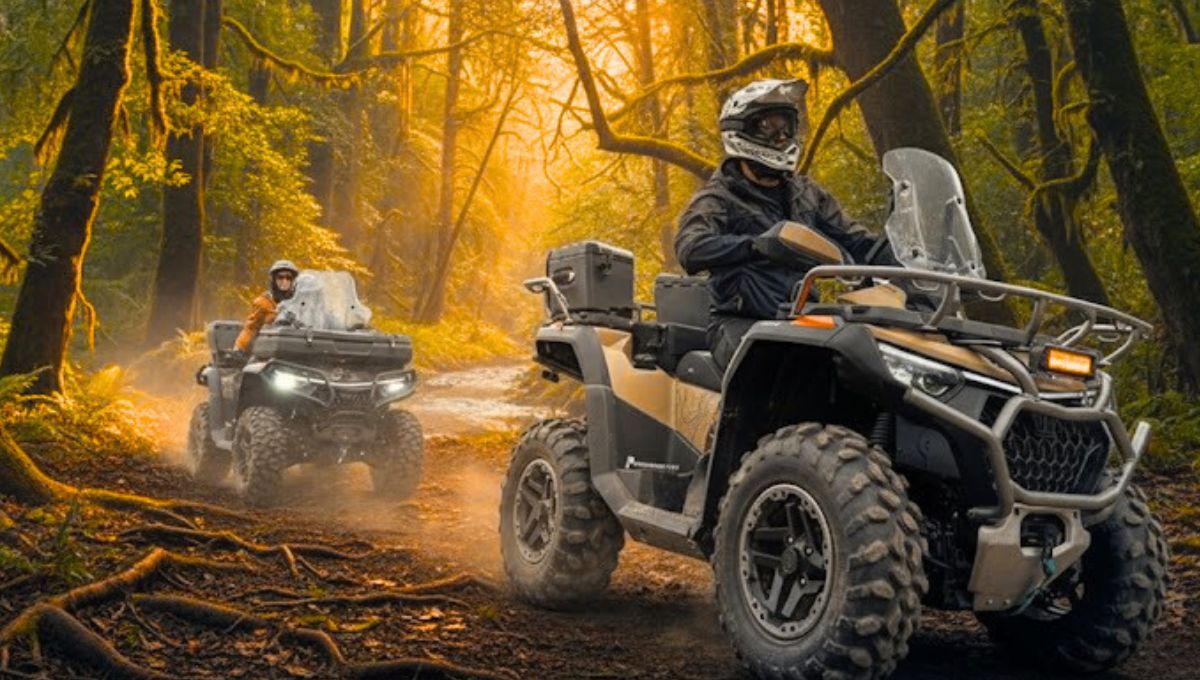
The CFMOTO CFORCE 1000 OVERLAND is built for those who crave adventure without compromise — whether that means tackling rugged trails, hauling heavy loads, or exploring off-grid landscapes. It’s an all-terrain vehicle that combines strong performance, practical features, and robust build quality to deliver an ATV that’s ready for work or recreation. In this article, we’ll explore what makes the CFORCE 1000 OVERLAND compelling: its engine, drivetrain, suspension, comfort, practical features, and overall utility.

Engine & Drivetrain: Power to Tackle the Toughest Terrain

At the heart of the CFORCE 1000 OVERLAND is a 963 cc liquid-cooled V-Twin engine. This engine delivers a healthy mix of power and torque — typically around 84 hp (or about 63–84 hp depending on market) at 7,500 rpm with a maximum torque output of approximately 62 lb-ft (≈ 84 Nm). 

  • The engine uses electronic fuel injection (EFI) for smooth and efficient fuel delivery. 
  • A CVT (Continuously Variable Transmission) — branded OmniDrive™ in some regions — handles power delivery, offering modes like High/Low, Neutral, Reverse and Park.
  • The drive system is selectable between 2WD and 4WD, with an electric-locking front differential for added traction when the terrain gets rough. 

This combination gives the CFORCE 1000 OVERLAND enough grunt to climb hills, haul loads, or cruise over uneven trails — whether you’re on an adventure or doing heavy-duty work.

Chassis, Suspension & Off-Road Capability: Built for Rough Terrain

The CFORCE 1000 OVERLAND is engineered to handle difficult terrain, thanks to a rugged chassis and capable suspension system:

  • Front suspension: independent double A-arm with high-clearance design. Rear suspension: independent trailing arm with adjustable gas shock absorbers (compression and rebound adjustable) for fine-tuning ride comfort based on load or terrain. 
  • Ground clearance is around 300 mm (approx. 11.8–12 inches), giving the ATV the clearance it needs to traverse rocks, roots, and rough paths without scraping. 
  • Wheel setup includes 14-inch aluminum beadlock rims, fitted with appropriate off-road tyres — offering grip and stability.
  • Brakes: hydraulic disc brakes on all wheels ensure dependable stopping power even under load or on steep descents.

Thanks to this setup, the CFORCE 1000 OVERLAND handles both rugged off-road trails and heavy-duty tasks with equal confidence.

Read more:- Vekoo Electric Kick Scooter: Smart, Stylish and Perfect for Daily Urban Travel

Practical Features & Utility: More Than Just Raw Off-Road Power

What sets the CFORCE 1000 OVERLAND apart is how many practical and adventure-ready features it brings — making it more than just an ATV:

  • It comes equipped with a 3,500 lb electric winch with synthetic rope — an essential tool for recovery, pulling loads, or rescuing stuck vehicles.
  • There are front and rear cargo racks, and many versions offer removable cargo boxes for gear, tools or supplies — making it useful for work, camping or long rides. 
  • A windshield with handguards provides protection from wind, debris and weather, especially useful during long rides or in challenging terrain.
  • The electronics pack includes a full-colour 7-inch TFT display (or larger, depending on variant), which shows essential info like speed, gear, fuel, and ride modes. 
  • Features like electronic power steering (EPS) add comfort and control, especially at low speeds, rough terrain, or with heavy loads. 

Altogether, these features make the CFORCE 1000 OVERLAND not only a capable off-roader but also a practical workhorse — for hauling, utility, adventure or everyday rugged use.

Comfort & Ride Experience: Built for Long Days on the Trail

The CFORCE 1000 OVERLAND does not compromise on comfort even while being rugged:

  • The suspension design with adjustable shocks smoothens out rough terrain, reducing rider fatigue over long rides.
  • The power steering (EPS) helps manage the machine easily, especially during low-speed maneuvers or technical trails.
  • With adequate ground clearance and a capable suspension, the ride remains stable and confident even on unpredictable surfaces.
  • The presence of cargo capacity and winch — combined with comfortable seating and protective guards — makes it feasible for extended trips, load carrying, or outdoor expeditions.

Whether you’re riding solo or carrying gear (or a passenger, where permitted), the CFORCE 1000 OVERLAND balances performance, comfort, and practicality — making it a versatile ATV for many use cases.

Who Is the CFORCE 1000 OVERLAND For?

The CFORCE 1000 OVERLAND is well-suited for:

  • Off-road enthusiasts who enjoy trail riding, exploring wilderness, or weekend adventures.
  • People who need a utility vehicle capable of hauling loads, towing, or performing work-related tasks (farming, forestry, transport, recovery).
  • Riders and adventurers who value a balance of power, durability, and comfort — not just raw speed, but usable, real-world capability.
  • Those looking for an ATV that can handle heavy-duty tasks while also offering features useful for recreation or travel (cargo space, winch, protection, comfortable ride).
  • Buyers who want a complete package out of the box — minimal need for aftermarket upgrades or add-ons.

If you want a machine that’s ready for real-world challenges, whether rugged terrain or demanding jobs, the CFORCE 1000 OVERLAND delivers.

Conclusion

The CFORCE 1000 OVERLAND is a versatile ATV that delivers a compelling mix of power, durability, comfort and utility. Whether your goal is rugged off-road exploration, heavy-duty work, hauling cargo, or long adventures, this ATV is built to handle it all. With its 963 cc V-Twin engine, capable suspension, robust drivetrain and a wealth of practical features, the CFORCE 1000 OVERLAND stands out as a solid choice for anyone seeking an all-terrain vehicle that is ready for real-world demands — not just occasional fun rides, but serious, dependable performance.

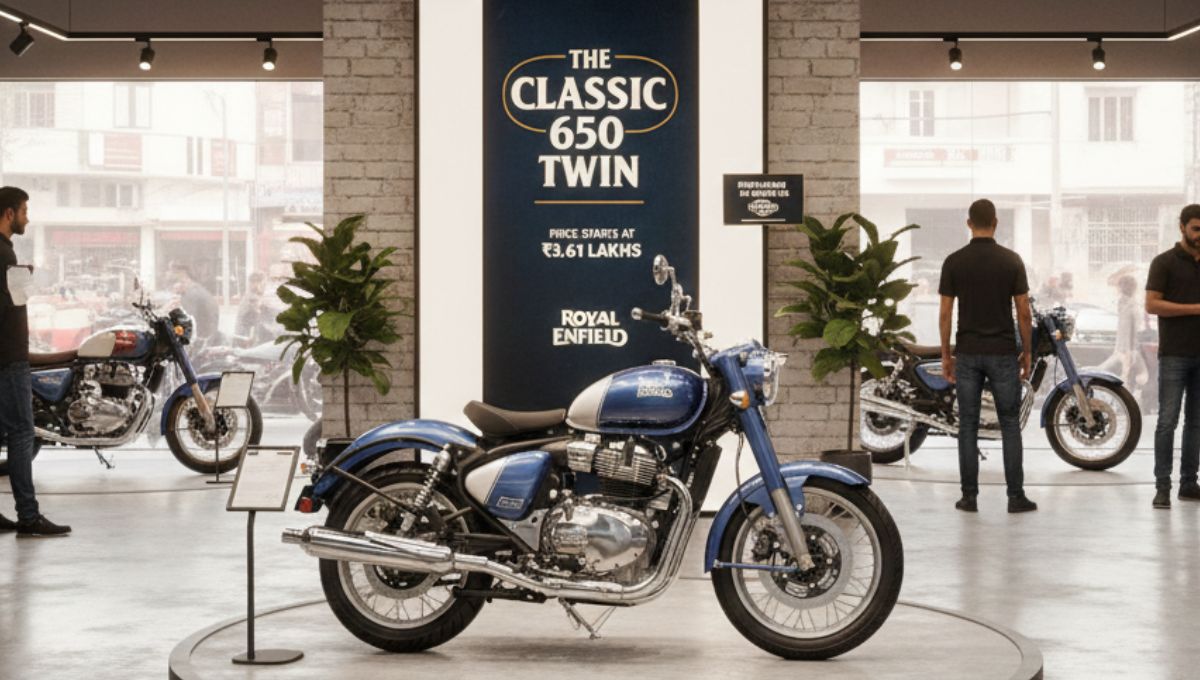
Royal Enfield Classic 650: A Timeless Twin For All Generations

The Royal Enfield Classic 650 blends vintage charm with modern capability, powered by a refined 648cc parallel-twin engine that delivers smooth performance for everyday rides and long tours. This motorcycle upholds the brand’s heritage through its elegant design while introducing enhanced power and comfort for riders seeking a premium cruiser experience.

Engine Performance

At the heart of the Classic 650 lies an inline twin-cylinder, four-stroke SOHC engine with air cooling and a displacement of 647.95cc. It produces a maximum power of 47.04 PS at 7250 rpm and 52.3 Nm of torque at 5650 rpm, paired with a six-speed gearbox and fuel injection for efficient delivery. The bore and stroke measure 78 mm by 67.8 mm, with a compression ratio of 9.5:1, ensuring a responsive throttle and top speeds reaching around 157 kmph under ideal conditions. Riders appreciate its recalibrated tune for graceful acceleration and minimal vibrations at highway paces.

Chassis and Suspension

The bike employs a steel tubular spine frame, providing stability and confident handling across varied terrains. Front suspension features a 43mm telescopic fork with 120mm travel, complemented by twin shock absorbers at the rear for a balanced ride. This setup, combined with a low centre of gravity, makes it manoeuvrable despite its 243kg kerb weight, with dimensions including a 1475mm wheelbase, 800mm seat height, and 154mm ground clearance.

Read More : Kawasaki New 2026 Z1100 – Full Review, Specifications & Features Analysis

Design and Features

The Classic 650 features a teardrop fuel tank, chrome peashooter exhausts, and an LED-upgraded casquette headlamp with signature tiger eyes, offering classic appeal. It rolls on 19-inch front and 18-inch rear spoked wheels, fitted with 100/90-19 tubed tyres upfront and 140/70 R18 at the back, and is stopped by disc brakes with dual-channel ABS and two-piston callipers. Additional touches include a digi-analogue cluster with Tripper Navigation, USB charging, and aluminium switchgear, all supporting a 14.7-14.8L fuel tank for extended journeys.

Read More: Yamaha XSR 155 Unleashed: Retro Power Meets Modern Thrill

Variants and Practicality

Available in three variants—Hotrod (Vallam Red, Bruntingthorpe Blue), Classic (Teal), and Chrome (Black Chrome)—prices start around ₹3.61 lakh ex-showroom, catering to different style preferences. It offers a 36-month or 40,000km warranty, extendable options, and over 30 genuine accessories like engine guards and sump protectors for customisation. Maintenance follows a schedule with the first service at 500km or 45 days, then every 5,000km, making ownership straightforward for touring enthusiasts.

Royal Enfield Classic 650 Technical Specifications

SpecificationDetails
Engine TypeInline Twin Cylinder, 4 Stroke, SOHC 
Displacement647.95 cc
Max Power47.04 PS @ 7250 rpm
Max Torque52.3 Nm @ 5650 rpm
Cooling SystemAir Cooled
Transmission6 Speed Manual
Fuel Capacity14.8 L
Kerb Weight243 kg
Seat Height800 mm
Ground Clearance154 mm
Wheelbase1475 mm
Front SuspensionTelescopic Fork 43 mm, 120 mm travel
Rear SuspensionTwin Shock, 90 mm travel
Front BrakeDisc (300 mm), 2 Piston Calliper
Rear BrakeDisc (300 mm), 2 Piston Caliper
ABSDisc (300 mm), 2 Piston Calliper
Front Tyre100/90-19 (Tube)
Rear Tyre140/70-18 (Tube)
Top Speed157 kmph
Mileage (Highway)21.45 kmpl

Read More: NEW Scrambler 400 XC – Full Review, Features, Performance & Complete Buyer’s Guide

Pros and Cons

Pros

  • Smooth and refined 648cc parallel-twin engine offers ample low-end torque for effortless cruising and highway overtaking.​
  • Timeless retro styling with premium chrome finishes and comfortable ergonomics suits long-distance touring.​
  • Comprehensive features like dual-channel ABS, Tripper Navigation, and USB charging enhance practicality.​

Cons

  • The heavier kerb weight at 243kg impacts agility in tight city traffic.​
  • An air-cooled setup leads to noticeable heat in slow-moving or hot conditions.​
  • Stiff rear suspension transmits bumps on rough roads, reducing comfort.