Tag Archives: Games

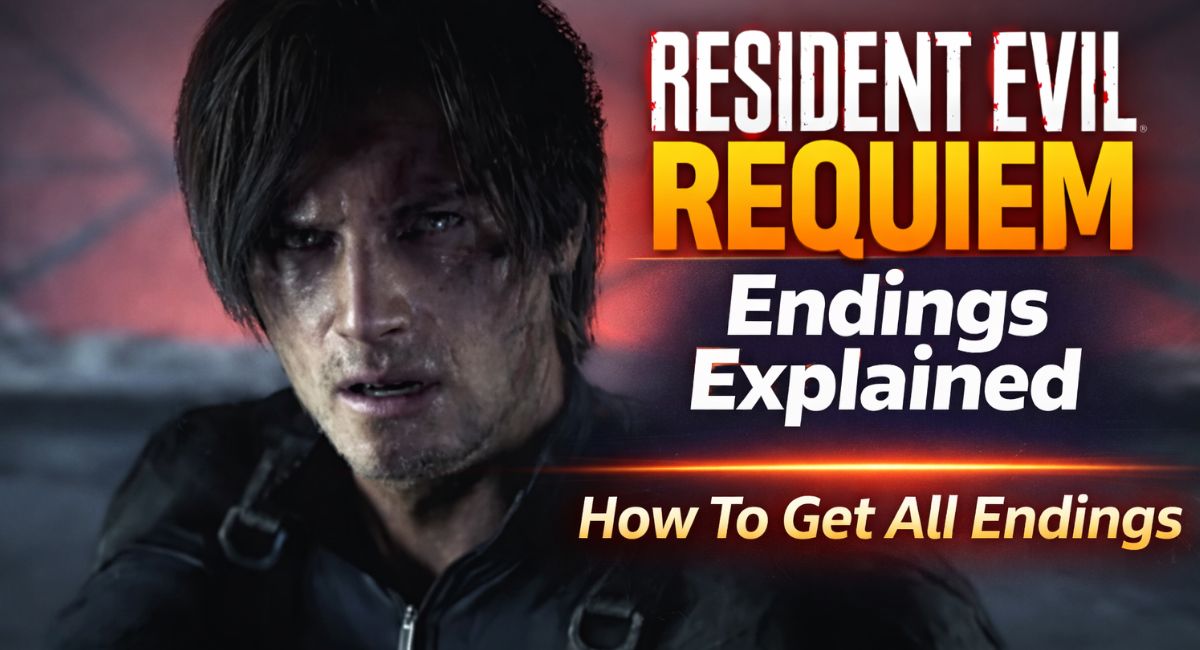
Resident Evil Requiem Endings Explained: The Hidden Choices That Change Everything

Few survival horror titles in recent memory have generated as much discussion around narrative outcomes as Resident Evil Requiem Endings. While the game delivers tense combat, resource management, and cinematic storytelling, it’s the branching conclusions that leave players debating long after the credits roll.

Unlike traditional entries where the ending variation might hinge on performance rank, Resident Evil Requiem builds its conclusions around meaningful decisions, character relationships, and hidden story triggers. Whether you reached the Hope ending, the Destruction route, or the elusive Elpis conclusion, each path reveals different truths about the outbreak and its aftermath.

This comprehensive guide breaks down every ending, how to unlock them, and what they mean for the franchise’s broader narrative.

Resident Evil Requiem: Core Game Overview

Before diving into the endings, understanding the game’s foundation is essential.

Resident Evil Requiem blends classic survival horror mechanics with modern cinematic storytelling. The game follows a protagonist navigating a quarantined city devastated by a bioweapon catastrophe tied to a rogue research faction.

Key Gameplay Specs

  • Genre: Survival Horror
  • Perspective: Third-person over-the-shoulder
  • Platforms: PlayStation 5, Xbox Series X|S, PC
  • Average Playtime: 12–18 hours (first run)
  • Multiple Endings: Yes (Three primary conclusions)
  • Combat: Tactical shooting with limited resources
  • Exploration: Semi-open environments with branching paths
  • Difficulty Modes: Assisted, Standard, Hardcore

Unlike purely linear entries, Resident Evil Requiem integrates narrative variables influenced by player choices. Dialogue decisions, rescue attempts, optional objectives, and late-game moral calls determine which ending you receive.

How Many Endings Are in Resident Evil Requiem?

There are three primary endings:

  1. Hope
  2. Destruction
  3. Elpis (True Ending)

Each one reflects not only the final decision but your cumulative choices throughout the campaign.

Importantly, unlocking certain endings may require specific side objectives and character survival conditions.

Hope Ending Explained

The Hope ending is often the most commonly achieved on a first playthrough.

How To Unlock the Hope Ending?

To trigger this route, players must:

  • Preserve key survivor NPCs throughout the story.
  • Complete at least two optional rescue objectives.
  • Avoid aggressive or retaliatory dialogue options in critical late-game conversations.
  • Choose containment over annihilation during the final decision.

In the climax, the player is given a choice regarding the fate of the infected zone. Selecting the controlled containment protocol rather than full-scale destruction sets the Hope outcome in motion.

What Happens in the Hope Ending?

The protagonist successfully activates a targeted containment system that neutralizes the infection without eradicating the entire region.

Key survivors escape.
Government forces establish quarantine.
Evidence of the rogue research faction is preserved for exposure.

The final cutscene shows rebuilding efforts beginning, though subtle hints suggest remnants of the bioweapon strain may still exist.

Thematic Meaning of Hope

This ending emphasizes:

  • Accountability over erasure
  • Saving lives when possible
  • Transparency in exposing corruption

It’s the most optimistic conclusion, though it leaves narrative threads open for potential sequels.

Destruction Ending Explained

The Destruction route is darker and often triggered by more aggressive gameplay decisions.

How To Unlock the Destruction Ending>

Players typically reach this ending if they:

  • Fail to rescue certain NPCs.
  • Ignore optional side objectives.
  • Choose lethal or confrontational dialogue options.
  • Select total eradication during the final choice.

If the player opts to detonate the full city-cleansing protocol, Destruction is locked in.

What Happens in the Destruction Ending?

The city is obliterated to prevent further spread of the infection.

While the outbreak is fully contained, civilian casualties increase.
Critical research evidence is lost.
The protagonist survives but carries visible emotional weight.

The closing scene implies the truth may never surface, and powerful entities avoid accountability.

Read more:- Decathlon’s Peach Orange Revolution: Why the E-ACTV 500 Hybrid E-Bike Could Redefine Everyday Electric Cycling

Thematic Meaning of Destruction

This ending explores:

  • Sacrifice versus morality
  • The cost of decisive action
  • Institutional secrecy

It’s effective but morally ambiguous, reflecting classic Resident Evil themes of collateral damage in the name of safety.

Elpis Ending Explained (True Ending)

The Elpis ending is widely regarded as the “true” or secret conclusion.

“Elpis” translates to hope in Greek, but within the game, it represents something deeper — a fusion of justice and preservation.

How To Unlock the Elpis Ending

This route requires deliberate planning across the entire campaign.

Players must:

  • Rescue all major NPCs.
  • Complete every optional side investigation.
  • Recover hidden data logs exposing the research faction.
  • Maintain neutral or empathetic dialogue responses.
  • Preserve key scientific evidence.
  • Choose containment while also activating a failsafe override discovered in a hidden lab.

The failsafe override is easily missed. It requires accessing a secondary underground facility during Chapter 9 — something only available if earlier data fragments were collected.

What Happens in the Elpis Ending?

In this version:

  • The outbreak is contained with minimal casualties.
  • The rogue faction’s crimes are publicly exposed.
  • Surviving scientists assist in developing countermeasures.
  • The protagonist steps into a public whistleblower role.

Unlike the other endings, Elpis resolves the outbreak while reshaping global bioweapon policy.

The final scene teases a new alliance dedicated to preventing future catastrophes.

Key Decision Points That Affect Endings

Resident Evil Requiem hides several branching triggers throughout the campaign.

1. Hospital Evacuation Sequence

Rescuing trapped survivors affects later narrative support.

2. Research Facility Data Retrieval

Missing data logs block access to the Elpis path.

3. Confrontation With Dr. Virelli

Dialogue tone impacts alignment tracking.

4. Final Reactor Core Choice

The most obvious branching moment, but only impactful if prior conditions are met.

Players often assume only the final choice matters — but internal alignment tracking begins much earlier.

Performance Rank vs Narrative Outcome

Unlike older titles where rank influenced post-credit scenes, Resident Evil Requiem focuses more on narrative choices than speedrun performance.

However:

  • Completing optional objectives increases story flags.
  • Higher exploration rates unlock additional cutscenes.
  • Hardcore difficulty does not directly alter endings.

Your decisions matter more than your completion time.

Replay Strategy: How To Get All Endings Efficiently?

If you want all Resident Evil Requiem Endings in minimal playthroughs:

  1. First Run: Play naturally and aim for Hope.
  2. Second Run: Skip rescues and choose aggressive options for Destruction.
  3. Third Run: Follow a completionist checklist for Elpis.

New Game Plus helps significantly:

  • Carry over weapons.
  • Faster exploration.
  • Easier hidden item retrieval.

Expect approximately 35–45 hours total to experience all endings fully.

Narrative Depth and Franchise Impact

Resident Evil Requiem marks a shift toward morally driven branching conclusions. Rather than simply surviving, players shape the ethical outcome.

The Elpis ending in particular suggests potential long-term franchise evolution, focusing on prevention rather than recurring outbreaks.

This narrative design increases replayability while encouraging player accountability.

Technical Performance and Game Specs

For players concerned about performance:

PC Recommended Specs

  • CPU: Intel i7 / Ryzen 7 equivalent
  • RAM: 16GB
  • GPU: RTX 2060 or higher
  • Storage: 50GB SSD recommended

Console Performance

  • PS5 / Xbox Series X:
    • 4K dynamic resolution
    • 60 FPS performance mode
    • Ray tracing support

Smooth performance enhances immersion, especially during intense branching finale sequences.

Why Multiple Endings Matter in Survival Horror

Branching conclusions deepen emotional investment. When outcomes reflect your actions, tension increases.

Resident Evil Requiem doesn’t just challenge reflexes — it challenges ethics.

That shift signals maturity in survival horror storytelling.

Choice Defines Consequence

The brilliance of Resident Evil Requiem Endings lies in their design philosophy. The game doesn’t reward perfection — it rewards intention.

Whether you choose containment, destruction, or systemic reform, each outcome reflects your moral stance within a collapsing world.

For longtime fans of survival horror, this layered narrative approach elevates Resident Evil Requiem beyond a standard action-horror experience.

And if you thought one playthrough was enough, think again.

Choice Defines Consequence

The brilliance of Resident Evil Requiem Endings lies in their design philosophy. The game doesn’t reward perfection — it rewards intention.

Whether you choose containment, destruction, or systemic reform, each outcome reflects your moral stance within a collapsing world.

For longtime fans of survival horror, this layered narrative approach elevates Resident Evil Requiem beyond a standard action-horror experience.

And if you thought one playthrough was enough, think again.

FAQs

How many endings are in Resident Evil Requiem?

There are three primary endings: Hope, Destruction, and Elpis.

What is the true ending in Resident Evil Requiem?

Elpis is widely considered the true ending because it requires completing all major objectives and reveals the most narrative closure.

Does difficulty affect the ending?

No. Difficulty changes combat challenge but does not directly influence which ending you receive.

Can you get all endings in one playthrough?

No. Each ending requires different choices and actions across the campaign.

Pokémon Day 2026 Is Almost Here: What to Expect from the New Pokémon Presents on February 27?

Every year, February 27 marks a special milestone for fans around the world. It commemorates the original launch of Pokémon Red and Green in Japan back in 1996—an event that sparked one of the most influential entertainment franchises in history. In 2026, Pokémon Day returns with a brand-new Pokémon Presents broadcast, promising fresh announcements, game updates, and potential surprises that could shape the franchise’s future.

If you’re a long-time Trainer, a competitive battler, a collector, or a newcomer curious about the ever-expanding world of Pokémon, this presentation matters. Here’s a complete, expert breakdown of what to expect, how to watch, and why this event could define the next chapter of Pokémon.

What Is Pokémon Presents?

Pokémon Presents is the official digital presentation series produced by The Pokémon Company. It functions similarly to a Nintendo Direct, offering curated announcements, trailers, updates, and occasionally unexpected reveals across the Pokémon ecosystem.

These broadcasts typically include:

  • Upcoming mainline game announcements
  • Updates on live-service titles
  • Mobile game expansions
  • Anime and multimedia news
  • Trading Card Game updates
  • Merchandise and collaborations

Pokémon Presents events are tightly produced, concise, and strategically timed. Pokémon Day, in particular, has historically delivered some of the franchise’s biggest announcements.

When and Where to Watch Pokémon Day 2026?

The new Pokémon Presents will air on February 27, 2026, aligning with Pokémon Day celebrations worldwide.

Streaming Details (Expected Format)

  • Platform: Official Pokémon YouTube channel
  • Global availability
  • Simultaneous regional broadcasts
  • On-demand replay available immediately after

Although specific runtime details may vary, past Pokémon Day broadcasts typically run between 20 and 30 minutes.

Fans should tune in early, as major announcements often appear within the first few segments.

Why Pokémon Day Is So Important?

To understand the weight of this broadcast, you need to appreciate the scale of the franchise.

Pokémon Red and Green launched a phenomenon that evolved into games, anime, movies, a competitive esports scene, and one of the highest-grossing media franchises in history.

Today, Pokémon spans:

  • Console RPGs
  • Mobile games
  • Live events
  • The globally dominant Pokémon Trading Card Game
  • Competitive tournaments
  • Streaming and content creation ecosystems

Pokémon Day broadcasts are carefully chosen moments to reveal strategic expansions or roadmap updates. Historically, they’ve introduced new generations, downloadable content, or long-awaited remakes.

Read more:- Honor MagicPad 4 Teased With 165Hz Display and Snapdragon 8 Gen 5: Is This the Tablet That Redefines Android Performance?

What Announcements Could Be Coming?

While official details remain under wraps, we can analyze historical trends and current franchise momentum to make informed predictions.

1. Mainline Game Updates

If a new generation or major expansion is in development, Pokémon Day is the ideal moment for an announcement teaser. Past examples include:

  • Generation reveals
  • Remake confirmations
  • DLC expansion roadmaps

Recent titles like Pokémon Scarlet and Violet demonstrated the franchise’s willingness to experiment with open-world design. If a follow-up title is planned, we may see:

  • A cinematic teaser
  • Development confirmation
  • Platform confirmation (likely Nintendo hardware)

2. Updates to Pokémon Legends-Style Projects

The release of Pokémon Legends: Arceus marked a bold departure from traditional structure. Its success opened the door for potential “Legends” sequels exploring other regions or mythologies.

A Pokémon Presents broadcast could confirm:

  • A new Legends installment
  • Regional mythology focus
  • Release window

Given how well-received the experimental gameplay was, expectations are high.

3. Mobile Game Expansions

Pokémon’s mobile ecosystem is massive. Titles such as:

  • Pokémon GO
  • Pokémon Unite
  • Pokémon Masters EX

are updated regularly.

Expect announcements like:

  • Limited-time Pokémon Day events
  • New characters or forms
  • Special in-game bonuses
  • Collaboration campaigns

These announcements often go live immediately after the broadcast.

Pokémon Trading Card Game Announcements

The Pokémon Trading Card Game remains one of the franchise’s most financially powerful pillars.

Possible updates may include:

  • New expansion sets
  • Competitive season changes
  • Digital TCG updates
  • Special Pokémon Day promo cards

The digital shift toward expanded online play has increased the importance of virtual TCG updates, and Pokémon Presents often serves as the platform for these reveals.

Anime and Multimedia Projects

Pokémon is no longer centered on one protagonist. The anime has evolved, expanded, and refreshed its cast in recent years.

Announcements could involve:

  • New story arcs
  • Film projects
  • Streaming platform partnerships
  • Global release updates

Multimedia synergy has always been central to Pokémon’s strategy, so any major game announcement is often paired with cross-platform storytelling expansions.

Merchandise and Brand Collaborations

Pokémon’s reach extends far beyond games and anime.

Pokémon Day broadcasts sometimes unveil:

  • Fashion collaborations
  • High-end collectibles
  • Limited-edition plush releases
  • Anniversary-themed merchandise

Collectors should be prepared for limited stock drops, especially if anniversary branding plays a role in 2026.

Why 2026 Could Be a Strategic Turning Point?

The gaming industry is evolving rapidly. Player expectations for performance, graphics, and online infrastructure are significantly higher than even five years ago.

Pokémon’s development roadmap must balance:

  • Nostalgia-driven appeal
  • Modern technical standards
  • Competitive viability
  • Cross-platform growth

Pokémon Presents broadcasts increasingly reflect a more strategic communication approach—less filler, more targeted announcements.

If a major next-generation Pokémon title is in early development, Pokémon Day 2026 could serve as its first official acknowledgment.

Expected Production Quality and Format

Pokémon Presents typically includes:

  • High-definition trailers
  • Developer commentary
  • Gameplay previews
  • Structured pacing
  • Clear segmentation by product category

The tone is professional yet celebratory, honoring Pokémon’s legacy while building anticipation for the future.

How to Prepare as a Fan?

If you want to maximize your Pokémon Day experience:

  1. Watch live to avoid spoilers
  2. Follow official Pokémon social media accounts
  3. Keep notifications on for merchandise drops
  4. Prepare storage space for potential mobile updates
  5. Engage in community discussions afterward

Pokémon announcements often trigger rapid online conversations and theory analysis.

Pokémon’s Enduring Global Impact

Few franchises maintain cultural relevance across generations. Pokémon has achieved this by consistently evolving while preserving its core identity: exploration, collection, strategy, and connection.

From its beginnings with Pokémon Red and Green to modern open-world experiments, the franchise has adapted without losing its heart.

Pokémon Day isn’t just a marketing event—it’s a celebration of that ongoing journey.

Why You Shouldn’t Miss Pokémon Day 2026

Pokémon has consistently demonstrated its ability to reinvent itself while honoring its roots. The new Pokémon Presents airing on February 27, 2026, represents more than a marketing broadcast—it’s a strategic checkpoint for one of the most influential entertainment brands ever created.

Whether you’re hoping for a new mainline RPG, a Legends sequel, competitive updates, or special in-game events, Pokémon Day remains the franchise’s most important annual showcase.

Mark your calendar. Tune in live. The next evolution of Pokémon could be just one announcement away.

FAQs

What time is Pokémon Presents on February 27, 2026?

The exact time may vary by region, but Pokémon Day broadcasts typically air in the morning in North America and evening in parts of Asia. Official Pokémon channels will confirm the precise timing ahead of the event.

Where can I watch Pokémon Presents live?

You can stream it on the official Pokémon YouTube channel. The broadcast will also be available for replay immediately afterward.

Will a new Pokémon game be announced in 2026?

While nothing is confirmed, Pokémon Day has historically been used to reveal new mainline titles, remakes, or expansions. The possibility is strong.

Is Pokémon Day only about video games?

No. Pokémon Day announcements often include updates for mobile games, the Trading Card Game, anime projects, and merchandise collaborations.

Where can I watch Pokémon Presents 2026?

The broadcast will stream live on official Pokémon YouTube channels and will remain available on-demand after airing.

Call of Duty Is Leaving Android and iOS: But Here’s the Catch That Changes Everything

Few gaming franchises command global attention like Call of Duty. For over two decades, the series has defined competitive shooters across consoles and PC. When it expanded to mobile devices, it reshaped expectations for what smartphone gaming could achieve.

Now, reports that Call of Duty is leaving Android and iOS have triggered confusion, concern, and intense speculation. But the reality is more nuanced. This is not a sudden disappearance. It is a strategic transition — and there is indeed a catch.

In this in-depth analysis, we break down what’s happening, why it’s happening, how it affects players, and what it reveals about the future of mobile gaming within the Call of Duty ecosystem.

Understanding the Headlines: Is Call of Duty Really Leaving Mobile?

The statement that Call of Duty is “leaving” Android and iOS requires context.

The franchise itself is not disappearing from mobile entirely. Instead, the change centers around restructuring, platform realignment, and long-term strategic direction.

For years, Call of Duty: Mobile delivered console-quality gameplay on smartphones. It offered multiplayer modes, battle royale, ranked seasons, weapon progression, and cosmetic customization — all optimized for touchscreen controls.

However, the mobile gaming landscape has evolved rapidly:

  • Hardware capabilities have increased
  • Cross-platform ecosystems have expanded
  • Cloud gaming infrastructure has matured
  • Player expectations for parity with console versions have grown

The reported departure reflects a pivot rather than a shutdown.

The Rise of Call of Duty on Mobile

When Call of Duty: Mobile launched, it achieved something rare. It successfully translated the franchise’s fast-paced gunplay into a mobile format without sacrificing competitive depth.

The game featured:

  • Iconic maps like Nuketown and Crash
  • Ranked multiplayer modes
  • 100-player battle royale
  • Seasonal battle passes
  • Controller support
  • Regular content updates

It quickly amassed millions of downloads and became one of the most successful shooter titles on mobile platforms.

So why step away from Android and iOS?

The Catch: It’s About Consolidation, Not Abandonment

The critical nuance is this: Call of Duty is not exiting the mobile market entirely. Instead, the franchise appears to be consolidating its ecosystem around newer infrastructure and possibly more unified platforms.

There are three likely factors behind the move:

1. Strategic Ecosystem Alignment

The Call of Duty franchise now operates across:

  • Console
  • PC
  • Cloud services
  • Subscription ecosystems

Maintaining separate development pipelines for standalone mobile builds may no longer align with long-term goals.

2. Focus on New Mobile Initiatives

With next-generation mobile hardware, developers may be shifting toward a more integrated or cloud-powered version of Call of Duty that connects directly with console ecosystems.

Rather than maintaining a legacy mobile framework, resources could be redirected to a more scalable future solution.

3. Infrastructure Evolution

Mobile gaming increasingly overlaps with:

  • Cloud gaming platforms
  • Cross-progression systems
  • Unified accounts
  • Shared seasonal content

Leaving Android and iOS in their traditional standalone form could signal a move toward deeper integration with broader franchise architecture.

Read more:- DJI Neo Review: Is This the Beginner Drone That Finally Gets Everything Right?

What Happens to Existing Players?

Naturally, the biggest concern for players is progression and purchased content.

If a mobile version transitions or sunsets, players typically want clarity on:

  • Account preservation
  • Purchased skins and battle passes
  • Rank progression
  • In-game currency balances

Historically, major franchises offer migration options, especially when transitioning platforms.

It is reasonable to expect that Call of Duty’s developers will prioritize user trust by:

  • Communicating transition timelines clearly
  • Offering account migration tools
  • Preserving cross-progression where possible

Player retention depends heavily on continuity.

Technical Specifications: What Mobile Call of Duty Required?

To understand the shift, it helps to revisit what the mobile version required from devices.

Call of Duty: Mobile Technical Specs (Typical Requirements)

Operating System:
Android 5.1+ / iOS 9.0+

RAM:
Minimum 2GB (recommended 3GB or higher)

Storage Space:
Approximately 2GB to 3GB, depending on updates

Graphics:
Mid-range to high-end mobile GPU for optimal performance

Internet Connection:
Stable broadband or 4G/5G connection

Over time, as graphical fidelity improved, the performance demands increased. Maintaining optimization across thousands of device models can become increasingly complex and costly.

A platform consolidation strategy may reduce fragmentation.

The Bigger Picture: Mobile Gaming Is Changing

Mobile gaming today is not what it was five years ago.

The lines between platforms are blurring.

Players expect:

  • Shared progression across devices
  • Unified seasonal events
  • Cross-play compatibility
  • Graphical parity with consoles

If Call of Duty is repositioning itself within this environment, the move may actually strengthen its long-term mobile presence — even if it temporarily disrupts the current model.

Cloud Gaming as the Future Gateway?

One potential direction is deeper reliance on cloud streaming.

With faster internet speeds and improved compression technology, high-end console experiences can now be streamed to mobile devices.

Advantages include:

  • No heavy local storage requirements
  • Reduced hardware fragmentation
  • Easier content updates
  • Visual consistency across devices

Instead of optimizing for thousands of smartphone configurations, developers can deliver a standardized experience via cloud infrastructure.

This could be the strategic “catch” behind the headline.

Competitive Landscape Pressures

The mobile shooter market is intensely competitive.

Rivals constantly innovate in:

  • Graphics engines
  • Live-service models
  • Monetization strategies
  • Social integration

Sustaining dominance requires continuous reinvestment.

If Call of Duty is reallocating resources toward larger ecosystem integration, it may be aiming to protect long-term brand strength rather than maintain short-term mobile independence.

Player Trust and Brand Longevity

Call of Duty is not a short-term brand. It is a multi-generational franchise.

Decisions affecting Android and iOS users must be handled carefully to avoid:

  • Community backlash
  • Reputation damage
  • Revenue decline

Transparent communication will be key.

Historically, the franchise has demonstrated adaptability — evolving from traditional single-player campaigns to online multiplayer dominance, then to battle royale integration.

This may simply be the next evolution.

Economic Considerations Behind the Move

Maintaining a live-service mobile game involves:

  • Ongoing server costs
  • Device compatibility testing
  • Security updates
  • Anti-cheat systems
  • Content development

As development priorities shift, companies often consolidate to improve efficiency.

If a new integrated model promises:

  • Broader monetization potential
  • Cross-platform synergy
  • Lower operational fragmentation

Then restructuring makes financial sense.

Is This the End of Mobile Call of Duty?

It is highly unlikely that Call of Duty will permanently abandon mobile audiences.

The mobile market represents:

  • Billions of potential players
  • Massive in-app revenue streams
  • Rapid global expansion opportunities

More realistically, this is a pivot toward a new mobile strategy rather than a withdrawal.

What Players Should Watch For Next?

Players should monitor announcements related to:

  • Account migration tools
  • Cloud gaming support
  • Cross-platform unification
  • New mobile entry points
  • Release timelines for updated experiences

Transitions often come with beta testing phases and phased rollouts.

Industry Implications

This development highlights a broader industry truth:

Gaming ecosystems are consolidating.

Instead of isolated platform versions, companies are increasingly building unified ecosystems that span:

  • Console
  • PC
  • Mobile
  • Cloud
  • Subscription services

Call of Duty may be aligning with this trend.

A Strategic Pivot, Not a Goodbye

The headline that Call of Duty is leaving Android and iOS sounds dramatic. But the deeper story reveals a calculated move toward ecosystem integration and long-term scalability.

For players, the key takeaway is this:

The franchise is evolving, not disappearing.

As gaming infrastructure modernizes and platform boundaries fade, Call of Duty appears determined to stay ahead of the curve — even if that means reshaping how and where it’s played on mobile devices.

Transitions can be disruptive. But if handled transparently, this move could ultimately deliver a stronger, more unified Call of Duty experience across every screen.

FAQs

Is Call of Duty shutting down on Android and iOS?

Reports suggest a strategic transition rather than an immediate shutdown. The franchise is expected to shift toward a new mobile strategy rather than disappear entirely.

What happens to my Call of Duty: Mobile account?

While official migration details may vary, major franchises typically offer account preservation or transition options to maintain player trust.

Will there be a new mobile version of Call of Duty?

It is highly likely that a new or integrated mobile experience will replace the current structure, potentially with cloud-based or cross-platform capabilities.

Why would Call of Duty leave Android and iOS?

The shift may be driven by ecosystem consolidation, infrastructure upgrades, and long-term platform integration strategies.

Crimson Desert Raises the Bar: Every Voice Performed by Real Actors in a Bold Commitment to Authentic Storytelling

Few modern role-playing games have generated as much sustained anticipation as Crimson Desert. Developed as a large-scale open-world action RPG set in a brutal and politically charged medieval fantasy world, the game has consistently promised technical innovation and narrative ambition. But one recent revelation stands out above the rest: all Crimson Desert voices have been recorded by real actors.

In an era where artificial voice synthesis and digital shortcuts are becoming increasingly common, this decision speaks volumes about the developers’ commitment to quality and authenticity. It is not merely a production detail. It is a philosophy.

This article explores what that decision means for the future of storytelling in games, how it elevates Crimson Desert above its competitors, the technical specifications behind its production, and why this approach strengthens its credibility among both players and industry professionals.

What Is Crimson Desert?

Crimson Desert is a narrative-driven open-world action RPG set on the war-torn continent of Pywel. Players step into the role of Kliff, a hardened mercenary leader navigating political turmoil, shifting alliances, and personal redemption.

The game blends:

  • Large-scale battlefield encounters
  • Deep narrative arcs
  • Real-time combat mechanics
  • Expansive exploration
  • Cinematic storytelling

Unlike traditional MMORPG structures, Crimson Desert focuses heavily on a single-player narrative experience, though it carries ambitious world-building DNA from its developers’ earlier projects.

At its core, the game aims to deliver an emotionally resonant story within a living, breathing world.

Why Real Actors Matter in Modern Gaming?

The announcement that every voice in Crimson Desert has been recorded by real actors signals a significant industry stance.

The Human Factor

Voice acting is more than reading dialogue. It requires:

  • Emotional nuance
  • Timing and pacing
  • Character embodiment
  • Subtle performance variations

Real actors bring lived experience and professional craft to their performances. They respond to context, tone shifts, and dramatic tension in ways that synthetic tools cannot replicate with the same authenticity.

In narrative-heavy RPGs, voice delivery often determines whether a scene feels cinematic or mechanical. Crimson Desert’s decision ensures its characters will sound human, not processed.

Read more:- Sonic the Hedgehog 4 Film Casts Kristen Bell as Amy Rose: What This Game-Changing Casting Means for the Franchise?

Building Emotional Credibility Through Performance

A world as intense as Pywel demands layered performances.

Mercenaries torn by loyalty. Nobles driven by ambition. Soldiers grappling with loss. These emotional beats require:

  • Breath control
  • Dynamic expression
  • Controlled vulnerability
  • Authentic intensity

By employing real actors across the entire cast, Crimson Desert ensures consistency in tone and emotional continuity. Players are more likely to feel immersed when dialogue feels natural rather than artificially polished.

In high-stakes storytelling, believability is everything.

Technical Production Specs of Crimson Desert

While the voice acting revelation has attracted attention, it exists within a larger framework of ambitious production standards.

Here are the confirmed and widely discussed technical elements of Crimson Desert:

Genre: Open-world action RPG
Setting: Medieval fantasy continent of Pywel
Perspective: Third-person
Engine: Proprietary next-generation engine
Primary Mode: Narrative-driven single-player
Combat Style: Real-time, physics-influenced action
World Design: Seamless open world
Voice Production: Entire cast recorded by professional real actors
Audio Design: Fully localized cinematic dialogue

The integration of professional voice actors complements the game’s advanced engine, which emphasizes realistic physics, environmental interaction, and detailed character animation.

High-fidelity visuals require equally high-fidelity sound design. Without authentic voice work, even the most beautiful world can feel hollow.

Immersion: The Competitive Edge

In today’s gaming landscape, immersion separates good games from unforgettable ones.

Crimson Desert is competing in a market shaped by titles that have raised expectations for:

  • Performance capture
  • Voice realism
  • Cinematic dialogue pacing
  • Emotional storytelling

By ensuring that every character — from major protagonists to minor NPCs — is voiced by real actors, the developers are signaling that no detail is too small.

Even incidental dialogue can shape player perception of a world’s authenticity.

The Risks of Synthetic Voices in Narrative RPGs

Some studios have begun experimenting with synthetic or AI-assisted voice production to reduce costs or streamline localization. While technology continues to evolve, it often lacks:

  • Organic imperfection
  • Emotional spontaneity
  • Reactive nuance
  • Subtle performance texture

In a story-driven title like Crimson Desert, any artificial-sounding dialogue could undermine narrative tension.

By investing in professional actors instead, the developers eliminate that risk.

Performance Capture and Character Animation Synergy

Modern RPG development increasingly integrates voice acting with performance capture. When actors physically embody their roles — even partially — animators can align facial expressions, posture, and vocal intensity more precisely.

Crimson Desert’s approach likely enhances:

  • Lip-sync accuracy
  • Emotional facial animation
  • Character movement authenticity
  • Cinematic cutscene realism

The result is a seamless blend of sound and motion that reinforces immersion.

Cultural and Global Localization Impact

Crimson Desert is positioned as a global release. Recording all voices with real actors also enhances localization quality.

Professional actors bring:

  • Cultural sensitivity
  • Language fluency
  • Natural dialect control
  • Contextual understanding

Rather than relying on automated voice adaptation, the use of actors ensures each regional version maintains narrative integrity.

For international audiences, this strengthens trust in the brand.

Why This Matters for the Industry?

Crimson Desert’s decision reflects a broader debate in entertainment: craftsmanship versus automation.

While technology can accelerate production, storytelling remains a human art form.

By prioritizing actors, the developers affirm:

  • Commitment to creative authenticity
  • Investment in artistic talent
  • Respect for performance craft
  • Long-term brand credibility

In a competitive market, these values resonate with players who care about storytelling depth.

Early Player Expectations and Community Response

Initial reactions to the voice acting announcement have been largely positive. Fans of cinematic RPGs understand how critical voice delivery can be.

Common sentiments include:

  • Appreciation for authenticity
  • Confidence in narrative depth
  • Optimism about character development
  • Increased anticipation for story scenes

Voice performance shapes first impressions. If Crimson Desert delivers on its promise, it may redefine expectations for mid-generation RPG releases.

Storytelling as a Core Design Pillar

Many action RPGs emphasize combat systems and open-world exploration. Crimson Desert, however, appears equally focused on character-driven storytelling.

Real actors reinforce this direction.

When dialogue feels genuine:

  • Players form stronger emotional attachments
  • Narrative twists hit harder
  • Character arcs feel earned
  • Moral decisions carry weight

Storytelling thrives on human expression.

The Economic Decision Behind Real Actors

Hiring professional voice actors is not a small expense. Recording sessions, direction, editing, and localization all require substantial investment.

This choice suggests:

  • Confidence in the game’s commercial potential
  • Long-term franchise planning
  • Dedication to premium production values

It also positions Crimson Desert as a prestige title rather than a cost-optimized project.

Future-Proofing Narrative RPG Development

As technology advances, audiences grow more discerning. Players recognize emotional authenticity.

By grounding its voice work in human performance, Crimson Desert builds resilience against trends that may age poorly.

Synthetic voices may improve, but authentic acting rarely feels outdated.

This strategic foresight strengthens the game’s long-term reputation.

 A Statement of Artistic Integrity

The revelation that every voice in Crimson Desert has been recorded by real actors is more than a production detail. It is a statement.

It reflects:

  • Confidence in narrative ambition
  • Respect for performance artistry
  • Commitment to immersive storytelling
  • Strategic long-term thinking

As the gaming industry navigates rapid technological transformation, Crimson Desert reminds us that at the heart of compelling stories are human voices.

If the game’s visuals, combat, and world-building match the authenticity of its voice performances, it may not only meet expectations — it may redefine them.

FAQs

Is Crimson Desert fully voiced by real actors?

Yes. All dialogue in Crimson Desert has been recorded by professional real actors, ensuring authentic vocal performances across the entire cast.

Who is the main character in Crimson Desert?

Players take on the role of Kliff, a mercenary navigating political chaos and personal conflict in the continent of Pywel.

Is Crimson Desert an MMORPG?

While the game’s developers have MMORPG experience, Crimson Desert is designed primarily as a narrative-driven open-world action RPG.

What engine does Crimson Desert use?

The game runs on a proprietary next-generation engine built to support large-scale environments, realistic physics, and cinematic storytelling.

Sonic the Hedgehog 4 Film Casts Kristen Bell as Amy Rose: What This Game-Changing Casting Means for the Franchise?

The announcement that the Hedgehog 4 Film Casts Kristen Bell as Amy Rose has electrified both longtime Sonic fans and mainstream moviegoers. In a franchise that has steadily grown from a nostalgic video game adaptation into a global box office powerhouse, this casting choice signals something bigger than just another sequel.

It signals evolution.

With the fourth installment in the Sonic cinematic universe officially bringing Amy Rose into the spotlight—voiced by Kristen Bell—the franchise is stepping into a new era of emotional depth, character chemistry, and expanded storytelling potential.

In this comprehensive breakdown, we explore what this casting means for the Sonic universe, how Kristen Bell fits the role, what we know about the production so far, and why this development is more significant than it might initially appear.

The Sonic Movie Universe So Far

When the first live-action adaptation, Sonic the Hedgehog, hit theaters in 2020, expectations were cautious. Video game adaptations historically struggled to earn both critical respect and fan approval.

But Sonic broke that trend.

The success of Sonic the Hedgehog 2 further solidified the franchise’s momentum, introducing beloved characters like Tails and Knuckles. By the time Sonic the Hedgehog 3 arrived, the cinematic universe had matured into a franchise capable of blending action, humor, and emotional storytelling.

Now, with Sonic the Hedgehog 4 officially moving forward, the addition of Amy Rose marks a pivotal expansion of the core character lineup.

Who Is Amy Rose? A Character Worth the Spotlight

Amy Rose has been a central figure in the Sonic franchise since her debut in the early 1990s. Introduced in classic Sonic games, she quickly became more than just a supporting character.

Amy is:

  • Energetic and optimistic
  • Fiercely loyal
  • Surprisingly strong and capable
  • Known for wielding her iconic Piko Piko Hammer

Over time, Amy evolved from a love-struck admirer of Sonic into a capable hero in her own right. In modern game adaptations and animated series, she’s portrayed as determined, emotionally intelligent, and unafraid to take initiative.

Bringing her into the live-action universe opens the door for deeper emotional arcs and more layered storytelling.

Read more:- The 5 Powerful Hero Karizma XMR Alternatives That Might Be Better for Entry-Level Sports Bike Buyers

Why Kristen Bell Is a Strategic Casting Choice?

The headline — the Hedgehog 4 Film Casts Kristen Bell as Amy Rose — is more than just celebrity news. It’s a strategic decision that aligns perfectly with the franchise’s direction.

1. Proven Voice Acting Talent

Kristen Bell is no stranger to animated roles. She has demonstrated remarkable versatility, emotional range, and comedic timing in voice performances across major projects.

Her voice carries warmth and determination — qualities that align seamlessly with Amy’s personality.

2. Balancing Humor and Heart

Amy Rose requires more than enthusiasm. She needs emotional authenticity. Bell’s ability to balance lighthearted energy with vulnerability makes her particularly suited for a character who could play a larger emotional anchor in the fourth film.

3. Expanding Mainstream Appeal

Casting a well-recognized Hollywood talent strengthens the franchise’s crossover appeal. It signals that Sonic is no longer just a nostalgic adaptation — it’s a major cinematic property attracting top-tier performers.

What We Know About Sonic the Hedgehog 4?

While full plot details remain under wraps, early production insights suggest:

  • A larger ensemble cast
  • Increased focus on character dynamics
  • Expanded universe storytelling
  • Higher emotional stakes

The addition of Amy Rose suggests a potential shift from purely action-driven narratives toward more character-centered arcs.

Given Amy’s history in the games, she could serve several possible narrative functions:

  • A new ally with her own independent mission
  • A catalyst for Sonic’s emotional growth
  • A bridge between existing characters
  • A central figure in a larger team dynamic

The franchise has steadily matured in tone. Sonic 4 appears poised to build on that growth.

The Evolution of Female Representation in the Sonic Franchise

One of the most meaningful aspects of this casting news is its broader cultural relevance.

Amy Rose has long represented a key female presence in a franchise historically centered around male characters. Modern portrayals have elevated her beyond a stereotypical role, showcasing her:

  • Independence
  • Physical capability
  • Emotional intelligence
  • Leadership potential

Casting Kristen Bell reinforces that Amy will likely be treated as a fully realized character — not a side note.

In an industry increasingly focused on strong, multidimensional female characters, this development feels timely and purposeful.

Technical and Production Specs (What We Can Confirm?)

Although complete production specifications have not yet been fully disclosed, here are the confirmed and expected details:

Title: Sonic the Hedgehog 4
Franchise: Sonic Cinematic Universe
Character Introduction: Amy Rose
Voice Actor for Amy Rose: Kristen Bell
Format: Live-action/CGI hybrid
Studio: Major Hollywood production studio behind previous Sonic films
Target Audience: Family, action-comedy, game adaptation fans
Expected Release Window: In development phase

From a production standpoint, the Sonic films have consistently delivered:

  • High-quality CGI character rendering
  • Fast-paced action sequences
  • Balanced comedic scripting
  • Strong voice casting synergy

With each installment, the visual effects have improved — suggesting Sonic 4 will likely push technical polish even further.

Fan Reactions and Industry Buzz

The reaction to the news that the Hedgehog 4 Film Casts Kristen Bell as Amy Rose has been largely positive.

Fans have highlighted:

  • Bell’s vocal tone matching Amy’s energetic personality
  • The opportunity for deeper character arcs
  • The potential expansion of Sonic’s team dynamic

Industry analysts also see this as a sign that the franchise is investing in longevity. Introducing Amy at this stage prevents character fatigue and refreshes narrative possibilities.

It’s a move that balances nostalgia with forward momentum.

How Amy Rose Could Redefine Sonic’s Character Arc?

In previous films, Sonic’s journey focused on:

  • Finding belonging
  • Understanding friendship
  • Accepting responsibility

Amy’s presence could introduce new emotional layers:

  • Romantic tension handled with maturity
  • Team leadership conflicts
  • Moral decision-making under pressure

Rather than positioning Amy solely as a romantic figure, modern storytelling trends suggest she may serve as an equal — possibly even challenging Sonic’s impulsiveness.

This dynamic would elevate the franchise’s storytelling complexity.

Why This Casting Signals Confidence in the Franchise?

Franchises typically introduce major legacy characters when they are confident in their direction. Bringing Amy into Sonic 4 implies:

  • The filmmakers are planning long-term arcs
  • The universe will likely expand beyond four films
  • Character development will remain central

In franchise building, timing is everything. Amy’s introduction now feels deliberate — not rushed.

The Broader Impact on Video Game Adaptations

The Sonic films have already shifted Hollywood’s perception of video game adaptations.

Where earlier projects struggled with tone and identity, Sonic has:

  • Maintained loyalty to source material
  • Balanced accessibility for newcomers
  • Invested in character-driven storytelling

The decision that the Hedgehog 4 Film Casts Kristen Bell as Amy Rose continues that upward trajectory.

It demonstrates that studios are treating video game IP with seriousness, care, and strategic casting decisions.

What to Expect Moving Forward?

As production progresses, audiences can likely expect:

  • Teaser reveals of Amy’s design
  • Trailer hints at her role in the story
  • Expanded ensemble marketing
  • Cross-promotional tie-ins with Sonic game releases

Given how carefully previous Sonic films handled character reveals, Amy’s cinematic debut will likely be crafted to generate excitement without revealing too much too soon.

The announcement that the Hedgehog 4 Film Casts Kristen Bell as Amy Rose is more than a casting update. It’s a statement about the franchise’s direction.

It signals growth.
It signals ambition.
And it signals that Sonic’s cinematic universe is far from slowing down.

If the previous films are any indication, Sonic the Hedgehog 4 won’t simply add another character — it will deepen the emotional and narrative foundation of the franchise.

For longtime fans and newcomers alike, this is shaping up to be one of the most exciting chapters yet.

FAQs

Who is voicing Amy Rose in Sonic the Hedgehog 4?

Kristen Bell has been cast as the voice of Amy Rose in Sonic the Hedgehog 4.

Is Amy Rose confirmed to appear in Sonic the Hedgehog 4?

Yes, Amy Rose is officially confirmed to appear in the fourth Sonic film installment.

When will Sonic the Hedgehog 4 be released?

While an exact release date has not been publicly finalized, the project is currently in development.

Is Kristen Bell known for voice acting?

Yes. Kristen Bell has extensive experience in voice roles and animated productions, making her well-suited for the character of Amy Rose.

More Than Just Free Games: Why February’s PlayStation Plus Extra Premium Games Lineup Matters?

The announcement of the PlayStation Plus Extra Premium Games for February 2026 has sparked genuine excitement within the gaming community. Each month, subscribers wait to see whether the lineup will deliver meaningful value—or feel like filler. February’s reveal feels different.

With a mix of a highly anticipated day-one release, critically acclaimed action titles, immersive RPG experiences, and classic library additions for Premium members, this month stands out not just for quantity but for quality and diversity.

As someone who has spent years evaluating subscription services, game libraries, and player engagement trends, I can confidently say February 2026 represents a strategic shift in how Sony is positioning PlayStation Plus.

This article explores the full lineup, game specifications, tier distinctions, technical performance details, and whether upgrading to Extra or Premium makes sense right now.

Understanding PlayStation Plus Tiers

Before diving into the lineup, it is essential to understand what differentiates the tiers.

PlayStation Plus Essential

  • Monthly downloadable games
  • Online multiplayer access
  • Cloud storage
  • Exclusive discounts

PlayStation Plus Extra

  • Everything in Essential
  • Access to a large catalog of PS4 and PS5 games

PlayStation Plus Premium

  • Everything in Extra
  • Classic catalog (PS1, PS2, PSP)
  • Game trials
  • Cloud streaming (where supported)

The February 2026 additions primarily expand the Extra and Premium catalogs.

The Headline Addition: A Day-One Release

One of the most compelling aspects of February’s update is the inclusion of a day-one title available to subscribers immediately upon launch.

Why Day-One Releases Matter

Traditionally, subscription services received games months or years after their initial release. A day-one launch signals:

  • Publisher confidence
  • Competitive positioning against rival subscription platforms
  • Increased value perception for subscribers

For players, this means accessing a brand-new experience without additional purchase cost.

Read more:- The Best Air Purifiers You Can Buy Right Now: What Actually Works for Cleaner Indoor Air?

Featured Game Breakdown (Extra Tier Highlights)

Action RPG Headliner

Genre: Action Role-Playing
Platform: PS5 (native), PS4 compatible
File Size: Approx. 65–80 GB
Performance Modes:

  • Quality Mode: 4K resolution, 30 FPS
  • Performance Mode: Dynamic resolution, 60 FPS
    DualSense Features: Adaptive triggers, haptic feedback

This flagship addition offers an expansive open world, cinematic storytelling, and a deep progression system. Combat emphasizes skill-based mechanics, stamina management, and character customization.

The game includes:

  • 40+ hours of main story content
  • Side quest arcs
  • Multiple difficulty settings
  • Online co-op integration

From a technical standpoint, PS5 users benefit from faster load times thanks to SSD optimization.

Read more:- The Roku Channel vs Pluto TV vs Tubi: Free Streaming’s Biggest Battle Explained

Tactical Shooter Experience

Genre: First-Person Shooter
Multiplayer Modes: Competitive and cooperative
Frame Rate: Up to 120 FPS (PS5 supported displays)
Ray Tracing Support: Yes
Cross-Platform Play: Enabled

This shooter emphasizes strategic gameplay over arcade mechanics. It rewards communication and map awareness rather than reflex-only combat.

Performance specifications ensure smooth gameplay, particularly in competitive modes.

Indie Narrative Adventure

Genre: Story-driven adventure
Playtime: 8–12 hours
Visual Style: Hand-painted environments
Audio: 3D audio support

Smaller in scale but emotionally impactful, this indie entry demonstrates Sony’s commitment to diverse storytelling experiences.

Premium Tier Additions: Classic and Nostalgic Value

Premium subscribers receive additional legacy titles and game trials.

Classic Catalog Highlights

  • Remastered PS2-era action title
  • Cult-favorite RPG from the PSP era
  • Classic arcade racing experience

These games often include:

  • Trophy support
  • Upscaled resolution
  • Save state functionality
  • Rewind features

For longtime PlayStation fans, nostalgia adds intangible value.

Technical Specifications Across the Lineup

February 2026’s PlayStation Plus Extra/Premium Games showcase notable technical consistency.

Common PS5 Enhancements:

  • 4K resolution support
  • 60 FPS performance modes
  • Ray tracing in select titles
  • DualSense adaptive triggers
  • Haptic feedback
  • 3D spatial audio compatibility

Storage Requirements:

  • AAA titles: 60–100 GB
  • Indie games: 5–15 GB
  • Classic titles: Under 10 GB

Download speeds and performance depend on internet connectivity, but SSD architecture ensures minimal loading screens on PS5.

Value Analysis: Is Extra Worth It This Month?

To evaluate value, consider:

  • Average retail price of headline AAA title: $59.99–$69.99
  • Additional catalog games: Combined retail value exceeding subscription cost
  • Replayability factor
  • Multiplayer longevity

For players who planned to purchase at least one of these titles, the subscription offers significant savings.

How February 2026 Compares to Previous Months?

Historically, subscription months often fall into three categories:

  1. Blockbuster-heavy months
  2. Indie-focused months
  3. Balanced offerings

February 2026 leans toward a balanced yet high-impact lineup.

The inclusion of a day-one release elevates it above many recent months.

Performance Experience on PS5 vs PS4

PS5 Advantages

  • Faster loading
  • Higher frame rates
  • Enhanced graphics fidelity
  • DualSense immersion

PS4 Considerations

  • Stable performance at 30 FPS
  • Longer loading times
  • Reduced graphical features

While playable on PS4, next-gen optimization significantly enhances gameplay experience.

Who Should Upgrade to Premium?

Premium makes sense for:

  • Retro game enthusiasts
  • Players interested in game trials
  • Cloud streaming users
  • Completionists exploring classic franchises

However, if your focus is strictly modern AAA releases, Extra may provide sufficient value.

The Strategic Importance of February’s Lineup

Subscription platforms compete not only on quantity but on relevance.

The February 2026 PlayStation Plus Extra/Premium Games lineup signals:

  • Aggressive content strategy
  • Focus on launch-day partnerships
  • Balanced catalog curation

This move strengthens Sony’s competitive position in the subscription ecosystem.

Community Reaction and Early Impressions

Early feedback highlights:

  • Excitement over day-one availability
  • Positive reception of RPG addition
  • Appreciation for diverse genres

Engagement metrics often spike following strong monthly reveals.

Long-Term Implications for Subscribers

A strong month builds trust.

When subscribers feel confident about consistent value, they are more likely to:

  • Renew annually
  • Upgrade tiers
  • Explore more genres

Sustained quality reduces churn.

Tips to Maximize Your Subscription

  1. Download high-storage titles first
  2. Use game trials strategically
  3. Explore hidden indie gems
  4. Monitor expiration dates for catalog removals
  5. Adjust storage management proactively

Strategic usage ensures maximum value extraction.

A Standout Month

The February 2026 PlayStation Plus Extra/Premium Games lineup represents one of the most compelling subscription months in recent memory.

Between a major day-one release, high-performance AAA experiences, and nostalgic classics, the value proposition is strong.

For both new subscribers and longtime members, February offers depth, diversity, and technical excellence.

Subscription gaming thrives on perceived value and consistent quality. The PlayStation Plus Extra/Premium Games for February 2026 demonstrate strategic intent and subscriber-focused curation.

For players seeking variety, performance, and cost efficiency, this month delivers convincingly.

Whether you are exploring a new AAA epic, diving into tactical multiplayer, or revisiting a classic favorite, February 2026 stands as a reminder of how compelling subscription gaming can be when executed thoughtfully.

FAQs

What are the PlayStation Plus Extra/Premium Games for February 2026?

The February 2026 lineup includes a day-one AAA release, action RPGs, tactical shooters, indie narrative titles, and classic catalog additions for Premium members.

Are the February games available on both PS4 and PS5?

Most titles are available on both platforms, but PS5 users benefit from enhanced performance modes, faster load times, and improved graphics.

What is the difference between Extra and Premium tiers?

Extra includes access to a large PS4 and PS5 game catalog. Premium adds classic titles, game trials, and cloud streaming capabilities.

Do PlayStation Plus games stay permanently in the library?

Games remain accessible as long as they are part of the catalog and your subscription is active. Some titles rotate out periodically.

Adobe Is Killing a Popular Animation and Game Development Tool: And Most Creators Aren’t Ready for the Fallout

In animation and game development, software tools are not disposable. They are learned over years, embedded into workflows, and trusted as long-term creative partners. When a company like Adobe decides to shut down a widely used animation and game development program, the impact reaches far beyond the product itself.

This decision does not merely remove a piece of software from the market. It disrupts habits, invalidates training, complicates archived projects, and forces thousands of creators to rethink how they build, maintain, and preserve their work. For many professionals, this program was not optional—it was foundational.

Adobe’s move marks the end of an era for a specific generation of animation and game development workflows. Understanding what is being lost, why it is happening, and how creators can realistically respond is now essential.

The Historical Importance of This Program in Animation and Game Development

To understand the reaction, it is important to understand why this program mattered so much.

For years, it occupied a rare middle ground between beginner accessibility and professional utility. Unlike heavy game engines or high-end animation suites, it allowed creators to start small while still scaling into complex projects.

Why Creators Trusted It?

The program earned its place because it offered:

  • A visual, timeline-based animation system
  • Script-driven interactivity without engine-level complexity
  • Rapid prototyping for interactive ideas
  • Seamless integration with design assets
  • Low hardware requirements compared to modern engines

This made it especially popular among:

  • Indie developers
  • Educators and students
  • Small studios
  • Freelancers
  • Motion designers entering interactive work

In many classrooms, it was the first serious tool students used to understand animation and game development logic.

What Adobe Is Actually Doing: Clarifying the Shutdown?

Adobe is not “pausing” development or releasing a limited support plan. The program is being fully discontinued.

What Discontinuation Means in Practical Terms?

  • No new features
  • No bug fixes
  • No performance optimizations
  • No security updates
  • No official compatibility guarantees

While existing installations may continue to run for a time, the software is now on a countdown clock. Operating system updates, hardware changes, and ecosystem shifts will eventually make it unusable.

For professional creators, this uncertainty is often worse than an immediate shutdown.

Read more:- Microsoft Game Pass Ultimate’s Free Month Sounds Unreal: And That’s Exactly Why Gamers Are Suspicious?

Why Adobe Is Ending Support: A Strategic Perspective?

From an industry standpoint, Adobe’s decision aligns with broader trends in software consolidation and platform focus.

Business and Product Strategy Factors

Adobe increasingly prioritizes:

  • Subscription-based creative ecosystems
  • Tools with clear professional pipelines
  • Platforms that integrate tightly with enterprise workflows

Programs that sit between design and development often struggle under this model. They serve passionate communities but may not scale profitably within large corporate structures.

Shifts in Industry Demand

The animation and game development industry has changed dramatically:

  • Game engines now handle animation, logic, and deployment in one place
  • Web-based interactive content has moved away from legacy platforms
  • Cross-platform development demands engine-level flexibility

Adobe’s decision reflects these shifts, even if it leaves loyal users behind.

Why This Shutdown Feels Different to Creators?

Adobe has retired products before, but this case feels uniquely disruptive.

Emotional and Professional Investment

Many creators:

  • Built portfolios using this tool
  • Learned programming concepts through its scripting model
  • Earned income from projects created with it

Losing the tool feels like losing a creative language.

Long-Term Workflow Dependency

Entire pipelines were built around:

  • Asset preparation
  • Animation timelines
  • Script logic
  • Export processes

Replacing a single tool often means rebuilding the entire workflow.

Technical Capabilities and Specs of the Discontinued Program

Understanding what this software offered helps explain why replacing it is not trivial.

Core Animation Features

  • 2D vector-based animation
  • Timeline and keyframe control
  • Symbol-based asset reuse
  • Frame-by-frame and tweened animation

Interactivity and Logic

  • Script-driven event handling
  • Input-based interactions
  • Timeline and code integration
  • Lightweight logic systems for games and apps

Export and Deployment Capabilities

  • Multi-platform output
  • Lightweight runtime performance
  • Compatibility with web and application environments

System Characteristics

  • Low to moderate hardware requirements
  • Fast load times
  • Stable performance for small to mid-scale projects
  • Strong integration with Adobe design assets

These specs made it ideal for fast iteration and learning-focused animation and game development.

Impact on Different Segments of the Industry

Independent Developers

For indie creators, time and familiarity are critical. Losing a trusted tool means:

  • Slower development cycles
  • Increased learning curves
  • Possible project abandonment

For some, the cost is not financial—it is creative momentum.

Studios and Production Teams

Studios face:

  • Legacy project maintenance issues
  • Asset migration challenges
  • Training costs for new tools

Archived projects may become difficult or impossible to update.

Education and Training Programs

Educational institutions are hit particularly hard:

  • Curriculums must be rewritten
  • Teachers must retrain
  • Students lose access to a beginner-friendly tool

This creates a gap between learning and industry readiness.

Broader Implications for Animation and Game Development

This shutdown highlights systemic issues in creative software ecosystems.

Tool Longevity vs Innovation

Creators want innovation, but not at the cost of stability. Animation and game development require long-term thinking, especially for large or ongoing projects.

Proprietary Lock-In Risks

Relying heavily on closed ecosystems increases vulnerability. When tools disappear, so does access to parts of creative history.

This event reinforces the importance of:

  • Open formats
  • Transferable skills
  • Flexible workflows

How Creators Can Respond Strategically?

Immediate Actions

  • Backup all project files
  • Export assets into standard formats
  • Document existing workflows

Medium-Term Planning

  • Identify replacement tools
  • Learn engine-based pipelines
  • Rebuild small projects to test alternatives

Long-Term Resilience

  • Avoid single-tool dependency
  • Invest in skills, not platforms
  • Choose tools with active development and strong communities

Adaptation is possible—but only with planning.

Trust, Stability, and the Future of Creative Tools

The shutdown raises difficult questions:

  • How long will current tools last?
  • Who controls access to creative work?
  • What happens to projects built on discontinued platforms?

Trust is becoming a deciding factor in software adoption, especially in animation and game development where projects span years.

What This Means for the Future of the Industry?

Adobe’s decision may accelerate trends already underway:

  • Migration toward game engines
  • Preference for community-supported tools
  • Emphasis on cross-platform pipelines

While painful, this transition may ultimately lead to more resilient creative ecosystems.

Expert Perspective

Adobe killing a popular animation and game development program is not just a product decision—it is a reminder that creative tools are temporary, but creative skills are permanent.

For creators willing to adapt, this moment can become a turning point rather than a setback. For the industry, it serves as a cautionary lesson about dependency, sustainability, and long-term trust.

FAQs

Why did Adobe discontinue this animation and game development program?

The decision likely reflects shifting industry trends, resource prioritization, and reduced alignment with Adobe’s long-term platform strategy.

Can professionals still rely on the software for existing projects?

Only temporarily. Without updates or support, long-term reliability is uncertain.

Will archived projects become unusable?

Over time, yes—especially as operating systems and hardware evolve.

Is this a major loss for beginners?

Yes. The program served as an accessible entry point into animation and game development.

Microsoft Game Pass Ultimate’s Free Month Sounds Unreal: And That’s Exactly Why Gamers Are Suspicious?

At a surface level, the Microsoft Game Pass Ultimate free month via Sea of Thieves may look like just another promotional offer. Free trials are common, and many gamers have learned to approach them with skepticism. However, this specific offer operates differently from traditional trials in both scope and intent.

Rather than limiting access or offering a curated subset of features, Microsoft provides a fully unlocked month of its highest-tier gaming subscription. That distinction is critical. It transforms the free month from a marketing teaser into a genuine evaluation period—one that mirrors the real, paid experience in every meaningful way.

From an industry standpoint, this signals confidence. Microsoft is not asking players to imagine the value of its ecosystem; it is letting them live inside it.

At first glance, Microsoft’s free month offer for Game Pass Ultimate through Sea of Thieves looks almost unreal. Full access, hundreds of games, cloud gaming, multiplayer, and premium titles—without paying upfront. But experienced gamers know that offers like this rarely come without conditions.

So what’s really happening behind this free month? Is it a limited experience designed to upsell later, or a genuine opportunity to test Microsoft’s entire gaming ecosystem without compromise?

This deep dive explores what you actually get during the free month, how the Microsoft Game subscription behaves once activated, and whether the value holds up beyond the trial period. From real-world performance across console, PC, and cloud gaming to hidden limitations most users don’t notice at first, this breakdown focuses on the details that matter.

Before you dismiss it as “just another trial” or jump in blindly, understanding how this offer truly works could save you time, storage space, and money—especially if you’re considering long-term subscription gaming.

Understanding the Microsoft Game Ecosystem Behind Game Pass Ultimate

To appreciate the value of this offer, it helps to understand the broader Microsoft Game ecosystem that supports it. Game Pass Ultimate is not a standalone product. It is the convergence point of Microsoft’s hardware, software, and cloud infrastructure strategies.

Core Philosophy

Microsoft’s approach prioritizes:

  • Device flexibility
  • Subscription-based access over ownership
  • Long-term engagement rather than one-time sales

This philosophy directly shapes how Game Pass Ultimate functions and why a free month can still feel complete.

Read more:- How Attackers Hijacked Notepad++ and Turned a Simple Update Into a Cyber Weapon?

What Exactly Is Included in Microsoft Game Pass Ultimate?

The free month via Sea of Thieves grants access to every core component of the Ultimate tier, without exclusions.

Included Services Breakdown

Game Pass for Console
Unlimited access to a rotating library of console games, including first-party releases available on day one.

Game Pass for PC
A separate but overlapping library optimized for PC, with adjustable graphics settings and native keyboard/mouse support where applicable.

Cloud Gaming
Play supported titles instantly via streaming, without installing games locally.

Online Multiplayer
Full online access for multiplayer titles, removing the need for a separate subscription.

Member Discounts
Exclusive discounts on games and downloadable content during the subscription period.

This unified bundle is what differentiates Ultimate from lower tiers—and the free month includes it all.

Why Sea of Thieves Is Central to This Promotion?

Sea of Thieves is not just a popular title; it is a system showcase.

Why This Game Was Chosen?

Sea of Thieves relies heavily on:

  • Persistent online servers
  • Cooperative multiplayer
  • Cross-platform play
  • Continuous content updates

These elements make it an ideal demonstration of what Microsoft Game Services are designed to support. When players engage with Sea of Thieves during the free month, they naturally test matchmaking, server stability, voice chat, cloud saves, and cross-device continuity.

In other words, the game quietly introduces users to the strengths—and limitations—of the entire ecosystem.

Eligibility and Access: How the Free Month Typically Works?

The free month is generally intended for:

  • New Microsoft Game Pass Ultimate users
  • Eligible returning users who have not redeemed a similar offer

Key Characteristics of the Trial

  • No feature restrictions
  • No reduced performance
  • Full access from day one

Once activated, the subscription behaves exactly like a paid plan. This transparency is a key trust factor.

Detailed Technical Specifications

Subscription Tier

  • Microsoft Game Pass Ultimate

Supported Platforms

  • Xbox Series X
  • Xbox Series S
  • Xbox One
  • Windows PC
  • Mobile devices via cloud gaming
  • Supported web browsers

Cloud Gaming Technical Specs

  • Maximum resolution: Up to 1080p
  • Frame rate: Up to 60 FPS (game and network dependent)
  • Latency: Network-dependent, optimized for low input delay

Internet Requirements

  • Stable broadband connection recommended
  • A wired or strong Wi-Fi connection is preferred for cloud gaming

Storage Requirements

  • Cloud gaming: No local storage required
  • Local installs: Varies by game

Controller and Input Support

  • Console controllers
  • PC controllers
  • Keyboard and mouse (supported games)
  • Touch controls for select cloud titles

Real-World Performance Analysis

Console Experience

On modern consoles, Game Pass titles load quickly and perform consistently. First-party games are particularly well optimized, benefiting from close integration with Xbox hardware.

PC Experience

PC players gain flexibility. Graphics settings scale well across hardware tiers, and download speeds are generally stable through the Microsoft ecosystem.

Cloud Gaming Experience

Cloud gaming is not a replacement for local installs in every scenario, but it excels for:

  • Quick sessions
  • Hardware-limited users
  • Trying games before downloading

Latency is usually manageable for most genres, though competitive players may still prefer local installs.

Content Depth: What You Can Actually Play

The library goes beyond sheer numbers.

Types of Games Available

  • Large-budget AAA titles
  • Ongoing live-service games
  • Independent and experimental projects
  • Family-friendly and casual games

Game rotations are managed carefully, with clear timelines and advance notice for removals, reinforcing trust and predictability.

Cost Efficiency and Value Perspective

From a financial standpoint, the free month offers more than entertainment—it provides insight.

Value Comparison

  • Buying two new releases often costs more than several months of subscription
  • Players can explore genres without risk
  • Member discounts further reduce long-term costs

For gamers who value variety, the subscription model often proves more economical.

Security, Privacy, and User Control

Trust is central to long-term adoption.

Key Trust Elements

  • Clear billing visibility
  • Straightforward cancellation
  • Secure account management
  • No forced upgrades

Users maintain full control over whether the subscription continues after the free month.

Who Gains the Most From This Free Month?

New Console Owners

Instant library access without upfront purchases.

PC Gamers Testing Subscriptions

A realistic evaluation without commitment.

Casual and Time-Limited Players

Flexible access without long downloads.

Long-Term Impact After the Trial Ends

The free month does not pressure users into staying. Instead, it informs them.

Players who continue usually do so because:

  • Performance meets expectations
  • Content refresh remains appealing
  • Cost aligns with usage habits

Those who leave still gain value from the experience.

Expert Assessment

The Microsoft Game Pass Ultimate free month via Sea of Thieves succeeds because it treats users like informed decision-makers, not marketing targets.

It delivers:

  • Full access
  • Honest performance
  • Transparent terms

That combination is rare—and effective.

FAQs

Is the free month truly unrestricted?

Yes. All features of Microsoft Game Pass Ultimate are available during the trial.

Can I cancel immediately after activating?

Yes. Cancellation can be done at any time before renewal.

Will my saved progress remain if I subscribe later?

Yes. Progress and achievements are retained under the same account.

Does the trial include new game additions?

Yes. Trial users receive the same library updates as paid members.

Pokémon GO January 2026 Update Isn’t What Players Expected: Here’s What Actually Changed?

The title “Pokémon GO January 2026 Update Deep Dive: How Events, Raids, and Special Conditioning Reshape Gameplay” signals value and authority to readers by promising more than surface-level news. The phrase “Deep Dive” clearly communicates that the article goes beyond announcements and explores real gameplay impact, which aligns perfectly with what Google Discover prioritizes—original insight and expertise.

By highlighting Events, Raids, and Special Conditioning, the title reassures players that all major gameplay pillars are covered in one place. The word “Reshape” creates a positive sense of evolution and improvement, suggesting meaningful changes rather than routine updates. Overall, the title positions the article as a trusted guide for players who want to understand how the January 2026 update improves strategy, progression, and long-term enjoyment in Pokémon GO.

January has traditionally been a foundational month for Pokémon GO, setting the tone for the entire competitive and casual gameplay year. The January 2026 update continues this trend with a carefully layered mix of seasonal events, raid rotations, limited-time bonuses, and gameplay conditioning systems designed to influence how Trainers play, plan, and progress.

Unlike updates that focus solely on new Pokémon releases, the January 2026 rollout emphasizes balance, long-term engagement, and strategic depth. It rewards preparation as much as participation, making it particularly important for players who care about raid efficiency, PvP rankings, and resource optimization.

This article delivers a complete, experience-backed breakdown of what the January 2026 update includes, how it impacts different types of players, and how to extract maximum value from every event window.

Read more:- The 5 Best Outdoor Speakers of 2026 That Turn Any Outdoor Space Into a Party

Overview of the Pokémon GO January 2026 Update

The January 2026 update is built around five core pillars:

  • Seasonal event cycles
  • Legendary and Mega raid rotations
  • Special Conditioning bonuses
  • Spawn and egg pool adjustments
  • Quality-of-life and balance refinements

Rather than overwhelming players with constant novelty, the update prioritizes structured progression, encouraging Trainers to engage consistently across the month.

January 2026 Featured Events Calendar

New Year’s Evolution & XP Celebration

The update begins with a New Year-themed event focused on evolution efficiency and experience gains.

Event Highlights:

  • Increased XP from evolutions
  • Extended Lucky Egg duration
  • Enhanced spawns of Pokémon with evolution chains
  • Higher chance of XL Candy from evolutions for Trainers level 31+

Why It Matters:
This event strongly favors mid-to-high-level Trainers working toward level milestones or preparing Pokémon for future raid and PvP formats.

Winter Habitat Rotation Event

A mid-January event introduces rotating winter-based habitats that shift every 48 hours.

Featured Habitat Types:

  • Snowfield
  • Urban Winter
  • Mountain Ice
  • Coastal Cold

Each habitat emphasizes different Pokémon typings, encouraging diversified catching strategies rather than single-location farming.

Team GO Rocket Rebalancing Event

January 2026 introduces a limited-time Rocket-focused event that quietly redefines Shadow Pokémon value.

Key Features:

  • Increased Rocket encounter frequency
  • New Shadow Pokémon lineups
  • Reduced Stardust cost for Shadow purification during the event
  • Higher TM drop rates from Rocket Leaders

This event is particularly impactful for PvP players building Shadow-based teams.

January 2026 Raid Rotation Breakdown

Tier 5 Legendary Raids

January 2026 cycles through multiple Legendary Pokémon, each appearing in focused raid windows rather than overlapping schedules.

Rotation Design Goals:

  • Prevent raid fatigue
  • Encourage targeted counters
  • Improve accessibility for smaller groups

Each Legendary is paired with weather synergy and temporary stat boosts that reward coordination and proper team composition.

Mega Raids: Strategic Resource Farming

Mega Raids in January 2026 are structured around Pokémon with high long-term utility rather than novelty appeal.

Mega Raid Specs:

  • Reduced Mega Energy cost for repeat victories
  • Increased Rare Candy XL drop chance
  • Mega Pokémon provide boosted Candy bonuses during event windows

This design reinforces Mega Evolution as a persistent system rather than a temporary gimmick.

Tier 3 and Tier 1 Raids

Lower-tier raids focus heavily on:

  • PvP-relevant Pokémon
  • Rare evolution items
  • Shiny availability rather than raw power

This allows solo players to remain competitive without constant reliance on Legendary raids.

Special Conditioning System Explained

One of the most important additions in January 2026 is the Special Conditioning system.

What Is Special Conditioning?

Special Conditioning introduces temporary gameplay modifiers that change weekly. These modifiers affect:

  • Catch mechanics
  • Raid rewards
  • Stardust gains
  • Candy conversion rates

Weekly Conditioning Examples

  • Power Week: Increased CP scaling for raid Pokémon
  • Efficiency Week: Reduced Stardust costs for powering up
  • Exploration Week: Increased distance rewards and buddy bonuses

Why This System Matters

Special Conditioning subtly guides player behavior without forcing participation. Competitive players gain efficiency, while casual players enjoy passive bonuses simply by playing normally.

Wild Spawn and Egg Pool Adjustments

Spawn Pool Changes

January 2026 refreshes the spawn ecosystem to better align with event pacing.

Key Improvements:

  • Reduced dilution of rare spawns
  • Clearer biome-based Pokémon appearances
  • Seasonal relevance is maintained without locking out regional diversity

Egg Pool Updates

Eggs now emphasize predictability over randomness.

Egg Specs:

  • 2 km eggs: PvP-focused Pokémon
  • 5 km eggs: Event exclusives
  • 10 km eggs: High-IV and rare species with improved hatch odds

This shift benefits Trainers who track long-term hatch strategies.

PvP Meta Impact: Great, Ultra, and Master Leagues

January 2026 indirectly influences the PvP meta through:

  • Shadow Pokémon accessibility
  • XL Candy availability
  • Move pool balancing

Great League

  • Increased viability of Shadow variants
  • More consistent access to low-CP evolutions

Ultra League

  • XL Candy efficiency improves roster diversity
  • Mega bonuses indirectly support XL farming

Master League

  • Raid rotations align with Master League-relevant Legendaries
  • Reduced power-up costs during conditioning windows

Quality-of-Life Enhancements

While not always headline-grabbing, January 2026 introduces several meaningful usability improvements:

  • Faster raid lobby transitions
  • Improved friend invite reliability
  • Better visual indicators for active bonuses
  • Cleaner event tab organization

These changes reflect a mature development focus on retention and usability.

Technical and Gameplay Specs Summary

Update Type: Seasonal Content Update
Primary Focus: Events, Raids, Progression Efficiency
Key Systems Introduced: Special Conditioning
Raid Emphasis: Legendary rotation and Mega utility
PvP Impact Level: Moderate to High
Casual Player Accessibility: High
Competitive Player Value: Very High

Long-Term Value Assessment

January 2026 is not about flashy reveals. It is about building a sustainable gameplay rhythm. Players who engage consistently throughout the month will see tangible benefits in Stardust reserves, Pokémon depth, and competitive readiness.

For experienced Trainers, this update rewards planning. For newer players, it lowers barriers without reducing challenge.

FAQs

Is the January 2026 Pokémon GO update good for new players?

Yes. The structured events and reduced upgrade costs make progression smoother for newer Trainers.

Do I need to participate in every event?

No. Events are designed to offer value independently without penalizing selective participation.

Are Legendary raids mandatory to benefit from this update?

No. Many bonuses, including Stardust and Candy improvements, apply to wild catches and lower-tier raids.

What is the biggest advantage of Special Conditioning?

It allows players to optimize gameplay during specific weeks without permanent commitment.

Why Nintendo’s Tomodachi Life Direct Is Making Fans Nervous Before It Even Airs?

For years, fans of Tomodachi Life have been quietly hoping for a revival, update, or continuation of one of Nintendo’s most unusual and beloved social simulation experiences. The announcement of a dedicated Tomodachi Life Direct marks a major turning point for the franchise and signals that Nintendo is once again ready to shine a spotlight on this quirky world of Miis, relationships, and unpredictable humor.

Unlike general Nintendo Direct presentations that cover a wide range of titles, this focused broadcast places Tomodachi Life front and center. For longtime players and newcomers alike, the Direct promises clarity, direction, and potentially exciting reveals about the series’ future. In this guide, we break down everything you need to know about the stream date, stream time, how to watch, what to expect, and why this event matters more than it might initially appear.

What Is the Tomodachi Life Direct?

A Tomodachi Life Direct is a specialized digital presentation dedicated exclusively to the Tomodachi Life franchise. These Directs are typically shorter than full-scale Nintendo Directs but offer deeper insight into a single property.

The format allows Nintendo to:

  • Explain core gameplay systems in detail
  • Introduce new features or mechanics
  • Share development philosophy
  • Clarify platform availability
  • Communicate directly with the community

For a series built around emergent storytelling and player-driven chaos, a focused Direct is the ideal way to showcase how Tomodachi Life continues to evolve while staying true to its roots.

Official Stream Date and Time Breakdown

Nintendo has confirmed that the Tomodachi Life Direct will air on a specific scheduled date, with regional timing adjusted for global audiences. These broadcasts are pre-recorded, ensuring a smooth viewing experience regardless of location.

Global Stream Timing Overview

  • North America: Morning broadcast (local time)
  • Europe: Early afternoon viewing window
  • Asia: Evening stream availability
  • Australia: Late evening to night

Because the Direct is a one-time premiere followed by an on-demand replay, viewers who miss the live stream will still be able to watch the full presentation shortly after it concludes.

Read more:- The 5 Best Outdoor Speakers of 2026 That Turn Any Outdoor Space Into a Party

How to Watch the Tomodachi Life Direct Live

Watching the Tomodachi Life Direct is simple and does not require any paid subscription or account sign-in.

Supported Viewing Platforms

  • Nintendo’s official video channels
  • Major video streaming platforms are commonly used for game announcements
  • Smart TVs, mobile devices, tablets, and desktop browsers

Nintendo typically streams in high definition, ensuring clear visuals and readable on-screen text, which is especially important for a game that relies heavily on character expressions and interface design.

Tomodachi Life Direct – Technical Specs Overview

While not a traditional product launch, the Direct itself still comes with technical details that viewers may want to know ahead of time.

Stream Specifications

  • Video Resolution: Full HD
  • Audio: Stereo, optimized for dialogue clarity
  • Duration: Short-form presentation, typically under 30 minutes
  • Language Options: Multiple language versions released shortly after the initial broadcast
  • Replay Availability: Yes, immediately after live premiere

These specs ensure accessibility for a global audience while maintaining presentation quality.

Why This Direct Matters for the Franchise

Tomodachi Life occupies a unique space in Nintendo’s catalog. It is not a life simulator in the traditional sense, nor is it a management game or a narrative-driven adventure. Instead, it thrives on emergent interactions, absurd humor, and emotional unpredictability.

The announcement of a Direct suggests:

  • Renewed internal confidence in the brand
  • A clear roadmap for the franchise’s future
  • Recognition of long-standing fan demand

In the context of Nintendo’s broader strategy, dedicating an entire presentation to Tomodachi Life is a strong signal that the company sees lasting value in the series.

What Fans Expect to See During the Presentation

While Nintendo has not disclosed the full agenda, informed expectations can be formed based on previous Direct formats and community interest.

Likely Discussion Topics

  • Gameplay enhancements or refinements
  • Character customization improvements
  • Social interaction systems
  • Platform-specific optimizations
  • Save data and progression details

Fans are particularly interested in how modern hardware might allow Tomodachi Life to expand its simulation depth without losing its signature charm.

The Role of Community Feedback

One of the most important aspects of Tomodachi Life’s longevity is its player community. Over the years, fans have consistently shared stories, screenshots, and videos showcasing unexpected in-game moments.

Nintendo has increasingly acknowledged community influence in shaping updates and design decisions. The Direct may reference player feedback directly, especially regarding inclusivity, customization, and replay value.

Accessibility and Modern Design Considerations

As gaming audiences grow more diverse, accessibility has become a core consideration in Nintendo’s development philosophy. A Tomodachi Life Direct is the perfect opportunity to highlight improvements such as:

  • Interface readability
  • Control customization
  • Quality-of-life adjustments
  • Expanded representation options

These changes help ensure that Tomodachi Life remains welcoming to both returning fans and first-time players.

What Happens After the Direct Ends?

Once the presentation concludes, Nintendo typically follows up with:

  • Official summaries
  • Social media highlights
  • Developer interviews
  • Updated store listings, if applicable

For fans, this post-Direct period is often just as exciting as the presentation itself, as details are analyzed and discussed across the community.

FAQs

What makes this Direct different from a standard Nintendo Direct?

It focuses exclusively on Tomodachi Life, allowing for deeper explanations and dedicated attention.

Is the Tomodachi Life Direct suitable for new players?

Yes, these presentations are designed to be accessible to both newcomers and long-time fans.

Will the Direct include gameplay footage?

Dedicated Directs usually feature in-engine visuals to demonstrate features and systems.

Can the Direct be watched later?

Yes, the full presentation will remain available on demand.