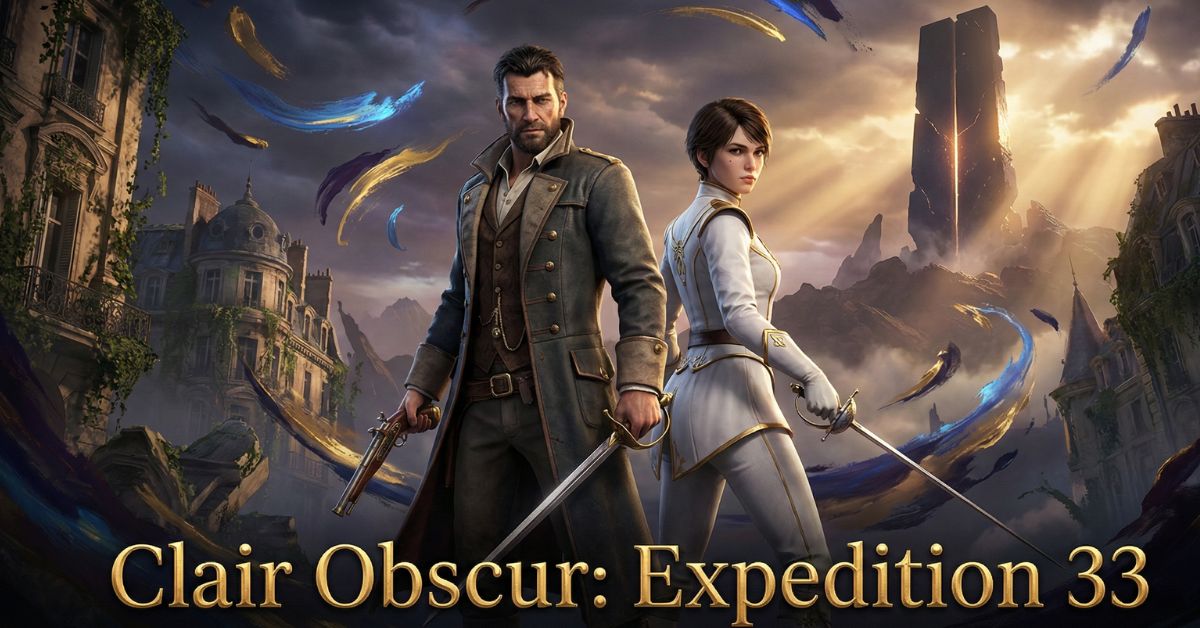
Clair Obscur: Expedition 33 brings a fresh take on turn-based RPGs from debut studio Sandfall Interactive. This game mixes classic strategy battles with real-time dodges and parries, all wrapped in beautiful Unreal Engine visuals inspired by old French elegance. RPG fans love it for its deep story, smart fights, and painterly world that feels alive.
Game Overview
At its heart, Clair Obscur: Expedition 33 follows a group on a deadly quest in a fantasy land haunted by a magical curse. Each year, a figure called the Paintress marks a number on a giant stone, and everyone that age vanishes in a wave called the Gommage. Expedition 33 is the latest team racing to stop her before they become the next victims.
The tone blends dark mystery with moments of hope and friendship among the team. It draws style from the Belle Époque era—think fancy buildings, bold fashions, and artistic flair mixed with grim fantasy twists. This game appeals to fans of thoughtful RPGs like Final Fantasy or Persona, especially those who want battles that test reflexes alongside planning.
Gameplay Mechanics
Core Gameplay Loop
You explore detailed areas in third-person view, searching for items, secrets, and enemies. Spot foes first to start fights on your terms, giving your team an edge. The flow builds as you gather strength, face tougher zones, and uncover clues about past failed missions, keeping every step tied to the main quest.
Progress feels steady, with each area adding new challenges and rewards that push your group forward. It’s not a huge open world but focused paths that reward careful scouting and bold risks.
Turn-Based Combat System
Battles mix turn-based choices with quick actions. Pick moves like attacks or spells, but time button presses right to boost power or chain extras. Enemy turns let you dodge, block, or parry in real time—perfect timing refunds energy or triggers counters, making defense a skill game.
A “Break” meter fills as you hit weak spots, stunning foes for big damage windows. Party-wide “Gradient” power builds for ultimate moves. Decisions matter: save energy for heals or go all-in on offense? This keeps fights tense and replayable, blending brains and reflexes without feeling chaotic.
Character Abilities & Progression
Your team has six main heroes, each with unique roles—like a tank who switches stances or a shooter who aims freely. Unlock skills, tweak gear for stats, and mix elements to exploit enemy flaws. Swap reserves mid-run to adapt, turning long treks into tests of your full roster.
Growth comes from battle loot and camps, where you craft builds around statuses like burns or slows. Synergies shine when one hero sets up for another’s finisher, rewarding creative party setups.
Visuals, Art Style & World Design
Built on Unreal Engine 5, the game shines with sharp models, dramatic lights, and textures that pop. Faces show real emotion, from quiet worry to fierce resolve. Environments mix grand halls, foggy streets, and twisted ruins, all styled like hand-painted art with gold details and shadows.
Belle Époque vibes show in curly ironwork, velvet rooms, and stylish outfits that clash with the curse’s horror. Every spot tells a story—scratched names on walls hint at lost lives, empty tents mark old camps. It pulls you in, making the world feel haunted and worth every glance.

Storyline & Narrative Depth
Without spoilers, the plot tracks Expedition 33’s leader Gustave and crew as they trek to slay the Paintress. Themes hit hard on facing death, chasing lost dreams, and bonds forged in doom. It’s emotional, with quiet talks revealing backstories and big reveals shifting your view of the curse.
The expedition acts as your eyes on a society numb to yearly loss, blending adventure with tragedy. Mysteries unfold through logs and ruins, building to choices that test if hope beats fate.
Sound Design, Music & Atmosphere
The score uses sweeping strings, sad piano, and upbeat battle drums to match the mood—elegant one moment, frantic the next. Tracks like soft city walks or intense clashes stick with you, heightening every scene.
Effects snap: metal clashes on parries, whooshes on dodges, thuds on breaks. World sounds—rain on stone, distant cries—build unease. Together, audio makes fights feel epic and quiet spots deeply moving.
Performance, Platforms & System Requirements
Play on PC, PS5, Xbox Series X|S, and via Game Pass on Xbox/PC. Consoles run smooth at high visuals, holding steady frames amid busy effects. PC needs solid modern hardware—like strong graphics cards—for max settings at 4K or 60fps, but scales well for most rigs.
Optimization impresses for a first-time team, with few hitches in previews and fast loads between zones.
Pros and Cons
Pros
- Combat feels alive with timed dodges, parries, and boosted attacks that reward skill.
- Breathtaking art and lighting create a unique, immersive fantasy look.
- Tight story with real emotional weight and clever twists.
- Deep team builds and synergies keep battles fresh.
- Top-tier sound pulls you into the world’s tension.
Cons
- Quick-time demands might frustrate pure strategy fans.
- Linear zones limit free roaming for open-world lovers.
- Heavy themes of loss can drain during long plays.
Comparison With Similar RPGs
Expedition 33 stands with other smart RPGs that prize style and depth.
| Game | Combat Style | Visuals | Story Depth | Platforms |
| Clair Obscur: Expedition 33 | Turn-based + real-time defense/QTEs | UE5 painterly Belle Époque | High fatalism & bonds | PC, PS5, Xbox Series, Game Pass |
| Final Fantasy VII Rebirth | Action-hybrid with pauses | Realistic anime fantasy | Epic character remake | PS5, PC |
| Persona 5 Royal | Pure turn-based, weakness exploits | Stylish anime pop | Social life + dungeon drama | PS4/5, Xbox, Switch, PC |
| Sea of Stars | Turn-based with timed hits/blocks | Pixel with glows | Nostalgic hero quest | PC, PS4/5, Xbox, Switch |
Unlike Persona’s menu focus or Sea of Stars’ light timing, Expedition 33 demands active play in defense. It echoes FF Rebirth’s flash but stays rooted in turns, with art that’s more artistic than photoreal.
Is Clair Obscur: Expedition 33 Worth Playing in 2026?
Yes for turn-based lovers seeking edge—its reactive fights evolve the genre without ditching strategy. Story fans get a poignant tale that lingers, backed by unmatched visuals.
Skip if you hate reflex tests or crave endless worlds. Casual players might tire of patterns, but veterans will master and love them. In 2026, it’s a gem for RPG diehards.
People Also Ask
Is it turn-based or real-time?
It is a hybrid. While primarily a turn-based RPG, it features “reactive” mechanics that allow you to dodge, parry, and counterattack in real-time during enemy turns.
What is a Lumina?
Lumina are special abilities that characters internalize after using a Pictos (equippable items that grant stat boosts and skills) enough times in battle.
How long does it take to beat?
The main story takes roughly 25–30 hours. A completionist run (100%) typically lasts between 50 and 60 hours.
What attributes should I upgrade first?
Early on, Vitality is recommended to help you survive while learning parry windows. Later in the game, Might becomes more important to overcome damage caps.
Why is it called “Expedition 33”?
The game begins as the Paintress prepares to paint the number “33.” The protagonists are members of the 33rd group sent to destroy her and end the cycle.
What platforms is it on?
It is available on PlayStation 5, Xbox Series X/S, and Windows (Steam/Epic Games Store). It was a day-one title for Xbox Game Pass in 2025
FAQs
What is the release date of Clair Obscur: Expedition 33?
It launched in 2025 for PC and consoles.
What gameplay style does Clair Obscur: Expedition 33 use?
Reactive turn-based with timed attacks, dodges, and parries in contained exploration zones.
Is there multiplayer in Clair Obscur: Expedition 33?
No, it’s single-player focused on story and solo combat.
Which platforms run Clair Obscur: Expedition 33?
PC, PS5, Xbox Series X|S, and Game Pass.
What sets its combat apart?
Real-time defense and skill timing on a turn-based base make every fight hands-on and tactical.
Clair Obscur: Expedition 33 blends sharp combat, gorgeous art, and a heartfelt story into a standout RPG. Its fresh battle twists and cursed world make it memorable for fans ready for depth. If you chase quality turn-based adventures, grab it—you won’t regret the journey.