
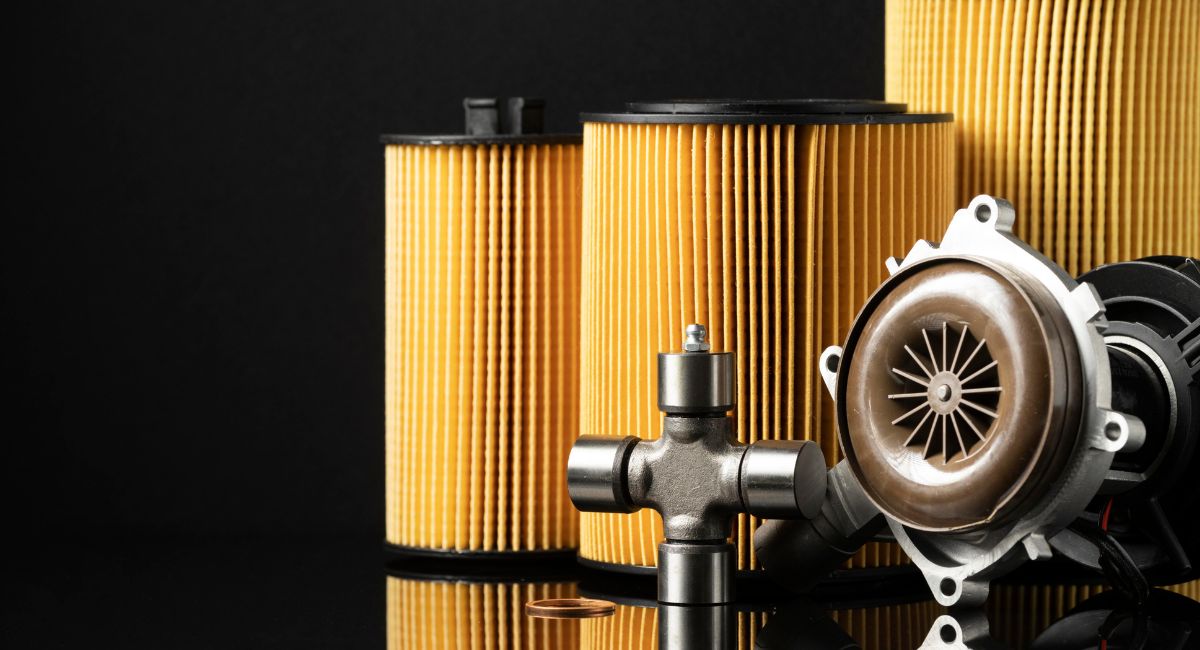
Electric vehicles have long been marketed as low-maintenance alternatives to internal combustion cars. No engine oil changes. No spark plugs. No timing belts. No exhaust systems.
But here’s the question that surprises many Tesla owners:
If EVs don’t use engine oil, why do Tesla’s EVs need oil filters?
The answer lies in an often misunderstood component—the electric drive unit’s gearbox. While it’s true that electric vehicles eliminate traditional engine lubrication systems, they still rely on specialized lubricants and filtration systems inside their drivetrain.
In this in-depth guide, we’ll explore how Tesla’s electric powertrain works, why oil filters are necessary, what specifications matter, and what this means for long-term ownership. Whether you’re a Tesla owner, an EV enthusiast, or someone researching electric vehicle reliability, this article will give you a clear and practical understanding of gearbox maintenance.
Understanding Tesla’s Electric Powertrain
Tesla vehicles—such as the Tesla Model 3, Tesla Model Y, Tesla Model S, and Tesla Model X—use a highly integrated electric drive unit. This unit combines:
- Electric motor
- Single-speed reduction gearbox
- Inverter
- Differential
- Cooling and lubrication systems
Unlike traditional cars, Tesla vehicles do not have multi-speed transmissions. Instead, they use a single-speed reduction gear that transfers high-RPM motor output to the wheels efficiently.
However, “no transmission” does not mean “no moving gears.” The gearbox still contains precision-machined gears spinning at extremely high speeds. These components require lubrication to:
- Reduce friction
- Prevent overheating
- Minimize wear
- Protect against metal debris contamination
This is where oil and oil filters enter the picture.
Why Tesla’s EVs Need Oil Filters?
The key misunderstanding is assuming EVs operate without lubricants. While they don’t use engine oil, Tesla drive units contain specialized transmission fluid or gear oil designed specifically for electric applications.
1. High-Speed Gear Operation
Tesla electric motors can spin at over 18,000 RPM. That rotational energy must be reduced before reaching the wheels. The reduction gear set experiences constant mechanical stress.
Even with advanced engineering, microscopic metal particles are produced during:
- Normal gear meshing
- Bearing operation
- Long-term wear cycles
Without filtration, these particles would circulate in the lubrication system, potentially damaging sensitive components.
2. Integrated Cooling and Lubrication
In many Tesla drive units, lubrication fluid also contributes to thermal management. The fluid helps regulate temperatures within the motor and gearbox assembly.
As fluid circulates, it may collect debris. An oil filter prevents contamination from compromising system efficiency.
3. Longevity and Reliability
Electric vehicles are often driven longer distances than combustion cars because of lower running costs. Over years of usage, small wear particles can accumulate. Filtration extends the life of:
- Gear teeth
- Bearings
- Seals
- Internal drive unit components
In short, Tesla’s EVs need oil filters because mechanical systems still generate wear—even in electric vehicles.
Tesla Drive Unit Specifications
Below are typical specifications found in Tesla drive units (varies by model and year):
Electric Motor Specs (Example: Model 3 Long Range AWD)
- Motor Type: Permanent Magnet Synchronous Motor (rear)
- Peak Power: ~258 kW (rear motor, varies by trim)
- Combined Output (AWD): ~346–377 kW
- Maximum RPM: Approximately 18,000 RPM
- Reduction Ratio: Approximately 9:1
Gearbox & Lubrication Specs
- Transmission Type: Single-speed reduction gearbox
- Lubricant Type: Specialized synthetic transmission fluid
- Fluid Capacity: Approximately 1–2 liters (model dependent)
- Filtration: Integrated oil filter or fine mesh filtration system
- Cooling Integration: Fluid assists in thermal regulation
It’s important to note that Tesla does not publicly emphasize routine oil filter replacement in the same way traditional vehicles require oil changes. However, the presence of filtration systems is part of the drive unit’s design for durability.
How EV Gear Oil Differs from Engine Oil
Many drivers assume oil equals engine oil. That’s incorrect.
Here’s how EV gear lubrication differs:
| Feature | Engine Oil | EV Gear Oil |
| Purpose | Lubricates pistons, crankshaft | Lubricates gears and bearings |
| Exposure | Combustion byproducts | Mechanical wear particles |
| Temperature | High combustion heat | High rotational heat |
| Change Frequency | Regular intervals | Often lifetime or extended interval |
| Filtration | Replaceable oil filter | Integrated filtration system |
EV gear oil is designed for:
- High shear stability
- Electrical compatibility
- Low conductivity
- Long-term durability
And just like any lubricated mechanical system, contamination control is essential.
Is Gearbox Maintenance Required for Tesla Owners?
This is one of the most common questions.
Tesla does not require routine oil changes like gasoline cars. However:
- Drive unit fluid exists.
- Filtration systems are present.
- Over extreme mileage, wear can occur.
For most owners driving 10,000–20,000 km annually, the gearbox is engineered to last many years without service.
But high-mileage fleet vehicles, performance driving scenarios, or harsh environments may eventually require inspection or fluid servicing.
In professional EV workshops, drive unit rebuilds include inspection of lubrication systems and filtration components.
Read more:- The Poco M8 5G Sale Is Live: But Is This Budget 5G Phone Really Worth It?
What Happens Without Oil Filtration?
If gear oil were unfiltered:
- Metal particles could accumulate.
- Bearing surfaces could score.
- Gear teeth could pit prematurely.
- Efficiency could drop.
- Noise could increase over time.
Even microscopic debris can accelerate wear in high-speed assemblies.
This is why Tesla’s EVs need oil filters—not because they resemble traditional engines, but because precision mechanical systems demand clean lubrication.
Debunking the “Maintenance-Free EV” Myth
Electric vehicles are undeniably lower maintenance than combustion vehicles. However, “lower” does not mean “zero.”
Here’s what Tesla owners still maintain:
- Brake fluid
- Cabin air filters
- Tire rotations
- Coolant systems
- Suspension components
- Drive unit components (rarely, but possible)
The gearbox is robust and sealed, but engineering reality dictates that moving parts require lubrication management.
Tesla’s Engineering Approach
Tesla designs its drive units with:
- High-precision machining tolerances
- Advanced metallurgy
- Sealed lubrication systems
- Optimized thermal pathways
The oil filtration system is typically integrated rather than user-serviceable in routine intervals.
The design philosophy is durability-first, minimizing owner intervention while maximizing lifespan.
Signs of Potential Gearbox Issues
Although rare, potential warning signs could include:
- Unusual whining noises
- Reduced efficiency
- Vibration under load
- Warning messages related to drivetrain
If such issues arise, professional inspection is recommended. Modern EV diagnostics are software-driven and highly accurate.
Long-Term Ownership Perspective
From an ownership standpoint, the presence of oil filters in Tesla drive units is actually reassuring.
It shows:
- Engineering foresight
- Contamination control planning
- Durability-focused design
Rather than indicating complexity, it reflects responsible mechanical engineering.
For buyers comparing EV brands, understanding drivetrain durability is crucial. Tesla has accumulated billions of real-world electric miles, and gearbox longevity has generally proven strong.
Why This Matters for Google Discover Readers?
Many people encounter headlines questioning EV maintenance costs. Clarifying why Tesla’s EVs need oil filters helps cut through misinformation.
It reinforces:
- EVs are not magic machines.
- Mechanical principles still apply.
- Intelligent engineering reduces maintenance—not eliminates physics.
Understanding this improves purchasing decisions and sets realistic expectations
The idea that Tesla’s EVs need oil filters may surprise many drivers. But once you understand how electric drive units operate—with high-speed gears, precision bearings, and lubrication systems—it becomes clear why filtration is necessary.
Electric vehicles represent a major evolution in automotive engineering. Yet they remain grounded in mechanical fundamentals: friction exists, metal moves against metal, and lubrication must stay clean.
Rather than undermining EV reliability, the presence of oil filters in Tesla drive units demonstrates thoughtful engineering.
If you’re considering a Tesla or already own one, understanding this aspect of drivetrain design equips you with realistic expectations—and greater confidence in long-term ownership.
Electric does not mean maintenance-free. It means smarter maintenance.
And that distinction makes all the difference.
FAQs
Do Tesla cars require oil changes?
No, Tesla vehicles do not require engine oil changes because they do not have combustion engines. However, they contain gearbox lubrication systems designed for long-term durability.
How often does Tesla gearbox oil need to be changed?
Tesla does not typically specify routine gearbox oil changes for standard consumer use. The fluid is engineered for extended lifespan under normal driving conditions.
What type of oil does a Tesla use?
Tesla uses specialized synthetic transmission fluid or gear oil designed for electric drive units, not conventional engine oil.
Do electric vehicles have transmissions?
Yes, most EVs use a single-speed reduction gearbox rather than a multi-speed transmission found in gasoline vehicles.