Tag Archives: CAR

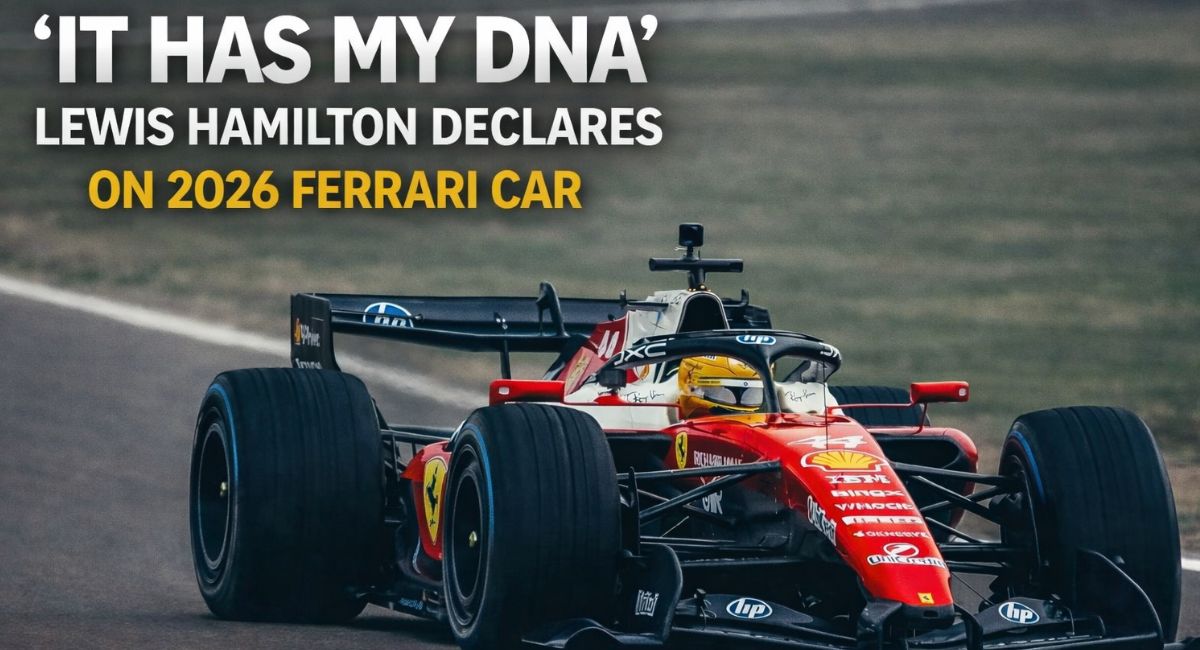
Lewis Hamilton Says the 2026 Ferrari Car Has His ‘DNA’: A New Era Begins in Maranello

When Lewis Hamilton declared that the 2026 Ferrari car has his ‘DNA,’ it was more than a confident soundbite. It was a statement layered with intent, symbolism, and technical implication. In Formula 1, drivers influence machinery in countless subtle ways. But for a seven-time world champion to suggest that Ferrari’s next-generation car carries his imprint signals something far more strategic.

The 2026 season represents a seismic shift in Formula 1 regulations. New power unit rules, revised aerodynamics, and evolving sustainability requirements will reset the competitive order. Against that backdrop, Hamilton’s assertion positions him not merely as a driver switching teams—but as a co-architect of Ferrari’s future.

In this in-depth analysis, we explore what it truly means when Hamilton says the Ferrari car has his ‘DNA,’ how driver feedback shapes F1 engineering, what the 2026 technical regulations demand, and why this partnership could redefine the competitive landscape.

The Significance of 2026 in Formula 1

 The 2026 regulations are not incremental tweaks—they are structural changes. The sport is introducing:

  • Revised aerodynamic philosophies
  • Lighter chassis targets
  • Greater electrical power contribution
  • Fully sustainable fuel integration
  • Simplified hybrid systems

Power units will shift toward a 50/50 split between internal combustion and electric output. Energy recovery systems will become more influential. Aerodynamic drag reduction systems will evolve.

For teams like Ferrari, this represents a rare opportunity: a reset button.

When Hamilton says the Ferrari car has his ‘DNA,’ it suggests his feedback has influenced how Ferrari interprets these sweeping changes.

What Does “DNA” Mean in Formula 1 Terms?

In motorsport language, DNA is not about branding—it is about driving characteristics.

A car that carries a driver’s “DNA” typically reflects:

  • Preferred steering feel
  • Brake balance characteristics
  • Rear-end stability under acceleration
  • Front-end responsiveness on turn-in
  • Suspension setup philosophy
  • Energy deployment preferences

Lewis Hamilton is known for:

  • Exceptional sensitivity to brake modulation
  • Preference for a stable rear platform
  • Smooth corner entry technique
  • Ability to adapt but strong preference for predictable balance

If the 2026 Ferrari car has his ‘DNA,’ engineers likely tailored development priorities around those traits.

Hamilton’s Development Legacy

Throughout his career, Hamilton has shaped championship-winning machines.

His strengths include:

  • Detailed simulator feedback
  • Tire management insight
  • Sensitivity to aerodynamic balance shifts
  • Deep understanding of hybrid energy deployment

Championship cars are rarely built in isolation. Drivers contribute to:

  • Setup direction
  • Mid-season upgrades
  • Long-term architecture decisions

At Ferrari, his involvement reportedly extends into early-stage development cycles—a crucial factor given the magnitude of the 2026 regulation overhaul.

Ferrari’s Strategic Rebuild

Ferrari’s ambitions in the hybrid era have fluctuated. Moments of promise have been offset by inconsistency.

The 2026 project is understood to involve:

  • A fully redesigned power unit
  • Reworked chassis concept
  • Revised aerodynamic package
  • Integration of sustainable fuels
  • Enhanced energy deployment systems

Hamilton’s arrival aligns perfectly with this rebuild.

When he says the Ferrari car has his ‘DNA,’ it suggests he has influenced not only setup preferences but potentially broader design philosophy decisions.

Read more:- 2026 Nissan Gravite Vs Renault Triber: Same Roots, Different Personalities? A Deep Dive Comparison

Technical Specifications: What We Know About the 2026 Ferrari Concept?

While official specifications remain confidential, based on regulatory frameworks and industry insight, the 2026 Ferrari car is expected to feature:

Power Unit Architecture:

  • 1.6L turbocharged V6 internal combustion engine
  • Increased electric motor contribution
  • Removal of the MGU-H
  • Expanded MGU-K power output

Fuel System:

  • 100% sustainable fuel

Chassis Changes:

  • Lighter overall car weight target
  • Revised floor aerodynamics
  • Reduced drag philosophy
  • Active aero components under consideration

Energy Deployment Strategy:

  • Enhanced battery storage
  • Aggressive energy harvesting
  • Optimized power distribution mapping

Driver input influences how these components interact dynamically.

Why Driver Feedback Matters More in 2026?

With greater electrical reliance, throttle response characteristics will change. Energy harvesting and deployment patterns become more complex.

A driver like Hamilton—who excels at managing hybrid systems—can shape:

  • Deployment mapping during corner exits
  • Brake-by-wire calibration
  • Energy regeneration balance
  • Power delivery smoothness

If Ferrari’s engineers built systems around his strengths, that’s the “DNA” he refers to.

Psychological Impact of the Statement

Beyond technical meaning, the statement carries psychological weight.

In Formula 1:

  • Confidence influences performance
  • Team belief impacts morale
  • Leadership shapes culture

By asserting ownership of the project, Hamilton signals commitment. That can galvanize engineers, mechanics, and management.

Ferrari thrives on belief. The narrative of a champion embedding himself into the team’s future strengthens internal unity.

Adapting Ferrari to Hamilton’s Driving Style

Ferrari cars historically exhibit:

  • Aggressive front-end turn-in
  • Sensitive rear balance
  • Strong mid-corner rotation

Hamilton typically favors:

  • Predictable rear grip
  • Stable braking platform
  • Smooth torque delivery

If the Ferrari car has his ‘DNA,’ it likely balances Ferrari’s natural sharpness with increased rear stability and braking confidence.

This blend could produce a uniquely competitive package.

The Maranello Factor

Ferrari’s facilities in Maranello represent decades of racing heritage. However, modern Formula 1 success requires more than tradition.

The 2026 project reportedly involves:

  • Wind tunnel refinements
  • Simulator upgrades
  • Data modeling expansion
  • Hybrid system innovation

Hamilton’s experience with cutting-edge development processes adds external insight.

When he says the Ferrari car has his ‘DNA,’ it may reflect collaborative alignment between driver and technical department.

Championship Implications

A regulation reset often disrupts dominance hierarchies.

In 2009, 2014, and 2022, new rules reshaped the grid.

2026 could do the same.

If Ferrari successfully integrates:

  • Competitive power output
  • Efficient energy recovery
  • Stable aerodynamic balance
  • Driver-optimized setup characteristics

They may position themselves as immediate title contenders.

Hamilton’s involvement increases that possibility.

Risk Factors

No matter how promising development appears, risks remain:

  • Power unit reliability challenges
  • Cooling integration difficulties
  • Battery management complexity
  • Weight distribution constraints

Even a car with a driver’s ‘DNA’ must overcome engineering realities.

Formula 1 margins are razor-thin.

Commercial and Brand Value

Hamilton joining Ferrari was already commercially seismic. His statement enhances that narrative.

Brand advantages include:

  • Global media amplification
  • Increased sponsor engagement
  • Cultural crossover appeal
  • Youth audience expansion

But ultimately, results determine legacy.

The phrase Ferrari car has his ‘DNA’ raises expectations accordingly.

Can Driver DNA Guarantee Success?

No driver influence guarantees championships.

However, successful F1 projects require:

  • Alignment between driver and engineering
  • Early development clarity
  • Unified technical direction
  • Confidence in car philosophy

If Ferrari truly built the 2026 car around Hamilton’s preferences, it reduces adaptation time.

And in a new regulation era, time matters.

Long-Term Legacy Considerations

For Hamilton, this chapter carries historical weight.

Success at Ferrari would:

  • Cement multi-team championship legacy
  • Enhance historical comparisons
  • Reinforce adaptability credentials

For Ferrari, pairing its iconic heritage with Hamilton’s global stature could redefine modern identity.

When Lewis Hamilton says the Ferrari car has his ‘DNA,’ he signals involvement, belief, and ownership.

In Formula 1, championships are rarely accidental. They are engineered through alignment—between driver, engineers, management, and regulation interpretation.

The 2026 season will test that alignment.

If Ferrari’s technical direction truly reflects Hamilton’s strengths, the partnership could usher in a transformative era. If not, expectations may turn into pressure.

Either way, one thing is clear: the project is personal.

And in Formula 1, personal investment often fuels extraordinary performance.

FAQs

What does Lewis Hamilton mean when he says the Ferrari car has his ‘DNA’?

It means the car’s development reflects his driving preferences, feedback, and technical input, influencing balance, energy deployment, and handling characteristics.

What changes are coming to Formula 1 in 2026?

The 2026 regulations introduce revised aerodynamics, increased electric power contribution, sustainable fuels, and simplified hybrid systems.

Will the 2026 Ferrari be competitive?

While performance remains unproven, regulation resets create opportunities for teams that interpret rules effectively.

How much influence does a driver have on car design?

Top drivers contribute significant feedback during simulator sessions, testing phases, and development meetings, shaping setup philosophy and refinement.
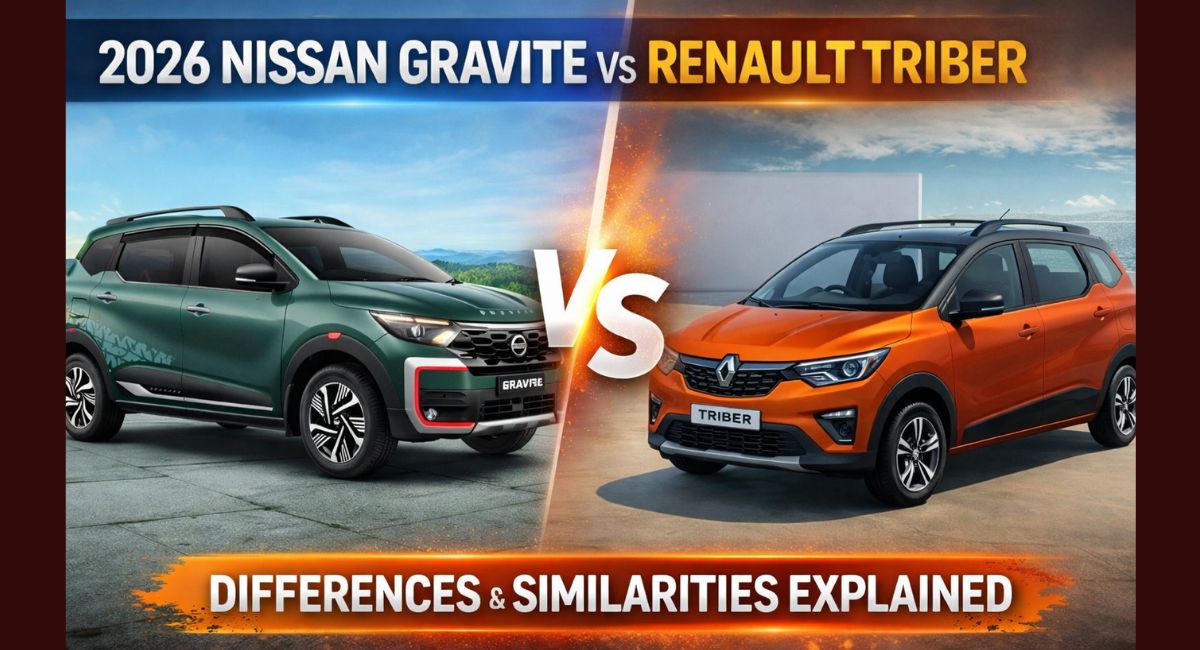
2026 Nissan Gravite Vs Renault Triber: Same Roots, Different Personalities? A Deep Dive Comparison

The compact 7-seater segment in India has always been about value, flexibility, and smart packaging. Now, with the arrival of the 2026 Nissan Gravite, buyers are naturally comparing it with one of the segment’s most practical offerings — the Renault Triber.

At first glance, the two vehicles appear closely related. And that’s not surprising. They share architectural similarities and target the same customer base: families seeking an affordable yet versatile three-row vehicle.

However, when you look beyond the surface, the 2026 Nissan Gravite Vs Renault Triber comparison reveals meaningful differences in design language, positioning, features, and brand philosophy.

In this detailed, expert-level breakdown, we examine everything from specifications and dimensions to interior layout, safety tech, pricing expectations, and ownership considerations.

Platform and Engineering: Shared DNA, Different Execution

Both models are built on a compact modular platform optimized for:

  • Space efficiency
  • Lightweight construction
  • Urban drivability
  • Cost-effective manufacturing

While the engineering roots are similar, Nissan has reworked the Gravite to reflect its evolving design identity and brand positioning.

Core Similarities

  • Front-wheel drive layout
  • Compact footprint under 4 meters
  • Three-row seating layout
  • 7-seater flexibility
  • Naturally aspirated petrol engine

This shared mechanical base keeps pricing competitive while allowing room for differentiation in styling and equipment.

Exterior Design: Urban Boldness vs Practical Simplicity

2026 Nissan Gravite: Sportier and More SUV-Inspired

The Nissan Gravite leans toward a crossover-inspired aesthetic. It features:

  • A bold V-motion grille
  • Sharper headlamp design
  • Sculpted bonnet lines
  • Chunkier bumper styling
  • Dual-tone alloy wheel options

Its stance appears slightly more muscular, targeting younger buyers who prefer SUV-like road presence.

Renault Triber: Functional and Balanced

The Renault Triber focuses on practicality:

  • Simpler grille treatment
  • Upright silhouette
  • Clean body lines
  • Practical roof rails
  • Neutral styling approach

It is less aggressive but arguably more timeless.

Verdict on Design

In the 2026 Nissan Gravite Vs Renault Triber design battle, Gravite wins on visual drama, while Triber appeals to conservative family buyers.

Dimensions and Space Utilization

One of the biggest selling points in this segment is interior flexibility.

Dimension Comparison (Expected / Known Figures)

Length: Under 4 meters (both)
Width: Similar compact width
Height: Comparable tall-boy design
Wheelbase: Shared platform architecture

Despite similar footprints, the interior layout can feel slightly different due to design tweaks and material choices.

Interior Layout and Cabin Experience

2026 Nissan Gravite Cabin

Nissan has reportedly upgraded:

  • Dashboard textures
  • Contrast stitching elements
  • Premium finish accents
  • Revised infotainment interface

The cabin feels slightly more modern and driver-focused.

Renault Triber Cabin

The Triber emphasizes modularity:

  • Removable third row
  • Multiple seat configurations
  • Flat floor layout
  • Functional dashboard design

It remains one of the most practical cabins in its category.

Seating and Boot Space Flexibility

The Triber has long been praised for its modularity.

Renault Triber Highlights:

  • Fully removable third-row seats
  • Flexible second-row sliding function
  • Class-leading adaptability

2026 Nissan Gravite Improvements:

  • Enhanced cushioning
  • Revised seat fabric
  • Improved rear AC vents
  • More refined finish

For families who frequently switch between passenger and luggage duties, both vehicles deliver strong versatility.

Read more:- The 5 Powerful Hero Karizma XMR Alternatives That Might Be Better for Entry-Level Sports Bike Buyers

Engine and Performance Specifications

The mechanical heart of this comparison remains crucial.

Expected Engine Specs (Shared Platform)

Engine Type: 1.0L naturally aspirated petrol
Displacement: Approx. 999cc
Power Output: Around 72 PS
Torque: Approx. 96 Nm
Transmission Options:

  • 5-speed manual
  • AMT (Automated Manual Transmission)

Driving Experience

Both vehicles prioritize:

  • Smooth urban commuting
  • Light steering feel
  • Fuel efficiency
  • Ease of maneuverability

Performance is adequate rather than thrilling. These vehicles are designed for city use and moderate highway cruising, not aggressive driving.

Fuel Efficiency

Fuel economy is a strong consideration for buyers in this segment.

Estimated Mileage Range:

  • Manual variant: Approximately 18–20 km/l
  • AMT variant: Slightly lower due to transmission losses

Efficiency figures remain competitive for 7-seater compact MPVs.

Features and Technology

2026 Nissan Gravite Feature Highlights

  • Touchscreen infotainment system
  • Wireless smartphone connectivity (expected in higher trims)
  • Steering-mounted controls
  • Digital instrument cluster elements
  • Rear parking camera
  • Automatic climate control (top variants)

Renault Triber Feature Highlights

  • 8-inch touchscreen
  • Apple CarPlay and Android Auto
  • Push-button start
  • Rear AC vents
  • Height-adjustable driver seat
  • Cruise control (select trims)

The Gravite may position itself slightly higher in perceived premium value, while Triber remains feature-rich for its price.

Safety Features

Safety is increasingly important in family-focused vehicles.

Common Safety Equipment

  • Dual front airbags
  • ABS with EBD
  • Rear parking sensors
  • Seatbelt reminders

Advanced Features (Variant Dependent)

  • Rear camera
  • Electronic Stability Control (in select variants)
  • Hill start assist

Safety ratings and structural improvements will ultimately influence buyer decisions once official crash test results are released.

Pricing Strategy

Pricing will be a defining factor in the 2026 Nissan Gravite Vs Renault Triber rivalry.

Renault Triber: Known for aggressive pricing and value-driven positioning.

Nissan Gravite: Expected to be priced competitively but possibly slightly higher due to added features and styling differentiation.

Buyers must weigh perceived brand appeal against overall value proposition.

Ownership and Brand Perception

Renault has established:

  • Strong presence in the affordable MPV segment
  • Widespread service network
  • Proven reliability record with Triber

Nissan is rebuilding its presence and may offer:

  • Competitive warranty packages
  • Attractive service plans
  • Brand refresh strategy

Long-term ownership costs will play a crucial role.

Who Should Buy Which?

Choose 2026 Nissan Gravite If:

  • You prefer sportier styling
  • You want a slightly more premium interior feel
  • You value modern design language

Choose Renault Triber If:

  • You prioritize maximum flexibility
  • Budget is your top concern
  • You want a proven track record

2026 Nissan Gravite Vs Renault Triber: Final Analysis

While they share structural DNA, these vehicles cater to slightly different emotional triggers.

The Triber is the rational, practical choice.

The Gravite adds personality and updated styling to the same foundational strengths.

For Indian families looking for a compact, affordable 7-seater, both remain strong contenders.

The 2026 Nissan Gravite Vs Renault Triber comparison highlights how two vehicles can share engineering roots yet express different identities.

The Triber remains the benchmark for affordability and modular flexibility.

The Gravite brings fresh styling, enhanced interior touches, and renewed brand appeal.

Ultimately, your choice depends on whether you value proven practicality or refreshed personality. Either way, this segment continues to offer one of the most intelligent family mobility solutions in the Indian automotive market.

FAQs

What is the engine of the 2026 Nissan Gravite?

The 2026 Nissan Gravite is expected to feature a 1.0-liter naturally aspirated petrol engine producing around 72 PS of power.

Is the Nissan Gravite bigger than the Renault Triber?

Both vehicles share similar dimensions under 4 meters in length, making them nearly identical in overall size.

Which car is more affordable, Nissan Gravite or Renault Triber?

The Renault Triber has traditionally been priced aggressively. The Gravite may carry a slightly premium positioning depending on variant.

Does the Nissan Gravite offer 7 seats?

Yes, like the Renault Triber, the Gravite offers a three-row 7-seater configuration.

2026 Maruti Brezza Facelift Spied with 6-Speed Manual: A Smart Upgrade or a Late Response?

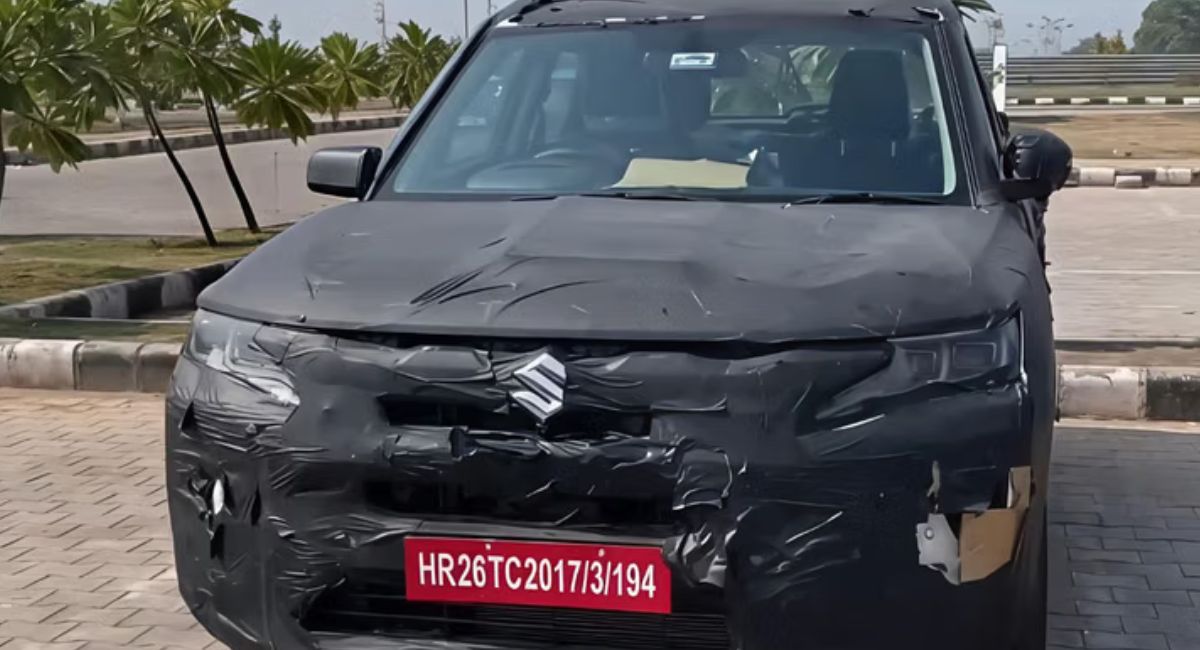
The compact SUV segment in India is one of the most competitive spaces in the automotive industry. Every manufacturer is constantly refining its offerings to stay relevant. Now, fresh spy shots suggest that the Maruti Brezza facelift spied in testing is bringing a significant mechanical update: a new 6-speed manual gearbox.

While facelifts typically focus on cosmetic enhancements, a transmission upgrade signals something deeper. It indicates a performance recalibration, fuel efficiency optimization, and potentially a broader strategy shift.

The Brezza has long been one of Maruti Suzuki’s best-selling SUVs. But in a segment that now includes strong competitors with turbocharged engines, dual-clutch gearboxes, and premium interiors, staying static is not an option.

Let’s break down what the 2026 Maruti Brezza facelift might offer, from powertrain revisions and exterior tweaks to cabin upgrades and safety improvements.

Why the Brezza Facelift Matters in 2026?

The compact SUV segment currently includes multiple high-performing rivals offering:

  • Turbo petrol engines
  • Advanced driver assistance features
  • 6-speed and 7-speed transmissions
  • Premium cabin materials
  • Connected car tech

While the Brezza has maintained consistent sales, it has relied heavily on brand trust and fuel efficiency.

A facelift, especially one featuring a 6-speed manual gearbox, suggests Maruti intends to refresh not just appearance but also driving dynamics.

Maruti Brezza Facelift Spied: What the Test Mules Reveal?

Spy images indicate that Maruti is testing updated prototypes with minor camouflage.

Observed Exterior Updates

  • Slightly redesigned front grille
  • Revised bumper design
  • Tweaked LED headlamp signature
  • Updated alloy wheel pattern
  • Possibly refreshed tail-lamp graphics

While overall proportions remain unchanged, subtle refinements aim to modernize the SUV’s appearance.

The design evolution appears conservative rather than dramatic, maintaining Brezza’s identity.

Read more:- Infostealer Steals OpenClaw AI Agent Configuration Files and Gateway Tokens Stolen: A Wake-Up Call for AI Infrastructure Security

6-Speed Manual Gearbox: The Key Mechanical Upgrade

Perhaps the most important update is the introduction of a 6-speed manual transmission.

Why Move from 5-Speed to 6-Speed?

The current Brezza manual variant uses a 5-speed gearbox. Adding a sixth gear offers multiple benefits:

  • Improved highway cruising efficiency
  • Lower engine RPM at higher speeds
  • Better fuel economy
  • Enhanced acceleration spread
  • Smoother gear ratios

The sixth gear likely acts as an overdrive gear, reducing engine stress during long-distance driving.

Expected Engine Specifications

The facelift is expected to retain the existing naturally aspirated petrol engine.

Likely Engine Specs

  • 1.5L K-series petrol engine
  • Power Output: Around 103 PS
  • Torque: Approximately 137 Nm
  • Mild-hybrid assistance (in select variants)
  • Front-wheel drive layout

The addition of a 6-speed manual could slightly improve acceleration figures and overall drivability.

Fuel Efficiency Expectations

Fuel efficiency remains a top priority for Indian buyers.

Current Brezza mileage figures range around:

  • 17–20 km/l (manual variants)

With the 6-speed gearbox, highway mileage may improve marginally due to lower RPM cruising.

Urban efficiency will likely remain similar.

Transmission Lineup: What to Expect?

The updated lineup may include:

  • 6-speed manual (new)
  • 6-speed automatic torque converter
  • Possibly AMT removal in higher trims

Maruti has increasingly favored torque converter automatics over older AMT systems for smoother performance.

Interior Updates and Cabin Enhancements

While major structural changes are unlikely, subtle improvements are expected.

Possible Cabin Updates

  • Larger infotainment display
  • Updated UI software
  • Wireless Apple CarPlay and Android Auto
  • Improved seat upholstery
  • Revised dashboard trims
  • Enhanced digital instrument cluster

Cabin refinement is critical, as competitors now offer premium-like interiors even in mid trims.

Safety Improvements in the Facelift

Safety regulations and buyer awareness are evolving.

The facelift may introduce:

  • 6 airbags (standard or extended across variants)
  • Electronic Stability Program (ESP)
  • Hill hold assist
  • ABS with EBD
  • Rear parking camera
  • ISOFIX child seat anchors

Safety ratings play a growing role in purchase decisions.

Exterior Dimensions and Platform

The facelift is expected to retain the same platform and dimensions.

Approximate Dimensions

  • Length: Around 4 meters
  • Wheelbase: 2,500 mm+
  • Ground Clearance: Approx. 200 mm
  • Boot Space: Around 328 liters

The compact proportions help maintain urban maneuverability

Ride and Handling Expectations

With the new 6-speed manual, driving dynamics may improve.

Expected changes include:

  • Better gear spacing
  • Reduced engine strain
  • Improved highway comfort
  • Stable high-speed cruising

Suspension setup is likely to remain tuned for comfort rather than aggressive cornering.

Market Positioning

The Maruti Brezza facelift spied comes at a time when competition includes:

  • Hyundai Venue
  • Kia Sonet
  • Tata Nexon
  • Mahindra XUV 3XO

Each competitor offers turbocharged engines and multi-gear transmissions.

Maruti’s strategy appears focused on:

  • Reliability
  • Fuel efficiency
  • Lower maintenance cost
  • Brand trust

The 6-speed manual could narrow the performance perception gap.

Pricing Expectations

A facelift with mechanical updates may slightly increase pricing.

Estimated price range:

  • Starting around ₹8.5–9 lakh (ex-showroom)
  • Top variants potentially ₹13 lakh+

Value positioning will remain crucial.

Who Should Consider the 2026 Brezza Facelift?

Ideal buyers include:

  • Urban families
  • Highway commuters
  • Buyers prioritizing resale value
  • Those seeking reliable, low-maintenance SUVs

Performance enthusiasts may still prefer turbocharged rivals.

Long-Term Ownership Perspective

Maruti’s strengths include:

  • Extensive service network
  • Affordable spare parts
  • High resale value
  • Proven engine reliability

Adding a 6-speed manual may enhance longevity by reducing engine strain during cruising.

Strengths and Potential Limitations

Strengths

  • Reliable engine platform
  • Improved gearbox
  • Practical cabin space
  • Good ground clearance
  • Strong after-sales support

Potential Limitations

  • No turbo engine option
  • Conservative design updates
  • Competition offering more advanced features

The facelift appears evolutionary rather than revolutionary.

What This Update Signals?

The Maruti Brezza facelift spied with a 6-speed manual indicates that Maruti is responding to consumer expectations for better highway efficiency and smoother driving dynamics.

Rather than chasing radical redesigns, the company is refining core strengths.

In India’s value-sensitive market, incremental improvements often outperform dramatic reinventions.

The 2026 Brezza facelift does not attempt to reinvent the SUV. Instead, it enhances drivability and efficiency with the introduction of a 6-speed manual gearbox.

For buyers seeking a practical, reliable compact SUV with improved highway manners, this update may be meaningful.

However, in a segment where competitors are aggressively innovating, Maruti must balance refinement with feature competitiveness.

The upcoming launch will determine whether this calculated evolution keeps the Brezza at the top of the sales charts.

The Maruti Brezza facelift spied with a 6-speed manual represents a strategic refinement rather than a bold transformation.

It aims to improve efficiency, comfort, and driving dynamics without disrupting the formula that has made the Brezza popular.

In a competitive SUV market, sometimes smart upgrades matter more than dramatic overhauls.

FAQs

 What is new in the Maruti Brezza facelift spied version?

The most notable update is the introduction of a 6-speed manual gearbox, along with minor cosmetic tweaks.

Will the Brezza get a turbo engine?

Currently, it is expected to continue with the 1.5L naturally aspirated petrol engine.

What is the expected mileage of the new Brezza?

Mileage may remain around 17–20 km/l, with potential improvement in highway efficiency.

When will the 2026 Brezza facelift launch?

An official launch date has not been confirmed, but it is expected within the 2026 model year.

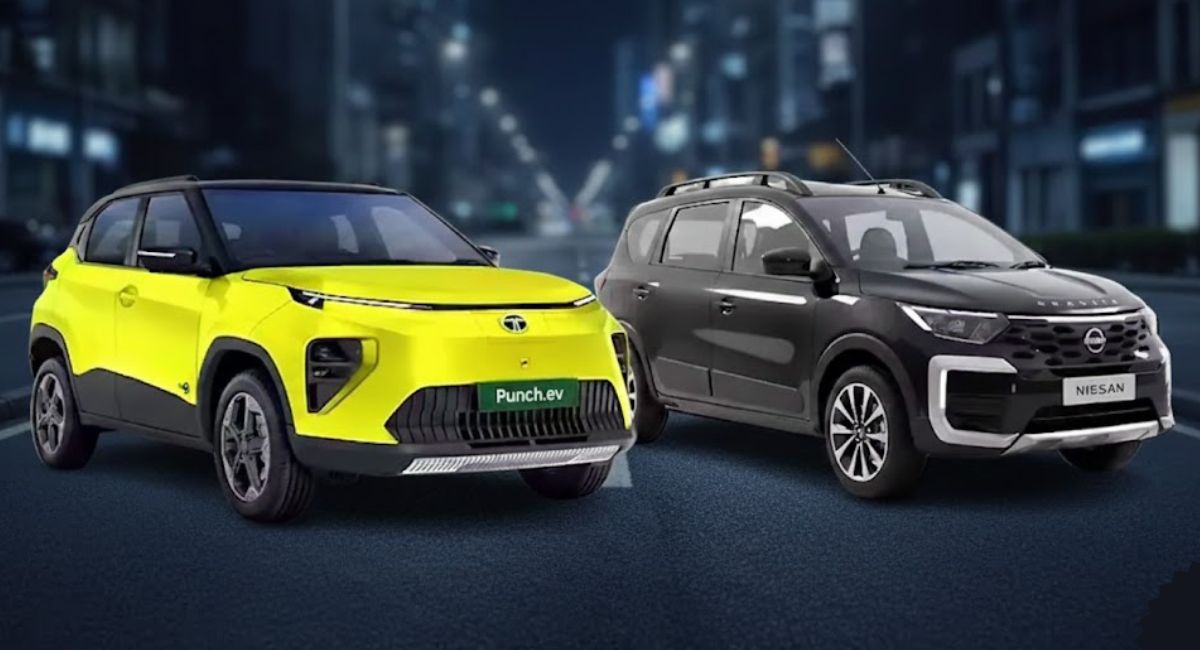
Nissan Gravite And Tata Punch.EV Facelift Launch: Smart Upgrade or Just Marketing?

This week has delivered something rare in the Indian automotive space: two completely different vehicles targeting two distinct buyer segments, yet both equally significant. The Nissan Gravite And Tata Punch.EV Facelift represent contrasting strategies — one focused on affordable multi-purpose family mobility, the other on urban electric innovation.

While Nissan steps into the value-focused MPV/SUV-inspired space with the Gravite, Tata sharpens its already successful micro-SUV electric offering with a refreshed Punch.EV. Together, they reflect two trends shaping India’s auto future: accessible practicality and rapid electrification.

Let’s break down everything you need to know about these two launches — from design and technical specifications to powertrain options, safety, and market positioning.

The Bigger Picture: Why These Launches Matter?

The Indian automotive market is currently experiencing:

  • Rising demand for compact SUVs
  • Rapid EV adoption in urban centers
  • Budget-conscious buying behavior
  • Increased focus on safety and technology

The Nissan Gravite And Tata Punch.EV Facelift directly respond to these shifts.

Nissan aims to re-establish relevance in India’s competitive volume segment, while Tata strengthens its leadership in affordable electric mobility.

Nissan Gravite: Affordable Family Mobility Reimagined

Design and Exterior Overview

The Nissan Gravite adopts a modern yet practical design language. It carries SUV-inspired styling cues while maintaining MPV-like proportions.

Exterior Highlights

  • Bold front grille with chrome accents
  • LED DRLs and halogen/LED headlamps (variant dependent)
  • Sculpted bumper design
  • Roof rails for added practicality
  • 15- or 16-inch alloy wheels
  • Rear LED tail-lamp signature

The Gravite appears positioned as a compact family mover with SUV styling influence.

Dimensions and Practicality

While official dimensions vary by variant, typical specifications may include:

  • Length: Approx. 4 meters
  • Wheelbase: Around 2,600 mm
  • Ground Clearance: 190–200 mm
  • Seating: 5- or possible 7-seater configuration

Interior space prioritizes:

  • Flexible seating layouts
  • Ample boot capacity
  • Foldable rear seats

For families seeking versatility, this configuration matters more than outright power.

Engine and Powertrain Specifications

The Gravite is expected to focus on fuel efficiency and affordability.

Likely Engine Specifications

  • 1.0L or 1.2L petrol engine
  • Naturally aspirated or mild turbo variant
  • Power Output: Approx. 72–100 PS
  • Torque: Around 96–160 Nm
  • Transmission Options: 5-speed manual / AMT or CVT

Fuel economy will likely be a key selling point.

The engine is tuned for daily commuting rather than aggressive performance.

Interior Features and Technology

Nissan aims to modernize the cabin without inflating costs.

Interior Features May Include

  • 8-inch touchscreen infotainment system
  • Apple CarPlay and Android Auto
  • Digital instrument cluster (select variants)
  • Automatic climate control
  • Steering-mounted controls
  • Rear AC vents

Material quality appears practical and durable.

Safety Specifications

Safety is becoming increasingly important for Indian buyers.

Expected Safety Features

  • Dual front airbags (standard)
  • ABS with EBD
  • Electronic Stability Control (top variants)
  • Rear parking sensors
  • Reverse camera
  • ISOFIX child seat mounts

Crash-test ratings will significantly influence buyer confidence.

Tata Punch.EV Facelift: Refining an Urban Electric Bestseller

The Tata Punch.EV has already established itself as a popular entry-level electric SUV. The facelift version enhances styling, range, and feature offerings.

Exterior Design Updates

The facelift introduces sharper, more contemporary design elements.

Key Visual Changes

  • Redesigned front fascia
  • Closed EV-specific grille
  • LED headlamps and DRLs
  • Revised alloy wheel design
  • Updated rear bumper styling

The EV retains its rugged micro-SUV stance while adopting Tata’s latest design language.

Battery and Powertrain Specifications

The most crucial update lies beneath the surface.

Battery Options

  • Standard Range: Approx. 25–30 kWh battery
  • Long Range: Approx. 35–40 kWh battery

Motor Output

  • Power: Around 60–90 kW
  • Torque: Approximately 110–200 Nm

Driving Range

  • Standard Range: 250–300 km (claimed)
  • Long Range: 350–400 km (claimed)

Actual real-world range may vary based on driving conditions.

Charging Capabilities

Charging flexibility determines EV practicality.

Charging Specs

  • AC Home Charger: 3.3 kW / 7.2 kW
  • DC Fast Charging: 50 kW support (variant dependent)
  • 10–80% fast charging time: Approx. 50–60 minutes

Urban buyers benefit from overnight home charging convenience.

Interior Enhancements

The facelift updates the cabin significantly.

Interior Features

  • Larger touchscreen infotainment system
  • Fully digital instrument cluster
  • Wireless Android Auto and Apple CarPlay
  • Connected car technology
  • Push-button start
  • Wireless charging pad

Tata continues to focus on tech-forward appeal.

Safety and Structural Strength

Tata has built a strong reputation for safety.

Safety Features May Include

  • Dual airbags
  • ABS with EBD
  • ESC
  • Hill hold control
  • 360-degree camera (higher variants)
  • Advanced traction control

The Punch platform is known for robust build quality.

Gravite vs Punch.EV: A Strategic Contrast

The Nissan Gravite And Tata Punch.EV Facelift represent two different mobility philosophies.

CategoryNissan GraviteTata Punch.EV Facelift
Fuel TypePetrolElectric
Target BuyerBudget familyUrban EV adopter
Range18–20 km/l (est.)250–400 km
Seating5/7 seats5 seats
ChargingNAFast charging supported
Ownership CostModerateLower running cost

Both vehicles serve distinct buyer needs.

Read more:- After Two Tough Years, Shimano Reports Growth in Bike Component Sales for First Time: Is the Cycling Industry Finally Turning the Corner?

Market Positioning

Nissan Gravite

Targets:

  • Budget-conscious families
  • Tier-2 and Tier-3 city buyers
  • First-time SUV/MPV buyers

Focus:

  • Affordability
  • Practicality
  • Fuel efficiency

Tata Punch.EV Facelift

Targets:

  • Urban commuters
  • Eco-conscious buyers
  • Second-car households

Focus:

  • EV adoption
  • Technology
  • Low running cost

Long-Term Ownership Perspective

Gravite Ownership Considerations

  • Lower upfront cost
  • Widespread fuel availability
  • Lower purchase complexity
  • Higher fuel expense over time

Punch.EV Ownership Considerations

  • Higher upfront cost
  • Lower per-km running cost
  • Home charging requirement
  • Battery warranty benefits

Choice depends on usage pattern and infrastructure access.

What These Launches Mean for the Market?

The Nissan Gravite And Tata Punch.EV Facelift highlight India’s automotive transition.

Key trends include:

  • Continued demand for affordable vehicles
  • Growing acceptance of EVs
  • Feature-rich entry segments
  • Strong emphasis on safety

Automakers are responding with sharper differentiation strategies.

This week’s dual launches showcase two paths forward.

The Nissan Gravite offers traditional practicality at a competitive price point, targeting mass-market buyers.

The Tata Punch.EV Facelift strengthens India’s affordable EV portfolio, combining improved range with upgraded features.

Both vehicles reflect evolving consumer priorities — one grounded in value and flexibility, the other in innovation and sustainability.

For buyers, the decision comes down to lifestyle and driving needs.

The Nissan Gravite And Tata Punch.EV Facelift represent two distinct but equally important chapters in India’s auto story.

One reinforces accessible family mobility. The other accelerates electrification in the compact segment.

For Indian car buyers, this week’s launches are not just about new models — they are about new choices.

FAQs

What is the expected price of the Nissan Gravite?

The Gravite is expected to be positioned in the affordable segment, likely competing with compact MPVs and entry SUVs.

 What is the driving range of the Tata Punch.EV Facelift?

The facelift model offers a claimed range between approximately 250 km and 400 km depending on battery variant.

Is the Nissan Gravite a 7-seater?

Some variants may offer flexible seating configurations, potentially including a 7-seat option.

Does Tata Punch.EV support fast charging?

Yes, it supports DC fast charging for quicker battery replenishment.

Electric Car Sales Could Hit the Brakes: What Happens If Tax Policy Suddenly Changes Direction?

The modern electric car has moved from niche curiosity to mainstream contender in less than a decade. Governments across Europe, North America, Asia, and Australia have accelerated adoption through tax credits, fleet incentives, salary-sacrifice schemes, and emissions penalties on petrol and diesel vehicles.

But what happens when tax policy shifts?

The concern now gaining attention across automotive and policy circles is straightforward: electric car sales may stall if tax policy changes gear. Incentives that once made EVs financially compelling could shrink or disappear. New levies might offset running cost advantages. Fleet buyers—who drive a large portion of EV growth—could rethink purchasing strategies.

In this in-depth analysis, we examine why tax policy matters so much to electric car adoption, how current systems work, what proposed changes could mean, and how buyers and manufacturers may respond.

The Rise of the Electric Car: A Policy-Driven Acceleration

The electric car did not surge into popularity by accident. It was propelled by:

  • Emission reduction targets
  • Carbon pricing mechanisms
  • Government rebates
  • Reduced registration fees
  • Company car tax exemptions
  • Fleet depreciation benefits

For many consumers, the electric car became financially viable only after these policies narrowed the upfront price gap between EVs and internal combustion vehicles.

In multiple markets, salary packaging or novated lease programs dramatically reduced the effective purchase price for mid-range EVs. Businesses were encouraged to transition fleets due to lower fringe benefits tax or equivalent incentives.

The result: strong growth curves across several regions in 2024 and 2025.

But tax frameworks are not static.

Why Tax Policy Is So Critical to Electric Car Sales?

An electric car still carries a higher sticker price than an equivalent petrol vehicle in many segments. Battery packs remain the most expensive component of an EV.

Let’s examine typical specifications for a mid-size electric car in 2026:

Typical Electric Car Specifications (Mid-Size Segment)

  • Battery Capacity: 60–82 kWh
  • Range (WLTP): 400–550 km
  • Motor Output: 150–250 kW
  • 0–100 km/h: 6.0–8.0 seconds
  • Charging Speed (DC Fast Charging): 100–250 kW
  • Home Charging (AC): 7–11 kW
  • Drivetrain: Single motor RWD or dual motor AWD
  • Battery Warranty: 8 years / 160,000 km

While operating costs are generally lower due to:

  • Reduced servicing
  • Lower energy costs per kilometer
  • No engine oil or fuel system maintenance

The upfront price remains a psychological barrier.

Tax incentives effectively close that gap.

If they shrink, the price difference widens again.

Read more:- Why the Right Vaccine Choice Could Make or Break Newcastle Disease Control?

Fleet Buyers: The Hidden Engine Behind EV Growth

Private buyers are important—but fleet and corporate customers often account for a disproportionate share of electric car sales.

Why?

Because fleet buyers:

  • Operate on total cost of ownership (TCO) models
  • Benefit significantly from tax advantages
  • Can absorb higher upfront prices due to depreciation planning

If fringe benefits tax exemptions, accelerated depreciation, or corporate incentives are reduced, fleet managers may reassess:

  • Replacement cycles
  • EV vs hybrid comparisons
  • Long-term ROI projections

Even small tax adjustments can alter cost-benefit spreadsheets.

When that happens at scale, sales momentum can shift quickly.

What Could Change in Tax Policy?

Governments reviewing budgets face competing pressures:

  • Revenue gaps
  • Infrastructure spending
  • Equity concerns
  • Market maturity of EV adoption

Potential tax changes that could impact the electric car market include:

Reduced Purchase Rebates

Direct subsidies may be phased out as EV adoption increases.

Adjusted Fringe Benefits or Company Car Tax Rules

If exemptions expire or thresholds tighten, fleet attractiveness may drop.

Introduction of Road User Charges

As fuel excise revenue declines, governments may introduce per-kilometer charges for EVs.

Higher Registration or Luxury Car Threshold Adjustments

Some markets apply luxury vehicle taxes. If EV exemptions change, premium models may face higher effective pricing.

Each of these shifts affects affordability differently.

Consumer Psychology: Incentives Shape Behavior

In automotive purchasing, perception matters as much as reality.

When buyers see:

  • “Tax-free”
  • “Rebate eligible”
  • “Government-supported”

Confidence increases.

If headlines shift toward:

  • “Incentives ending”
  • “New EV road taxes”
  • “Exemptions removed”

Uncertainty grows.

And uncertainty slows purchases.

Even temporary pauses in buying decisions can create measurable dips in quarterly sales data.

Will Electric Car Sales Actually Stall?

The short answer: It depends on how abrupt and severe the policy change is.

There are three possible outcomes:

Scenario 1: Gradual Phase-Out

If incentives taper gradually over several years, manufacturers can:

  • Adjust pricing
  • Improve battery cost efficiency
  • Increase scale

Sales growth may slow but not collapse.

Scenario 2: Sudden Withdrawal

If tax advantages disappear abruptly, especially for fleets, we could see:

  • Short-term sales spikes before deadlines
  • Followed by noticeable plateaus or declines

This pattern has occurred historically in other clean-energy sectors when subsidies expired.

Scenario 3: Balanced Reform

Governments may replace direct rebates with infrastructure investment, such as:

  • Faster charging networks
  • Grid upgrades
  • Renewable integration

In this case, buyer confidence may remain stable.

The Role of Charging Infrastructure

Tax policy does not operate in isolation.

Charging availability significantly influences electric car adoption. If tax benefits decline but infrastructure improves dramatically, the ownership equation may still feel attractive.

Key infrastructure specifications shaping adoption include:

  • Ultra-fast charging speeds: 150–350 kW
  • Average highway charging intervals: 150–250 km
  • Typical charging time (10–80%): 20–30 minutes
  • Home charger installation cost: Market dependent

Strong infrastructure can partially offset reduced financial incentives.

Battery Cost Trends: A Critical Counterbalance

Battery pack costs have steadily declined over the past decade due to:

  • Improved chemistry
  • Scale manufacturing
  • Vertical integration
  • Energy density improvements

If battery prices continue falling, electric car MSRP may decrease naturally—reducing reliance on subsidies.

However, supply chain volatility and raw material fluctuations (lithium, nickel, cobalt) can disrupt that trajectory.

Tax changes combined with rising battery costs could compound pressure.

Market Maturity: Are EVs Ready to Stand Alone?

One argument policymakers make is that the electric car market is no longer fragile.

Adoption rates in some regions exceed 20–30% of new car sales.

If EVs reach parity with combustion vehicles in total ownership cost without subsidies, tax incentives may no longer be necessary.

But parity varies by:

  • Region
  • Electricity prices
  • Vehicle segment
  • Driving patterns

Urban commuters may already see cost advantages. Rural long-distance drivers may not.

Real-World Ownership Costs

Let’s examine approximate ownership factors over five years for a mid-size electric car:

Purchase Price

Higher than petrol equivalent without incentives.

Energy Cost

Lower per kilometer when charged at home.

Maintenance

  • No oil changes
  • Fewer moving parts
  • Brake wear reduced due to regenerative braking

Insurance

Comparable or slightly higher in some markets.

Depreciation

Improving as resale confidence grows.

Tax policy primarily affects the first line—purchase price.

That initial barrier often determines buying decisions.

Industry Response: How Automakers May React?

If tax policy tightens, automakers could respond with:

  • Temporary price reductions
  • Financing offers
  • Extended warranties
  • Battery leasing models

Manufacturers may also accelerate development of:

  • Lower-cost EV platforms
  • Entry-level electric car models under key pricing thresholds

Innovation often accelerates when policy support wanes.

Investor and Economic Implications

Electric car adoption influences:

  • Battery manufacturers
  • Charging providers
  • Renewable energy integration
  • Grid modernization

A slowdown in sales growth could ripple across multiple sectors.

However, long-term decarbonization goals remain strong globally. Even if sales stall temporarily, structural demand for electrification remains intact.

The Consumer Perspective: Should Buyers Wait?

Potential buyers facing policy uncertainty often ask:

“Should I purchase now or wait?”

Considerations include:

  • Current incentive eligibility
  • Expected resale value
  • Energy cost stability
  • Driving patterns
  • Charging access

In many cases, total ownership economics still favor electric vehicles over long-term use, particularly for high-mileage drivers.

Is This a Temporary Plateau or Structural Shift?

History shows that emerging technologies often experience:

  • Rapid growth
  • Policy-driven acceleration
  • Short-term corrections
  • Long-term normalization

The electric car market may follow a similar path.

Short-term volatility does not necessarily indicate failure. It may represent transition toward subsidy independence.

The electric car revolution has been shaped as much by policy as by technology. Incentives, tax exemptions, and fleet benefits accelerated adoption at a critical moment in automotive history.

If tax policy changes gear, sales growth may moderate—but that does not signal the end of EV momentum.

Instead, it marks a transition phase.

The long-term trajectory of the electric car will depend on:

  • Battery innovation
  • Infrastructure expansion
  • Consumer confidence
  • Regulatory clarity

Even without aggressive subsidies, the advantages of electric propulsion—efficiency, lower running costs, and environmental benefits—remain compelling.

Policy may influence speed.

But the direction toward electrification appears firmly set.

FAQs

Will electric car prices increase if tax incentives end?

They may effectively rise if rebates or exemptions are removed. However, manufacturers might offset some of that impact with pricing adjustments or financing offers.

Are electric cars still cheaper to run than petrol cars?

In most markets, yes. Lower energy and maintenance costs typically result in reduced running expenses over time.

Do electric cars require less maintenance?

Yes. Electric cars eliminate engine oil changes, fuel system servicing, and many mechanical components found in combustion vehicles.

What is the typical battery warranty for an electric car?

Most manufacturers offer around 8 years or 160,000 km warranty coverage on the battery pack.

Electric But Not Oil-Free: Why Tesla’s EVs Need Oil Filters After All?

Electric vehicles have long been marketed as low-maintenance alternatives to internal combustion cars. No engine oil changes. No spark plugs. No timing belts. No exhaust systems.

But here’s the question that surprises many Tesla owners:

If EVs don’t use engine oil, why do Tesla’s EVs need oil filters?

The answer lies in an often misunderstood component—the electric drive unit’s gearbox. While it’s true that electric vehicles eliminate traditional engine lubrication systems, they still rely on specialized lubricants and filtration systems inside their drivetrain.

In this in-depth guide, we’ll explore how Tesla’s electric powertrain works, why oil filters are necessary, what specifications matter, and what this means for long-term ownership. Whether you’re a Tesla owner, an EV enthusiast, or someone researching electric vehicle reliability, this article will give you a clear and practical understanding of gearbox maintenance.

Understanding Tesla’s Electric Powertrain

Tesla vehicles—such as the Tesla Model 3, Tesla Model Y, Tesla Model S, and Tesla Model X—use a highly integrated electric drive unit. This unit combines:

  • Electric motor
  • Single-speed reduction gearbox
  • Inverter
  • Differential
  • Cooling and lubrication systems

Unlike traditional cars, Tesla vehicles do not have multi-speed transmissions. Instead, they use a single-speed reduction gear that transfers high-RPM motor output to the wheels efficiently.

However, “no transmission” does not mean “no moving gears.” The gearbox still contains precision-machined gears spinning at extremely high speeds. These components require lubrication to:

  • Reduce friction
  • Prevent overheating
  • Minimize wear
  • Protect against metal debris contamination

This is where oil and oil filters enter the picture.

Why Tesla’s EVs Need Oil Filters?

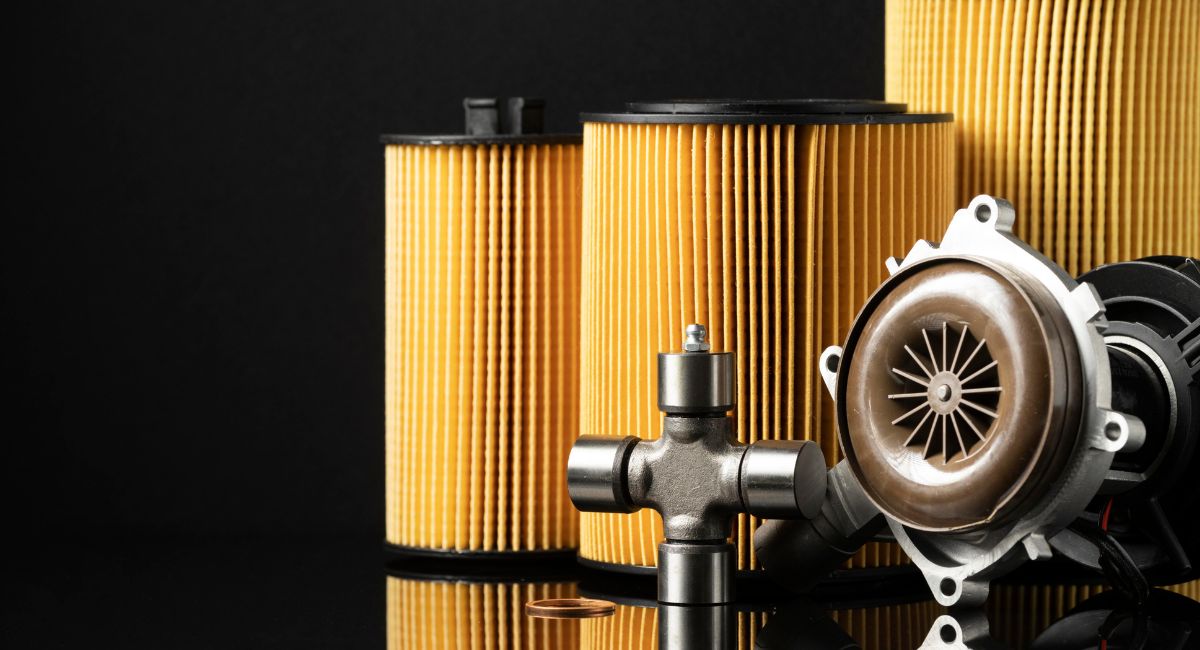
The key misunderstanding is assuming EVs operate without lubricants. While they don’t use engine oil, Tesla drive units contain specialized transmission fluid or gear oil designed specifically for electric applications.

1. High-Speed Gear Operation

Tesla electric motors can spin at over 18,000 RPM. That rotational energy must be reduced before reaching the wheels. The reduction gear set experiences constant mechanical stress.

Even with advanced engineering, microscopic metal particles are produced during:

  • Normal gear meshing
  • Bearing operation
  • Long-term wear cycles

Without filtration, these particles would circulate in the lubrication system, potentially damaging sensitive components.

2. Integrated Cooling and Lubrication

In many Tesla drive units, lubrication fluid also contributes to thermal management. The fluid helps regulate temperatures within the motor and gearbox assembly.

As fluid circulates, it may collect debris. An oil filter prevents contamination from compromising system efficiency.

3. Longevity and Reliability

Electric vehicles are often driven longer distances than combustion cars because of lower running costs. Over years of usage, small wear particles can accumulate. Filtration extends the life of:

  • Gear teeth
  • Bearings
  • Seals
  • Internal drive unit components

In short, Tesla’s EVs need oil filters because mechanical systems still generate wear—even in electric vehicles.

Tesla Drive Unit Specifications

Below are typical specifications found in Tesla drive units (varies by model and year):

Electric Motor Specs (Example: Model 3 Long Range AWD)

  • Motor Type: Permanent Magnet Synchronous Motor (rear)
  • Peak Power: ~258 kW (rear motor, varies by trim)
  • Combined Output (AWD): ~346–377 kW
  • Maximum RPM: Approximately 18,000 RPM
  • Reduction Ratio: Approximately 9:1

Gearbox & Lubrication Specs

  • Transmission Type: Single-speed reduction gearbox
  • Lubricant Type: Specialized synthetic transmission fluid
  • Fluid Capacity: Approximately 1–2 liters (model dependent)
  • Filtration: Integrated oil filter or fine mesh filtration system
  • Cooling Integration: Fluid assists in thermal regulation

It’s important to note that Tesla does not publicly emphasize routine oil filter replacement in the same way traditional vehicles require oil changes. However, the presence of filtration systems is part of the drive unit’s design for durability.

How EV Gear Oil Differs from Engine Oil

Many drivers assume oil equals engine oil. That’s incorrect.

Here’s how EV gear lubrication differs:

FeatureEngine OilEV Gear Oil
PurposeLubricates pistons, crankshaftLubricates gears and bearings
ExposureCombustion byproductsMechanical wear particles
TemperatureHigh combustion heatHigh rotational heat
Change FrequencyRegular intervalsOften lifetime or extended interval
FiltrationReplaceable oil filterIntegrated filtration system

EV gear oil is designed for:

  • High shear stability
  • Electrical compatibility
  • Low conductivity
  • Long-term durability

And just like any lubricated mechanical system, contamination control is essential.

Is Gearbox Maintenance Required for Tesla Owners?

This is one of the most common questions.

Tesla does not require routine oil changes like gasoline cars. However:

  • Drive unit fluid exists.
  • Filtration systems are present.
  • Over extreme mileage, wear can occur.

For most owners driving 10,000–20,000 km annually, the gearbox is engineered to last many years without service.

But high-mileage fleet vehicles, performance driving scenarios, or harsh environments may eventually require inspection or fluid servicing.

In professional EV workshops, drive unit rebuilds include inspection of lubrication systems and filtration components.

Read more:- The Poco M8 5G Sale Is Live: But Is This Budget 5G Phone Really Worth It?

What Happens Without Oil Filtration?

If gear oil were unfiltered:

  • Metal particles could accumulate.
  • Bearing surfaces could score.
  • Gear teeth could pit prematurely.
  • Efficiency could drop.
  • Noise could increase over time.

Even microscopic debris can accelerate wear in high-speed assemblies.

This is why Tesla’s EVs need oil filters—not because they resemble traditional engines, but because precision mechanical systems demand clean lubrication.

Debunking the “Maintenance-Free EV” Myth

Electric vehicles are undeniably lower maintenance than combustion vehicles. However, “lower” does not mean “zero.”

Here’s what Tesla owners still maintain:

  • Brake fluid
  • Cabin air filters
  • Tire rotations
  • Coolant systems
  • Suspension components
  • Drive unit components (rarely, but possible)

The gearbox is robust and sealed, but engineering reality dictates that moving parts require lubrication management.

Tesla’s Engineering Approach

Tesla designs its drive units with:

  • High-precision machining tolerances
  • Advanced metallurgy
  • Sealed lubrication systems
  • Optimized thermal pathways

The oil filtration system is typically integrated rather than user-serviceable in routine intervals.

The design philosophy is durability-first, minimizing owner intervention while maximizing lifespan.

Signs of Potential Gearbox Issues

Although rare, potential warning signs could include:

  • Unusual whining noises
  • Reduced efficiency
  • Vibration under load
  • Warning messages related to drivetrain

If such issues arise, professional inspection is recommended. Modern EV diagnostics are software-driven and highly accurate.

Long-Term Ownership Perspective

From an ownership standpoint, the presence of oil filters in Tesla drive units is actually reassuring.

It shows:

  • Engineering foresight
  • Contamination control planning
  • Durability-focused design

Rather than indicating complexity, it reflects responsible mechanical engineering.

For buyers comparing EV brands, understanding drivetrain durability is crucial. Tesla has accumulated billions of real-world electric miles, and gearbox longevity has generally proven strong.

Why This Matters for Google Discover Readers?

Many people encounter headlines questioning EV maintenance costs. Clarifying why Tesla’s EVs need oil filters helps cut through misinformation.

It reinforces:

  • EVs are not magic machines.
  • Mechanical principles still apply.
  • Intelligent engineering reduces maintenance—not eliminates physics.

Understanding this improves purchasing decisions and sets realistic expectations

The idea that Tesla’s EVs need oil filters may surprise many drivers. But once you understand how electric drive units operate—with high-speed gears, precision bearings, and lubrication systems—it becomes clear why filtration is necessary.

Electric vehicles represent a major evolution in automotive engineering. Yet they remain grounded in mechanical fundamentals: friction exists, metal moves against metal, and lubrication must stay clean.

Rather than undermining EV reliability, the presence of oil filters in Tesla drive units demonstrates thoughtful engineering.

If you’re considering a Tesla or already own one, understanding this aspect of drivetrain design equips you with realistic expectations—and greater confidence in long-term ownership.

Electric does not mean maintenance-free. It means smarter maintenance.

And that distinction makes all the difference.

FAQs

Do Tesla cars require oil changes?

No, Tesla vehicles do not require engine oil changes because they do not have combustion engines. However, they contain gearbox lubrication systems designed for long-term durability.

How often does Tesla gearbox oil need to be changed?

Tesla does not typically specify routine gearbox oil changes for standard consumer use. The fluid is engineered for extended lifespan under normal driving conditions.

What type of oil does a Tesla use?

Tesla uses specialized synthetic transmission fluid or gear oil designed for electric drive units, not conventional engine oil.

Do electric vehicles have transmissions?

Yes, most EVs use a single-speed reduction gearbox rather than a multi-speed transmission found in gasoline vehicles.

Daimler Truck’s Hydrogen Gamble: Are 100 H2 Trucks the Future of Heavy Transport?

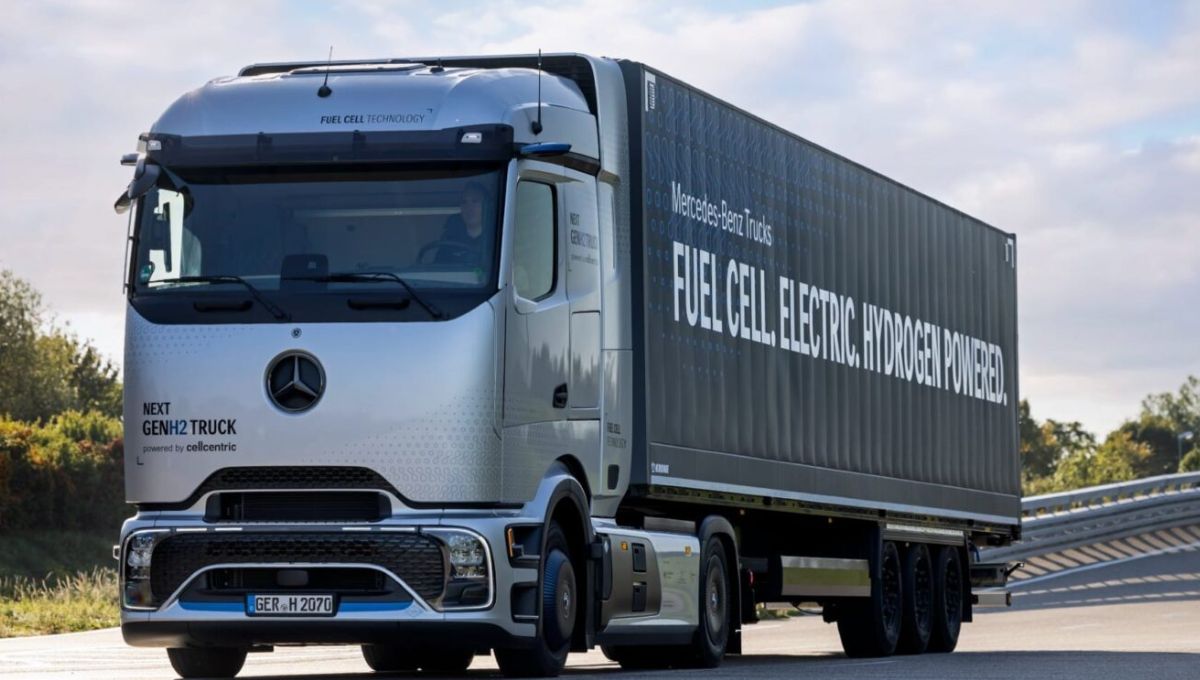
The logistics sector is undergoing one of the most profound transformations in its history. Governments are introducing stricter emission limits, customers are demanding cleaner supply chains, and fleet operators are rethinking vehicle investments. In this environment, Daimler Trucks’ decision to construct 100 advanced hydrogen-powered semi-trailer tractors stands out as a strategic inflection point.

Rather than announcing distant future ambitions, Daimler Truck is committing physical vehicles, manufacturing capacity, and engineering expertise to hydrogen-powered freight.

Daimler Truck’s Strategic Rationale

Matching Technology to Use Case

Long-haul trucking places extreme demands on vehicles. Range anxiety, payload efficiency, and turnaround time are critical. Daimler Truck’s hydrogen strategy is based on the belief that fuel cell technology is uniquely suited to these requirements.

By focusing on semi-trailer tractors rather than smaller vehicles, the company is targeting the segment where hydrogen can deliver the most immediate value.

Learning Through Real Deployment

Building 100 units allows Daimler Truck to observe how hydrogen trucks perform across different operating profiles. This data-driven approach reduces uncertainty and accelerates development cycles.

Engineering Priorities Behind the H2 Tractors

Durability and Longevity

Commercial trucks are investments expected to last for years under demanding conditions. Daimler Truck has prioritized component longevity, ensuring that fuel cells, power electronics, and storage systems can withstand continuous operation.

System Integration

Unlike retrofitted solutions, these hydrogen tractors are designed as integrated systems. Chassis layout, weight distribution, and cooling systems are optimized specifically for fuel cell operation.

The Role of Manufacturing Expertise

Daimler Truck’s experience in large-scale production is a key differentiator. Even though this project involves only 100 units, the manufacturing processes are designed to be scalable.

This ensures that successful outcomes can be translated into higher-volume production without fundamental redesign.

Economic Considerations for Fleet Operators

Total Cost of Ownership Perspective

Fleet managers evaluate vehicles over their entire lifecycle. Daimler Truck’s hydrogen tractors aim to offset higher purchase prices with reduced fuel volatility, lower maintenance, and regulatory compliance benefits.

Regulatory and Incentive Alignment

Many regions are introducing incentives for zero-emission commercial vehicles. Hydrogen trucks positioned within these frameworks can improve the business case for early adopters.

Infrastructure Development as a Parallel Track

Daimler Truck recognizes that vehicle deployment must move in step with infrastructure. The 100-truck plan supports targeted infrastructure development rather than speculative overbuilding.

This coordinated approach reduces risk for all stakeholders involved.

Environmental Significance of the Initiative

Hydrogen-powered trucks eliminate tailpipe emissions, improving air quality along major freight routes. When powered by renewable hydrogen, the climate benefits extend across the entire energy chain.

Daimler Truck’s initiative aligns with broader sustainability goals without compromising operational efficiency.

Read more:- Sony Launches LinkBuds Clip Earbuds Amid Rising Demand: Why This Unusual Design Is Turning Heads

Competitive Landscape and Industry Signals

The move places Daimler Truck among the leaders in hydrogen mobility for heavy-duty transport. It sets a benchmark that competitors will need to respond to, potentially accelerating industry-wide progress.

Remaining Barriers to Adoption

Hydrogen availability, cost parity, and standardization remain challenges. Daimler Truck’s controlled deployment strategy helps address these issues incrementally rather than waiting for perfect conditions.

What Success Looks Like

Success for this project will not be measured solely by sales numbers. Reliability metrics, driver feedback, fuel efficiency, and infrastructure integration will all shape future decisions.

Long-Term Vision Beyond the 100 Trucks

These hydrogen tractors are stepping stones toward a broader transformation. Daimler Truck envisions a future where multiple zero-emission technologies coexist, each optimized for specific transport needs.

Hydrogen-powered semi-trailer tractors are expected to play a central role in that ecosystem.

FAQs

Why did Daimler Truck choose hydrogen over batteries for these trucks?

Hydrogen offers faster refueling and longer range, making it better suited for long-distance freight with minimal downtime.

How many hydrogen trucks is Daimler Truck building?

The company plans to build 100 advanced hydrogen-powered semi-trailer tractors as part of this initiative.

Are these trucks intended for commercial use?

Yes. They are designed for real-world freight operations, not just testing environments.

What impact will this have on emissions?

The trucks produce zero tailpipe emissions and can significantly reduce overall carbon output when fueled with renewable hydrogen.

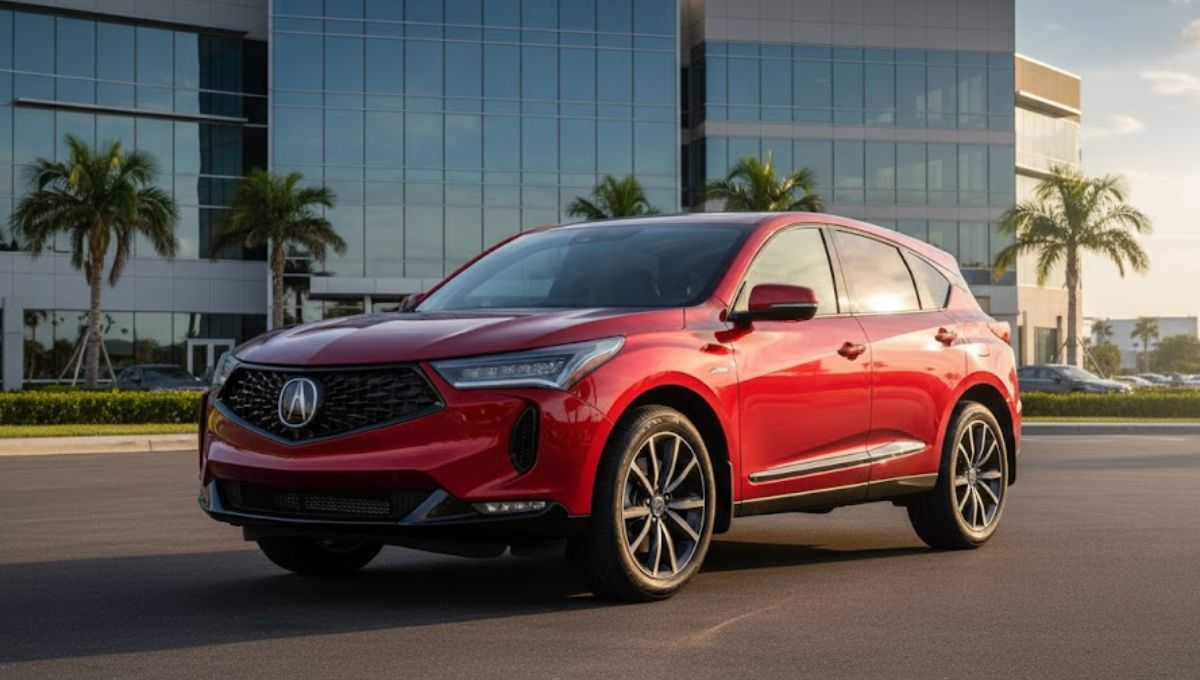
Acura’s Shocking Move: The Real Reason a Top-Selling Model Was Discontinued

At first glance, discontinuing one of your top-selling vehicles sounds like a business mistake. For Acura, however, ending production of its second-best-selling model is not a sign of trouble—it’s a calculated decision rooted in long-term brand survival.

The move has sparked debate among enthusiasts, industry analysts, and loyal Acura buyers alike. Why would a premium brand walk away from a model that consistently delivered volume? The answer lies in changing consumer expectations, shifting market economics, and Acura’s evolving identity in a highly competitive luxury segment.

This article explores why Acura is making this decision, what it reveals about the brand’s future, and how it fits into a broader transformation underway inside Honda’s luxury division.

Acura’s Position in the Modern Luxury Market

Acura occupies a unique space. It is not positioned as ultra-luxury, nor does it compete directly with mass-market brands. Instead, it operates in a value-driven premium segment, emphasizing performance engineering, reliability, and understated design.

However, the luxury market has changed dramatically:

  • Buyers now expect electrification
  • Technology is no longer optional
  • Brand storytelling matters as much as horsepower
  • SUVs dominate, but sameness is punished

Acura’s challenge is no longer selling cars—it’s staying relevant.

The Model That Sold Well, But Raised Questions

The discontinued vehicle was Acura’s second-best-selling model for several years. On paper, it performed well:

  • Strong annual sales volume
  • Broad appeal among families and professionals
  • Competitive pricing in the premium compact SUV space

Yet internally, the picture was more complicated.

Sales volume does not always equal profitability. As competitors refreshed platforms, added electrification, and invested heavily in digital interiors, the cost of keeping this model competitive rose sharply.

Profit Margins Matter More Than Sales Rankings

One of the most misunderstood aspects of automotive strategy is that not all sales are equal.

Despite strong demand, this Acura model faced:

  • Rising production costs
  • Platform limitations
  • Narrow pricing flexibility
  • Increasing incentives are required to maintain volume

Meanwhile, newer models with fewer sales were delivering higher margins.

For a brand operating within a corporate structure like Honda, every product must justify its investment.

Platform Constraints and Engineering Reality

This vehicle was built on an aging architecture that made future upgrades increasingly difficult.

Key limitations included:

  • Limited electrification compatibility
  • Structural challenges for advanced driver assistance systems
  • Packaging constraints for battery integration
  • Higher reengineering costs compared to new platforms

Instead of endlessly updating an old foundation, Acura chose to redirect resources toward future-ready platforms.

Read more:- BMW’s Electric M3 Won’t Be Silent: Here’s How Its Sound Honors Legendary M Engines

Electrification Changed the Equation

Acura has committed to an electrified future, including fully electric and hybrid models.

The discontinued model presented a dilemma:

  • Retrofitting electrification would compromise performance or pricing
  • A full redesign would overlap with upcoming electric SUVs
  • Hybrid demand in this segment remains inconsistent in North America

From a strategic standpoint, discontinuation became the cleanest solution.

Brand Identity: Less Volume, More Meaning

Acura is quietly reshaping its identity.

Rather than chasing volume, the brand is focusing on:

  • Performance-oriented products
  • Clear design language
  • Electrified flagship models
  • Fewer, more distinctive vehicles

This decision aligns with that philosophy. Removing a model that blended into a crowded segment allows Acura to stand apart instead of competing on sameness.

Internal Competition Within the Acura Lineup

Another factor is internal cannibalization.

The discontinued model often overlapped with:

  • Entry-level luxury SUVs from competitors
  • Acura’s own compact and midsize offerings
  • Honda’s high-end trims

This overlap diluted brand clarity and forced Acura to compete against itself.

Consumer Trends Are Moving Fast

Today’s buyers prioritize:

  • Seamless infotainment
  • Electrified powertrains
  • Bold design
  • Strong resale value

While the model in question remained competent, it struggled to excite. In a premium segment, competence is no longer enough.

What This Means for Acura Owners

For current owners, this decision does not reduce value overnight.

Acura remains known for:

  • Strong long-term reliability
  • Continued parts availability
  • Dealer support

Historically, discontinued Acura models often maintain solid resale value due to brand trust.

What Replaces It?

Acura is not leaving the segment empty.

Expect:

  • Electrified SUVs on new platforms
  • Performance-focused variants
  • Higher emphasis on software and connectivity
  • Clearer separation between Acura and Honda offerings

This is subtraction with intent, not abandonment.

Industry Perspective: A Smart, Difficult Choice

Automakers rarely discontinue successful models without strong reasons.

In Acura’s case, the decision reflects:

  • Financial discipline
  • Long-term planning
  • Brand evolution
  • Technological reality

It is a reminder that selling well today does not guarantee relevance tomorrow.

A Brand Choosing Its Future

Acura’s decision to end its second-best-selling model is not about failure—it’s about focus.

By letting go of a familiar product, Acura creates space for innovation, electrification, and a stronger brand identity. In an industry undergoing historic change, difficult choices often define the winners.

This move signals that Acura is thinking beyond quarterly sales charts and investing in what the next decade demands.

FAQs

Why would Acura cancel a popular vehicle?

Because long-term strategy, technology limitations, and brand positioning mattered more than short-term sales.

Is Acura focusing only on electric vehicles now?

Acura is moving toward electrification while still supporting combustion models during the transition.

Will prices increase without this model?

Pricing may shift upward as Acura emphasizes higher-margin, premium-focused vehicles.

Should buyers be worried about parts or service?

No. Acura will continue full service support for discontinued models.

Why Hyundai’s “Every Day Epic” Palisade Campaign Feels So Real to Modern Families?

Automotive advertising has long relied on spectacle. Dramatic landscapes, extreme performance shots, and aspirational lifestyles dominate the genre. Hyundai’s “Every Day Epic” Palisade creative takes a notably different route.

Instead of chasing cinematic extremes, Hyundai turns inward—toward kitchens, driveways, school parking lots, and open highways filled with conversation. This strategic pivot reflects a deep understanding of how people actually use their vehicles.

The Palisade is not marketed as an escape from reality, but as an enhancer of it.

The Palisade as a Reflection of Everyday Needs

Hyundai designed the Palisade with practicality at its core. It addresses the realities of modern life: busy schedules, shared responsibilities, and the need for comfort without complication.

The “Every Day Epic” message aligns seamlessly with this design philosophy. Rather than presenting the Palisade as an object of desire alone, Hyundai frames it as a tool that quietly supports daily routines.

This positioning strengthens trust by matching the message with the product reality.

Creative Strategy Rooted in Human Experience

At the heart of the campaign lies a simple insight: people do not remember features; they remember feelings.

Hyundai’s Palisade creative centers on:

  • Shared laughter during long drives
  • Calm moments amid daily chaos
  • The sense of reliability that comes from consistency

These elements resonate because they are universal. Hyundai does not tell viewers what to feel; it shows moments they already recognize.

Why ‘Every Day Epic’ Resonates With Modern Audiences?

Modern consumers are increasingly resistant to exaggerated claims. They value transparency, realism, and emotional honesty.

Hyundai’s campaign resonates because it respects the viewer’s intelligence. It does not promise perfection. It promises presence.

By doing so, Hyundai aligns itself with audiences who want dependable partners rather than status symbols.

Visual Language and Tone

The visual tone of the Palisade creative is calm, warm, and grounded. Lighting feels natural. Scenes feel lived-in.

This aesthetic choice reinforces the idea that the Palisade belongs in real environments, not staged ones. The absence of visual excess allows the viewer to focus on human interaction rather than product dominance.

It is a subtle but powerful creative decision.

Product Strengths Communicated Through Context

Instead of highlighting specifications directly, Hyundai lets the Palisade’s strengths emerge organically:

  • Spacious interiors are implied through group interactions
  • Ride comfort is suggested through relaxed passengers
  • Practicality is demonstrated through everyday use

This indirect communication builds credibility because it mirrors how owners actually experience vehicles.

Building Trust Through Relatability

Trust is earned when brands speak truthfully. Hyundai’s “Every Day Epic” approach avoids unrealistic expectations.

By showing the Palisade in imperfect, everyday scenarios, Hyundai communicates confidence in its product. It suggests that the vehicle performs just as well in routine life as it does in highlight reels.

This honesty enhances brand trust and long-term customer relationships.

The Role of the Palisade in Hyundai’s Brand Evolution

Hyundai has steadily evolved from a value-focused manufacturer to a design- and experience-driven brand. The Palisade represents this evolution clearly.

The campaign reinforces Hyundai’s maturity as an automaker willing to let real experiences define its products. This shift strengthens the brand’s authority in the highly competitive SUV.

Read more:-Oracle Cofounder Larry Ellison Reveals the One Problem Every AI Model Still Can’t Solve

Consumer Perception and Market Impact

Campaigns like “Every Day Epic” influence how consumers perceive not just a vehicle, but a brand’s values.

For many buyers, this creative approach positions Hyundai as:

  • Thoughtful rather than flashy
  • Reliable rather than boastful
  • Human-centric rather than product-centric

These perceptions are powerful differentiators in search-driven and discovery-based platforms.

Why This Campaign Works for Google Discover?

Google Discover prioritizes content that is engaging, emotionally resonant, and relevant to real-world interests.

Hyundai’s Palisade creative aligns well with these criteria by focusing on lifestyle narratives rather than technical deep dives. The campaign encourages reflection and identification, increasing its shareability and longevity.

Elevating the Everyday Without Overstatement

Hyundai’s “Every Day Epic” Palisade campaign succeeds because it understands a fundamental truth: everyday life does not need exaggeration to be meaningful.

By honoring routine moments, Hyundai elevates them. The Palisade becomes more than a vehicle; it becomes a steady presence in the background of life’s most important experiences.

That quiet confidence is what makes the campaign not just effective, but enduring.

FAQs

What makes Hyundai’s Palisade campaign different from others?

It focuses on everyday life and emotional authenticity rather than dramatic visuals or technical claims.

Does the campaign highlight specific Palisade features?

Features are implied through real-life usage instead of being explicitly listed.

Who is the campaign designed to appeal to?

Families and individuals who value comfort, reliability, and genuine storytelling.

How does this campaign support Hyundai’s brand image?

It reinforces Hyundai’s evolution toward customer-focused, experience-driven branding.

An Electric M3 With a Soul? BMW’s Bold Plan to Recreate Its Most Iconic Engine Sounds

As the automotive industry accelerates toward electrification, performance brands face a defining question: how do you replace the visceral appeal of an engine? For BMW, the answer is especially critical when it comes to the M3, a model whose identity has always been shaped by sound as much as speed.

Rather than treating sound as an afterthought, BMW has placed it at the center of the electric M3’s development. The goal is not to replicate the past, but to reinterpret it in a way that feels authentic, purposeful, and emotionally engaging.

The Emotional Weight of the M3 Name

The M3 is more than a badge; it is a promise. Over multiple generations, it has delivered a specific blend of balance, precision, and character. Sound played a vital role in that equation, from the metallic rasp of early engines to the refined aggression of later turbocharged versions.

BMW recognizes that removing this sensory element would fundamentally change how drivers connect with the car. The electric M3’s sound design is therefore intended to carry forward the emotional DNA of the nameplate, even as the powertrain evolves.

Why BMW Rejected Silence

While some electric performance cars embrace near-total silence, BMW has chosen a different path. Silence may be efficient, but it does not necessarily communicate performance. For a driver pushing a car to its limits, sound provides cues that help interpret speed, grip, and acceleration.

BMW’s engineers see sound as an extension of the driving interface. By carefully shaping how the electric M3 sounds under different conditions, they ensure that drivers remain engaged and informed, rather than disconnected from the experience.

A Composite Sound Inspired by BMW’s Greatest Hits

One of the most intriguing aspects of the electric M3 is its composite sound design. Instead of borrowing from a single historical engine, BMW has drawn inspiration from several of its most celebrated powerplants. These influences are abstracted and blended, creating a sound that feels familiar without being derivative.

This layered approach allows the electric M3 to express multiple dimensions of performance. Low-end tones convey torque and urgency, while higher-frequency elements reflect speed and intensity. Together, they form a soundscape that evolves naturally with driver input.

Integration With Vehicle Dynamics

What separates BMW’s approach from simpler sound generators is integration. The electric M3’s sound is tightly linked to throttle position, vehicle speed, and driving mode. This ensures that what the driver hears always corresponds to what the car is doing.

In everyday driving, the sound remains restrained, reinforcing the car’s refinement. As the driver demands more performance, the audio response becomes sharper and more assertive. This progression mirrors the behavior of traditional M cars, preserving a sense of continuity.

Designed for Drivers, Not Spectators

BMW’s focus is firmly on the driver. The sound is primarily tuned for the cabin, where it enhances immersion without overwhelming conversation or concentration. External sound, while present, is secondary to the internal experience.

This choice reflects BMW’s belief that performance is personal. The electric M3 is not designed to announce itself loudly to the world, but to reward the person behind the wheel with a richer, more engaging drive.

Addressing Skepticism Head-On

Electrification inevitably brings skepticism, particularly from long-time enthusiasts. BMW’s transparent and thoughtful approach to sound design helps address these concerns. By acknowledging what enthusiasts value and explaining how those values are being translated into an electric context, BMW builds credibility.

This honesty is crucial for maintaining trust. Rather than dismissing criticism, BMW uses it as a guide, ensuring that the electric M3 respects the expectations associated with its badge.

Sound as Part of a Holistic M Experience

The electric M3’s sound is not a standalone feature; it is part of a broader performance philosophy. Chassis tuning, steering feel, braking performance, and software calibration all work together to create a cohesive driving experience.

Sound enhances this ecosystem by reinforcing the car’s responses. When acceleration feels intense and immediate, the audio feedback supports that sensation, making the experience more intuitive and emotionally satisfying.

Read more:- Why These Big Updates from BMW, WP Suspension, and Hinckley Matter More Than You Think

Setting a Precedent for Electric Performance Cars

BMW’s work on the electric M3 has implications beyond a single model. It demonstrates that electric performance does not have to be sterile or detached. With thoughtful engineering and respect for heritage, it is possible to create electric cars that still stir passion.

This philosophy could influence how performance EVs are developed across the industry, raising expectations for emotional engagement.

A Voice That Bridges Past and Future

The electric BMW M3’s sound represents a bridge between eras. By blending the spirit of its greatest engines into a modern, adaptive audio experience, BMW ensures that the M3 remains emotionally resonant in an electric world.

For drivers, this means the future of performance does not have to be silent or soulless. Instead, it can be expressive, engaging, and unmistakably BMW M.