Tag Archives: CAR

The Mahindra Thar: Variants, Specs, Mileage, Features, Price & Best Buying Guide

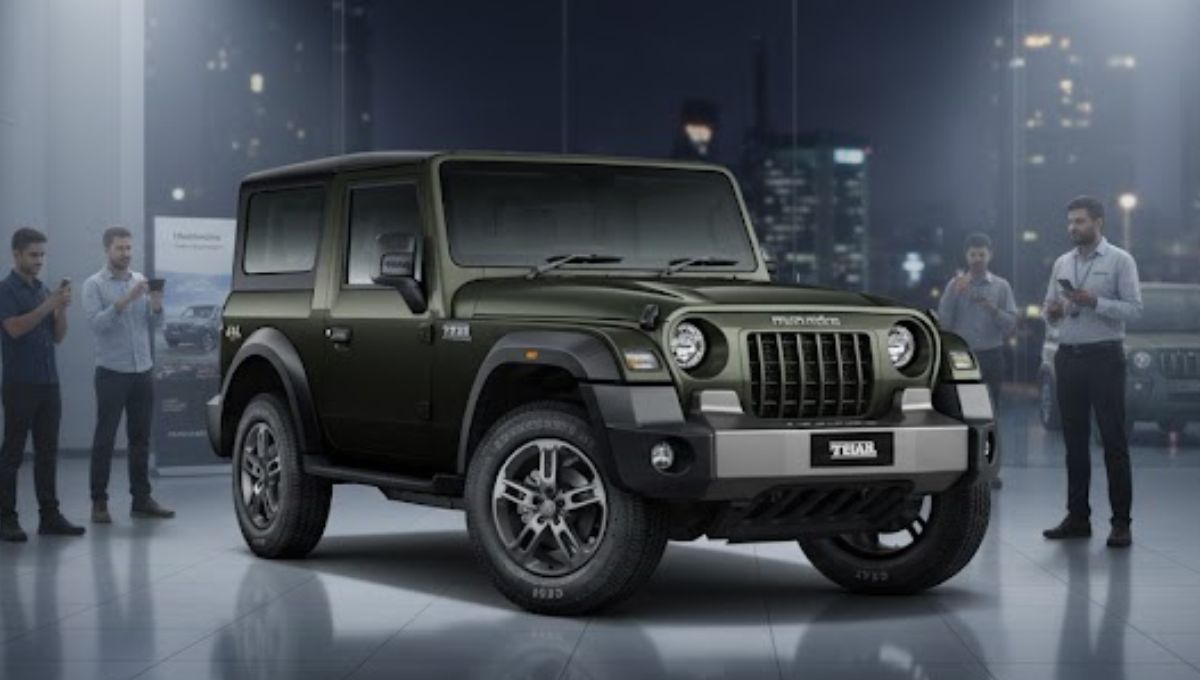
The Mahindra Thar has grown from a pure off-roader into one of India’s most aspirational SUVs, balancing hardcore 4×4 capability with day-to-day usability. With multiple petrol and diesel engines, rear-wheel-drive and 4×4 options, manual and automatic gearboxes, the Mahindra Thar now targets a wide range of buyers who want adventure without giving up comfort and convenience. This article walks through every major detail of the Mahindra Thar in a friendly, expert tone so that you can decide confidently whether it fits your lifestyle.

Mahindra Thar overview

The Mahindra Thar is a compact, ladder-frame SUV designed to handle difficult terrain while still being manageable in crowded Indian cities. It offers a short wheelbase, high ground clearance, and proper off-road hardware, making the Mahindra Thar one of the most capable factory off-road vehicles in its price band.

Key highlights of the Mahindra Thar:

  • Iconic, boxy design with removable hard-top and soft-top options depending on variant.
  • Rear-wheel-drive (RWD) and 4×4 choices to suit both urban users and off-road enthusiasts.
  • Petrol and diesel turbo engines with manual and automatic transmissions.

Types of Mahindra Thar variants

Mahindra Thar variants are broadly split by drivetrain (RWD vs 4WD), engine type (petrol vs diesel), and equipment lines such as AX(O), LX and special editions. This makes it easy to choose a Mahindra Thar that suits pure city use, mixed usage, or serious off-roading.

Mahindra Thar RWD variants

RWD variants of the Mahindra Thar target buyers who love the look and feel of the SUV but do not need full-time 4×4 hardware. These models are generally more affordable and slightly more efficient, making the Mahindra Thar RWD an attractive lifestyle vehicle for urban and highway usage.

Typical RWD offerings include:

  • Diesel RWD manual variants with a smaller-capacity diesel engine focused on efficiency.
  • Petrol RWD automatic variants are meant for relaxed city driving and occasional highway trips.

Mahindra Thar 4×4 variants

Mahindra Thar 4×4 variants are the heart of the lineup, giving you a proper transfer case, low-range gearing, and mechanical locking differential on higher trims. These Mahindra Thar models are ideal for off-road trails, mountain trips, and challenging rural roads where traction is crucial.

Popular 4×4 variants typically feature:

  • 2.0L turbo-petrol or 2.2L mHawk turbo-diesel engines.
  • Choice of 6-speed manual or 6-speed automatic transmissions.
  • Hard-top configurations and better equipment on LX-type trims.

Special and limited editions

In addition to regular trims, Mahindra periodically introduces special editions like the Earth Edition with cosmetic upgrades and feature tweaks. These special Mahindra Thar versions usually get unique colour themes, decals, upholstery patterns, and sometimes additional equipment bundled for a premium feel.

The Earth Edition of the Mahindra Thar, for example, sits at the top of the range with the diesel automatic 4×4 configuration and a higher price tag compared to regular variants. Such editions cater to enthusiasts who want their Mahindra Thar to stand out visually while maintaining the same core mechanical package.

Mahindra Thar specifications

The latest Mahindra Thar is offered with two main engine families and a robust chassis setup designed for off-road use. Below is a snapshot of key technical specifications for typical 4×4 diesel automatic variants of the Mahindra Thar.

Mahindra Thar key technical specs

SpecificationMahindra Thar (typical 4×4 diesel AT)
Engine type2.2L mHawk turbo-diesel four-cylinder
DisplacementAround 2184 cc
Max powerAbout 130 bhp at 3750 rpm
Max torqueAround 300 Nm between 1600–2800 rpm
Transmission6-speed automatic (6MT also available)
Drive type4WD with low range
Fuel tank capacityAbout 57 litres
Seating capacity4 seats (2+2 layout)
Body typeLadder-frame SUV
Ground clearanceAround 226 mm unladen

These specifications highlight why the Mahindra Thar is so popular among buyers who want a serious SUV with authentic off-road credentials. High ground clearance, strong torque, and a dedicated 4×4 system set the Mahindra Thar apart from many soft-road crossovers.

Engine performance

The Mahindra Thar offers both turbo-petrol and turbo-diesel engine options, each tuned for strong low-end torque and quick response. The petrol engine is generally more powerful, while the diesel is favoured for its torque delivery and better fuel economy in real-world conditions.

Petrol engines

The 2.0L mStallion turbo-petrol engine in the Mahindra Thar produces power figures in the 150 bhp range with torque of around 300–320 Nm, depending on the specific variant. This engine gives the Mahindra Thar brisk performance on highways and effortless overtakes, especially when paired with the 6-speed automatic gearbox.

For buyers who enjoy refinement and stronger top-end performance, the petrol Mahindra Thar is often the more entertaining choice. However, the petrol models typically consume more fuel in city traffic compared to the diesel Mahindra Thar.

Diesel engines

The 2.2L mHawk turbo-diesel in the Mahindra Thar focuses on strong torque delivery at low rpm, which is extremely useful off-road and in slow-moving traffic. With around 130 bhp and 300 Nm, the diesel Mahindra Thar feels punchy enough for both city and highway use while staying relatively efficient.

Diesel Mahindra Thar variants are usually preferred by buyers who tour long distances, tackle varied terrains, or value fuel efficiency over outright acceleration. The engine’s relaxed nature also contributes to a more comfortable cruising experience at moderate speeds.

Mileage and fuel efficiency

Given its boxy body, ladder-frame construction, and 4×4 hardware, the Mahindra Thar is not built primarily for maximum fuel efficiency, yet it manages respectable numbers for its segment. Owners typically see different mileage depending on engine, transmission, driving style, and city versus highway usage.

ARAI and real-world mileage

Indicative mileage figures for the Mahindra Thar are:

  • Diesel manual: roughly 15 kmpl under standard test conditions.
  • Diesel automatic: roughly 13–14 kmpl as per typical claims.
  • Petrol variants: often in the 12–15 kmpl band under ideal conditions, lower in dense city traffic.

In real life, many Mahindra Thar owners report lower figures in heavy traffic but better numbers on open highways at steady speeds. For a tall, heavy 4×4 SUV, these mileage figures are considered acceptable, especially for enthusiasts who prioritise capability over pure efficiency in the Mahindra Thar.

​Features

One of the big changes in the latest Mahindra Thar compared to older generations is the feature list, which is now much more aligned with modern urban expectations. While still not as feature-loaded as some crossover SUVs, the Mahindra Thar gets enough equipment to make daily driving and road trips comfortable.

Exterior features

The Mahindra Thar retains its signature Jeep-like stance with a bold grille, round headlamps, flared wheel arches and upright windscreen. Depending on the variant, the Mahindra Thar can be had with a factory hard-top, soft-top, or convertible-like soft top, catering to both practicality and open-air driving fun.

Common exterior highlights:

  • Alloy wheels with chunky tyres for off-road grip.
  • LED DRLs and fog lamps on higher trims of the Mahindra Thar.
  • Side steps, tow hooks, and prominent bumpers are built to handle rough use.

Interior and tech features

Inside, the Mahindra Thar offers a more ergonomic layout than its predecessor, with wipe-down-friendly surfaces and modern tech touches. The cabin is built to handle dust, mud, and water, which suits the adventurous nature of Mahindra Thar owners.

Typical interior features include:

  • 7-inch touchscreen infotainment system with Android Auto and Apple CarPlay in many variants of the Mahindra Thar.
  • Steering-mounted controls, USB ports, and multi-information display.
  • Weather-resistant switches and roof-mounted speakers in select Mahindra Thar trims.

Safety features

Safety has become a strong selling point for the Mahindra Thar, with multiple structural and electronic aids built into the SUV. It has scored well in crash tests in select configurations and brings critical safety equipment as standard in several variants of the Mahindra Thar.

Key safety equipment generally includes:

  • Dual front airbags, ABS with EBD, and rear parking sensors.
  • Hill-hold and hill-descent control on higher Mahindra Thar variants, especially 4×4 models.
  • ISOFIX child-seat mounts and a roll-cage-like body design for improved crash safety in the Mahindra Thar.

Comfort and handling

The Mahindra Thar is tuned primarily as an off-road-capable SUV, so its ride and handling feel different from soft, car-like crossovers. Over bad roads and broken surfaces, the Mahindra Thar feels tough and planted, but its bouncy nature can be noticeable on smooth highways and at high speeds.

Ride quality and seating comfort

Ride quality in the Mahindra Thar tends to be on the firmer side because of its suspension and ladder-frame setup. On potholes and rough roads, this setup actually helps the Mahindra Thar feel solid; however, smaller bumps and undulations can filter through more than in monocoque SUVs.

The front seats in the Mahindra Thar are generally supportive with good visibility, while the rear seats are better suited for two adults rather than three. Access to the second row is through the front doors due to the two-door layout, which may be less convenient for frequent passenger use in the Mahindra Thar.

Handling and driving dynamics

In city traffic, the Mahindra Thar’s compact footprint helps manoeuvrability, but the tall seating position and wide stance take some getting used to. On highways, the Mahindra Thar is best driven at moderate speeds, as high-speed behaviour is not as flat and car-like as some crossovers.

Off-road, the Mahindra Thar shines with strong low-speed traction, good approach and departure angles, and a capable 4×4 system. Many enthusiasts consider the Mahindra Thar one of the most confidence-inspiring factory off-roaders in its price range.

Build quality and durability

The Mahindra Thar is engineered with durability in mind, using a rugged ladder-frame chassis and heavy-duty components. Doors, hinges, and bumpers feel solid, and the cabin materials are designed to be functional and easy to clean rather than ultra-premium, which suits the character of the Mahindra Thar.

Long-term owners often praise the Mahindra Thar for surviving tough environments like hills, farms, and off-road trails with minimal structural issues. However, some mention minor rattles or squeaks over time, which is not unusual for body-on-frame SUVs, including the Mahindra Thar.

Price of Mahindra Thar in India

Pricing is a crucial factor for many buyers, and the Mahindra Thar now sits as a slightly premium lifestyle SUV compared to basic compact crossovers. That said, the range itself is wide enough to cater to both budget-conscious buyers and enthusiasts willing to pay more for top-spec Mahindra Thar variants.

Ex-showroom price range

Indicative price bands (ex-showroom, India) for the Mahindra Thar as of late 2025:

  • Entry-level RWD diesel manual variants typically start around ₹11–12 lakh.
  • Mid-range petrol and diesel Mahindra Thar variants with more features: roughly ₹14–16 lakh.
  • Top-spec 4×4 diesel automatic Earth Edition and similar: around ₹17–18 lakh ex-showroom.

On-road prices for the Mahindra Thar vary significantly depending on state taxes, insurance, and optional accessories. Prospective buyers should always check local dealer quotes and online configurators for the latest offers on the Mahindra Thar.

Read more:- Kia Seltos 2026 Review: Next-Gen SUV with ADAS Level 2 and Turbo Power

Mahindra Thar competitors in India

The Mahindra Thar sits in a niche segment where only a few SUVs offer comparable off-road focus and similar pricing. Direct competitors for the Mahindra Thar include both hardcore off-roaders and some compact lifestyle SUVs.

Key rivals to the Mahindra Thar

Commonly cited rivals to the Mahindra Thar are:

  • Force Gurkha – another ladder-frame 4×4 designed for serious off-road use.
  • Maruti Suzuki Jimny – a lighter, narrower 4×4 with a focus on agility and ease of use.
  • Compact SUVs like the Skoda Kushaq or Hyundai Creta sometimes cross-shop with the Mahindra Thar for buyers who prioritise comfort over hardcore capability.

Mahindra Thar vs competitors table

ParameterMahindra TharForce GurkhaMaruti Jimny
Body type2-door ladder-frame SUV3-door ladder-frame SUV5-door ladder-frame SUV
FocusLifestyle + off-roadHardcore off-roadCompact off-road lifestyle
Engine output (approx)Diesel ~130 bhp, 300 Nm~140 PS, 320 Nm (diesel)~105 PS, ~134 Nm (petrol)
Drive typeRWD & 4WD options4WD only in most trims4WD as standard in India
Price band (ex-showroom)~₹11–18 lakh~₹16–17 lakh~₹12–15 lakh (typical range)

This table shows the Mahindra Thar striking a balance between price, performance, and lifestyle appeal compared with its rivals. The Mahindra Thar offers both RWD and 4×4 options, giving broader appeal than some competitors that only focus on hardcore off-roading.

Pros and cons

Every SUV has strengths and trade-offs, and understanding these clearly helps decide whether the Mahindra Thar matches individual needs.

Pros

  • Excellent off-road capability with proper 4×4 hardware, low-range, and strong torque.
  • Iconic design and strong road presence that make the Mahindra Thar feel special even in city traffic.
  • Multiple engines, transmissions, and RWD/4WD choices to suit different usage patterns in the Mahindra Thar.
  • Improved safety features and cabin quality compared to older-generation Thar models.

Cons

  • Bouncy ride quality and less settled high-speed behaviour compared to monocoque SUVs.
  • Two-door layout and limited boot space reduce practicality for family usage in the Mahindra Thar.
  • Fuel efficiency is acceptable for a 4×4 but lower than many compact crossovers and hatchbacks.
  • Higher variants of the Mahindra Thar can feel pricey given the limited rear space and feature set versus similarly priced road-focused SUVs.

Who should buy the Mahindra Thar?

The Mahindra Thar is not designed to please everyone, and that is part of its charm. Buyers who understand what the Mahindra Thar excels at tend to be the most satisfied owners.

Ideal Mahindra Thar buyer profiles

The Mahindra Thar is a great match if:

  • Weekend off-roading, road trips, and exploring remote places are high on the priority list.
  • A strong, rugged image and standout design matter more than rear-seat practicality and a huge boot.
  • The household already has another practical car, and the Mahindra Thar is meant as a fun second SUV.

On the other hand, buyers who need a single-family car with frequent rear-seat usage and long highway drives at high speeds may be better off with a more comfort-focused SUV than the Mahindra Thar.

The Mahindra Thar today is a unique blend of lifestyle, capability, and modern convenience that few SUVs in India can match at this price. It retains the rugged soul of the original but adds better safety, improved interiors, and multiple variants, making the Mahindra Thar accessible to a much wider audience.

For enthusiasts who value adventure, character, and go-anywhere confidence more than outright comfort and practicality, the Mahindra Thar is one of the most compelling choices on the market. As long as buyers enter with clear expectations about space and ride quality, the Mahindra Thar can be an incredibly satisfying SUV to live with.
The BMW i7: Ultimate Electric Luxury Redefined

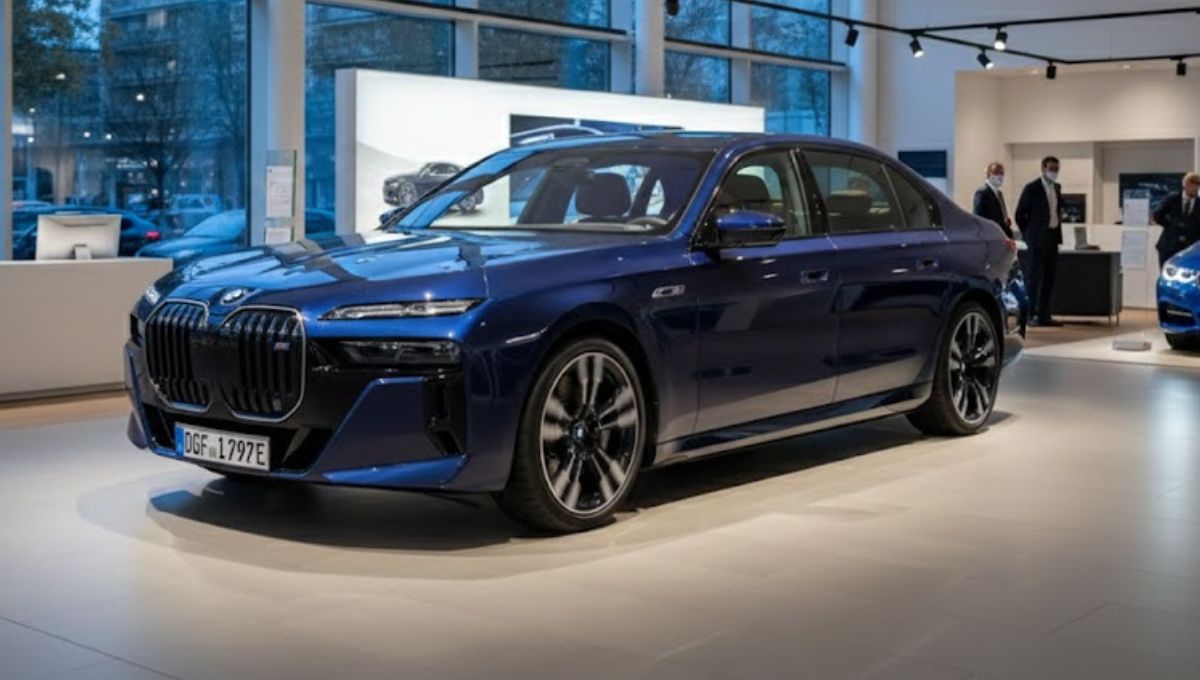
Imagine gliding through city streets in a sedan that’s as powerful as a supercar but whispers silently like a ghost. The BMW i7 changes everything about luxury driving—fully electric, brutally fast, and packed with tech that feels like the future. If you’re eyeing the BMW i7, especially the M70 xDrive variant, you’re in for a treat that blends BMW’s M heritage with zero-emission thrills.

Variants Overview

The BMW i7 lineup focuses on electric excellence, with the star being the i7 M70 xDrive—a fully electric beast. There’s also the M760e xDrive plug-in hybrid for those easing into electrification. In India, the BMW i7 shines with M Sport tuning across models, but the M70 steals the show for pure EV performance.

No traditional “bikes” here—this is a flagship sedan family, not a motorcycle range. Think sedan supremacy with all-wheel drive and adaptive everything.

Power and Performance

Buckle up, because the BMW i7 M70 xDrive unleashes 485 kW—that’s 650 hp from dual electric motors pumping out massive torque. It rockets from 0-100 km/h in just 3.7 seconds, with a top speed electronically capped at 250 km/h.

Engine Specs Table

SpecificationBMW i7 M70 xDrive
Power485 kW (650 hp)
Torque1,100 Nm
0-100 km/h3.7 seconds
Top Speed250 km/h
DrivetrainxDrive AWD

Forget gas engines; this electric “heart” delivers instant punch, with M-tuned suspension, brakes, and steering for track-like handling in a limo body.

Range and Mileage

The BMW i7 M70 offers up to 560 km WLTP range on a single charge from its hefty battery—perfect for long hauls without range anxiety. Real-world? Expect solid efficiency depending on your drive style, climate, and speed.

Charging is a breeze: 10-80% in 34 minutes at DC fast stations, or full home top-up in 10.75 hours with a 22 kW Wallbox. Max Range mode stretches it further by limiting power and speed.

Luxury Features

Step inside the BMW i7, and it’s a tech wonderland. The massive Curved Display handles everything via voice or touch, while M-specific touches like illuminated sills and leather abound. Rear passengers get theatre-like screens and effortless comfort.

  • Adaptive air suspension smooths every road
  • Level 2+ Highway Assistant for hands-free cruising
  • Exclusive two-tone paint and BMW Individual options
  • Proactive BMW Service and 5-year roadside aid

Comfort, Handling, and Build

The BMW i7 wraps you in supreme comfort with plush seating and silent cabins, yet handles corners with M precision thanks to tuned dampers and wide brakes. Build quality? Bulletproof German engineering—kerb weight around 2,540 kg feels planted, not porky.

It’s a chauffeur’s dream or driver’s delight, blending limo space with sports sedan agility.

Read more:- BMW iX xDrive50: The Ultimate Electric SUV Redefining Luxury and Performance

Price in India

In India, the BMW i7 M70 xDrive starts at about ₹2.50 crore ex-showroom, with on-road prices hitting ₹2.70-2.96 crore depending on city taxes. Check BMW dealers for exacts, as leasing and finance sweeten the deal. Prices exclude extras but include solid warranty options.

Pros and Cons

Pros:

  • Insane 650 hp acceleration and 560 km range
  • Opulent interior with cutting-edge tech
  • M Sport dynamics in a luxury package
  • Quick charging and smart efficiency modes

Cons:

  • Sky-high price tag limits buyers
  • Heavyweight impacts agility slightly
  • Range varies with AC use or highways
  • India specs may tweak from the global ones

The BMW i7 vs Competitors

The BMW i7 M70 faces elite rivals in the electric luxury sedan space. Here’s a quick spec showdown:

Competitor Comparison Table

FeatureBMW i7 M70Mercedes EQSAudi A8 L e-tron
Power (hp)650~500~450
0-100 km/h (s)3.74.14.9
Range (km)560550-600500
Price (₹ Cr, ex)2.502.20+2.00+
Key EdgeM PerformanceSpaceQuattro Grip

The BMW i7 edges with raw power and sporty feels over the plush EQS or refined A8.

Who Should Buy The BMW i7?

The BMW i7 suits high-net-worth execs craving silent speed, tech-savvy families needing range, or anyone upgrading from ICE luxury. Skip if budget’s tight or you prefer hybrids—it’s for those who want the BMW i7 electric revolution now.

The BMW i7, led by the M70 xDrive, redefines luxury EVs with blistering performance, smart features, and BMW soul. At ₹2.5 crore+, it’s not cheap, but for ultimate driving pleasure without emissions, the BMW i7 delivers unmatched thrill. Ready to electrify your garage? Head to a dealer.

The New BMW iX1 LWB: Electric SUV Power, Range, and Luxury in India

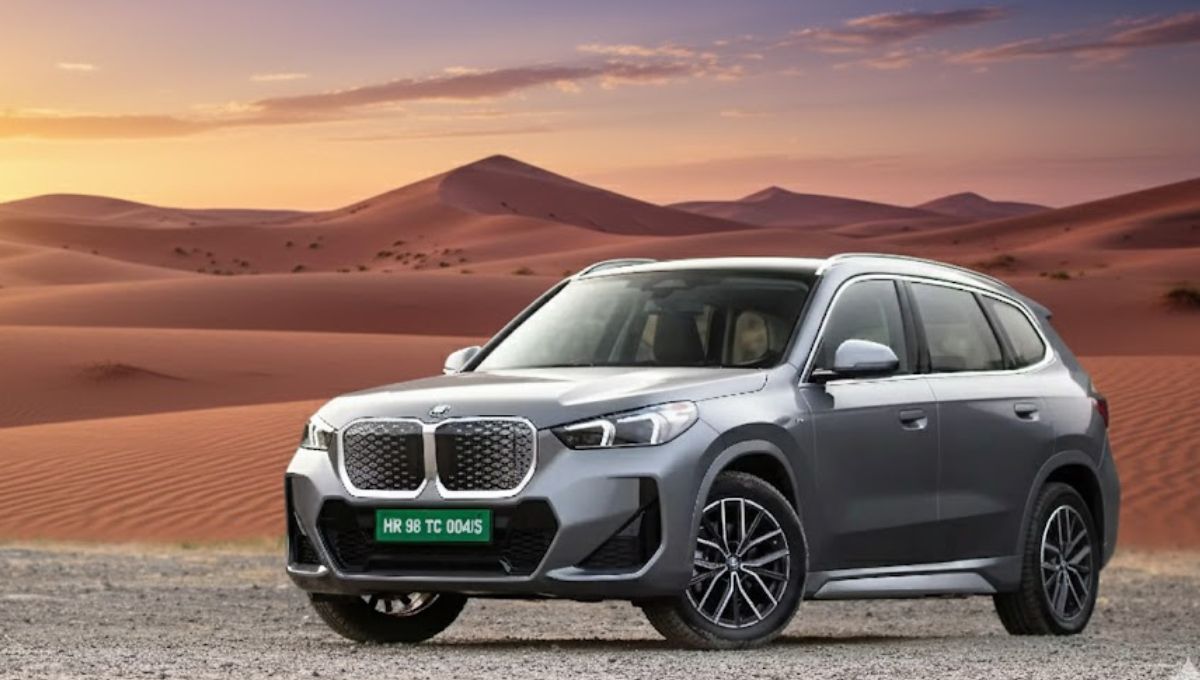
Imagine zipping through city traffic in a BMW iX1 LWB that’s not just quick and quiet, but also gives your family the roomiest ride in its class. The new BMW iX1 LWB Long Wheelbase (LWB) flips the script on electric SUVs with its blend of everyday practicality and BMW thrill. Whether you’re dodging Mumbai gridlock or cruising highways, this all-electric wonder delivers up to 531 km range and smart tech that keeps you connected.

BMW iX1 LWB Variants and Pricing

The BMW iX1 LWB shines in India with a single, loaded variant: the eDrive20L M Sport. No need to pick and choose – it’s all front-wheel drive goodness packed into one package.

  • Ex-showroom price: Starts at ₹49 lakh (introductory), with on-road around ₹51-52 lakh depending on your city.
  • Single electric motor setup, making it accessible yet premium.
  • Colours: Mineral White, Skyscraper Grey, Carbon Black, Portimao Blue, Sparkling Copper Grey.

This keeps things simple while hitting that sweet spot for luxury EV buyers.

BMW iX1 LWB Specifications Table

Here’s a quick snapshot of what powers the BMW iX1 LWB under the hood – or rather, its battery bay.

SpecificationDetails
Battery Capacity66.4 kWh lithium-ion
Range (claimed)Up to 531 km (MIDC)
Power204 hp (150 kW)
Torque250 Nm
Acceleration (0-100 km/h)~8.6 seconds
Top Speed170 km/h
Charging (DC Fast)10-80% in 30 min (130 kW)
Charging (AC)0-100% in 6.5 hrs (11 kW)
Dimensions (L x WB)4616 mm x 2692 mm (+112 mm LWB)
Seating5

Performance and Range

No traditional engine here – the BMW iX1’s single electric motor delivers instant torque for smooth overtakes. Think responsive acceleration without the roar, perfect for highways or parking lots. Real-world range hovers around 400-450 km with AC on, but BMW’s efficiency shines in mixed driving.

Charging? Super easy with a complimentary home charger and installation. Plug into a DC fast charger for quick top-ups, and you’re back conquering the urban jungle.

Features and Comfort

Step inside the BMW iX1 LWB, and it’s family-first luxury. Expansive legroom claims the most spacious cabin in the segment, with reclining rear seats for those long trips.

Interior Highlights

  • BMW Curved Display (infotainment + cluster), wireless Android Auto/Apple CarPlay.
  • Panoramic sunroof, 12-speaker Harman Kardon audio, ambient lighting.
  • Comfort Access with Digital Key Plus – unlock via phone.

Tech and Driver Assistance

Level 2 ADAS, adaptive cruise, lane keep, and traffic jam assist make drives stress-free. Plus, the BMW BEVScape app plans charging stops smartly.

Handling feels planted, with M Sport suspension balancing comfort and sportiness.

Read more:- 2026 Ford Puma: A Fresh Look at the Compact Crossover

Build Quality and Safety

BMW nails build with premium materials and an 8-year/1,60,000 km battery warranty (extendable to 10 years). Roadside perks include puncture repair, spare wheel help, and mobile EV charging. Eight airbags, ABS, and traction control round out the top safety.

Competitors Comparison

The BMW iX1 LWB stands tall against premium EVs. Here’s how it stacks up:

ModelPrice (ex-showroom)Range (km)Power (hp)Key Edge
BMW iX1 LWB₹49 lakh531204Spacious LWB cabin
Volvo EX40₹49 lakh~450238Safety focus
Hyundai Ioniq 5₹46 lakh450-500215Retro design, fast charge
Mercedes EQA₹50+ lakh~400190Luxury vibe

BMW iX1 wins on space and BMW driving dynamics.

Pros and Cons

Pros

  • Massive 531 km range and quick charging.
  • Roomiest rear seat in class, ideal for families.
  • Loaded M Sport features at a competitive price.
  • Strong warranty and roadside support.

Cons

  • Single variant limits choices.
  • Front-wheel drive misses xDrive grip.
  • Real-world range dips in heavy traffic.

Who Should Buy the BMW iX1 LWB?

Grab the BMW iX1 LWB if you’re an urban family wanting EV perks without compromises. Tech-savvy pros, highway commuters, or anyone ditching petrol bills for silent luxury. Skip if you crave AWD or mega-fast pace.

The BMW iX1 LWB redefines electric family hauliers with unbeatable space, range, and that signature BMW feel. At ₹49 lakh, it’s a smart leap into premium EVs – go test drive one and feel the future today.

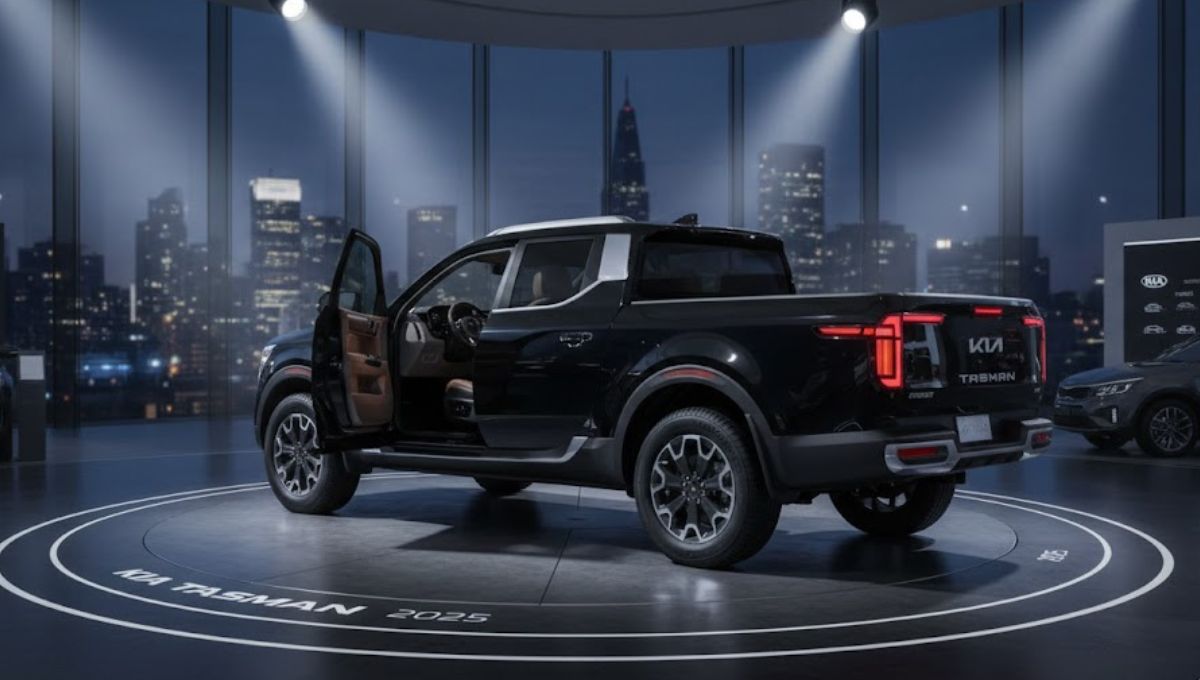
2025 Kia Tasman Review: Rugged Diesel Power Meets Modern Everyday Comfort

The 2025 Kia Tasman has arrived — a new pickup truck that aims to strike a balance between rugged utility, modern comfort, and everyday practicality. In this review, we explore what makes the 2025 Kia Tasman stand out: its design, performance, features, strengths, and a few trade-offs.

First Impressions: Design and Purpose

From the outside, the 2025 Kia Tasman projects a robust, utilitarian presence. With a sturdy body, beefy wheel arches, and a wide stance, it feels ready for work, adventure, or heavy-duty use. The design aligns with the identity of a modern pickup — a vehicle meant for both everyday use and rugged tasks. The cargo bed, tie-down points, and durable liner make it practical for hauled loads, trailers, or outdoor gear. 

Inside, Kia hasn’t compromised comfort or technology. The cabin offers a spacious layout, seats for five in a dual-cab configuration, which makes the Tasman more than just a workhorse; it can serve as a family or lifestyle vehicle as well. 

Engine, Performance & Capability

The heart of the 2025 Kia Tasman,  at least for many markets, is its 2.2-litre turbo-diesel engine, producing around 154 kW power and 440 Nm torque, paired with an 8-speed automatic transmission. 

These figures equip the Tasman to handle heavy-duty tasks. It offers a braked towing capacity up to 3,500 kg, making it one of the more capable pickups in its class for trailers, boats, or strong hauls. The gross vehicle mass (GVM) is rated around 3,250 kg, with a gross combination mass (GCM) near 6,200 kg, reinforcing its credentials as a “serious ute.” 

For daily driving, the Tasman’s performance seems balanced: not a sport truck, but dependable for both city commuting and demanding work. While some spec sheets (especially in some markets) also mention a 2.5-litre petrol/turbo petrol option — for markets outside Australia — the diesel remains the mainstay for now, particularly where towing and payload capacity matter most. 

On rough terrain or off-road driving, the Tasman is built on a solid ladder-frame chassis, with an independent front suspension and live rear axle (leaf springs) — a traditional but proven setup for load-bearing and ruggedness. The suspension is tuned to balance load-carrying ability with acceptable ride comfort. 

Interior, Comfort & Technology

Despite being a pickup, the 2025 Kia Tasman cabin aims to deliver a modern, comfortable environment. In higher trims, features include a panoramic wide display (combining digital instrument cluster and touchscreen infotainment), support for smartphone integration (Apple CarPlay / Android Auto), and dual wireless charging pads.

Other thoughtful touches add to everyday usability: second-row seating with generous legroom, under-seat or side storage options, and a fold-out console table that can serve as a mobile working surface or dining spot on longer trips.

For users who expect more comfort and refinement, top trims may include better interior materials, ambient lighting, and optional upgrades — making the Tasman somewhat versatile: part work-truck, part family-vehicle.

Safety and Driver Assistance

Safety has been taken seriously with the 2025 Kia Tasman. For 4×4 variants (in markets where tested), it has received a five-star safety rating from the relevant authority, covering adult and child occupant protection along with safety assist features.

Read more:- Kia Seltos 2026 Review: Next-Gen SUV with ADAS Level 2 and Turbo Power

Standard safety and driver-assist technologies across many trims include: autonomous emergency braking (AEB), blind-spot monitoring, lane-keeping assist, adaptive cruise control, parking sensors (front and rear), rear-view cameras, and even trailer-sway and integrated trailer brake controller — useful for towing.

On higher trims, more advanced functions like 360-degree surround cameras, lane-centring assists, and even semi-autonomous driving assist make the Tasman more modern than a basic pickup.

Practical Use: Cargo, Work, and Leisure

One of the strengths of the 2025 Kia Tasman is how versatile it is. The cargo bed, with its durable liner and secure tie-down points, is ready for heavy use — whether you’re hauling construction materials, camping gear, or tools.

Combined with strong towing capacity and reliable 4×4 traction, the Tasman can serve as both a workhorse for tradespeople and a capable companion for outdoor leisure or travel — a dual-purpose vehicle.

Because of its balance between payload/towing capacity, comfort, and modern amenities, the Tasman appeals to a wide range of buyers: from workers needing a tough ute, to families wanting a rugged but comfortable vehicle, or adventurers seeking off-road capability.

Strengths and Trade-offs

What works well:

  • Solid diesel powertrain with good torque and towing/payload capacity.
  • Strong safety package and available modern driver assistance & convenience tech.
  • Versatile cargo bed + towing, making it practical for work or leisure. 
  • Comfortable cabin with modern infotainment and thoughtful storage/convenience features.

Potential limitations:

  • As a heavy-duty pickup, ride comfort might feel firm — especially when unladen or on rough roads.
  • Some of the lower-spec trims may come with more basic interiors and fewer tech amenities; the “premium feel” is largely linked to higher trims. 
  • While the diesel engine is powerful and ideal for hauling, sporty acceleration is not its strength — this isn’t a pickup meant for fast sprints but for dependable performance and utility.

Who Should Consider the 2025 Kia Tasman?

The Tasman is well-suited for:

  • People who need a reliable work-horse with good towing and payload, contractors, tradespeople, and outdoor workers.
  • Buyers who want a pickup that doubles as a comfortable family or daily-use vehicle.
  • Adventurers and outdoor enthusiasts looking for a vehicle capable of both off-road driving and carrying gear, trailers, or boats.
  • Those who value safety, modern tech, and convenience without sacrificing ruggedness.

If you’re someone who wants a pickup that’s useful for tough jobs but doesn’t feel bare-bones or purely utilitarian, the 2025 Kia Tasman offers a compelling mix.

Final Thoughts

The 2025 Kia Tasman emerges as a versatile, capable pickup — one that doesn’t force buyers to choose between utility and comfort. It manages to combine solid diesel performance, excellent towing and payload capacity, practical cargo-bed design, and a surprisingly modern, comfortable cabin.

Whether you need a work-ready ute for heavy loads, a reliable vehicle for towing trailers or boats, or a daily driver that doubles as a utility machine, the Tasman makes a strong case for being “the one to watch.” It shows that pickups can be rugged and refined, useful and comfortable.

2026 Ford Puma: A Fresh Look at the Compact Crossover

The 2026 Ford Puma brings a compelling mix of style, practicality, and modern technology to the compact crossover segment. Whether you’re looking for a smooth everyday commuter, a family-friendly SUV, or simply a comfortable urban ride, the 2026 Puma aims to satisfy with multiple trims, smart design changes, and a versatile driving experience. In this article, we explore what’s new, what works well, and what to keep in mind — helping you decide if the 2026 Puma is the right ride for you.

What’s New in the 2026 Ford Puma

Refreshed Design and Styling

  • The 2026 model shows a refreshed exterior design, with sharper lines and a more aggressive stance. The grille, headlights, and front fascia have been updated to give a bolder, more contemporary look.
  • New colour and wheel-design options widen the personalization choices, giving the Puma a sportier, more premium aesthetic.
  • Aerodynamic improvements, including a sculpted rear spoiler and refined body contours, help improve stability and fuel (or efficiency) economy. 

Modern Interior: Tech & Comfort Upgrades

  • Inside, the 2026 Puma benefits from an updated cabin layout: large digital displays dominate — a high-definition instrument cluster and a centre touchscreen for navigation, infotainment and more.
  • Connectivity is upgraded, with features like wireless Apple CarPlay and Android Auto, cloud-connected navigation, and optional voice-assist (e.g. Alexa built-in), making the cabin more in tune with modern expectations. 
  • Practical touches remain a strong point: flexible storage, a raised centre console, sliding armrest, and optimized interior space make it suitable for everyday commuting, family use, or long drives. 

Broader Powertrain Options — Hybrid & Electric

  • The 2026 lineup continues to include mild-hybrid variants featuring a small yet efficient engine (e.g. 1.0-litre EcoBoost + 48 V mild-hybrid), offering a good balance between performance and fuel economy. 
  • Alongside the hybrid/petrol versions, there is now a fully electric version: 

Ford Puma Gen-E. This EV model blends the familiar charm of the Puma with the efficiency of electric propulsion.

Electric Variant: 2026 Puma Gen-E Highlights

For those wanting a zero-emissions ride or simply interested in an EV, the 2026 Puma Gen-E stands out with several strong advantages:

  • On a full charge, the Gen-E offers up to ~376 km combined range as originally tested, but the 2026 update improves this to over 400 km thanks to an optimized battery design. 
  • For urban commuting, the electric Puma claims a city range (on lighter usage) up to around 523–550 km, making it a capable city commuter. 
  • Charging is fast when using a 100 kW DC charger: around 10–80% in ~23 minutes, making longer trips or quick top-ups more convenient. The Gen-E retains practical features: a large boot plus extra storage compartments, flexible interior, and the advanced tech suite — giving EV benefits without compromising on space or comfort. 
  • For 2026, the Porsche-cruising-style advanced driver assistance system BlueCruise becomes optionally available for the Gen-E, allowing hands-free driving on compatible highways.

Performance, Efficiency & Practical Use

Whether you pick a mild-hybrid or the fully electric version, the 2026 Puma is designed to deliver a balanced experience:

  • Mild-hybrid variants offer good fuel efficiency and responsive performance, making them suitable for mixed city-highway driving. 
  • The electric Puma Gen-E brings instant torque, smooth acceleration, and lower running costs — ideal for city commuting, daily errands, or occasional long drives with fast-charging convenience. 
  • Practical dimensions make the Puma easy to maneuver in tight urban spaces, while interior space and boot capacity ensure it remains functional for families or frequent travellers. 

Who the 2026 Puma Is For

  • Urban families or couples looking for a practical crossover that mixes space, comfort, and style.
  • Commuters and city drivers who value fuel efficiency (in hybrid) or low running costs and silent rides (in EV).
  • Environment-conscious buyers or early EV adopters are interested in a compact electric crossover without sacrificing versatility.
  • Drivers who want modern connectivity and convenience — digital displays, smartphone integration, flexible storage, and advanced driver aids.

Pros & Things to Keep in Mind

Strengths

  • Fresh design and modern styling make it stand out among compact crossovers.
  • Versatile powertrain choices — from efficient mild-hybrid to fully electric — offer flexibility based on needs.
  • Spacious, tech-loaded interior and clever storage solutions.
  • EV version balances practicality and electric efficiency well; fast charging support adds usability for longer trips.
  • Optional advanced features like BlueCruise and driver-assist enhance comfort and convenience.

 Considerations

  • As with many EVs, real-world electric range may vary depending on driving habits, load, and climate, and may be lower than headline numbers.
  • Charging infrastructure availability matters — access to fast chargers will define convenience for EV owners.
  • For those needing frequent long-distance or heavy-load driving, a hybrid or petrol might remain more predictable.

Read more:- New Toyota Corolla Cross 2025 Launch: What You Should Know

Final Thoughts

The 2026 Ford Puma presents a strong case for anyone looking for a compact crossover that doesn’t compromise on practicality, modern amenities, or flexibility. With updated styling, refined interiors, and the choice between mild-hybrid and fully electric powertrains, the 2026 Puma manages to cater to a wide range of needs.

If you prefer low running costs, quiet driving, and the benefits of an electric vehicle — especially for city commuting — the Puma Gen-E is a very compelling option. On the other hand, if you want traditional convenience and fuel efficiency without worrying about charging, the mild-hybrid variants continue to offer a balanced and dependable choice.

In short: the 2026 Ford Puma delivers on versatility, modernity, and practicality — whether you’re a daily commuter, a family driver, or an EV-curious buyer.

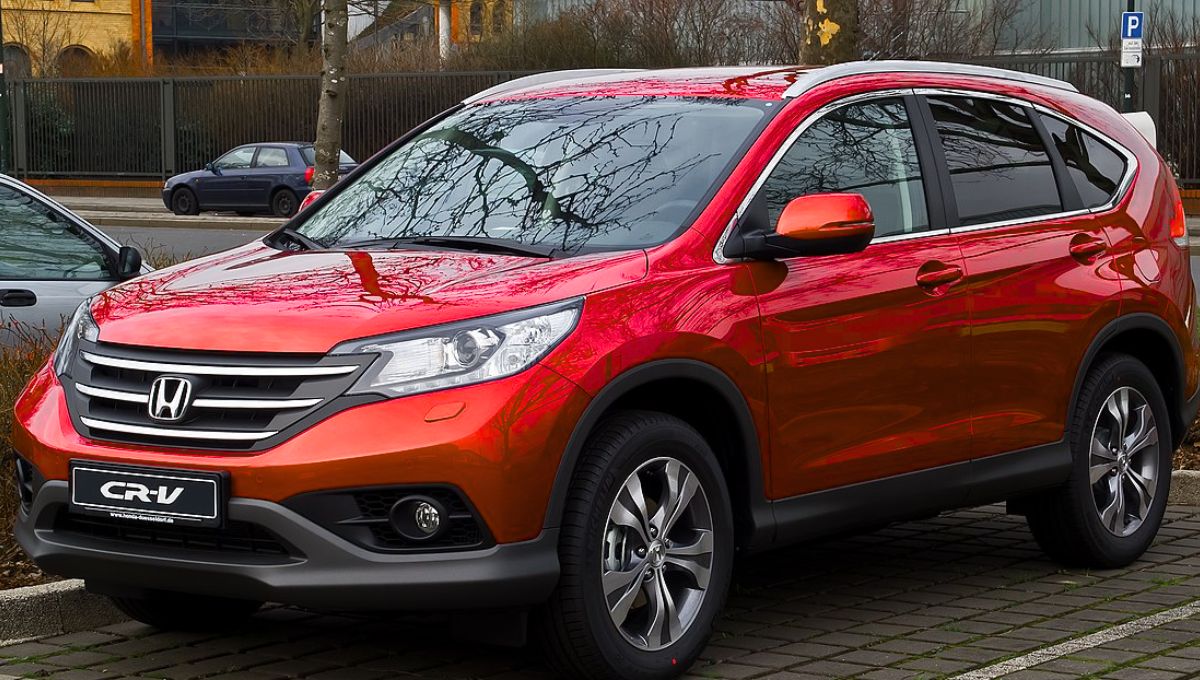
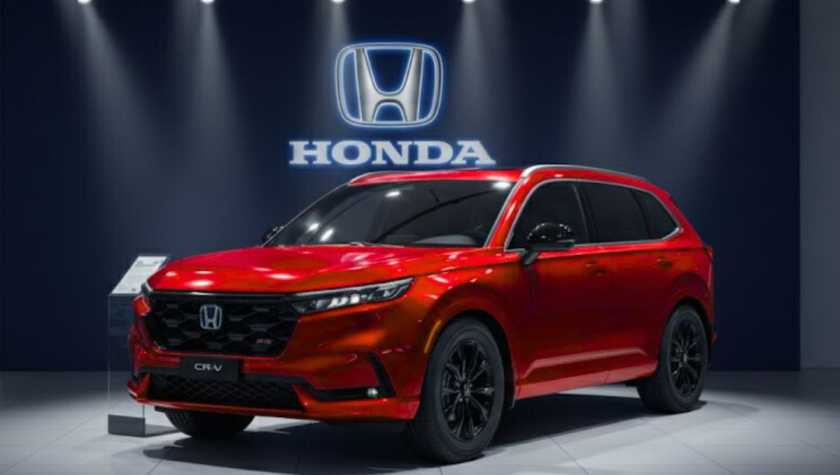
2026 Launch of the Honda CR-V: What’s New and Why It Matters

The arrival of the Honda CR-V 2026 brings meaningful updates to one of the world’s favorite compact SUVs. With improvements in technology, comfort, safety, and even a new trim for more adventurous drivers, this update aims to keep the CR-V fresh and competitive in a fast-evolving SUV market. In this article, we explore what buyers can expect from the 2026 model, what stays familiar, and who might benefit most.

What’s New with the 2026 Honda CR-V

All Trims Get Upgraded Infotainment & Connectivity

One of the most significant changes for 2026 is that all CR-V trims now come standard with a 9-inch HD touchscreen. This larger, more responsive display replaces the older, smaller screen in base trims, improving ease of use for navigation, media, and settings. 

Additionally, wireless Apple CarPlay and Android Auto connectivity are now standard across the lineup — no longer reserved only for higher trims. This makes smartphone integration seamless for more drivers.

For those going for higher trims — including EX-L, Sport-L Hybrid, TrailSport Hybrid, and Sport Touring — a 10.2-inch fully digital instrument cluster is available. This modern digital display offers customizable views and better clarity for speed, fuel/energy data, driving mode info, and more.

Also, wireless phone charging, updated connectivity options, and enhanced audio/entertainment features bring a more modern, comfortable cabin experience. 

New Trail-Ready Trim: TrailSport Hybrid

Perhaps the most noteworthy addition for 2026 is the new CR-V TrailSport Hybrid — the first time the CR-V lineup offers a hybrid version with off-road-ready styling.

 TrailSport Hybrid offers:

  • Rugged design touches — unique exterior styling with dark trim, skid-garnish-like front elements, and a distinct look compared to regular CR-Vs. 
  • All-terrain tires (all-season/all-terrain) and a more aggressive wheel/tire combo for light off-roading or rough-road confidence. 
  • A standard hybrid powertrain, combining efficiency with the versatility typical of CR-V, makes it appealing to those who want capable performance without sacrificing fuel economy. 

This trim expands the appeal of CR-V beyond urban commuters and families — bringing in those who value adventure and versatility.

Engine, Powertrain & Performance Options

The 2026 CR-V lineup continues to offer both traditional petrol/turbo and hybrid powertrain options, giving buyers flexibility depending on their needs.

The base petrol variants typically feature a 1.5-liter turbocharged engine, delivering sufficient power and smooth performance — a proven choice for everyday driving. 

Hybrid variants leverage a 2.0-liter four-cylinder engine paired with electric motors, offering a balance of strong performance and better efficiency. 

  • For those opting for all-wheel drive (AWD) — especially with the TrailSport Hybrid — the 2026 CR-V promises improved traction and stability, whether on city roads or rougher terrain. 

Overall, the 2026 edition keeps CR-V’s reputation for versatility — whether for city driving, highway commutes, or light outdoor adventures.

Comfort, Practicality & Interior Upgrades

Inside, the 2026 CR-V continues to offer a comfortable, well-thought-out cabin with several upgrades:

  • Refined cabin materials and design, particularly on higher trims, make the interior feel more premium and modern than before.
  • Comfort and convenience features like power tailgate (on higher trims), automatic climate control, and flexible seating with 60/40 fold-down rear seats give practicality for families or travellers. 
  • Improved interior insulation and noise-reduction efforts mean a quieter, more relaxed ride — beneficial for long journeys or daily commutes alike. 

These enhancements make the CR-V 2026 more appealing to those who value comfort and usability as much as performance.

Safety & Driver-Assistance: A Priority for All trims

Safety remains a cornerstone for the 2026 CR-V. All trims come equipped with the comprehensive Honda Sensing suite — a bundle of driver-assistive technologies and safety systems. 

Key safety and assistance features include:

  • Collision Mitigation Braking System (CMBS)
  • Lane Departure Warning (LDW) and Lane Keeping Assist System (LKAS)
  • Adaptive Cruise Control (ACC) with low-speed follow
  • Road Departure Mitigation (RDM) — helps prevent unintended lane departures
  • Blind-Spot Monitoring and Rear Cross Traffic Alert (on mid and higher trims)
  • Multi-angle rearview camera, advanced airbag system, and a reinforced body structure for better crash protection. 

These features ensure that whether you’re driving in heavy traffic, on highways, or through rough roads, the CR-V remains a safe, dependable companion.

Read more:- The All-New Kia Seltos 2025: Bigger, Bolder, and Ready for the Road

Who Is the 2026 Honda CR-V For?

The diverse offering of the 2026 CR-V — from base petrol trims to the rugged TrailSport Hybrid — means it appeals to a wide spectrum of buyers:

  • Families and daily commuters: With comfortable interiors, flexible seating, safety features, and good fuel efficiency (especially hybrid trims), it’s well-suited for daily use, school runs, grocery trips or long drives.
  • Tech-savvy SUV buyers: The upgraded infotainment, connectivity, wireless charging and digital displays make the CR-V feel modern and user-friendly.
  • Adventure seekers and light off-road users: TrailSport Hybrid adds ruggedness and AWD traction, making it an attractive option for those who want occasional adventure — weekend trips, rough roads, or countryside drives.
  • Eco-minded or cost-conscious drivers: Hybrid trims offer a balance of performance and fuel efficiency, which can mean lower running costs over time compared to many SUVs.

Potential Drawbacks or Considerations

While the 2026 CR-V brings many upgrades, here are a few things potential buyers may want to note:

  • With added features and especially for hybrid or TrailSport trims, the price is expected to be higher than base models — something to balance against the upgrades.
  • The hybrid + AWD + TrailSport combo might be overkill if you mostly drive in city conditions and rarely need any off-road or rough-road capability. In that case, simpler trims may suffice.
  • As with many modern vehicles with lots of electronics and features, maintenance (especially long-term) might become more complex compared to basic models.

Conclusion

The 2026 Honda CR-V represents a thoughtful, timely update — blending modern technology, practicality, safety, and expanded versatility. Whether you’re a family seeking a reliable SUV for daily use, a tech-lover wanting connectivity and comfort, or someone who enjoys occasional adventures off the beaten path, the updated CR-V lineup covers a wide spectrum of needs.

With its refreshed design, improved infotainment, hybrid efficiency, and the new TrailSport Hybrid for added versatility, the 2026 CR-V strengthens its position as one of the most balanced and desirable compact SUVs on the market.

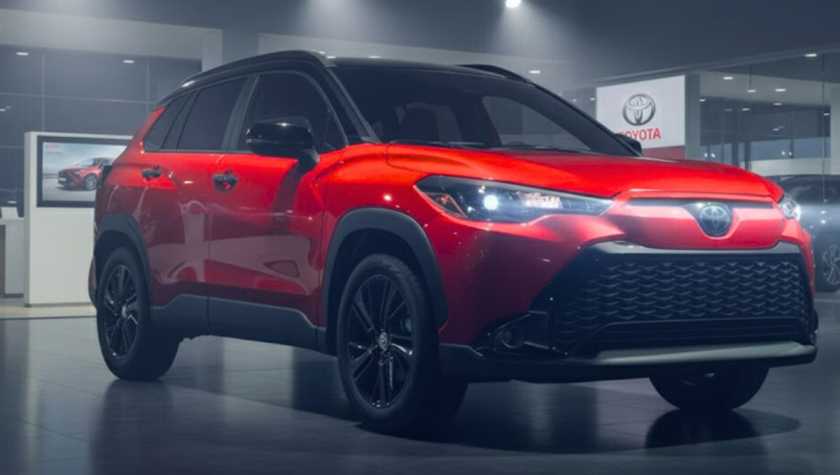
New Toyota Corolla Cross 2025 Launch: What You Should Know

The launch of the 2025 Toyota Corolla Cross 2025 brings fresh edits and thoughtful upgrades to one of Toyota’s popular compact-SUV offerings. Whether you are looking for a practical family vehicle, an efficient hybrid ride, or a well-equipped crossover for daily commuting, this new Corolla Cross aims to meet a wide range of needs. In this article, we explore what’s new, what remains appealing, and how the 2025 model stands out.

What’s New in the 2025 Toyota Corolla Cross

Refreshed Styling and Exterior Updates

  • The 2025 Corolla Cross introduces a refreshed exterior design that gives it a modern, more stylish appearance.
  • Available alloy wheels, including 18-inch options on upper trims, enhance the SUV’s sporty and contemporary look.
  • Roof rails remain available for those who need extra utility for travel, luggage, or outdoor gear.

Improved Interior Comfort and Technology

Inside, the 2025 Corolla Cross offers a modern cabin layout with updated materials and comfort touches such as SofTex-trimmed seats on higher trims.

Infotainment and connectivity have been upgraded: lower trims feature an 8-inch touchscreen, while higher trims may come with larger screens and digital gauge clusters.

Convenience features like wireless charging (on certain trims), rear-seat vents, and optional power back-door add value and practicality for daily use or family trips.

Read more:- BMW M9: The Ultimate Future Hypercar from BMW – Full Review, Specs, Features & Expected Price

Powertrain Options: Versatility Meets Efficiency

The 2025 Toyota Corolla Cross offers both petrol (gas) and hybrid versions, giving buyers flexibility depending on their driving style and priorities.

  • The gas-powered version uses a 2.0-litre 4-cylinder engine producing around 169 horsepower and 151 lb-ft torque, delivering a good balance of performance and efficiency for urban and highway driving.
  • The hybrid version — particularly appealing for those concerned about fuel efficiency — pairs a 2.0-litre engine with electric motors, producing a “net system” output (in markets where this applies) that gives strong performance while maximizing fuel economy.
  • Drivers can choose between front-wheel drive (FWD) and all-wheel drive (AWD), depending on the variant — the latter providing improved traction and stability, especially useful in challenging driving conditions

Space, Practicality & Everyday Use

Comfortable for Daily Drives and Family Use

  • The Corolla Cross continues to deliver a spacious interior for a compact SUV: seating for five, generous headroom, and a high driving position for better visibility and confidence on roads. 
  • The rear cargo area — combined with 60/40 split-folding rear seats — gives flexibility whether you are carrying groceries, luggage for a weekend getaway, or bulky items.
  • For comfort, optional features such as dual-zone automatic climate control, SofTex upholstery, heated seats/steering wheel (on select trims), and premium audio on higher trims make longer drives and commutes more enjoyable.

Technology & Infotainment Features

  • All variants come with a multimedia system and standard connectivity features, including smartphone integration (wired) via Apple CarPlay and Android Auto.
  • Higher and hybrid trims enhance the experience with extras like wireless charging, digital instrument clusters, more speakers, and optional upgrades for a premium feel.

Safety and Driver Assistance: Staying Ahead in Protection

Safety remains a strong suit for the 2025 Toyota Corolla Cross. The SUV comes equipped with a suite of driver-assist features standard across many trims, making it competitive in its segment.

The standard safety package includes adaptive cruise control, automatic emergency braking with pedestrian detection, lane-departure warning/assist, and auto high-beams — all part of the manufacturer’s broader safety system.

  • Additional precautions and convenience: features like Blind Spot Monitor, Rear Cross Traffic Alert, and optional parking-assist systems on higher trims add to driver confidence, especially in urban traffic or parking scenarios.

Who Is the 2025 Toyota Corolla Cross For?

The 2025 Toyota Corolla Cross appeals to a broad range of buyers, including:

  • Small families who need a practical, safe, and comfortable SUV for daily commuting, school runs, groceries, or weekend trips.
  • Urban commuters who value fuel efficiency (with hybrid variants), easy handling, and compact size without sacrificing SUV-level visibility and comfort.
  • Young professionals or couples want a stylish crossover that balances modern design, technology, and usability.
  • Buyers seeking flexibility — whether it’s a petrol variant for straightforward city/highway driving or a hybrid AWD for better fuel economy and handling in diverse conditions.

What to Keep in Mind (Potential Drawbacks)

While the 2025 Corolla Cross is a well-rounded crossover, prospective buyers should note:

  • As with most compact SUVs, rear-seat legroom may be less generous compared to larger SUVs, which might matter for taller passengers on long journeys.
  • Choosing higher trims (especially hybrid + AWD + added features) increases the price significantly, so budget-conscious buyers need to weigh features vs cost carefully.
  • While the hybrid offers great fuel economy, driving style and conditions will influence real-world efficiency — city driving, frequent stops, heavy loads, or aggressive driving may reduce fuel savings.

Conclusion

The 2025 Toyota Corolla Cross 2025 represents a thoughtful evolution of the Corolla Cross line — combining practicality, comfort, modern technology, and a choice between efficient hybrid or capable petrol drivetrains. Whether you’re a small family, a daily commuter, or someone looking for a stylish yet sensible crossover, the Corolla Cross offers a balanced package. Its mix of safety features, flexible seating and cargo space, and array of trims and options makes it a strong contender in the compact-SUV segment.

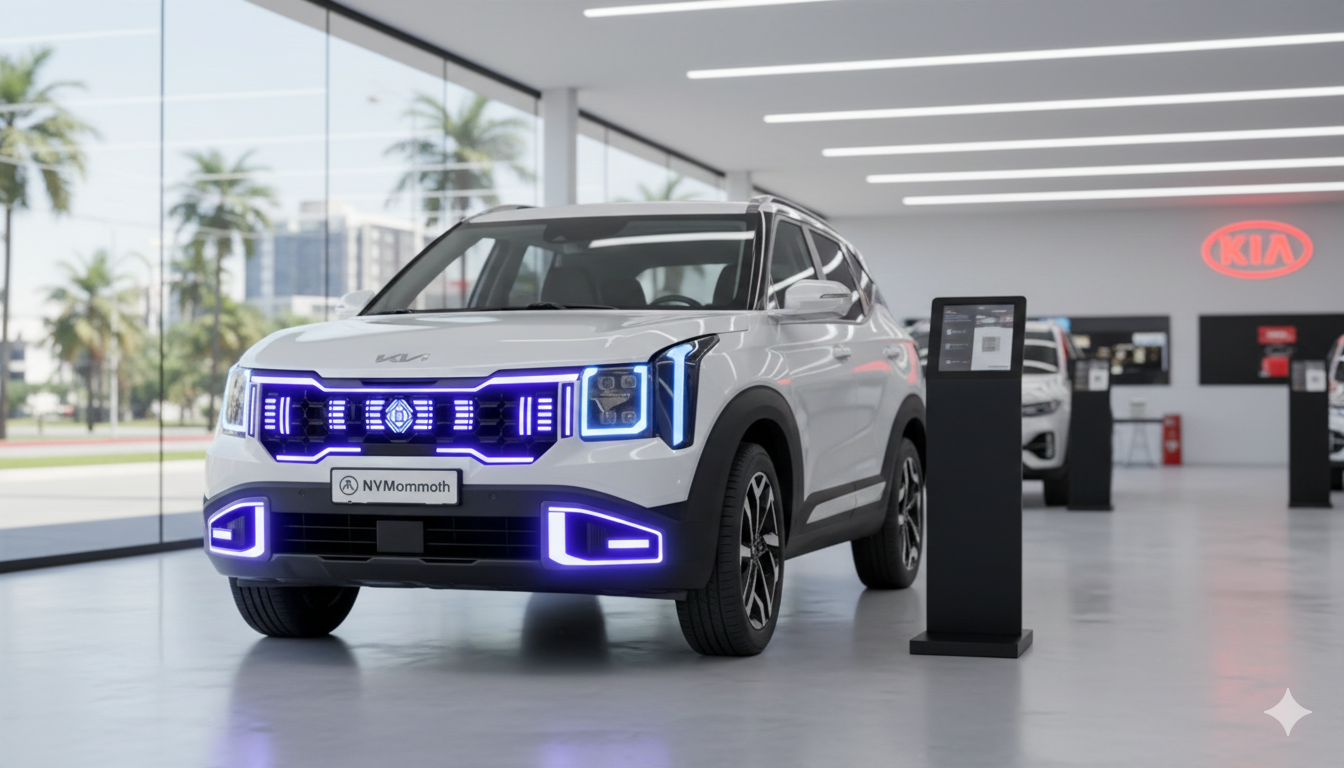
The All-New Kia Seltos 2025: Bigger, Bolder, and Ready for the Road

The Kia Seltos 2025 arrives as a refreshed compact SUV that blends striking design with advanced features, set for its global premiere on December 10, 2025. This model builds on the success of its predecessors, offering more space, power, and tech for families and adventure seekers alike. With prices starting around Rs 10.79 lakh ex-showroom, the Kia Seltos 2025 promises value in a competitive segment.

Striking Exterior Design

The Kia Seltos 2025 sports a bolder front grille and sharper lighting elements, inspired by Kia’s Opposites United philosophy. Its dimensions stretch to 4365mm in length, 1800mm wide, and 1645mm tall, with a 2610mm wheelbase for better stability and rear legroom. Ground clearance at 190mm and tyre sizes up to 215/55 R18 ensure it handles rough roads confidently.

Premium Interior Comfort

Step inside the Kia Seltos 2025 to find a high-tech cabin with dual screens, a digital instrument cluster, and options like ventilated seats and a panoramic sunroof. Ambient lighting and upgraded materials create an upscale feel, while rear ventilation keeps passengers comfortable. Boot space measures 433 litres, perfect for weekend getaways.

Powerful Engine Options

The Kia Seltos 2025 lineup includes six engine-transmission combos, from a 1.5L naturally aspirated petrol with a 6-speed manual to a 1.5L turbo petrol with 7-speed DCT delivering 160PS. Diesel variants offer a 1.5L turbo with a 6-speed manual or TC for efficiency. A 50-litre fuel tank supports long drives without frequent stops.

Advanced Safety and Tech

Safety stands out with six airbags standard, Level-2 ADAS features like auto braking, lane-keeping assist, and blind-spot alerts. Tech highlights include Kia Connect updates, cruise control, and a rear camera across trims. Higher variants add panoramic sunroofs and mood lighting for a modern drive.​

Pricing and Variants

Kia Seltos 2025 comes in 24 trims, from base HTE (O) at Rs 10.79 lakh to top X-Line DCT at Rs 19.81 lakh ex-showroom. Mid-range options like HTX (O) around Rs 17-18 lakh balance features and cost. On-road prices vary by city, often Rs 2-3 lakh higher.

Read more:- Zontes 350R 2025 Launch: The Aggressive Streetfighter Returns Stronger

FAQs

What is the launch date for the Kia Seltos 2025 in India?

The global premiere is on December 10, 2025, with the India launch expected soon after.

What are the engine options in the Kia Seltos 2025?

Choices include 1.5L petrol MT/CVT, turbo petrol DCT/ACMT, and diesel MT/TC.

What is the price range of the Kia Seltos 2025?

Ex-showroom prices start at Rs 10.79 lakh and go up to Rs 19.81 lakh.

Does the Kia Seltos 2025 have ADAS features?

Yes, Level-2 ADAS with braking, lane assist, and blind-spot monitoring is likely.

What is the boot space and ground clearance?

It offers 433 litres of boot space and 190mm ground clearance

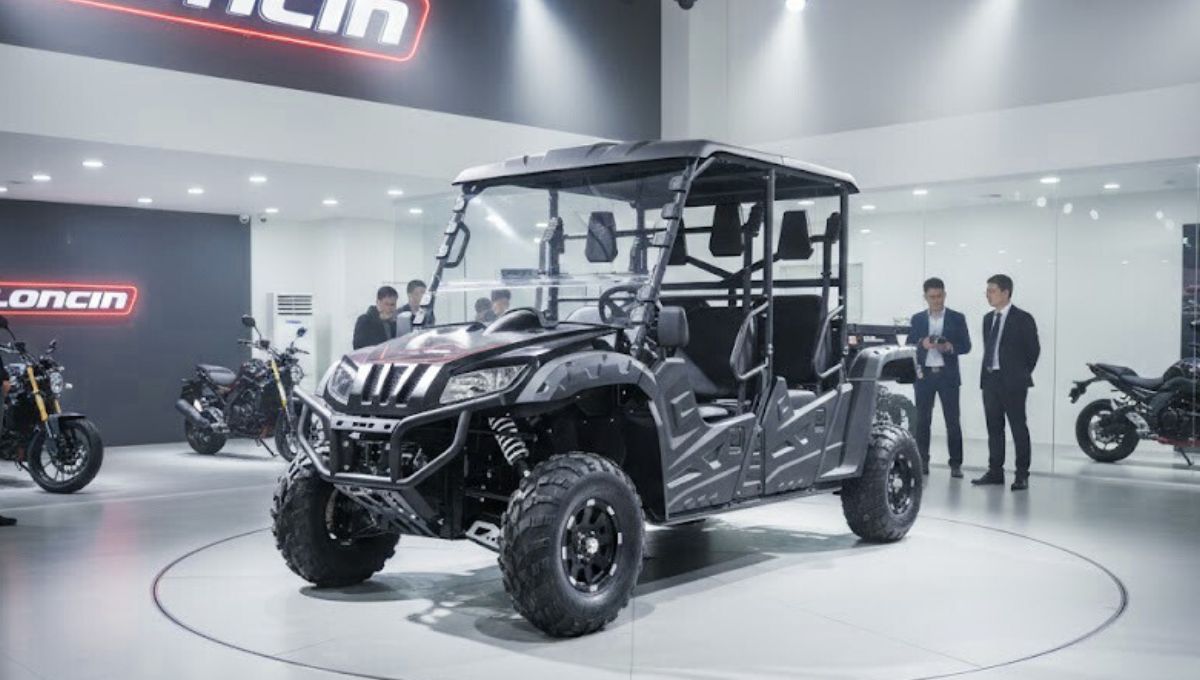
The New Loncin UWolf700: A Powerful All-Terrain Companion

The Loncin UWolf700 is a robust, mid-sized UTV (Utility Terrain Vehicle) designed to strike a balance between power, comfort, and versatility. Whether you need a reliable machine for rugged terrain, farm work, or outdoor adventure, the UWolf700 delivers on multiple fronts — engine performance, suspension and drive options, load-carrying capability, and user comfort. Below is a detailed look at what makes the Loncin UWolf700 stand out.

Engine & Performance: Strength Meets Reliability

At the heart of the Loncin UWolf700 lies a single-cylinder, four-valve, water-and-oil-cooled engine that displaces 686 cc. Its compression ratio is 9.7:1, ensuring a good balance between torque and efficiency

  • The power output is 32 kW at 6500 rpm, and the maximum torque is 62 Nm at 4000 rpm — enough grunt for tough terrain, hauling, or towing. 
  • Fuel is delivered by an EFI system (Bosch EFI), giving smoother throttle response and better fuel efficiency compared to older carbureted models. 
  • The transmission is an automatic CVT with gears marked as L / H / N / R / P, making the ride easier — even in challenging terrain. 

Because of this configuration, the UWolf700 provides a dependable, flexible performance: enough power to tackle rough trails, move loads, or tow moderate loads — yet manageable enough for everyday off-road riding.

Chassis, Suspension & Drive System: Built for All Terrains

The UWolf700 is built on a sturdy chassis with features tailored to uneven, rugged terrains as well as practical utility use:

  • Both front and rear suspensions use double A-arm (double wishbone) independent suspension, enhancing stability and shock absorption. 
  • Shock absorbers use an oil-air mixture, a hybrid damping system that balances comfort and ruggedness over bumps, ruts or rough trails.
  • The braking system consists of disc brakes on all four w
  • heels, giving solid stopping power — useful when carrying loads or navigating downhill. The vehicle rides on 12-inch aluminum wheels, with front tires (AT25×8-12) and rear tires (AT25×10-12) — giving a good balance of grip and durability. 

One of the biggest advantages of the UWolf700 is its configurable drive system. It offers 2WD, 4WD, and 4WD with locking differential, giving the driver flexibility to adapt to changing terrain — from smooth paths to muddy trails or steep slopes. 

All this makes the Loncin UWolf700 well-suited for farmland, rural terrain, forest trails, or even light utility work.

Dimensions, Load Capacity & Practical Utility

The Loncin UWolf700’s size and load-handling capability make it useful not just for off-road fun, but for work and transport as well:

  • The vehicle’s dimensions are approximately 2930 mm (length) × 1555 mm (width) × 1985 mm (height).
  • It has a wheelbase of 1910 mm, which helps with stability.
  • Ground clearance (minimum) is 285 mm, giving enough clearance for rough terrain, rocks, and obstacles. 
  • The dry weight is around 551 kg. 
  • The maximum payload capacity (maximum loading) is 356 kg, making it suitable for carrying tools, farm supplies, gear or harvests.
  • The fuel tank capacity is 28 litres, giving a decent range for extended use — especially useful in rural or off-grid areas. 
  • The vehicle is also equipped with a cargo/luggage case (empty) measuring 845 × 1110 × 313 mm, offering space for storage or transport of goods.

This makes the UWolf700 a practical vehicle for many tasks — transporting goods, working on farms or plantations, carrying tools or supplies, and even light towing or hauling tasks when needed.

Driving Comfort & Features: More Than Just Power

The Loncin UWolf700 isn’t just about muscle — it’s built to deliver a comfortable and manageable ride:

  • It features electric power steering (EPS), which makes steering easier and reduces fatigue on long rides or during heavy use, particularly in 4WD or rough terrain. 
  • The design emphasizes driver comfort. The seat setup follows ergonomic design principles, making it easier to accommodate different rider sizes. 
  • The build quality — from suspension to chassis strength — is geared to offer a safe, stable ride even on uneven terrain. 

Overall, these features make the UWolf700 a balanced machine: capable enough for hard use, yet accessible enough for daily off-road driving or utility tasks.

Who Should Consider the Loncin UWolf700?

The UWolf700 is suitable for a variety of users and purposes, such as:

  • Farmers or agricultural workers who need a reliable vehicle to move supplies, transport goods, or navigate uneven fields.
  • Rural homeowners or landowners looking for a compact vehicle to manage land, transport tools, or move around large properties.
  • Outdoor enthusiasts and adventure seekers who want a capable UTV for exploring trails, forests, hills, or rough countryside.
  • Small businesses or plantations need a multipurpose vehicle for transport, maintenance, or hauling tasks.
  • Anyone needing a flexible utility vehicle for both work and recreation — the UWolf700 offers a balance of power, comfort, and practicality.

Read more:- Zontes 350R 2025 Launch: The Aggressive Streetfighter Returns Stronger

Pros and Cons: What to Expect

Pros

  • Strong and reliable 686 cc engine with EFI — good balance of torque and efficiency.
  • CVT transmission and selectable drive modes (2WD/4WD/4WD Lock) — versatile for different terrains and tasks.
  • Independent double A-arm suspension, oil-air shock absorbers — better ride comfort even on rugged surfaces.
  • Good load-carrying capacity (356 kg) and spacious cargo space — useful for utility, work, or transport.
  • Electric power steering (EPS) — reduces steering effort for easier handling.
  • Reasonable ground clearance (285 mm) — suitable for off-road conditions, farm tracks, or uneven terrain.

Cons / Limitations

  • As a mid-size UTV, the UWolf700 may not match the power or load capacity of heavy-duty, large-sized UTVs or trucks.
  • Its dry weight (551 kg) plus cargo may limit manoeuvrability in very tight or narrow spaces.
  • For heavy hauling or extremely rough terrain (rocks, deep mud, etc.), a more specialized vehicle might perform better.
  • Depending on maintenance and usage, regular servicing may be required to keep performance optimal (given EFI, suspension, and drive components).

Conclusion

The Loncin UWolf700 strikes a commendable balance between power, comfort, utility, and versatility. It is well-suited for a wide range of users — from farmers and rural landowners to adventure seekers and small business operators. Whether you need a dependable workhorse for daily chores, a practical vehicle for transport and hauling, or an off-road companion for exploration, the UWolf700 offers a solid, all-terrain solution.

FAQs

What is the engine capacity of the Loncin UWolf700?

The UWolf700 comes with a 686 cc, single-cylinder, 4-valve, water-and-oil-cooled engine.

What transmission does the UWolf700 use?

It uses a CVT transmission with gear selections L / H / N / R / P, making driving smoother and easier across various terrains.

Can the UWolf700 handle rough, hilly or off-road terrain?

Yes — with its independent double A-arm suspension (front and rear), oil-air shock absorbers, and ground clearance of 285 mm, the UWolf700 is designed for off-road conditions, making it suitable for farms, rural terrain or trails.

How much can UWolf700 carry or transport?

The maximum loading (payload) capacity is around 356 kg, and it includes a luggage/cargo compartment for transporting tools, supplies, or merchandise.

Is it good for daily farm work or utility tasks?

 Absolutely. Its combination of engine power, cargo capacity, and versatile drive system (2WD/4WD/4WD Lock) makes it practical for farm work, land maintenance, or rural transport.

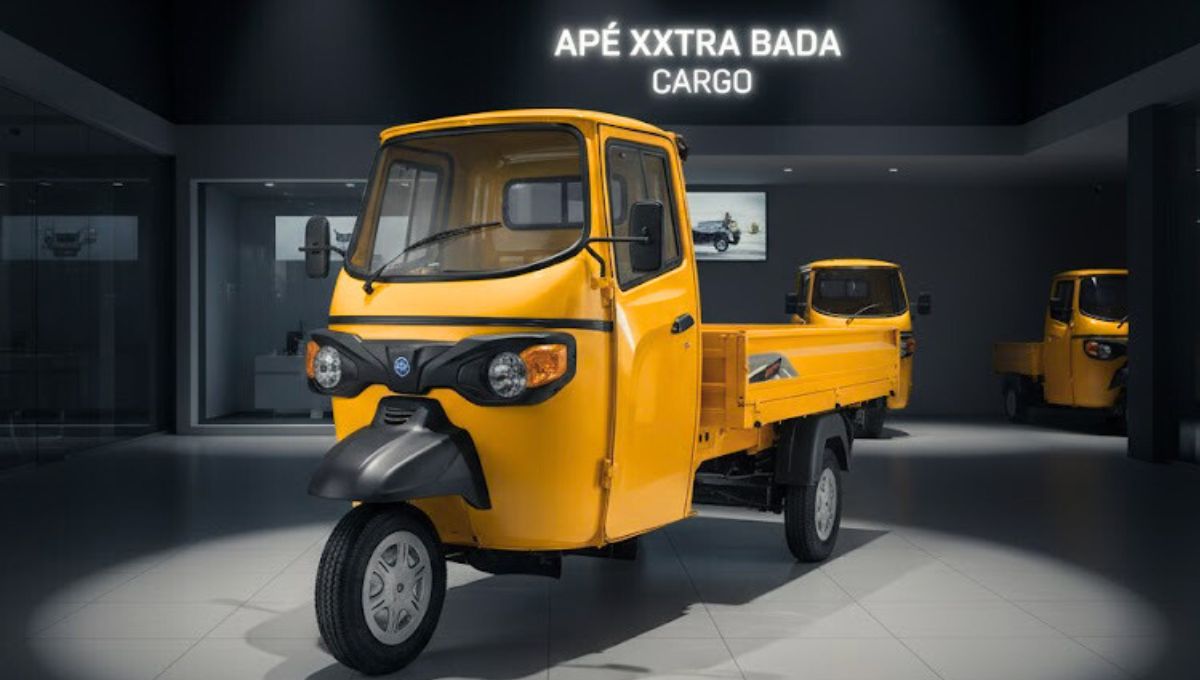
The Apé Xtra Bada 700: A New Benchmark in Indian Cargo Mobility

The Apé Xtra Bada 700 is the latest diesel cargo three-wheeler from Piaggio, launched in late 2025, and it sets a new standard in the segment with greater power, higher payload, and enhanced practicality. Designed with small business owners, fleet operators, and last-mile logistic providers in mind, the Apé Xtra Bada 700 aims to deliver stronger performance, larger load-carrying capacity, and improved comfort for drivers — all at a competitive price. In this article, we explore what makes the Apé Xtra Bada 700 stand out, how it performs, and whether it fits the needs of Indian cargo transport.

What is the Apé Xtra Bada 700?

The Apé Xtra Bada 700 is a diesel-powered commercial 3-wheeler built by Piaggio for cargo transport. Unlike older small-capacity three-wheelers, this model is engineered to handle heavier loads, longer cargo decks, and tougher working conditions. The vehicle is targeted at businesses needing efficient and cost-effective goods transport in urban, semi-urban and rural settings.

Officially launched in November 2025 alongside its sibling model the Apé Xtra 600, the Apé Xtra Bada 700 is positioned as the most powerful diesel cargo 3-wheeler in its class in India. 

Key Specifications & What They Deliver

Here’s a summary of the most important specs of the Apé Xtra Bada 700 — and why they matter:

Engine: 700 DI liquid-cooled diesel engine producing 7.7 kW (≈ 10.3 HP) @ 3600 rpm and 26 Nm torque @ 2200 rpm.

Payload capacity: 750 kg — the highest in the diesel 3-wheeler segment. 

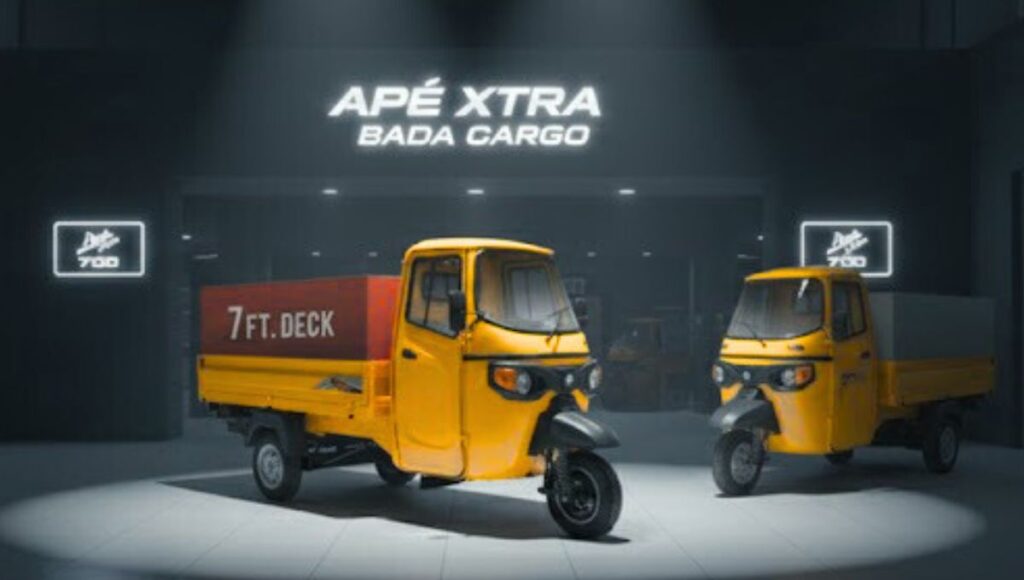
Cargo deck length: 7 feet — the first 3-wheeler in India to offer a deck this long, enabling transport of bulky or long items. 

Tyres and stability: 12-inch radial tyres for improved stability and load distribution. 

Wheelbase: 2305 mm — providing better balance and structural strength under heavy load. 

Gradeability: 25% — enabling it to climb steep inclines, flyovers, or hilly areas even when loaded. 

Driver cabin and comfort: New, more spacious cabin layout; 3.5″ digital instrument cluster (LCD speedometer); improved ergonomics for long working hours.

Other build aspects: New chassis, improved suspension geometry, robust build — designed for demanding commercial usage and rough Indian roads. 

Price (starting): Around ₹ 3.45 lakh (ex-showroom, Maharashtra) at launch. 

These specifications combine to make the Apé Xtra Bada 700 both powerful and practical — letting owners transport more goods, cover more ground, and potentially earn more per trip.

What Makes Apé Xtra Bada 700 Stand Out

Payload & Cargo Capacity: Big Load, Big Benefit

One of the biggest selling points of the Apé Xtra Bada 700 is the 750 kg payload. For many small businesses, this means fewer trips for the same amount of goods — saving time, labour, and fuel. The 7-foot cargo deck allows for longer or bulkier items (such as furniture, longer crates, or construction materials), expanding the range of goods that can be transported. This makes the Bada 700 more versatile than traditional 3-wheelers, limited by deck size or load capacity. 

Engine Strength & Performance: Diesel Punch for Tough Duties

With a liquid-cooled 700 DI diesel engine and healthy torque at low rpm (26 Nm at 2200 rpm), the Apé Xtra Bada 700 offers strong pulling power even when fully loaded. The 25% gradeability ensures that inclines, flyovers, or rural slopes are manageable — a crucial requirement for delivery trucks operating across varied terrains. 

New Platform & Improved Stability: Built for the Long Haul

The Bada 700 rides on a completely new vehicle architecture: a strengthened chassis, optimised suspension geometry, and bigger 12-inch radial tyres that together improve stability, load handling, and durability. The longer wheelbase adds to structural integrity, making the vehicle suitable for heavy and repeated use. 

Driver Comfort & Practicality: More than Just Strength

Recognising that cargo drivers often put in long hours, Piaggio reworked the cabin to offer more comfort and less fatigue. Along with a modern dashboard featuring a 3.5-inch digital speedometer, the ergonomically positioned controls, comfortable seating, and decent visibility make driving easier and safer. Extras like an optional rear parking sensor help with manoeuvring in crowded or narrow lanes — a common scenario in urban markets. Value Proposition: Competitive Pricing and Low Ownership Cost

At a starting ex-showroom price of ₹ 3.45 lakh and backed by Piaggio’s widespread service network and reputation, the Apé Xtra Bada 700 offers a compelling business investment. Given its payload, performance, and expected durability, it can be a cost-effective alternative to entry-level four-wheeler cargo vehicles — especially for small and medium businesses that need flexibility and lower total cost of ownership. 

Who Should Choose Apé Xtra Bada 700 — Ideal Use Cases

The Apé Xtra Bada 700 is especially suited for:

  • Small business owners and traders who move goods like groceries, furniture, building materials, or industrial supplies, where load size and weight matter.
  • Last-mile logistics providers, delivery services, and fleet operators need more payload per trip and fewer runs.
  • Transporters in hilly or challenging terrains, where gradeability and torque matter for reliable uphill performance.
  • Urban and semi-urban goods carriers, where compact size (compared to 4-wheelers) helps in narrow lanes, yet the capacity rivals smaller trucks.
  • Owners seeking cost-efficient business vehicles, balancing low initial price, fuel efficiency, load capacity, and minimal maintenance.

Considerations & What to Look Out For

While the Apé Xtra Bada 700 brings many improvements, certain trade-offs and realistic expectations remain:

  • As a 3-wheeler, stability under heavy load is better than older small cargo autos — but it will still behave differently from a full 4-wheeler truck, especially under extreme loads or sharp turns. Proper loading and cautious driving remain essential.
  • Being built for commercial use, ride comfort will be basic — expect a utilitarian cabin rather than luxury; it’s designed for goods, not passengers.
  • Maintenance and periodic servicing will be important for long-term reliability, especially given heavy-duty cycles. Although Piaggio claims low maintenance and a wide service network, real-world upkeep depends on usage and care.
  • Longer cargo deck and heavier payload mean demands on driver attention for loading/unloading and safe securing of goods.

Final Thoughts

The Apé Xtra Bada 700 represents a meaningful leap forward in India’s cargo three-wheeler market. By combining a powerful diesel engine, high payload capacity, large cargo deck, improved chassis and tyres, and a more comfortable cabin — all at a competitive price — Piaggio has crafted a vehicle that serves as a strong alternative to small 4-wheel cargo trucks, while retaining the compactness and manoeuvrability of a three-wheeler.

Read more:- The New Loncin XWolf200: A Balanced All-Terrain ATV for Work and Play

For small and medium businesses, delivery operators, and logistics entrepreneurs — especially those operating in urban and semi-urban areas — the Apé Xtra Bada 700 offers a compelling mix of value, performance, and practicality. It is particularly well-suited to those who need to transport heavy or bulky goods, cover steep terrain, or maximise load-per-trip efficiency.